
Vietnam Targets Breakthroughs in Strategic Technology Development
| Gia Lai: Open Quantum, Semiconductor and Superconductor Technology Exhibition Vietnam Promotes Sci-tech Diplomacy to Enhance National Development Capacity |
If the initial phase of implementing Resolution No. 57-NQ/TW focused on completing orientations, mechanisms, and policies and preparing the necessary foundations, implementation has now entered a phase of organizing programs and tasks and producing concrete products and results.
Science and technology, innovation, and digital transformation are increasingly being identified as important drivers of growth, enhanced national competitiveness, and sustainable development.
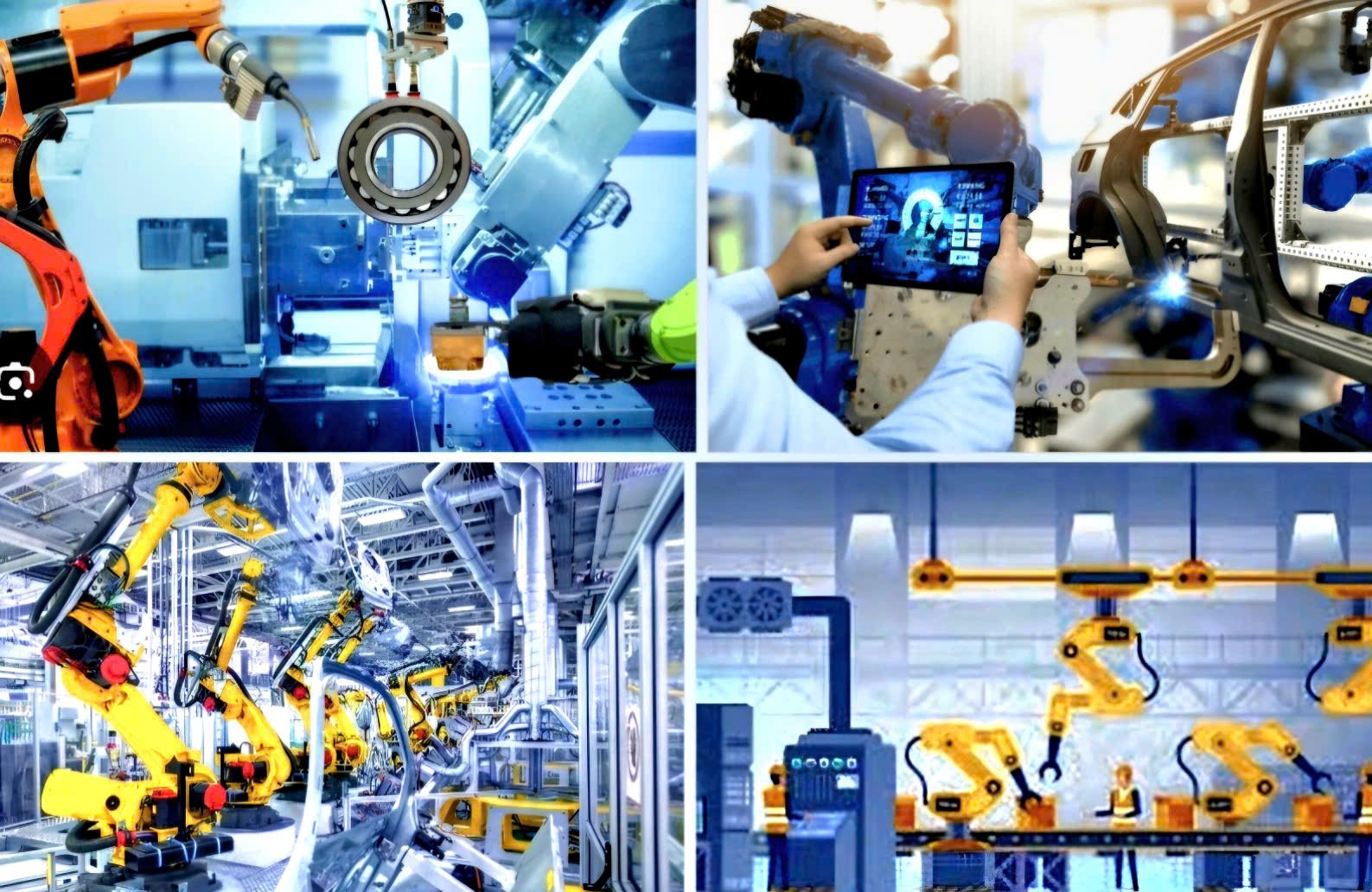 |
| Illustrative photo: Science and technology, innovation, and digital transformation are increasingly recognized as key drivers of growth, enhanced national competitiveness, and sustainable development. |
Focusing resources on strategic technologies
According to the Ministry of Science and Technology, one of the notable achievements has been the continued improvement of the institutional, mechanism, and policy framework, creating a legal foundation for implementing the Resolution.
In particular, in the field of strategic technologies, Vietnam has, for the first time, established a list comprising 10 groups of strategic technologies and 30 groups of strategic technology products, while implementing strategic technology development tasks under a new approach.
Notably, the approach has shifted from developing technologies by individual fields to concentrating resources on addressing major challenges facing the country, sectors, and localities.
Accordingly, each task is defined from the outset with clear objectives, expected outputs, core technologies to be mastered, participating enterprises, application sites, and commercialization plans.
This approach is expected to shift the focus from investing in research to developing strategic technology products, gradually mastering core technologies and strengthening the country’s technological self-reliance.
The Ministry of Science and Technology is also renewing the way science, technology, and innovation programs are organized, making them more streamlined and interconnected from basic research to commercialization. Enterprises are placed at the center, development challenges serve as the guiding direction, and products and practical effectiveness are used as measures of investment outcomes.
Alongside these efforts, the national innovation ecosystem continues to develop, while the science and technology market is gradually taking shape. Science and technology enterprises, innovative startups, and organizations supporting innovation continue to be strengthened.
Digital infrastructure, digital data, and national digital platforms are being invested in and further developed, creating a foundation for digital government, the digital economy, and digital society, while promoting emerging digital technologies such as artificial intelligence and big data.
The bottleneck lies in implementation
Alongside the achievements, the implementation of Resolution No. 57 continues to face difficulties and challenges.
According to the Office of the Ministry of Science and Technology, the current bottleneck is no longer primarily a lack of orientations, mechanisms, or policies, but rather the organization of implementation and the translation of policies into concrete products and results.
The mobilization of social resources, particularly resources from businesses for research, development, and innovation, remains limited. Links between research institutes, universities, and businesses are not yet strong, while many research results have not been commercialized.
For strategic technologies, as this is an entirely new implementation approach, several mechanisms concerning financing, commissioned research, funding, contract signing, and program management are still being further refined.
Some ministries and agencies continue to face difficulties in defining output products, core technologies, investment effectiveness, and commercialization plans. Testing, inspection, and certification capabilities for certain strategic technologies also need to be further strengthened.
From now until the end of 2026, the Ministry of Science and Technology has identified its priority as making a strong shift toward creating concrete products, technologies, and results serving socio-economic development.
First, the Ministry will finalize the National Science, Technology and Innovation Program, particularly in the area of strategic technologies, while completing mechanisms for funding, commissioned research, contract signing, and program management.
The implementation of strategic technology development tasks will also be accelerated, with a view to soon producing the first strategic technology products bearing Vietnamese brands.
At the same time, the Ministry will continue to reform and restructure the system of science, technology, and innovation programs toward a streamlined and interconnected model, concentrating resources on strategic technologies, key national products, and major challenges facing the country.
Co-investment and co-funding mechanisms will be promoted, together with stronger business participation throughout the entire process, from research to commercialization.
In addition, the Ministry will prioritize the development of research infrastructure, national key laboratories, digital infrastructure, digital data, and the science and technology market. Localities will be guided in identifying strategic technology challenges, providing a basis for developing technology-related tasks aligned with actual needs.
The goal is not only to continue improving the institutional framework, but, more importantly, to generate measurable results, gradually master core technologies, develop strategic technology products bearing Vietnamese brands, and foster leading technology enterprises.
 Vietnam and Bulgaria Promote Cooperation in Technology and Green Transition Vietnam and Bulgaria Promote Cooperation in Technology and Green Transition At the headquarters of the Bulgarian Chamber of Commerce and Industry (BCCI) in Sofia, the Embassy of Vietnam in Bulgaria, in coordination with the BCCI and the Vietnam Business Association in Bulgaria, recently organized a seminar titled “Vietnam-Bulgaria Cooperation in Economy and Industry; Sharing Experiences in Innovation, Digital Transformation, and Green Transition.” |
 Modern Technology Implemented in Crackdown on IUU Fishing Modern Technology Implemented in Crackdown on IUU Fishing As part of efforts to combat illegal, unreported and unregulated (IUU) fishing and contribute to the nationwide push to remove the European Commission’s “yellow card,” Da Nang is applying modern science and technology and accelerating the digitalization of fisheries management in a transparent and modern manner. |


Most read


Related Stories
 Handbook
Science and Technology Key to Viet Nam’s Sustainable Growth
 Friendship
Digital Transformation to Enhance Cooperation with International Organisations
 National
Vietnam News Today (Sep. 9): Prime Minister Le Minh Hung to Attend 18th BRICS Summit in India
 Economy
Digital Economy Opens New Growth Opportunities for Vietnamese Businesses
Recommended
 Handbook
Viet Nam Trade Office in Argentina Promotes Trade and Investment Cooperation with Western Argentine Provinces
 Handbook
SAP-VN Provides Mobile Dental Care in Da Nang for the First Time
 Handbook
Vietnamese Artists Join International Art Exchange in Bangkok
 Handbook
Hanoi Offers Free Bus and Train Rides for Independence Day Holiday
Popular article
 Handbook
Many Activities to Celebrate National Day
 Handbook
Vietnam Introduces New Rules for Foreigners’ Entry and Residence
 Handbook
Ho Chi Minh City to Host Diverse Cultural Activities for National Day
 Handbook