| Viet Nam News Today (Sep. 9) notable headlines Top leader highlights promising Viet Nam–Russia maritime cooperation Prime Minister Le Minh Hung to attend 18th BRICS Summit in India Ireland Ambassador ready to promote media cooperation with Viet Nam Overseas Vietnamese ready to contribute to national transformation Tourism industry targets 10-12% GDP contribution, shifts focus to value by 2030 Viet Nam climbs global ranking of world’s top 100 container ports Viet Nam, Russia urged to make parliamentary cooperation more effective and tangible Viet Nam and EU to foster stronger investment ties under Resolution 10 Viet Nam wood exports near US$12 billion as China demand surges |
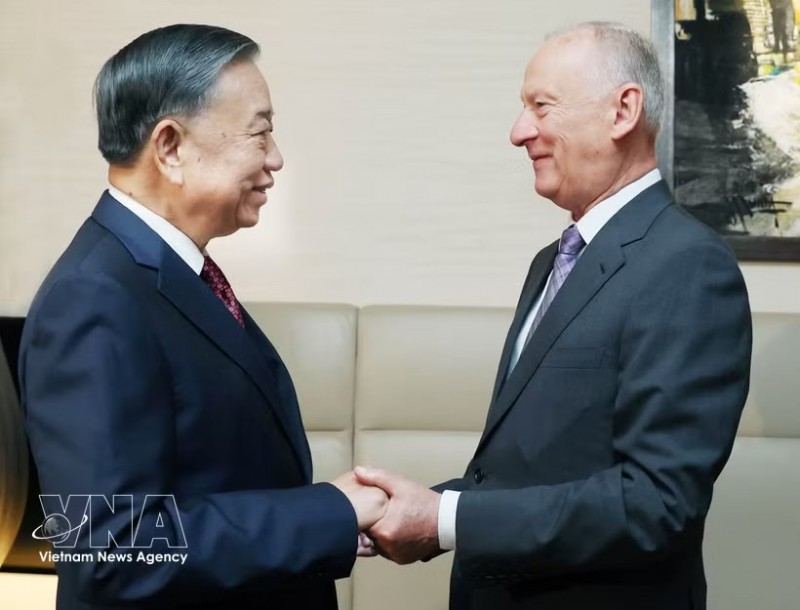 |
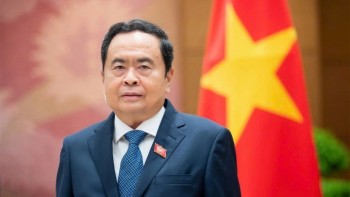
| General Secretary of the Communist Party of Viet Nam Central Committee and President To Lam (left) meets with Russian Presidential Aide and Chairman of the Maritime Board Nikolai Patrushev on September 8, 2026. (Photo: VNA) |
Top leader highlights promising Viet Nam–Russia maritime cooperation
General Secretary of the Communist Party of Viet Nam (CPV) Central Committee and President To Lam has highlighted maritime cooperation as a promising area for Viet Nam and Russia while receiving Russian Presidential Aide and Chairman of the Maritime Board Nikolai Patrushev in Moscow on September 8.
The Vietnamese leader, who is paying a state visit to Russia, affirmed that the Party and State of Viet Nam consistently regard Russia as an important and reliable partner and a top priority in Viet Nam’s foreign policy and development strategy, a position reaffirmed by the 14th National Party Congress.
In the new development period, alongside further consolidating traditional areas of cooperation, the two countries should proactively develop new areas which are potential and aligned with their respective strengths and needs, with maritime cooperation offering particularly promising prospects.
Highly valuing the gradual establishment of a specialised maritime cooperation mechanism, General Secretary and President Lam stressed that Viet Nam is a maritime nation with a long coastline and an important geostrategic position, and that the sea is of particular significance to national construction, development and defence. Viet Nam aims to develop its marine economy strongly and sustainably while linking economic development with environmental protection, national defence and security, and living standard improvement.
Welcoming the two sides’ identification of orientations for maritime cooperation in 2026–2030, the top leader called on relevant agencies of both countries to urgently translate them into highly feasible programs and projects, avoiding a situation in which agreements remain merely at the level of orientations and policies.
He noted that maritime transport and logistics are directly relevant to increasing trade and economic connectivity between Viet Nam and Russia. He therefore proposed that the two sides consider the development of efficient sea transport routes and strengthen links between their seaports, shipping companies and logistics enterprises, thereby reducing costs and facilitating the movement of goods.
Noting Russia’s extensive experience, scientific – technological capabilities, and industrial base in shipbuilding, General Secretary and President Lam suggested that the two sides explore cooperation in shipbuilding, ship repair and maintenance, as well as technology transfer in line with Viet Nam’s needs and conditions.
The two sides spoke highly of the long-standing cooperation between Vietnamese and Russian scientists, including positive results achieved under the framework of the Viet Nam–Russia Tropical Center, cited VNA.
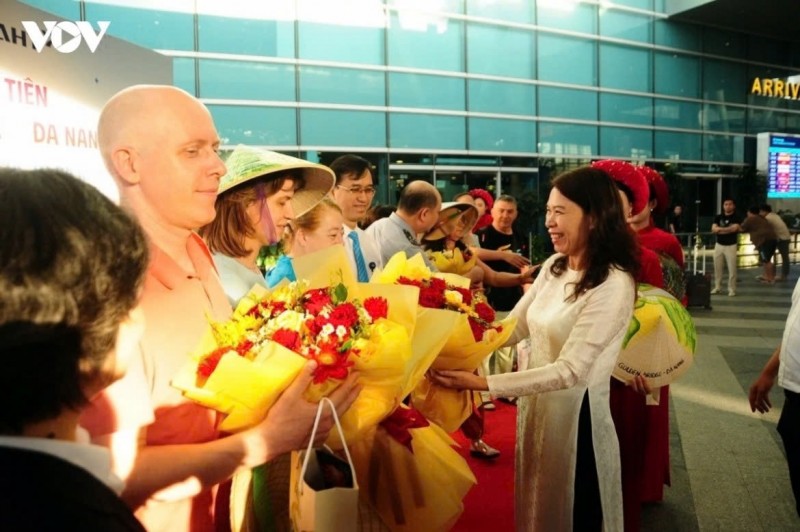 |
| Russian visitors receive warm welcome in Da Nang City, central Viet Nam. |
General Secretary and President Lam asked for further improving the center’s efficiency while expanding research cooperation into marine science, oceanography, biodiversity, marine environmental protection, climate change response, new materials and technologies serving the sustainable development of the marine economy.
Patrushev praised Viet Nam’s vision and orientations for developing its marine economy and expressed his wish for the two sides to continue close coordination and effectively implement the cooperation plans and memoranda of understanding already reached, particularly by further promoting the role of the Viet Nam–Russia Tropical Center.
In terms of multilateral maritime cooperation, he said Russia attaches great importance to promoting maritime cooperation with ASEAN.
The two sides also discussed cooperation in ensuring maritime security and safety, combating various types of crime and addressing non-traditional security threats at sea. They agreed to step up experience sharing, expertise exchange and coordination among competent agencies in accordance with each country’s laws and international law, including the 1982 United Nations Convention on the Law of the Sea (UNCLOS).
The Vietnamese leader called on Russia to continue making an active contribution to peace, stability, cooperation and development in the region.
Prime Minister Le Minh Hung to attend 18th BRICS Summit in India
Prime Minister Le Minh Hung is set to attend the 18th BRICS Summit in India from September 12 to 13 at the invitation of Indian counterpart Narendra Modi, the Ministry of Foreign Affairs announced on Tuesday.
India’s BRICS Chairship is guided by the theme “Building for Resilience, Innovation, Cooperation and Sustainability”, reflecting a people-centric and humanity-first approach articulated by the Indian Prime Minister at the 2025 Rio Summit.
Building resilience means strengthening economic, social, and institutional resilience to navigate global uncertainties, supply chain disruptions, health challenges, and climate risks.
Innovation refers to deploying new and emerging technologies such as digital public infrastructure, fintech, AI, and knowledge sharing to enable effective service delivery and future-ready growth.
Cooperation includes deepening multilateral engagement among BRICS members through enhanced policy coordination, development finance, trade facilitation, reforms in global institutional governance, and people- centric partnerships.
Meanwhile, sustainability aims to accelerating collective efforts toward climate action, green finance, energy transitions, and sustainable development aligned with national and global priorities, according to VGP.
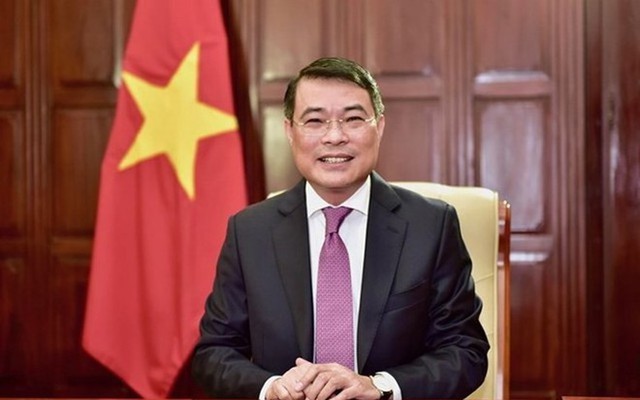 |
| Prime Minister Le Minh Hung. |
BRIC was formalized at the first meeting of BRIC Foreign Ministers on the sidelines of the United Nations General Assembly (UNGA) in New York in 2006. The inaugural BRIC Summit was convened in Yekaterinburg, Russia, in 2009.
It was agreed to expand BRIC into BRICS with the inclusion of South Africa at the BRIC Foreign Ministers’ meeting in New York in 2010. Accordingly, South Africa attended the 3rd BRICS Summit in Sanya in 2011.
Egypt, Ethiopia, Iran, Saudi Arabia and UAE became full member of BRICS from January 2024 and Indonesia in January 2025.
Belarus, Bolivia, Kazakhstan, Cuba, Malaysia, Nigeria, Thailand, Uganda, Uzbekistan and Viet Nam joined BRICS as Partner Countries in 2025.
BRICS brings together eleven major emerging markets and developing countries of the world: Brazil, China, Egypt, Ethiopia, India, Indonesia, Iran, Russia, Saudi Arabia, South Africa and United Arab Emirates. It serves as a useful platform for consultation and cooperation on contemporary issues having global as well as regional significance, and issues of global political and economic governance.
Ireland Ambassador ready to promote media cooperation with Viet Nam
Irish Ambassador to Viet Nam Deirdre Ní Fhallúin has expressed her readiness to explore more direct and proactive ways to connect and cooperate with Vietnamese agencies, including Voice of Viet Nam (VOV), to bring Ireland closer to the Vietnamese public.
Ambassador Deirdre Ní Fhallúin made the statement during her meeting with VOV Deputy General Director Pham Manh Hung at VOV Online newsroom in Hanoi on September 9.
Highly appreciating cooperation with VOV, Ambassador Deirdre Ní Fhallúin said the Irish Embassy in Viet Nam is continuing to look for ways to build more direct and proactive links with Vietnamese agencies.
She highlighted cooperation with VOV as an effective way to bring information about Ireland closer to the Vietnamese public, while strengthening mutual understanding and people-to-people connections between the two countries and promoting bilateral cultural, educational and tourism exchanges.
She also said the Irish Embassy is ready to serve as a bridge connecting VOV with Ireland’s national media agencies, helping promote journalism training exchanges and expand media cooperation between the two countries, reported VOV.
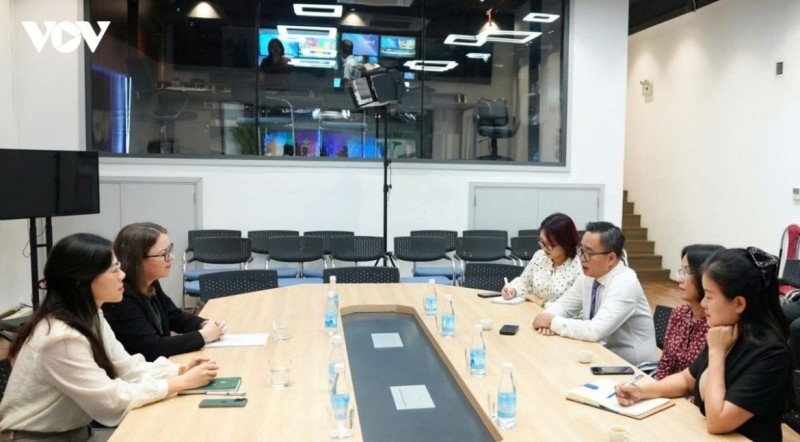 |
| VOV Deputy General Director Pham Manh Hung receives Irish Ambassador to Viet Nam Deirdre Ní Fhallúin at VOV Online Newsroom. |
For his part, VOV Deputy Director General Pham Manh Hung said VOV is currently developing radio and digital content to keep pace with rapid changes in the way audiences access information.
As part of its digital transformation, the national broadcaster is focusing on three pillars - digital content, digital audiences and the digital environment – that are important to renewing content production and distribution while enhancing the broadcaster’s ability to reach the public.
Amid increasingly fragmented media consumption and intense market competition, VOV is stepping up the development of content across digital platforms and continuously innovating to uphold its role as one of Viet Nam’s leading press agencies.
Regarding the use of artificial intelligence (AI) in journalism, Hung pointed to the fact that AI is opening up new opportunities in content production. However, its application needs to go hand in hand with human oversight and approval to ensure quality, accuracy and accountability in journalism.
The two sides also discussed potential areas of cooperation in the coming period, including connecting VOV with Ireland’s national media agencies, promoting journalism training exchanges and expanding media cooperation between the two countries.
The Irish Ambassador also affirmed that the media plays an important role in strengthening people-to-people ties and contributing to the consolidation of the friendship between Viet Nam and Ireland.
According to the Ambassador, Viet Nam and Ireland share a number of historical similarities, particularly their resilient struggles for national independence. She said these similarities provide a favourable foundation for the two sides to enhance exchanges and mutual understanding and continue nurturing the friendship between the two countries.
Overseas Vietnamese ready to contribute to national transformation
As Viet Nam enters a new phase of growth that requires new breakthroughs, the country needs intellectual resources from the Vietnamese community abroad.
This was the message delivered by Vietnamese Ambassador to Belgium and Head of the Vietnamese Mission to the European Union (EU) Nguyen Huong Tra at a recent meeting with representatives of Vietnamese associations in Belgium and Luxembourg in Brussels.
Tra outlined Viet Nam’s economic achievements after four decades of reform. The economy is now 70 times larger than in 1990, while per capita income reached nearly 5,026 USD in 2025. Viet Nam is currently among the world’s 18 leading exporters, with the goals of becoming an upper-middle-income country by 2030 and a high-income country by 2045.
Viet Nam is no longer in a stage of “escaping poverty” but is moving toward high-quality growth, a process that requires intellectual resources rather than simply a larger workforce, she noted. In external relations, the ambassador said that Viet Nam-EU relations were elevated to a Comprehensive Strategic Partnership in January 2026, with science and technology identified as one of the pillars of cooperation. With Belgium, recent visits by the Belgian King, Queen and Crown Prince have opened up new opportunities, particularly in technology, education and seaports.
Meanwhile, Viet Nam and Luxembourg established a Strategic Partnership on green finance in 2023, and their finance ministries have completed a draft memorandum of understanding aimed at connecting financial institutions and stock exchanges, providing a foundation for Ho Chi Minh City and Da Nang to draw on Luxembourg’s experience in developing the Viet Nam International Financial Center, cited VNA.
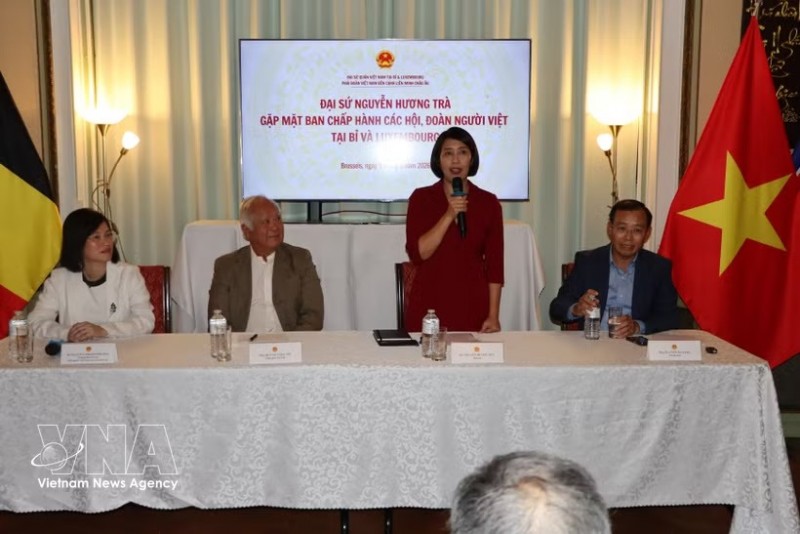 |
| Ambassador Nguyen Huong Tra briefs representatives of the Vietnamese communities in Belgium and Luxembourg on the country's situation. (Photo: VNA) |
Against this backdrop, Tra highlighted the strengths of the Vietnamese communities in Belgium and Luxembourg, as many Vietnamese living in the two countries work in fields Viet Nam needs for its transformation, including artificial intelligence (AI), nuclear energy, biotechnology, finance and health care.
Affirming that overseas Vietnamese are an integral part of the nation and partners in its development and creation, she pledged to listen to them openly and responsibly, and convey their recommendations to authorities at home.
At the meeting, Minister Counselor Nguyen Ba Sang said seven Vietnamese associations are currently active in the two countries. Many Vietnamese intellectuals work at major universities and leading research institutes in Belgium, Luxembourg and Europe, forming a young, dynamic and enthusiastic community engaged in substantive fields.
Representatives of Vietnamese associations expressed their readiness to contribute, while calling for more effective mechanisms and practical connections. They proposed stronger links with domestic businesses and institutions, clearer information about delegations from Viet Nam, and flexible policies and financial mechanisms enabling overseas experts to participate in specific projects.
Tourism industry targets 10-12% GDP contribution, shifts focus to value by 2030
Viet Nam’s new tourism action program aims to make the sector a stronger growth driver by shifting its development model towards quality, efficiency, sustainability and higher added value, alongside digital and green transformation.
Under the program, Viet Nam is to welcome 45-50 million international visitors and serve 160 million domestic tourists by 2030, with total tourism revenue reaching US$80-90 billion. The country also aims to remain among Southeast Asia’s leading destinations in terms of tourism scale and growth.
The program is set out in Resolution No. 263/NQ-CP dated September 7, 2026, on the Government’s action program to implement Politburo Resolution No. 26-NQ/TW dated August 22, 2026, on developing Viet Nam’s tourism into a spearhead economic sector in the new era.
From visitor numbers to higher value
A notable shift in the action program is its new approach to tourism development. Instead of relying mainly on expanding scale and exploiting natural resources, Viet Nam will focus more on quality, efficiency, sustainability and added value.
The Government has asked ministries, sectors and localities to clearly define tourism as a spearhead economic sector and a new growth driver, contributing to the goal of maintaining double-digit economic growth.
This approach is also reflected in the priority given to markets with high spending power, longer stays and year-round travel demand, alongside the development of products capable of generating greater revenue and added value.
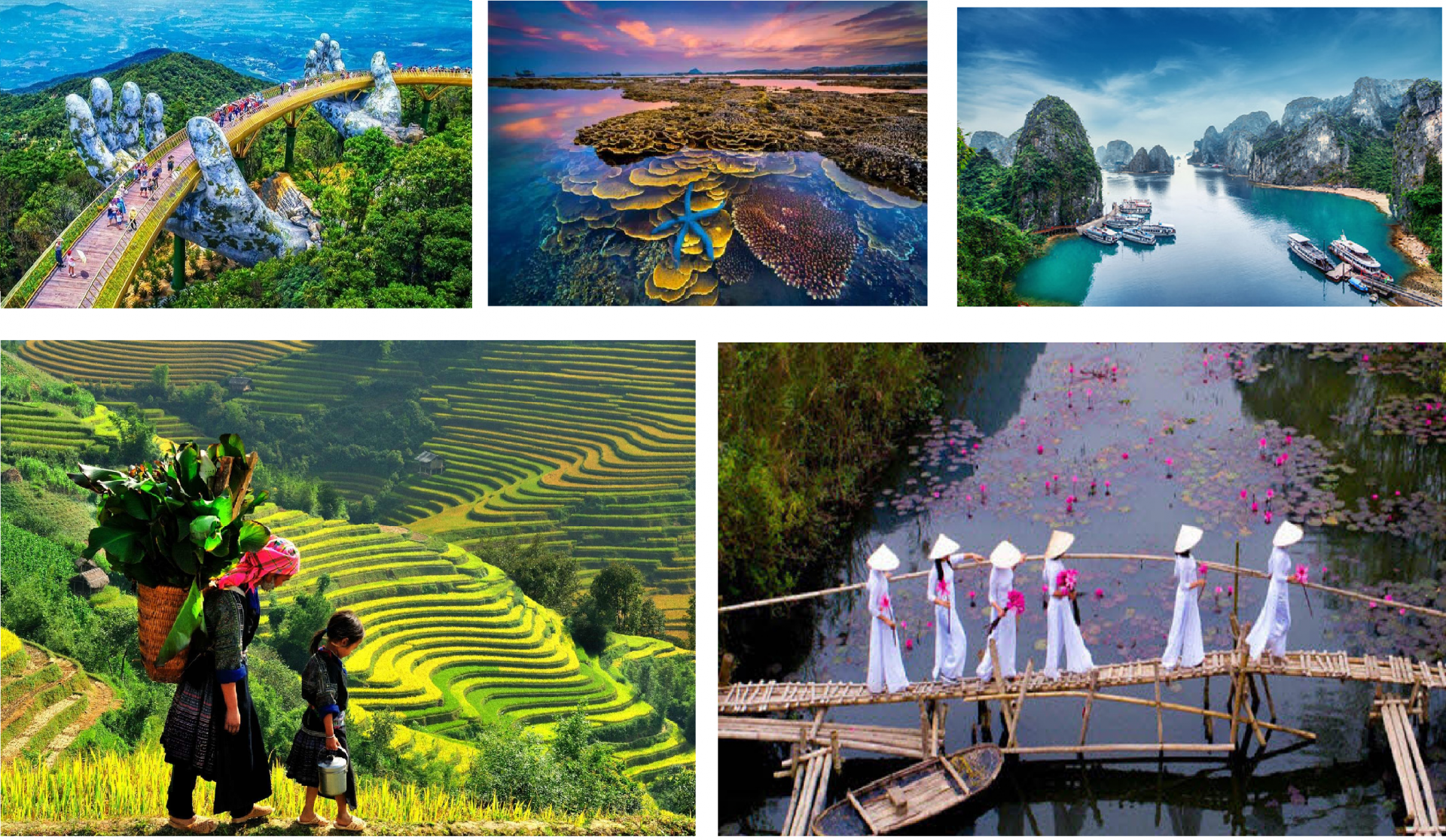
Viet Nam will focus on product groups such as cultural tourism linked with cultural industries, national iconic products, large-scale tourism and service complexes, beach and island tourism, waterway tourism, and high-quality medical and wellness tourism.
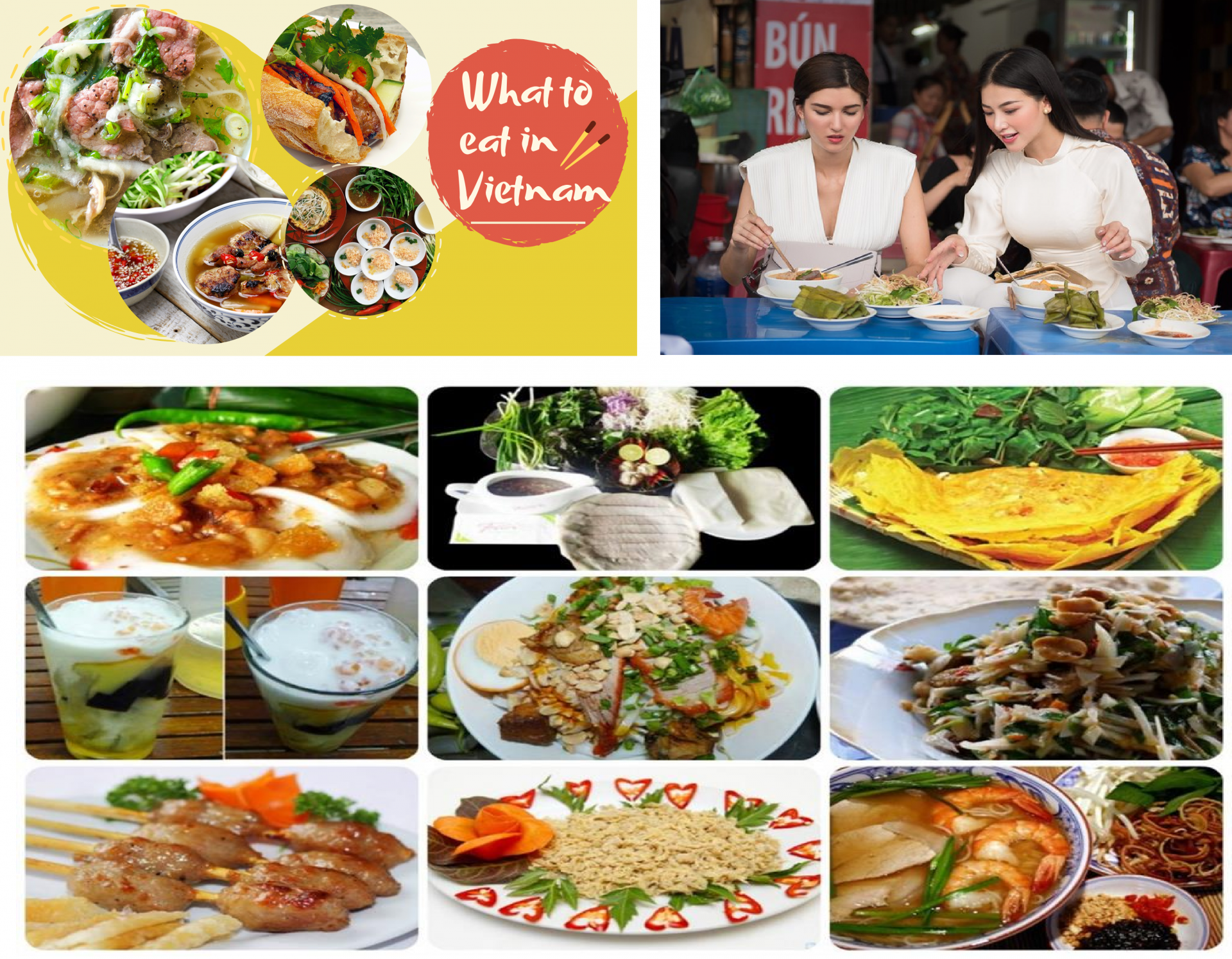
Cuisine is also identified as an area with significant potential for value creation. The program seeks to develop a system of Vietnamese restaurants meeting domestic and international standards and enhance the brand of Vietnamese cuisine, while developing shopping centres, duty-free stores, outlets and night markets.
In rural and mountainous areas and areas inhabited by ethnic minority communities, the Government plans to develop model tourism villages linked with cultural preservation, agricultural ecology, traditional crafts, local markets and indigenous cultural experiences.
The new approach, therefore, is not simply about bringing more visitors to Viet Nam, but encouraging longer stays, higher spending and greater spillover effects for local services, culture and economies.
From destination promotion to a national tourism brand
One of the Government’s tasks is to develop and implement the National Tourism Promotion Program for 2026-2035, alongside linking tourism promotion with cultural diplomacy, cuisine, cinema, performing arts, sports, festivals and major international events.
Vietnamese tourism will strengthen its presence on global and domestic digital platforms, new media channels and multimedia communication ecosystems.
Promotion activities will also be more closely connected with trade promotion, trade fairs, exhibitions, Viet Nam Goods Weeks, One Commune One Product (OCOP) items, National Brand products and the network of Vietnamese Trade Offices overseas.
The Government will also develop a project to elevate the national tourism brand through 2035, positioning Viet Nam as a high-quality, safe and attractive leading destination in Asia for heritage, cuisine, beach holidays, culture and the Vietnamese way of life.
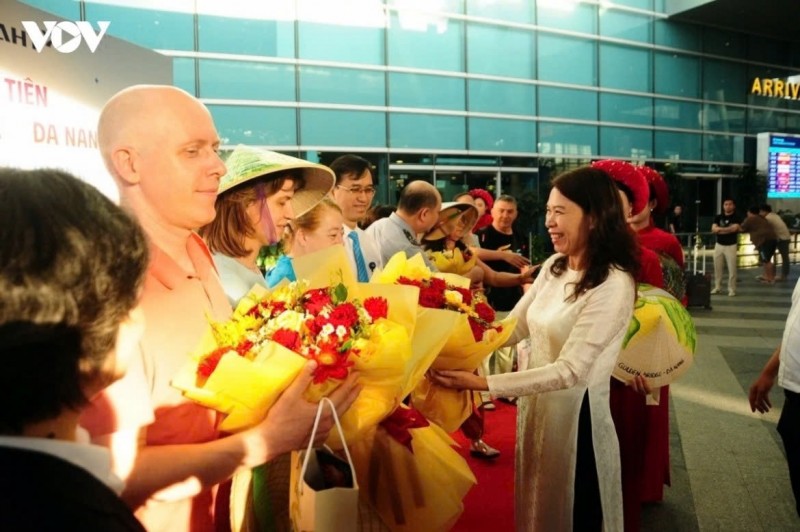 |
| Russian visitors receive warm welcome in Da Nang City, central Viet Nam. |
A new initiative is the development of a digital tourism ambassador program and network in key target markets, expanding the ways Viet Nam can promote itself in the digital environment.
Green, smart and data-driven tourism
Alongside tourism products and markets, the action program calls for innovation in tourism governance. State management is to shift from an approach focused mainly on administration towards governance, facilitation and development, with greater digitalisation and the application of science and technology.
The Government requests the development and unified issuance of a set of indicators for assessing smart tourism destinations, along with indicators to monitor and assess tourism development capacity across the industry and smart tourism operation centres.
Localities are also encouraged to develop green tourism destinations, products and services; promote green transport through electric vehicles and electric buses in urban areas, tourist islands and nighttime economic zones; and apply technologies for energy management, environmentally friendly materials and circular economy models.
Another requirement is to establish multi-sector coordination mechanisms to connect businesses and develop integrated tourism value chains. Businesses will be supported in legally using e-commerce, promoting and selling products online, expanding cashless payments and developing cross-border e-commerce.
The Government also suggests a nationwide movement to create a civilized, safe, friendly and professional tourism environment, raise awareness of resource and environmental protection, and preserve cultural identity and promote civilized behaviour towards visitors.