
Expanding Partnerships, Building Substantive and Effective Connections
Expanding the partner network beyond bilateral friendship associations
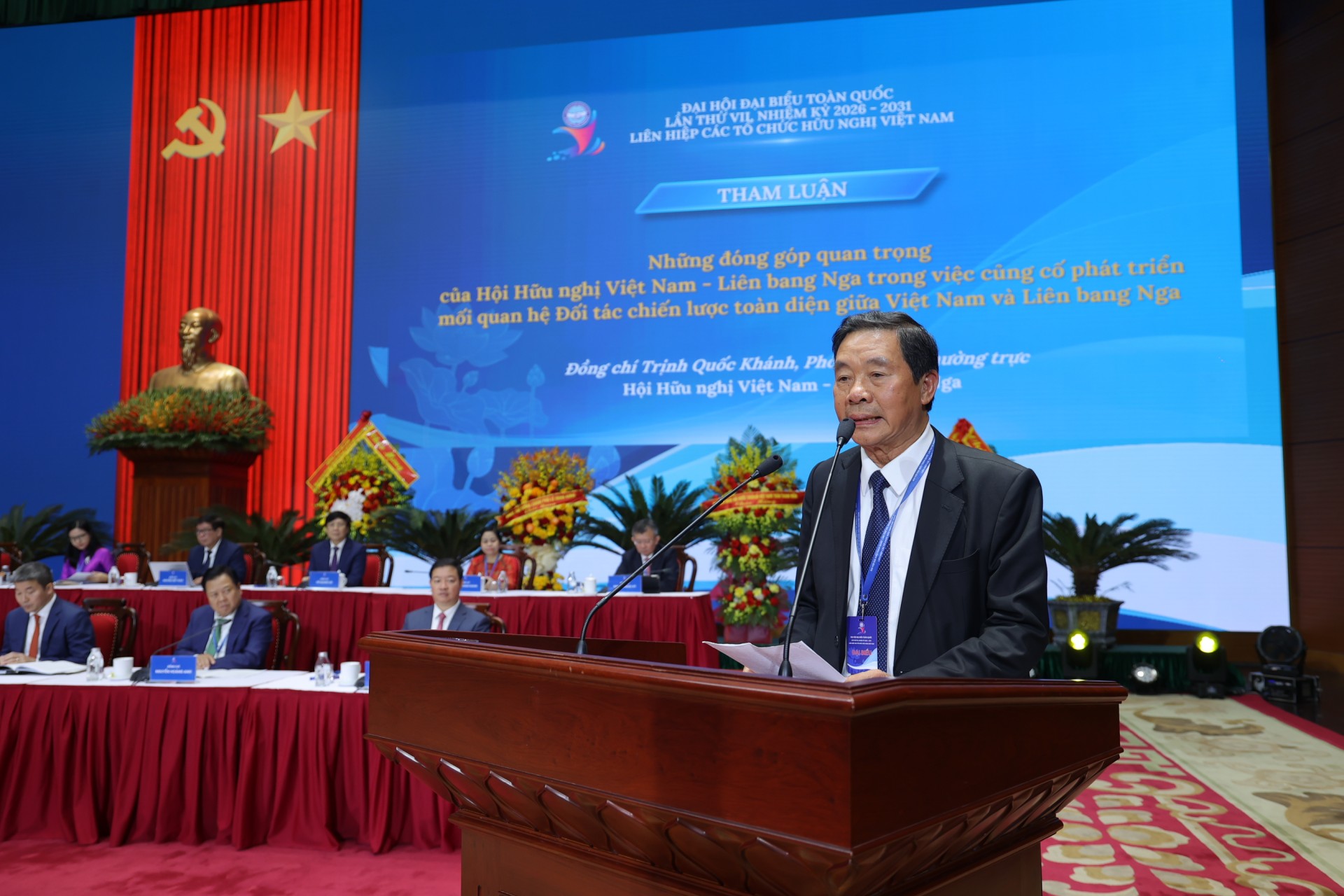 |
| Trinh Quoc Khanh, Standing Vice President of the Viet Nam-Russia Friendship Association. (Photo: Dinh Hoa) |
The Viet Nam-Russia Friendship Association has continuously renewed its working methods, moving beyond exchanges and gatherings held on anniversaries and increasingly focusing on practical projects that have a social impact and deliver tangible benefits to participating stakeholders, including businesses, schools, and localities across the country.
In recent years, the Viet Nam-Russia Friendship Association has actively expanded its network of partners in the Russian Federation, including by establishing a cooperation mechanism with the Saint Petersburg city authorities and signing a cooperation agreement with the Herzen State Pedagogical University of Russia in Saint Petersburg to promote the Russian language and Russian culture in Viet Nam, as well as the Vietnamese language and Vietnamese culture in the Russian Federation. The Association has also implemented a number of specific cooperation programs with other localities in the Russian Federation, including Siberia and the Far East.
Drawing on its practical experience, the Association proposed that, alongside bilateral friendship associations of countries with Viet Nam, research should be undertaken to expand the network to other partners, including State agencies and organizations, research institutes, educational, cultural and artistic institutions, and other social organizations in partner countries. The Association also proposed that, when new areas of cooperation emerge during its activities, particularly those initiated by partners and deemed necessary and beneficial to both sides, mechanisms should be put in place to expedite procedures for their implementation.
From development support to co-creation
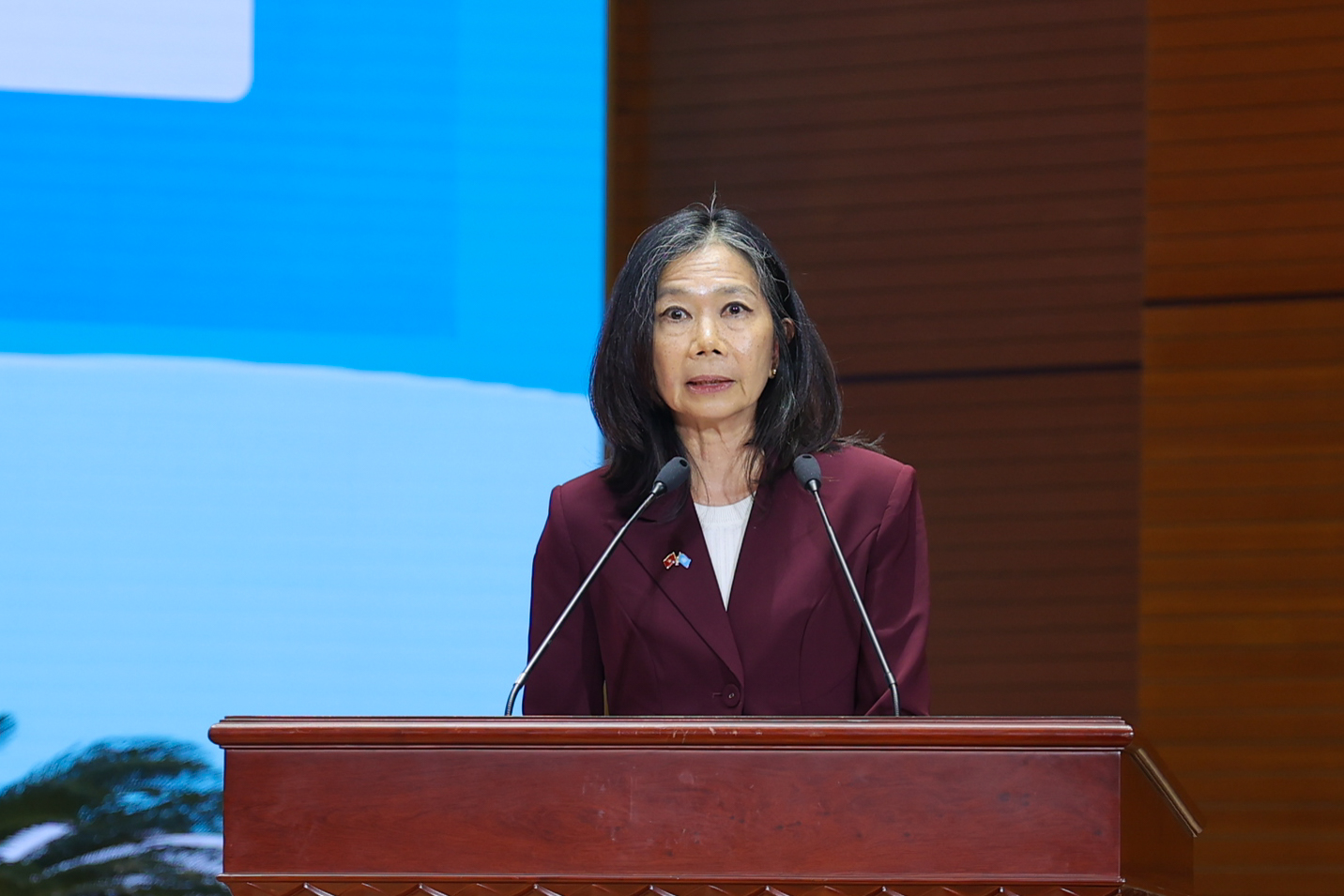 |
| Pauline Tamesis, United Nations Resident Coordinator in Viet Nam. (Photo: Dinh Hoa) |
Against the backdrop of a significant decline in official development assistance (ODA) worldwide, partnerships themselves have become our most valuable resource. The core philosophy of the United Nations Sustainable Development Cooperation Framework for 2027-2031 is clear: accelerating sustainable development requires moving beyond the traditional development assistance approach.
Over the past five decades, the relationship between the United Nations and Viet Nam has evolved from one focused on traditional development assistance into an equal and profound alliance based on strategic policy dialogue, advanced knowledge exchange, and shared responsibility for the common interests of the region and the world.
In this new era, people-to-people diplomacy is not merely a diplomatic instrument; it is also a practical driving force for translating global solidarity into concrete, sustainable impacts in local communities. Through its convening power, connectivity, deep understanding of institutions, private-sector engagement, and resource mobilization, the Viet Nam Union of Friendship Organizations facilitates the collective action needed to address systemic economic and climate bottlenecks.
Together, we are opening up new models of cooperation, moving from donor–recipient relations towards substantive co-creation.
Establishing a coordination mechanism between Parliamentary diplomacy and people-to-people diplomacy
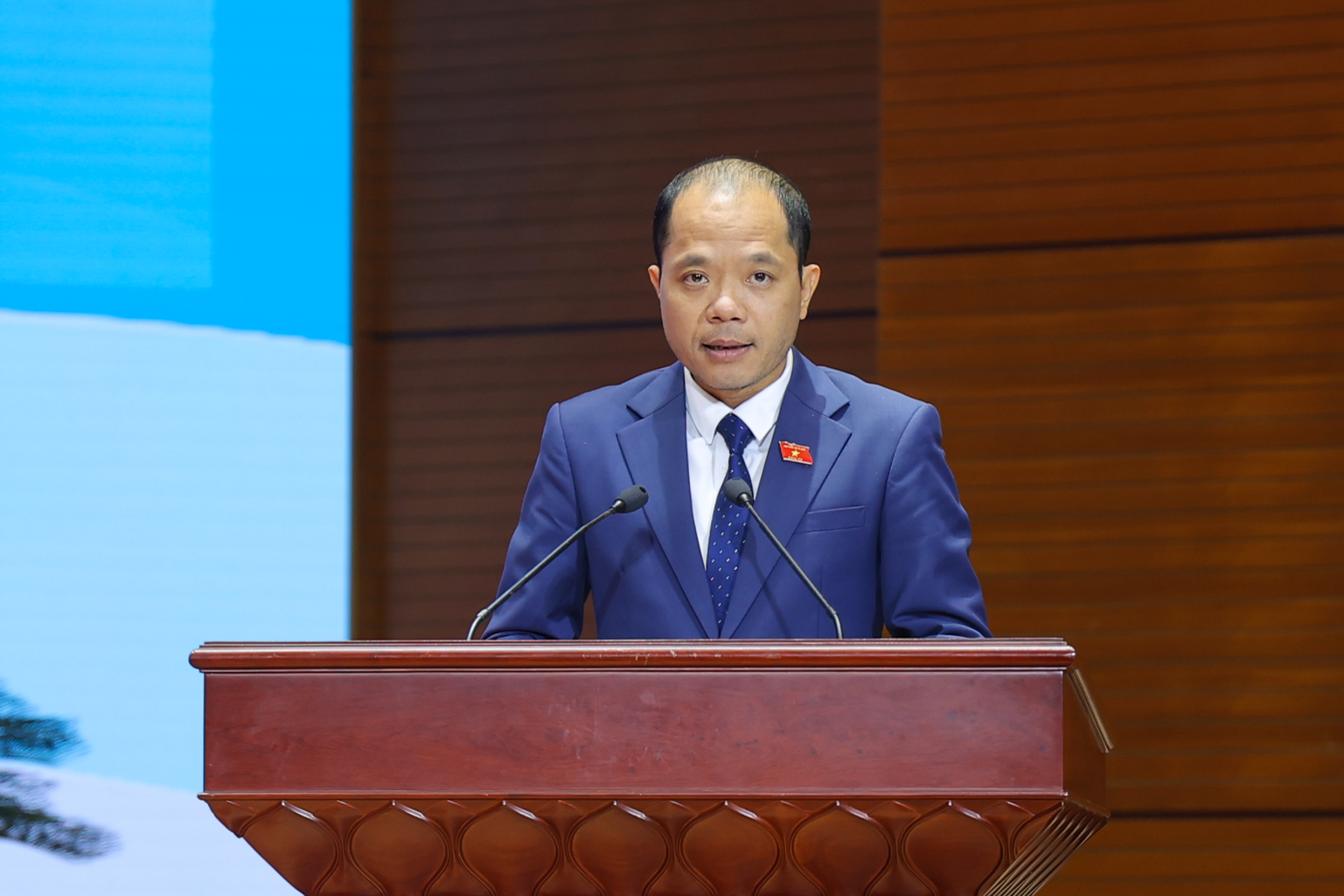 |
| Dinh Cong Sy, Deputy Chairman of the National Assembly’s Committee for National Defence, Security and External Relations and Secretary General of the Viet Nam Parliamentary Friendship Organization of the 16th National Assembly. (Photo: Dinh Hoa) |
Parliamentary diplomacy and people-to-people diplomacy share many similarities and complement each other. While parliamentary diplomacy has advantages in terms of political standing and its representative role in connecting legislative bodies and political circles, people-to-people diplomacy is strong in fostering affection, mutual understanding and trust, and serves as a social foundation for relations between Viet Nam and the peoples of other countries.
In response to new requirements, coordination between parliamentary diplomacy and people-to-people diplomacy needs to be further strengthened, moving from coordination on individual activities to regular, strategic, substantive and in-depth cooperation.
The Committee for National Defence, Security and External Relations proposed establishing a regular coordination mechanism, with periodic exchanges and the sharing of data on international partners, people’s organizations, foreign non-governmental organizations, dignitaries, intellectuals, scholars, and individuals who hold goodwill towards Viet Nam; as well as sharing information and experience in addressing emerging international issues. This would enable the proactive identification of opportunities and potential partners in external relations activities.
Coordination should be strengthened in the National Assembly’s external relations activities, particularly within visits by National Assembly leaders and National Assembly bodies. Consideration should be given to organizing people-to-people exchanges and connecting parliamentarians, intellectuals, businesses, young people and social organizations through forms and in locations appropriate to each context. People-to-people exchanges should be linked with economic diplomacy, cultural diplomacy, education, science and technology, and innovation, creating additional opportunities for practical cooperation.
Coordination in external information dissemination in the digital environment should be enhanced, including joint efforts to build and disseminate images and information about a peaceful, stable, dynamic, integrated and developing Viet Nam through appropriate languages and communication formats on digital platforms.
The resources of the Vietnamese community overseas should be strongly promoted by consolidating the community’s thoughts, aspirations and proposals, and recommending improvements to policies and laws related to overseas Vietnamese, including citizenship, economic and trade cooperation, and investment. This would help create conditions for Vietnamese people abroad to live, work and study with peace of mind, remain connected to their homeland and country, and serve as a bridge of friendship and cooperation between Viet Nam and other countries.
Six proposals to strengthen coordination between the Ministry of Foreign Affairs and the Viet Nam Union of Friendship Organizations
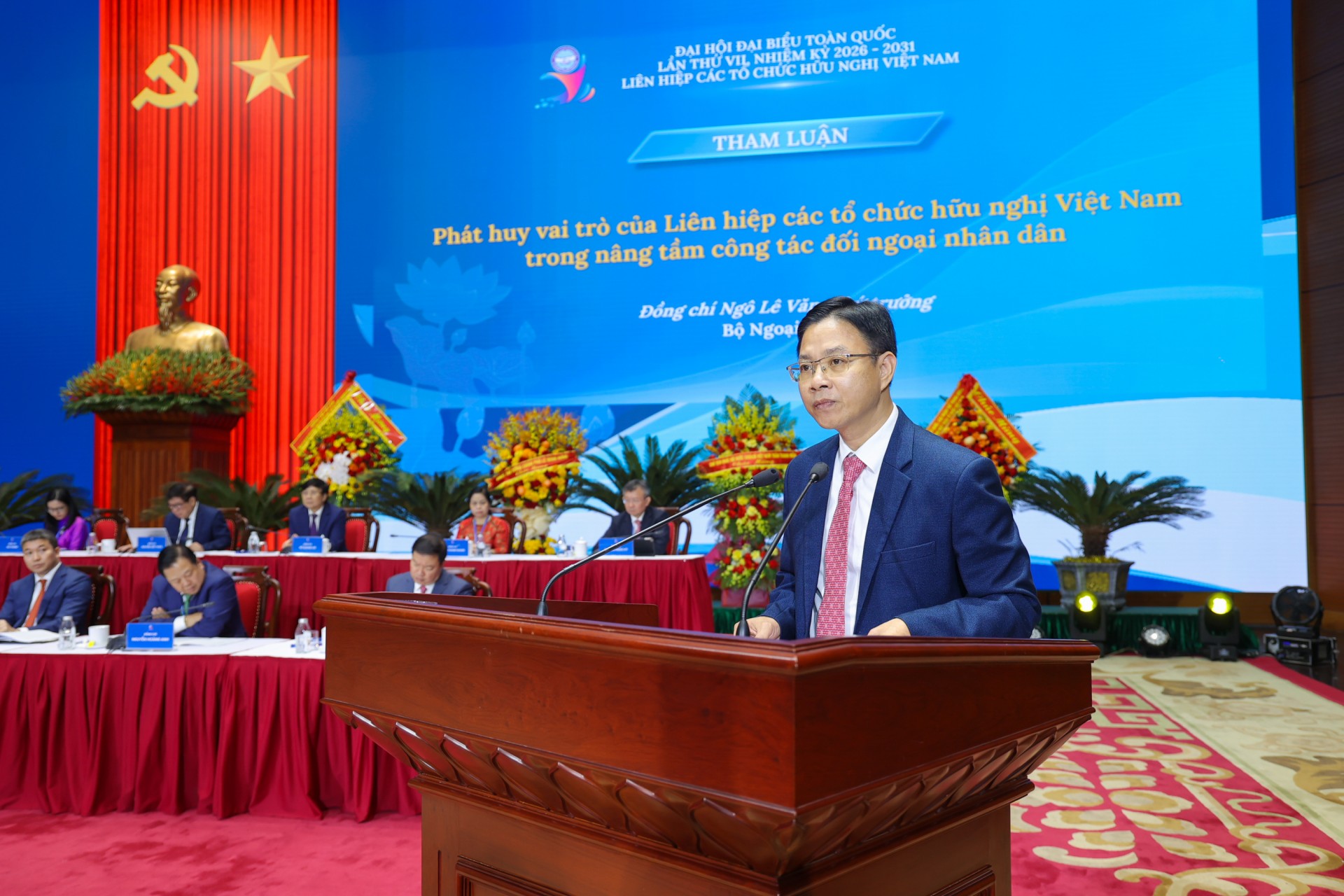 |
| Ngo Le Van, Deputy Minister of Foreign Affairs. (Photo: Dinh Hoa) |
Strengthen early coordination in the development and implementation of major external relations programs. The two sides should proactively exchange information at an early stage on objectives, partners and activities, particularly with regard to neighboring countries, strategic partners, comprehensive partners and strategically significant areas; and strengthen coordination after each activity to translate cooperation opportunities into concrete outcomes.
Coordinate in consolidating and developing the network of international friends, ensuring continuity in relationships. The two sides should coordinate in building and updating partner networks by geographical area, field and priority level; and share information to maintain relationships and improve the effectiveness of outreach efforts. Alongside maintaining traditional friendships, attention should be given to expanding ties with younger generations, contributing to building a new generation of partners within friendship organizations.
Enhance coordination in research, forecasting and policy advice on matters of shared external-relations interest. The two sides should strengthen thematic exchanges and jointly develop reports and recommendations on global people’s movements, emerging political and social issues, developments in international public opinion and new networks, thereby taking a more proactive approach to identifying opportunities and selecting appropriate approaches and solutions.
Coordinate in turning friendship ties into practical cooperation links that serve development and contribute to the international community’s common efforts. The two sides should connect the needs of localities, people and businesses with the strengths of individual international partners, particularly in science and technology, innovation, education, digital transformation and green transition; and promote specific programs and projects that deliver tangible benefits to communities.
Coordinate to improve the effectiveness of work with foreign non-governmental organizations. Based on their respective functions and responsibilities, the two sides should strengthen information exchange, jointly review and monitor developments, and propose improvements to relevant mechanisms, creating favorable conditions for organizations to operate in accordance with the law while ensuring national security requirements.
Strengthen coordination in training, professional development and the sharing of work experience. The two sides should make use of training institutions and experienced officials to organize professional development programs closely aligned with work requirements, with a focus on research capacity, international outreach, and handling external-relations issues; and create opportunities for officials, particularly young officials, to participate in practical activities and develop their professional skills.
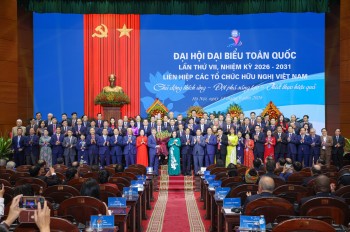 Phan Anh Son Elected President of Viet Nam Union of Friendship Organizations for 2026-2031 Term Phan Anh Son Elected President of Viet Nam Union of Friendship Organizations for 2026-2031 Term On September 14 in Hanoi, the 7th National Congress of the Viet Nam Union of Friendship Organizations (VUFO), for the 2026-2031 term, successfully concluded. Phan Anh Son, Secretary of the Party Committee and President of the Viet Nam Union of Friendship Organizations for the 6th term, was elected President of the Viet Nam Union of Friendship Organizations for the 7th term. |
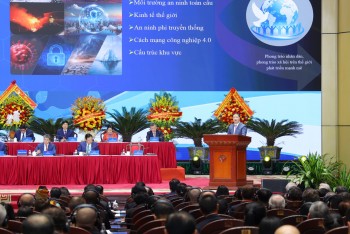 Six Key Tasks of the Viet Nam Union of Friendship Organizations for 2026-2031 Term Six Key Tasks of the Viet Nam Union of Friendship Organizations for 2026-2031 Term For the 2026-2031 term, the Viet Nam Union of Friendship Organizations has identified a shift in focus towards substantive effectiveness, with concrete, measurable products and results. The Political Report sets out six key tasks and solutions, along with three strategic breakthroughs. |



Related Stories
 Friendship
65 Years of the Agent Orange Disaster: Dialogue to Spur Action
 Friendship
Viet Nam Union of Friendship Organizations Wins Seven Awards in Party Ideological Foundation Protection Contest
 Friendship
Expanding Viet Nam-India Partnership Network
 Friendship
Viet Nam Union of Friendship Organizations Pays Tribute to Fallen Kazakh Military Personnel
Recommended
 Friendship
People-to-People Diplomacy to Strengthen the Hegemony of Internationalism: The Practical Example of the Solidarity Between Viet Nam and Cuba
 Friendship
Students Who Brought Me to Viet Nam
 Friendship
More Than 900 Students in Tuyen Quang Learn About Green Living
 Friendship
Deputy Minister Ho An Phong Elected President of Viet Nam-Belarus Friendship Association for 2026-2031
Popular article
 Friendship
First Congress of the Dong Thap Union of Friendship Organizations for the 2026-2031 Term
 Friendship
Promoting People-to-People Diplomacy to Build a Solid Foundation Rooted in “the People’s Hearts”
 Friendship
American Friends Help Ease the Pain of Agent Orange
 Friendship