
Heritage-Based Tourism Unlocks New Development Resources
 | Le Nguyen Luu An: Young Voice Carrying Vietnamese Heritage Across Borders |
| Hanoi Train: Touches Memories, Continues Legacy of Pride |
The appeal of the Mother Goddess worship tradition at Thanh Hoa’s temples and shrines continues to attract large numbers of domestic and international visitors, particularly during festival seasons. Meritorious Artisan Tran Van Thuan, Chairman of the Thanh Hoa Association for the Preservation of Hat Van Heritage and Mother Goddess Worship Practices, and chief caretaker of Phu Coc Temple (part of the nationally recognized Tong Duy Tan Temple complex), said: “Many visitors from countries with traditions of goddess worship can easily identify similarities with Vietnam’s Mother Goddess beliefs when they visit our country and Thanh Hoa in particular. As a result, a considerable number of foreign tourists have come to explore major sacred sites such as Song Temple, Phu Na Shrine, Pho Cat Temple, and Cua Dat Temple.”
According to Tran Van Thuan, the Thanh Hoa Association for the Preservation of Hat Van Heritage and Mother Goddess Worship Practices has organized cultural exchange programs at goddess worship sites in Thailand and South Korea, as well as in Hong Kong (China) and Taiwan (China), to promote Thanh Hoa’s distinctive spiritual culture and contribute to people-to-people diplomacy.
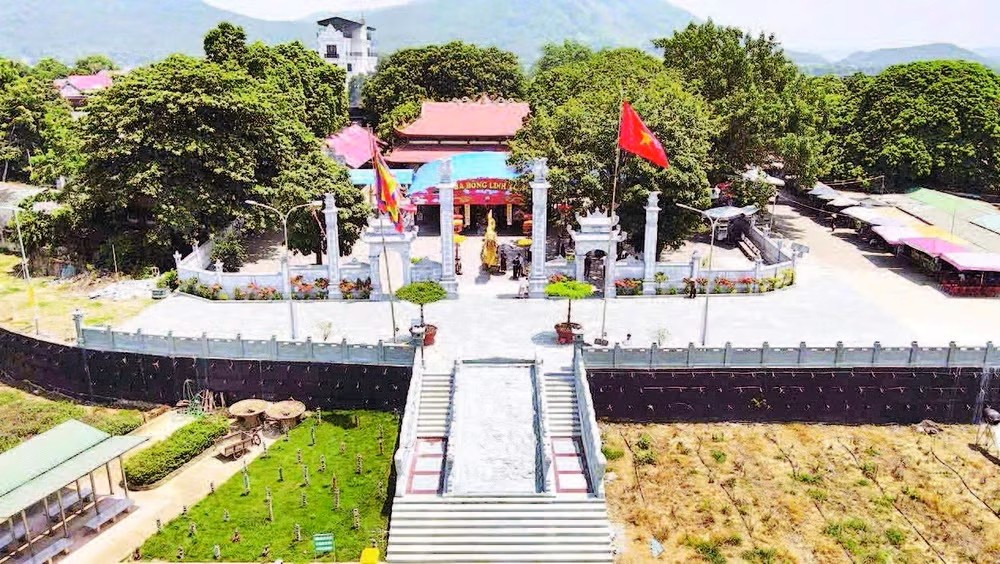 |
| A view of Co Bo Temple in Thanh Hoa. (Photo: People's Newspaper) |
However, the increasing number of visitors has created a greater need for stricter heritage management, especially in Thanh Hoa, which is regarded as one of Vietnam’s richest regions in Mother Goddess worship heritage, with a dense concentration of shrines dedicated to goddesses, mother deities, and royal spirits. Bui Thi Tuyet, Head of the Cultural Heritage Management Division under the Thanh Hoa Department of Culture, Sports and Tourism, stated: “To date, Thanh Hoa has more than 1,500 ranked and protected historical-cultural relics and scenic sites. In addition, the province has over 4,000 private shrines and worship sites that are currently being inventoried and reviewed.”
The rapid expansion of these private worship sites has led to certain distortions that risk diminishing the sacred nature of the heritage. Cultural researcher Ha Huy Tam, Deputy Director of the Institute for Applied Research on Traditional Culture and Vietnamese Architecture and Construction, noted that the institute is conducting an in-depth study on promoting the value of Mother Goddess worship practices in Thanh Hoa through the scientific project “Mother Goddess Worship in Thanh Hoa Province – Identity and Solutions for Tourism Development.” The project aims to systematically document rituals, hat van singing, costumes, and related cultural values.
Ha Huy Tam observed: “Our research has identified some practices that deviate from tradition, highlighting the need for timely guidance and corrective measures. Preserving the belief system must go hand in hand with safeguarding traditional rituals, hat van performances, costumes, and ritual spaces. If properly managed, Mother Goddess worship can help promote moral education, preserve national identity, and create opportunities for sustainable tourism development.”
With strengthened oversight, greater adherence to traditional standards can now be seen in ritual performances at several temples and shrines across Thanh Hoa, particularly the 36-incarnation hau dong ritual at Phu Coc Temple. At sites such as Phu Tay Mo, Song Temple, Pho Cat Temple, and Lach Bang Temple, many traditional rules continue to be strictly observed. Mediums are required to undergo spiritual purification before ceremonies, ritual garments are purified with incense, and costumes and movements must correspond to each deity’s incarnation. The preservation of these core rituals has become a unique attraction for visitors.
Associate Professor and Doctor Bui Hoai Son, a full-time member of the National Assembly’s Committee for Culture and Society, emphasized that UNESCO’s recognition of the Practices Related to the Beliefs in the Mother Goddesses of Three Realms has affirmed the enduring vitality of Vietnam’s traditional culture. He noted: “Thanh Hoa plays an important role through its ritual system and worship spaces that strongly reflect the province’s cultural identity. Researching, collecting, and publishing works on Mother Goddess beliefs will help preserve heritage values while providing a foundation for effectively utilizing cultural assets to support spiritual tourism development.”
Based on both theoretical and practical considerations, experts have proposed a range of coordinated solutions. Representatives of the Institute for Applied Research on Traditional Culture and Vietnamese Architecture and Construction suggested that Thanh Hoa should improve regulations governing heritage sites in accordance with the Cultural Heritage Law, clearly define the responsibilities of site management boards, and strictly address actions that distort national cultural values.
Researchers have also recommended limiting the burning of votive offerings and the scattering of money at sacred sites, while preventing superstition-based fortune-telling and the commercialization of spiritual practices. They further advocate studying community-based management models for worship practices in line with state policies. Professionally, efforts should focus on collecting and compiling the full repertoire of hat van songs associated with the 36 spirit incarnations for publication, while organizing regular chau van singing festivals to preserve and refine traditional cultural values.
To ensure the healthy development of cultural and spiritual tourism, training knowledgeable tour guides and heritage interpreters is considered an urgent priority. Doctor Bui Thi Thanh Luong of the Institute for Research and Preservation of Vietnamese Folk Belief Culture stated: “Tourism should focus on presenting the cultural context and symbolic meanings of heritage rather than treating rituals as entertainment products. This requires cooperation among practitioners, management agencies, and researchers to create educational experiences. Training guides with a solid understanding of Mother Goddess beliefs is an important step toward preventing misinterpretation and avoiding the organization of tourism-oriented rituals that undermine their sacred character.”
The combination of effective state management, scientific research, and the consensus of practicing communities is creating a strong foundation for Mother Goddess worship in Thanh Hoa to maintain its intrinsic cultural value while contributing meaningfully to tourism growth and local economic development.
 | Vietnamese Mask Captivates at Asian Art Exhibition in India Vietnamese masks are displayed the Pratirupa Asian art exhibition in India, contributing to spreading cultural values and connecting regional heritage. |
 | 'Old Stories Told Anew': When Heritage Transform into Cultural Products More than just a simple experience-sharing or inspiration seminar, “Old Stories, New Stories” is organized to promote interdisciplinary cooperation, opening up new intersections between conservation ... |

Most read
Related Stories
 Travel
Vietnam Ranks First in Number of Foreigners with Long-Term Stays in RoK
 Travel
Russian Arrivals to Vietnam Nearly Triple in First Half of 2026
 National
Vietnam News Today (July 11): Vietnam and Laos Agree to Enhance Defense Cooperation
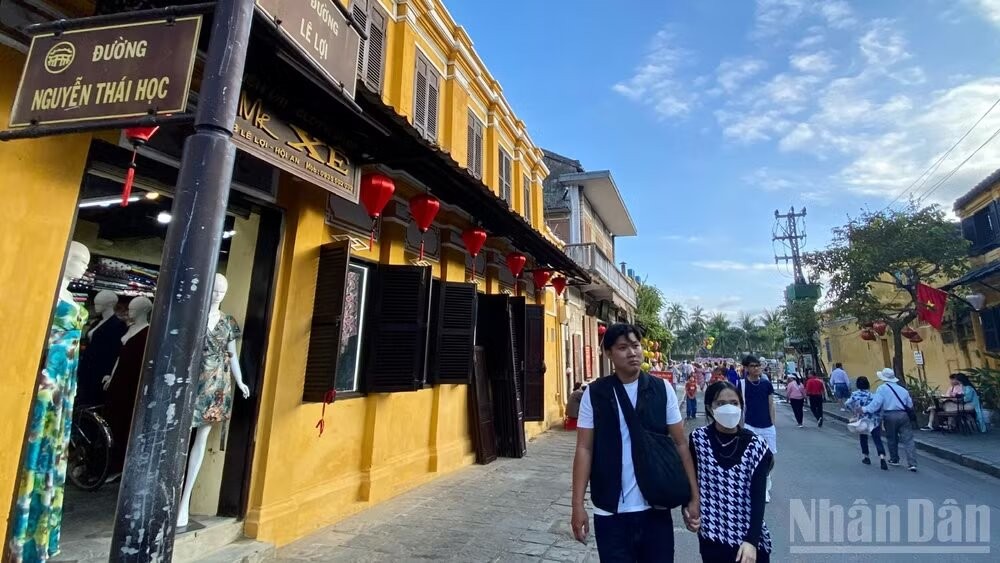 Travel
Vietnam Accelerates Tourism Digitalization with AI and Data Technologies
Recommended
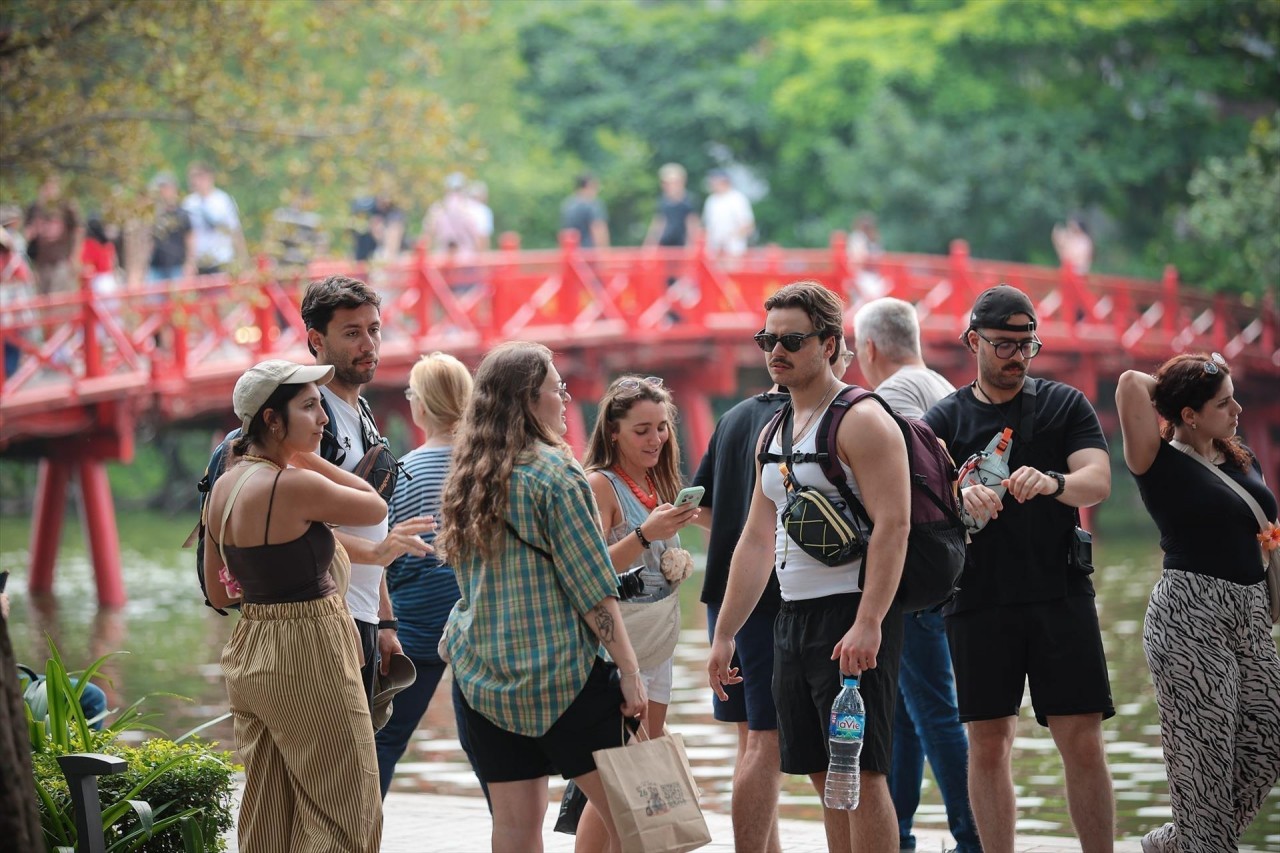 Travel
Hanoi Ranks Among World’s Friendliest Destinations for International Tourists
 Travel
"Discover Moscow" - Tourism Information Ecosystem Launches Vietnamese Version Platform
 Travel
Top Coral Reef Diving Destinations in Viet Nam for Summer 2026
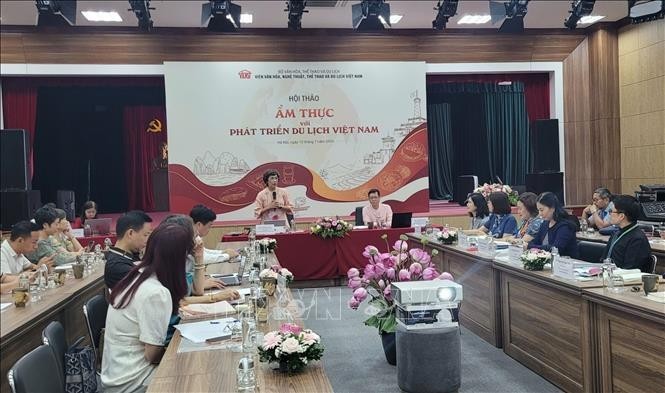 Travel
Leveraging Cuisine to Elevate Vietnam's Tourism Brand
Popular article
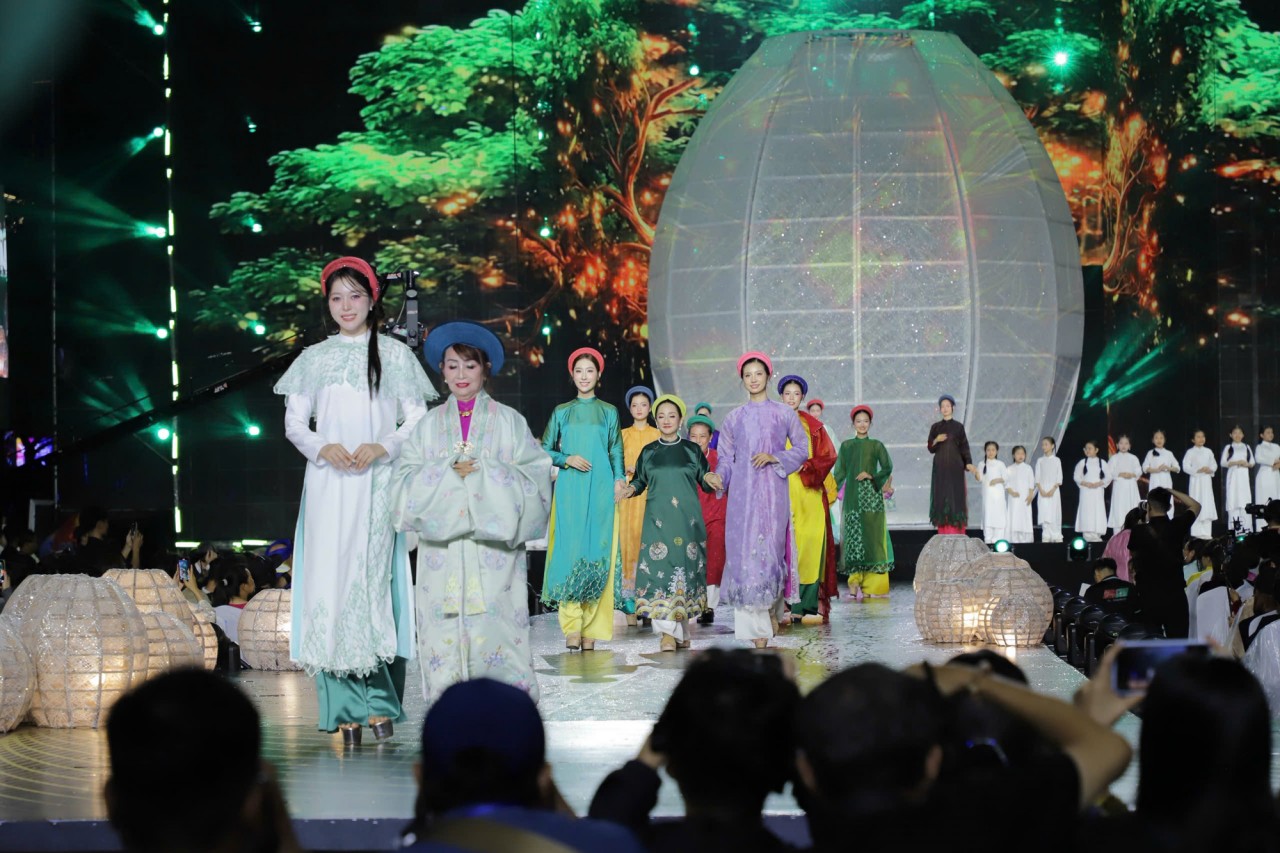 Travel
Ho Chi Minh City Boosts Tourism Revenue Through High-Value Visitor Strategy
 Travel
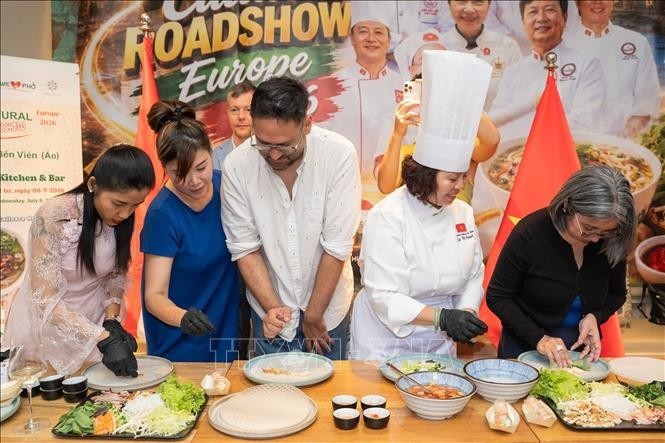
Bringing Essence of Vietnamese Cuisine Closer to Europe and the World
 Travel
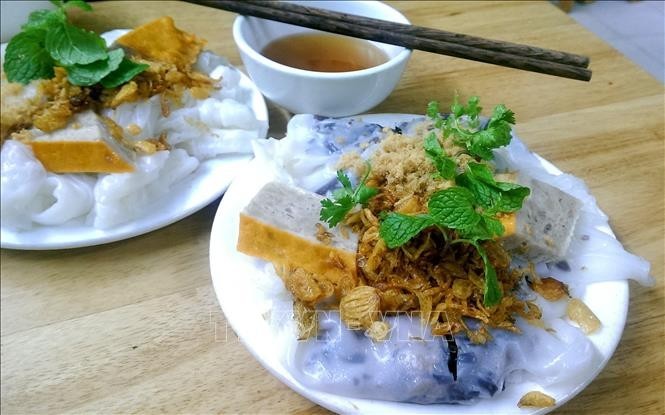
French Magazine Highlights Must-Try Dishes of Vietnam Cuisine
 Travel