
Inviting Ancestors Home for Tet
 | Tet Filled with Solidarity Between Army and People on Phu Quoc Island |
| Zhi Shan Foundation Sent Tet gifts to Over 3,000 Children in Mountainous Region of Quang Tri |
Amid the busyness of the twelfth lunar month, when households are occupied with cleaning and preparing for the New Year, people still set aside a special time to visit cemeteries, to tend the graves of their loved ones, light incense, and speak to their ancestors. For many families, if this ritual has not been performed, Tet does not truly feel as though it has begun.
From the 28th to the 30th day of the twelfth lunar month, the roads leading to cemeteries become noticeably busier than usual. Some carry flowers, others bring water, and many hold freshly scented bundles of incense. Entire families spanning three generations make the trip together. Some who have been busy all year still make every effort to arrange a visit back to their hometown before the year ends. No formal appointments are made, yet year after year, cemeteries in the days approaching Tet grow crowded like a quiet festival.
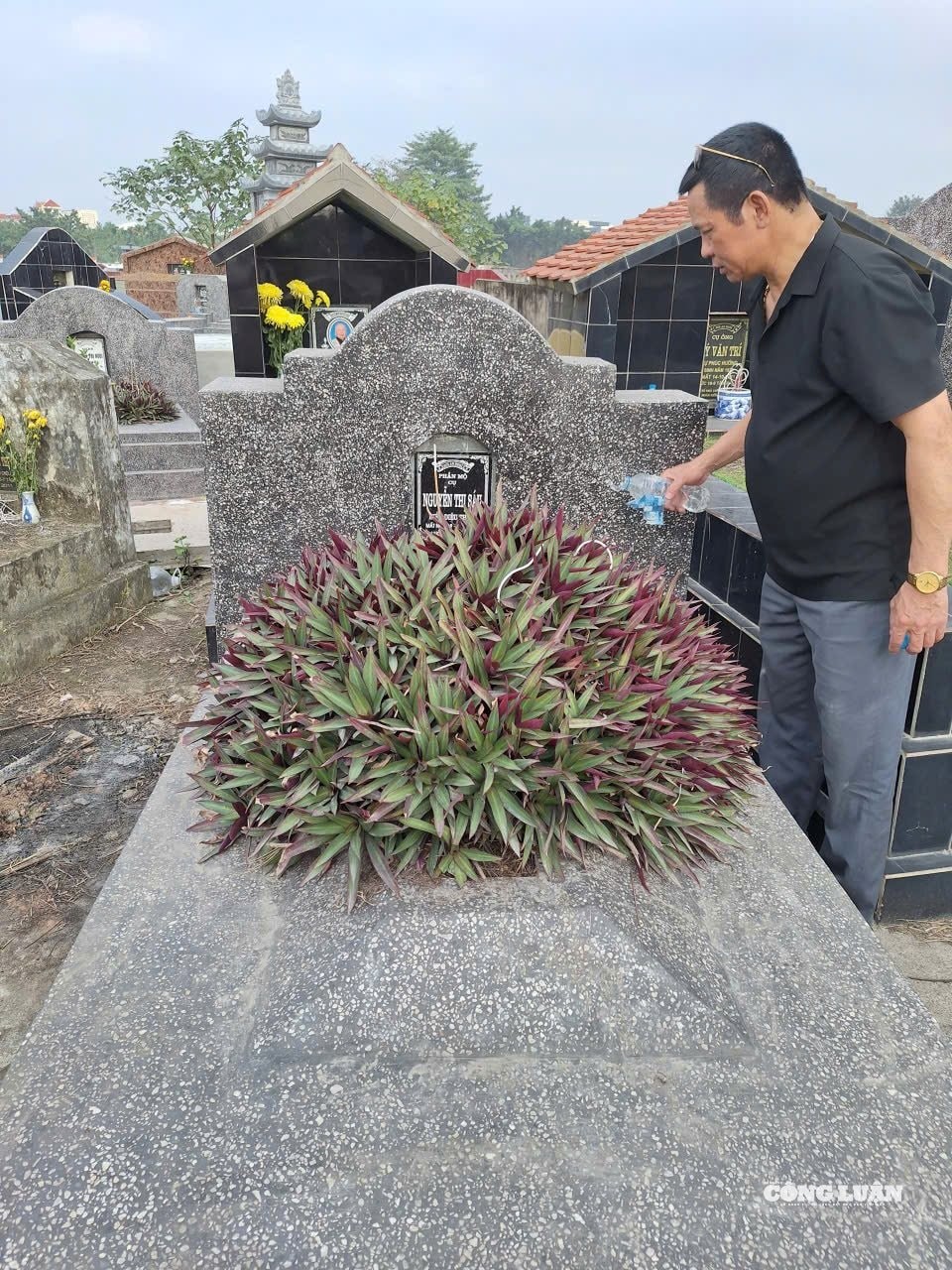 |
| Many Vietnamese families maintain the custom of inviting their ancestors home for Tet in the final days of the year, a tradition difficult to abandon. |
It is not a noisy gathering. It is marked by reverence. The elderly walk slowly among the rows of graves, leaning on their canes. Middle-aged adults carefully clean each headstone, pulling out tufts of grass. Children stand beside their parents, learning how to fold their hands and bow their heads. Some children ask, “Why do we have to come here, Mom?” The mother gently replies, “We’re inviting your grandparents to come home and celebrate Tet with us.”
A simple sentence, yet one that carries an entire cultural tradition.
In the Vietnamese consciousness, Tet signifies complete reunion. The first meal of the new year is not reserved solely for those physically seated around the table. On the ancestral altar, an extra pair of chopsticks is placed. The incense burner is meticulously cleaned. The tray of five fruits is carefully selected. These are not merely rituals, but reminders that each family today is built upon generations who came before.
At cemeteries in the final days of the year, the atmosphere is not sorrowful. People recount to their ancestors the stories of the past year: the harvest, work, the children’s growth and achievements. Some sit quietly for a long time before a grave, as though engaging in a silent dialogue with themselves. In those moments, one finds it easier to slow down, to reflect more deeply than at any other time of the year.
What is particularly noteworthy is that in an increasingly modern pace of life, this custom has not faded but continues to be preserved naturally. Today, many families have the means to travel during Tet. Some choose to welcome the New Year in another city, even abroad. Yet before they depart, they still visit the cemetery. The invitation for their ancestors to come home for Tet is still kindled with a stick of incense.
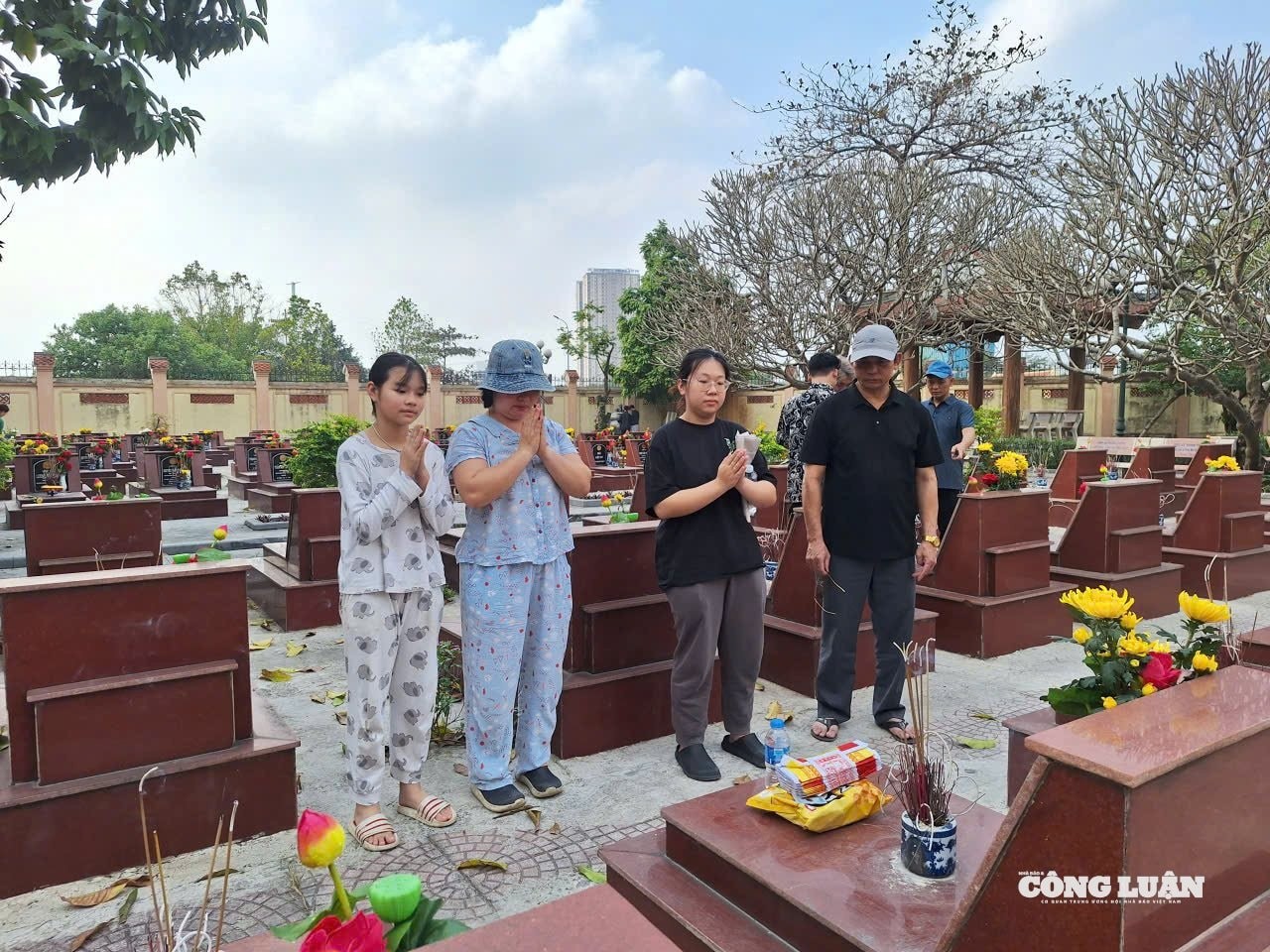 |
| There are families of multiple generations who uphold the habit of visiting cemeteries and tending to family graves to invite their loved ones home for Tet, as a way to begin the new year. |
There are also those who work far from home, living for years in distant lands. Whether they are prosperous or still struggling to make a living, they find ways to preserve this traditional “formality.” Some ask relatives back home to light incense on their behalf. Some return after Tet but still visit the graves to pay their respects. Others can only light incense before a small altar abroad, turning their hearts toward their homeland.
The essence lies not in lavish feasts or outward forms, but in a sincere heart directed toward one’s roots. It is precisely this sincerity that gives the custom its enduring strength.
In an open world where geographical distances are increasingly narrowed and people can travel far and wide, a spiritual anchor remains essential. For the Vietnamese, that anchor is family and ancestry. The custom of inviting ancestors home for Tet is therefore not merely a spiritual ritual, but a concrete expression of the moral principle of gratitude toward one’s origins.
Perhaps the most precious image is that of children being led by their parents to the cemetery in the final days of the year. It is not meant to instill fear, but to help them understand that they do not stand alone in this life. Behind them are their grandparents, their parents, and an entire lineage that has persevered through countless upheavals. Such lessons require no lengthy explanation. A simple bow, a quiet introduction - “This is your great-grandparent” - is enough to plant a seed of gratitude in a child’s heart.
A nation that knows how to honor its past is a nation with a solid foundation. In the ongoing current of development and integration, as many values are put to the test, customs such as inviting ancestors home for Tet serve as the thread that keeps families united and generations connected.
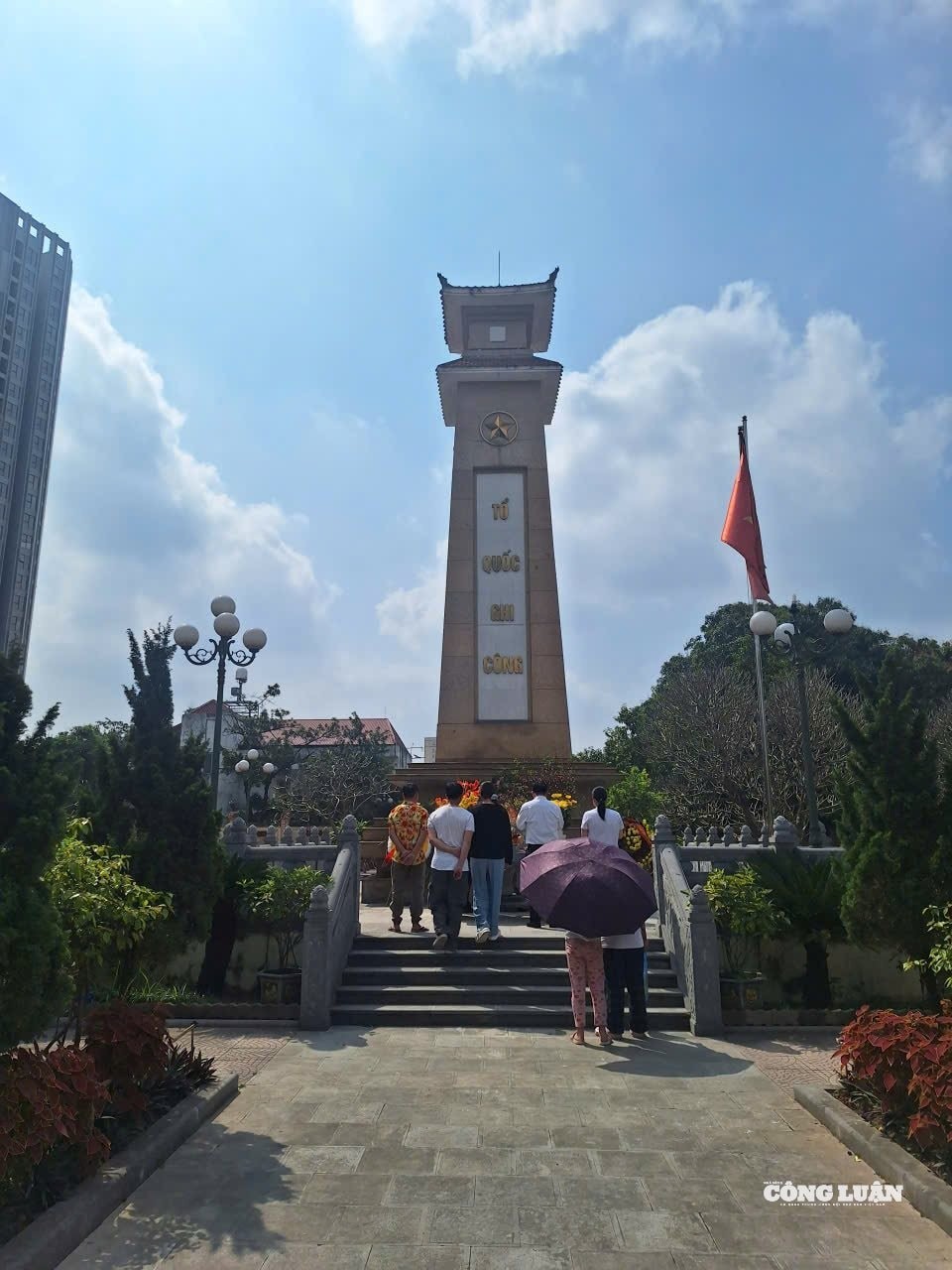 |
| Although it is the final day of the old year, many families still take the time to visit the graves, light incense, and “invite their ancestors home for Tet.” |
Tet, therefore, is not merely the moment of transition into a new year. It is a time to return. To return to one’s home, to one’s homeland, to the resting places of one’s ancestors. It is a return that reminds each person to live more kindly and to be more responsible toward family and society.
Cemeteries in the days approaching Tet are crowded, yet never noisy. It is a gathering filled with memories and affection. And in the delicate wisps of incense smoke, perhaps each person silently entrusts a simple wish: to pray for their family’s health, peace, and harmony.
Amid the many changes of modern life, the custom of inviting ancestors home for Tet continues quietly from one generation to the next. No one compels it, no regulation mandates it, yet everyone feels it must be done. For beyond being a ritual, it is the way the Vietnamese preserve their roots.
And perhaps it is precisely from those final sticks of incense at year’s end that each family once again reminds itself: no matter how far one travels, one must always remember the way home.
 | Gala Yeu Tet 2026 Connects Overseas Vietnamese Children from Many Countries Held online, Gala Yeu Tet 2026 brought together overseas Vietnamese children from numerous countries, creating a special space for cultural exchange where the Vietnamese Lunar ... |
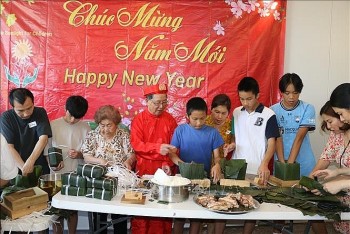 | Vietnamese Community in Australia Wraps Banh Chung to Welcome Tet Every Lunar New Year, members of the social and charitable group “New Sunlight for Children” in Sydney, Australia, come together to wrap banh chung - ... |
Related Stories
 Travel
Vietnam’s Tourism Sector Kicks Off 2026 with 14 Million Tet Holiday Arrivals
 Overseas Vietnamese
Vietnamese Community in France Bustles with Binh Ngo Spring Fair 2026
Recommended
 Viet's Home
More Than 80% of Hanoi Students Gain Admission to Public High Schools for the 2026-2027 Academic Year
 Viet's Home
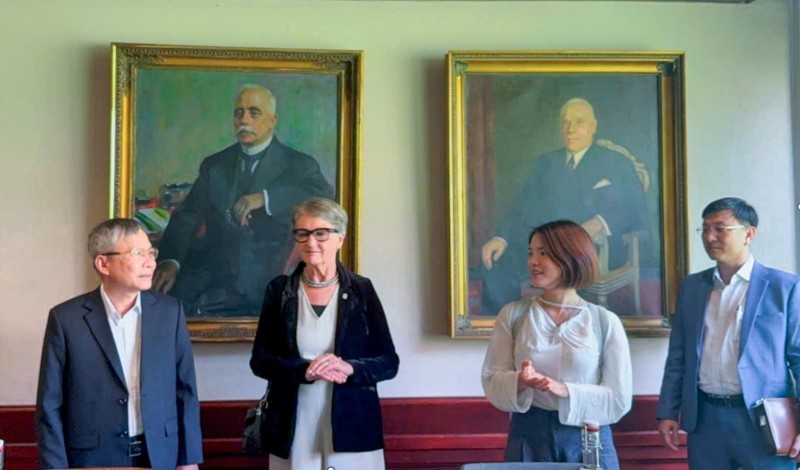
Da Nang and Turku (Finland) Strengthen Friendly Cooperative Relations
 Viet's Home
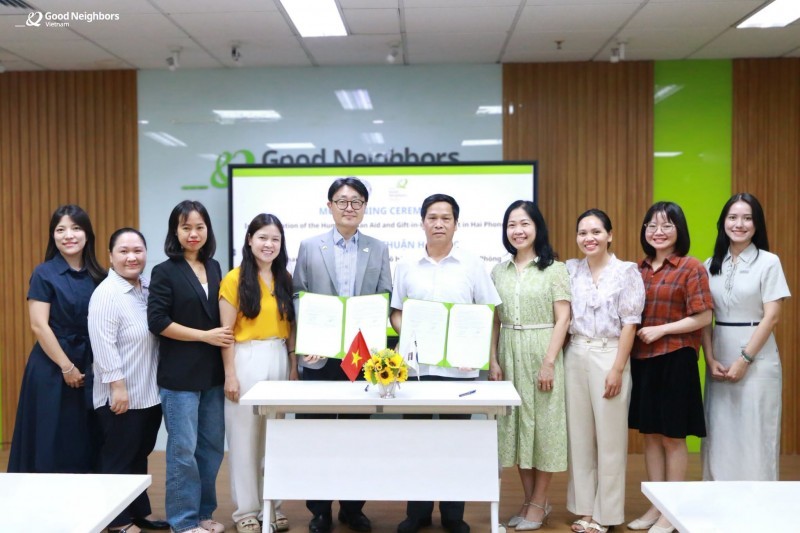
Good Neighbors Vietnam (GNI), Hai Phong City Union of Friendship Organizations Join Hands to Implement a Community Aid Program
 Viet's Home
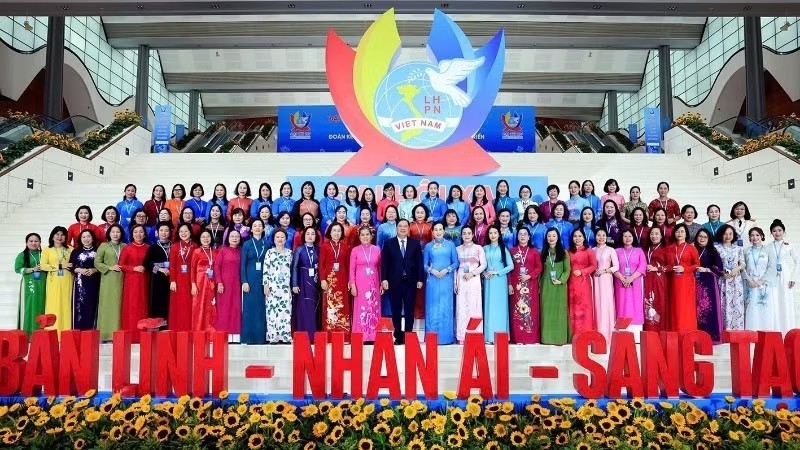
Vietnamese Women Aspire to Become Driving Force for Development in New Era
 Viet's Home
Building ASEAN Media Bridge through National Press Festival 2026
 Viet's Home
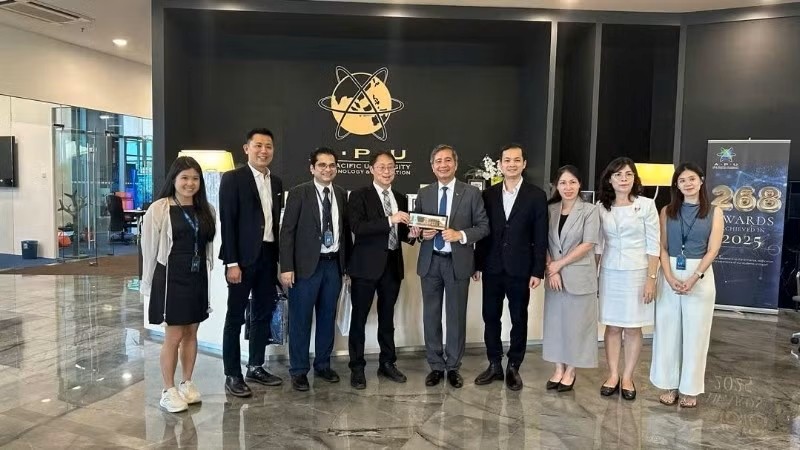
Vietnam and Malaysia Strengthen University Cooperation Links
 Viet's Home
Dong Thap to Collect DNA Samples from More Than 21,000 Unidentified Martyrs’ Graves
 Viet's Home