
More Than 50 Records Provide New Leads for Identifying Fallen Soldiers
 | More than 1,300 Fallen Soldiers' Remains Recovered After 111 Days of Campaign |
| Nghe An's 500-Day and Night Campaign Collects 17,831 DNA Samples |
According to Tin Tuc va Dan Toc newspaper, more than 50 research dossiers, keepsake records, and data sources transferred include documents decoding the designation of Unit 962. The documents clarify more clues for the search for fallen soldiers at Le Thi Rieng Park (Ho Chi Minh City), including fallen soldier Huynh Van Quen.
Another file contains an overview map of the burial site of 21 fallen soldiers at Hospital K76A T7 under Military Region 7. Researchers analysed historical documents, geography and relevant directions to provide a basis for reviewing and surveying areas believed to contain soldiers’ graves.
According to Van hoa va Phat trien Magazine, the files have been transferred by VWAI to the Steering Committee for the Search, Recovery and Identification of Martyrs’ Remains. The initiative is implemented by the Vietnam Center and Sam Johnson Vietnam Archive at Texas Tech University with the participation of research teams in both the United States and Vietnam.
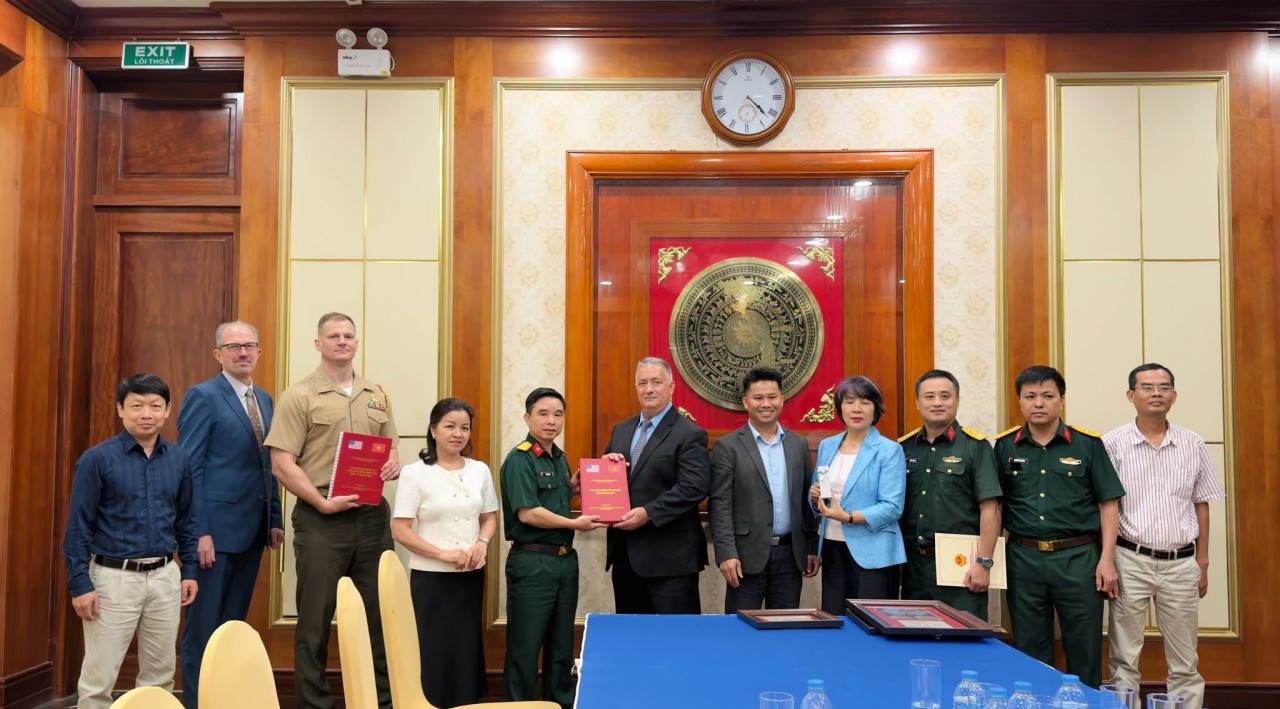 |
| VWAI transferred documents to the National Steering Committee 515. (Photo: Van hoa va Phat trien Magazine) |
Adding grave maps, death notices, and military personnel lists
At this period, VWAI also transferred eight significant dossiers and keepsakes, including diaries, letters, and notebooks, to verify, connect, and return belongings to relatives. Authorities also received 15 death notices, 6 general maps indicating the locations of soldiers’ graves of Company C10, 724th Regiment, and lists directing burial sites.
A total of 32 dossiers and keepsake records related to the Southeastern battlefield from 1966 to 1972. The reports range from 5 to 110 pages, were compiled through the examination of microfilm archives, analysis of historical and geographical contexts, and changes of the landscape after the war. This information helps authorities to compare terrain and place names in the documents with current conditions and assess the likelihood that fallen soldiers’ graves remain in areas.
The initiative also handed over 18 dossiers containing membership lists of military units. According to the Co-leader of the VWAI, Dr. Vo Dinh Thai, military membership lists could help narrow the search scale for relatives when remains are discovered but identifying information is insufficient. On that basis, authorities have more information to select DNA samples from relatives for comparison and identification.
The dossiers were compiled through the process of collection, classification, translation, and cross-checking of wartime files in the US with Vietnam’s sources, witness testimonies, oral histories, military maps, and surveys on the ground. Each report undergoes 2 rounds of editing, verification, and supplementary information before completion.
The project representative said that, in the framework, the research teams transferred more than 60 dossiers for Vietnam’s authorities; more than 50 dossiers and keepsakes were handed over to the National Steering Committee 515 on July 17 alone. This was the first report completed after more than 6 months of project implementation.
Connecting historical records with field searches and DNA
The receiving file sources in the 500-day-and-night campaign are fostered, verified information and excavation in key areas, and DNA samples nationwide. The campaign runs from March 15, 2026 to July 27, 2027, aiming to search for and gather around 7,000 sets of fallen soldiers’ remains; collecting around 230,000 unidentified graves samples; analyzing around 18,000 DNA samples from remains, and building a database of soldiers’ relatives' genes.
According to the statistics of the Social Policy Department under the General Department of Politics of the Vietnam People's Army (Ministry of National Defence), as of July 5, 1,306 sets of fallen soldiers’ remains have been recovered nationwide; samples are collected from 35,925 graves, and DNA samples of 93,464 fallen soldiers’ relatives are obtained. Authorities said that consolidation files supplied by domestic and international organisations are important measures to verify information about suspected mass burial areas.
Burial maps, unit lists, death notices, and data on locations of receiving documents are continued cross-checking with fallen soldiers’ files, field survey results, and DNA databases. The verification process can help narrow searching areas, identify related groups of military personnel, and select suitable relatives for reference DNA samples.
 | Dong Thap to Collect DNA Samples from More Than 21,000 Unidentified Martyrs’ Graves As part of the “500-day-and-night campaign to accelerate the search, recovery, and identification of fallen soldiers’ remains,” Dong Thap Province is implementing the collection and ... |
 | 500-Day Campaign: Hope of Reunion Through DNA Evidence Implementing Decision No. 27/QD-BCDQG dated March 22, 2026, issued by the National Steering Committee, and in preparation for the 80th anniversary of War Invalids and ... |
Related Stories
 Viet's Home
Many Fallen Soldiers' Remains Recovered in Da Nang and Cao Bang
 Viet's Home
Over 50 Calls and Messages Help Search for Fallen Soldiers at Tan Son Nhat Airport
Recommended
 National
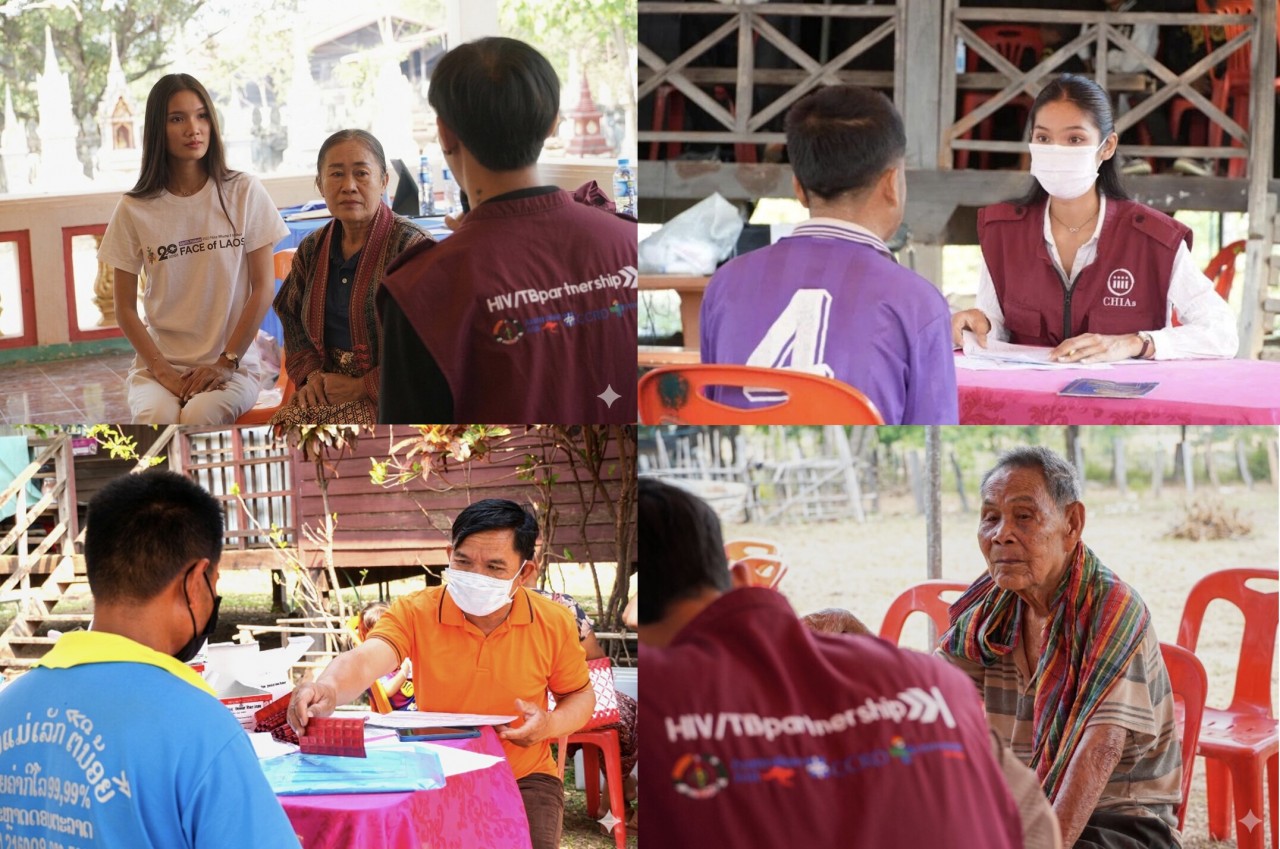
When Community Becomes an Anchor: Early Progress in Reducing HIV and TB Stigma in Champasak
National
More Than 50 Records Provide New Leads for Identifying Fallen Soldiers
 National
Vietnam News Today (July 21): Standard Chartered Raises 2026 GDP Growth Forecast for Vietnam to 9.5%
 National
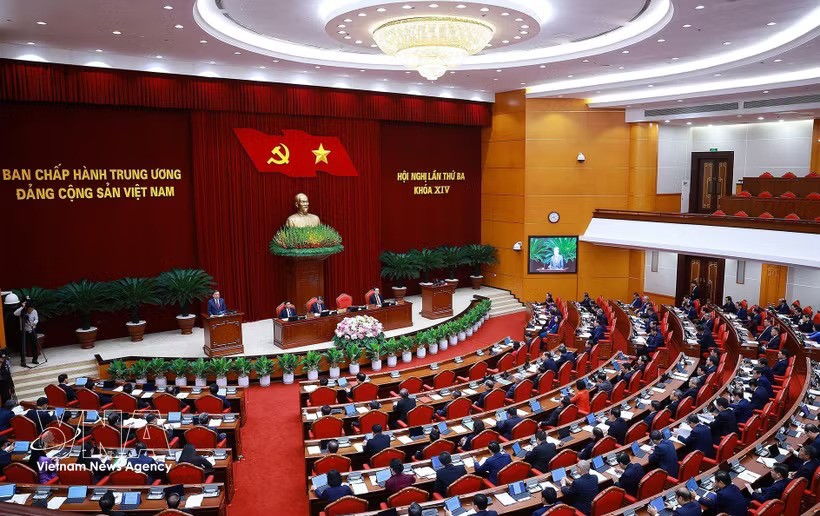
Party Central Committee’s Third Meeting Opens in Hanoi
 National
Vietnam News Today (July 20): Diplomacy Opens New Pathways for Vietnam’s Development
 National