Through the lens of German photographer Hans-Peter Grumpe, the untouched beauty of Tam Coc – Bich Dong, Hoa Lu, and Cuc Phuong National Park in the northern province of Ninh Binh has become true to life than ever.
Hans-Peter Grumpe is a German teacher. With a great passion for photography and traveling, Hans spent most of his holidays discovering different corners of the world, including three trips to Vietnam in the 1990s.
The German photographer had taken thousands of pictures that captured the various Vietnamese landscapes, daily life, and the local people throughout his trips in the country. Among them, there are 10 stunning shots of the landscape and daily life at some tourist destinations in Ninh Binh province.
Tam Coc, Bich Dong in 1991
Tam Coc – Bich Dong complex is considered the most attractive tourist destination in Ninh Binh, which is widely hailed as the “Ha Long Bay on land”. While Tam Coc is a flooded cave karst system, Bich Dong is a series of mountain pagodas.
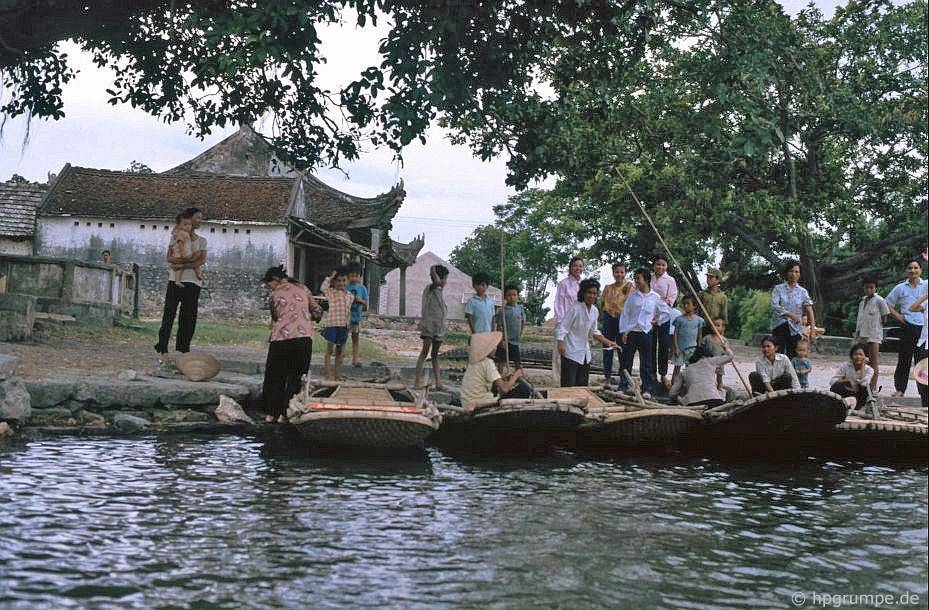
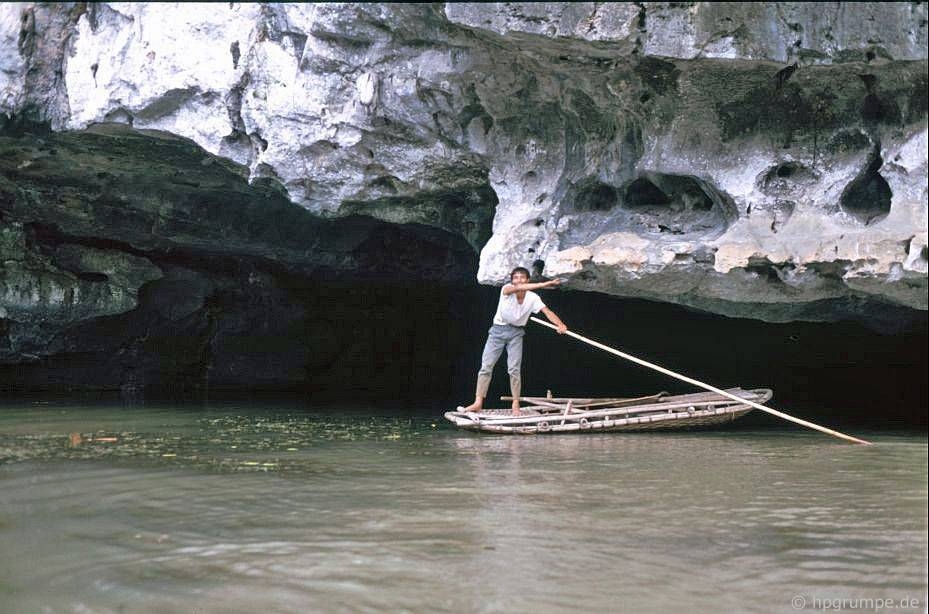
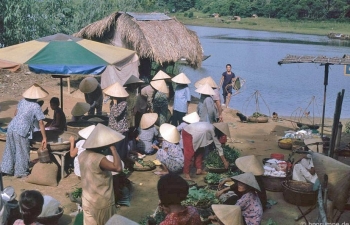
Tam Coc tourist wharf in 1991. At this time, people already severed the ferry service, with basket boats were used to carry tourists from and to Tam Coc - Bich Dong. (Photo courtesy of Hans-Peter Grumpe)
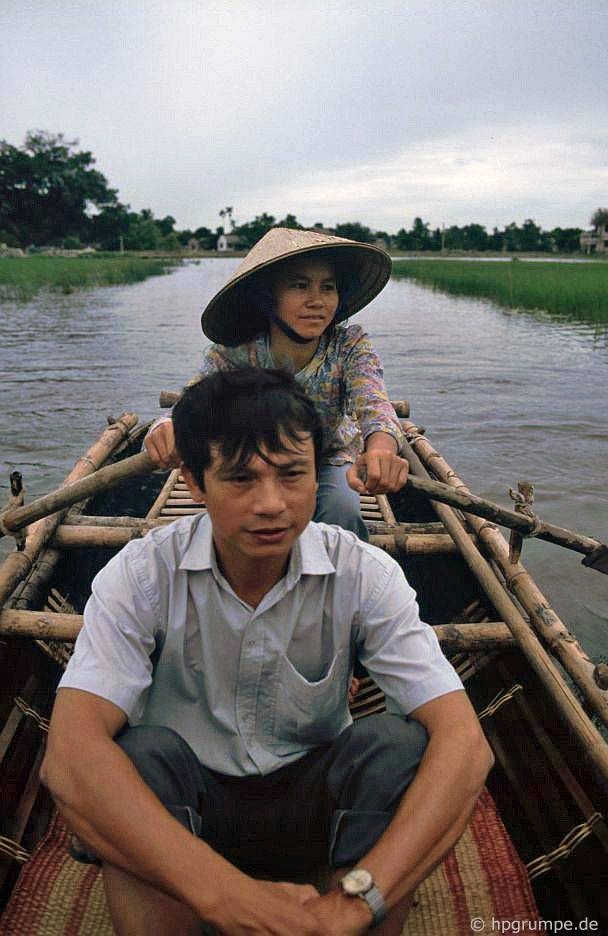
The tour guide who accompanied Grumpe in Ninh Binh, who both interpreted and introduced to Grumpe the beauty and local culture of the area. (Photo courtesy of Hans-Peter Grumpe)
The outside of a cave in Tam Coc (Photo courtesy of Hans-Peter Grumpe)
Hoa Lu Ancient Captial in 1991
The ancient capital of Hoa Lu, which covers an area of 400 hectares, is the first capital of Vietnam in the tenth century. In 968, Dinh Bo Linh proclaimed himself emperor of Dai Co Viet (Great Viet) and since then, Hoa Lu had become the capital of the country for 42 years until the year 1010, when Emperor Ly Thai To moved the capital from Hoa Lu to Thang Long, known as Hanoi today.
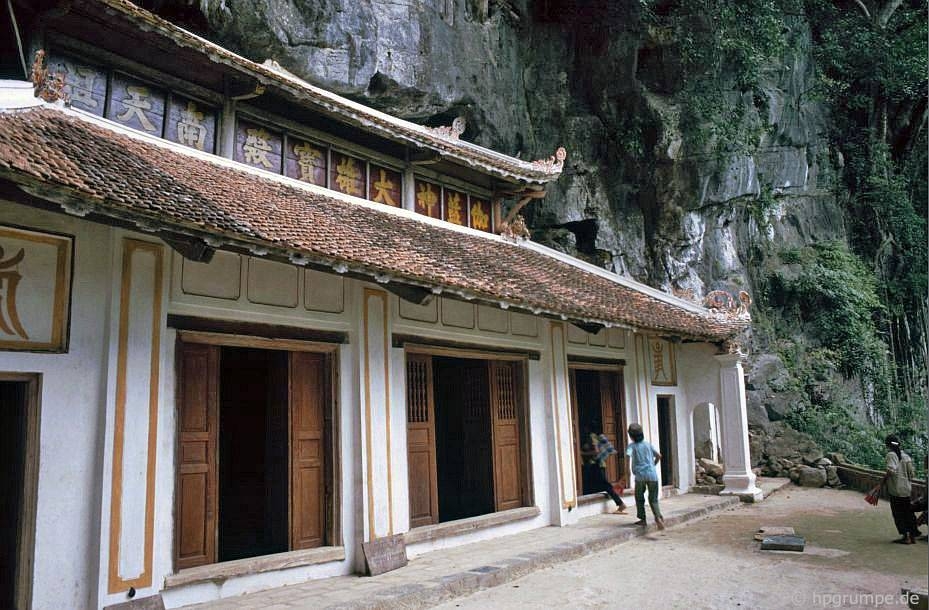
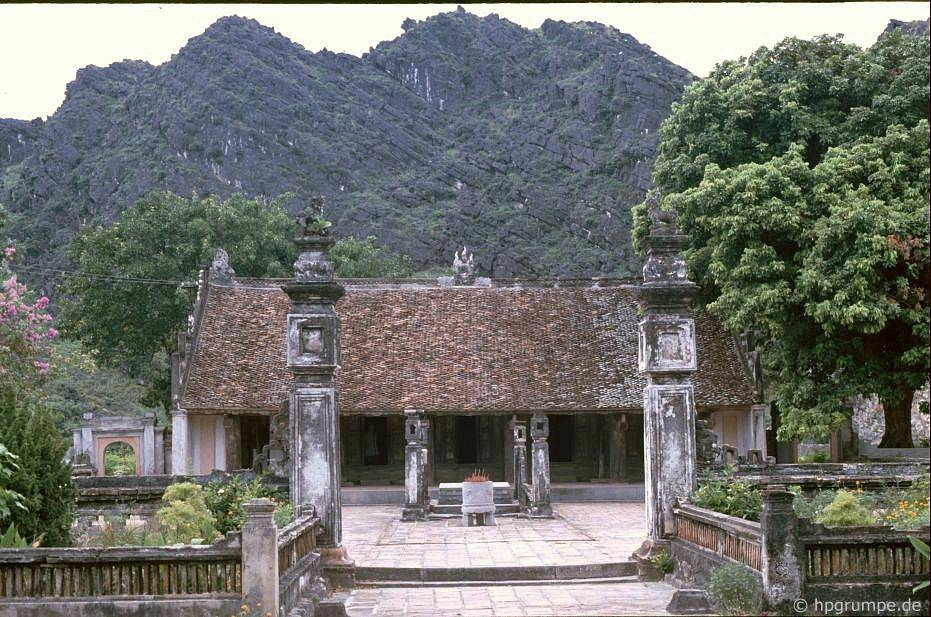
Bich Dong Temple is an ancient temple built on Truong Yen limestone mountain range in Ninh Hai commune, Hoa Lu district, Ninh Binh province. Hai commune, Hoa Lu district, Ninh Binh province. The temple was originally named "Bach Ngoc Thach Son Dong", which means a beautiful and pure temple. It was renamed to Bich Dong Temple in 1774. (Photo courtesy of Hans-Peter Grumpe)
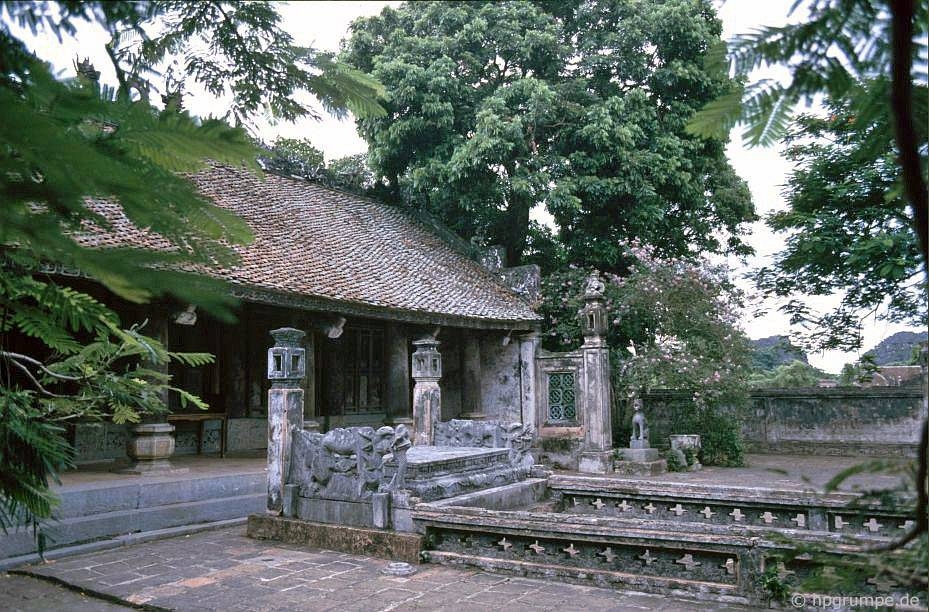
The temple worshiping Emperor Dinh Tien Hoang in Hoa Lu (Photo courtesy of Hans-Peter Grumpe)
The temple worshiping Emperor King Le Dai Hanh (Photo courtesy of Hans-Peter Grumpe)
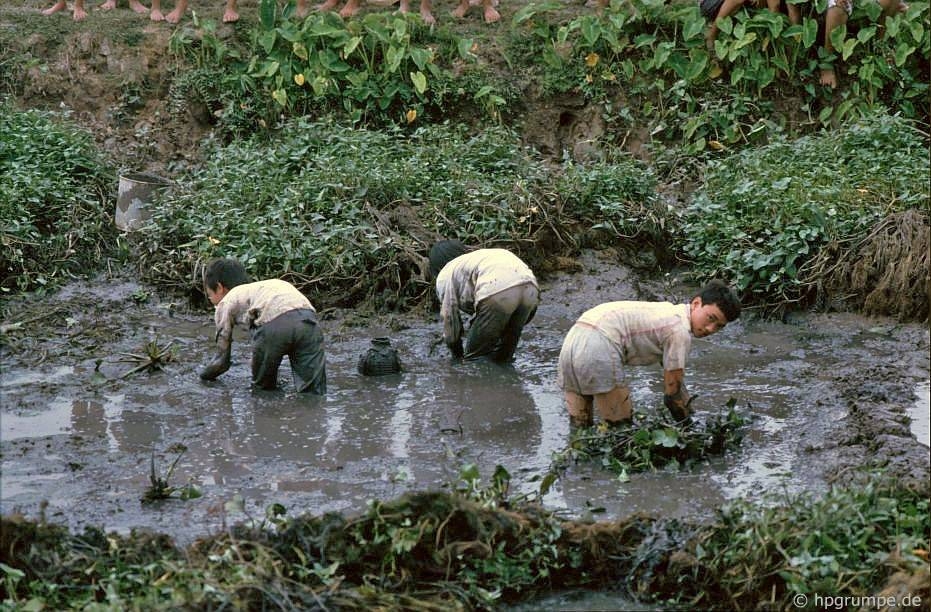
Local people were taking away the duckweed and fishing on crabs and snails in the swamp (Photo courtesy of Hans-Peter Grumpe)
Cuc Phuong National Park in 1991
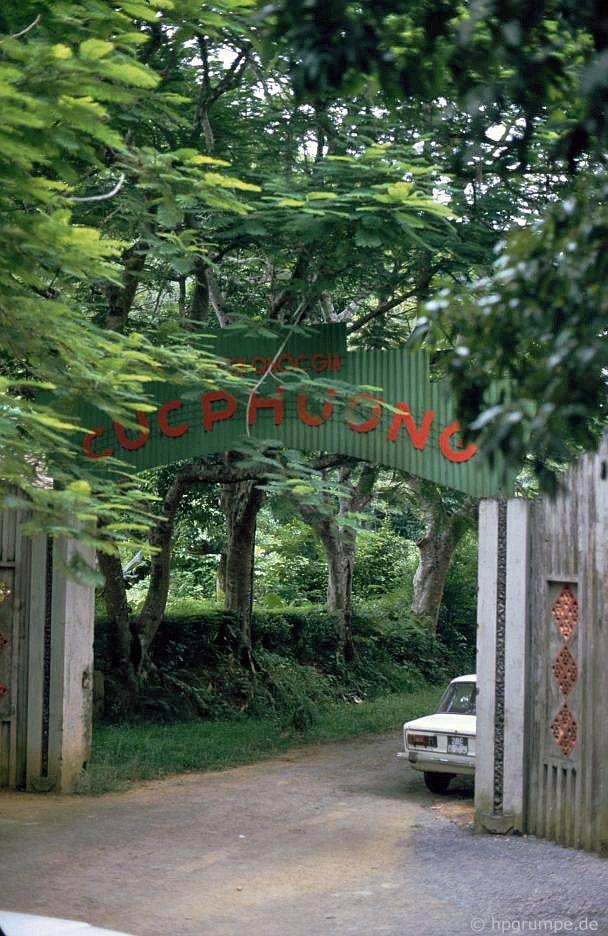
Cuc Phuong National Park is around 22.000 hectares in size, of which three quarters are limestone with height from 300 meters to 600 meters above sea level. Established in July 1962, it’s known as the first national park in Vietnam and is famous for an abundant population of flora and fauna.
A thousand-year-old arcade tree in Cuc Phuong National Park (Photo courtesy of Hans-Peter Grumpe)
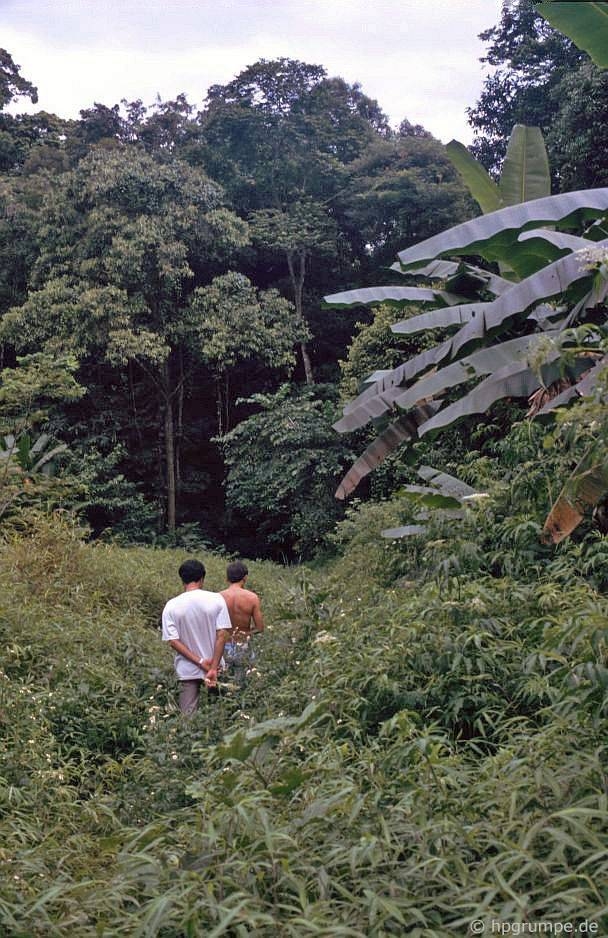
After discovering Cuc Phuong National Park and walking in the forest, Grumpe learnt himself that it'd better to stay alert in the forest as there could be a lot of leeches. (Photo courtesy of Hans-Peter Grumpe)
A thousand-year-old arcade tree in Cuc Phuong National Park (Photo courtesy of Hans-Peter Grumpe)
Under the lens of German photographer Hans-Peter Grumpe, the daily life in the ancient capital of Hue, central Vietnam some 30 years ago, has become ...
Covered by mountains and valleys formed by 25-30 million year ago volcanic activity, both Kon Tum and Gia Lai have their own unique beauty, attracting high ...
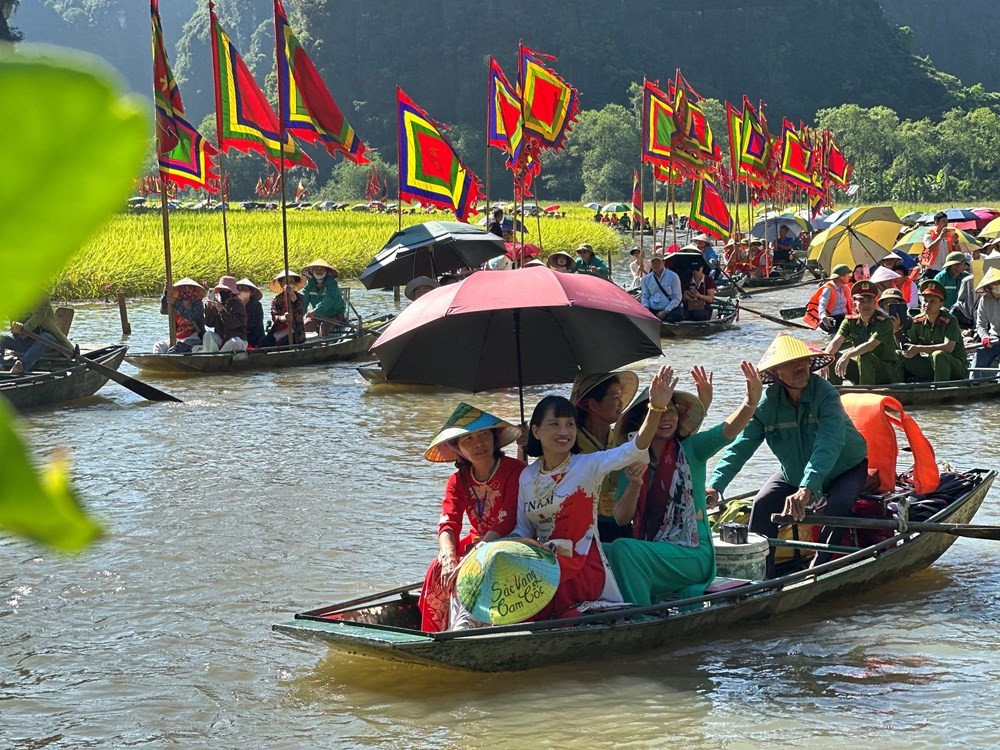
In recent years, Ninh Binh has not only cemented its position on the international tourism map through its magnificent natural landscapes but has also attracted visitors with the vibrant traditional festivals that embody the rich cultural heritage of the ancient capital region.
On the occasion of the 51st anniversary of the Liberation of the South and National Reunification, and International Workers’ Day (May 1), on April 27, a delegation of Party and State leaders led by Bui Thi Minh Hoai, Politburo Member, Secretary of the Party Central Committee, Secretary of the Party Committee of the Vietnam Fatherland Front and Central mass organizations, and President of the Vietnam Fatherland Front Central Committee, visited and presented gifts to policy beneficiary families and people with meritorious services in Ninh Binh and Thanh Hoa provinces.
Vietnam News Today (Mar. 23): Prime Minister Pham Minh Chinh leaves for official visit to Russia; Cambodian solidarity front delegation visits Ninh Binh to boost bilateral ties; Vietnam accelerates roadmap for green energy transition; Nurturing love for Vietnamese language among Vietnamese youth in Japan.
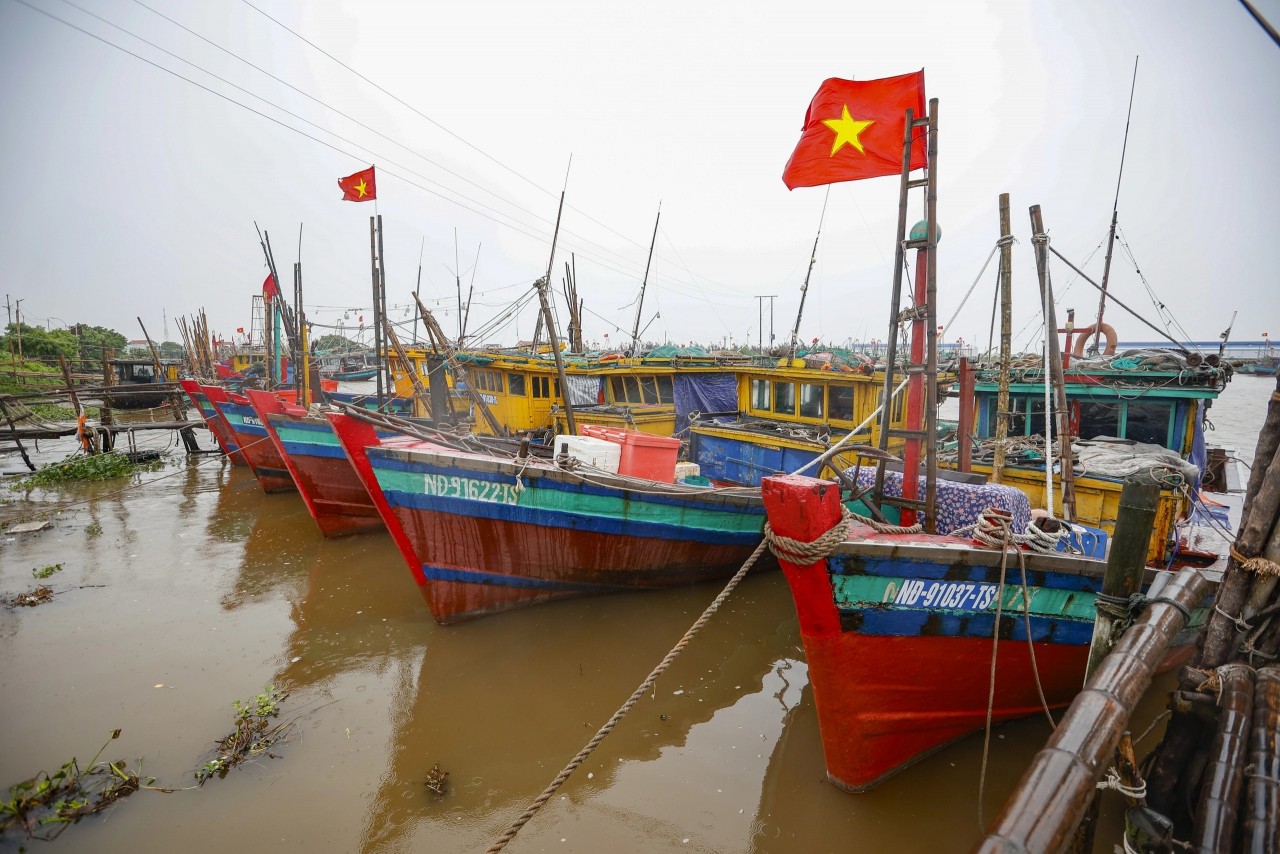
The People’s Committee of Ninh Binh province has requested relevant departments, agencies, and local authorities to strengthen the review and rectification of fishing vessel management, tighten control over fisheries exploitation activities, prevent the occurrence of illegal, unreported and unregulated (IUU) fishing violations, and prepare necessary conditions for the fifth inspection mission of the European Commission (EC).
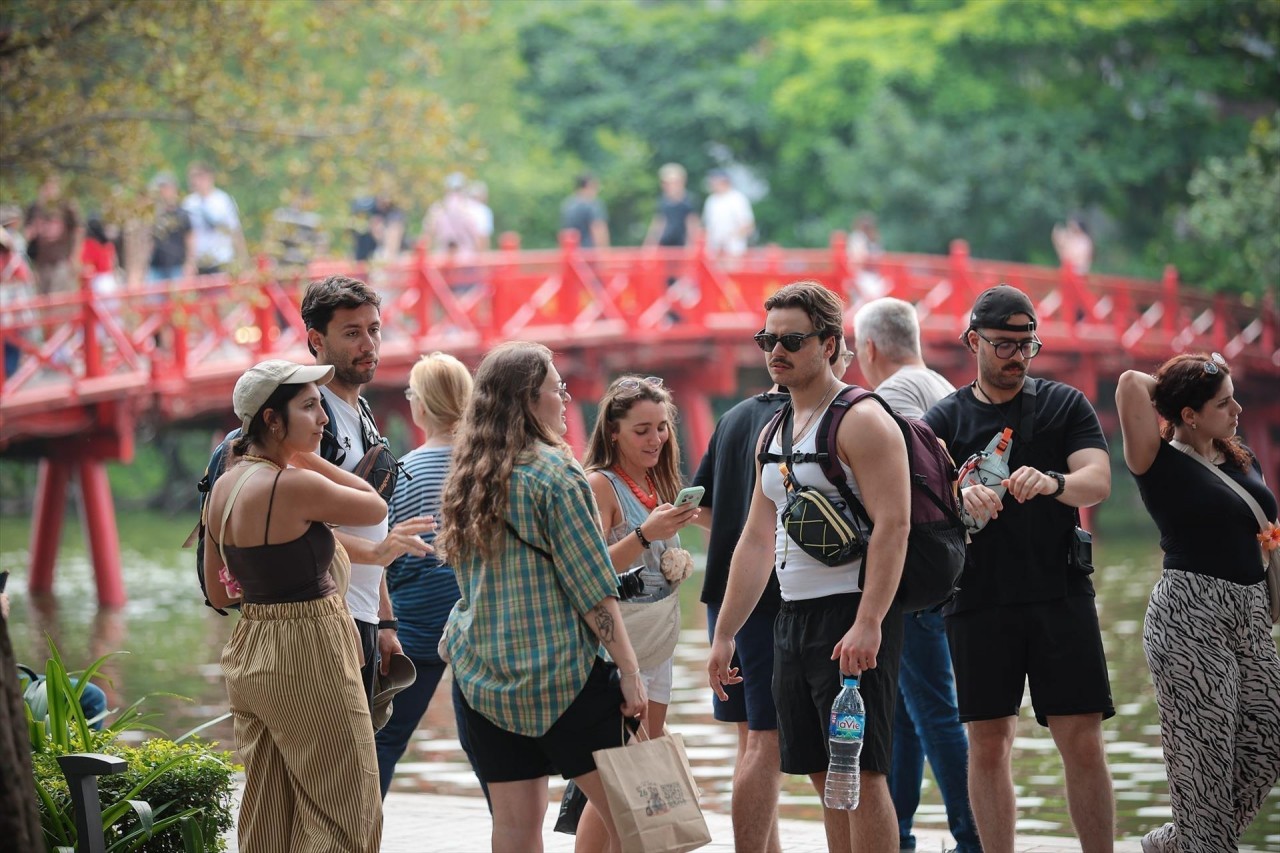
The Star of Malaysia reported that MoneySuperMarket website had released a list of “10 cities with friendliest customer services in the world”. Hanoi, the capital city of Vietnam, is the only Southeast Asian destination to make the top 10 and rank second globally. Hanoi is depicted as a city with friendly staff and high-quality customer service for visitors.
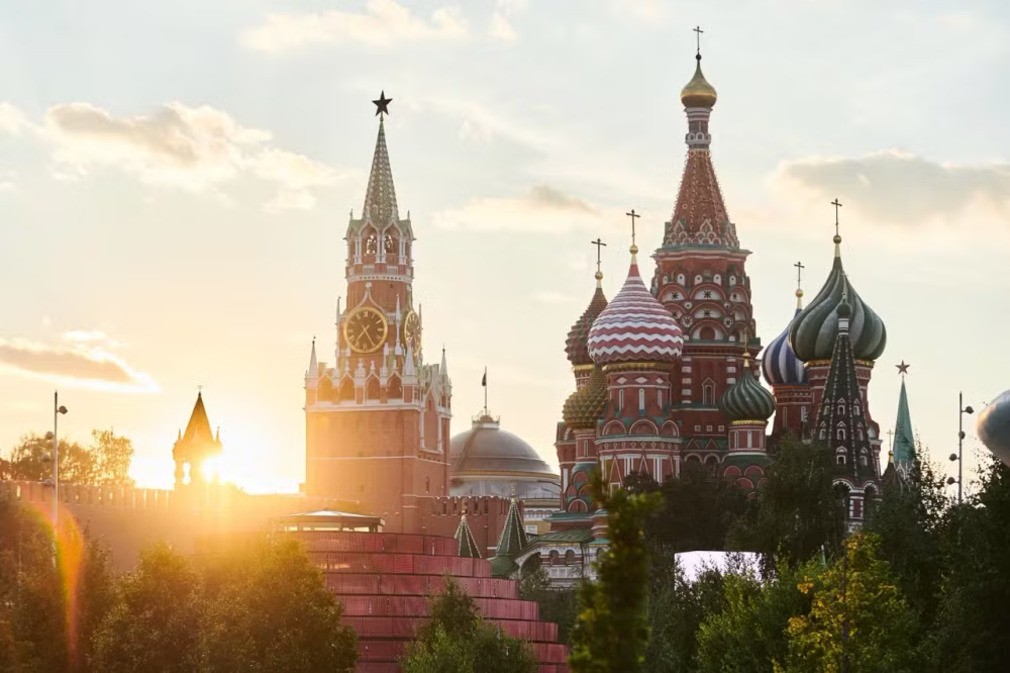
With a Vietnamese tourism promotion page, Moscow is demonstrating its growing interest in the Vietnamese market to create a more comfortable, accessible, and personalised destination experience.
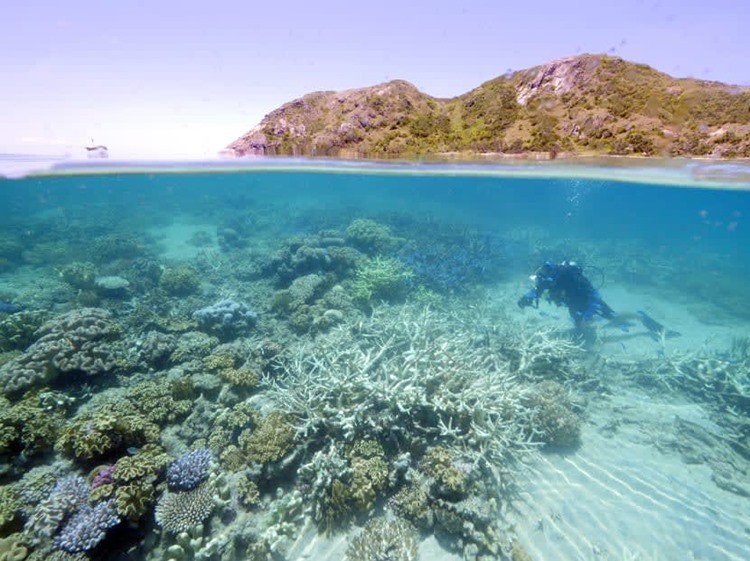
Viet Nam's long coastline and thousands of offshore islands have created ideal conditions for thriving coral reef ecosystems. As summer travel peaks in 2026, destinations including Hon Mun, Cu Lao Cham, Phu Quoc, Vinh Hy, and Con Dao are expected to attract travelers eager to explore vibrant underwater landscapes through snorkeling and scuba diving.
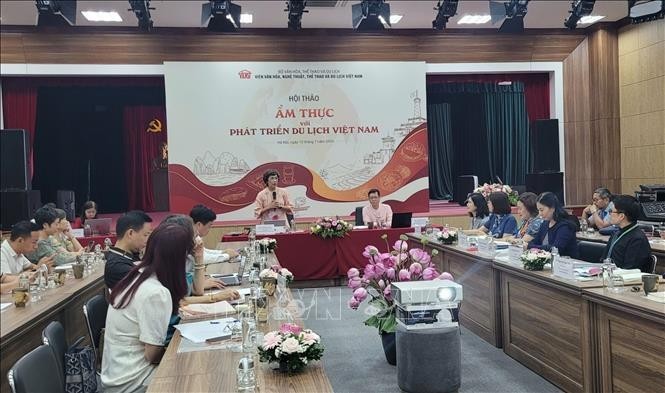
On July 13, the Vietnam Institute of Culture, Arts, Sports and Tourism under the Ministry of Culture, Sports and Tourism held a seminar titled “Cuisine and the development of Vietnam’s tourism”. The seminar gathered managers, experts, researchers, and businesses to recommend solutions to bringing cuisine values into play as a cultural resource, contributing to enhancing competitiveness and creating Vietnam’s tourism brand in the context of international integration.
Ho Chi Minh City orientates tourism development linked to urban economy, night-time economy, culture industry and experience economy, changing from event organizing model to developing event economy model.
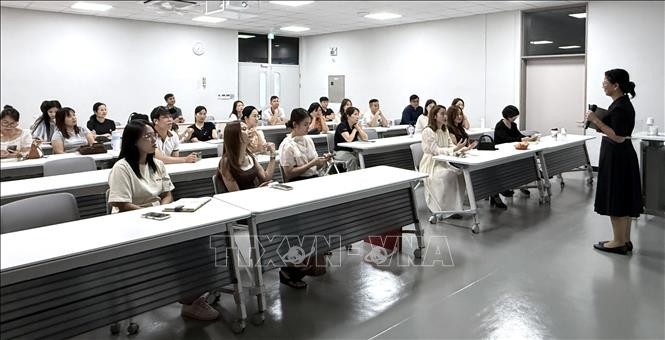
According to a report released by Statistics Korea on July 9, Vietnam ranked first in the number of foreign nationals entering the RoK for long-term stays in 2025, with approximately 98,000 people. Vietnamese citizens accounted for the largest share among foreigners staying in the country for more than 90 days.
On the evening of July 8, at Pho Saigon Restaurant in Vienna, Austria, the Vietnamese Embassy in Austria, in coordination with the We Love Pho Association, the Ninh Binh Culinary Culture Association, and Vietnamese culinary artisans and experts, organized a program titled “Pho and Culinary Culture: Bringing Vietnamese Identity Closer to Europe and the World.”The event was one of the stops on the Journey of Pho and Vietnamese Culinary Culture Across Europe, contributing to the promotion of Vietnam’s image, people, and cultural values to international friends.
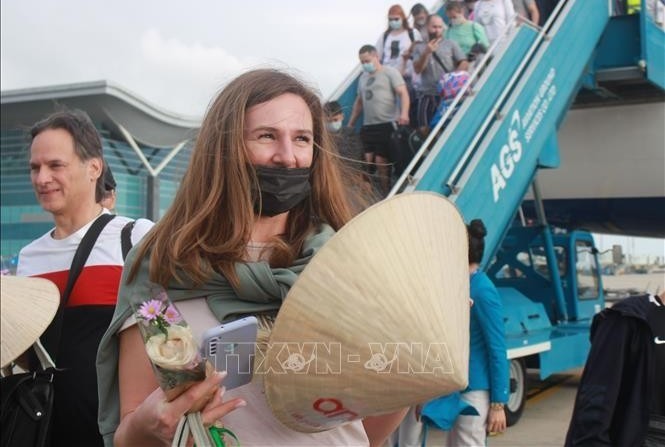
In the first six months of 2026, Vietnam welcomed more than 742,000 Russian visitors, 2.8 times higher than in the same period last year. This strong recovery has made Russia the third-largest source market for Vietnam's tourism industry, behind only China and the Republic of Korea.




 Travel
 Viet's Home
 National
 Seas and islands
 Travel
 Travel
 Travel
 Travel
 Travel
 Travel
 Travel
 Travel