
Papelucho: Bringing “Chilean Soul” to Vietnamese Readers

 |
| M.A. Nguyen Thuy Trang (left), a member of the Papelucho translation team in Vietnam. (Photo: Hanoi University) |
- What led you to become involved in translating the Papelucho series?
- My connection with Papelucho began with a memorable conversation with a friend, the former Chilean Ambassador to Vietnam, Sergio Narea. He shared his deep concern about how to bring his country’s most representative children’s work to Vietnamese readers.
His heartfelt words stayed with me, reminding me of an unfinished cultural bridge. When the opportunity arose to join the project, I did not hesitate. For me, this was not merely a professional task, but a chance to realize the aspiration of a Chilean friend who has always held a deep affection for Vietnam.
I have always believed that if one wishes to touch the heart of a nation, one should begin with the books that nurture its children’s souls. Bringing this work from South America to Vietnam is, in essence, a journey to find a resonance between the hearts of readers in both countries.
- How did the translation team prepare to approach a work that is famous in Chile but still new to Vietnamese readers?
- From the outset, we understood that this could not be a purely linguistic translation; it had to be a process of cultural transfer. In addition to carefully studying the original text, the team explored the social context of Chile at the time, from family life to children's interactions with the world around them.
Perhaps most importantly, we focused on defining the narrative voice for the translation. How could we preserve Papelucho’s innocence, mischief, and distinct personality, while still making Vietnamese young readers feel a sense of familiarity? We did not want children to feel they were reading a translated text; rather, we wanted them to feel as though they were listening to a friend of their age telling a story.
- During the translation process, what was the greatest challenge for the team?
| The Papelucho series by Chilean author Marcela Paz was first published in 1947. After nearly eight decades of translation and publication in many countries, the series was introduced to Vietnamese readers with the launch of its first translated edition in December 2024. The work is part of a cultural project between Vietnam Education Publishing House and the Embassy of Chile, with the participation of Phuong Nam Education Investment and Development Joint Stock Company as the official distributor of the series. |
- The greatest challenge lay in narrative perspective. In Spanish, the character uses only one pronoun, “yo,” but in Vietnamese, the system of personal pronouns is highly nuanced and layered. Should we choose “tôi,” “tao,” “tớ,” or “mình”? Each option carries a different shade of meaning. How could we retain the boy’s mischievous charm - sometimes even a bit precocious - while still making Vietnamese children feel that the story is close to their own lives? It was a quiet but intense “duel” to find the most fitting linguistic balance.
The second challenge was preserving the “spirit” of the narrative voice. Papelucho writes his diary with a natural thought process, unafraid to use naive sentence structures to express his emotions. If the translation were too polished, it would immediately become “adult-like”; yet if we tried too hard to mimic childishness, it could easily feel forced.
The third challenge was the distance of time and culture. The series was written from 1947 to the mid-1970s. Certain vocabulary, objects, and expressions felt unfamiliar even to the Chilean friends we consulted. Handling these layers of language and culture, covered by the dust of time, in a way that remains accessible to Vietnamese readers without losing the historical context required a deeply dedicated process of refinement by the entire team.
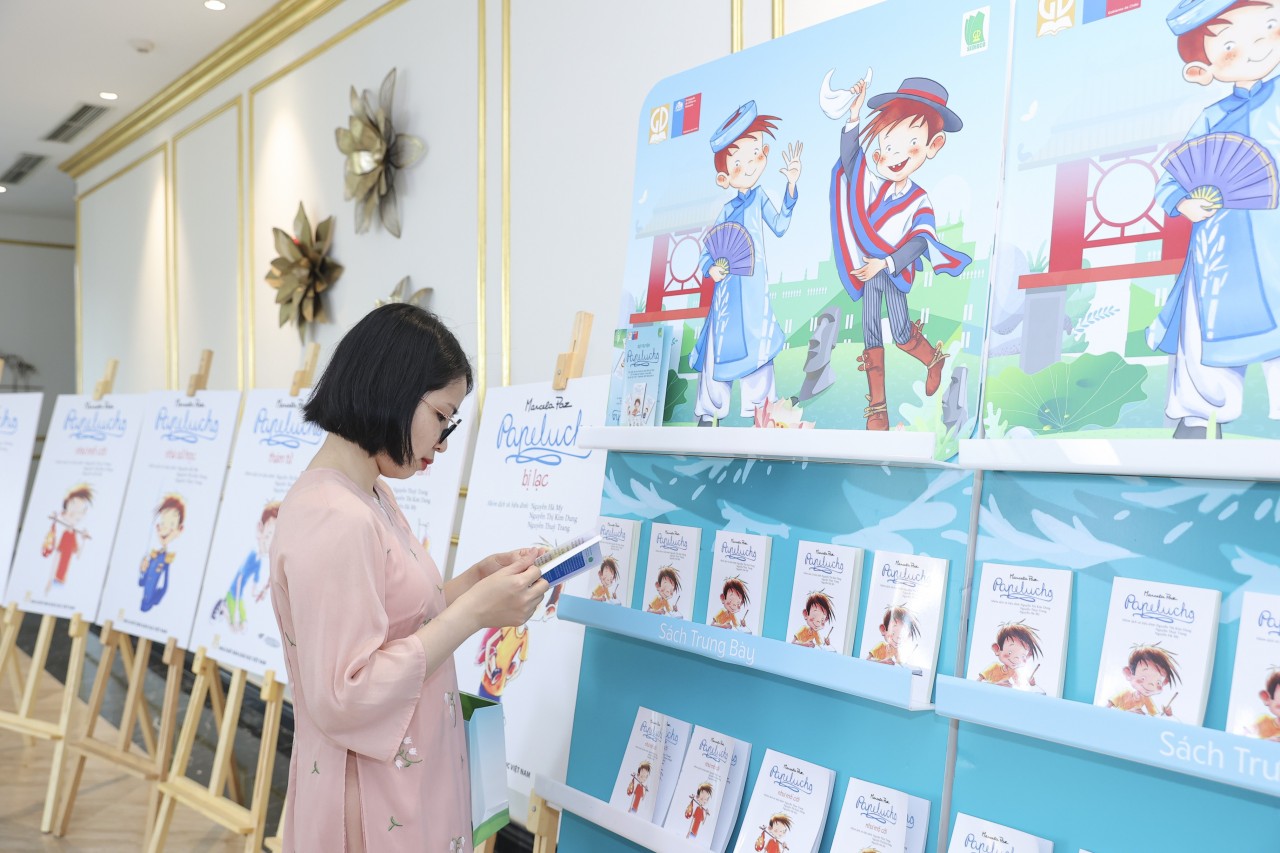 |
| Vietnamese readers explore the children’s series Papelucho at the official launch event in Vietnam on June 24, 2025. (Photo: Dinh Hoa) |
- In your opinion, what makes this story appealing to Vietnamese young readers?
- I believe that children’s hearts everywhere share the same “emotional frequency.” Although the story is set in Chile in the last century, Papelucho’s experiences are universal. They revolve around everyday troubles: going to school, being scolded by parents, or small misunderstandings with friends. His thoughts may seem naive at first, but upon reflection, they reveal a surprising honesty and depth.
In particular, the way Papelucho engages in self-dialogue through his diary creates a private world - a refuge for dreams, unanswered questions, and childhood fears. I believe that any Vietnamese child has either had, or longed for, such a personal space. When reading Papelucho, they will not feel that they are reading about a distant foreign boy, but rather as if they are looking into a mirror, encountering themselves in playful mischief and in their most private reflections.
- What is the significance of introducing Papelucho to Vietnamese readers in terms of cultural exchange between the two countries?
- Children’s literature is a gentle yet enduring pathway for connecting nations. As Vietnamese children turn each page of Papelucho, they are not simply reading a story; they are beginning a quiet dialogue with a different way of life and a different way of perceiving the world from the other side of the globe. Seeds of understanding planted from such an early age often take deep root.
I believe Papelucho should not be confined to the category of children’s literature. It is a work for all ages. Children read it to find resonance, while adults can discover lessons in tolerance and in preserving a sense of clarity and innocence in an ever-changing world.
For professionals like us, this project has also been an opportunity to gain a deeper understanding of the Chilean character. Cultural bridges like this, though seemingly small, accumulate over time to make relations between the two countries more vibrant and sustainable. Ultimately, the strongest form of connection is empathy between people, and literature is perhaps the finest messenger of all.
- Thank you very much!
| Papelucho is an icon of Chilean children’s literature. Written by Marcela Paz, the series has become an integral part of the childhood memories of generations of Chilean children. With his innocence, intelligence, rich imagination, and kindness, the character Papelucho has transcended national boundaries to become a beloved companion of children around the world. Bringing Papelucho to Vietnam is not merely a publishing project, but also a meaningful cultural exchange initiative. Through simple yet deeply human stories, Vietnamese children have the opportunity to explore the life, soul, and culture of Chile, thereby broadening their perspectives and fostering greater empathy between cultures. Papelucho offers many positive values suitable for children in all countries, including Vietnam. First and foremost, it encourages imagination and the ability to observe the surrounding world. Papelucho views everything from a unique perspective; sometimes naive, yet profoundly insightful. The series also conveys humanistic messages such as friendship, family affection, honesty, sharing, and responsibility. These values closely align with the moral standards that Vietnamese society consistently emphasizes in the education of children. Ambassador of Chile to Vietnam Nasly Isabel Bernal Prado |
Preserving the “Chilean Spirit” in the Vietnamese TranslationDr. Nguyen Thi Kim Dung (Lecturer, Faculty of Spanish, Hanoi University), a member of the translation team, shared: “What impressed me most is the similarity between Chilean and Vietnamese people - their warmth, closeness in family life, and their natural, emotionally rich way of communication. In very ordinary situations, the character Papelucho demonstrates sincerity, humor, and optimism. In Vietnam, we are much the same,” she said. |
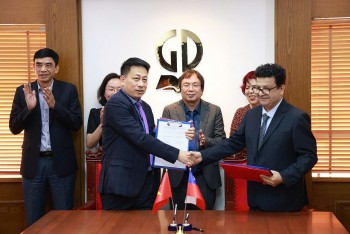 | Chilean Work Papelucho to be Published in Vietnam The Embassy of Chile in Vietnam and the Vietnam Education Publishing House have had a meeting and signed a Cooperation Agreement on culture and translation. |
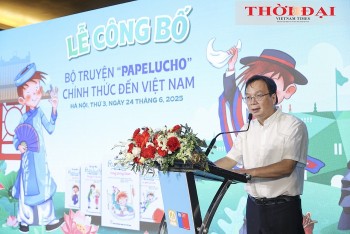 | Papelucho - Chilean Children Book Reaches Vietnamese Readers On June 24 in Hanoi, Vietnam Education Publishing House coordinated with the Embassy of Chile in Vietnam to organize the Launch Ceremony of the children ... |
Most read
Related Stories
 Focus
Focus
55 Years of Vietnam-Chile Relations: Journey Built on Trust and Empathy
 Friendship
Promoting Vietnam-Chile Cooperation Across Three Key Pillars: Politics, Economy, and People-to-People Exchange
 Friendship
Promoting People-to-People Cooperation on the Occasion of the 55th Anniversary of Vietnam-Chile Relations
 Friendship
Vietnam-Chile: Linking People-to-People Exchanges with Local Connectivity and Concrete Cooperation Models
Recommended
 Friendship
Vietnam Showcased to North Macedonian Public Through Cultural Event
 Friendship
People-to-People Diplomacy Must Align with Capital Development Goals
 Friendship
STEM Robotics Training for 30 Teachers and Students at Lao-Vietnamese Friendship School in Sekong
 Friendship
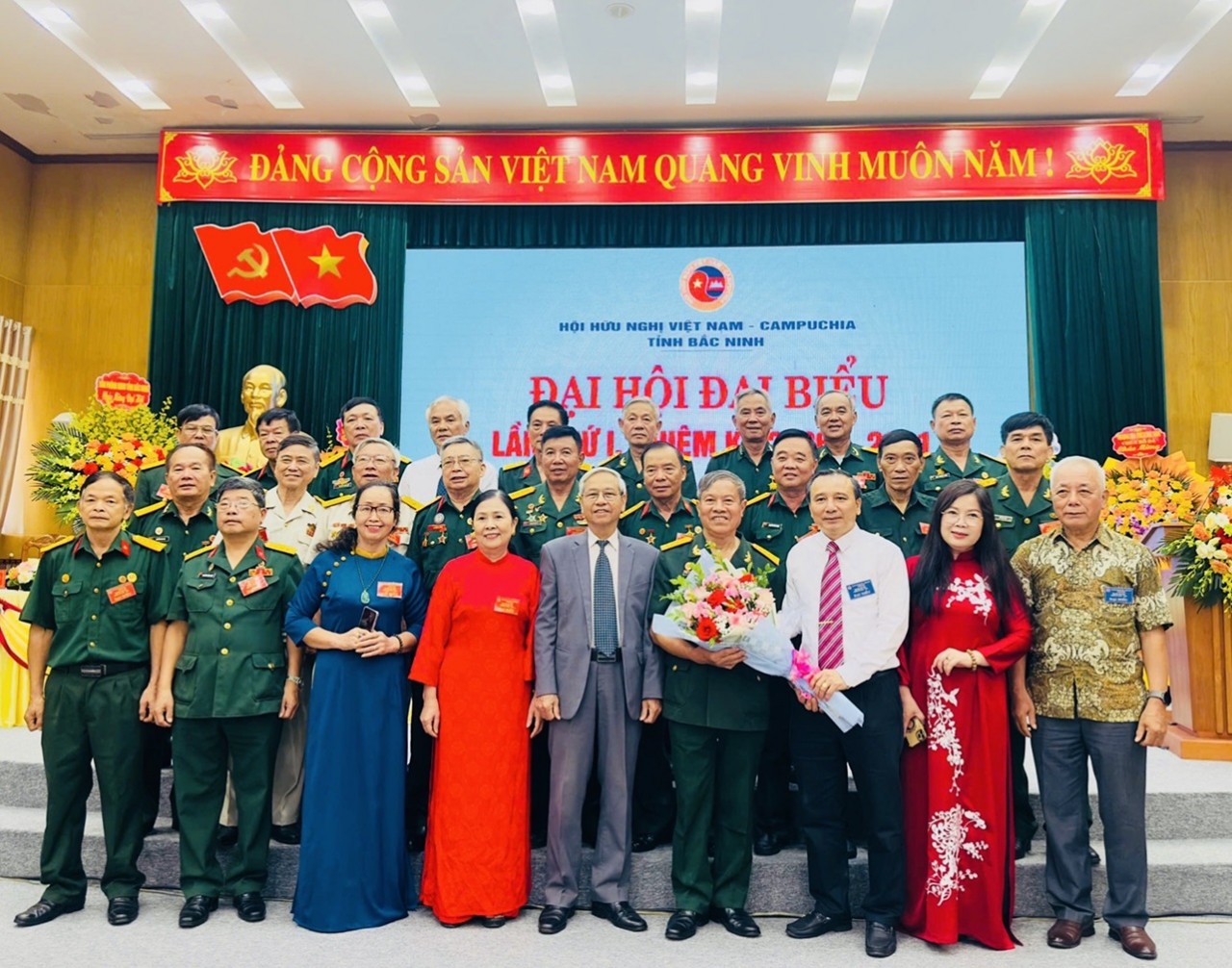
First Congress of Vietnam-Cambodia Friendship Association of Bac Ninh
Popular article
 Friendship
Vietnam Promotes Substantive Cooperation with West African Countries
 Friendship
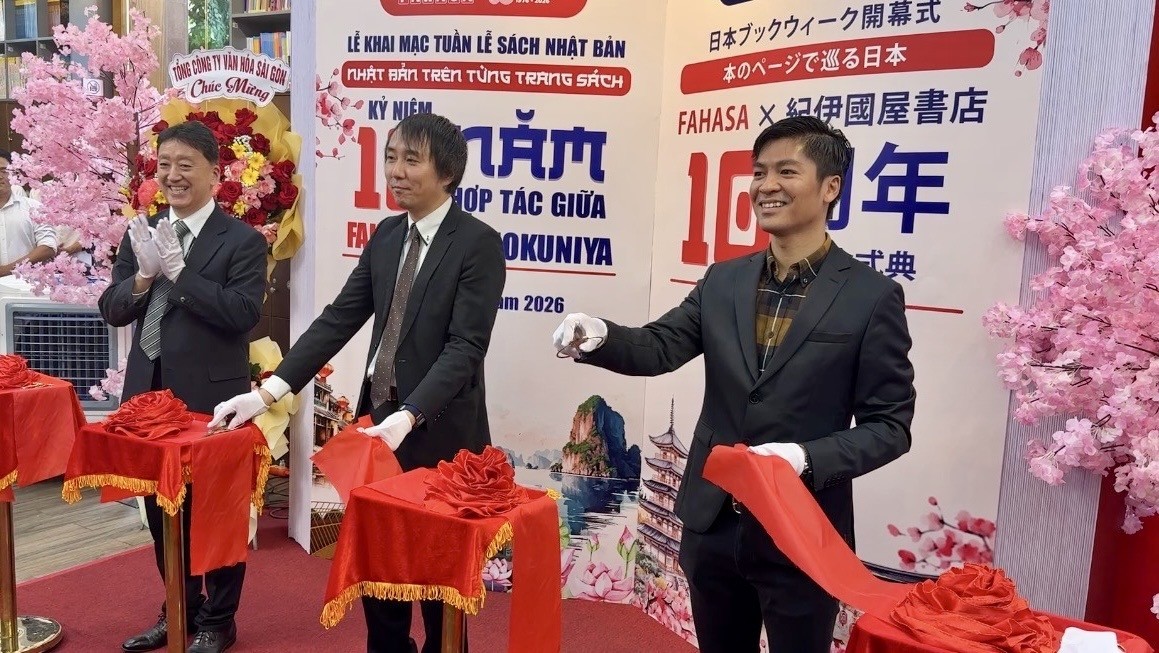
Japan Book Week in Vietnam: Bridging Bilateral People-to-people Relations
 Friendship
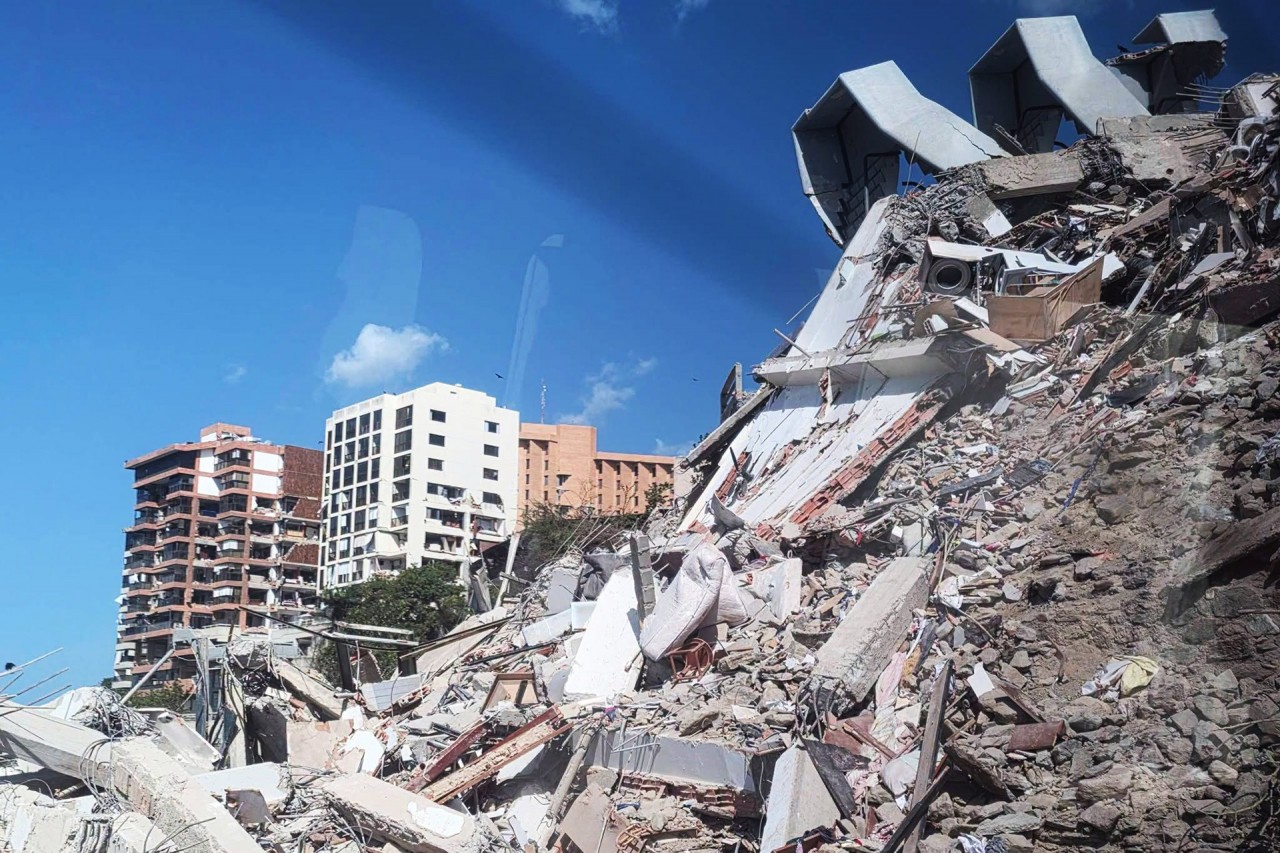
Vietnam Rescue Team Reaches Site Where 15 Remain Trapped in Venezuela
 Friendship