
Part 2: The Network Behind the Attack in Dak Lak
 | Anti-terrorism exercise held during police competition in Vietnam |
| Vietnam calls for further counter-terrorism efforts in West Africa |
Operational methods and communications
BPSOS maintains multiple communication channels, including the websites bpsos.org and machsongmedia.com, the Mach Song newspaper, and social media platforms such as “BPSOS - Vietnam Advocacy Project” and “Ban tron da ton giao”… These channels focus on issues related to ethnicity, religion, and human rights in Vietnam. Content is often selected and arranged in a particular direction, which can create the impression of independent sources, while in many cases lacking full context or reflecting a one-sided perspective.
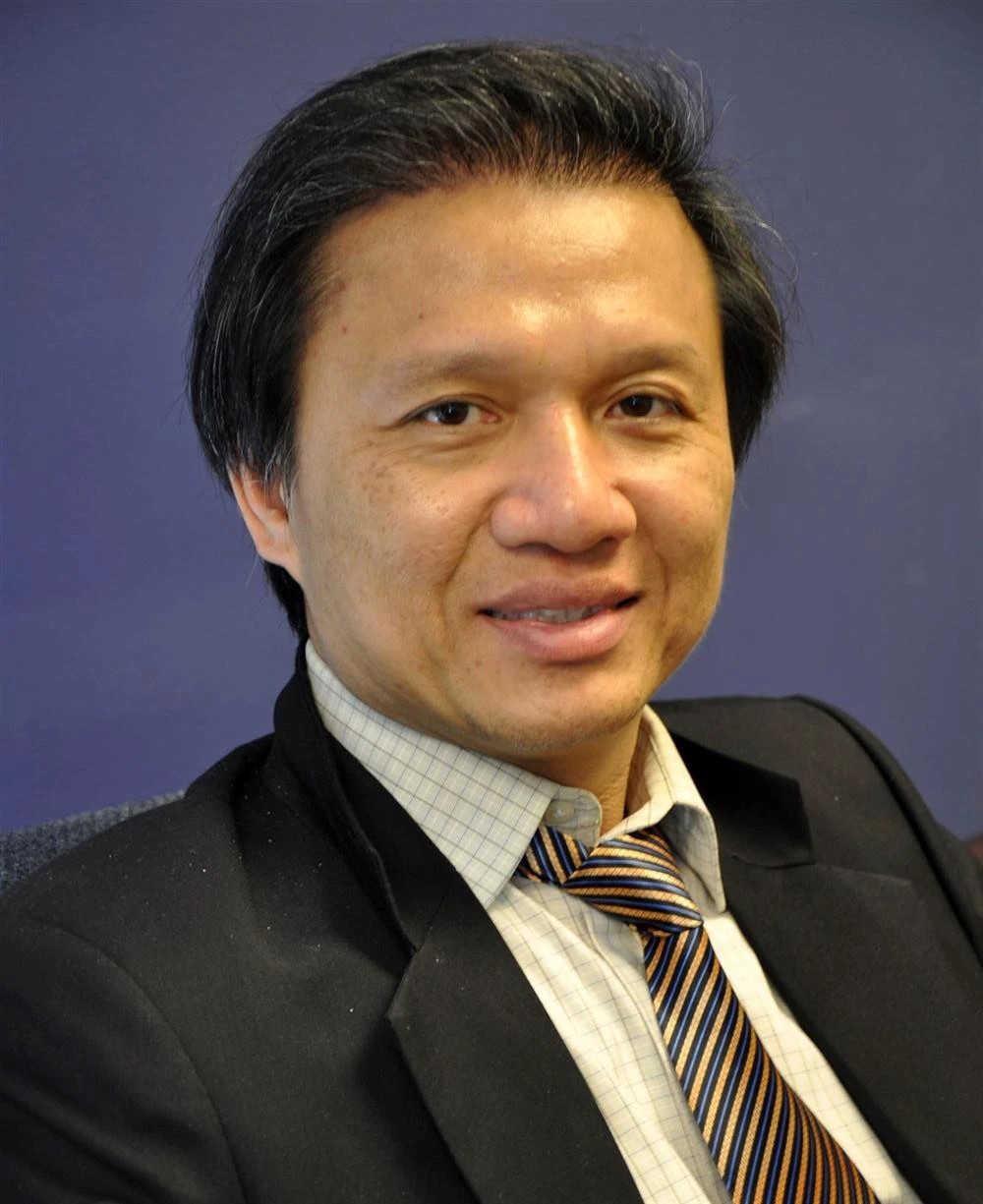 |
| Nguyễn Đình Thắng, Executive Director of “Boat People SOS” (BPSOS). (Photo: Ministry of Public Security) |
In addition to media activities, there are projects and initiatives presented under the guise of “legal support” or “religious surveys.” BPSOS’s “Vietnam civil rights project” is one example. On the surface, this project is introduced as providing “legal assistance for certain civil cases targeting non-governmental actors who have violated the rights and interests of followers of independent religions; some individuals who have been pushed into a state of ‘statelessness’ for refusing to renounce their faith; and victims of unlawful land expropriation policies by local authorities” in Vietnam. However, collected case files are not only used for legal support purposes, but also serve as inputs for reports submitted to the United Nations and shared with certain interlocutors who may lack comprehensive information about Vietnam or adopt an unfavorable perspective toward the State of Vietnam, thereby generating additional external pressure.
Since early 2024, BPSOS has continued to implement the “International project targeting organizations used as instruments of religious suppression” and has conducted surveys on religious freedom in Vietnam under the auspices of the “United States Commission on International Religious Freedom” (USCIRF). Notably, the surveyed subjects are primarily individuals with extreme views or those who have previously violated the law. When input data is selected in a particular direction, the resulting findings are unlikely to fully reflect reality, yet are still used as reference materials in international forums.
Organized international advocacy activities
Following the attack in Dak Lak - identified as having been carried out by MSFJ - along with direct support activities for this organization and Y Quynh Bdap, BPSOS and Nguyen Dinh Thang launched a series of international advocacy efforts. One of the methods employed by BPSOS is the preparation of “shadow reports.” These are reports compiled by non-governmental organizations or individuals and submitted to international mechanisms to provide supplementary information alongside official state reports.
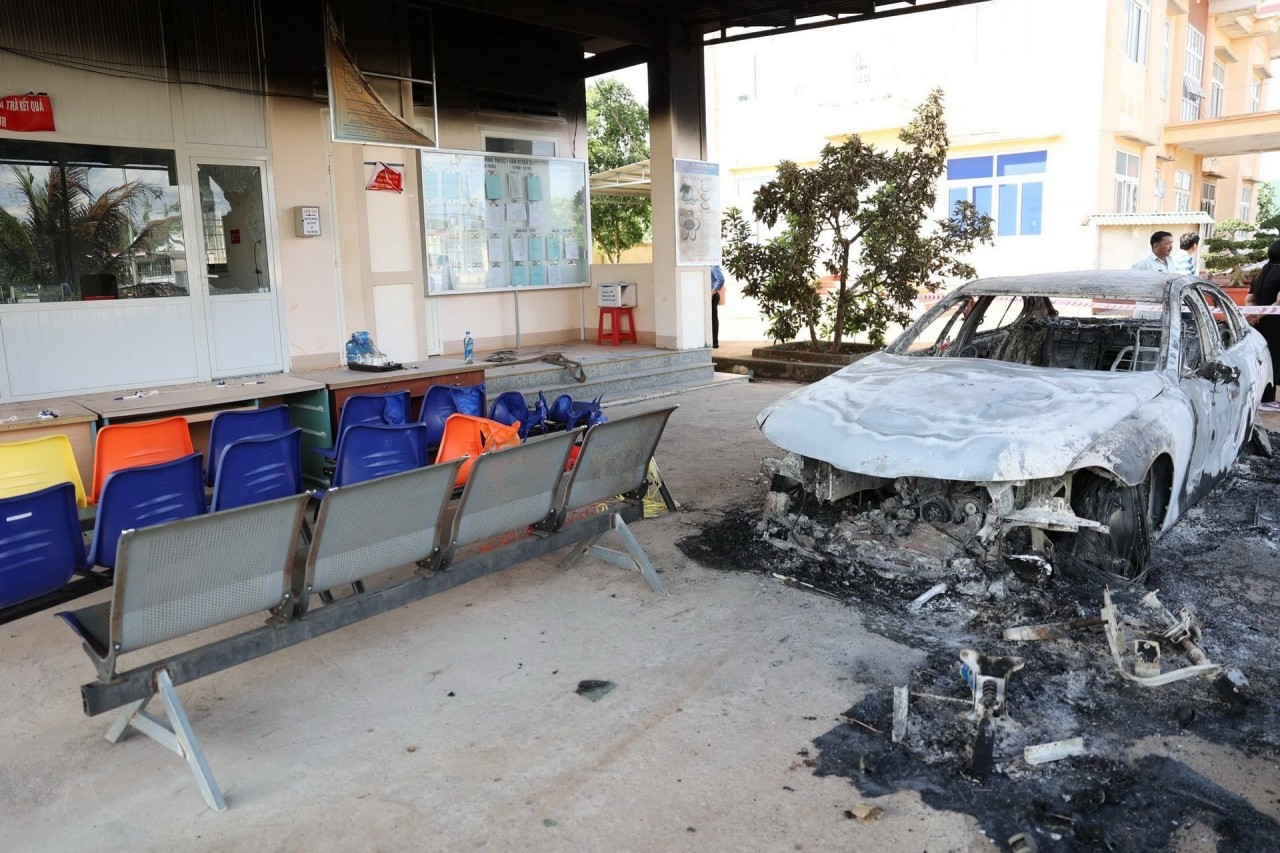 |
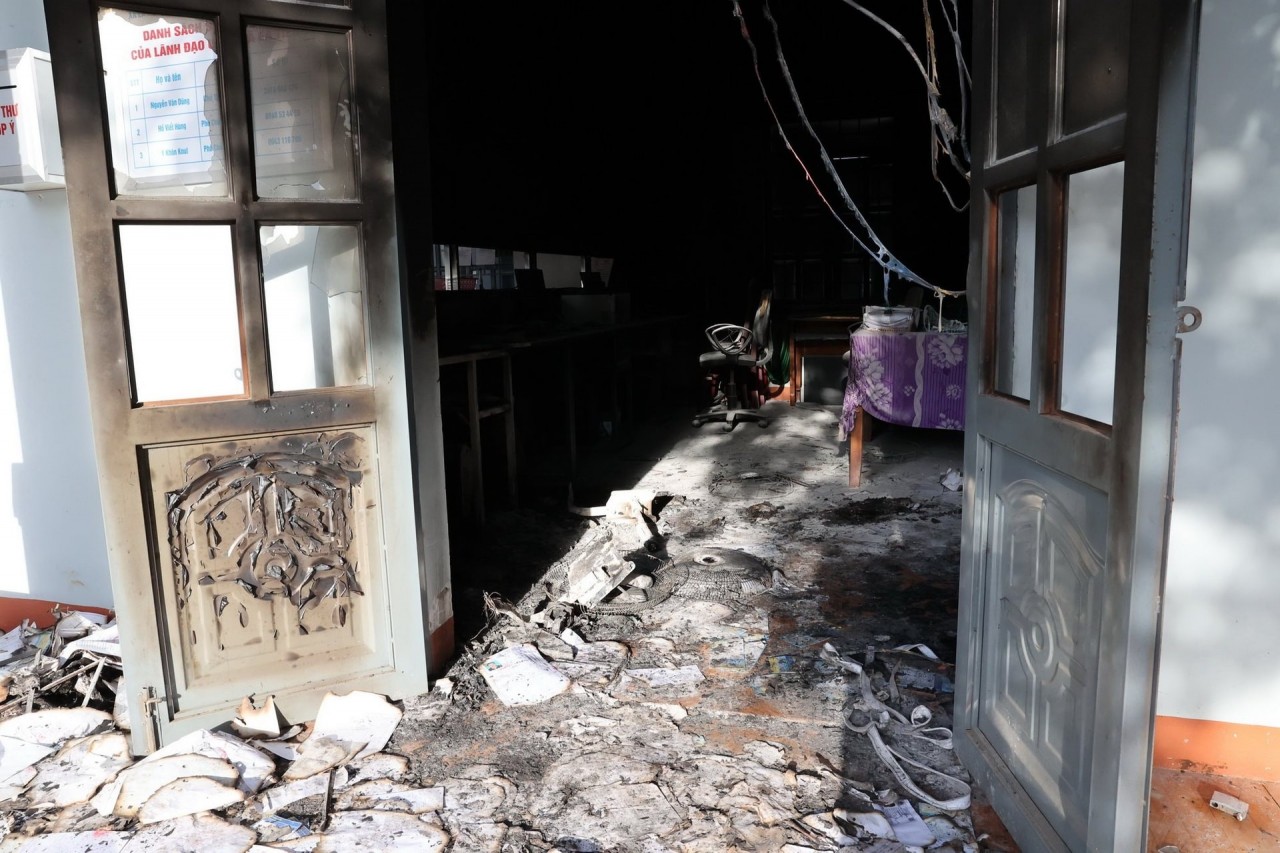
| The scene of the terrorist attack in Ea Ktur commune, Cu Kuin district, Dak Lak province (former). (Photo: Vietnam News Agency) |
Nguyen Dinh Thang and BPSOS have participated in the preparation and use of these reports through various specific activities. Documents, reports, and petitions related to the incident have been compiled and submitted to international mechanisms, including the United Nations Human Rights Council. These contents have been incorporated into review sessions on the implementation of international conventions to which Vietnam is a member, such as the International Covenant on Civil and Political Rights (ICCPR) and the Convention on the Rights of Persons with Disabilities (CRPD).
Other advocacy activities have also been carried out, including engaging with and providing information to certain US officials and legislators who may not have comprehensive knowledge of the situation in Vietnam; participating in international conferences and forums; and sending open letters while calling for support from certain religious and human rights organizations.
This approach allows information to be presented externally as “independent” sources, thereby potentially influencing the perceptions of certain international mechanisms and organizations regarding the incident, particularly in cases where the information has not been fully verified or reflects a one-sided and inaccurate perspective.
Based on publicly available data, it is possible to identify a chain of connections from the direct perpetrators to the MSFJ organization, and further to external nodes providing support and coordination. This indicates that the attack in Dak Lak was not an isolated act, but rather one linked and sustained within an organized structure.
Exploitation of refugees
In Thailand, BPSOS has operated through organizations such as the “People serving people fund” (PSPF) and the “Center for asylum protection” (CAP) under the pretext of supporting refugees and providing legal assistance. Through these channels, some Vietnamese individuals who left the country illegally or sought refugee status were approached, guided through documentation procedures, and given expectations of resettlement opportunities or stable living conditions. However, such support was not entirely unconditional, but rather tied to participation in providing information, signing petitions, giving interviews, or appearing as “witnesses” in reports and advocacy campaigns.
These personal stories were subsequently incorporated into petitions, “human rights violation” dossiers, and documents submitted to certain international interlocutors. They also constitute an important source of data for the preparation of “shadow reports.”
In these reports, input information is often selectively chosen and then presented as “independent” sources. Without thorough verification from multiple sides, such information may create distorted or one-sided perceptions of the actual situation.
It can be observed that the activities of this network have been implemented through a relatively clear sequence: outreach - information collection - dossier building - media dissemination - international advocacy. This chain of activities is associated with the use of labels such as “human rights,” “religious freedom,” or “refugee support,” thereby shaping information flows in a particular direction.
The attack in Dak Lak caused particularly serious consequences in terms of human life and public security, leaving significant losses for the victims’ families and the local community. According to published information, BPSOS’s role in supporting the formation and maintenance of MSFJ contributed to the creation of a network that exploited ethnic and religious issues to draw certain individuals into extremist activities, affecting national unity and stability in the Central Highlands. This poses potential risks of further complicating sensitive ethnic and religious matters, thereby impacting social stability. In addition, international advocacy activities and the provision of incomplete or insufficiently verified information may influence how certain foreign organizations and individuals perceive the situation in Vietnam, potentially leading to unfavorable impacts on external relations.
Internal DisputesDisputes have also arisen within BPSOS itself. Since September 2016, Holly Hue Ngo, a former BPSOS employee, has publicly accused Nguyen Dinh Thang of lacking transparency in the organization’s financial management. In response, Nguyen Dinh Thang used the “Mach Song Media” platform to refute and counter-accuse Holly Hue Ngo. In December 2016, Holly Hue Ngo filed a lawsuit against Nguyen Dinh Thang for defamation. Subsequently, Nguyen Dinh Thang requested a temporary suspension of the trial to seek an out-of-court settlement with Holly Hue Ngo, but she did not agree. The case was later brought before the Supreme Court of California and heard from July 10, 2019, resulting in a ruling against Nguyen Dinh Thang, who was ordered to compensate Holly Hue Ngo. These developments indicate that even within groups operating under the banner of community service, human rights, or humanitarian support, there can be internal disputes related to finances, interests, and personal credibility. |
 | Part 1: No Justification for Violence Targeting Civilians The attack in Dak Lak on June 11, 2023 claimed the lives of nine people, including local officials and civilians. This was an act of ... |
 | Anti-terrorism exercise held during police competition in Vietnam A competition for Vietnamese police officers commenced in the Central Highlands province of Dak Lak on Monday, featuring various activities including martial art performances, a ... |


Most read


Related Stories
 Seas and islands
Dak Lak Fishermen Pledge to Combat IUU Fishing
 Viet's Home
Part 1: No Justification for Violence Targeting Civilians
 Friendship
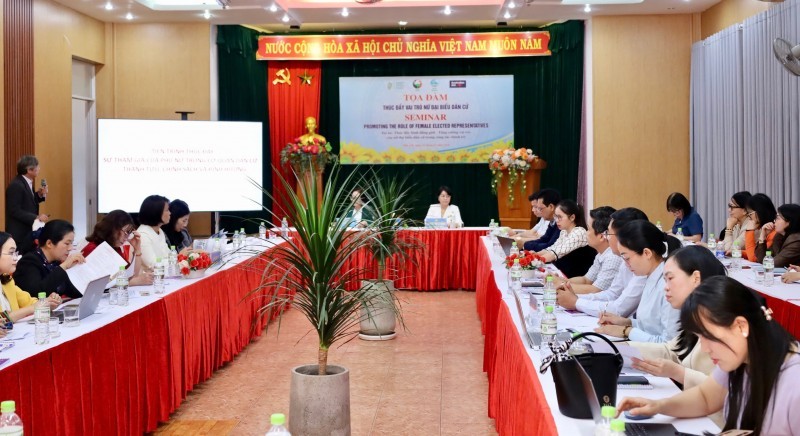
Dak Lak Women and APHEDA Promote Role of Female Elected Representatives
 Viet's Home
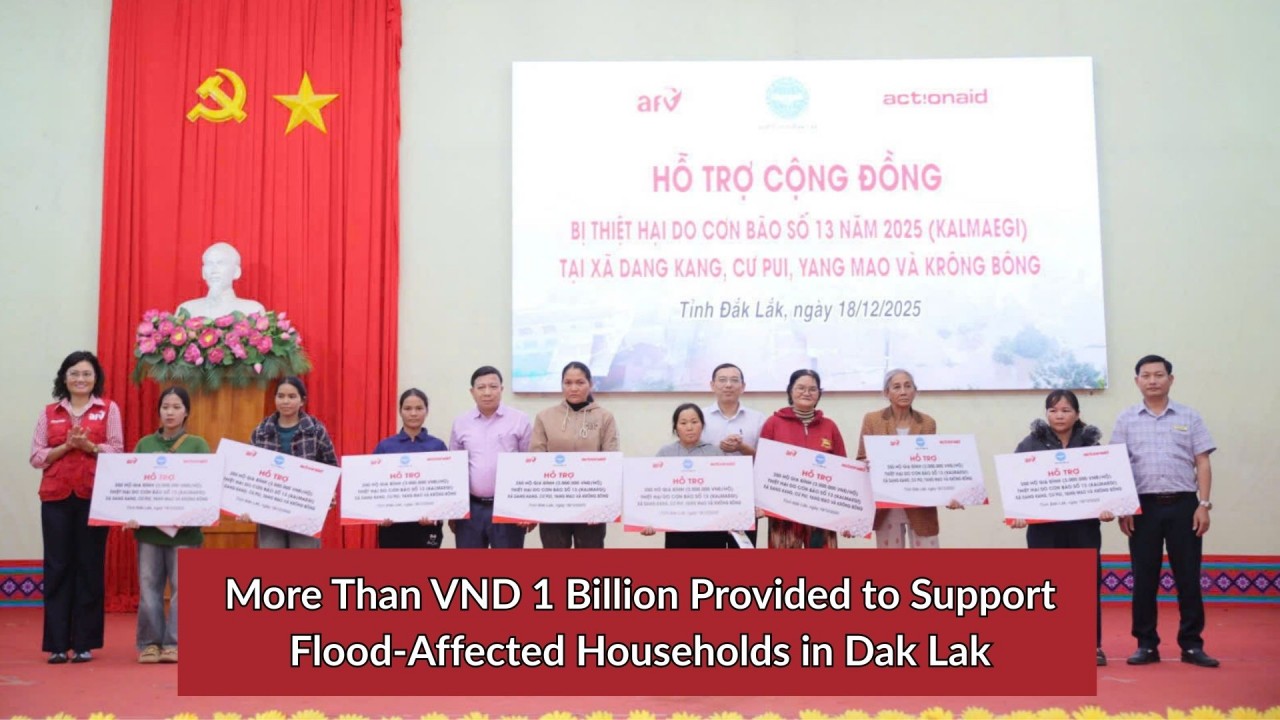
More Than VND 1 Billion Provided to Support Flood-Affected Households in Dak Lak
Recommended
 Viet's Home
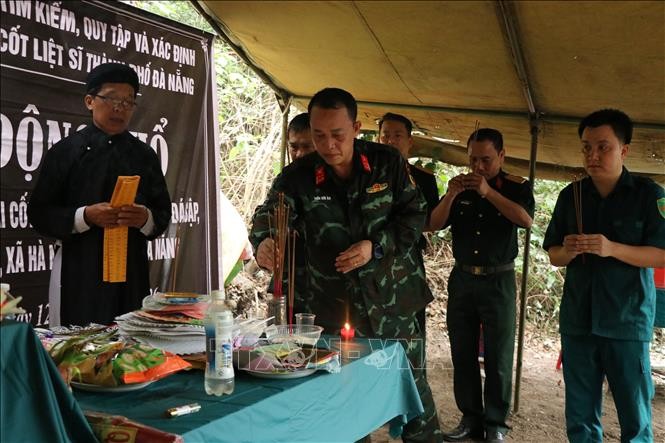
Many Fallen Soldiers' Remains Recovered in Da Nang and Cao Bang
 Viet's Home
Indian Ambassador Thanks Vietnam for Swift Response to Phu Quoc Speedboat Capsizing
 Viet's Home
Portugal Crowned Champion of 2026 Da Nang International Fireworks Festival
 Viet's Home
Ca Mau Enhances Capacity of Officials to Effectively Mobilize International Aid
Popular article
 Viet's Home
Over 50 Calls and Messages Help Search for Fallen Soldiers at Tan Son Nhat Airport
 Viet's Home
Palestinian Ambassador Saadi Salama Awarded "For the Cause of Culture, Sports and Tourism" Medal
 Viet's Home
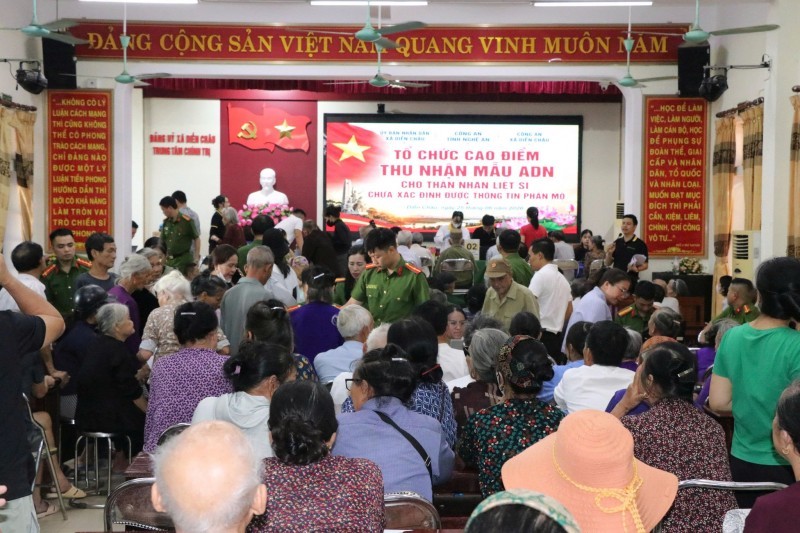
Nghe An's 500-Day and Night Campaign Collects 17,831 DNA Samples
 Viet's Home