
Promoting Implementation of Convention against Torture through Introduction of Méndez Principles in Investigation and Information Gathering
 | Vietnam, Norway Boost Cooperation in Combating Crime |
| Vietnam’s Ministry of Public Security and International Partners Join Hands to Build Safe and Humane Cyberspace |
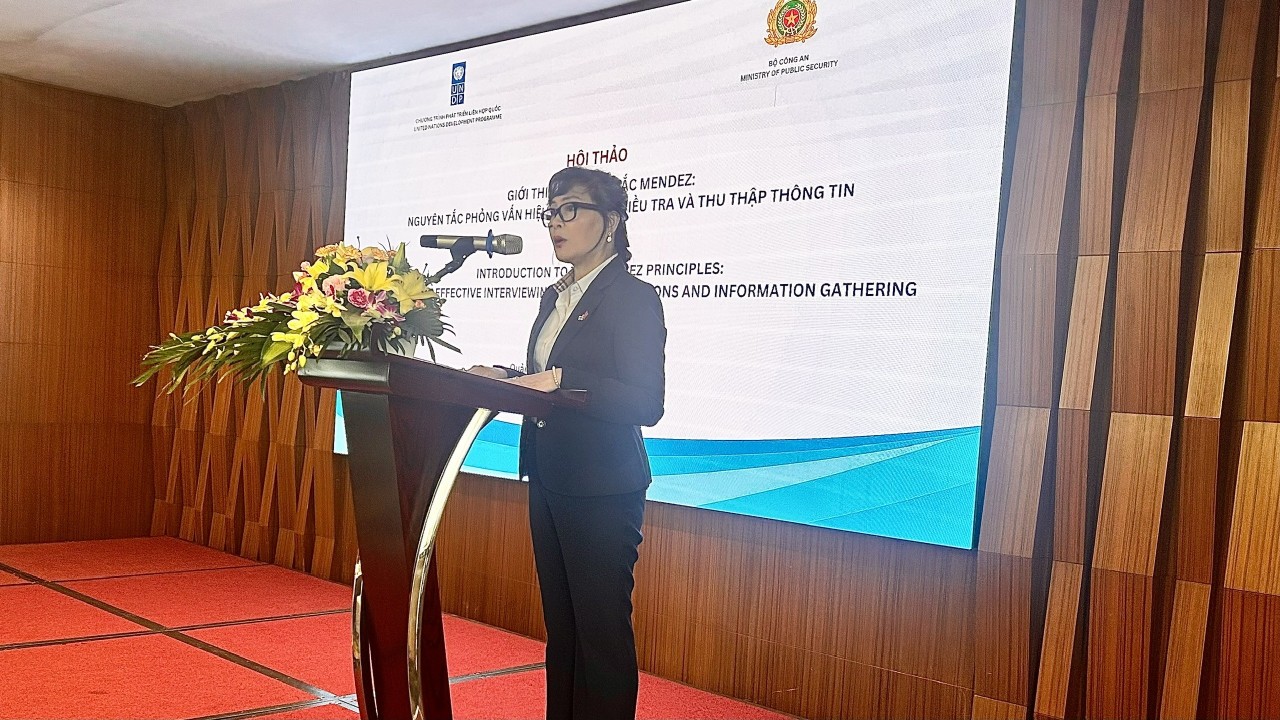 |
| Colonel Nguyen Thi Thanh Huong, Head of the Human Rights Division, Department of Foreign Affairs, Ministry of Public Security, delivered the opening remarks at the workshop. |
In her opening remarks, Colonel Nguyen Thi Thanh Huong emphasized that the Convention against Torture is one of the nine core human rights treaties of the United Nations for which Viet Nam bears the responsibility of effective implementation. In recent years, Viet Nam has actively carried out communication activities, drafted national reports, implemented Government action plans, and strengthened international cooperation.
The workshop was the outcome of a working session between the Ministry of Public Security of Viet Nam, UNDP, and the Chair of the UN Committee against Torture, reflecting Viet Nam’s determination to approach and study advanced international standards and to apply them appropriately to domestic practice.
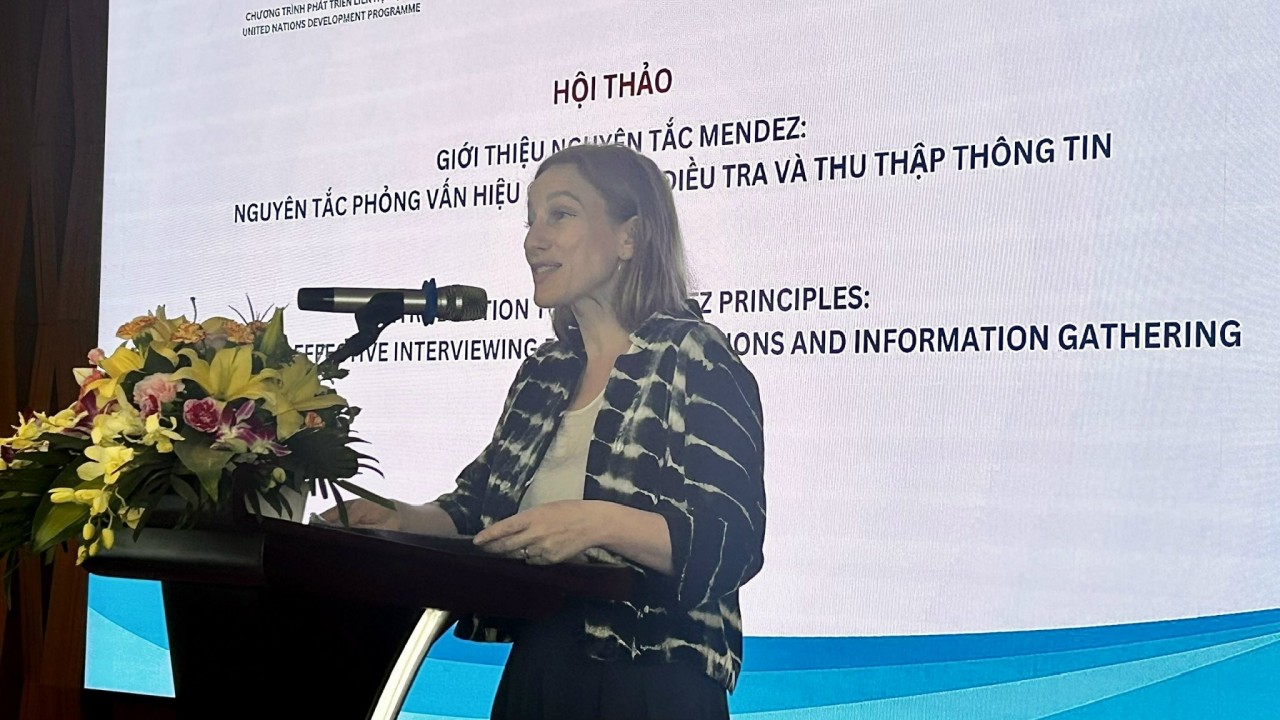 |
| Sabina Stein, Assistant Resident Representative and Head of Governance and Participation at UNDP Viet Nam, delivers the opening remarks. |
Sabina Stein, Assistant Resident Representative and Head of Governance and Participation at UNDP Viet Nam affirmed that interviewing for investigative purposes is not an isolated activity but part of a broader process aimed at enhancing professionalism, transparency, and effectiveness in criminal investigations. UNDP stands ready to continue facilitating access to international expertise, sharing knowledge, and strengthening capacity in Viet Nam.
The Méndez Principles: Improving Accuracy, Fairness, and Humanity in Interviewing
Introducing the Méndez Principles, Victor Zaharia of the UN Subcommittee on Prevention of Torture (SPT) stated that the Méndez Principles are an international guide to non-coercive, rights-based interviewing. They aim to improve the accuracy, fairness, and humanity of interviews conducted by law enforcement, intelligence agencies, the military, and other state authorities.
The Méndez Principles seek to prevent torture and coercion in all forms; enhance the reliability of information obtained during interviews; promote fair and effective investigations; build public trust in the justice system; and harmonize interviewing practices globally in accordance with human rights standards.
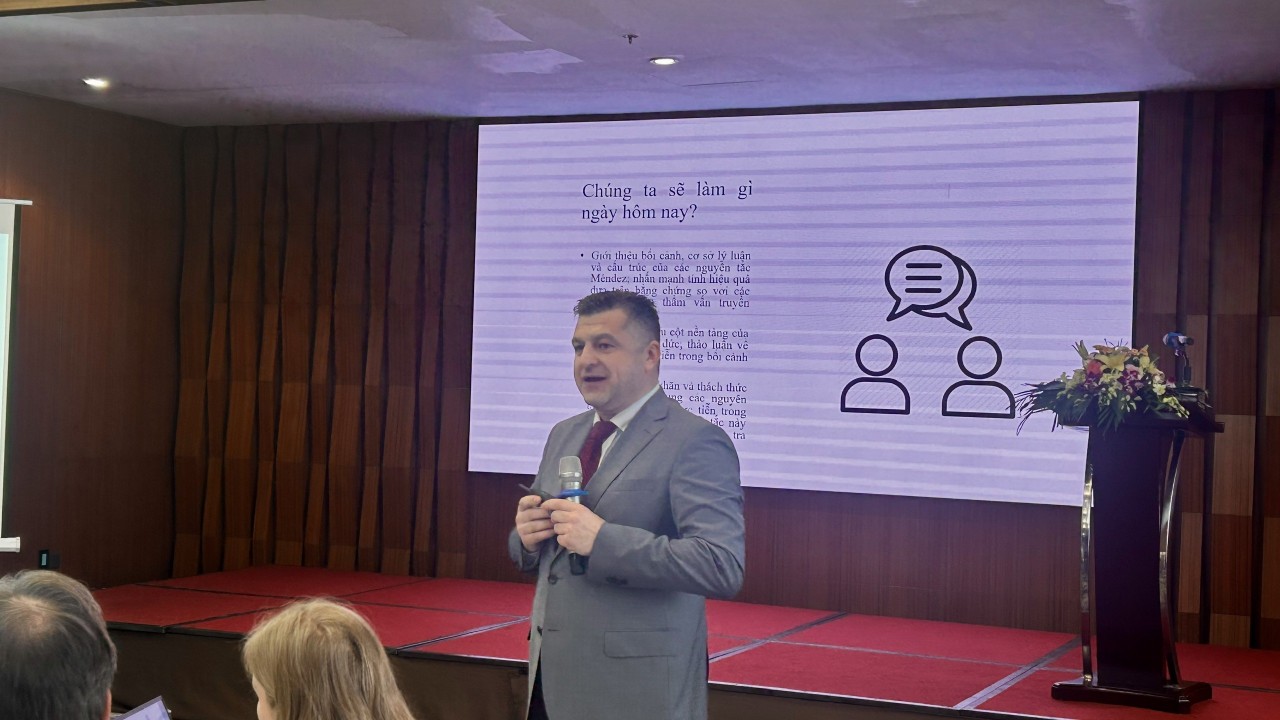 |
| Victor Zaharia of the UN Subcommittee on Prevention of Torture (SPT) introduces the Méndez Principles. |
According to Victor Zaharia, the Méndez Principles are built on three main pillars: voluntariness, relationship-building, and accuracy. Voluntariness ensures that interviewees participate without coercion, threats, or any form of pressure, thereby guaranteeing the authenticity, legality, and reliability of the information. The second pillar is relationship-building, whereby respect and empathy help establish trust and encourage the interviewee to share fuller and more accurate information. Accuracy is ensured through evidence-based methods, avoiding leading questions, promoting free recall, and maintaining proper documentation to reinforce the integrity and effectiveness of the investigative process.
| The Méndez Principles: Principle 1 – Foundation: Effective interviewing is guided by science, law, and ethics. Principle 2 – Practice: Effective interviewing is a comprehensive process for gathering accurate and reliable information while implementing relevant legal safeguards. Principle 3 – Vulnerability: Effective interviewing requires identifying and addressing the needs of interviewees in vulnerable situations. Principle 4 – Training: Effective interviewing is a professional activity requiring specialized training. Principle 5 – Accountability: Effective interviewing requires transparent and accountable institutions. Principle 6 – Implementation: Implementing effective interviewing requires strong national measures. |
International Experiences
According to Victor Zaharia, several countries have begun integrating the Méndez Principles into law enforcement training programmes, reforming interviewing procedures, and updating internal oversight guidelines. Non-governmental organizations and academic institutions have applied these principles to develop curricula, monitor activities in detention facilities, and promote more humane interviewing models.
During implementation, several challenges may arise, such as limited awareness and training, resistance to changing entrenched interrogation cultures, resource constraints in some countries, and the need to strengthen legal frameworks and oversight mechanisms. Therefore, applying the Méndez Principles in each national context requires legal and policy coherence, enhanced training and professionalism, institutional reforms, stronger oversight and accountability, and cultural change within police and judicial systems.
Accordingly, the Méndez Principles are expected to become a global reference standard for ethical interviewing methods. Continuous training and research will help improve implementation effectiveness, while expanding international cooperation will further contribute to preventing torture and improving judicial outcomes.
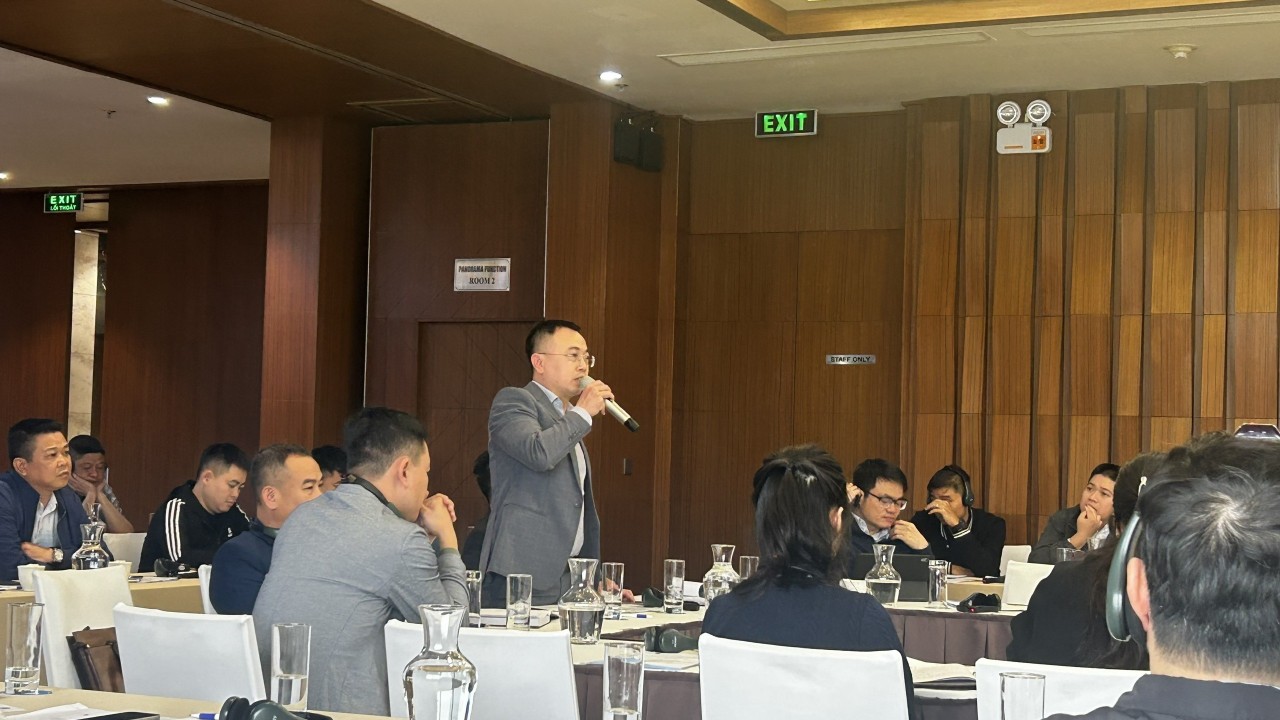 |
| Participants exchange views at the workshop. |
At the workshop, participants discussed opportunities and challenges in assessing the potential application of the Méndez Principles to investigative activities in line with Viet Nam’s practical conditions. Opinions suggested that appropriately applying this set of principles would help enhance the effectiveness of investigations, ensure objectivity and transparency, and meet Viet Nam’s international human rights commitments.
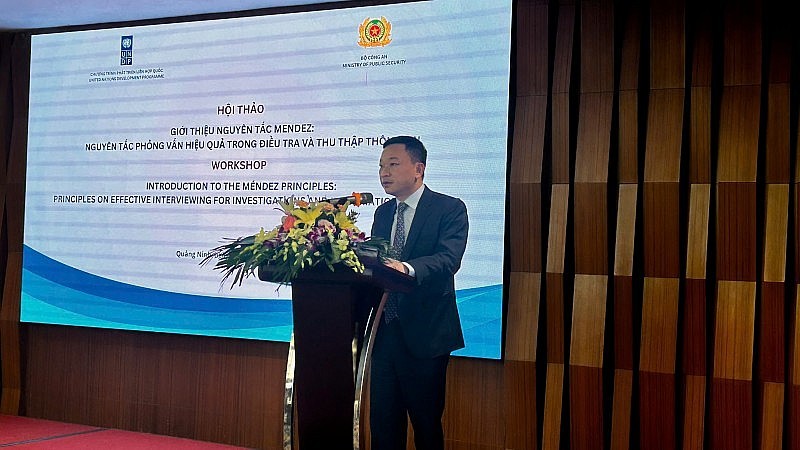 |
| Dao Anh Toi, Deputy Director General of the Department of Legal Affairs and Administrative and Judicial Reform, Ministry of Public Security, delivers the closing remarks. |
In his closing remarks, Dao Anh Toi, Deputy Director General of the Department of Legal Affairs and Administrative and Judicial Reform, Ministry of Public Security, appreciated the cooperation of UNDP, the participation of international agencies and organizations, and the constructive contributions of the participants. He affirmed that the insights shared at the workshop will serve as important inputs for research, policy recommendations, and consideration of the feasibility of applying the Méndez Principles in accordance with Viet Nam’s conditions, thereby contributing to improving the effectiveness of implementing the Convention against Torture.
 | Ministry of Public Security Cooperates with FBI in Personnel Training Deputy Minister Tran Quoc To expects the US Federal Bureau of Investigation (FBI) to continue playing an active role as a partner of the Ministry ... |
 | Vietnam’s People's Public Security Force Actively Contributes to UN Peacekeeping Operations Since 2022, the Vietnam People's Public Security force has officially participated in United Nations (UN) Peacekeeping Missions. With thorough and professional preparation, along with a ... |
Related Stories
 National
Vietnam News Today (Mar. 20): Vietnam and China Navies Launch 40th Joint Patrol in Gulf of Tonkin
 World
World
High-Level Segment of 61st Session of the UN Human Rights Council Opens in Geneva
Recommended
 Viet's Home
Over 50 Calls and Messages Help Search for Fallen Soldiers at Tan Son Nhat Airport
 Viet's Home
Palestinian Ambassador Saadi Salama Awarded "For the Cause of Culture, Sports and Tourism" Medal
 Viet's Home
Nghe An's 500-Day and Night Campaign Collects 17,831 DNA Samples
 Viet's Home
GNI Supports Housing Improvements for Five Sponsored Children in Tuyen Quang
 Viet's Home
More than 1,300 Fallen Soldiers' Remains Recovered After 111 Days of Campaign
 Viet's Home
Integrating Local Cultural Values Into Tourism Activities
 Viet's Home
Champasak Proposes Expanded Cooperation with Can Tho Across Multiple Sectors
 Viet's Home