
Promoting Implementation of Ethnic Affairs Strategy Through 2030, with Vision to 2045

 |
| Promoting the Implementation of the Ethnic Affairs Strategy Through 2030, with a Vision to 2045. (Photo: Government Newspaper) |
The Directive states that in recent years, thanks to the attention of the Party and the State, numerous ethnic policies and programs have been promulgated and implemented, including the Ethnic Affairs Strategy for the 2021-2030 period, with a vision to 2045, issued under Government Resolution No. 10/NQ-CP dated January 28, 2022. These efforts have significantly contributed to transforming ethnic minority and mountainous areas. The material and spiritual lives of ethnic minority communities have improved markedly, while the poverty rate in ethnic minority and mountainous regions has declined faster than the national average poverty reduction rate. Ethnic groups enjoy equality, solidarity, mutual respect, and support for shared development; public trust in the leadership and management of the Party and the State has continued to strengthen, contributing to ensuring political security and social order and safety.
However, socio-economic development in ethnic minority and mountainous areas remains slow; infrastructure has yet to meet development requirements; the quality of education and human resource training remains limited; the capacity and qualifications of grassroots officials and ethnic minority officials in some localities have not met requirements, while insufficient attention has been paid to the training and utilization of ethnic minority officials. Political security and social order and safety in some areas still contain potentially complex and destabilizing factors. Public concerns regarding residential land, housing, production land, and clean water persist, while difficulties in planning and stabilizing residential arrangements in ethnic minority and mountainous regions have not been thoroughly resolved.
In addition to objective causes, the above-mentioned shortcomings and weaknesses also stem from subjective factors, including inadequate awareness in some places and at certain times regarding the role and importance of ethnic affairs, state management of ethnic affairs, and the implementation of the Ethnic Affairs Strategy. Several ministries and sectors have yet to develop and submit assigned projects under the Action Program for implementing the Strategy on schedule. Ethnic minority and mountainous areas also face low socio-economic starting points and limited human resource quality. Moreover, the organizational system responsible for ethnic affairs remains incomplete, inconsistent, and unstable.
Accelerating the implementation of policies, programs, and projects in ethnic minority and mountainous areas
To further promote the implementation of the Ethnic Affairs Strategy for the 2021-2030 period, with a vision to 2045, the Prime Minister has requested ministries, sectors, central agencies, and People’s Committees of provinces and centrally governed cities to focus on the following key tasks:
Authorities and sectors at all levels are required to continue thoroughly grasping and implementing the Party’s and the State’s guidelines and policies on ethnic affairs, particularly Resolution No. 24-NQ/TW dated March 12, 2003, issued by the 9th Party Central Committee on ethnic affairs in the new context; Conclusion No. 65-KL/TW dated October 30, 2019, by the Politburo on continuing the implementation of Resolution No. 24-NQ/TW of the 9th Party Central Committee; Government Resolution No. 10/NQ-CP dated January 28, 2022, promulgating the Ethnic Affairs Strategy for the 2021-2030 period, with a vision to 2045; and Decision No. 1657/QD-TTg dated December 30, 2022, issued by the Prime Minister on promulgating the Action Program for implementing the Ethnic Affairs Strategy for the 2021-2030 period, with a vision to 2045.
The Directive also emphasizes improving the effectiveness and efficiency of state management in ethnic affairs, institutionalizing the Party’s viewpoints on ethnic affairs into specific mechanisms and policies, and strengthening inspection and supervision over the implementation of ethnic policies.
Relevant agencies are instructed to accelerate the implementation of policies, programs, and projects in ethnic minority and mountainous areas, while proactively mobilizing and integrating resources to carry out these policies, programs, and projects, especially in particularly disadvantaged areas.
Priority should be given to mobilizing resources and adopting suitable policies for especially disadvantaged areas, border regions, and ethnic groups with very small populations, while closely linking socio-economic development with ecological environmental protection, sustainable management and use of natural resources, and the safeguarding of national defense, security, and social order and safety. These efforts are intended to strengthen the great national unity bloc and promote the sustainable development of ethnic minority and mountainous areas.
The Directive further calls for the development of detailed annual plans and specific solutions to complete task groups and strive to meet and exceed set targets, while strictly implementing annual reporting, preliminary reviews, and final reviews on the implementation of the Ethnic Affairs Strategy.
Effectively implementing ethnic policies and addressing urgent issues to stabilize people’s lives
The Prime Minister has assigned specific tasks to ministries, sectors, and localities in ethnic minority and mountainous areas, as follows:
The Ministry of Ethnic and Religious Affairs shall take the lead, in coordination with relevant agencies and localities, in monitoring, urging, and compiling annual reports on the implementation of the Ethnic Affairs Strategy. The ministry is also tasked with urgently issuing, within its authority, guiding documents for localities to effectively implement the contents of the National Target Programs on New Rural Development, Sustainable Poverty Reduction, and Socio-Economic Development in Ethnic Minority and Mountainous Areas for the 2026-2035 period, Phase I from 2026-2030. Priority shall be given to mobilizing resources to effectively implement ethnic policies and address urgent issues such as residential land, housing, production land, electricity, clean water, and essential social infrastructure in order to stabilize the lives of ethnic minority communities in mountainous areas. The ministry is also responsible for advising on the formulation and effective implementation of tasks, projects, and policies in accordance with the conclusions of Party General Secretary and State President To Lam and other Party and State leaders.
The Ministry of Finance shall take the lead, in coordination with ministries, central agencies, and localities, in submitting proposals to competent authorities on allocating state budget funds and mobilizing other lawful financial resources to support ethnic minority and mountainous areas in accordance with current regulations.
Ensuring stable residential arrangements and developing essential infrastructure in difficult areas
The Ministry of Agriculture and Environment shall take the lead, in coordination with relevant agencies and localities, in continuing to research and formulate policies on stable residential arrangements and the development of essential infrastructure in disadvantaged areas to stabilize people’s livelihoods. The ministry shall also direct and guide economic development associated with forest protection and income improvement for residents under the approved National Target Programs on New Rural Development, Sustainable Poverty Reduction, and Socio-Economic Development in Ethnic Minority and Mountainous Areas for the 2026-2035 period, prioritizing poor people and ethnic minorities in impoverished communes and especially disadvantaged villages and hamlets.
The Ministry of Home Affairs shall take the lead, in coordination with the Ministry of Ethnic and Religious Affairs and related ministries, agencies, and localities, in strengthening inspections of the implementation of preferential mechanisms and policies in the training, planning, recruitment, and utilization of ethnic minority officials, particularly female officials, officials from ethnic groups with very small populations, and ethnic groups currently underrepresented in the public sector. The ministry shall also continue researching and proposing amendments and supplements to preferential mechanisms and policies to better align with practical conditions.
Improving human resource training quality and educational standards in ethnic minority and mountainous areas
The Ministry of Education and Training shall take the lead, in coordination with agencies and localities, in improving the quality of human resource training and raising educational standards in ethnic minority and mountainous areas. The ministry is tasked with studying plans to upgrade and expand the scale of upper secondary schools in ethnic minority, mountainous, and border commune areas in order to create more favorable learning conditions, promote comprehensive development, and increase the rate of lower secondary school graduates continuing their upper secondary education locally. It shall also effectively implement the Project on Training High-Quality Human Resources from Ethnic Minority Groups in Several Key Sectors and Fields for the 2026-2035 period, with orientations toward 2045.
The Ministry of Health shall take the lead, in coordination with agencies and localities, in reviewing, researching, and supplementing policies on training medical personnel for difficult and especially disadvantaged areas, while paying attention to investment in the construction and renovation of facilities and the provision of adequate equipment for commune-level healthcare facilities in ethnic minority and mountainous regions.
Striving for 100 percent household access to electricity by 2030
The Ministry of Culture, Sports and Tourism shall take the lead, in coordination with ministries, sectors, and localities, in reviewing, researching, and proposing the improvement of specific mechanisms and policies to prioritize state budget investment and support for preserving and promoting the traditional cultural values of ethnic minorities, with special attention given to ethnic groups with very small populations and cultural values at risk of fading away. At the same time, the ministry shall organize the preservation and development of cultural spaces and traditional cultural villages in connection with sustainable tourism development, prioritizing cultural tourism and community-based tourism with the participation and benefit of ethnic minority communities.
The Ministry of Industry and Trade shall direct and urge localities and relevant agencies to focus investment on developing electricity systems in ethnic minority and mountainous areas, striving to ensure that 100 percent of households have access to electricity by 2030.
The Ministry of Construction shall take the lead, in coordination with agencies and localities, in concentrating resources on developing rural transport systems and civil bridges in ethnic minority and mountainous areas, while continuing to implement housing support policies for poor people, prioritizing ethnic minority households.
The Ministry of Public Security shall take the lead, in coordination with agencies and localities, in strengthening measures to maintain political security and social order and safety; resolutely combating hostile forces that exploit issues related to democracy, human rights, ethnicity, and religion to undermine national development; and eliminating drug-related and other social evils in ethnic minority and mountainous areas.
The Ministry of National Defense shall take the lead, in coordination with ministries, sectors, and localities, in effectively carrying out military, defense, and security tasks in association with socio-economic development; assisting people in achieving sustainable poverty reduction; focusing on investment in the construction of defense-economic zones; and ensuring defense and security in border areas, safeguarding national independence, sovereignty, and territorial integrity, especially in strategic and key areas, border regions, and islands.
The Ministry of Foreign Affairs shall take the lead, in coordination with agencies and localities, in strengthening sound and trustworthy political relations with countries, especially neighboring countries and international organizations, thereby continuing to mobilize support from countries and partners for Vietnam in implementing projects related to ethnic minorities. The ministry shall also coordinate in informing partners about the Party’s guidelines and policies and the State’s laws on ethnic affairs, while promoting bilateral and multilateral cooperation in the fields of economy, culture, society, training, and human resource development serving ethnic affairs.
Completing plans for the training, development, and utilization of ethnic minority officials within the political system
People’s Committees of provinces and centrally governed cities are tasked with developing and finalizing plans and master plans for the training, fostering, and utilization of ethnic minority officials within the political system.
At the same time, local authorities are required to strengthen inspection, supervision, preliminary reviews, and final evaluations of the implementation of ethnic policies in their respective areas.
Ministers, heads of ministerial-level agencies, and heads of central agencies are requested to urgently develop, complete, and submit to the Prime Minister for approval the unfinished projects under the Action Program implementing Government Resolution No. 10/NQ-CP dated January 28, 2022, while also formulating implementation plans for the Strategy following organizational restructuring and mergers. Chairpersons of provincial and municipal People’s Committees, especially those in localities undergoing mergers in 2025, are required to review, formulate, and promulgate plans for implementing the Ethnic Affairs Strategy in a unified manner consistent with the Party’s and the State’s policies in the new period, and to seriously organize and implement this Directive.
The Prime Minister has also requested the Central Committee of the Vietnam Fatherland Front to take the lead, in coordination with the Ministry of Ethnic and Religious Affairs, in intensifying efforts to encourage ethnic minority and mountainous communities to promote patriotic emulation movements, uphold the spirit of self-reliance and self-strengthening, and consolidate the great national unity bloc. Attention should also be paid to nurturing, supporting, and promoting the role of reputable individuals in ethnic minority and mountainous areas.
 | Advancing Climate Resilience for Ethnic Minorities through the “MekongElevate” Project Organized by CARE in Vietnam in coordination with the Son La Department of Agriculture and Rural Development, the “MekongElevate: Green and Sustainable Adaptation for Ethnic ... |
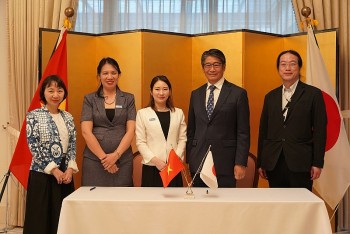 | Japan Provides VND 15 Billion in Aid for Ethnic Minority Children in Tuyen Quang and Lai Chau Recently, the Embassy of Japan in Vietnam and Plan International Vietnam held a signing ceremony for the second-year grant agreement of the project “Promoting Gender-Responsive ... |
Related Stories
 National
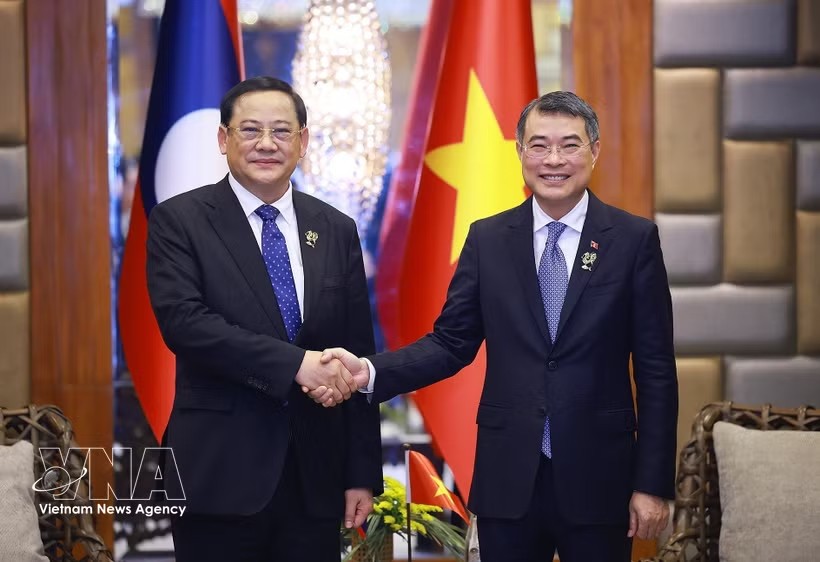
Vietnam News Today (May 9): Vietnam PM Meets with Lao, Malaysian Counterparts in Philippines
 Viet's Home
Launch of MekongElevate Project “Green and Sustainable Adaptation for Ethnic Minority Communities”
Recommended
 Handbook
New VAT Refund Rules for Goods Purchased by Foreigners and Overseas Vietnamese upon Departure from Vietnam
 Handbook
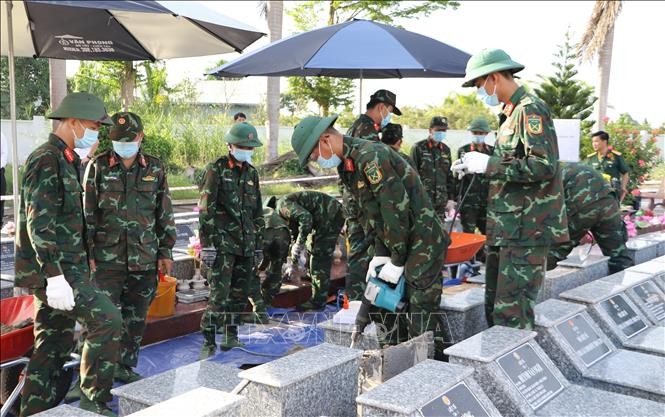
Conclusion No. 57-KL/TW: Highest Priority to the Search, Recovery, and Identification of Fallen Soldiers' Remains
 Handbook
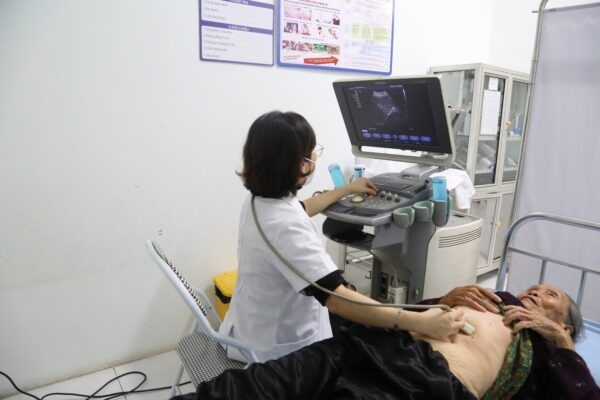
Elderly to Receive Free Annual Health Check-ups at Least Once a Year In Vietnam
 Handbook
Hanoi Recognizes Additional Historical and Scenic Sites
 Handbook
Plan for Organizing “Vietnam Culture Day” for 2026-2030 Period
 Handbook
Photo Exhibition by Three French Photographers on Vietnam
 Handbook
Free Film Week for International Children's Day Held Nationwide
 Handbook