
Viet Nam Is Moving Towards Quality and Sustainable Growth
| 50 Years of Viet Nam-Philippines: Friendship and Cooperation The Bonds Between People Are Why I Love Viet Nam |
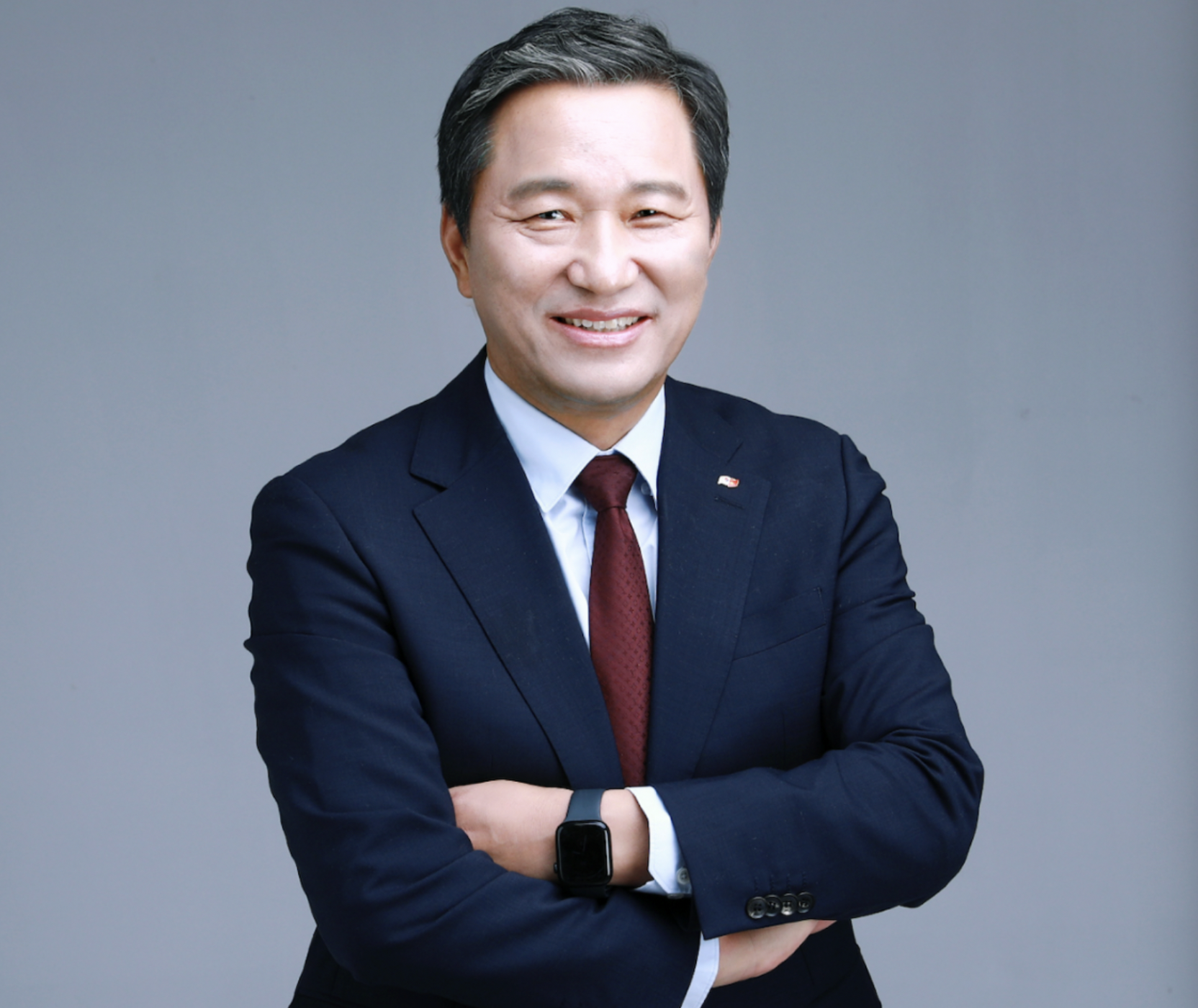 |
| Ko Tae Yeon, Chairman of the Korean Chamber of Business in Vietnam (KOCHAM). (Photo: Courtesy) |
The 14th National Congress of the Communist Party of Viet Nam, held in January 2026, was regarded as an important milestone, both in reviewing the achievements made and in defining strategic directions for the country's future development. Since the implementation of the Doi Moi policies, Viet Nam has diversified its economic structure from one primarily based on agriculture towards manufacturing and services, while actively attracting foreign direct investment (FDI) and affirming its competitiveness in the international arena.
In particular, I believe that Korean businesses have regarded Viet Nam as a global partner with whom they can grow and have actively cooperated, thereby making a major contribution to the economic development of both countries. This has played an important role in Viet Nam being recognized as one of the most successful development stories among developing countries. I expect the 14th National Party Congress to consolidate the achievements already made, translate new strategic thinking into concrete policies, and create strong momentum for the country's long-term, sustainable and inclusive growth.
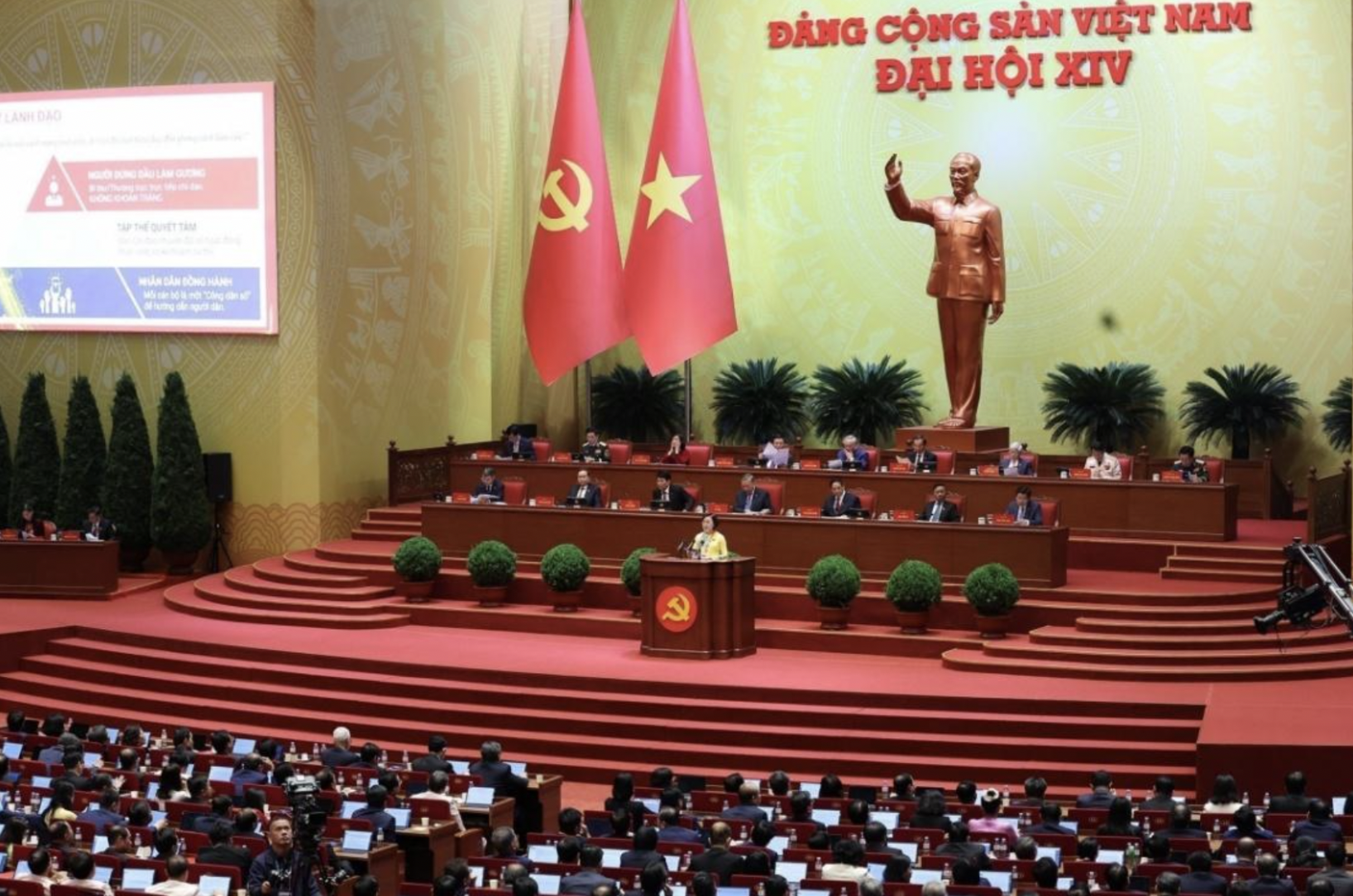 |
| Illustrative photo: Delegates to the 14th National Congress of the Communist Party of Viet Nam discuss the Congress documents in the discussion hall. |
I believe that political stability, an abundant labour force, investment-friendly policies and the signing of numerous free trade agreements (FTAs) are the key factors driving Korean businesses to invest in Viet Nam. With a focus on manufacturing, the Republic of Korea is currently the largest investor in Viet Nam, with total accumulated investment capital of approximately USD 95 billion. In the coming period, we hope to continue expanding cooperation and investment in high-tech, digital technology, energy and infrastructure, while continuing to play a key role as an investor contributing to sustainable development.
Now, with the 14th National Party Congress in 2026 serving as a milestone, Viet Nam's economy is entering a new phase of transformation towards quality and sustainable growth. Against the backdrop of advanced industries such as the digital economy, green energy and infrastructure development emerging as key pillars of the country's development, I respectfully propose the following to the Vietnamese Government and relevant agencies, with a view to helping the experience and technological know-how of Korean investors take deeper root in Viet Nam's economic development.
First, policies and institutional support for advanced and environmentally friendly industries need to be further specified. The Government's policy orientation of focusing on the development of future industries such as the digital economy, green energy, smart manufacturing and infrastructure development is timely and encouraging. In addition, we propose that the Government further specify and strengthen practical institutional support, such as expanding relevant incentives, simplifying administrative procedures, easing regulations, and providing financial and credit support, so that Korean businesses can fully leverage their strengths in advanced IT technologies, environmentally friendly energy solutions and smart factory construction.
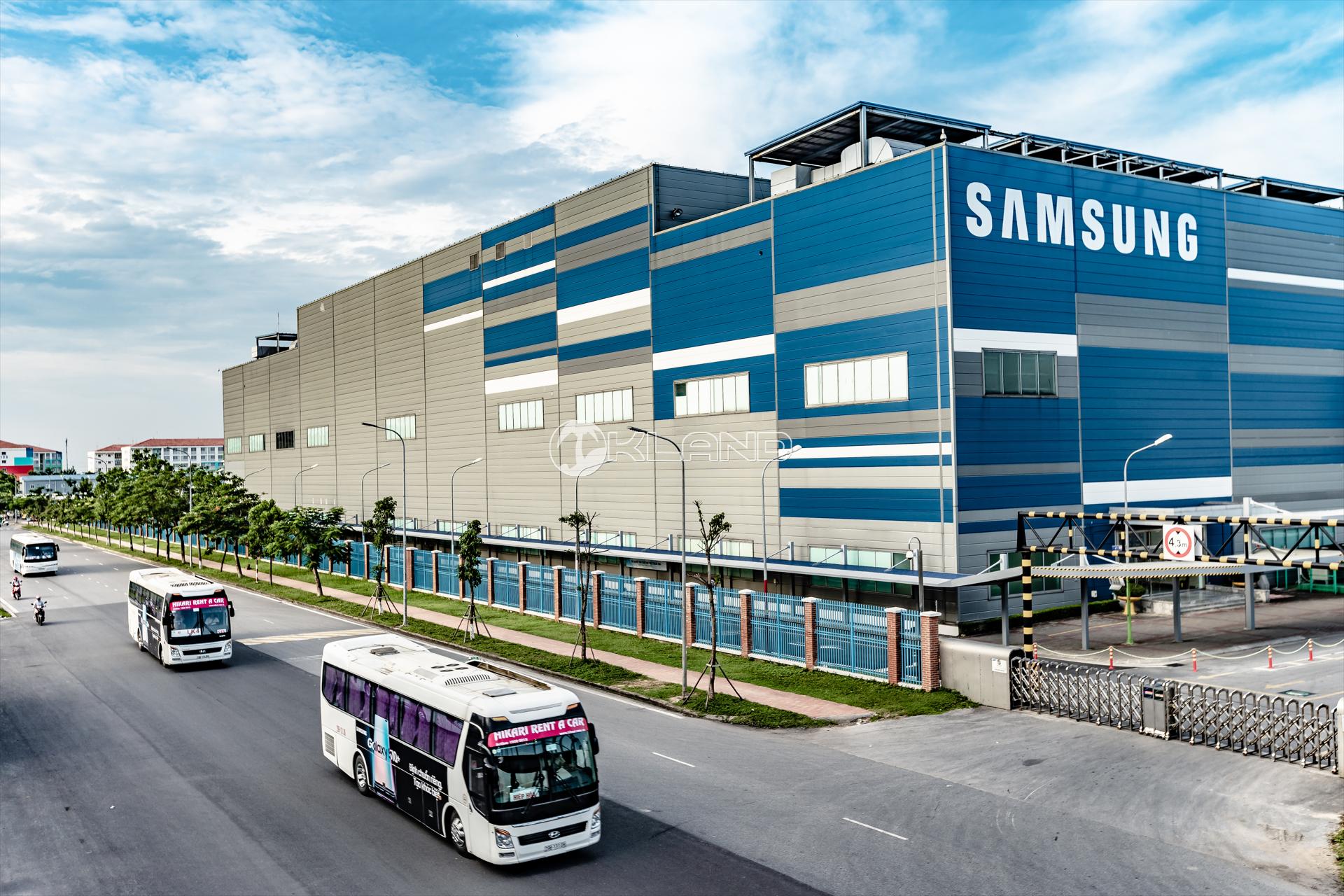 |
| Samsung Group in Bac Ninh, Viet Nam. (Illustrative photo) |
Second, it is necessary to ensure that the completion of laws and institutions for sustainable infrastructure development and an improved investment environment is swiftly translated into practical implementation. With their superior construction and engineering capabilities, Korean businesses can play an important role not only in building stable and modern infrastructure but also in environmentally friendly infrastructure projects and smart city development. The most important factors in attracting foreign investment are transparency and reliability.
Third, joint efforts are urgently needed to develop talent and enhance the capabilities of the industrial workforce. Viet Nam has a young and abundant workforce; however, I believe that the training of highly skilled technical personnel and management professionals needs to be expanded further in the coming period. Korean businesses are continuously investing in training and retraining human resources in Viet Nam, applying smart manufacturing at local production facilities, and transferring management innovation know-how. To make these efforts more effective, we hope the Government will strengthen cooperation on education policy and develop concrete implementation plans to achieve even more positive outcomes.
Fourth, the effectiveness of localization policies needs to be enhanced to expand the participation of domestic enterprises in global value chains (GVCs). To achieve this, the concept of localization needs to be redefined, namely by encouraging the economic activities of all enterprises licensed by the Vietnamese Government based on the principle of “localization not by nationality, but by location.” Regarding technology transfer, I believe that a long-term approach to effective technology transfer should also be developed gradually. In my view, substantive results need to be achieved through the effective participation of all stakeholders.
Finally, businesses need to demonstrate their commitment to growing alongside Vietnamese society by establishing ESG (Environmental, Social and Governance) governance and pursuing sustainable investment. I believe that, in order to comprehensively address recent issues such as additional tariffs under Section 301 of the US Trade Act, the accelerating green energy transition, and the expansion of corporate social contributions, ESG policies and governance are currently among the most systematic solutions.
If the above proposals for improving policies and institutions are actively taken into consideration and proactively implemented, I am confident that investors will expand their investments in a more stable and strategic manner, thereby deepening economic cooperation between the two countries. On the foundation of mutual trust and cooperation, I hope that Korean businesses will become steadfast partners, contributing to Viet Nam's continued development into an important economic hub of the world.
 National Assembly President Meets Korean Friends in Seoul National Assembly President Meets Korean Friends in Seoul National Assembly (NA) President Tran Thanh Man stressed that Korean non-governmental organisations, associations, scientists and businesses have contributed significantly to major achievements recorded in Vietnam-RoK relations over the past years. |
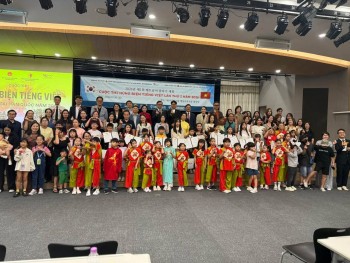 Vietnamese Oratory for Young Generation in RoK Vietnamese Oratory for Young Generation in RoK The final round of the 2026 First Vietnamese Oratory Contest recently took place in Seoul, the Republic of Korea (RoK), providing a platform for the younger generation to use Vietnamese through stories about their families, Vietnamese culture, Viet Nam-RoK experiences, and their dreams. |


Most read


Poland Inaugurates Memorial Plaque Honouring Architect Who Helped Preserve Hoi An

First Congress of the Dong Thap Union of Friendship Organizations for the 2026-2031 Term


Related Stories
 National
Viet Nam News Today (Oct. 20): Top Leader Arrives in Copenhagen, Beginning State Visit to Denmark
 National
Viet Nam News Today (Oct. 16): Vietnam, Australia Work to Turn Momentum Into Substantive Cooperation
 National
Vietnam News Today (Sep. 29): Vietnamese Field Hospital Returns Home After UN Peacekeeping Mission
 National
Vietnam News Today (Sep. 7): Top Vietnamese Leader’s Visit to France to Deepen Ties
In topics
 Expats in Vietnam
I Chose to Stay Because There Is Still So Much I Don’t Know About Viet Nam
 Expats in Vietnam
Returning to Viet Nam Is Like Coming Home
 Friendship
A Misfortune Turned into Happiness
 Friendship
I Was Never Just Passing Through Viet Nam
Recommended
 Economy
India converts gas-fuelled plant for green ammonia
 Economy
India’s Startups Are Srengthening the Country’s Space Tech Boom
 Economy
ZTE Launches M8000 Intelligent Computing Micro-Module Data Center, New-Gen AIDC IT POD Solution for Global Deployment
 Economy
Mountains and Seas Unite for a New Chapter: "Sojourn in Guizhou" International Promotion Conference Held in Macao
Popular article
 Economy
Vietnamese And Bulgarian Businesses Seek Further Cooperation Opportunities
 Economy
India enhances ability for cancer drug price caps, lowering prices of 137 medicines
 Economy
Carlsberg Asia Partners with Grab to Deliver a New Dining Experience
 Economy