
Japanese Trade Consultant Yamashita Yohei:
The Bonds Between People Are Why I Love Viet Nam
| Hikaru Watanabe: Vietnamese Grows from Simple, Everyday Sounds and Greetings Japanese Doctors Help Bring Smiles to Children in Da Nang |
In addition, what has impressed me in recent years is the rapid increase in electric vehicles (EVs) and electric motorbikes. Compared with Japan, where the adoption of electric vehicles remains relatively slow, the number of electric taxis and privately owned electric vehicles in Viet Nam has increased noticeably. This not only reflects efforts to protect the environment but also demonstrates the country's direction toward developing new industries.
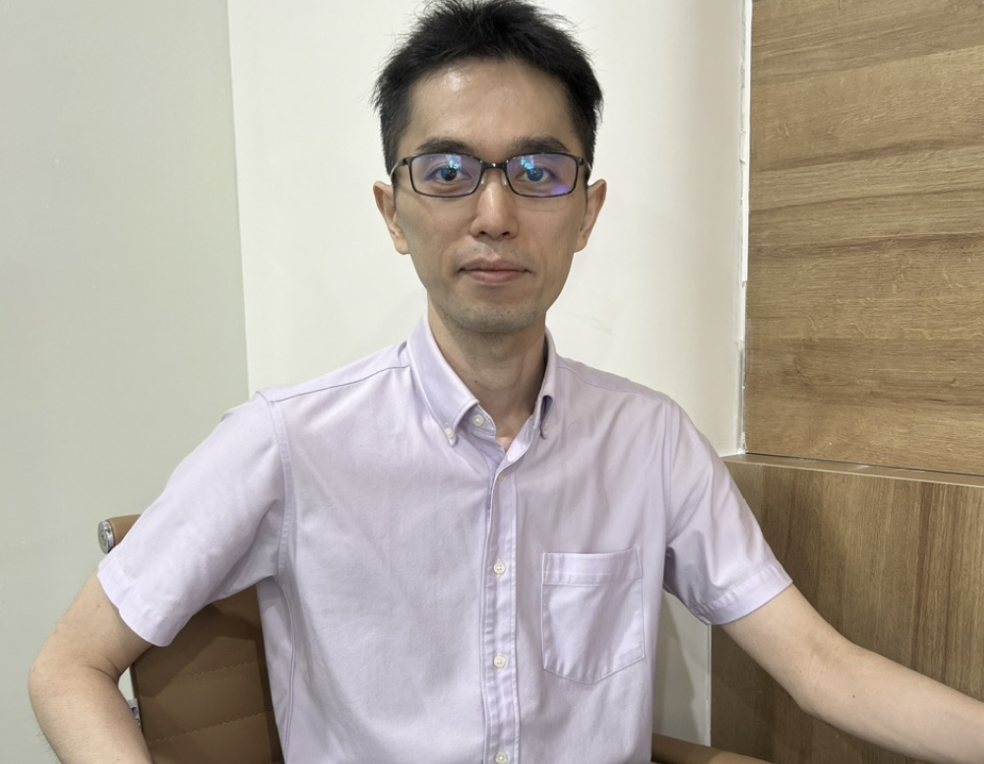 |
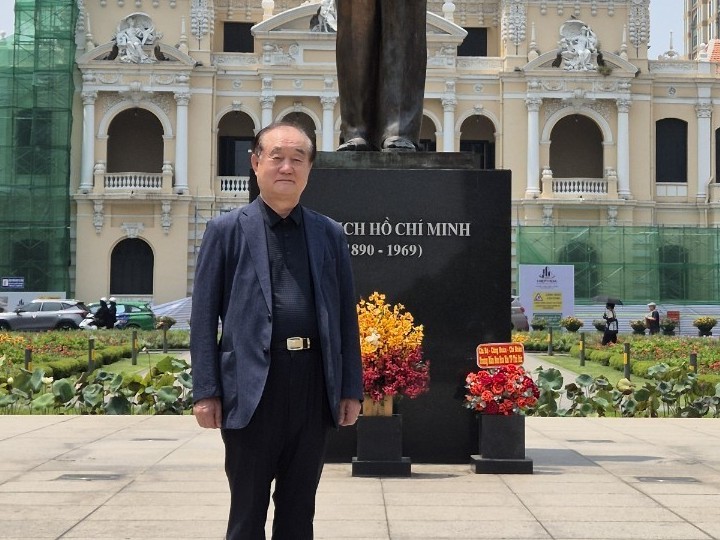
| Yamashita Yohei, Japanese trade consultant. (Photo provided by the character) |
Perhaps it is because of such developments that, from my own perspective, I see more and more foreign businesses viewing Viet Nam positively. Against the backdrop of the “China+1” trend, Viet Nam has become an important manufacturing and investment destination. The Government is also actively promoting digital transformation in public administration, investing in infrastructure and improving the investment environment, making it easier for foreign businesses to operate.
Another macro-level aspect that has left a positive impression on me is Viet Nam's balanced foreign policy, maintaining good relations with Japan, the United States, China, the European Union (EU), South Korea and ASEAN countries. This policy contributes to political stability amid a volatile international situation and provides reassurance for foreign investors.
Of course, your country still faces challenges, such as traffic congestion and air pollution. However, I can sense a positive attitude toward recognizing these issues and gradually addressing them. To me, Japan is a society that has developed in a stable manner, while Viet Nam gives me the feeling that the entire country is constantly moving forward. That energy and vitality are precisely what I find so attractive.
I can immediately give Ha Noi as an example. New high-rise buildings, offices and shopping malls are continuously being constructed, changing the city's appearance every year. The operation of metro lines, expansion of the transportation system and implementation of flood-prevention drainage projects show that Viet Nam is gradually addressing its urban challenges. What I find particularly interesting, however, is that traditional markets, small alleys and local eateries continue to be preserved alongside these developments. In my view, this harmony between modernity and tradition is one of Ha Noi's most distinctive attractions.
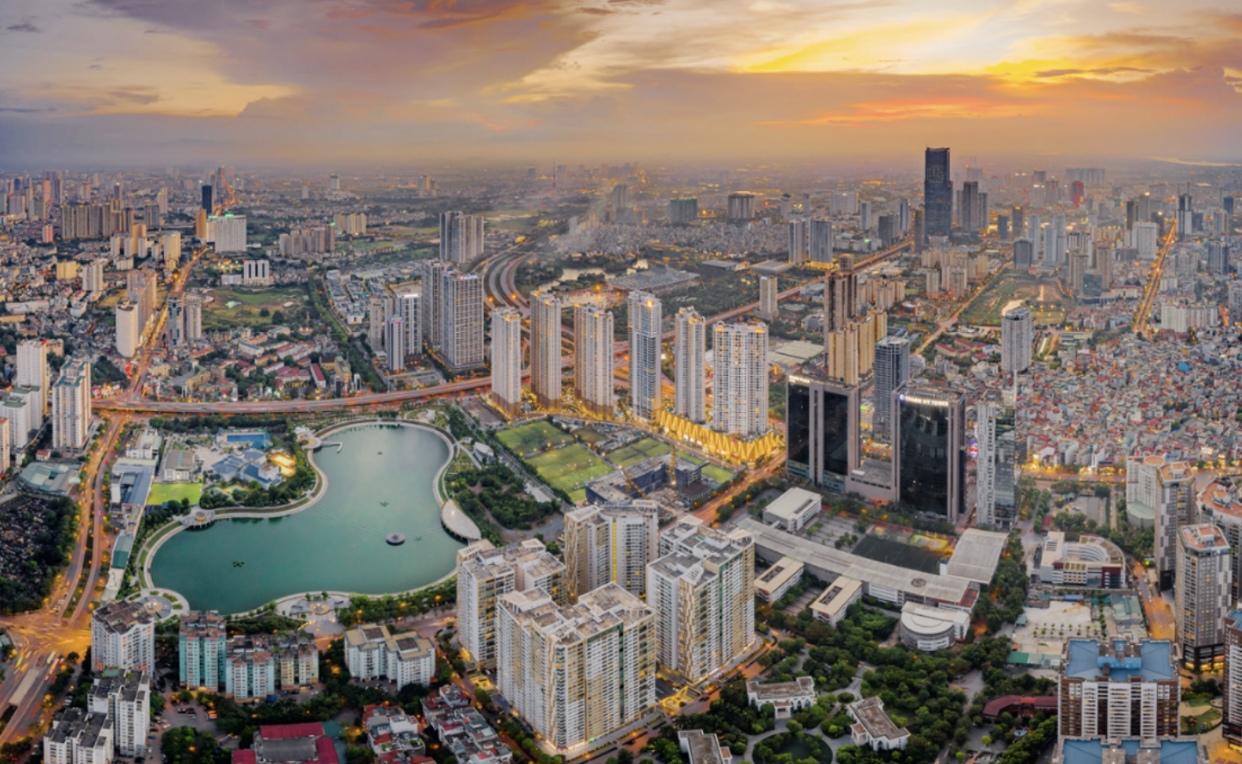 |
| A view of Ha Noi from above (Illustrative photo). |
As someone who provides consulting services on trade and business activities, I can also clearly see the current determination to reform administrative procedures and strengthen the prevention and fight against corruption and negative practices. If the transparency of the system continues to improve, this will be a very positive factor for foreign businesses.
Overall, I feel that Japanese businesses increasingly view Viet Nam as a market with long-term development potential. While Japan is facing population aging and declining vitality in many localities, Viet Nam has a young and highly dynamic population. Honestly, even simply walking along the streets, I can feel the energy of a country that continues to develop.
I believe Viet Nam will continue to be one of the Asian countries with the greatest growth prospects. Viet Nam has a young population and is promoting investment not only in manufacturing but also in information technology, artificial intelligence (AI), semiconductors and digital services. At the same time, investment projects involving roads, seaports, airports, metro systems and flood-prevention infrastructure are still being implemented. These developments are helping to improve the business environment.
Japan and Viet Nam have built a friendship over many years, with a large number of Japanese businesses operating in Viet Nam. Going forward, I hope cooperation between the two countries will extend beyond manufacturing to education, human resource development, digital transformation (DX), environmental technology, healthcare and elderly care.
As a Japanese person, I am particularly impressed that in recent years, several Japanese prime ministers have chosen to visit Viet Nam during the early stages of their terms in office. This shows that the Japanese Government regards Viet Nam as an extremely important partner. Relations between the two countries are becoming increasingly close not only economically but also in the fields of security and human resource exchanges.
Finally, I would like to share my impressions of Vietnamese people based on my daily life here. To me, Vietnamese people are open and approachable, and many are naturally willing to help others when they see someone facing difficulties. The bonds between people are one of the major reasons why I feel close to and fond of Viet Nam.
In addition, Viet Nam and Japan share many similarities in culture and lifestyle, such as placing importance on family and respecting older people. Both countries have been influenced by Buddhism and Confucianism throughout their histories. However, after actually living in Viet Nam, I feel that the bonds among family members here may be even stronger than in Japan. I often see parents, children, siblings and relatives supporting one another in their daily lives and placing particular importance on family relationships. I believe that this strong connection within families and among people, together with the warmth and vitality of the Vietnamese people, is one of Viet Nam's greatest attractions.
Having lived in Viet Nam for many years, I have not only witnessed the country's changes but have also deeply experienced the warmth of the people who live here. I hope that in the future, Viet Nam and Japan will continue to build on their respective strengths and develop an increasingly strong relationship. As a foreigner working in Viet Nam, I look forward to continuing to follow the future of this country with great joy and optimism.
 A Father’s Love Led Me to Viet Nam A Father’s Love Led Me to Viet Nam Nearly a year ago, we, reporters from Viet Nam Times Magazine, had the opportunity to meet Alisher Mukhamedov, President of the Uzbekistan-Viet Nam Friendship Association. During that conversation, he shared many stories about Uzbekistan and his affection for Viet Nam. Recalling the unfinished stories, we sent him a letter to ask how he was doing. A few days later, he wrote back: |
 Events That Bring Partners Together Events That Bring Partners Together People-to-people diplomacy activities have now become “events” that “bring together” Vietnamese organizations, businesses, localities and projects with international partners for cooperation and partnership, creating practical and tangible outcomes for their respective tasks. |
Most read


Related Stories
 Friendship
Viet Nam, in Stories I Take Back to Japan
 Friendship
Hikaru Watanabe: Vietnamese Grows from Simple, Everyday Sounds and Greetings
 National
United To Step Into A New Era
 Friendship
Professor Ahn Kyong-Hwan: Vietnamese Have Strong 'Can-Do' Spirit
In topics
 Expats in Vietnam
Returning to Viet Nam Is Like Coming Home
 Friendship
A Misfortune Turned into Happiness
 Friendship
I Was Never Just Passing Through Viet Nam
 Friendship
Some Volunteers Cannot Hold Back Their Tears When Saying Goodbye to Viet Nam
Recommended
 Friendship
DAFO Launches Activities to Promote Responsible Business Practices
 Friendship
Seoul (Republic of Korea) Expands Employment Support for Vietnamese International Students
 Friendship
NA President Meets with Chinese Friendship Figures in Beijing
 Friendship
Hai Phong: Vietnamese and International Melodies Foster Friendship
Popular article
Friendship
A Misfortune Turned into Happiness
Friendship
I Was Never Just Passing Through Viet Nam
 Friendship
Strengthening People-to-People Exchanges, Nurturing Viet Nam-RoK Friendship
 Friendship