
Vietnam, China, Laos, and Myanmar Launch Joint Anti-Drug Crime Crackdown
 | Anti-drug crime fighting plan shows efficiency in Son La |
| Vietnam urges ASEAN to reiterate political commitment to anti-drug efforts |
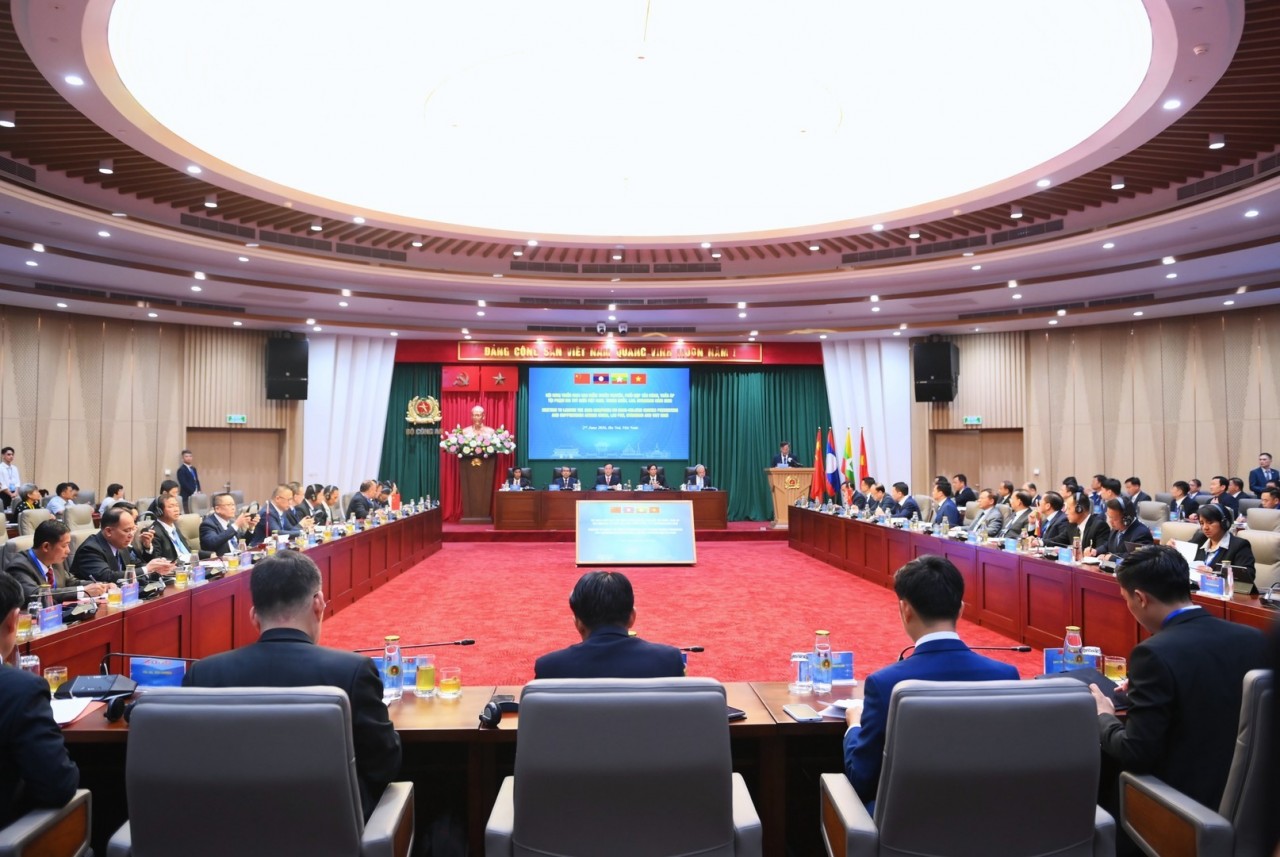 |
| Conference launching the joint awareness campaign and coordinated offensive against drug-related crimes involving Vietnam, China, Laos, and Myanmar. (Photo: Ministry of Public Security) |
Against the backdrop of increasingly complex transnational drug crime activities in the region, the joint operation is regarded as an important step toward strengthening substantive cooperation among law enforcement agencies while demonstrating the strong political commitment of the participating countries in addressing non-traditional security challenges.
Addressing the conference, Senior Lieutenant General Nguyen Van Long, Deputy Minister of Public Security, emphasized that as neighboring countries sharing common borders and occupying strategically important positions in the region, Vietnam, China, Laos, and Myanmar are directly affected by the activities of transnational drug trafficking networks.
According to Senior Lieutenant General Nguyen Van Long, Vietnam consistently identifies drug prevention and control as a particularly important political task that is both urgent and long-term in nature, requiring the involvement of the entire political system and society as a whole. Vietnam also highly values its traditional friendship, solidarity, and comprehensive cooperation with China, Laos, and Myanmar, and appreciates the active coordination and support provided by these countries in anti-drug efforts over the years.
“With the strong political determination of governments and law enforcement agencies in all participating countries, together with a spirit of responsibility, mutual trust, and close cooperation among all parties, the 2026 operation will achieve many practical results, contributing to the maintenance of security and public order and safeguarding the peaceful lives of the people in each country,” Deputy Minister Nguyen Van Long affirmed.
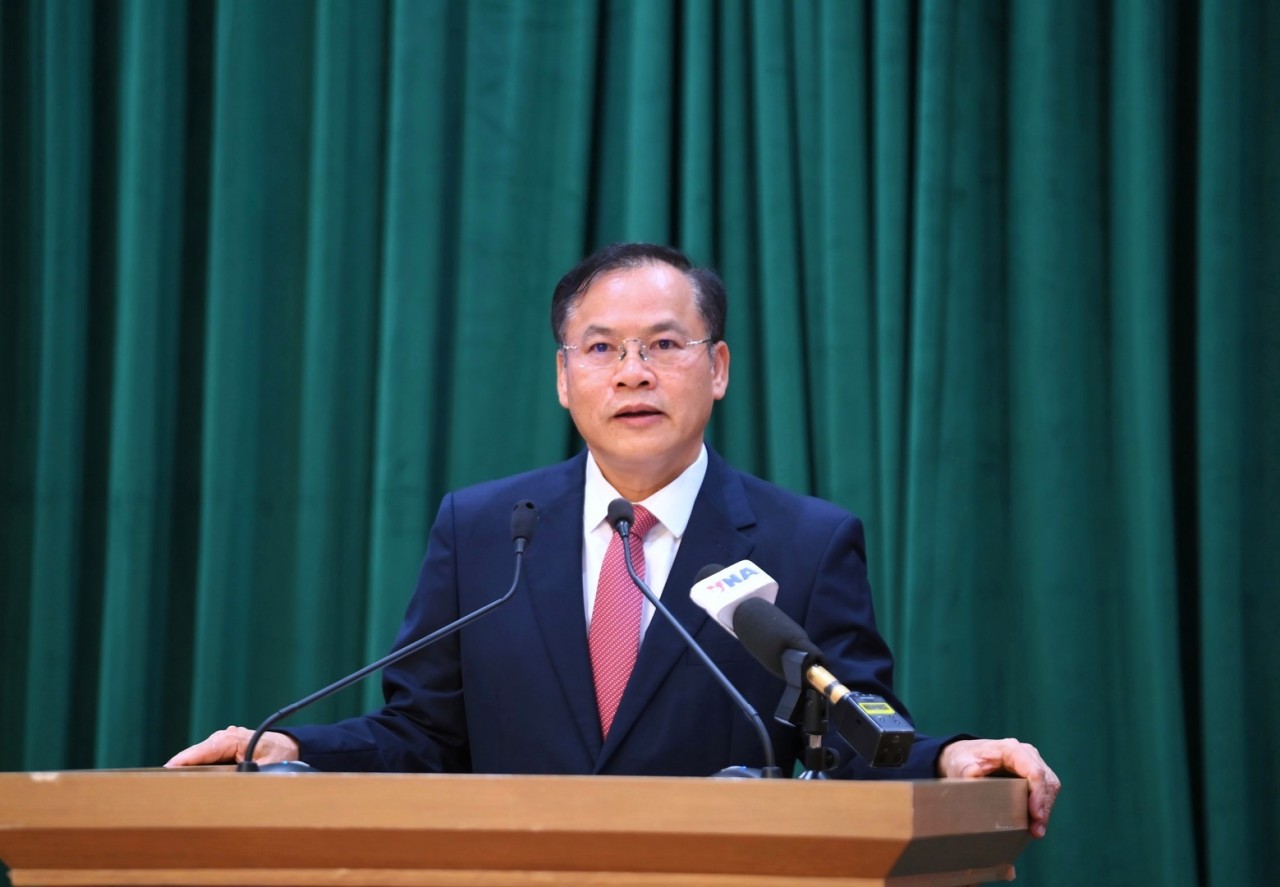 |
| Senior Lieutenant General Nguyen Van Long, Deputy Minister of Public Security. (Photo: Ministry of Public Security) |
At the conference, representatives of the four countries agreed to adopt a Joint Action Plan for the 2026 awareness campaign and coordinated offensive against drug-related crimes, featuring a range of specific measures.
Under the plan, the parties will strengthen assessment and control of the illegal production, trade, and transportation of narcotics and precursor chemicals by tightening management at border areas, border gates, as well as land, river, maritime, and air routes. At the same time, law enforcement agencies will coordinate joint investigations and operations targeting transnational drug trafficking networks and major transit hubs.
Another notable measure is the countries’ agreement to jointly review wanted suspects believed to be hiding in another country’s territory in order to verify their whereabouts, apprehend them, and transfer them in accordance with relevant regulations. Based on actual circumstances, the parties will also study mechanisms for deploying officers to partner countries, subject to the host country’s approval, to support expanded investigations into transnational drug cases, track down ringleaders, and dismantle entire criminal networks.
In parallel, the countries agreed to strengthen oversight of legitimate activities involving narcotic substances, particularly by tightening control over companies engaged in the import and export of precursor chemicals and related substances to prevent their misuse in the illegal manufacture of drugs.
According to the plan, the operation will be implemented in provinces and cities along the Vietnam-Laos, Vietnam-China, China-Laos, Laos-Myanmar, and China-Myanmar borders, as well as in numerous other key locations across the four countries.
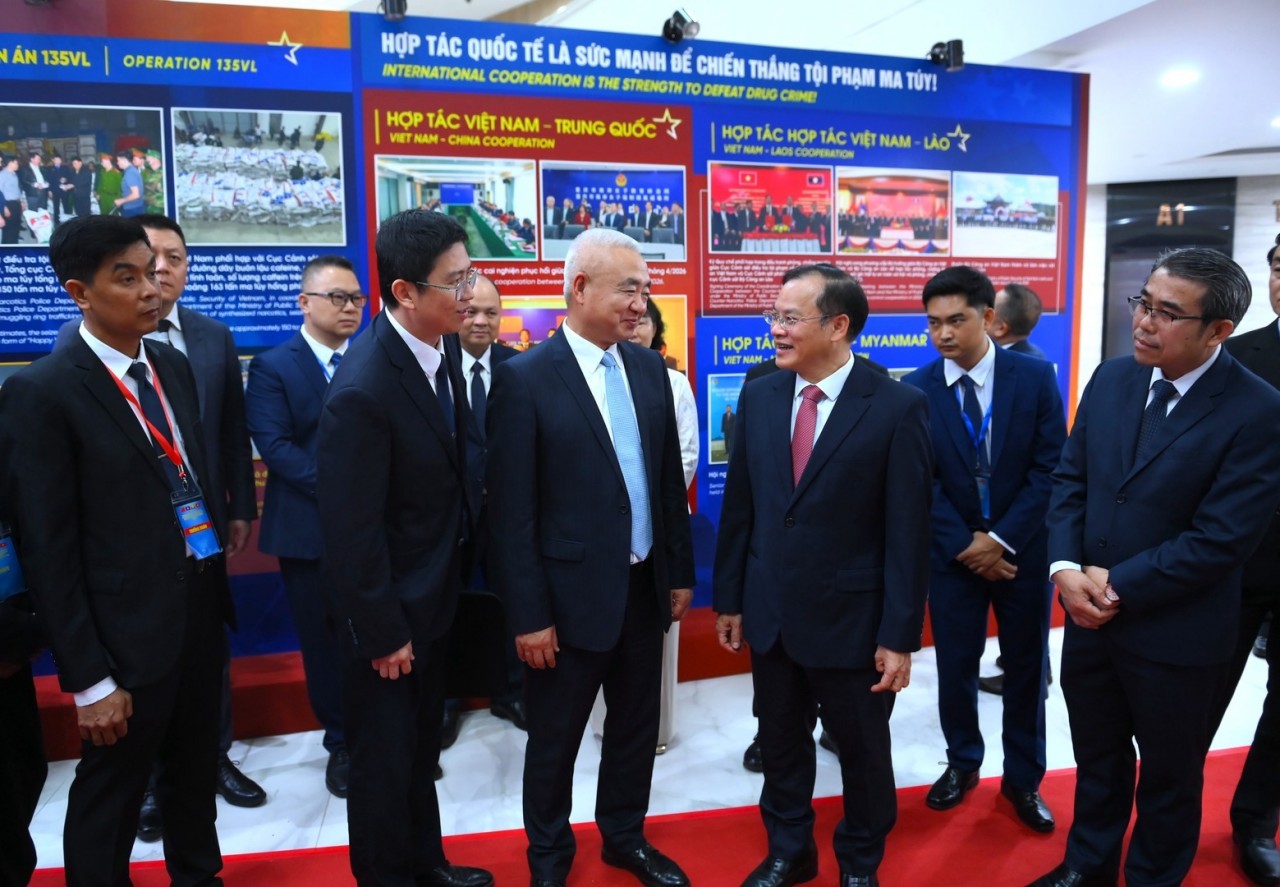 |
| Delegates visit an exhibition on drug prevention and control. (Photo: Ministry of Public Security) |
According to the 2025 report by the United Nations Office on Drugs and Crime (UNODC), East Asia, Southeast Asia, and the Pacific recorded an 18% increase in the volume of synthetic drugs seized compared to 2024. Notably, the Golden Triangle region remains a major source of supply for various types of synthetic drugs.
In Vietnam, in 2025, the nationwide Drug Crime Investigation Police force successfully investigated and dismantled 21,998 drug-related cases, arresting 44,354 drug offenders. Authorities seized 276 kilograms of heroin, 1,280 kilograms of cannabis, 4,396 kilograms of synthetic drugs, and 2,096,259 synthetic drug tablets.
In the first quarter of 2026 alone, law enforcement agencies detected and handled 7,424 cases involving 14,813 suspects; seized more than 52 kilograms of heroin, 125.9 kilograms of cannabis, 425.9 kilograms of synthetic drugs, more than 345,000 synthetic drug tablets, and 51.3 kilograms of other types of narcotics.
Regarding the foreign element in drug-related crimes, Vietnamese authorities detected 77 cases in 2025 and arrested 98 foreign nationals involved in drug offenses.
Notably, Operation 135VL, led by the Drug Crime Investigation Police Department in coordination with relevant agencies of Vietnam and Laos, successfully dismantled a network involved in the illegal trading and transportation of precursor chemicals from China through Vietnam and Laos to Myanmar for the production of synthetic drugs.
Law enforcement authorities arrested 10 suspects in Vietnam and six in Laos, while seizing 50.7 tonnes of caffeine. According to the authorities’ assessment, if successfully transported, the precursor chemicals involved could have been used to manufacture more than 150 tonnes of synthetic drugs in tablet form. The operation is regarded as one of the most notable cases in efforts to cut off precursor supplies at their source and prevent their use in the illicit production of narcotics.
 | WHO Launches Platform To Provide Free Cancer Drugs For Children On February 11, the World Health Organization (WHO) launched a new platform to provide free cancer drugs to thousands of children in low- and middle-income ... |
 | Sowing Knowledge, Sowing Hope for Drug Rehabilitation Learners in Gia Lai A special class has been taking place daily at the Gia Lai Provincial Drug Rehabilitation Center. In this classroom, there are no report cards or ... |
Related Stories
 World
World
Myanmar Destroys Over 50 Tons of Drugs on International Anti-Drug Day
 Viet's Home
Vietnam Intensifies Monitoring Drug Use Crimes at Private Rental Accommodations
Recommended
 Viet's Home
9 Vietnamese Students Receive Full Scholarships from Fast Retailing Foundation in Japan
 Viet's Home
Many Fallen Soldiers' Remains Recovered in Da Nang and Cao Bang
 Viet's Home
Indian Ambassador Thanks Vietnam for Swift Response to Phu Quoc Speedboat Capsizing
 Viet's Home
Portugal Crowned Champion of 2026 Da Nang International Fireworks Festival
 Viet's Home
Ca Mau Enhances Capacity of Officials to Effectively Mobilize International Aid
 Viet's Home
Over 50 Calls and Messages Help Search for Fallen Soldiers at Tan Son Nhat Airport
 Viet's Home
Palestinian Ambassador Saadi Salama Awarded "For the Cause of Culture, Sports and Tourism" Medal
 Viet's Home