Vietnam News Today (Feb. 24): Vietnam Considers Intel Long-term Strategic Partner in Semiconductor Industry
Vietnam News Today (Feb. 24): Vietnam considers Intel long-term strategic partner in semiconductor industry; Stronger push to attract FDI from the start of 2026; Nearly 1,070 flights handled in single day at HCMC’s busiest airport; Ho Chi Minh City records over 667 million USD in Tet tourism revenue.
Vietnam considers Intel long-term strategic partner in semiconductor industry: minister
Stronger push to attract FDI from the start of 2026
Nearly 1,070 flights handled in single day at HCMC’s busiest airport
Ho Chi Minh City records over 667 million USD in Tet tourism revenue
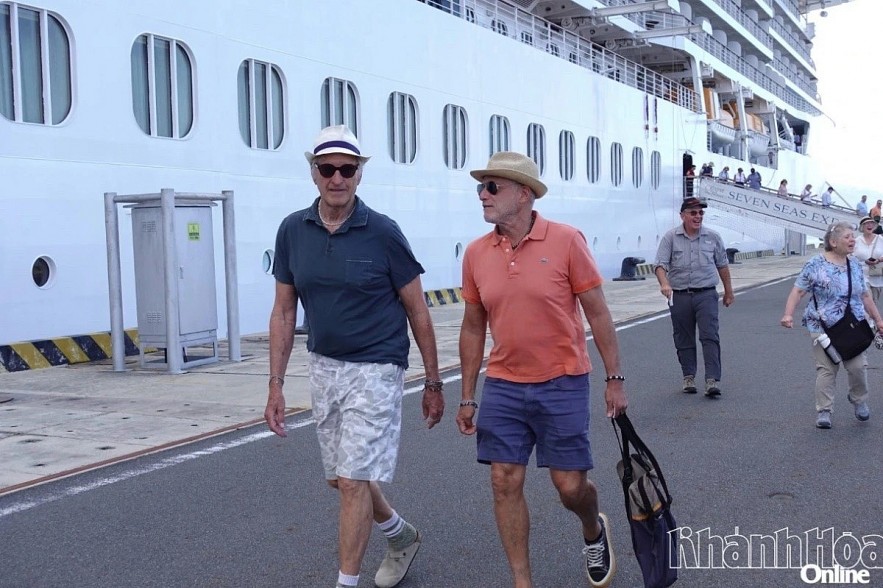
Cruise ship Seven Seas Explorer brings foreign travelers to Khanh Hoa
New growth drivers shaping Vietnam’s economic future
NA Chairman pays Tet visit to Vietnam Fatherland Front Central Committee
Vietnam, Cuba step up cooperation in book publishing
Seaports, border gates operate smoothly throughout Lunar New Year holiday
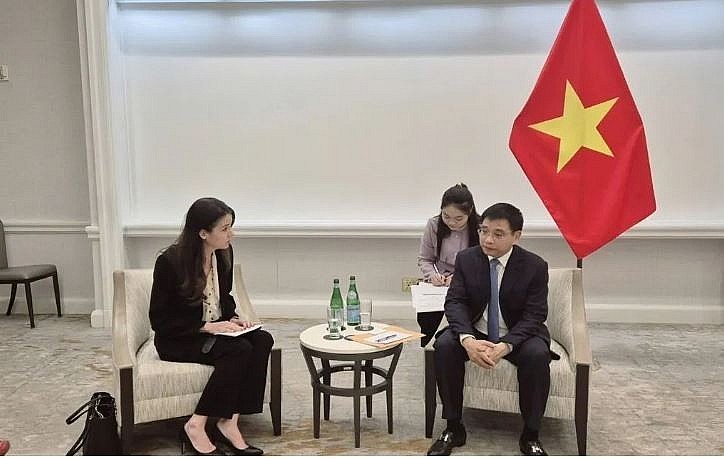
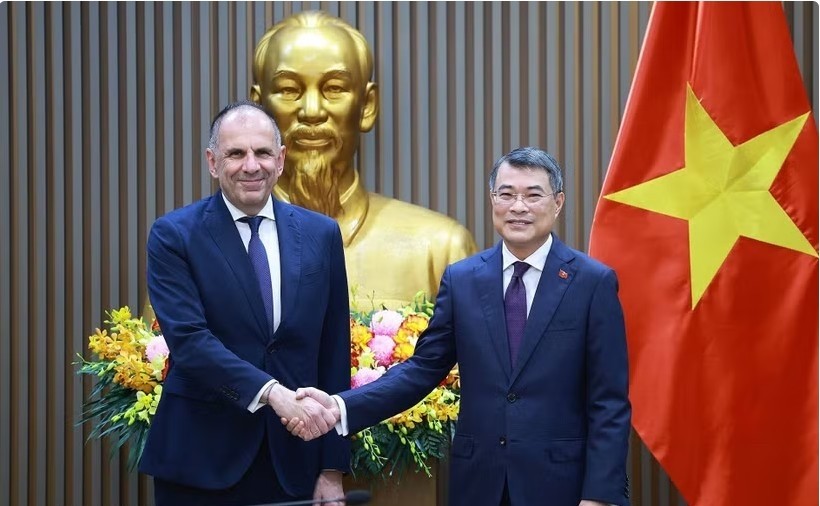
Minister of Finance Nguyen Van Thang (R) meets with Robin Colwell, Senior Vice President for Global Government Affairs at Intel in Washington D.C. (Photo: mof.gov.vn)
Vietnam considers Intel long-term strategic partner in semiconductor industry: minister
Vietnam considers Intel Corporation a long-term strategic partner in developing the country’s semiconductor industry, said Minister of Finance Nguyen Van Thang.
According to the Ministry of Finance, the minister and a working delegation recently held a working session with Intel leaders in Washington D.C., as part of a series of meetings with leading American technology corporations.
At the meeting, Thang congratulated Intel on 20 years of operations in Vietnam and praised its role as a leading strategic partner in semiconductors and high technology.
“Over nearly two decades, Intel has made significant contributions to Vietnam’s export turnover, the development of the electronics supply chain, the creation of high-quality jobs, and the training of a high-tech workforce,” he stressed.
The minister noted that Intel Products Vietnam is currently the corporation’s largest chip assembly and testing facility worldwide. Intel’s decision to bring advanced server chip assembly and testing technologies to Vietnam demonstrates its strategic confidence in the country’s investment climate and technological capabilities, he said.
Regarding Vietnam’s development orientation in the new phase, Thang underscored that the semiconductor industry has been identified as a strategic sector in the country’s industrialisation and modernisation cause. Vietnam hopes Intel will continue expanding production, upgrading technologies, developing a robust supplier ecosystem, establishing a semiconductor R&D center, and cooperating in large-scale human resources training,cited VNA.
He also spoke highly of cooperation programs on artificial intelligence between Intel and the National Innovation Center (NIC).
In response to proposals and recommendations from the corporation, the minister said Vietnamese authorities are actively reviewing them in line with current legal regulations and the orientation to further improve the investment and business environment. He reaffirmed that Vietnam consistently strives to build stable and transparent mechanisms and policies, creating favorable conditions for high-tech enterprises, including those in the semiconductor sector, to confidently expand long-term investment.
For her part, Robin Colwell, Senior Vice President for Global Government Affairs at Intel, shared plans to organise a strategic materials suppliers conference in Vietnam in 2026, along with initiatives under a broader strategic framework to promote the semiconductor ecosystem and AI programs in the country.
Earlier on February 19 (local time), the minister also met representatives of Apple Inc.. The working sessions with leading US technology groups highlight the ministry’s determination to accompany strategic investors and help realise Vietnam’s goal of becoming a regional high-tech and semiconductor hub by 2045.
Stronger push to attract FDI from the start of 2026
Amid continued fluctuations in the global economy, 2026 has been identified as a pivotal year for Vietnam to reposition its foreign direct investment (FDI) strategy toward higher-quality capital flows with stronger technological content, higher added value and broader spillover effects.
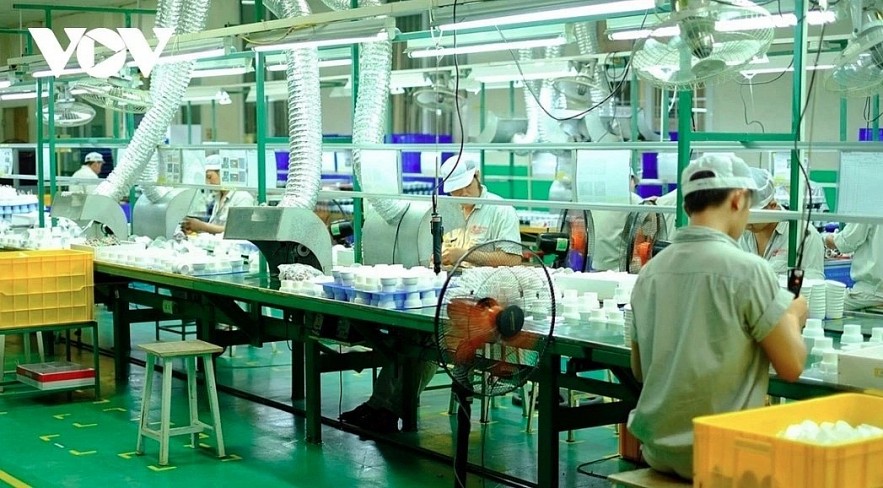
FDI is seen as a driver of double-digit growth in the 2026-2030 period and as a foundation for strengthening competitiveness, promoting innovation and supporting sustainable long-term development, according to VOV.
FDI in 2026 set to focus on high-quality capital with strong technological content and spillover effects.
According to the General Statistics Office under the Ministry of Finance, total newly registered FDI in January 2026 reached US$2.58 billion, down 40.6% year on year. However, disbursed capital amounted to US$1.68 billion, up 11.3%, thus showing steady implementation. During the initial month, 349 new projects were licensed with total registered capital of US$1.49 billion, up 23.8% in number of projects and 15.7% in registered capital compared with the same period last year.
Manufacturing and processing continued to account for the largest share, with more than US$1 billion in newly registered capital, representing 70.8% of total new registrations.
Deputy Minister of Finance Tran Quoc Phuong said that to achieve double-digit growth in 2026-2030, one key solution is mobilizing all resources for development investment, in which FDI is an important source.
The Ministry of Finance is drafting a Scheme on Development of the Foreign-Invested Economic Sector and a Scheme on Next-Generation FDI Attraction, focusing on institutional improvement and building open, attractive and competitive policies.
According to the Deputy Minister, Vietnam has taken concrete steps to prepare land, energy supply and human resources to receive new projects. In high-tech and semiconductor fields, a target of training 50,000 engineers and high-quality workers is being implemented.
FDI flows are increasingly shifting toward higher quality, with a rising share in high technology, green industry, renewable energy and the digital economy. Energy stands out, with several large-scale proposals, including a US$10 billion Ca Na LNG power center proposed by a consortium of investors from the United States, the Republic of Korea and Singapore together with Mekong Delta Maritime Economic Zones Development Investment JSC, and a plan by SK Group of the Republic of Korea to invest US$2 billion in a 1,500 MW LNG thermal power project in Nghe An Province.
Amid intensifying competition for FDI, Vietnam is moving from broad-based incentives to conditional and targeted incentives aimed at attracting strategic capital while safeguarding long-term economic interests.
The next-generation FDI model should move beyond attracting capital and become a lever to strengthen technological capacity, promote innovation and sustainable development.
Chaturon Thipphiansak, Deputy General Director of SCG Vietnam Co., Ltd., said businesses need to pursue localization strategies and strengthen adaptability in response to global economic fluctuations, fuel costs, green supply constraints and increasingly stringent ESG standards. At SCG, the green transition is viewed as an opportunity to pioneer sustainable products, responsible business practices and strong partnerships, contributing to Vietnam’s green growth.
Notably, the central city of Da Nang continues to improve its investment environment, accelerate administrative reform and digital transformation in state management, and accompany enterprises from initial information access to project implementation.
As global FDI restructures toward greener, more sustainable and smarter models, Da Nang is regarded as capable of capturing a new wave of investment, particularly in high technology, R&D centers and value-added services.
Pham Duc An, Chairman of the Da Nang City People’s Committee, said the city is focusing on high technology, start-ups, innovation, an international financial center and a free trade zone, while continuing to attract investment, especially FDI in high-tech sectors. The city will provide timely information and support to enterprises during the project implementation process.
According to economic experts, to enhance its appeal to high-quality FDI in 2026, Vietnam should continue streamlining administrative procedures and adjusting policies to ensure greater transparency, consistency and ease of implementation for investors.
The year 2026 marks a shift toward a “new FDI era,” in which the objective is not only to attract capital, but also technology, governance capacity, ESG standards and value chains, thereby laying the foundation for stronger competitiveness, deeper innovation and sustainable long-term development.
Nearly 1,070 flights handled in single day at HCMC’s busiest airport
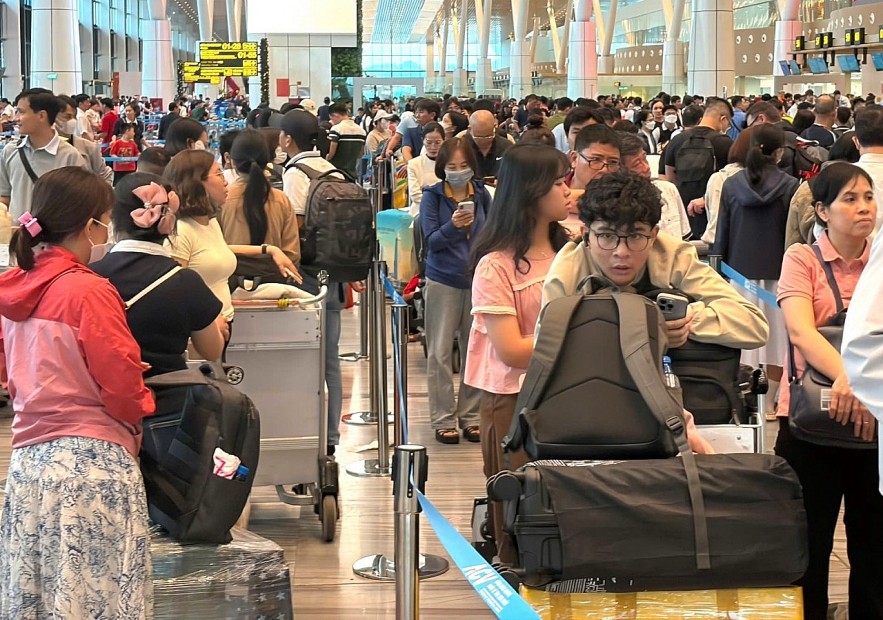
The Lunar New Year (Tet) holiday 2026 closed with a powerful surge of travelers returning to Ho Chi Minh City, propelling Tan Son Nhat International Airport into its busiest day in more than a decade.
According to data from the airport’s Operations Center, on the sixth day of Tet (February 22), the largest airport in southern Vietnam handled 177,859 passengers across 1,069 flights, surpassing all prior forecasts.
Throughout the Tet 2026 peak period, Tan Son Nhat continuously broke operational milestones, turning the post-holiday phase into an extraordinary high season. Before Tet, the highest daily volume reached around 165,000 passengers. In recent days, however, numbers climbed sharply, with one record after another falling.
After exceeding 170,000 passengers on the fourth day of Tet and maintaining similar levels on the fifth day, the airport officially set a new peak on the sixth day, welcoming nearly 178,000 travelers, VNN reported.
Passenger volume at Tan Son Nhat International Airport was projected to reach a historic record of nearly 178,000 travelers. Photo: TK
The international gateway also recorded remarkable figures, reflecting the strong revival of tourism and overseas Vietnamese returning for visits. During the Tet peak, Terminal T2 maintained more than 60,000 passengers per day. On the sixth day alone, T2 handled over 64,700 passengers on 334 flights, its highest level in many years. Arrivals (33,100 passengers) and departures (31,500 passengers) were relatively balanced, highlighting strong travel demand and the return of overseas Vietnamese to work after the holiday.
Terminal T3 eases congestion pressure
Inbound traffic dominated the day, with 104,701 arriving passengers, including 71,568 domestic travelers. Streams of people returning from northern and central provinces to Ho Chi Minh City for work filled arrival halls, creating a vibrant and rarely seen scene.
Despite the immense pressure, airport representatives said no serious congestion occurred, thanks largely to load-sharing from the newly operated Terminal T3. With significant design capacity, T3 alone handled 454 flights and nearly 68,000 passengers on the peak day, accounting for almost 40 percent of the airport’s total volume. This substantially eased pressure on Terminal T1, which had long been overloaded during major holidays.
Notably, Terminal T3 was not only a relief valve but also became the most dynamic operating zone at the airport. Although its number of flights was only about 1.7 times that of T1 (454 compared to 263), its passenger throughput was markedly higher. This indicates that airlines are optimizing operations, particularly with wide-body aircraft operating at near-full seat occupancy.
The relocation of major carriers such as Vietnam Airlines, Bamboo Airways and Vietravel Airlines to Terminal T3 has significantly reduced the strain on T1, an area that routinely faced overcrowding during festive seasons.
At the same time, Tan Son Nhat accelerated the application of technology, deploying identification and biometric recognition systems to shorten check-in times. Operational and security personnel were reinforced, while check-in counters and baggage conveyors were flexibly coordinated to ensure smooth operations even as passenger numbers reached their highest level in more than ten years.
Ho Chi Minh City records over 667 million USD in Tet tourism revenue
Ho Chi Minh City earned 12.15 trillion VND (667.75 million USD) from tourism activities during the nine-day Lunar New Year (Tet) holiday from February 14 to 22, up 42.9% year-on-year, the municipal Department of Tourism has reported.
According to statistics from the department, the city welcomed 4.32 million visitors, including 170,000 international arrivals, representing respective increases of 35% and 51.7% compared to the same period last year. Hotel occupancy averaged about 75%, up 10% year-on-year.
The strong performance was attributed to coordinated efforts by the department, local authorities, tourism businesses, accommodation providers, and attractions across the southern hub, which rolled out a wide range of distinctive activities that successfully attracted both domestic and international visitors, cited VNN.
During the reviewed period, Ho Chi Minh City saw a clear rise in urban tourism, with visitors focusing on sightseeing, entertainment and Tet-themed experiences across signature products and central areas. Large-scale and fixed Tet events helped retain visitors in the city and boost service spending.
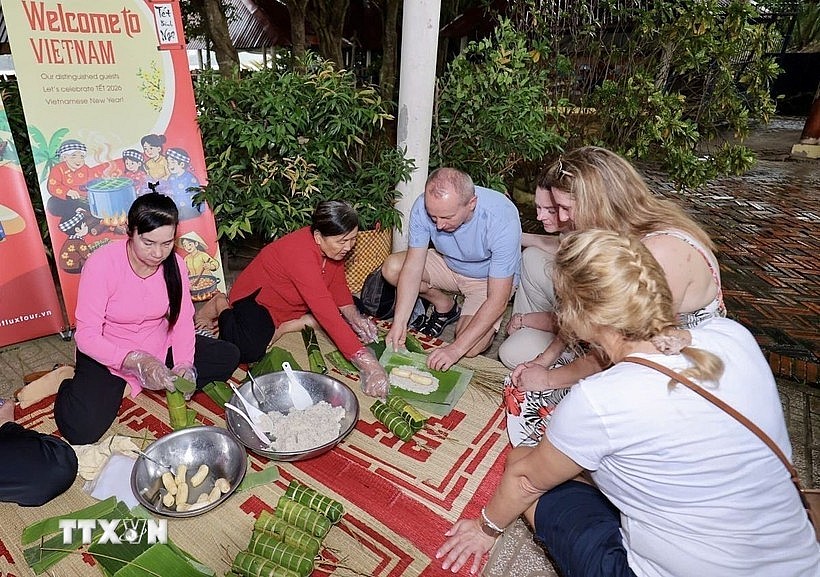
Domestic tourists mainly comprised those visiting relatives combined with travel, and short stays and inner-city travel to flower streets, pedestrian zones, Tet markets, shopping, dining and events. Meanwhile, international arrivals largely concentrated on urban sightseeing and cultural–culinary experiences, often combined with tours to neighbouring destinations.
The municipal Department of Tourism said it has coordinated with local authorities and relevant agencies in strengthening management efforts to ensure a safe, civilised and visitor-friendly tourism environment. The city’s tourism sector effectively leveraged cultural spaces, destinations and signature tourism products to serve residents and visitors.
Cruise ship Seven Seas Explorer brings foreign travelers to Khanh Hoa
The luxury cruise liner Seven Seas Explorer docked at Cam Ranh International Port, Khanh Hoa province, on February 23, carrying around 800 passengers and 700 crew members on a regional Asia itinerary.
The vessel, regarded as one of the world’s most upscale cruise ships, offers premium services tailored to affluent travelers. Its decision to include Khanh Hoa as a port of call underscores the growing appeal of Nha Trang and surrounding destinations on the international cruise tourism map.
During their stopover in Khanh Hoa, visitors explored Nha Trang’s coastal attractions, cultural landmarks and local cuisine, contributing to the province’s high-value tourism segment, cited VOV.
After docking, Seven Seas Explorer passengers board buses to begin their journey exploring Nha Trang – Khanh Hoa (Photo: baokhanhhoa.vn)
Addressing the welcoming ceremony, Nguyen Long Bien, vice chairman of the Khanh hoa provincial administration, highlighted the locality’s competitive advantages, including its stunning bays, year-round mild climate, rich marine ecosystem, and a system of high-quality hotels and resorts that meet international standards.
In recent years, he said, the province has prioritised infrastructure development, particularly port facilities, while improving the investment climate, enhancing service quality, ensuring security and safety, and promoting the image of a “safe, friendly, and high-quality” destination.
According to provincial authorities, Khanh Hoa welcomed 29 international cruise ships in 2025, bringing more than 39,000 passengers ashore. Since the beginning of 2026, it has already received 19 cruise calls with approximately 30,000 visitors, and expects around 48 international cruise ships throughout the year.
The steady rise in cruise arrivals reflects a strong recovery and sustained growth in the high-spending cruise market, which plays an increasingly important role in the province’s tourism structure, Bien said.
Khanh Hoa has pledged to continue upgrading port infrastructure, streamline administrative procedures and enhance service quality, while expanding cooperation with major cruise lines to position itself as a regular stop for premium cruise routes in the Asia-Pacific region.
Vietnam News Today (Feb. 18): Vietnam–US cooperation: Writing the next chapter of success; Spring Fair 2026: Vietnam – India trade maintains growth momentum amid global ...
Vietnam News Today (Feb. 19): Vietnam promotes multilateral dialogue on nuclear non-proliferation in Panama; High expectations for Vietnam-US economic and trade ties; Belgian firms suggested ...
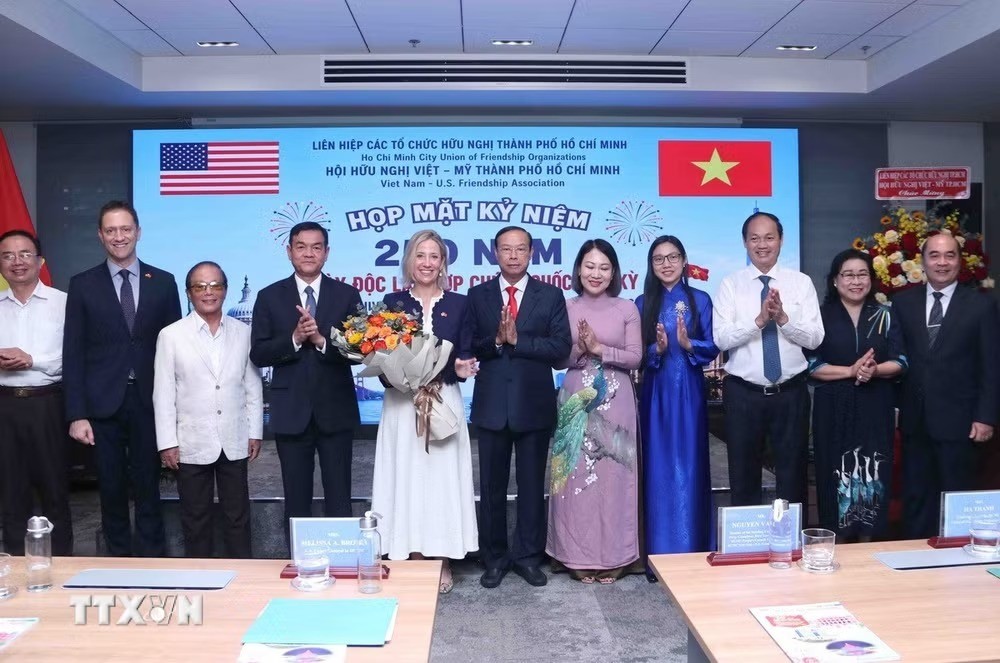
The celebration marking the 250th anniversary of the United States' Independence Day in Ho Chi Minh City reaffirmed the role of people-to-people diplomacy in strengthening mutual understanding, trust, and cooperation between the peoples of Vietnam and the US.
Ho Chi Minh City orientates tourism development linked to urban economy, night-time economy, culture industry and experience economy, changing from event organizing model to developing event economy model.
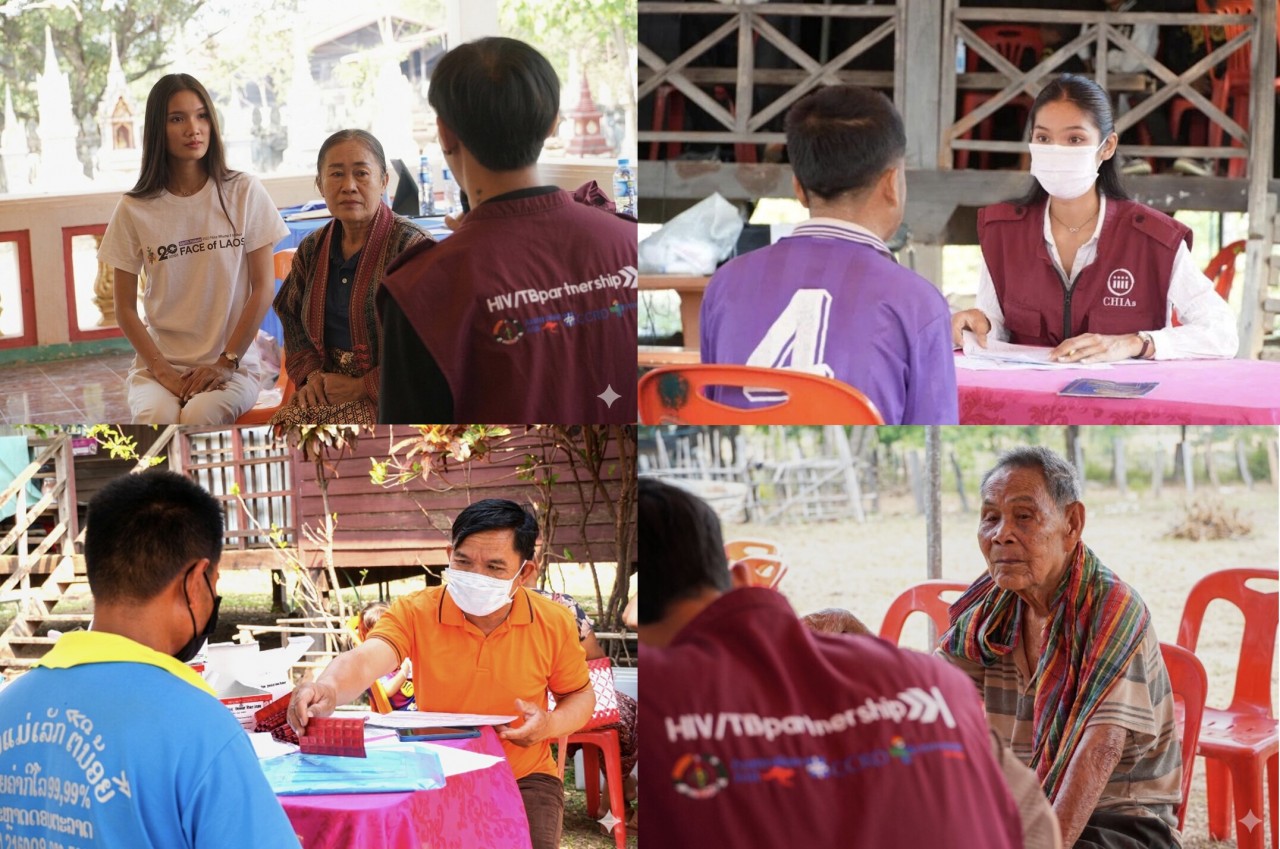
In Champasak Province, Laos, HIV and tuberculosis are far more than public health issues. For many people living with HIV, those affected by TB, and individuals in high-risk groups, the greatest barrier to care is often not the distance to a health facility - it is the fear of being recognized, judged, shunned, or treated differently.
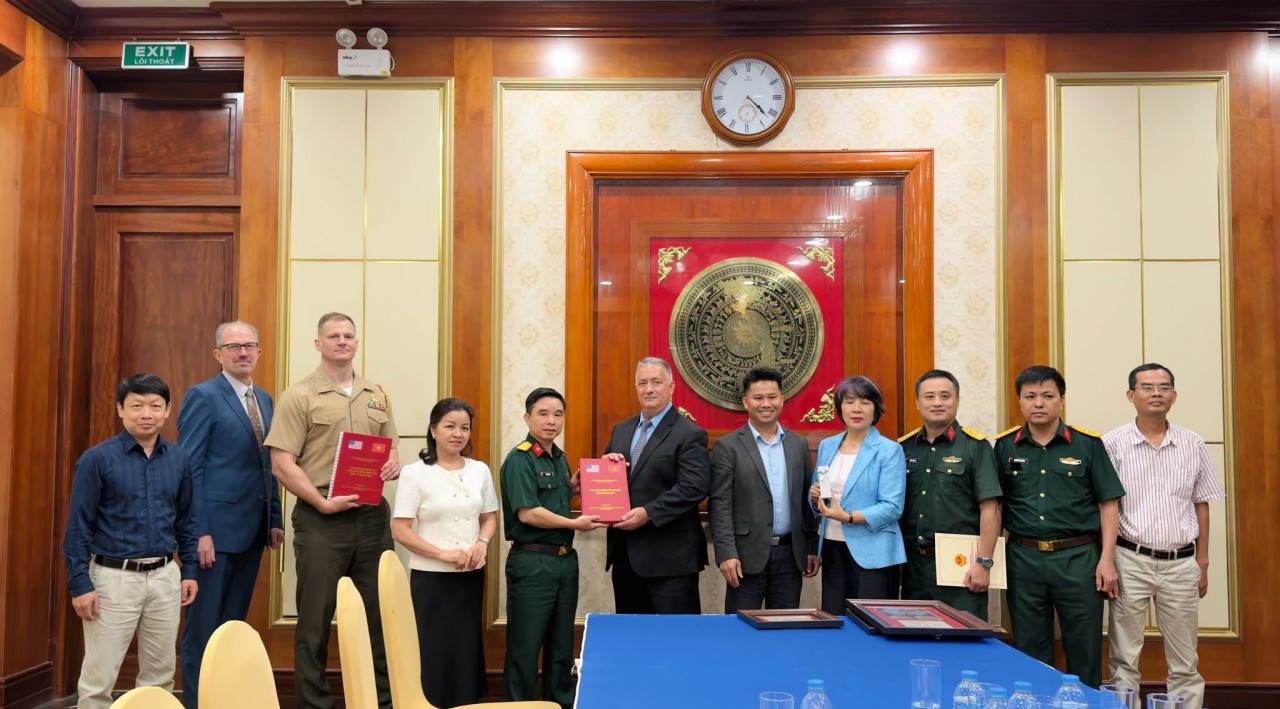
Dossiers decoding the code name of Unit 962, a map indicating the burial area of 21 fallen soldiers at Hospital K76A T7 under Military Region 7, and keepsakes related to southeastern battlefields from 1966 to 1972,... have been handed over to Vietnamese authorities by Vietnam Wartime Accounting Initiative (VWAI) to identify burial sites, find relatives and conduct DNA matching under the 500-day-and-night campaign.
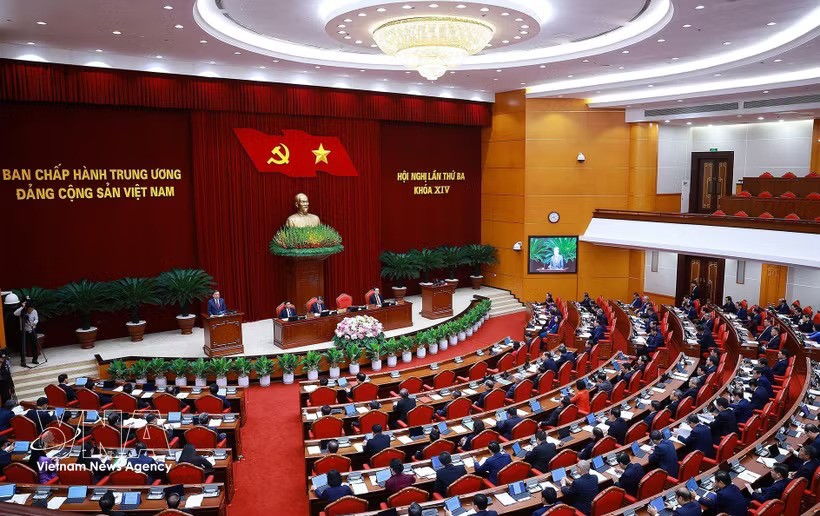
The session is to discuss important issues in implementing the 14th National Party Congress’s Resolution, along with items covering Party building, political system and national development in the new stage.
Vietnam News Today (July 18): Vietnam–Greece ties still hold considerable untapped potential; Vietnam, IAEA expand cooperation in peaceful nuclear applications; EVFTA supports strong growth in Vietnam-Nordic trade; Vietnam to host Southeast Asia's first International AI Olympiad.
Vietnam News Today (July 21): Vietnam–Laos special relationship to deepen over time; Standard Chartered raises 2026 GDP growth forecast for Vietnam to 9.5%; Vietnam's exports to Türkiye surge 32%, led by electronics; Vietnam Fatherland Front Central Committee delegation visits Vietnamese community in the Republic of Korea.
Vietnam News Today (July 20): Vietnam–Laos Treaty of Friendship and Cooperation remains cornerstone of bilateral ties: Lao scholar; Association to push ahead with Vietnam–Russia people-to-people diplomacy; Diplomacy opens new pathways for Vietnam’s development; Vietnam wins four golds at 2026 International Chemistry Olympiad.
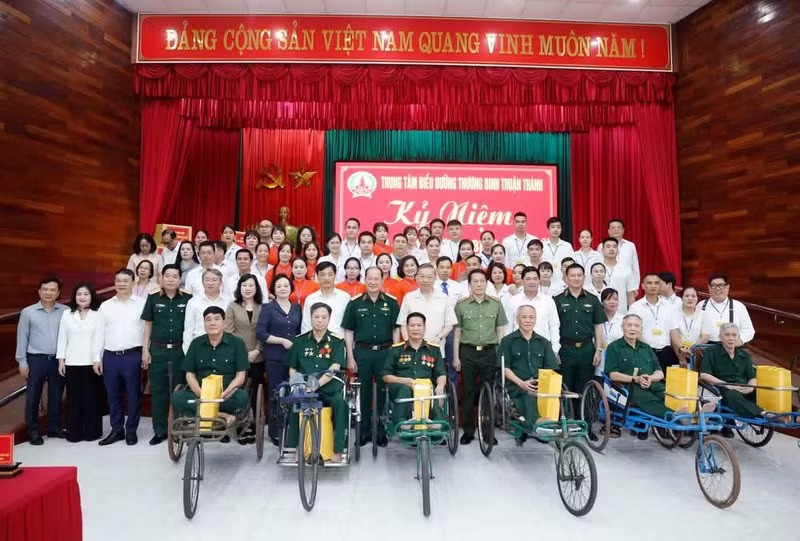
Party General Secretary and State President To Lam on July 15 affirmed that caring for revolutionary contributors is both a political responsibility and a moral obligation, calling for more comprehensive and timely policies to ensure that those who sacrificed for the nation receive the care and respect they deserve.
Vietnam News Today (July 16): Vietnam, RoK strengthen investment links at Seoul conference; Vietnam, Cambodia strengthen cooperation to build friendly border; Vietnam and Chile mark 55 years of diplomatic relations; Ho Chi Minh City promotes people-to-people ties with US.