
Vietnam’s Elections Through the Eyes of International Friends: Vibrant, Transparent, and Increasingly Modern
 | Vietnam’s elections gets international media attention |
| Four Fundamental Principles Ensuring Democracy in Vietnam’s Elections |
A festive atmosphere
Tang Ping, a Chinese national and lecturer at the Chinese-Japanese Faculty of Hanoi University of Business and Technology, said that the atmosphere of election preparations can be clearly felt in many areas of the capital, such as around Hoan Kiem Lake and Ba Dinh Square. The streets are decorated with colorful flags and flowers, banners, and propaganda boards dominated by red tones, creating a scene that is both solemn and lively.
According to her, many citizens are paying close attention to the election and proactively seeking information about the candidates in order to select representatives who truly reflect the aspirations of the people.
“The preparations for the election have been quite comprehensive, and the overall social atmosphere is very positive,” she said.
Binh noted that elections to the National Assembly in Vietnam have several notable features, such as the direct voting method and the fact that the number of candidates usually exceeds the number of seats to be filled, creating a certain degree of competition. The system also allows for self-nominated candidates to participate. Vietnam’s National Assembly also has mechanisms such as question-and-answer sessions and votes of confidence, which help strengthen the supervisory role of deputies.
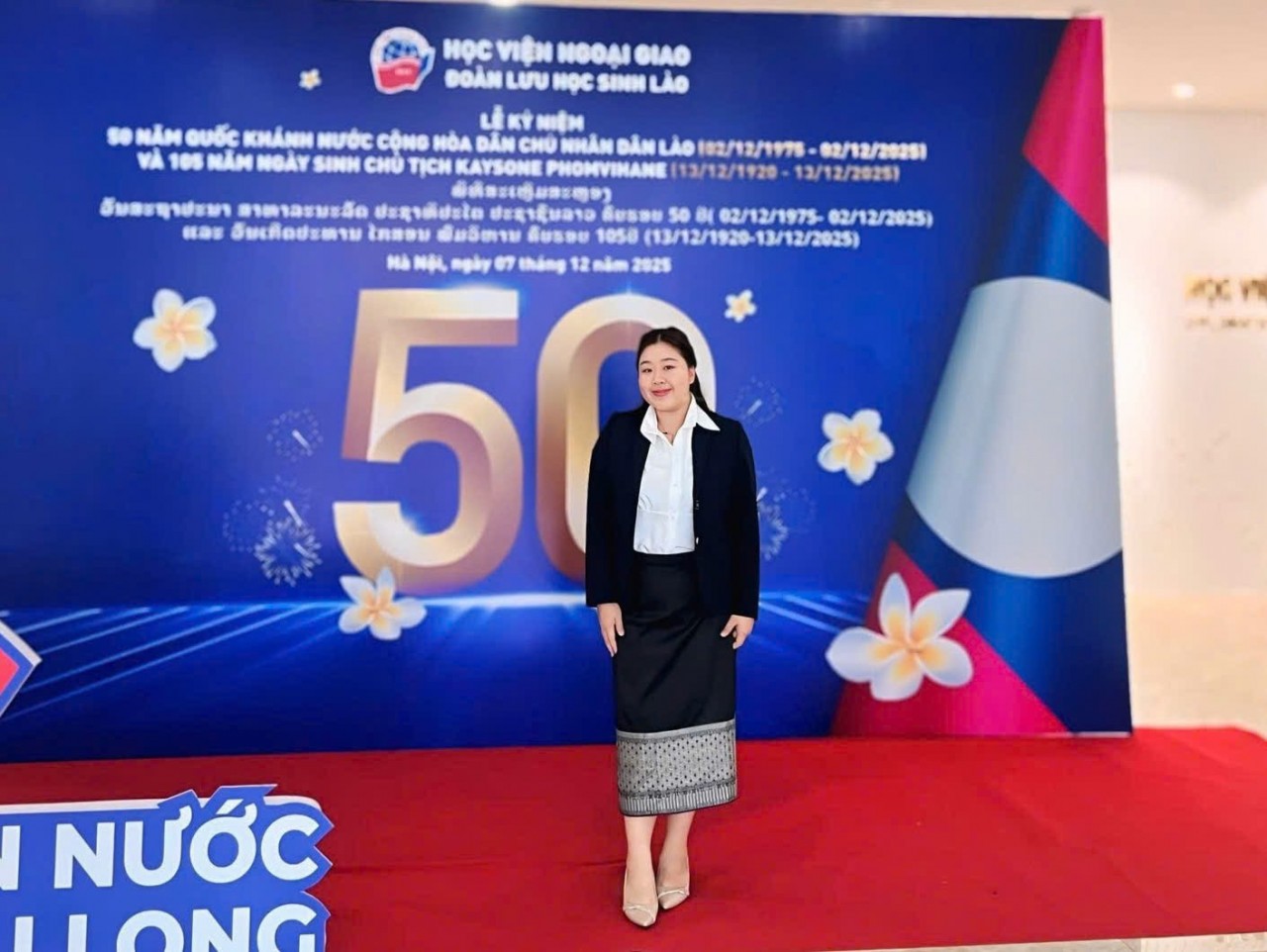 |
| Lattanaphone Phetphilanon expressed: “Election day in Vietnam is an occasion for citizens to exercise their democratic rights directly and demonstrate the spirit of social unity.” (Photo: Courtesy of the interviewee) |
Lattanaphone Phetphilanon, a Lao national and a master’s graduate in International Relations from the Diplomatic Academy of Vietnam, was impressed by the combination of a vibrant atmosphere and discipline in the organization of the election.
“Wherever I go, I see the red flag with the yellow star and large banners and posters promoting the 2026 election day. What surprised me is that the atmosphere here is very different from what I imagined about a political event. It is not tense at all; instead, it creates a sense of excitement,” she said.
Through conversations with Vietnamese students, she noticed that many young people, especially those who will be voting for the first time, are enthusiastic about discussing their choices of representatives who will speak on their behalf. In her view, election day in Vietnam is an occasion for citizens to directly exercise their democratic rights and demonstrate the spirit of social unity.
“I believe Vietnam’s election will be a success. A new leadership apparatus that gains the people’s consensus will certainly help Vietnam’s economy continue to grow and further elevate your country’s position on the international stage,” Phetphilanon said.
Souphalak Soukpanya, Second Secretary, Assistant to the Ambassador, and Deputy Secretary of the Youth Union at the Embassy of Laos in Vietnam, said that the atmosphere of preparation for the election in Vietnam has been clearly visible in recent days. Many agencies and organizations are actively carrying out preparations while strengthening communication efforts to help citizens better understand the significance of the election.
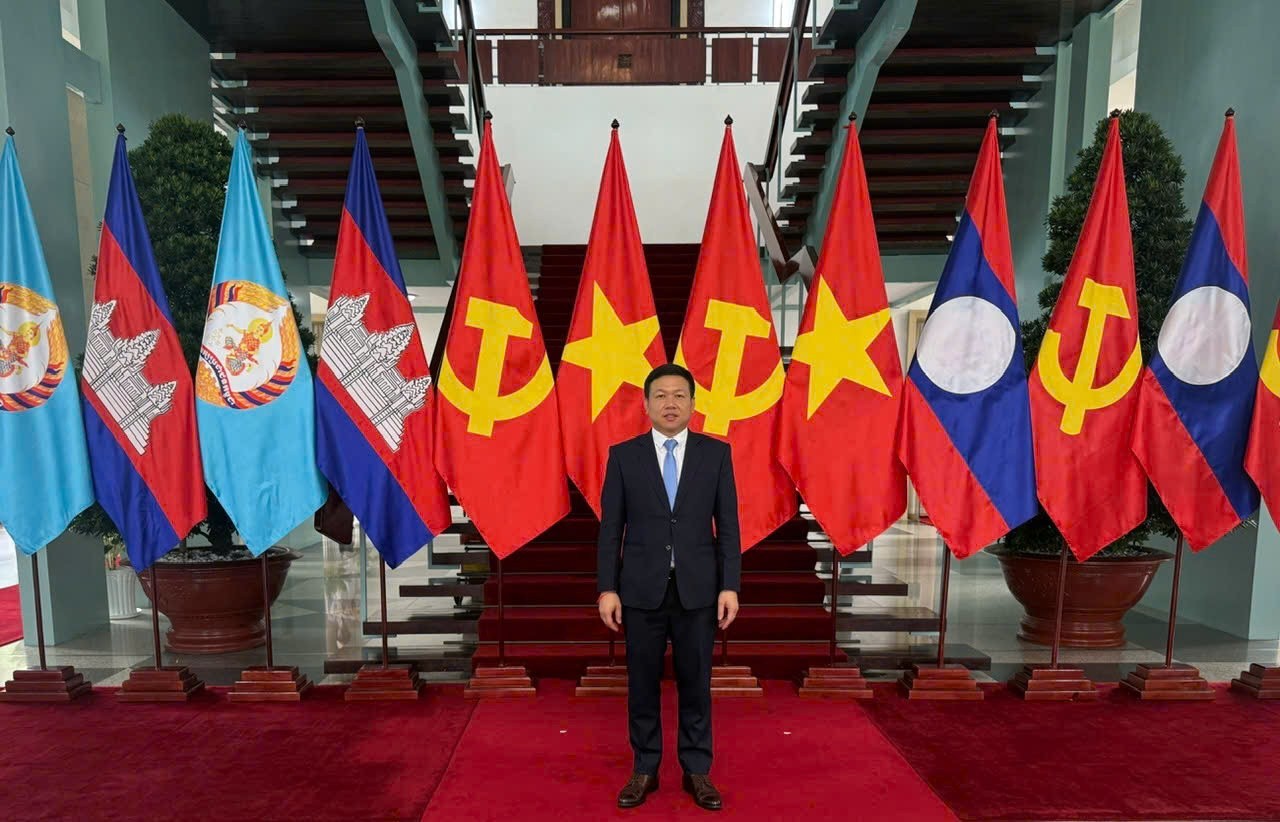 |
| Souphalak Soukpanya, Second Secretary, Assistant to the Ambassador, and Deputy Secretary of the Youth Union at the Embassy of Laos in Vietnam. (Photo: Courtesy of the interviewee) |
He noted that, compared with the organization of elections in Laos, there are many similarities in the way preparations and implementation are carried out. Activities are conducted according to strict procedures and involve the participation of many levels and sectors. However, due to Vietnam’s larger population and broader scale of organization, the atmosphere surrounding the election preparations in Vietnam is also more vibrant and widespread.
He expressed confidence that Vietnam’s 2026 election will be successfully held thanks to thorough preparations and the attention of many segments of society.
Transparent information and the application of technology
Many international observers have expressed their impression of the use of digital technology in organizing and communicating about elections in Vietnam.
Phetphilanon noted that on mass media and social media platforms, information about the election of deputies to the 16th National Assembly and People’s Councils at all levels for the 2026-2031 term is updated in a transparent manner.
“I find it interesting that voters only need to scan a QR code in their residential areas to view the full biographies and action programs of the candidates. This combination of technology and political activity reflects a modern and open Vietnam.”
Zheng Yi, General Director of Van Phuong International Business Services Company Limited (Vietnam) and a visiting professor at the Artificial Intelligence Institute of Guangxi Minzu University (China), also spoke highly of Vietnam’s integration of technology into socio-political activities.
According to him, the use of QR codes to access election information, digital platforms such as VNeID to help voters update their data, and the connection of voter information with the National Population Database demonstrate that Vietnam is gradually modernizing its state management processes. New forms of communication, such as videos using artificial intelligence applications or digital election support stations organized by youth union members, reflect an open mindset in applying technology to serve socio-political life.
He said these digital transformation solutions help increase transparency and efficiency in organizing elections while also enabling citizens to access information more conveniently and quickly. Vietnam’s increasingly transparent and stable development environment also contributes to strengthening the confidence of international partners cooperating with and investing in the country.
Citizen responsibility and expectations for development
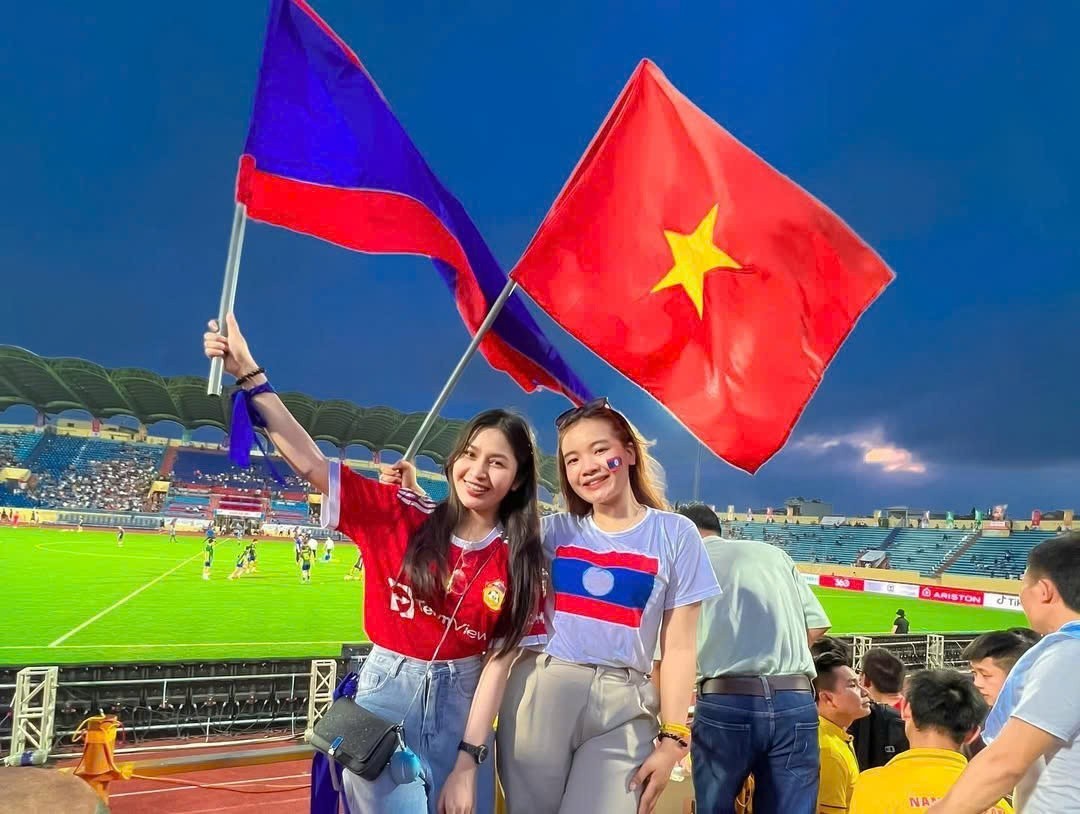 |
| Xaisomphone Sychanthavong (right) expressed hope that Vietnam will continue to achieve further accomplishments in socio-economic development and expand international cooperation. (Photo: Courtesy of the interviewee) |
Xaisomphone Sychanthavong, a Lao national and former student of the Vietnamese Studies Department at Hanoi University, said that although she has returned to Laos for work, she still regularly follows news about Vietnam, including the 2026 election.
According to her, the sense of responsibility and participation among Vietnamese citizens in the election is very evident. The solemn and lively atmosphere of election preparations reflects people’s interest in building and developing the country. Information about candidates, as well as the time and location of voting, is widely disseminated through the media and in residential areas, offices, and schools, helping citizens easily access information and better understand the significance of the election.
She believes that selecting capable, responsible representatives who are close to the people is extremely important, as these deputies not only participate in policymaking but also serve as a bridge between citizens and state agencies.
Looking at the election processes in Laos and Vietnam, she observed that the two countries share many similarities, particularly in their emphasis on the role of citizens in choosing their representatives. Election communication and mobilization activities are also organized systematically, although each country has its own characteristics in terms of political systems and organizational methods.
She expressed hope that Vietnam will continue to achieve many accomplishments in socio-economic development and expand international cooperation. In her view, Vietnam’s new National Assembly will continue to promote the special friendship, solidarity, and comprehensive cooperation between Vietnam and Laos in a sustainable manner. The two countries also have significant potential to strengthen cooperation in fields such as education, economics, culture, and people-to-people exchanges.
Rin Ratana, a Cambodian student at the Diplomatic Academy of Vietnam, said he has been following information about the 2026 election through newspapers and social media. He noted that election preparations in Vietnam have been carried out in a systematic manner, from communication campaigns to election mobilization activities. Information is widely disseminated through the media and within residential areas, demonstrating that citizens are paying close attention to this important political event.
According to him, selecting capable and responsible representatives is crucial for the development of any country, as those elected will represent the people in policymaking and in deciding on major national issues.
The role of the National Assembly in a new stage of development
Rin Keo, a Cambodian editor at VOV5, believes that this election holds important significance for Vietnam’s development process in the new stage.
According to him, after more than 40 years of the Doi Moi (Renewal), Vietnam has achieved remarkable accomplishments in economic growth, social development, and international integration. The 14th National Congress of the Communist Party of Vietnam has also outlined many new development orientations for the next stage. In this context, the election is not only a regular political event but also an opportunity to select representatives with the capacity and vision to continue improving institutions, enhancing governance effectiveness, and promoting development policies suited to the country’s new stage.
The restructuring and reorganization of the political system’s apparatus in 2025 demonstrate a strong determination to build a more streamlined and efficient system. This also places higher expectations on the 16th National Assembly and People’s Councils at all levels for the 2026–2031 term to strengthen their supervisory role, further improve the legal system, and ensure that policies are implemented effectively.
He noted that in the context of deep international integration and a regional environment marked by many changes, selecting deputies with strong political will, professional competence, and a spirit of service to the people is extremely important.
He expressed hope that Vietnam’s 16th National Assembly will continue to promote policies that strengthen cooperation with ASEAN countries, including Cambodia, thereby further deepening cooperative relations among countries in the region.
 | Four Fundamental Principles Ensuring Democracy in Vietnam’s Elections An election is the process by which citizens choose representatives to decide on the country’s most important issues on their behalf. Pursuant to Article 7 ... |
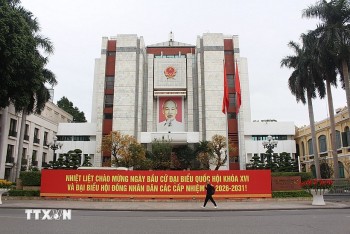 | Overseas Vietnamese in Japan Voice Expectations for New Policy Directions Ahead of National Elections Nguyen Duy Anh, Honorary President of the Vietnamese Association in Fukuoka (Japan), has arranged his work schedule to return to Vietnam to cast his vote ... |
Recommended
 Viet's Home
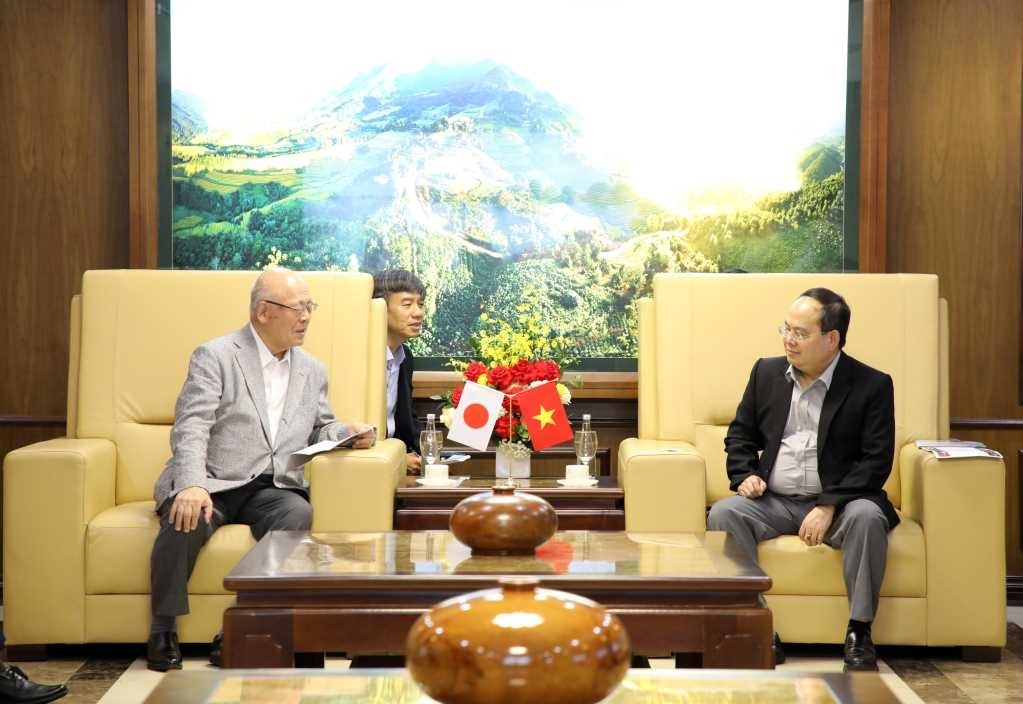
Promoting Cooperative Relations Between Hokkaido (Japan) and Quang Ninh
 Viet's Home
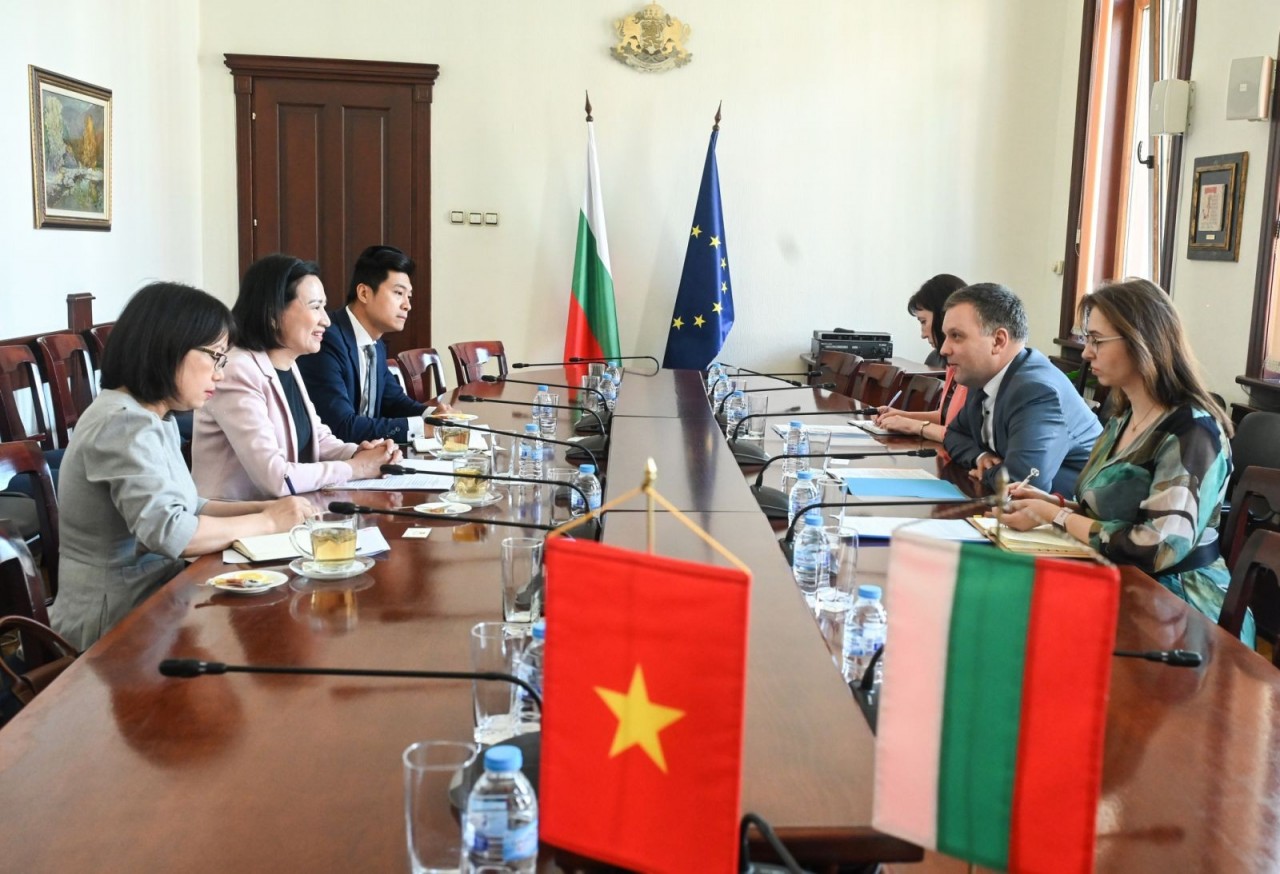
Vietnam, Bulgaria Promote Future Legal And Judicial Cooperation
 Viet's Home
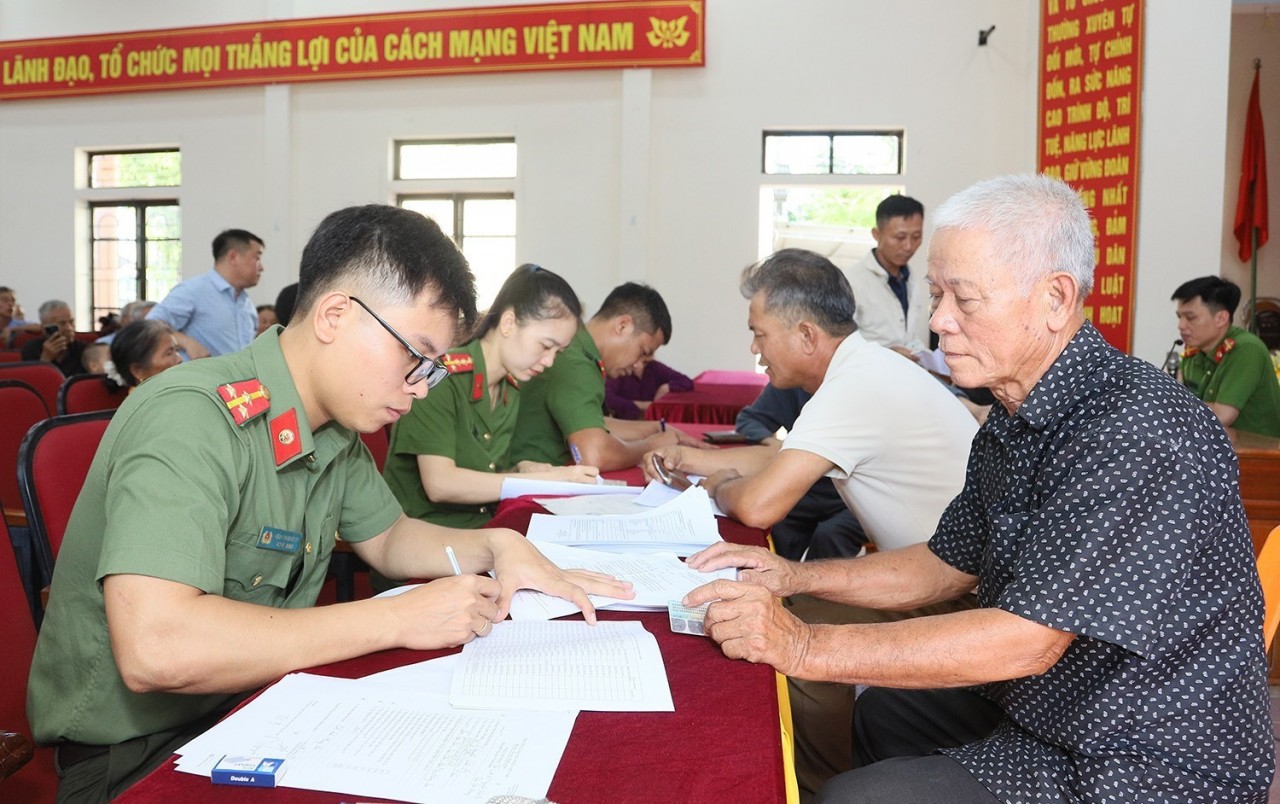
Vietnam Accelerates DNA Collection from Families of Unidentified Fallen Soldiers
 Viet's Home
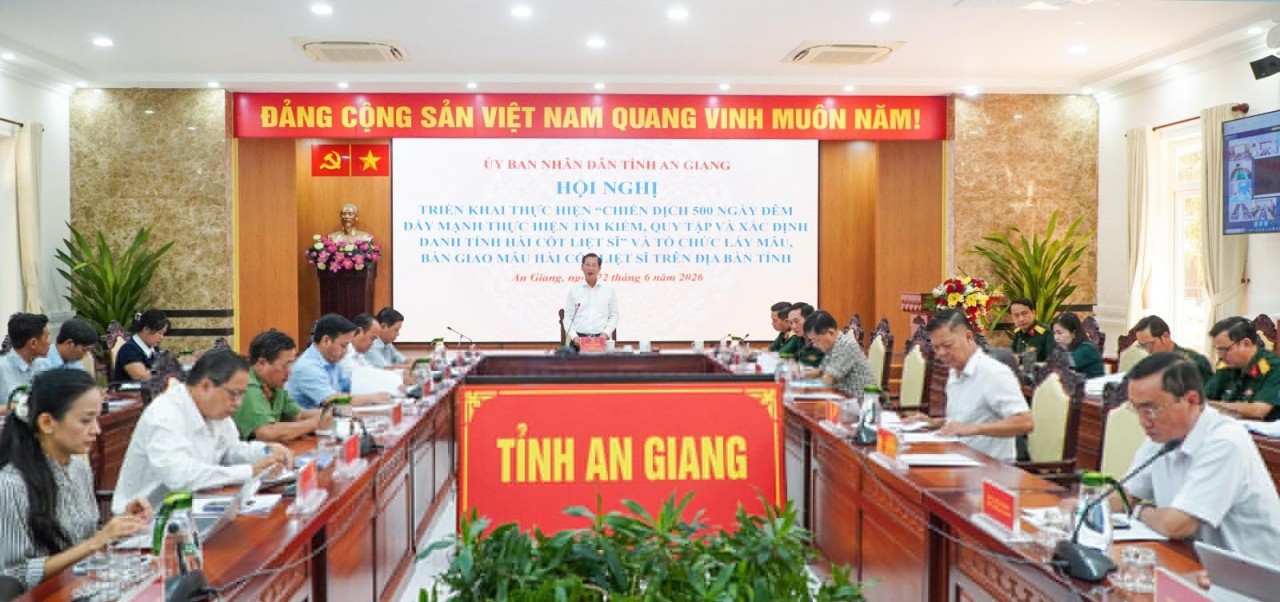
An Giang Aims to Collect 15,747 Martyrs’ Remains Samples for DNA Identification
 Viet's Home
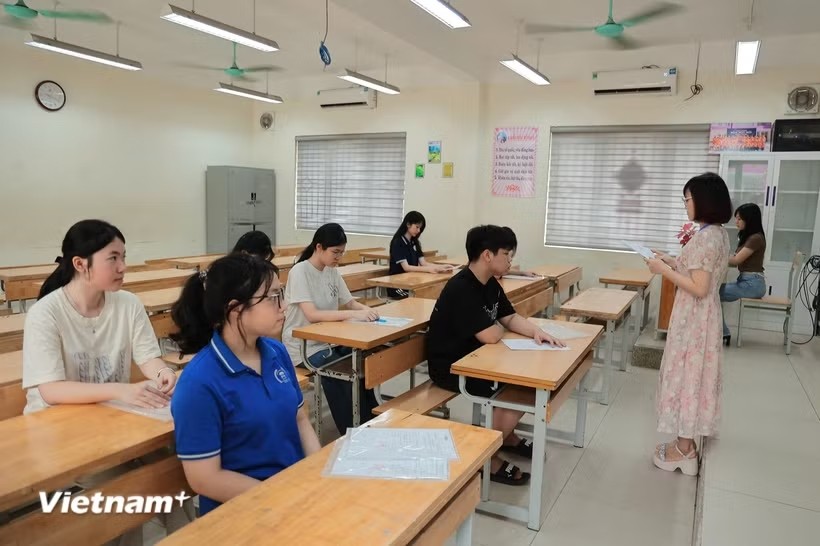
More Than 80% of Hanoi Students Gain Admission to Public High Schools for the 2026-2027 Academic Year
 Viet's Home
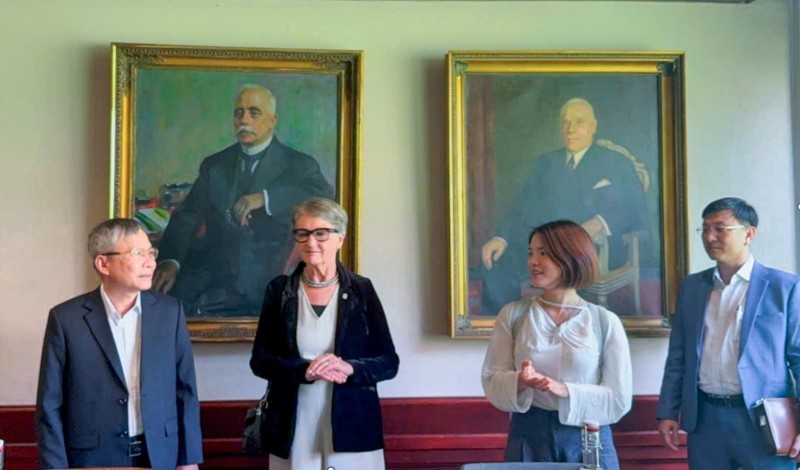
Da Nang and Turku (Finland) Strengthen Friendly Cooperative Relations
 Viet's Home
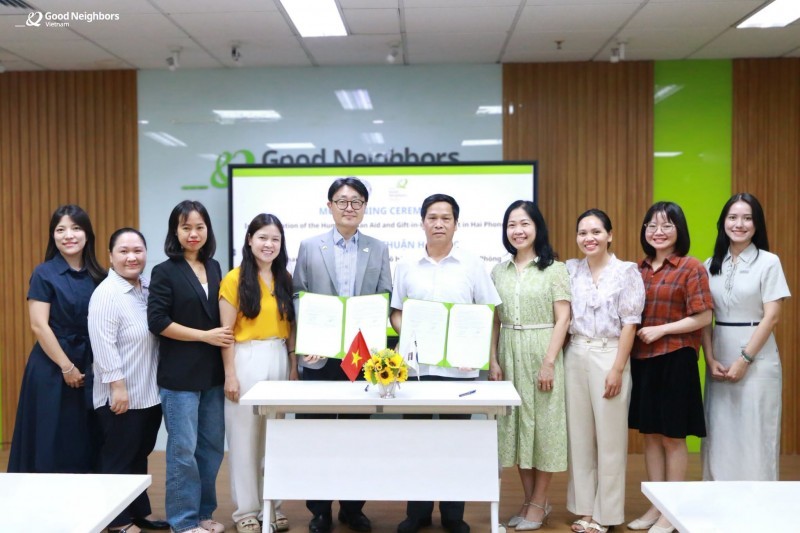
Good Neighbors Vietnam (GNI), Hai Phong City Union of Friendship Organizations Join Hands to Implement a Community Aid Program
 Viet's Home