
Ancestor worship reminds people of their roots

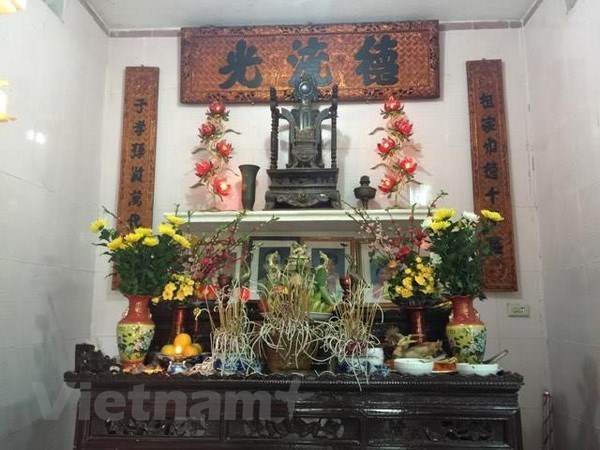 |
| Ancestor worship is an ancient Vietnamese tradition. Photo: VNA |
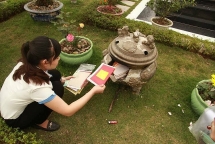
Ancestor worship, an ancient Vietnamese tradition, is a ritual practice paying tribute to deceased family members and reminding people of their roots.
The practice reflects the influence of patriarchy and Confucianism on Vietnamese culture.
Since Confucianism was introduced to Vietnam during the Chinese domination, filial piety, the most fundamental of Confucian values, has been very much appreciated in Vietnamese families.
Accordingly, children are obliged to respect their parents in life and to remember them after they die. The practice of ancestor worship is thus an expression of “filial piety” toward deceased parents, relatives and ancestors.
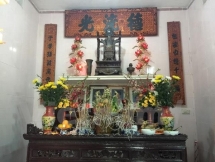
Most Vietnamese families have an ancestral altar placed in a prominent place of the house.
The ancestral altar is set with ancestral tablets and pictures, together with an incense burner bowl in the centre as a symbol of the stars. Inside the bowl usually stands a circular incense stick that represents the universe. Two candles are placed on the sides of the altar to embody the sun (left) and the moon (right).
On special occasions like ancestors’ death anniversaries or the Lunar New Year, special rites are performed to communicate with the dead. The rites consist of making offerings of fruits, foods and wine; lighting the candles; and burning incense before praying in front of the altar.
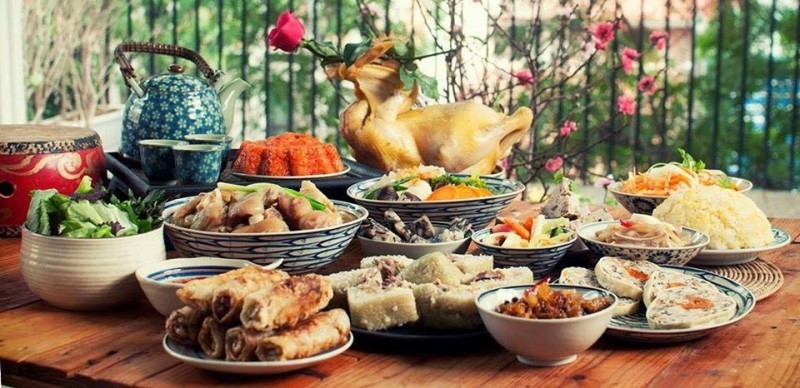 |
| A traditional food tray for Tet. Photo: Internet |
Tet, or Lunar New Year, is the most important festival of the year for Vietnamese people and a time for family reunions. It is an opportunity for descendants to invite the souls of their ancestors to join the family’s Tet celebration.
On these days, every home has a tray filled with five types of fruits placed on the ancestral altar. The fruits may include a bunch of bananas, pomelo, persimmon, pear and tangerine in different colours to represent the desire for “phu” (prosperity), “quy” (notability), “tho” (longevity), “khang” (health) and “ninh” (peace).
The altar may also be decorated with a branch of peach blossoms in warm pink to drive away evil spirits and bad luck.
The ancestral altar occupies a prominent place in every Vietnamese home, no matter whether the family is rich or poor. It is a manifestation of the country’s culture that shows its respect for both the past and the future./.
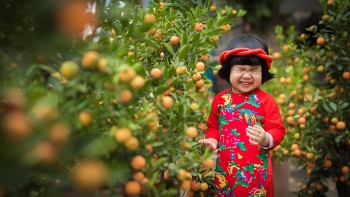 | Kumquat tree - plant for Tet and its interesting facts At Lunar New Year, most Vietnamese families buy a kumquat tree - a symbol of prosperity. However, did you know, inside this small fruit, there ... |
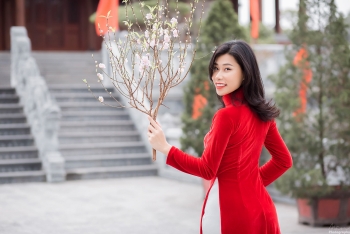 | Peach blossoms, flower of Vietnamese Lunar New Year In the north of Vietnam, peach blossom (hoa dao) is still the first image that comes to people's mind when talking about the color of ... |
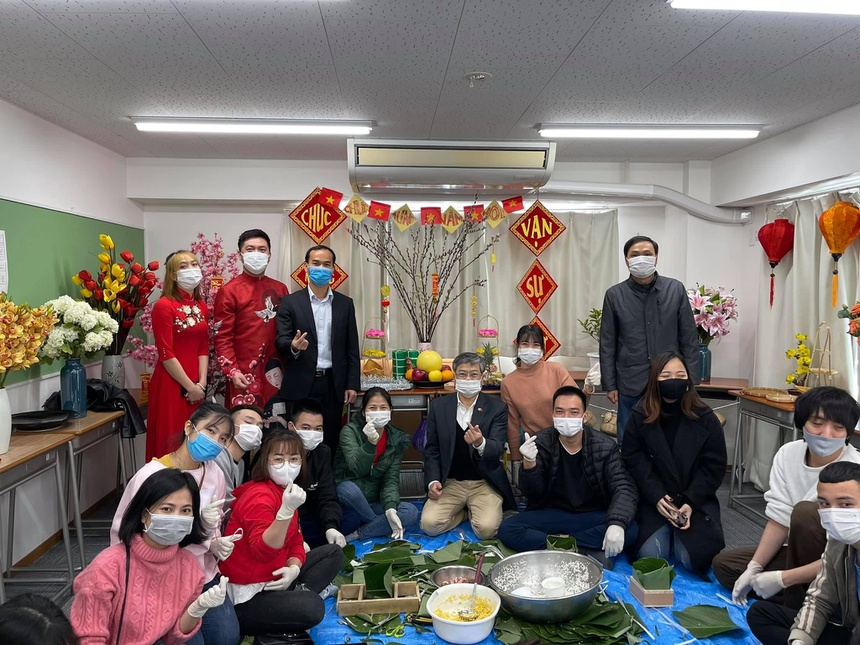 | Vietnamese expats in Japan gather for Tet holiday "Vietnamese Lunar New Year in Kyushu during Covid-19 period" is the first Tet event to be held for the Vietnamese community in the southwestern provinces ... |
Related Stories
 National
Vietnam News Today (Mar. 3): Vietnam, Brazil Push Cooperation in Agriculture, Energy and Biotechnology
 Travel
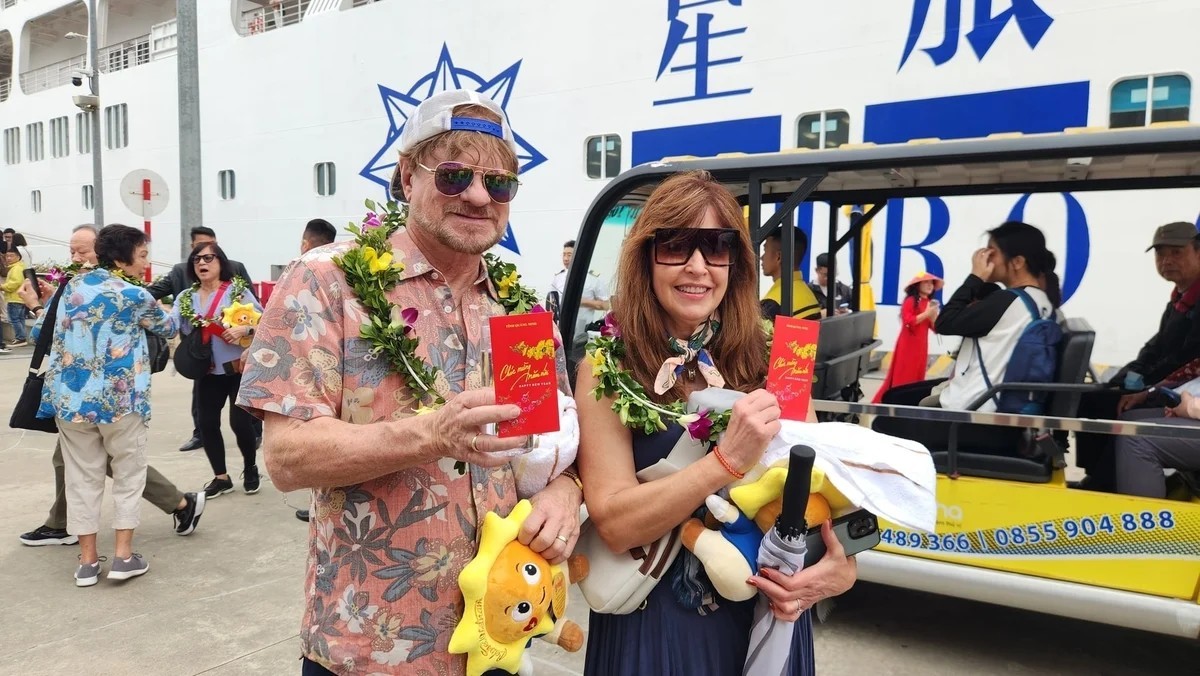
Vietnam’s Tourism Sector Kicks Off 2026 with 14 Million Tet Holiday Arrivals
Recommended
 Viet's Home
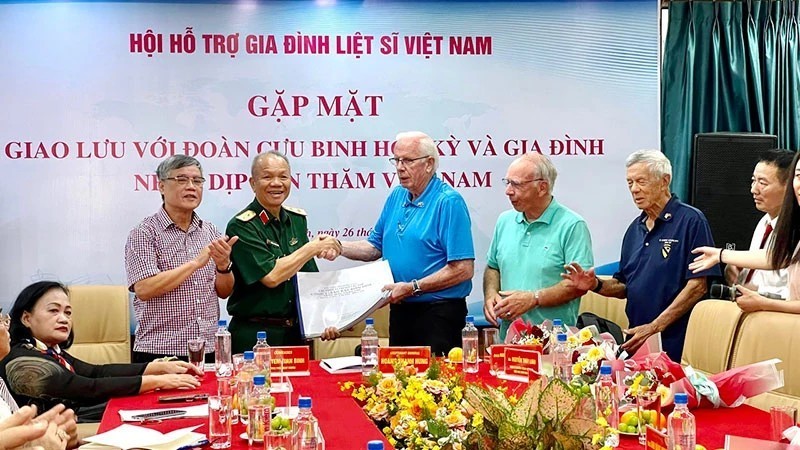
Two US Veterans on Mission to Bring Vietnam’s Fallen Soldiers Home
 Viet's Home
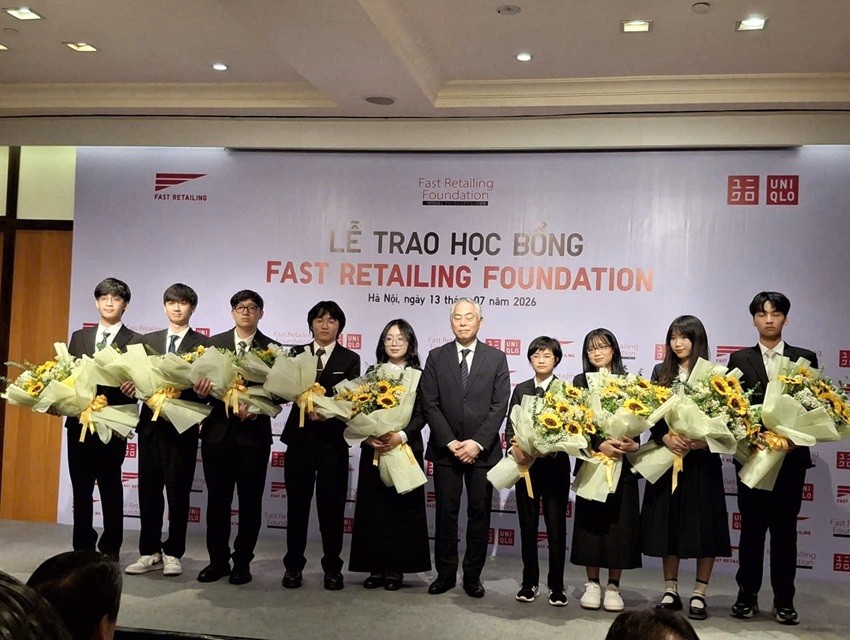
9 Vietnamese Students Receive Full Scholarships from Fast Retailing Foundation in Japan
 Viet's Home
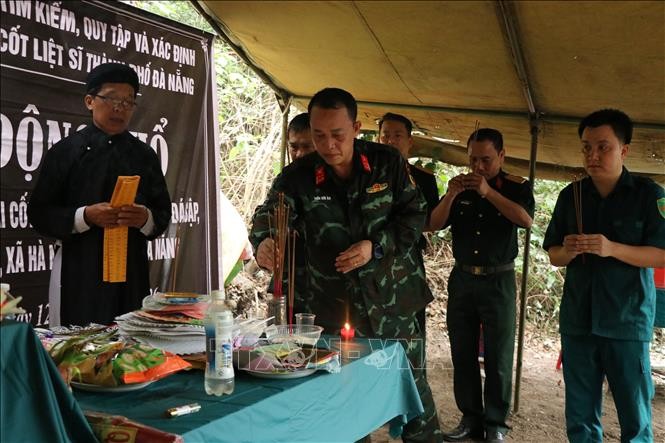
Many Fallen Soldiers' Remains Recovered in Da Nang and Cao Bang
 Viet's Home
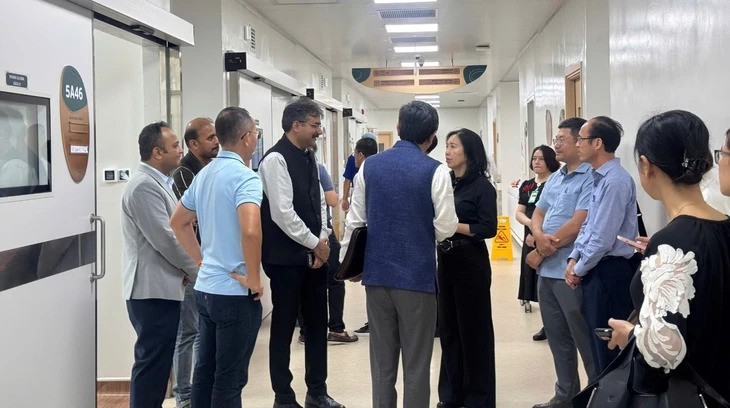
Indian Ambassador Thanks Vietnam for Swift Response to Phu Quoc Speedboat Capsizing
 Viet's Home
Portugal Crowned Champion of 2026 Da Nang International Fireworks Festival
 Viet's Home
Ca Mau Enhances Capacity of Officials to Effectively Mobilize International Aid
 Viet's Home
Over 50 Calls and Messages Help Search for Fallen Soldiers at Tan Son Nhat Airport
 Viet's Home