Beauty and historical value of Vietnamese ancient costumes in Nhat Binh ao dai.
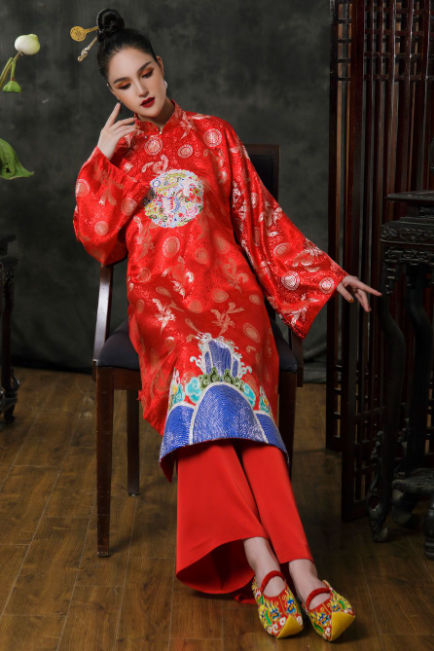
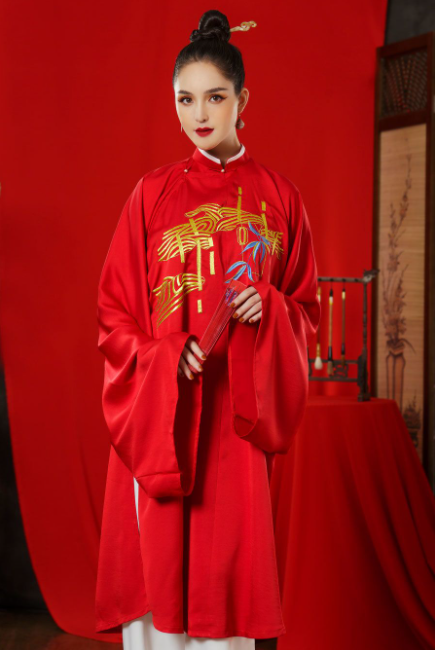
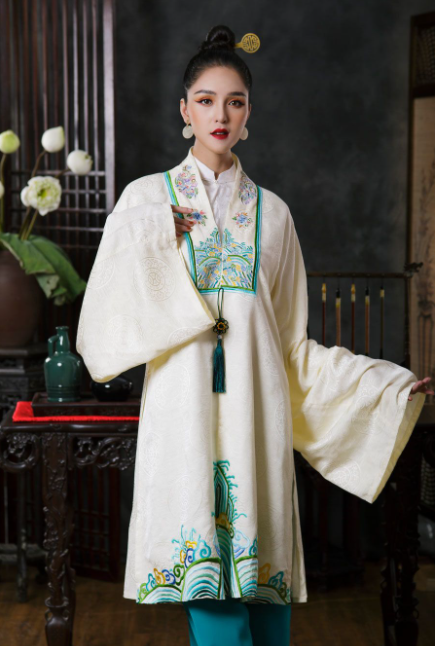
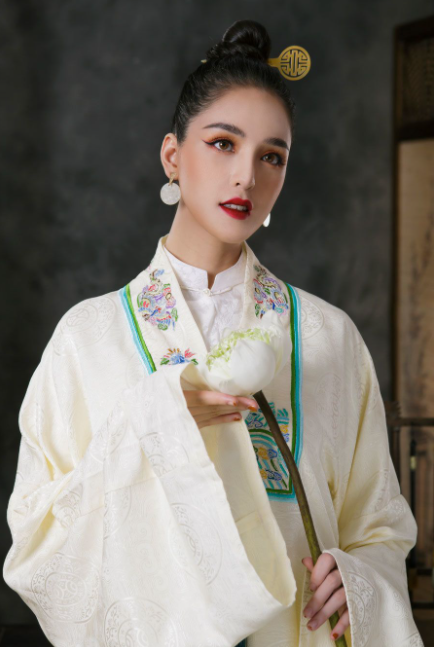
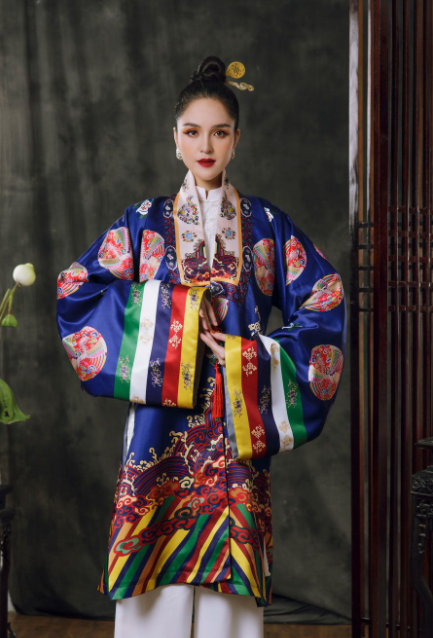
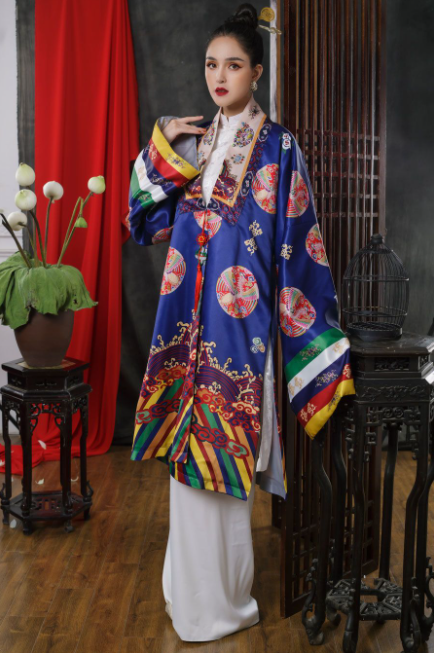
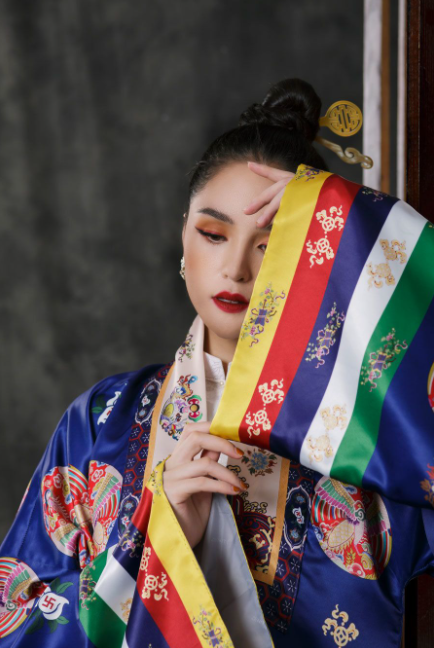
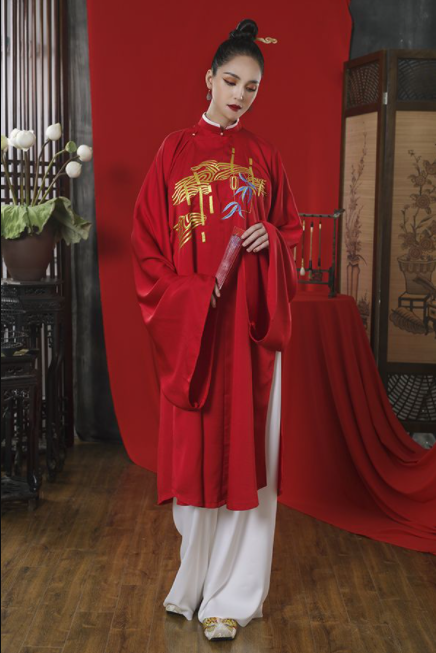
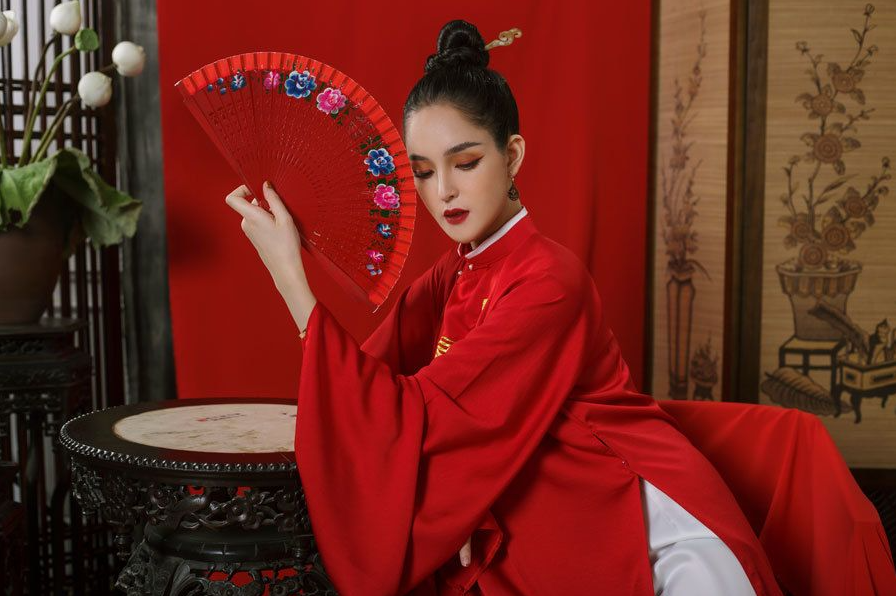
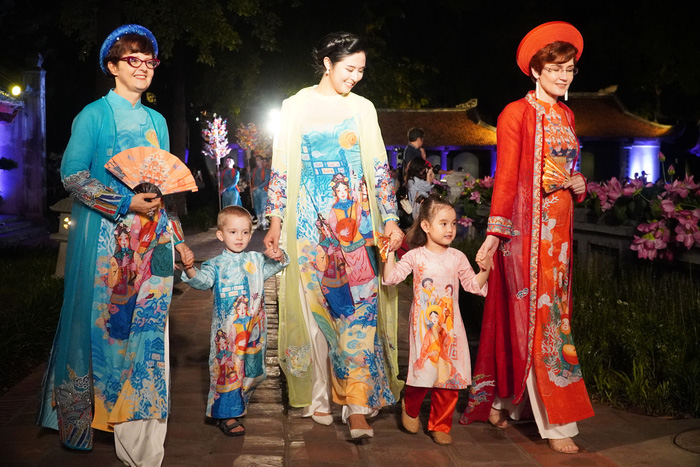
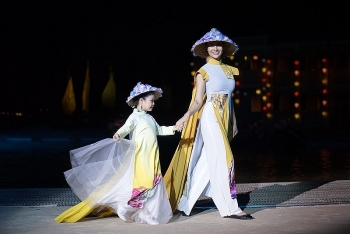
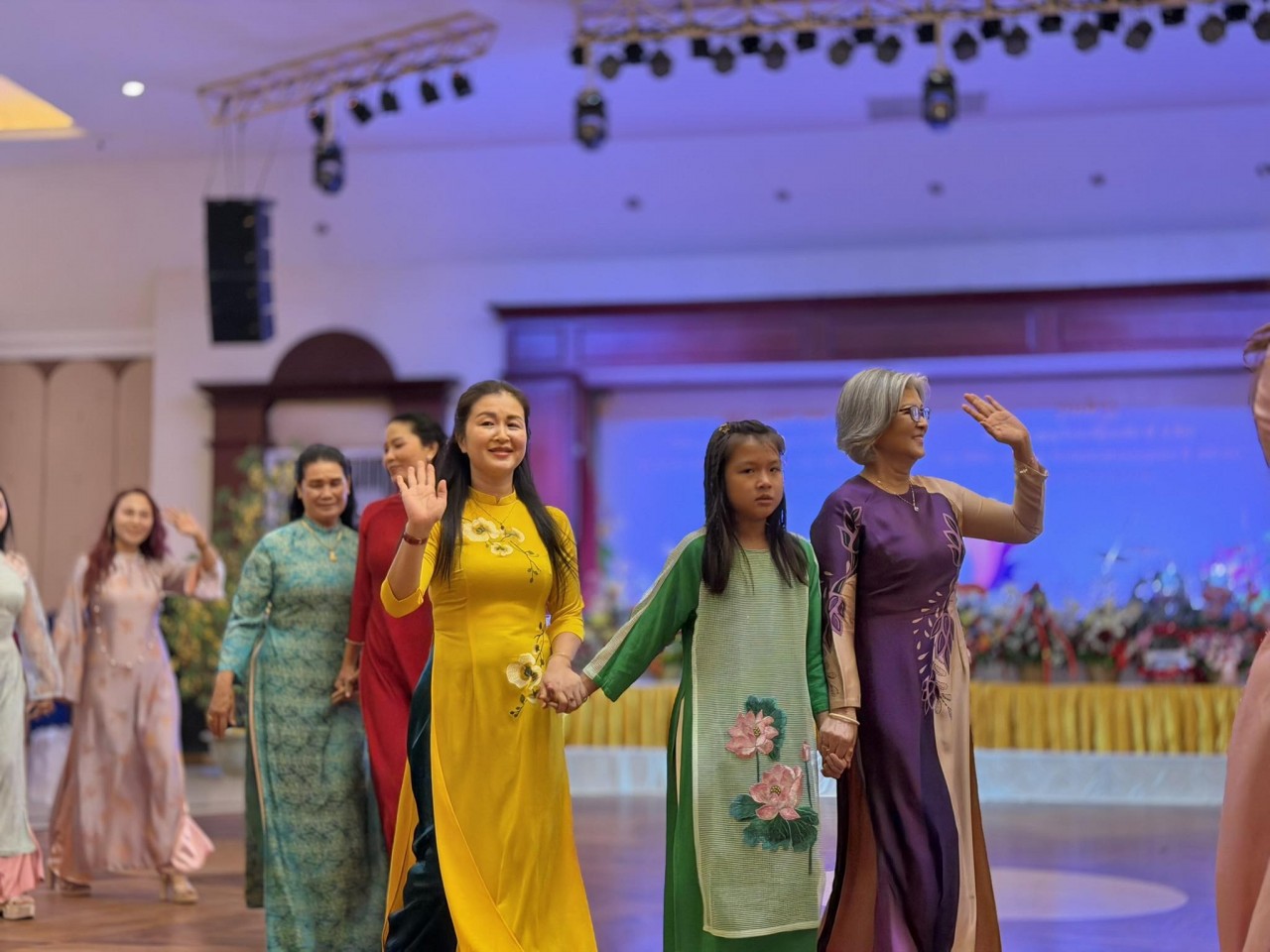
With the desire to honor the beauty and historical value of Vietnamese ancient costumes, a Vietnamese designer invested in researching and designing the collection of Vietnam's ancient Nhat Binh ao dai.
Designer Quyen Nguyen said, with the desire to honor the beauty and historical value of Vietnamese ancient costumes, she invested in researching and designing the collection of Vietnam's ancient Nhat Binh ao dai.
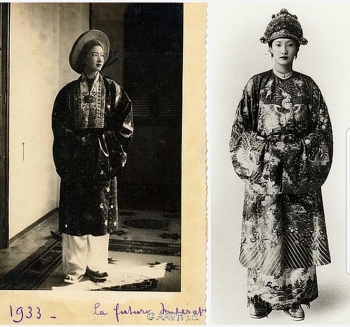
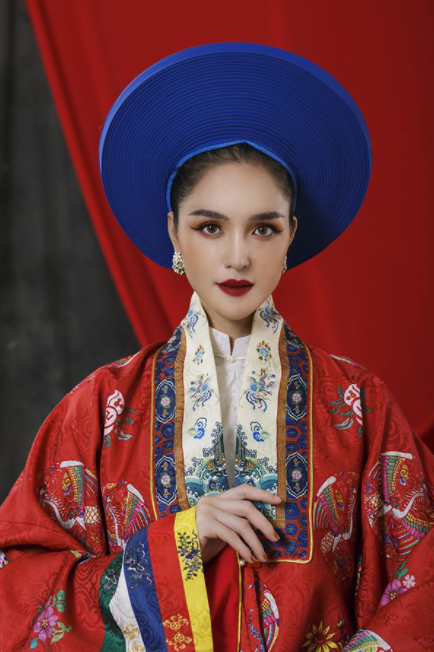
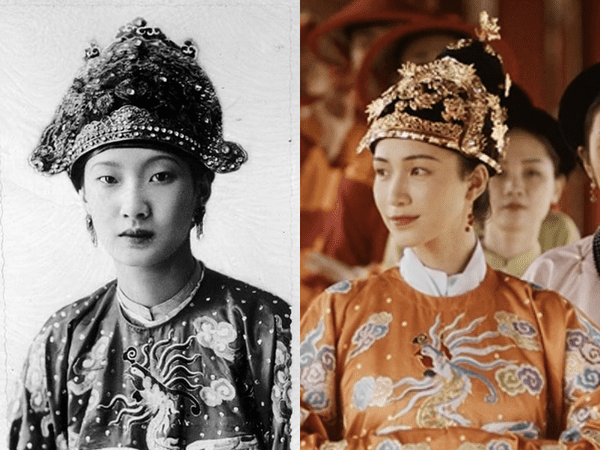
According to NTDVN, in the past 60 years, Nhat Binh has almost disappeared in Vietnamese daily life. Nhat Binh is the everyday costume of the royal consorts and princesses of the Nguyen Dynasty. The costume is decorated with colors and embroidery designs classifying royal levels. For example, the Nguyen Dynasty queen's Nhat Binh is decorated with 20 patterns of folk animals: dragon, phoenix, pheasants,... Nhat Binh gets its name due to the rectangle embroider patterns in its collar. When the Nguyen Dynasty fell, this costume became a formal outfit of the nobility to be worn on a number of important holidays, especially weddings.
In the Gia Long emperor period, when wearing the Nhat Binh, royal consorts put on a type of jewelry called Kim Uoc Phat (whose shape is currently unknown). By the reign of Thieu Tri, Kim Uoc Phat was replaced with Kim Phuong, and the latter period of the Nguyen Dynasty, Nhat Binh was accompanied by khăn vấn (Vietnamese turban) - the most common combination as seen today.
Because the dye is easy to fade, royal people did not wash their Nhat Binh. They just dried them in the sun a few times a year and then scented them in a wooden casket. The royal women usually combined Nhat Binh with white silk underclothes.
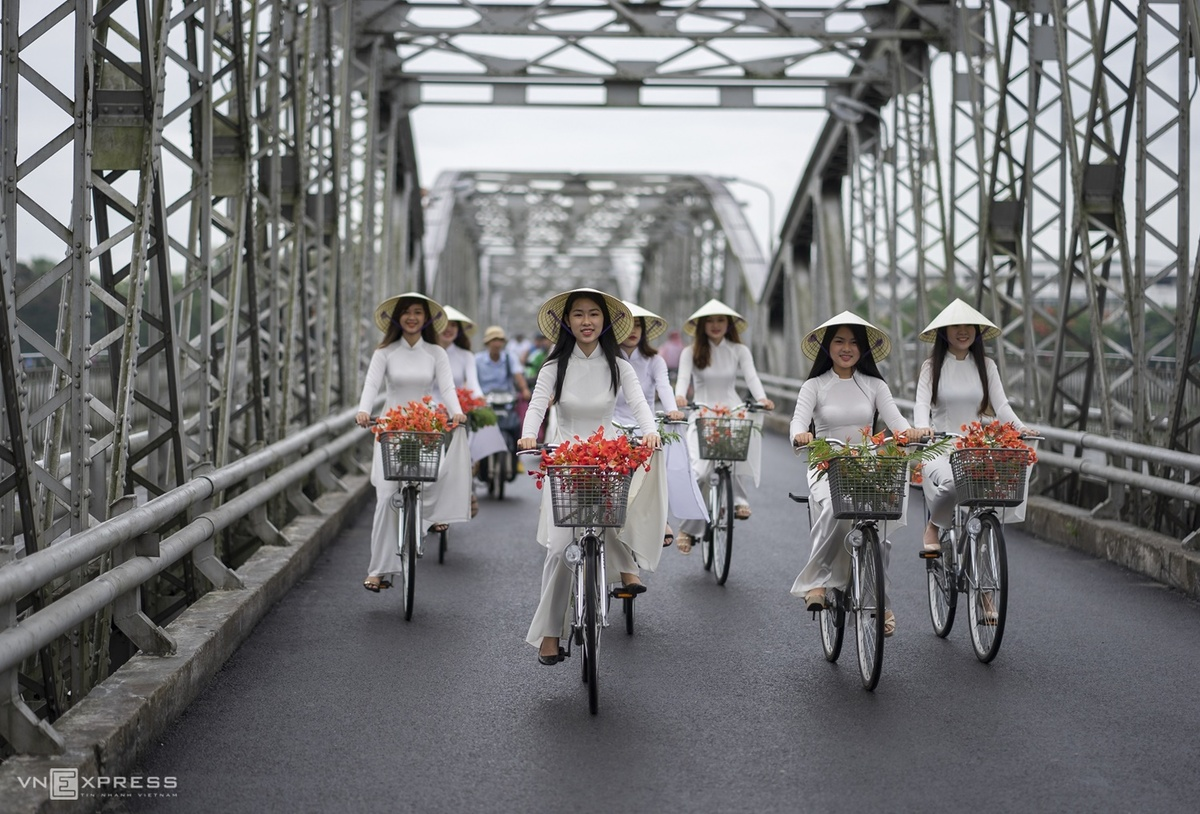
Recently, Nhat Binh and other types of Vietnamese ancient ao dai have been brought back to daily lives by Vietnamese fashion designers. Nhat Binh is now chosen by many young couples as wedding costumes.
The music video Khong The Cung Nhau Suot Kiep (We Can’t Be Together Eternally) became an instant hit thanks to its accurate depiction of the story of Emperor Bao Dai ...
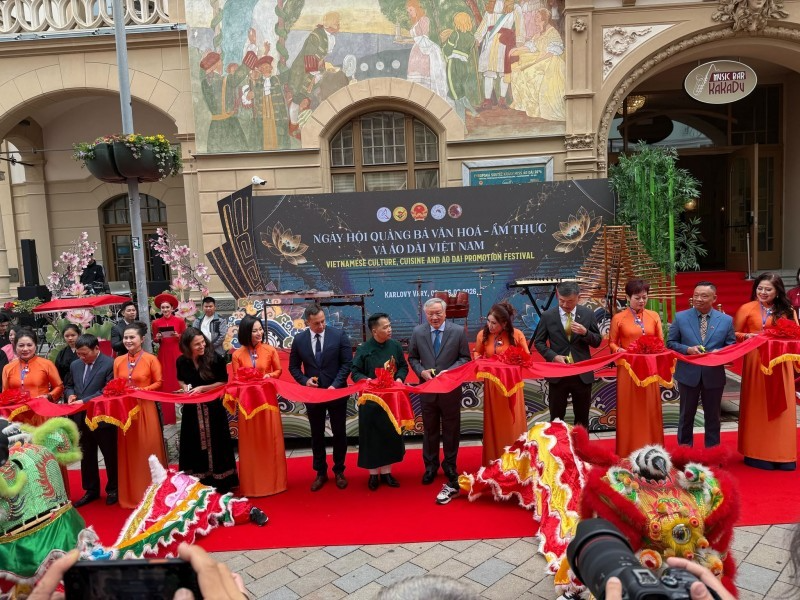
The “Vietnamese Culture, Cuisine, and Ao Dai Promotion Festival” took place on June 5 in the city of Karlovy Vary, Czech Republic, attracting large numbers of local residents, international visitors, and members of the Vietnamese community. The event helped showcase the beauty of Vietnam’s traditional culture while strengthening people-to-people exchanges between the two countries.
The Vietnam Ao Dai Heritage Club in Laos, under the Vietnam Ao Dai Heritage Club and the Vietnam Cultural Heritage Preservation Support Fund, held a ceremony to celebrate International Women’s Day on March 8 and launch the club under the theme “Vietnamese Ao Dai - Connecting Cultures, Spreading Identity.” The event took place on the evening of March 9 in Vientiane, Laos.
The Minister of Finance has issued Circular No. 84/2026/TT-BTC stipulating value-added tax (VAT) refunds for goods purchased in Vietnam by foreigners and overseas Vietnamese and carried with them upon exit.
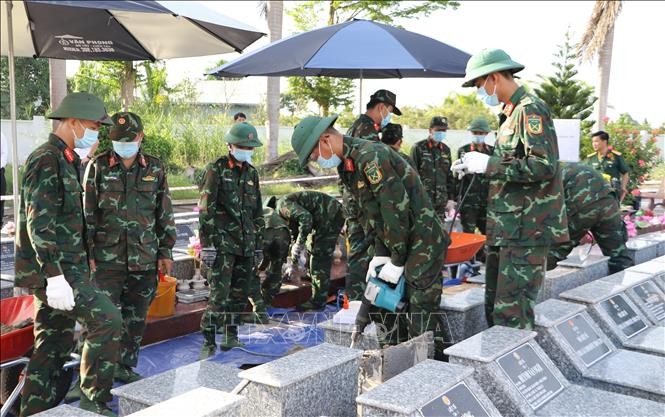
On behalf of the Secretariat, Tran Cam Tu, Politburo Member and Standing Member of the Secretariat, signed and promulgated Conclusion No. 57-KL/TW, dated June 24, 2026, on the organization of activities in preparation for the 80th Anniversary of War Invalids and Martyrs Day (July 27, 1947 - July 27, 2027).
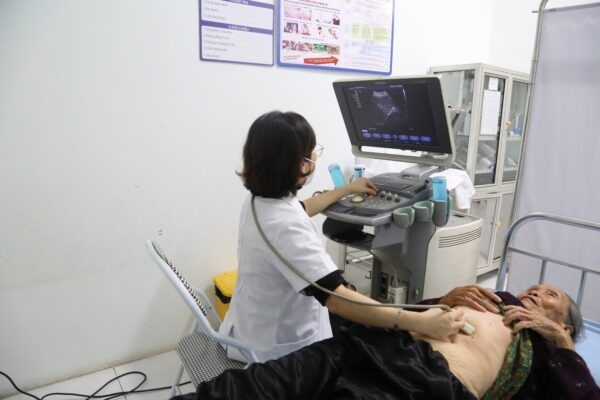
Deputy Prime Minister Pham Thi Thanh Tra has signed Decision No. 1116/QĐ-TTg dated June 22, 2026, issued by the Prime Minister, which amends and supplements Decision No. 1579/QĐ-TTg dated October 13, 2020, approving the Program on Elderly Care to 2030.
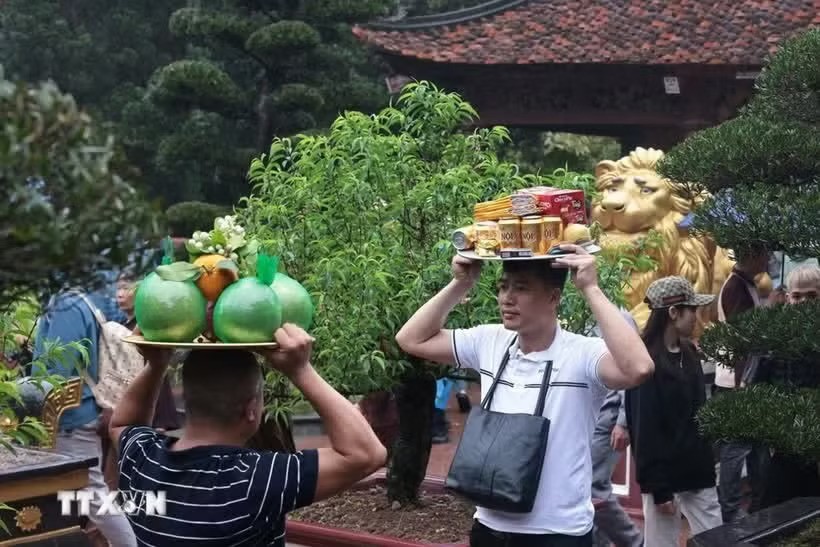
Twelve historical-cultural relics and scenic sites located in Chuong My Ward, Phuc Loc Commune, Ung Hoa Commune, and Vat Lai Commune have been officially recognized. This marks the second time this year that new heritage sites in the capital have been granted official status.
Deputy Prime Minister Pham Thi Thanh Tra signed Decision No. 1111/QD-TTg dated June 19, 2026, issued by the Prime Minister, promulgating the Plan for Organizing “Vietnam Culture Day” for the 2026-2030 period.
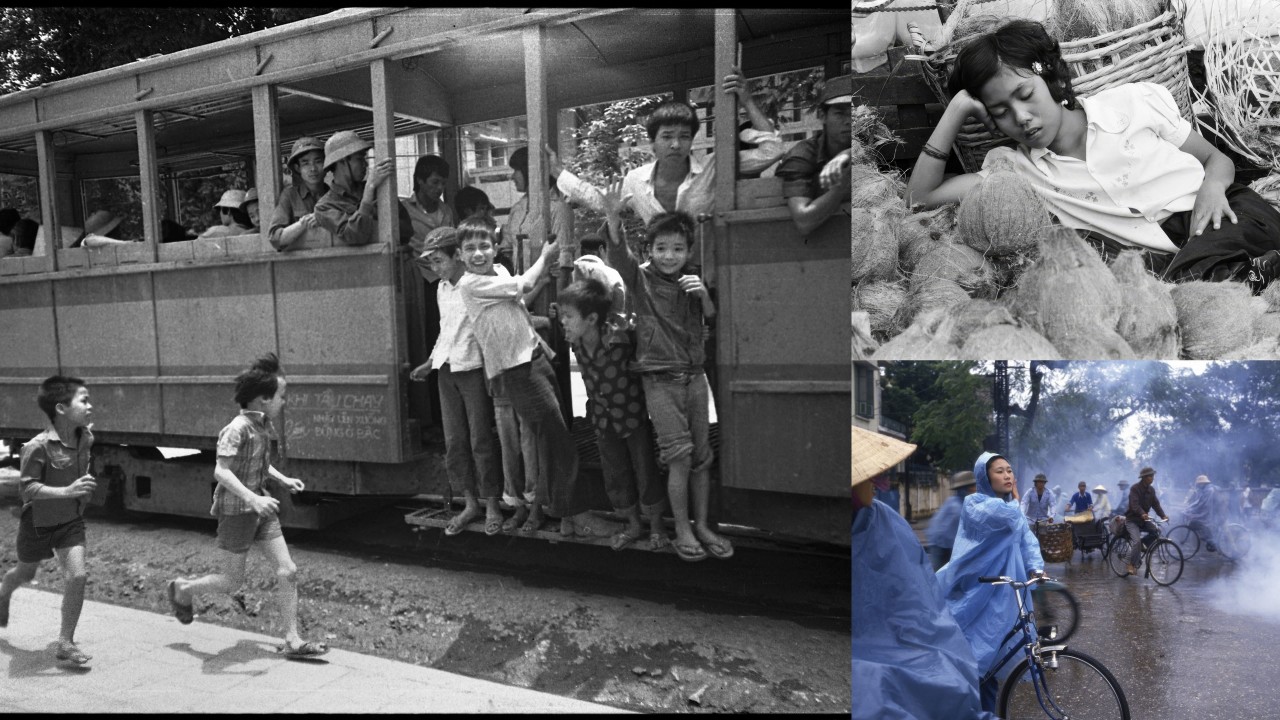
As part of the Hue Festival, three French photographers - Daniel Roussel, Gilbert Bertrand, and Lily Franey - will present a photo exhibition on Vietnam and its people entitled Vietnam Crossroads at the wall surrounding the University of Education, Hue University (32-36 Le Loi Street, Hue).
A free film week celebrating International Children's Day 2026 is being held nationwide from May 31 to June 7, featuring a wide range of animated and live-action films for young audiences.
Vietnam’s Ministry of Health has issued new “Guidelines on Professional Content for Periodic Health Checkups for Children Under 6 Years Old,” stipulating that children in this age group will receive health examinations at least once a year across multiple medical specialties to help detect physical, mental, and developmental issues early.






 Overseas Vietnamese
 Overseas Vietnamese
 Handbook
 Handbook
 Handbook
 Handbook
 Handbook
 Handbook
 Handbook
 Handbook