
Cinematic beauty at the foot of Hai Van pass
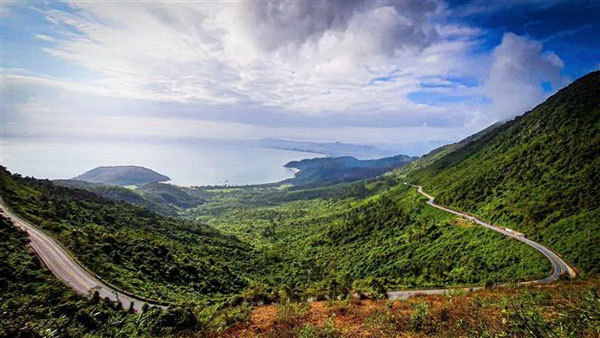
| Hai Van Pass - one of the most scenic hillside roads in Vietnam | |
| Vietnam opens longest road tunnel in Southeast Asia to traffic | |
| Hai Van Pass: an awesome coastal road trip in the Central Vietnam |
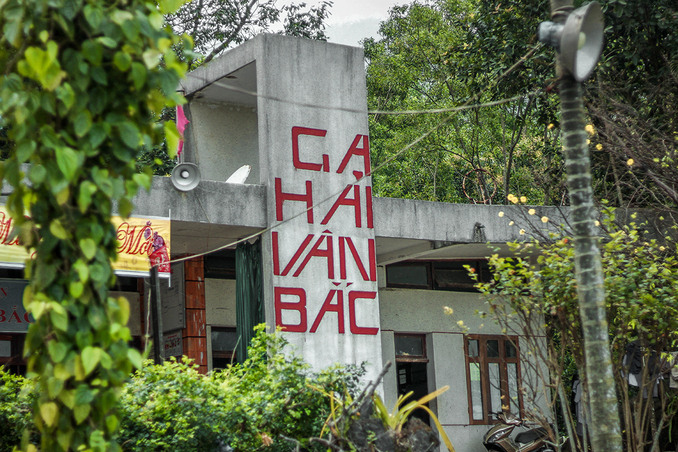
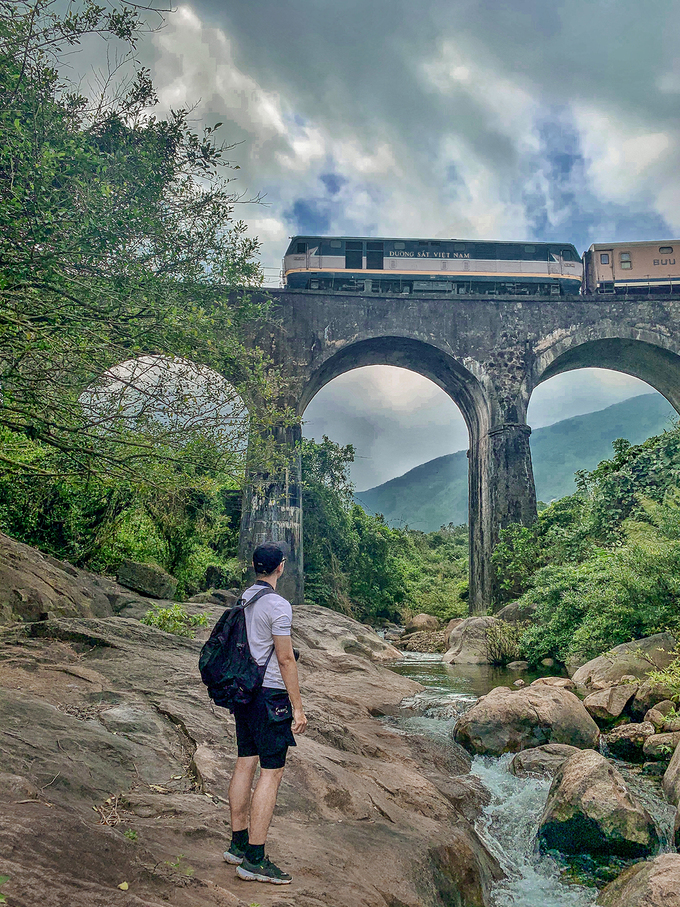
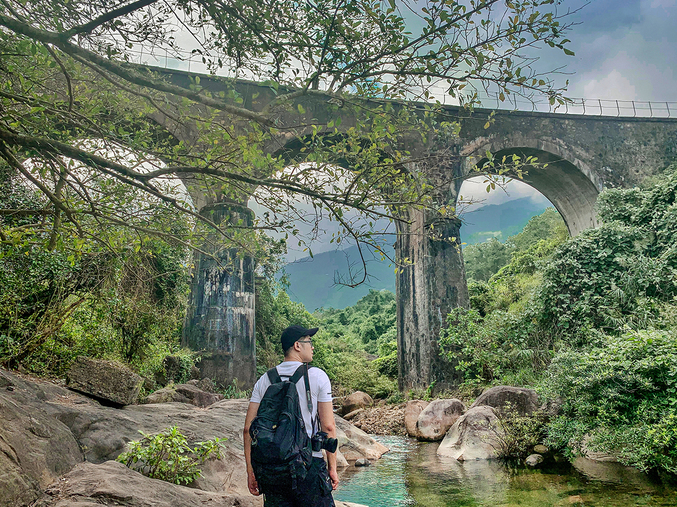
Le Phuong Tung, 21 years old, took beautiful pictures at the Hai Van Bac railway station and the foot of the Don Ca arch bridge. His photo set attracted more than 8,000 likes on social networks.
Hai Van Bac Station is located in Phu Loc district, connecting Lang Co station and Hai Van station. The train station is located on the North-South railway, with no access to vehicles, as it is the place where trains stop before moving on. This location is about 80 km from Hue city center, 30 km from Da Nang.
From the foot of the pass on the side of Thua Thien-Hue, driving about one more kilometer, you will see a yellow guard site, which is opposite a concrete road leading to the station. Continue driving for one more kilometer, you will meet the train line at the end of the road, then walk along the train line to the right to meet this train station.
 |
| Photo: VN Express |
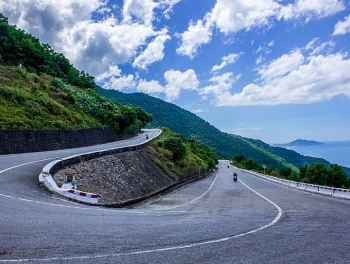
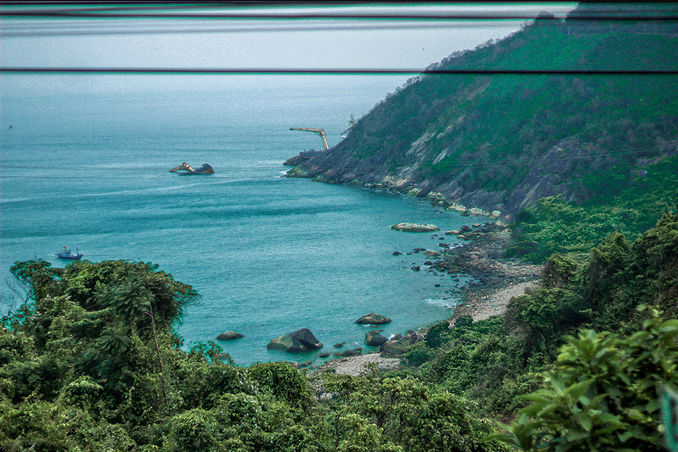
Hai Van pass has long been famous for its beautiful and majestic natural scenery. If you follow the train track about 700 m, you will reach the arch bridge of Vom Don Ca. On the way, visitors can observe the panoramic view of the pass. Tung, the photographer, shared, the road to the Vom Don Ca arch bridge was peaceful, surrounded by birds singing, leaves, and waterfall rustling.
 |
| Photo: VN Express |
 |
| Photo: VN Express |
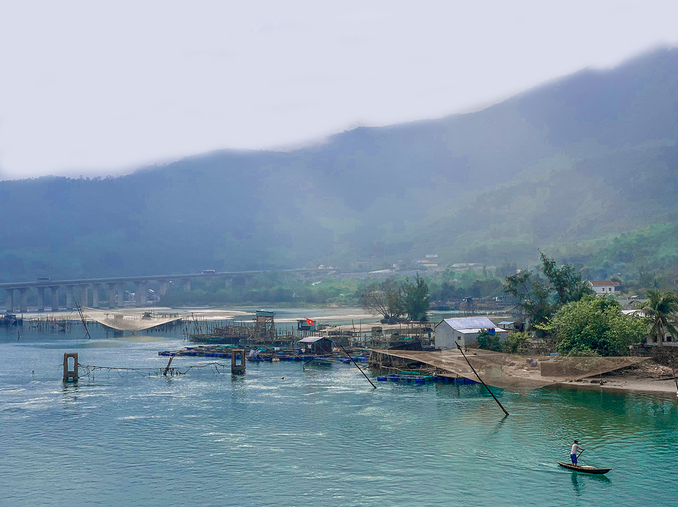
Tung was born in Hue and has a passion for sharing beautiful photos of unfamiliar places in this old-time capital. He said this place was loved by many people running through the pass, though not much of it is known to local people and tourists due to the lack of access roads and unexploited tourism. The wildness and newness of this place are what attracts the young man to explore.
The best time to visit these two places is early in the morning when the weather is not too hot or sunny. Visitors may also have a chance to hunt clouds on the pass.
 |
| Photo: VN Express |
 |
| Photo: VN Express |
 |
| Photo: VN Express |
 | Vestiges unearthed at Hai Van Gate An excavation on the Hai Van Gate relic complex which sits atop its namesake mountainous pass, about 490m above sea level, in central Vietnam has ... |
 | Hai Van Gate recognised as national relic Hai Van Gate, which sits atop its namesake mountain pass in central Vietnam, separating Da Nang city and Thua Thien-Hue province, has been recognised as ... |
 | Hai Van Pass among world’s top 10 best scenic drives The UK’s Guardian magazine has named Vietnam’s Hai Van (Sea Cloud) Pass among the top 10 great scenic drives in the world. |



Most read





Related Stories
 Travel
Top Coral Reef Diving Destinations in Viet Nam for Summer 2026
 National
Vietnam News Today (July 12): Vietnam Ready to Share Digital Transformation Experience with Timor-Leste
 National
Vietnam News Today (July 10): Third Vietnam-Laos Border Defense Friendship Exchange Gets Underway
 Travel
French Magazine Highlights Must-Try Dishes of Vietnam Cuisine
Recommended
 Travel
Leveraging Cuisine to Elevate Vietnam's Tourism Brand
 Travel
Ho Chi Minh City Boosts Tourism Revenue Through High-Value Visitor Strategy
 Travel
Vietnam Ranks First in Number of Foreigners with Long-Term Stays in RoK
 Travel
Bringing Essence of Vietnamese Cuisine Closer to Europe and the World
Popular article
 Travel
Russian Arrivals to Vietnam Nearly Triple in First Half of 2026
 Travel
Can Tho Diversifies Tourism Products to Attract More Visitors
 Travel
Developing Phong Nha-Ke Bang into a World-Class Tourist Destination
 Travel