
Copyright and Cultural Industries: “Soft Key” for Vietnam to Reach the World
 | Vietnam purchases copyrights of precious documentaries about Uncle Ho and Saigon after liberalization |
| Vietnam's Vie Channel sues Sweden-based Spotify AB for copyright infringement |
In recent years, many Vietnamese artists have spoken out about the unauthorized copying and exploitation of their works on digital platforms without royalty payments. According to the Copyright Office of Vietnam under the Ministry of Culture, Sports and Tourism, copyright infringement is becoming increasingly sophisticated and diverse, ranging from the illegal use of music on social media and the unauthorized streaming of films on unlicensed platforms to the exploitation of creative content for training artificial intelligence systems without the consent of authors.
The issue extends beyond the financial losses suffered by individual creators. At the macro level, prolonged copyright violations undermine creative motivation, make the cultural market less attractive to investors, and indirectly hinder Vietnam’s ambition to become a regional hub for the creative economy.
Recognizing this, the Party and the State have introduced a series of important policies within a short period of time. Politburo Resolution No. 80-NQ/TW (January 2026) and National Assembly Resolution No. 28/2026/QH16 (April 2026) on the development of Vietnamese culture officially establish culture as a pillar of the country’s sustainable development. The Strategy for the Development of Vietnam’s Cultural Industries through 2030, with a vision to 2045, approved by the Prime Minister in November 2025, together with Resolution No. 30/NQ-CP and the current Law on Intellectual Property, have created the clearest legal framework and strategic orientation ever for the cultural industry sector.
 |
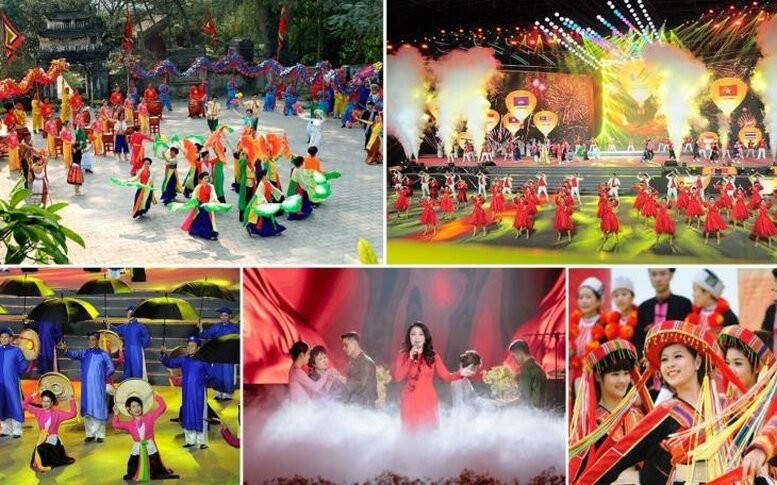
| Copyright and cultural industries: The “soft key” for Vietnam to reach the world.” (Illustrative photo) |
When copyright is violated, the entire creative ecosystem suffers
According to the Copyright Office of Vietnam under the Ministry of Culture, Sports and Tourism, cultural industries are no longer understood merely as cultural and artistic activities. They are increasingly becoming economic sectors based on creativity, technology, copyright, and the commercialization of intellectual property assets. Film, music, gaming, design, and handicrafts - each of these fields can become a sustainable source of economic revenue, but only when creative products are properly protected, exploited, and commercialized.
Without effective protection mechanisms, authors, artists, producers, and creative enterprises will struggle to maintain long-term investment motivation. Unauthorized use of works, non-payment of royalties, or illegal distribution of content in the digital environment not only affects the rights and interests of creative entities but also erodes market confidence and hampers the healthy development of cultural industries.
However, there is another aspect to the issue that is less frequently discussed. Applying copyright regulations too rigidly, prioritizing only the interests of rights holders while overlooking the creative rights of younger generations and the public’s right to enjoy culture, could also obstruct the dissemination of artistic works and undermine the objectives of cultural industry development.
In reality, experience in many developed markets shows that the greatest value of cultural industries does not lie in individual products, but in the ability to commercialize intellectual property ecosystems. A film can expand into a range of derivative products; an animated character can become a global brand; and a video game can generate revenue from advertising, image licensing, and digital content.
According to the Copyright Office of Vietnam, the ultimate goal is not to tighten control over rights, but to harmonize the interests of rights holders, creators, and the public, thereby promoting the widespread dissemination of Vietnamese cultural values to domestic and international audiences. Vietnam can foster business models based on intellectual property assets, such as licensing, franchising, copyright exploitation on digital platforms, the development of derivative products, and cultural tourism.
Media shapes public awareness
In practice, most current media coverage on copyright and cultural industries still focuses heavily on reporting events, disseminating legal documents, or covering enforcement actions. While such content is necessary, it is not sufficient to transform public awareness and social behavior on a broad scale.
Communication on cultural industries and copyright needs to pursue three more substantive goals: raising society-wide awareness of the economic value of cultural creativity; strengthening compliance with copyright law; and contributing to the development of a healthy digital content market that supports the international export of Vietnamese cultural products. To achieve this, the media must move beyond simply disseminating information to shaping public awareness and influencing how society thinks about and responds to copyright issues.
In practice, this means the press needs to do more: highlight success stories of businesses, startups, and artists that have transformed creative works into legitimate sources of income; clearly analyze the value chain from creation to copyright commercialization; and report not only on infringement cases but also on positive models of compliance. In particular, content should be tailored to different target groups, including regulatory agencies, digital platform enterprises, artists, and creators, as well as students and ordinary Internet users, with distinct language styles and communication approaches for each audience.
More broadly, digital transformation is creating entirely new markets for Vietnam’s cultural industries. OTT platforms, music streaming services, export-oriented gaming markets, and cultural tourism associated with handicrafts are all sectors in which Vietnam holds advantages but has yet to capitalize on them fully. This is partly because the copyright ecosystem has not operated smoothly and partly because public awareness of the value of intellectual property assets remains limited. The media can and should play a catalytic role in changing both of these factors.
Experts believe that Vietnam is now at a turning point in its journey toward building a cultural industry sector. The legal framework has been significantly improved. Policy orientation has been clearly defined at the highest level. What remains lacking is more substantive support from the press and media so that these policies can truly penetrate daily life, changing the awareness and behavior of businesses, artists, and consumers alike. When copyright is respected as a foundation of creativity and when the cultural market operates transparently, Vietnam can fully emerge as a regional center for cultural exports.
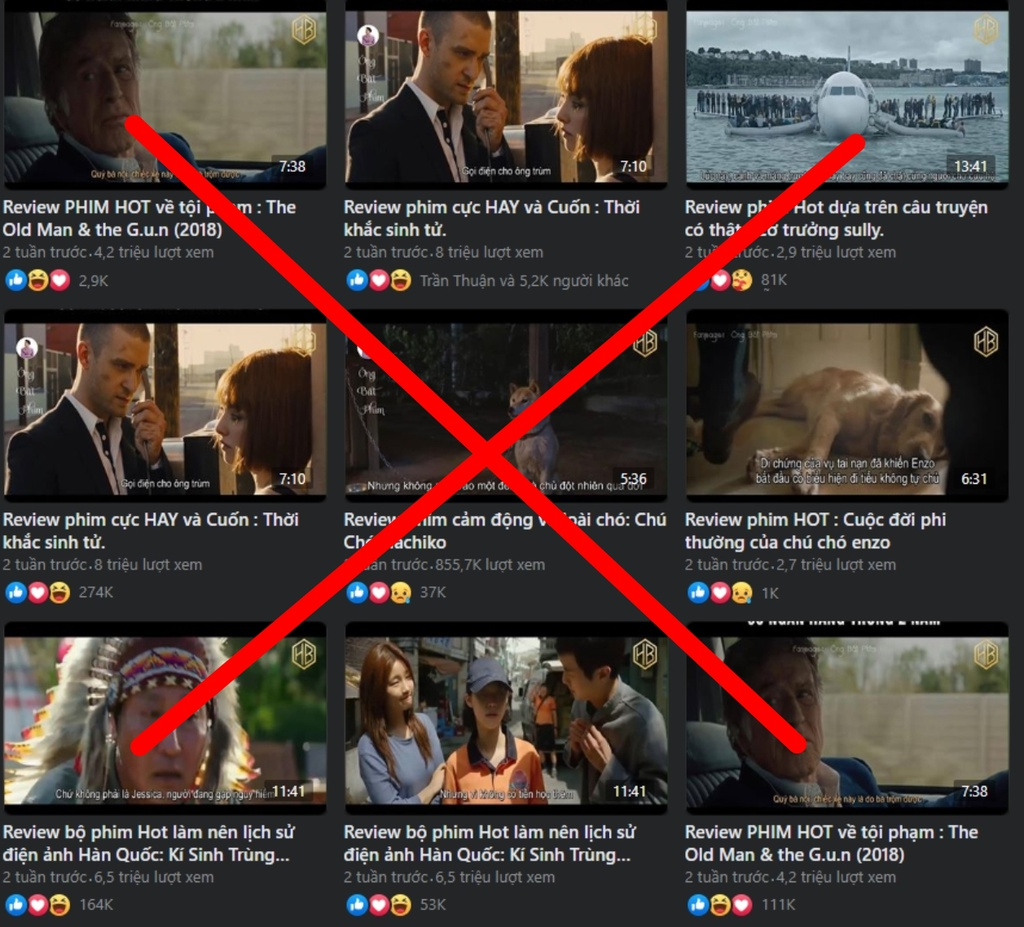 | Earning thousands of dollars from spoiling film contents on social platforms in Vietnam Videos that spoil films have mushroomed on social media platforms in Vietnam and brougt the spoilers thousands of dollars from the infringement of copyright. |
 | Overseas Vietnamese Support Viet’s Books to Be Introduced to Asian Market In addition to the sale of copyright for Vietnamese books to the Asian market, domestic publishers have cooperated with Vietnamese bookstores of overseas Vietnamese. |


Most read


Related Stories
 Viet's Home
Quang Tri Provincial Authority Widen Scope For Search of Fallen Soldiers’ Remain Amidst Limited Information
 World
World
French Adventurer to Cycle 19,000 km to Vietnam, Taking on 14 of Asia and Europe's Highest Passes
 Travel
Vietnam Accelerates Tourism Digitalization with AI and Data Technologies
 National
Top Leader Highlights Role of Vietnam’s Revolutionary Press in Digital Age
Recommended
 Handbook
Conclusion No. 57-KL/TW: Highest Priority to the Search, Recovery, and Identification of Fallen Soldiers' Remains
 Handbook
Elderly to Receive Free Annual Health Check-ups at Least Once a Year In Vietnam
 Handbook
Hanoi Recognizes Additional Historical and Scenic Sites
 Handbook
Plan for Organizing “Vietnam Culture Day” for 2026-2030 Period
Popular article
 Handbook
Photo Exhibition by Three French Photographers on Vietnam
 Handbook
Free Film Week for International Children's Day Held Nationwide
 Handbook
Children Under 6 to Receive Annual Health Checkups
Handbook