
Exhibition Praises Poetic Beauty of Hanoi
 | Hanoi's Many Faces: A Foreigner's View |
| Exhibition to Commemorate 30 Years of Japan Famous Comic Series held in Hanoi |
According to the artist, life in Hanoi is filled with gentle, harmonic tensions. This idea is powerfully developed in Pham Binh Chuong's "Down the Streets 4," which features layers of scenes and details. Beyond recognizable vistas, his painting displays Hanoi's rich, overlapping textures.
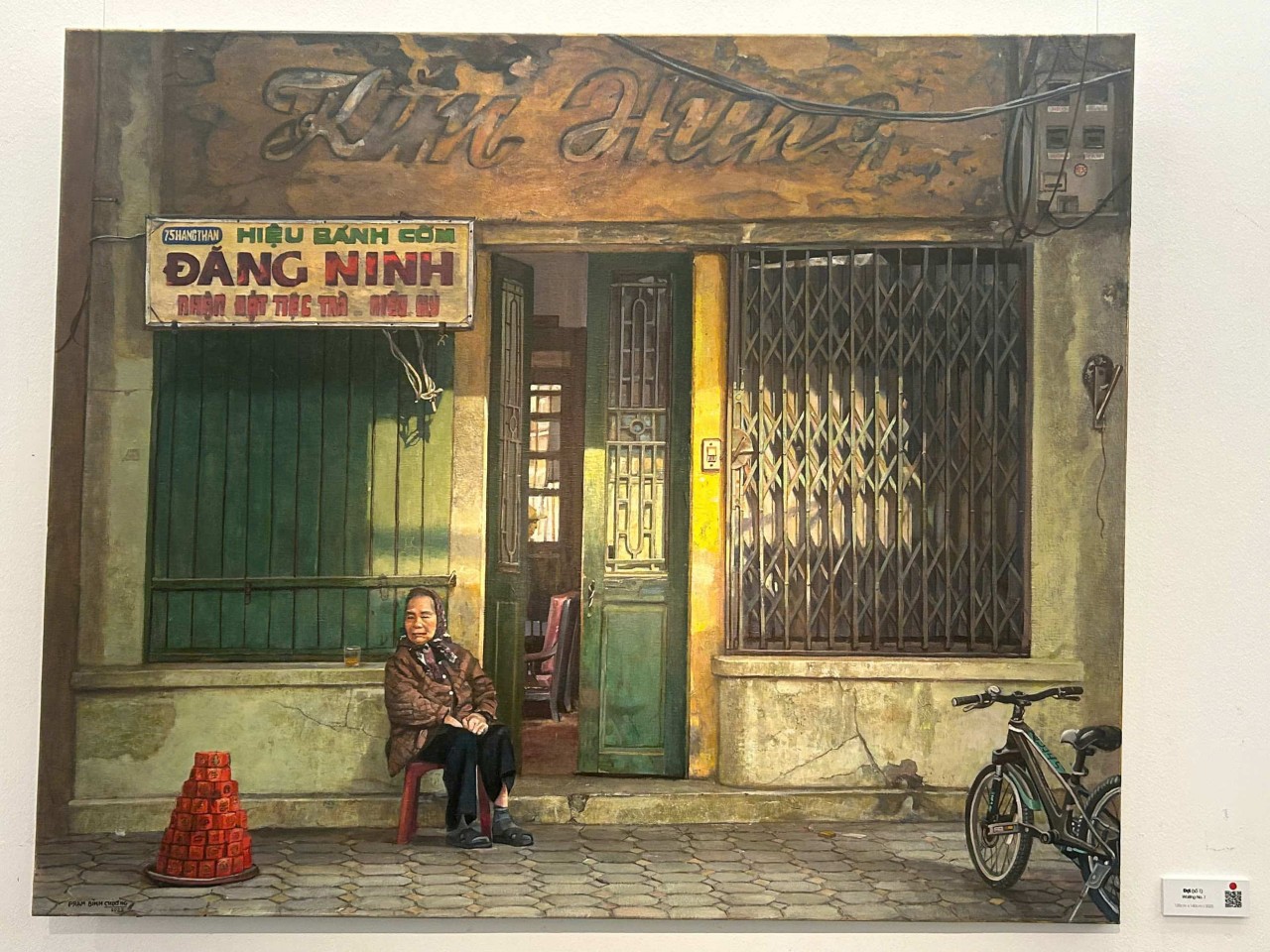 |
| "Waiting" by artist Pham Binh Chuong |
For Pham Binh Chuong, Hanoi appears to have everything an artist requires: an intriguing blend of ancient and modern, quiet and bustling, and the uniqueness of its four seasons.
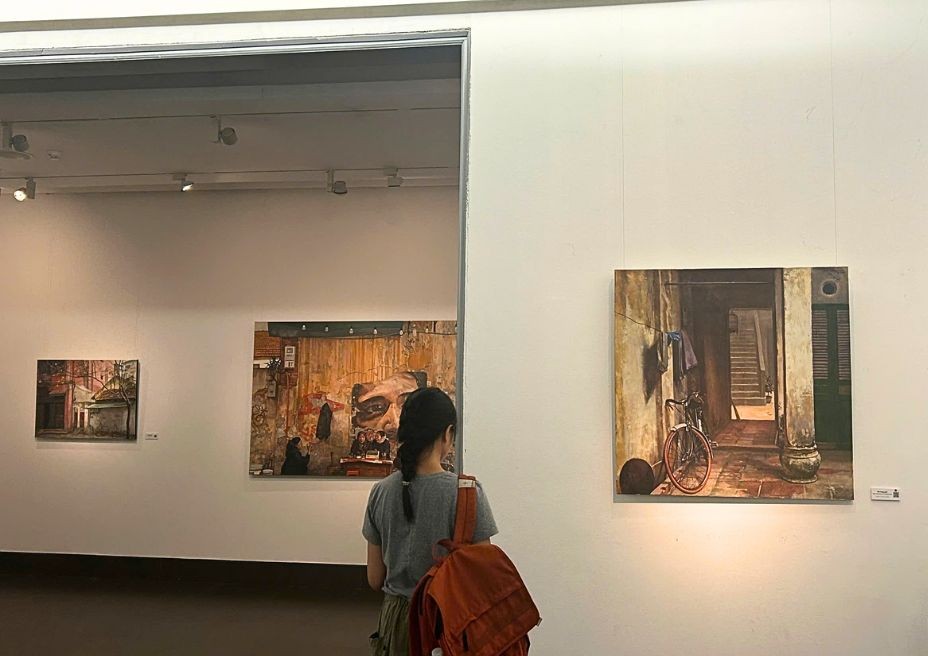 |
| The exhibition attracts the participation of many young people who love Hanoi. (Photo: Thu Phuong) |
Pham Binh Chuong's collection captures the "soul of the city" simply yet profoundly. Large-scale paintings, in particular, capture the spirit of Hanoi's changing cityscape, using wide strokes and symbolic subtleties to portray socioeconomic change in the capital. Scenes of French colonial buildings are juxtaposed with more modern metropolitan environments.
Some paintings at the exhibition "Down the Street 4" by artist Pham Binh Chuong:
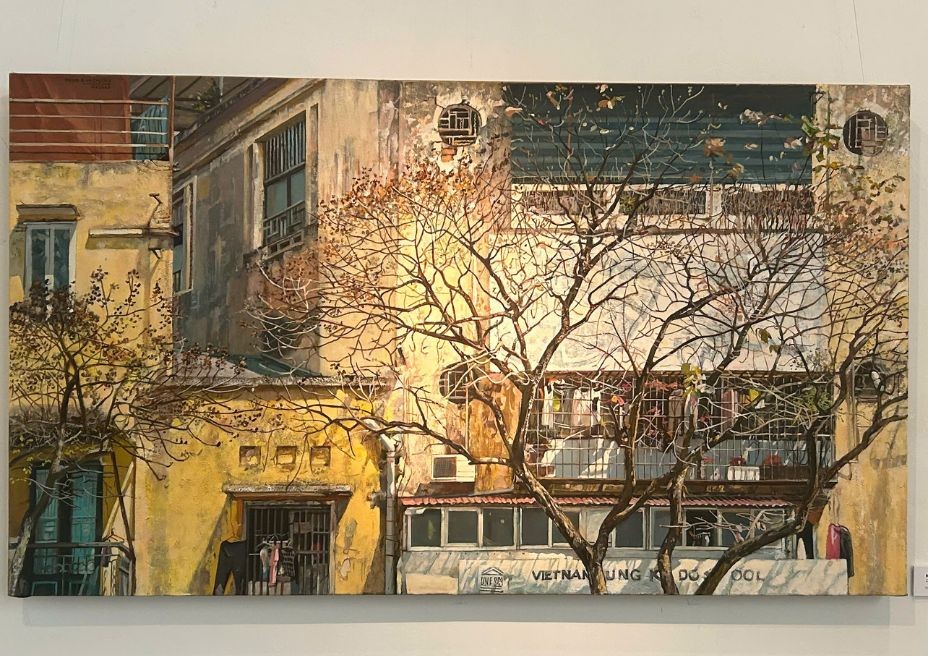 |
| "Day of Early Winter" by artist Pham Binh Chuong |
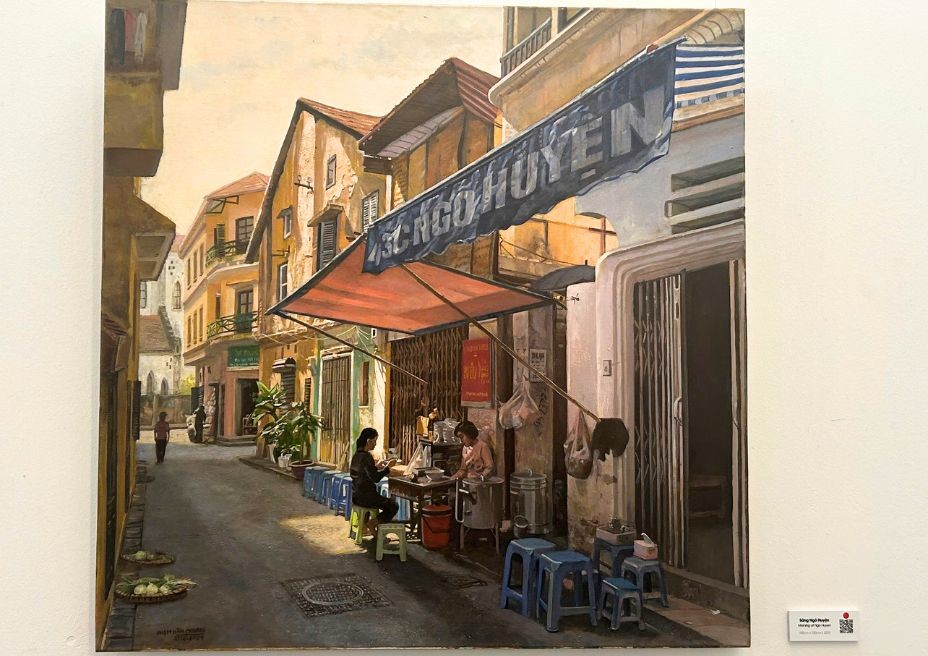 |
| "Morning at Ngo Huyen" by artist Pham Binh Chuong |
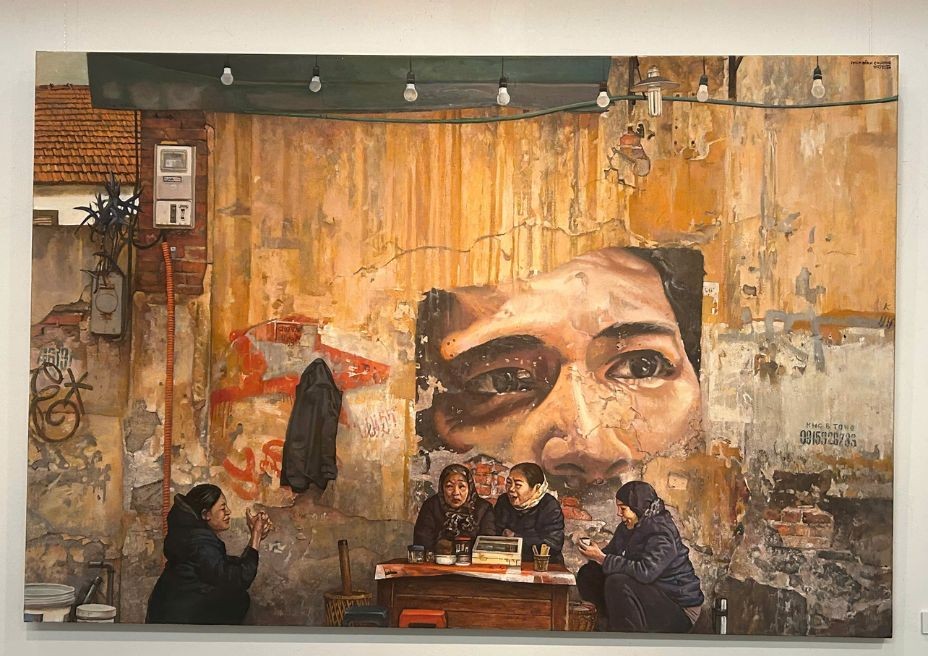 |
| "Tam tinh" by artist Pham Binh Chuong |
 | The Poetic Beauty of Binh Huong Hill, Quang Ninh Besides the majestic scenery of immense scenery reed grass in Binh Lieu, Binh Huong hill is also a photo spot with equally beautiful scenery. |
 | Explore The Poetic Beauty Of The Old Khmer Pagoda In An Giang "The pagoda of curved ancient trees” (Chua Hang Cong) is a destination that you can not miss. Its natural and simple beauty that has existed ... |
Related Stories
 Viet's Home
More Than 80% of Hanoi Students Gain Admission to Public High Schools for the 2026-2027 Academic Year
 Handbook
Hanoi Recognizes Additional Historical and Scenic Sites
Recommended
 Viet's Home
Promoting Cooperative Relations Between Hokkaido (Japan) and Quang Ninh
 Viet's Home
Vietnam, Bulgaria Promote Future Legal And Judicial Cooperation
 Viet's Home
Vietnam Accelerates DNA Collection from Families of Unidentified Fallen Soldiers
 Viet's Home
An Giang Aims to Collect 15,747 Martyrs’ Remains Samples for DNA Identification
 Viet's Home
Da Nang and Turku (Finland) Strengthen Friendly Cooperative Relations
 Viet's Home
Good Neighbors Vietnam (GNI), Hai Phong City Union of Friendship Organizations Join Hands to Implement a Community Aid Program
 Viet's Home
Vietnamese Women Aspire to Become Driving Force for Development in New Era
 Viet's Home