
Foreign diplomats learn to make Chung cake for the first time
| “Learning about Vietnam” programme held for foreign diplomats | |
| US Ambassador finds Vietnamese thousand years of knowledge in Chung cake | |
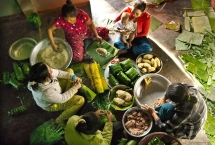
| 2000 Chung cakes made for poor people ahead of Tet |
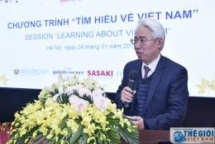
On January 12, the Department of External Culture and UNESCO (Ministry of Foreign Affairs) and ASEAN Women Circle of Hanoi (AWCH) organized the first activity called “Vietnamese New Year customs” in a series of activities to learn about Vietnamese culture.
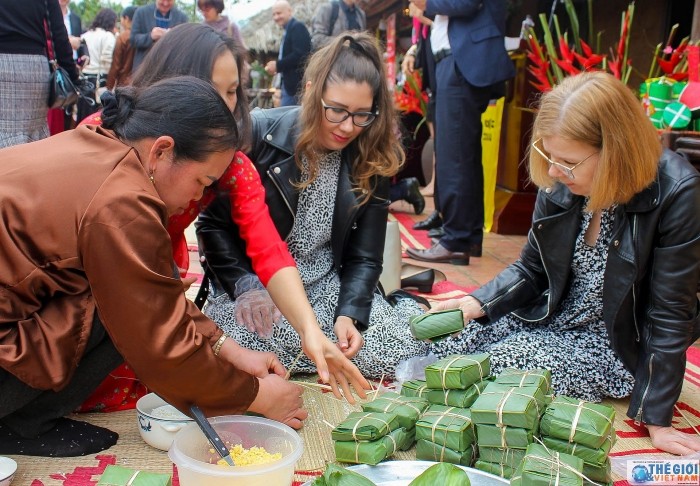 |
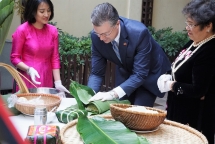
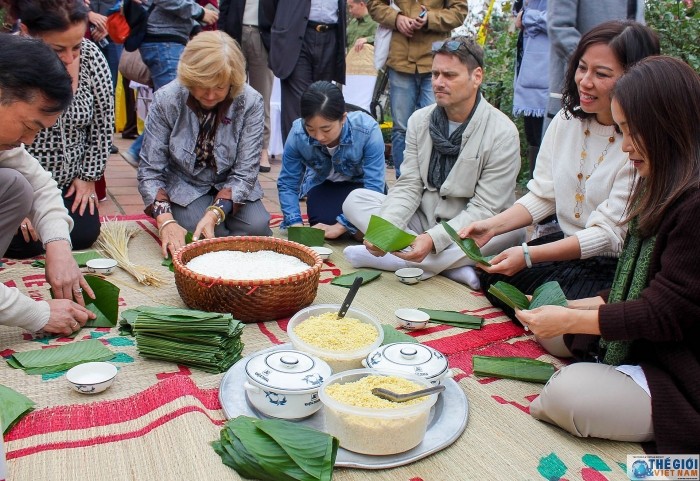
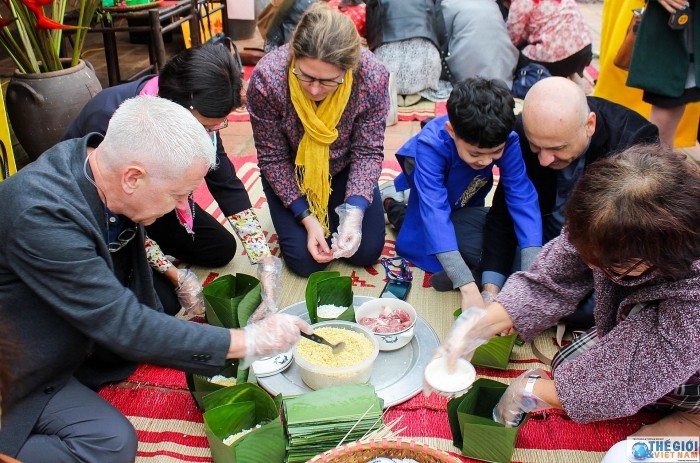
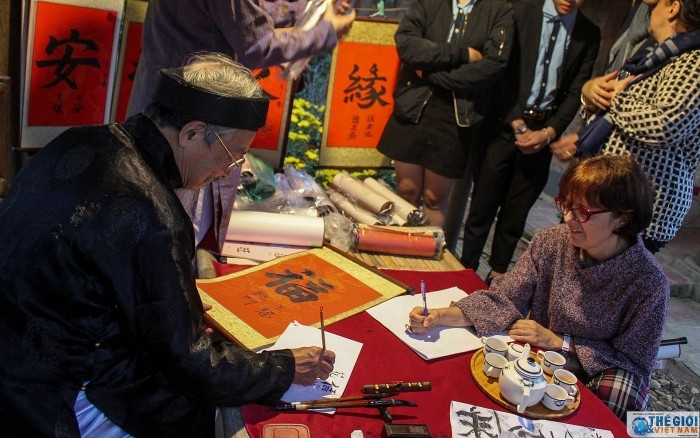
At the event, diplomats were introduced the legend of Chung cake and Day cake, learning about some traditions of Vietnamese Lunar New Year. Especially, diplomats were very excited to join in the contest “Making Chung cake” with the locals.
 |
In 2020, Vietnam assumes “dual” role as a non-permanent member of the United Nations Security Council and ASEAN Chairmanship. This event is one of cultural exchange activities to start the ASEAN Year 2020.
 |
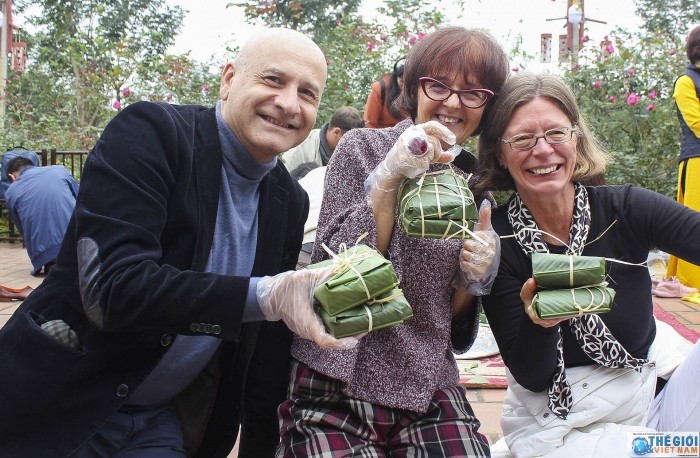 |
For the first time knowing the processes to make a Chung cake, Italian Ambassador to Vietnam Antonio Alessandro said that for him, the stages of making Chung cake are extremely complicated. However, under the enthusiastic guidance of artisans, he completed the making of a Chung cake.
 |
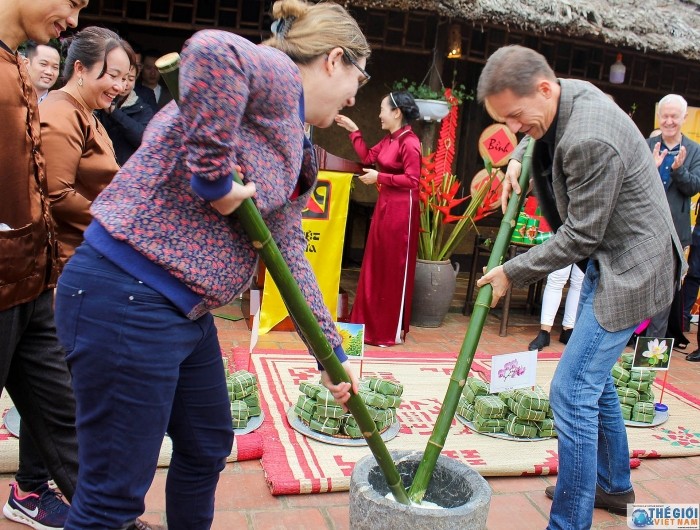 |
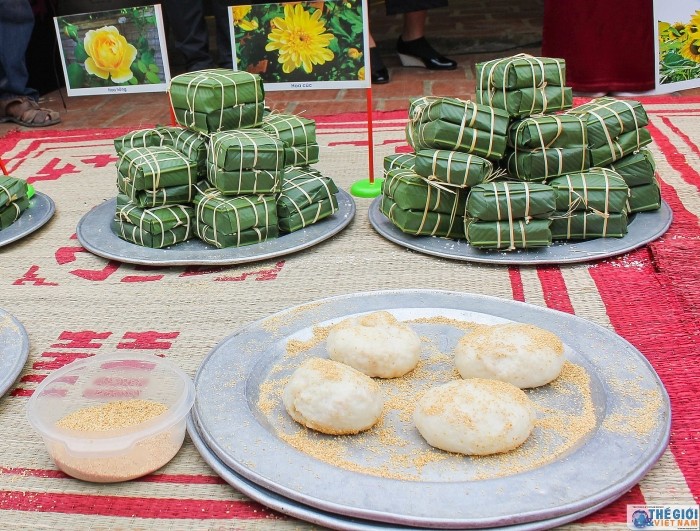
Diplomats excitedly make Day cakes with the guidance of the local artisans.
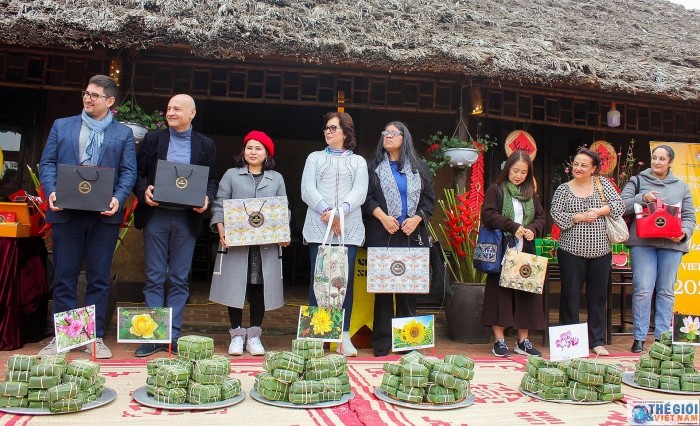 |
International diplomats were interested in the unique customs of Vietnamese New Year, especially the traditional dishes of Vietnamese people. They said that the event is an interesting experience to help them better understand the country and people of Vietnam.
 |
(Photo: The World and Vietnam report)
Related Stories
 Travel
Leveraging Cuisine to Elevate Vietnam's Tourism Brand
 Travel
Bringing Essence of Vietnamese Cuisine Closer to Europe and the World
Recommended
 Viet's Home
Two US Veterans on Mission to Bring Vietnam’s Fallen Soldiers Home
 Viet's Home
9 Vietnamese Students Receive Full Scholarships from Fast Retailing Foundation in Japan
 Viet's Home
Many Fallen Soldiers' Remains Recovered in Da Nang and Cao Bang
 Viet's Home
Indian Ambassador Thanks Vietnam for Swift Response to Phu Quoc Speedboat Capsizing
 Viet's Home
Portugal Crowned Champion of 2026 Da Nang International Fireworks Festival
 Viet's Home
Ca Mau Enhances Capacity of Officials to Effectively Mobilize International Aid
 Viet's Home
Over 50 Calls and Messages Help Search for Fallen Soldiers at Tan Son Nhat Airport
 Viet's Home