
Hanoi to ease population density in four inner districts by 2030
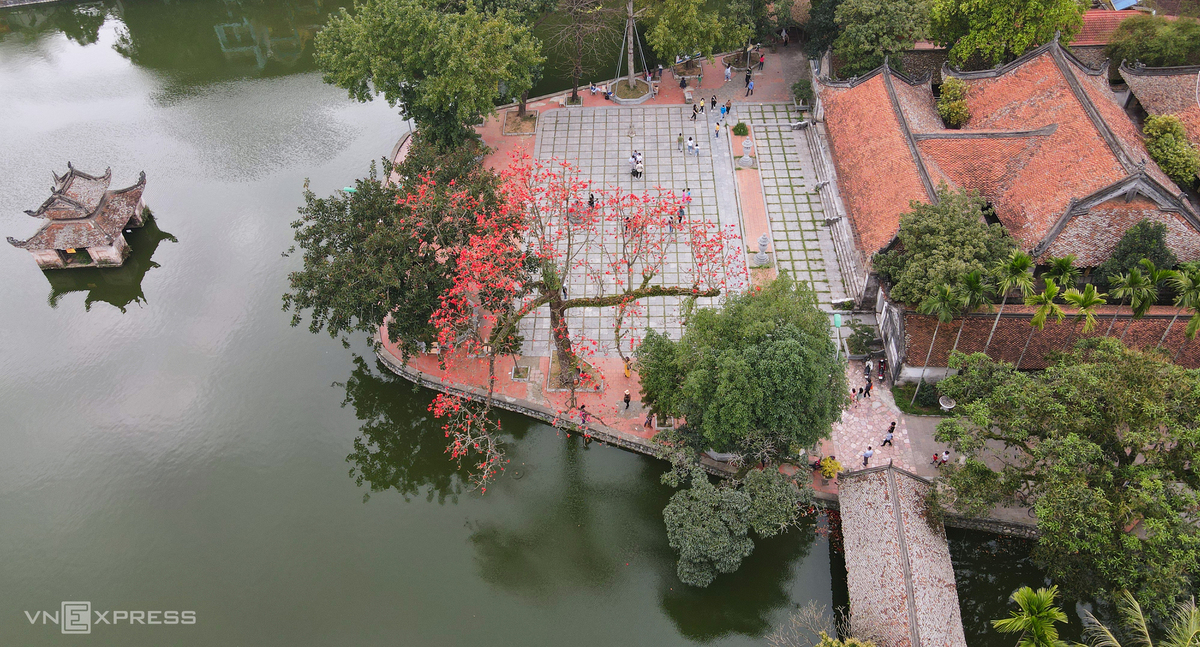
| Hanoi dyed in red of silk cotton flowers | |
| Hanoi in March: Silk-cotton flowers burn brightly red | |
| Hanoi strives to build favorable investment environment for Korean businesses |
 |
| As many as 215,000 people in four inner districts of Hanoi will be relocated in the next decade. Photo: VGP |
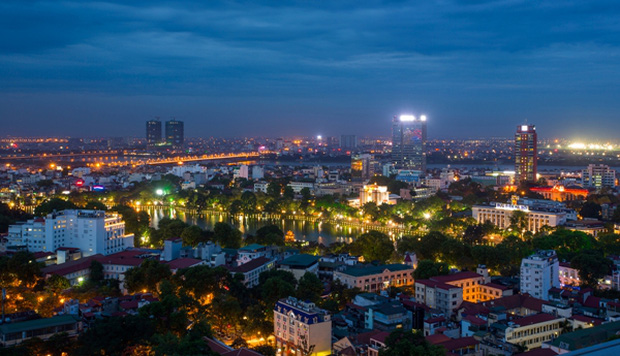
As many as 215,000 people in four inner districts of Hanoi will be relocated in the next decade, under a newly-approved urban planning project.
Local authorities on March 22 announced maps detailing six urban planning zones in Hoan Kiem, Ba Dinh, Dong Da and Hai Ba Trung districts, covering an area of more than 2,700ha.
The scheme aims to reduce the population in the four districts from the current 887,000 to 672,000 by 2030.
The city will also relocate industrial parks, hospitals and headquarters of ministries and agencies out of the four districts to have space for public infrastructure and green space.
Hoan Kien Lake and its neighbouring areas will serve as a cultural, administrative, commercial, service and tourism centre. Houses in the Old Quarter must not be higher than four floors or 16 metres high.
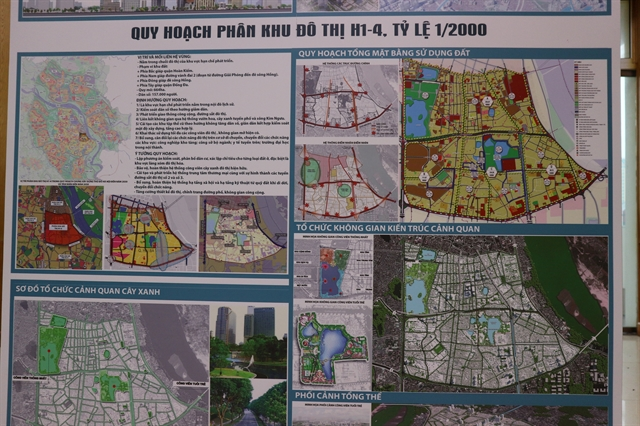 |
| Local authorities on March 22 announced maps detailing six urban planning zones in Hoan Kiem, Ba Dinh, Dong Da and Hai Ba Trung districts, covering an area of more than 2,700ha. Photo: VNA |
Lưu Quang Huy, head of the city’s Construction Planning Institute, said roads designed on the maps would be connected together, along with ring roads, to create a network linked with the city centre.
High-rise buildings will be built along the ring roads, city centre-connected routes and urban residential quarters, Huy said.
The city plans to build underground walking lanes connected with underground public transport and underground stations.
Figures released in 2016 from the Old Quarter Management Board showed up to 1,200 people lived per hectare in the area.
The 81-ha Old Quarter comprises 36 streets, stretching from Hoan Kiem Lake to the south, Long Bien Bridge to the north, Tran Nhat Duat Street to the east and the citadel wall on Ly Nam De Street to the west.
Such streets have shops at the front and living areas in the back, making homes become increasingly narrow and streets increasingly busy./.
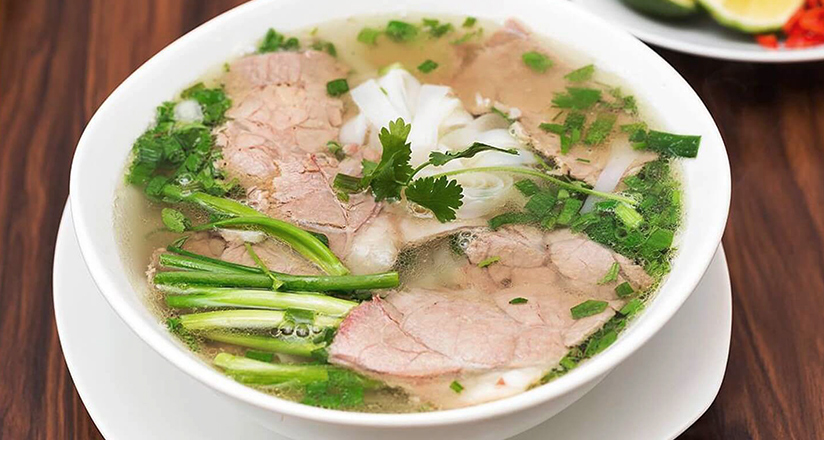 | Hanoi is the most recommended places for traditional food lovers Hanoi and Ho Chi Minh City are the most recommended destinations for traditional food, street food, and places to shop for food, according to the ... |
 | Hanoi, HCM City voted top places for local cuisine According to a survey conducted by renowned travel website Booking.com, both Hanoi and Ho Chi Minh City have been voted as the leading destinations to ... |
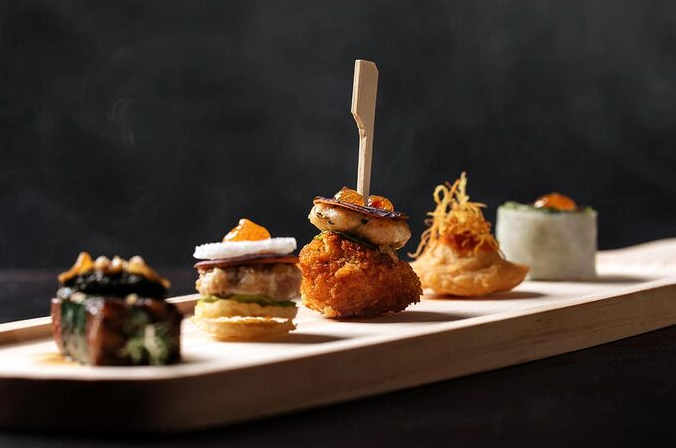 | Hanoi specialties "packed" in Western food serving style Hanoi signature dishes - rolled pho, fried fermented pork roll, bun cha - are made in small portions, served with some drops of special dipping ... |
Related Stories
 National
Ha Noi Unveils 100-Year Master Plan
 National
Vietnam Launches Nationwide Campaign to Build Drug-Free Communes, Wards, and Special Zones
Recommended
 Viet's Home
Two US Veterans on Mission to Bring Vietnam’s Fallen Soldiers Home
 Viet's Home
9 Vietnamese Students Receive Full Scholarships from Fast Retailing Foundation in Japan
 Viet's Home
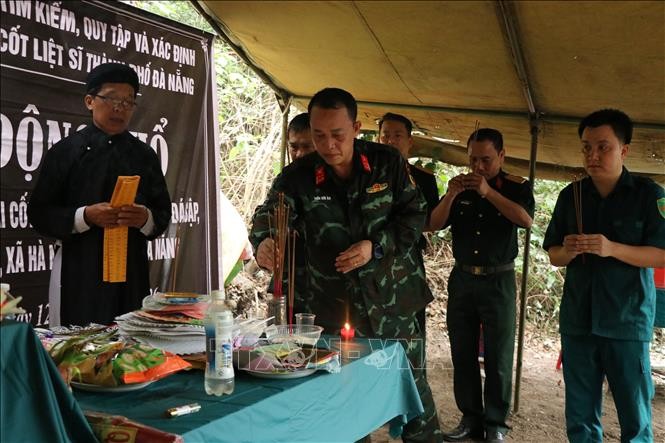
Many Fallen Soldiers' Remains Recovered in Da Nang and Cao Bang
 Viet's Home
Indian Ambassador Thanks Vietnam for Swift Response to Phu Quoc Speedboat Capsizing
 Viet's Home
Portugal Crowned Champion of 2026 Da Nang International Fireworks Festival
 Viet's Home
Ca Mau Enhances Capacity of Officials to Effectively Mobilize International Aid
 Viet's Home
Over 50 Calls and Messages Help Search for Fallen Soldiers at Tan Son Nhat Airport
 Viet's Home