Hon Son Island - A hidden gem of beach destination in Southern Vietnam
Hon Son Island, a hidden gem in the southern province of Kien Giang is a fresh touristic destination for summertime relaxation and exploration thanks to its pristine beauty and stunning white sandy beaches.
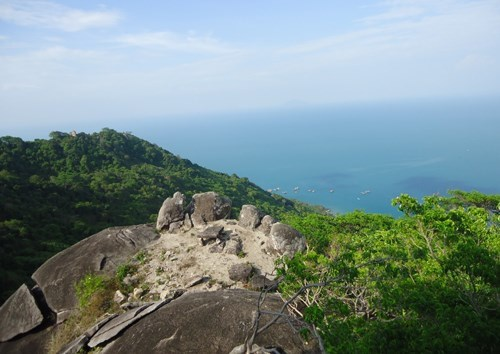
Trek to the top of Ma Thien Lanh mountain for a panoramic view of Hon Son Island. (Photo: Vietnamnet)
Hon Son Island often referred to as Hon Rai, is located in Lai Son commune, Kien Hai District, Kien Giang Province. It lies between Hon Tre Island and Nam Du Archipelago, about 65km from the west of Rach Gia City. The total area of Hon Son Island is 11.5 square kilometers with 7 undulating mountains and 6 surrounded beautiful beaches. Hon Son is home to more than 8,200 people living on aquaculture, shipbuilding, shrimp and fish processing, and fish sauce making. Lai Son, the island’s main village, sits on a bay in the middle of the south coast. The village has an attractive, laid-back air and a tangible sense of the past.
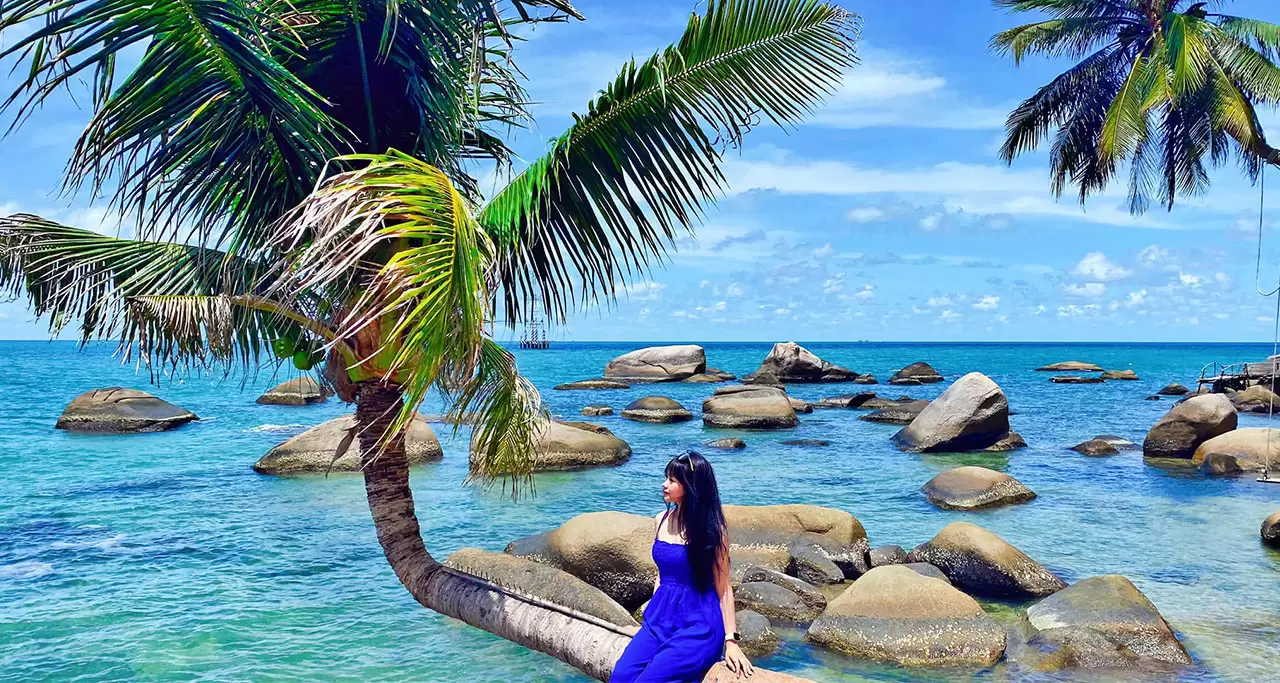
Since there are many coconuts growing from the beach up to the hill, Hon Son is also called “Coconut Island”. Biking along the coast under the tilting coconut shadow, next to the sea is one of the must-do on the island. Additionally, tourists will be surprised by the natural stone blocks with different shapes, like dolphins, turtles, lying under the clear water. The scenic seafront road at Lai Son village is perfect for promenading in the mornings & evenings.
To reach the island, visitors can fly to Rach Gia Airport from Hanoi or Ho Chi Minh City, and then catch an hour-and-a-half speedboat ride from Rach Gia pier. Alternatively, visitors can also travel by traditional ferry, which takes around 3.5 hours.
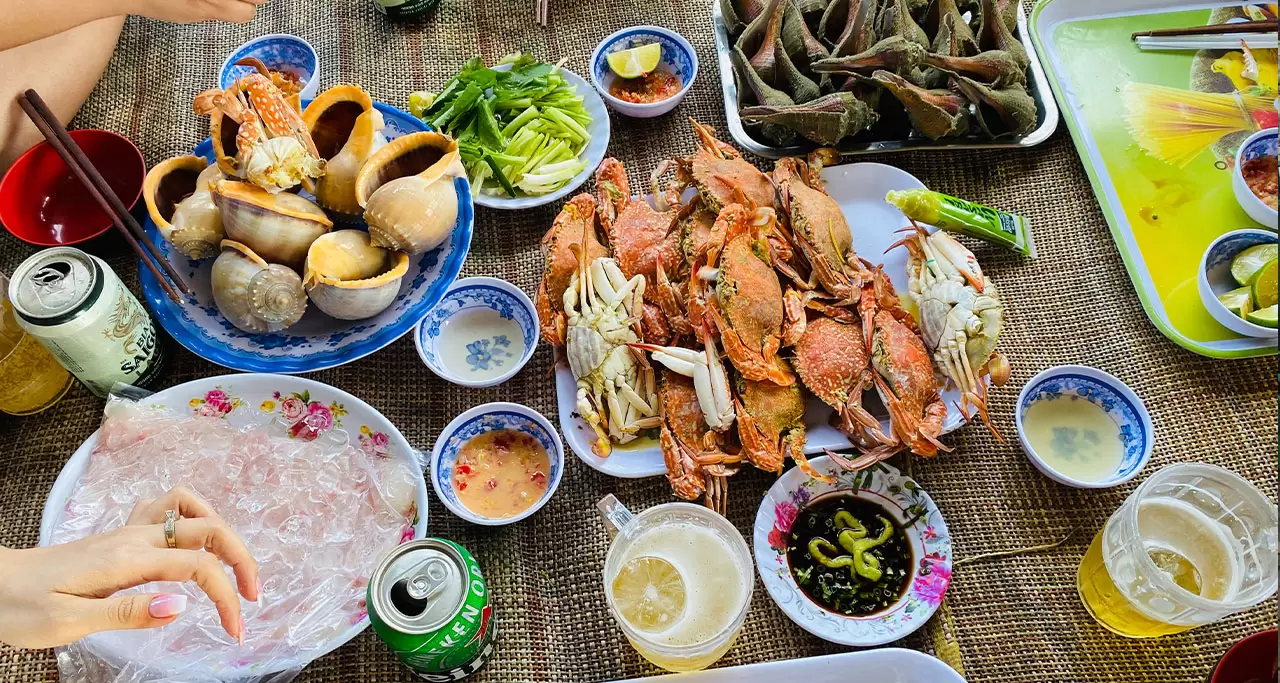
Weather information is essential for any beach vacation, especially to islands. Port operating office will ban all ships sailing because of rough sea, big wave and strong wind. To avoid rain and storms as well as have a memorable trip on Hon Son Island, you should come here between May and December. During this time, the weather is quite pleasant, the sea is calm and seafood is abundant and cheap such as squid, shrimp and crab. (Photo: Vietnam Travel)
All tourists come to Hon Son for swimming and beach relaxation. All five beaches on the island are pretty, clean, and pristine, including Bai Bang, Bai Nha, Bai Thien Tue, Bai Gieng, and Bai Bac. Each of them has its own beauty but Bai Bang is regarded as the most charming white sandy beach, in which the coastline stretches over a 1km in the shape of a crescent. Relaxing in the blue water and on the deserted beach, watching coconut groves along the coast swinging in the wind, and breathing fresh air makes you feel fully blended with nature. (Photo: Vietnam Travel)
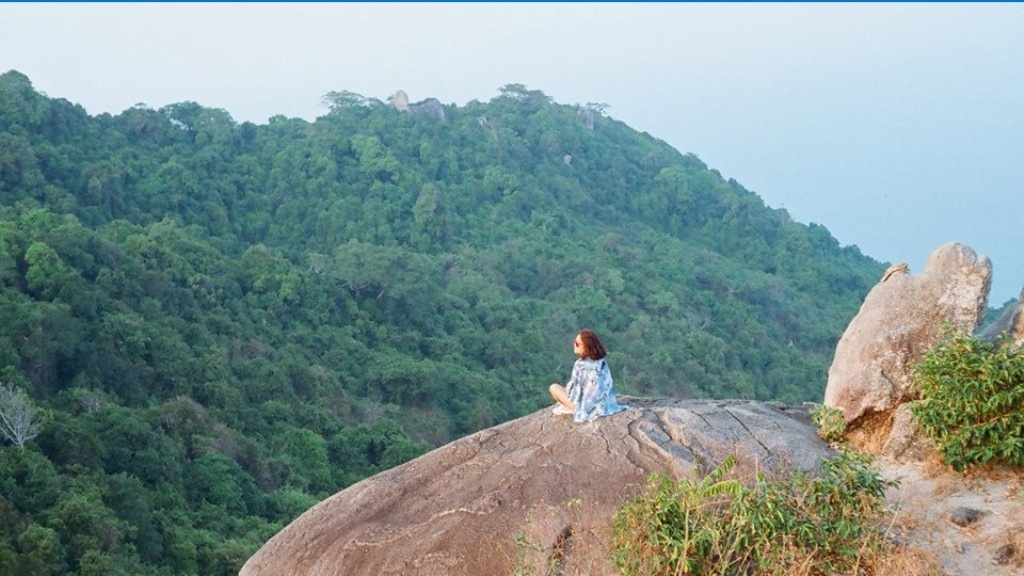
For those who are into adventure, climbing up to the top of Ma Thien Lanh Mountain to enjoy a panoramic view of Hon Son Island is an interesting experience. The summit is at 450m above sea level but it is quite easy to conquer thanks to thousands of steps built by the local authorities instead of the rocky trail in the past. Legend has it that the spectacular Ma Thien Lanh mountain had a flat rock, surrounded by picturesque scenery, so fairies gathered there whenever they came down from the sky. The views on Ma Thien Lanh summit are breathtaking. You’ll need at least a half-day to trek there and back. After hiking, you can swim at Bai Bang Beach, which is quiet near the Ma Thien Lanh Mountain. (Photo: Vietnam Explore News Channel)
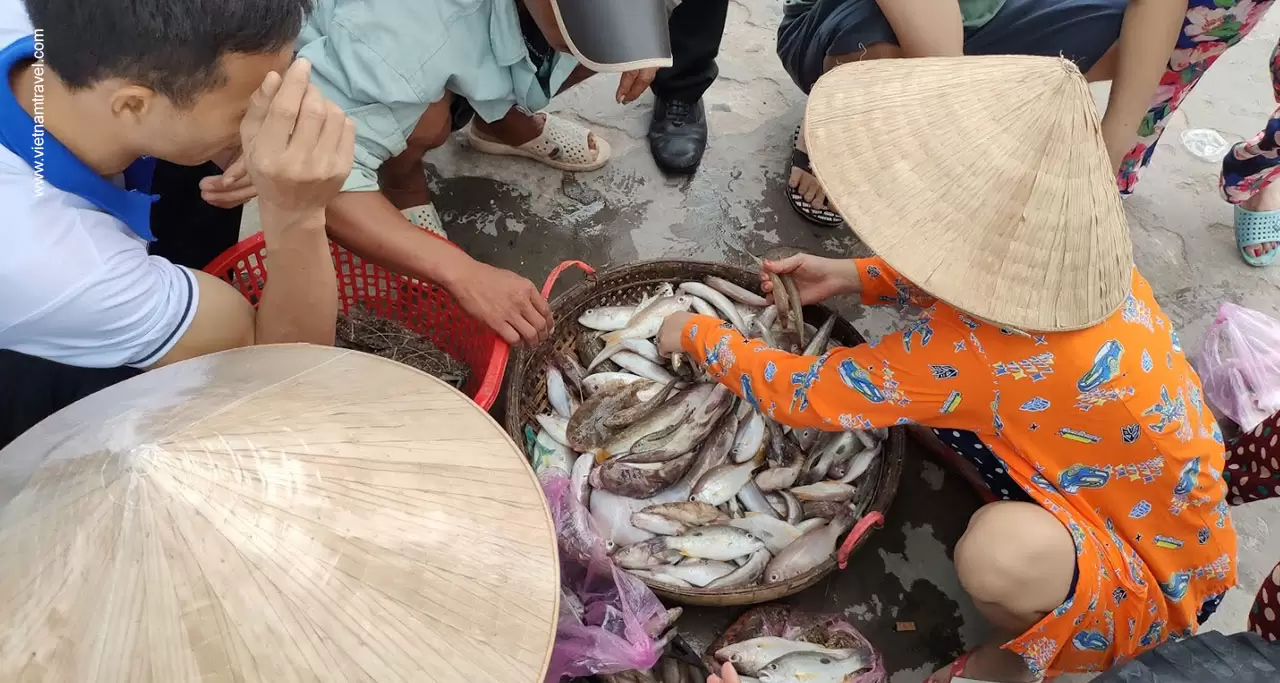
Bai Gieng is the central market in Thien Tue Hamlet, also the busiest seafood market of Hon Son Island. The sights smell, and sounds will overwhelm your senses in the best way. The market gets very busy and crowded in the morning. The fishermen usually drop off their catch of the day around 7 A.M, and that’s when the bargaining begins. You can chat with vendors and “people watch” the locals going about their days. That will offer a unique view of the local culture. (Photo: Vietnam Travel)
Sake floating village is 500m far from Bai Bang Beach. You do not need to book a boat in advance to visit the floating village as the locals often travel from and to the island. It means you pay about 30,000 – 50,000 VND/ person to the local people for traveling around. Sea is wide and blue, and the village shimmers in the sun, backed by high, forested hills. Local people here rarely meet foreigners as tourism is less concentrated but they are very friendly. You can chat with them freely to learn about their daily life. Other activities that you can experience while visiting Sake floating houses are squid or shrimp fishing, diving… (Photo: Tripily)
Located in the central area, about 200m from wharf yard, Hon Son night market is quite large and offers full range of food and beverage options. Typical local dishes are fried mackerel, grilled squid, sour soup with rabbitfish, and herring salad… There’s a good noodle shop, called “Như Y”, where you can try “Bun Quay”, a fish noodle soup that’s a local specialty, from 30,000 VND. (Photo: Vietnam Travel)
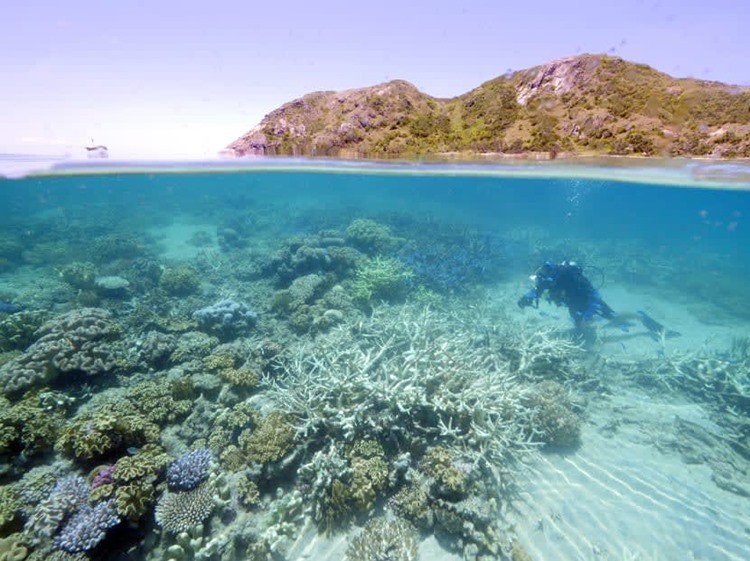
Viet Nam's long coastline and thousands of offshore islands have created ideal conditions for thriving coral reef ecosystems. As summer travel peaks in 2026, destinations including Hon Mun, Cu Lao Cham, Phu Quoc, Vinh Hy, and Con Dao are expected to attract travelers eager to explore vibrant underwater landscapes through snorkeling and scuba diving.
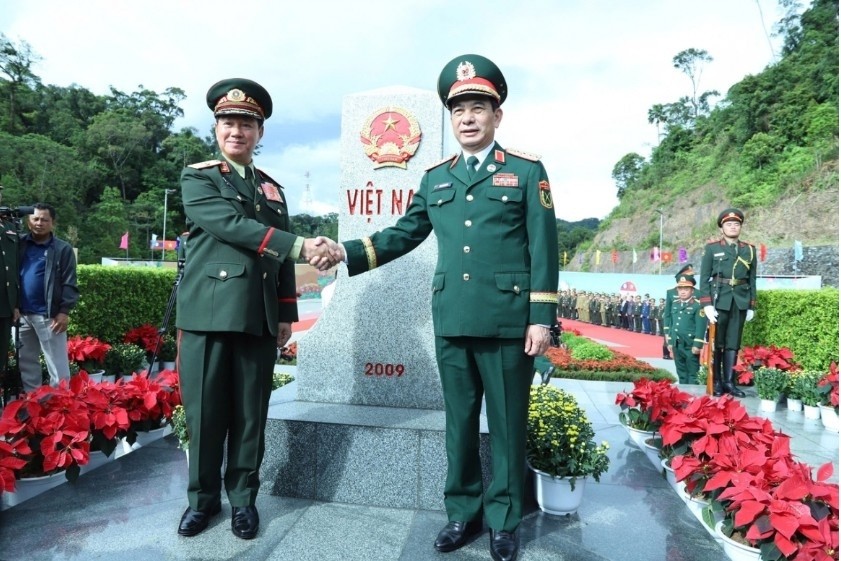
Vietnam News Today (July 10): Third Vietnam-Laos Border Defense Friendship Exchange gets underway; Vietnam seeks early signing of trade deal with EFTA; UOB revises up Vietnam's 2026 GDP growth forecast to 8.5%; Airlines add international flights, giving summer travellers more flexible options.
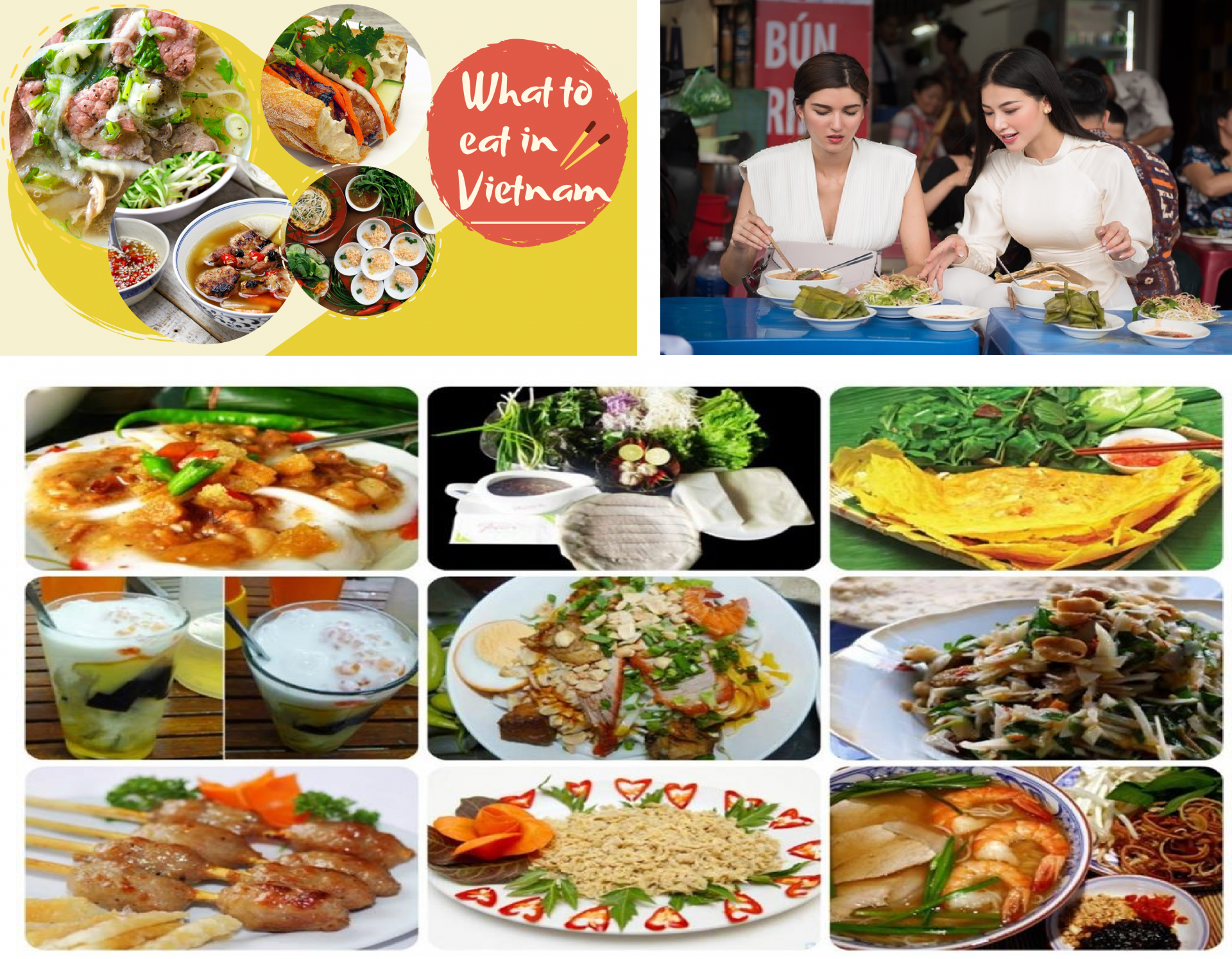
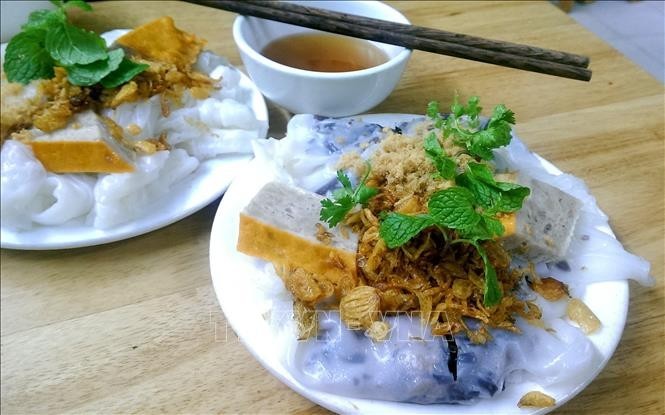
In early July, French magazine Biba Magazine published an article stating that Vietnam attracts French travelers not only with its landscapes but also with its diverse and refined cuisine. The magazine introduced a range of dishes and culinary experiences that it considers unmissable when visiting the S-shaped country.
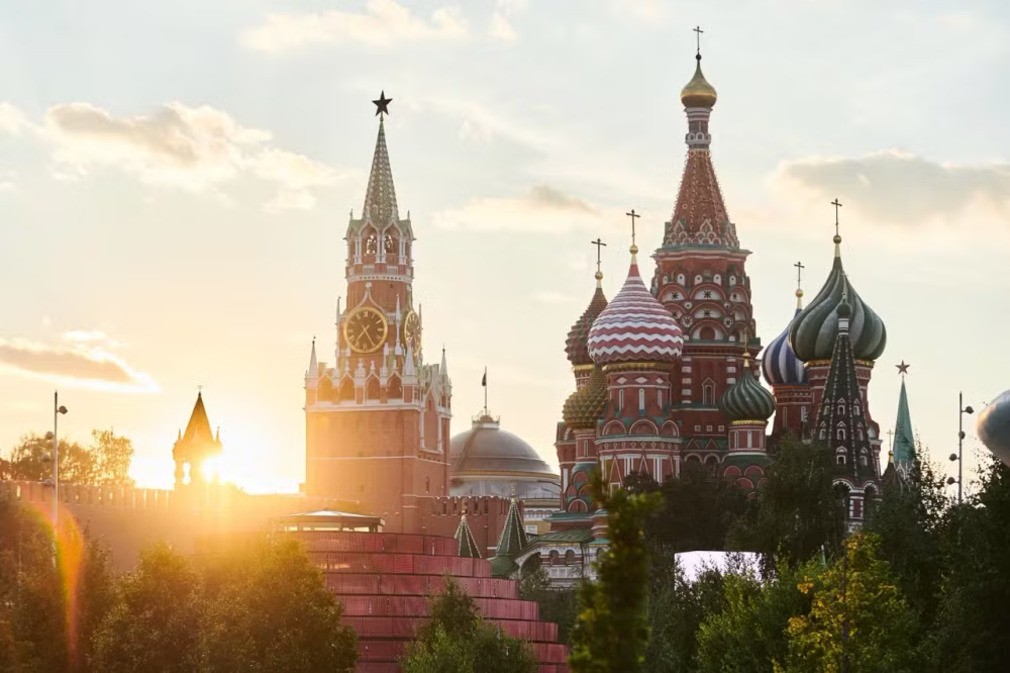
With a Vietnamese tourism promotion page, Moscow is demonstrating its growing interest in the Vietnamese market to create a more comfortable, accessible, and personalised destination experience.
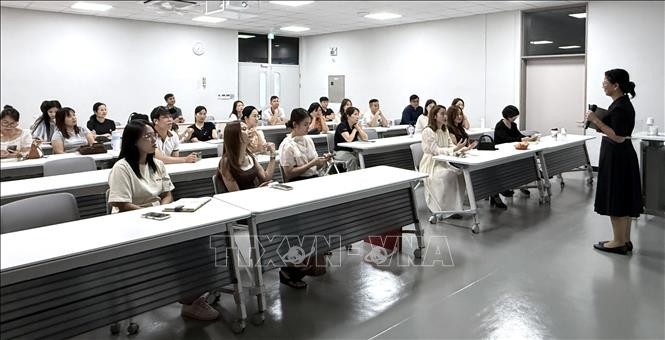
On July 13, the Vietnam Institute of Culture, Arts, Sports and Tourism under the Ministry of Culture, Sports and Tourism held a seminar titled “Cuisine and the development of Vietnam’s tourism”. The seminar gathered managers, experts, researchers, and businesses to recommend solutions to bringing cuisine values into play as a cultural resource, contributing to enhancing competitiveness and creating Vietnam’s tourism brand in the context of international integration.
Ho Chi Minh City orientates tourism development linked to urban economy, night-time economy, culture industry and experience economy, changing from event organizing model to developing event economy model.
According to a report released by Statistics Korea on July 9, Vietnam ranked first in the number of foreign nationals entering the RoK for long-term stays in 2025, with approximately 98,000 people. Vietnamese citizens accounted for the largest share among foreigners staying in the country for more than 90 days.
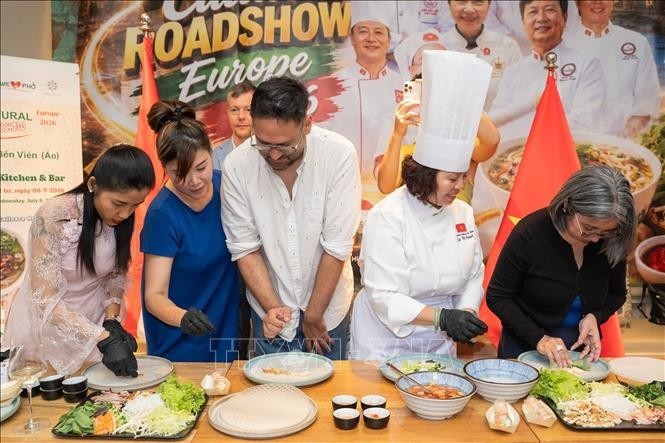
On the evening of July 8, at Pho Saigon Restaurant in Vienna, Austria, the Vietnamese Embassy in Austria, in coordination with the We Love Pho Association, the Ninh Binh Culinary Culture Association, and Vietnamese culinary artisans and experts, organized a program titled “Pho and Culinary Culture: Bringing Vietnamese Identity Closer to Europe and the World.”The event was one of the stops on the Journey of Pho and Vietnamese Culinary Culture Across Europe, contributing to the promotion of Vietnam’s image, people, and cultural values to international friends.
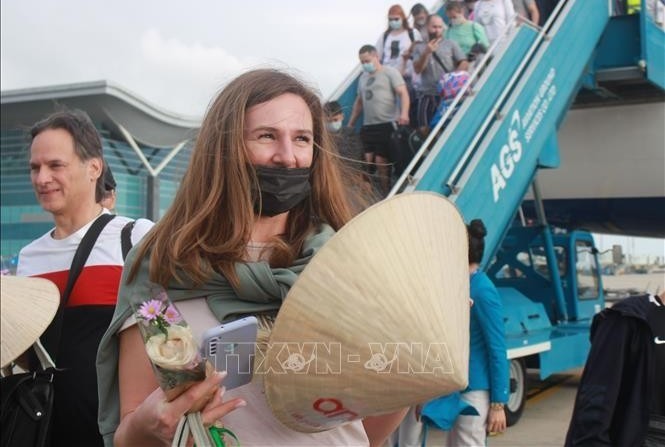
In the first six months of 2026, Vietnam welcomed more than 742,000 Russian visitors, 2.8 times higher than in the same period last year. This strong recovery has made Russia the third-largest source market for Vietnam's tourism industry, behind only China and the Republic of Korea.
Tourism activities in Can Tho have continued to recover strongly during the first months of 2026, maintaining solid growth momentum. This positive transformation has further reinforced tourism's position as a key economic sector and an important driver of the city's overall development.
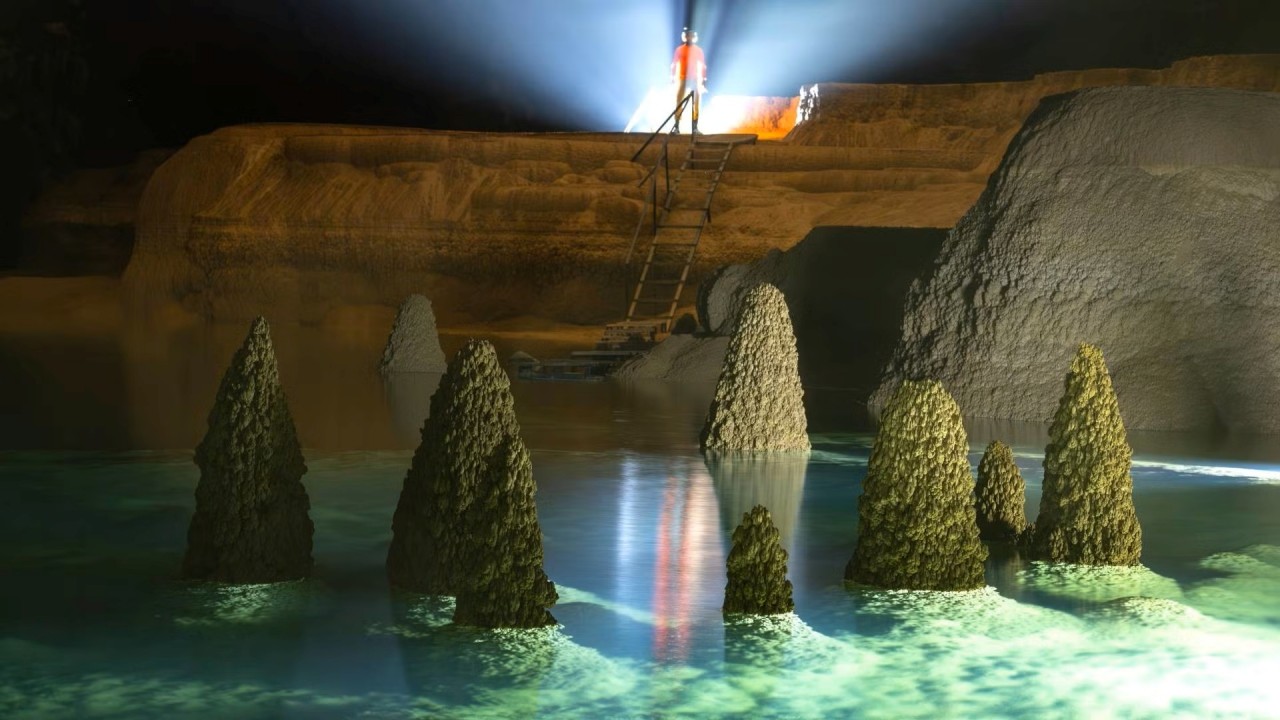
Phong Nha-Ke Bang National Park in Quang Tri Province is emerging as the world's largest destination for cave adventure tourism. However, tourism development in Phong Nha-Ke Bang has yet to match its enormous potential, as the destination still lacks a diversified tourism ecosystem and specialized service chains capable of meeting the needs of visitors across different market segments.







 Travel
 National
 National
 Travel
 Travel
 Travel
 Travel
 Travel
 Travel
 Travel
 Travel
 Travel