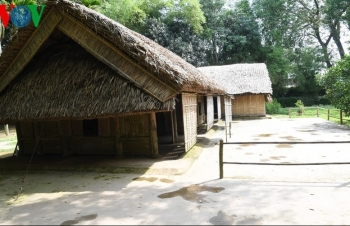
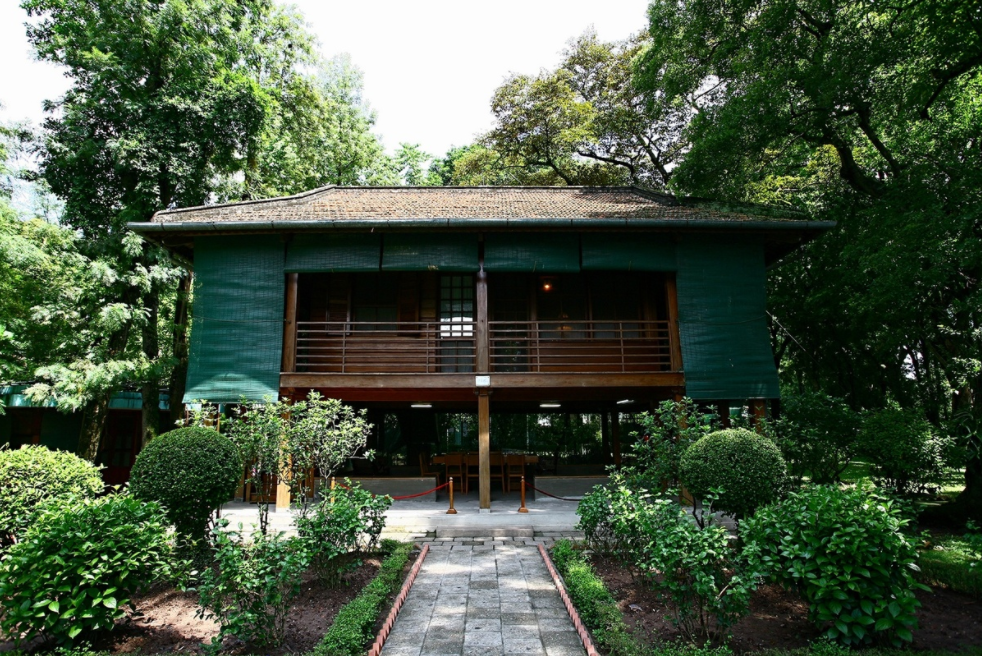
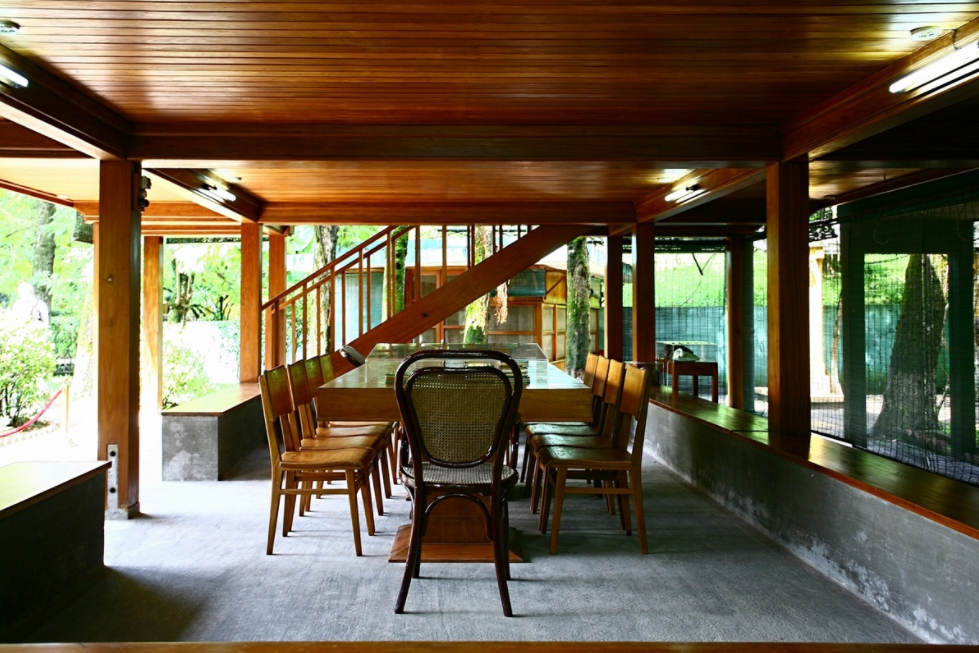
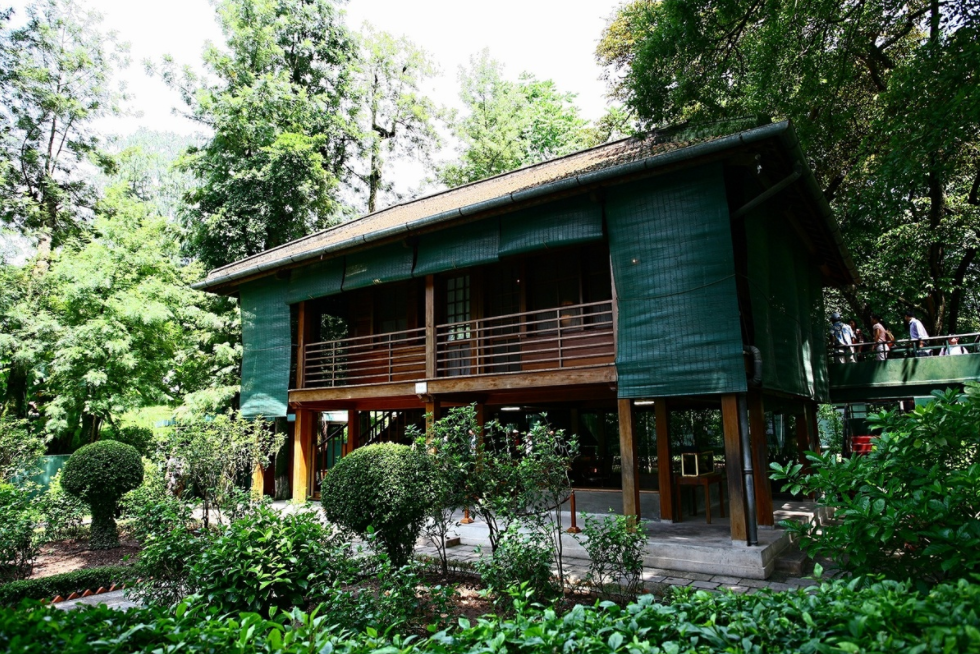
Uncle Ho's stilt house is a two-story wooden architecture with a tiled roof. The house was built in 1958 with the architecture of the Tay-Thai ethnic stilt house in Viet Bac province. The house is 10.5 m long, 6.2 m wide, two floors high.
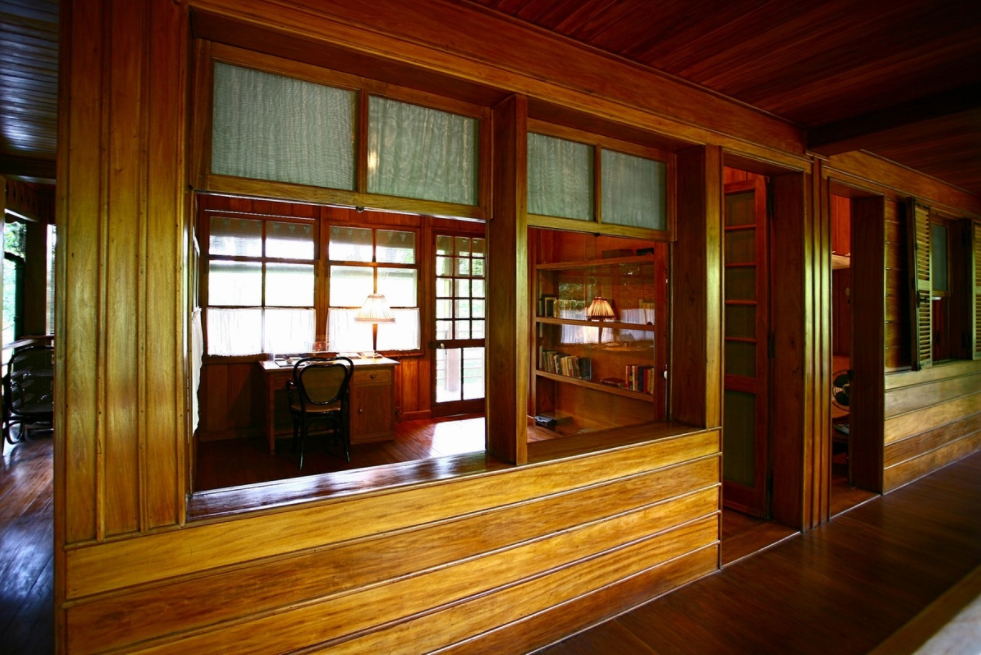
Before starting the design work, great President Ho Chi Minh talked to architect Nguyen Van Ninh very carefully about his aspirations for the house. He wanted a stilt house to remind him of the time he lived in Viet Bac. The first floor should be filled with fresh air, the second floor has two rooms, there are partitions between these two rooms so that he could place his bookshelves. He also wanted to have corridors all around the house.
The stilt house is the residence where Uncle Ho spent the longest time and his last days of his life. The house appeared companies with many important events in the country. This is both architectural and cultural heritage, which contains great spiritual values. (Photo: VN Express)
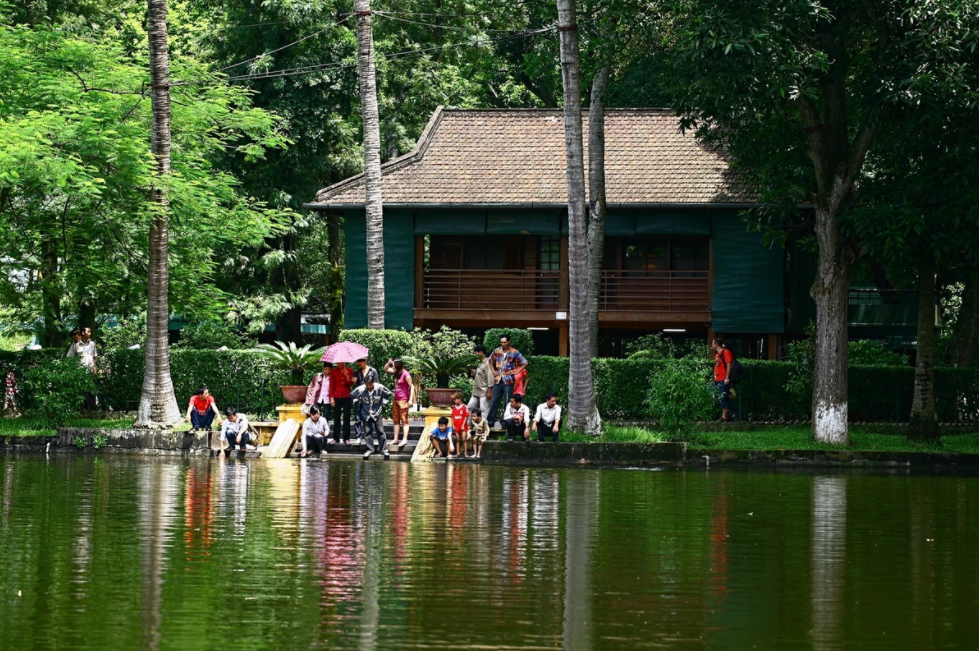
In front of the house lies a small pond, where Uncle Ho kept his fish. Whenever Uncle Ho claps his hands, a flock of fish swims toward him. (Photo: VN Express)
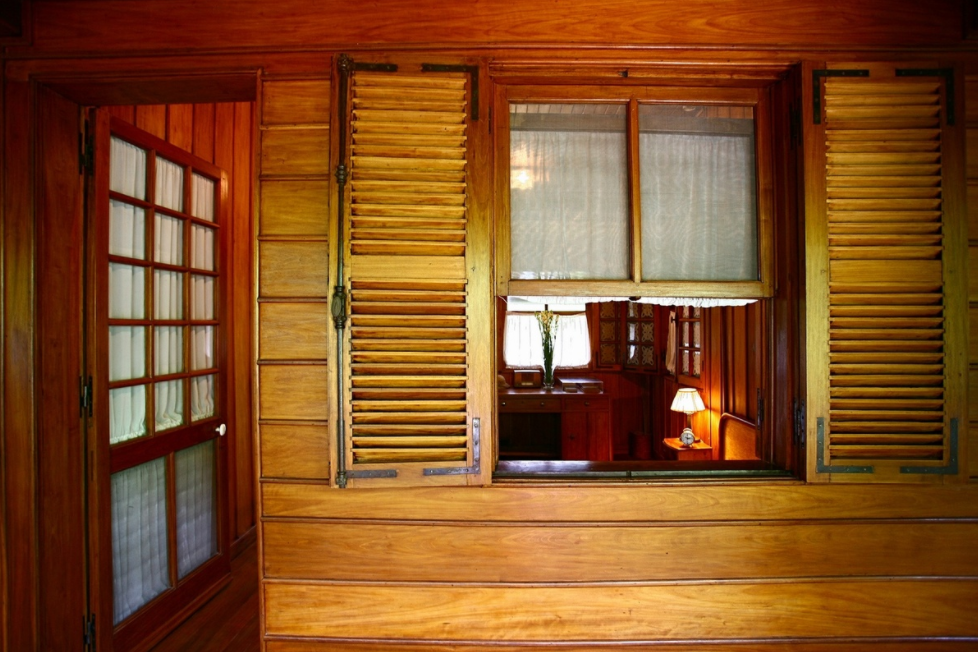
The second floor has two rooms, a study room, and a bedroom. (Photo: VN Express)
Uncle Ho's stilt house is an important part of the Presidential Palace relic complex which was recognized by the Prime Minister as a special national monument in 2009. (Photo: VN Express)
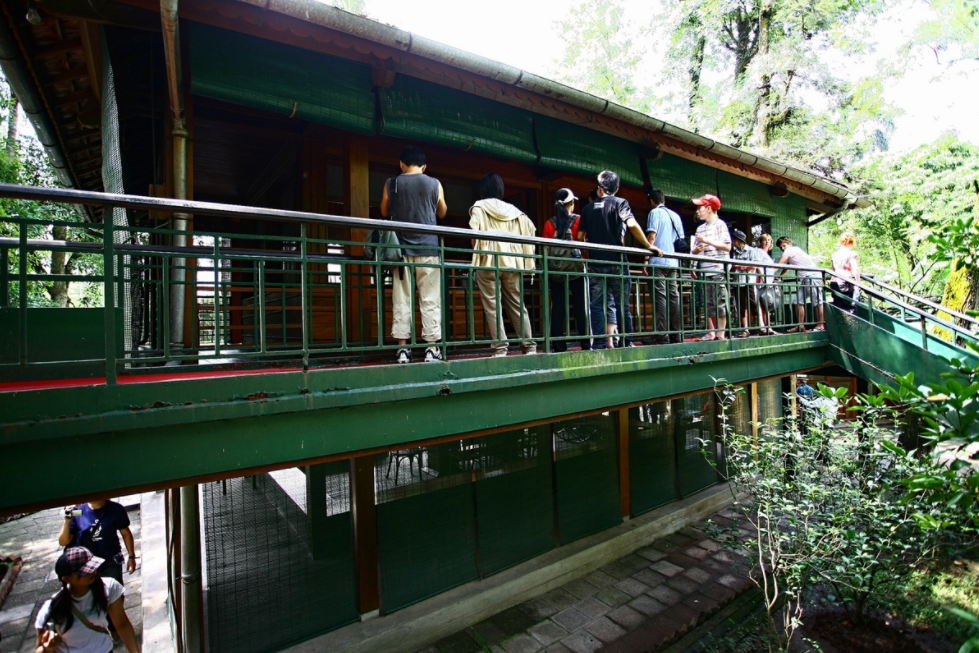
The staircase and the railing are added later in order to serve tourism purposes. Since 1970, the relic has served and welcomed more than 80 million visitors, including international visitors from more than 160 countries and territories around the world. (Photo: VN Express)
Around the stilt house lies a green garden with a variety of plants that were brought here from all over the country. (Photo: VN Express)
Uncle Ho's stilt house is a simple project that clearly reflects his personality: bold in traditional identity, in harmony with nature. (Photo: VN Express)
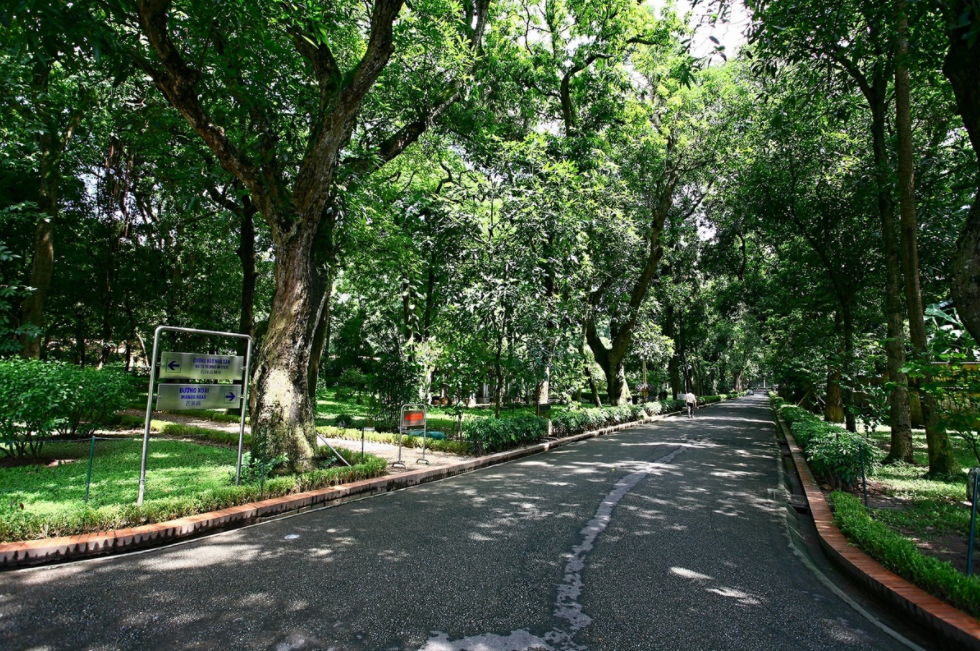
The green tree road connects President Palace to Uncle Ho's stilt house. (Photo: VN Express)
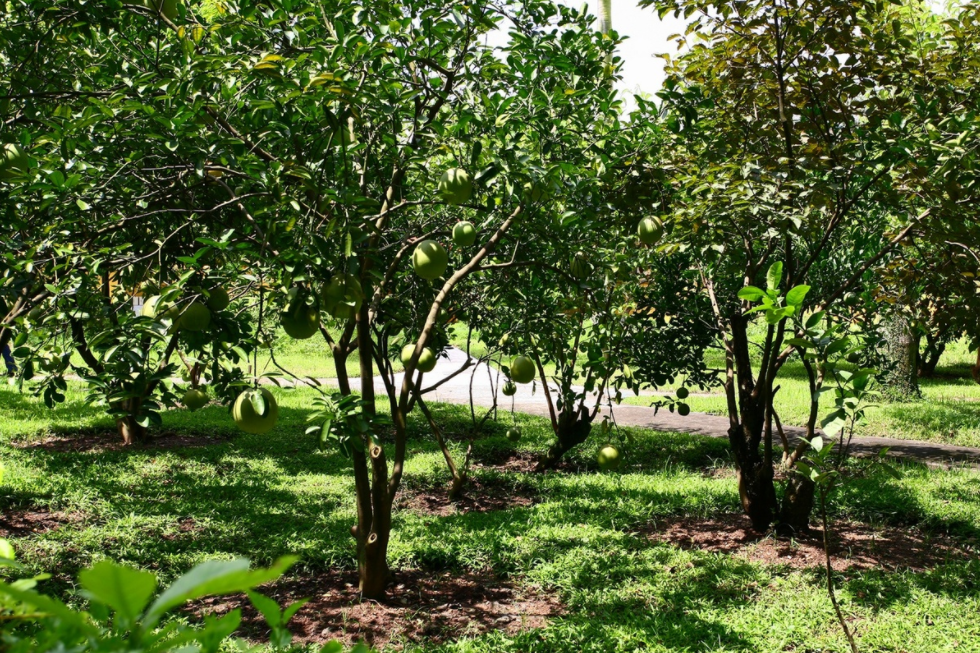
The grapefruit trees in the garden are bearing fruit. (Photo: VN Express)
The humble house stands by the crystal clear pond, surrounded by fruit trees. A pond is always an attractive place for tourists. (Photo: VN Express)
Before the COVID-19 pandemic broke out, the relic welcomed an average of 6,000-8,000 visitors a day. On important festivals such as Uncle Ho's birthday (May 19), Nationa Day (September 2), the number of visitors could reach 50,000.
There is no entrance fee for Vietnamese visitors to visit the Presidential Palace relic.
Opening hours: All days of the week (except Monday afternoon).
- From November to March: Morning: 8:00 - 11:00. Afternoon: 13h30 - 16h.
- From April to October: Morning: 7:30 - 11 a.m. Afternoon: 13h30 - 16h.
Ho Chi Minh's ideology and Uncle Ho's life are always enshrined forever as the great inspiring and motivating force to fight against inhuman discrimination, especially ...
Ho Chi Minh (1890-1969), the Great Father and Leader of all Vietnamese nationals, was the most famous Vietnamese revolutionary and statesman of his time. He ...
Ho Chi Minh (1890-1969), the Great Father and Leader of all Vietnamese nationals, was the most famous Vietnamese revolutionary and statesman of his time. He was one of the shrewdest, most callous, dedicated, and self-abnegating leaders, a man apart in the international Communist movement. The five facts about the late President’s life and career will give you a closer insight
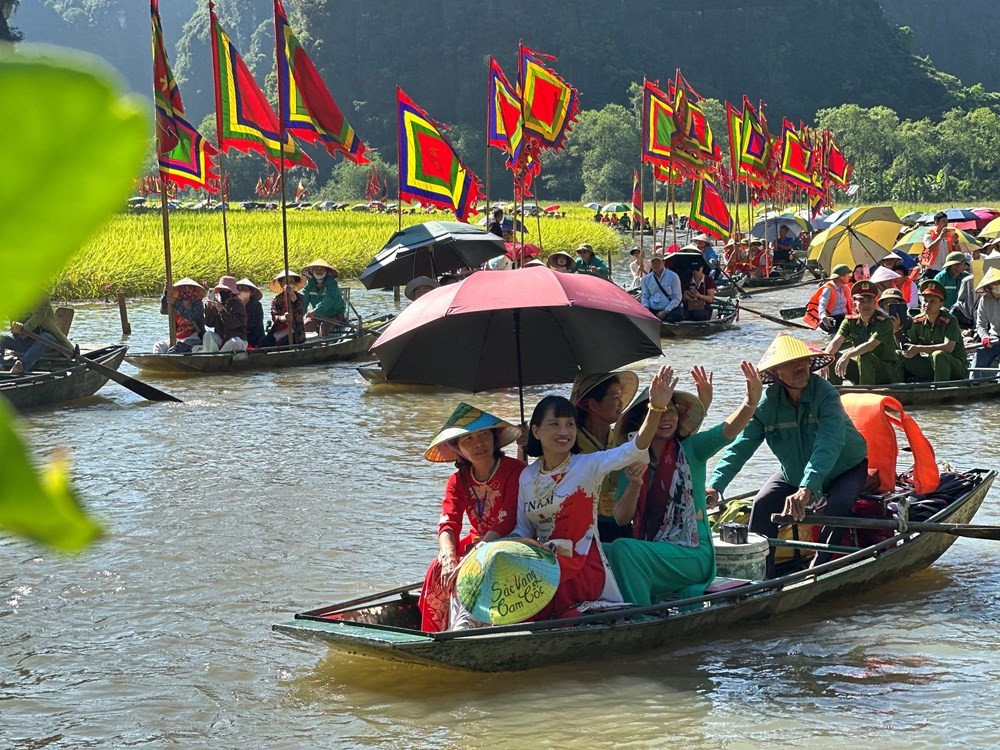
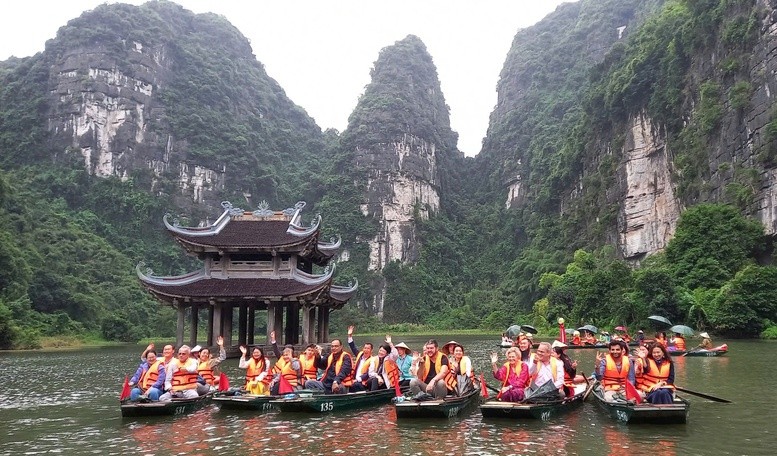
In recent years, Ninh Binh has not only cemented its position on the international tourism map through its magnificent natural landscapes but has also attracted visitors with the vibrant traditional festivals that embody the rich cultural heritage of the ancient capital region.
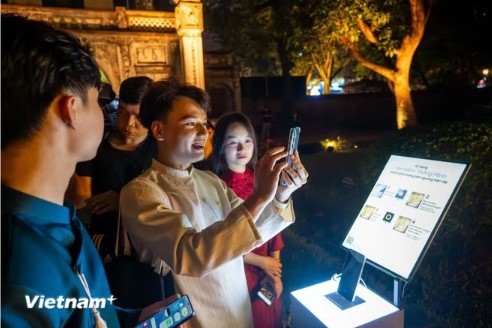
A newly issued decision, Decision No. 1033/QD-TTg approving the Digital Economy and Digital Society Development Programme for 2026 - 2030, places a strong emphasis on the tourism sector's digital transformation in Vietnam. The program prioritizes the use of digital technologies in the management and operation of tourism businesses, including accommodation providers, travel agencies, restaurants, and tourist attractions. The goal is to enhance operational efficiency while delivering more seamless, personalized, and engaging experiences for travelers.
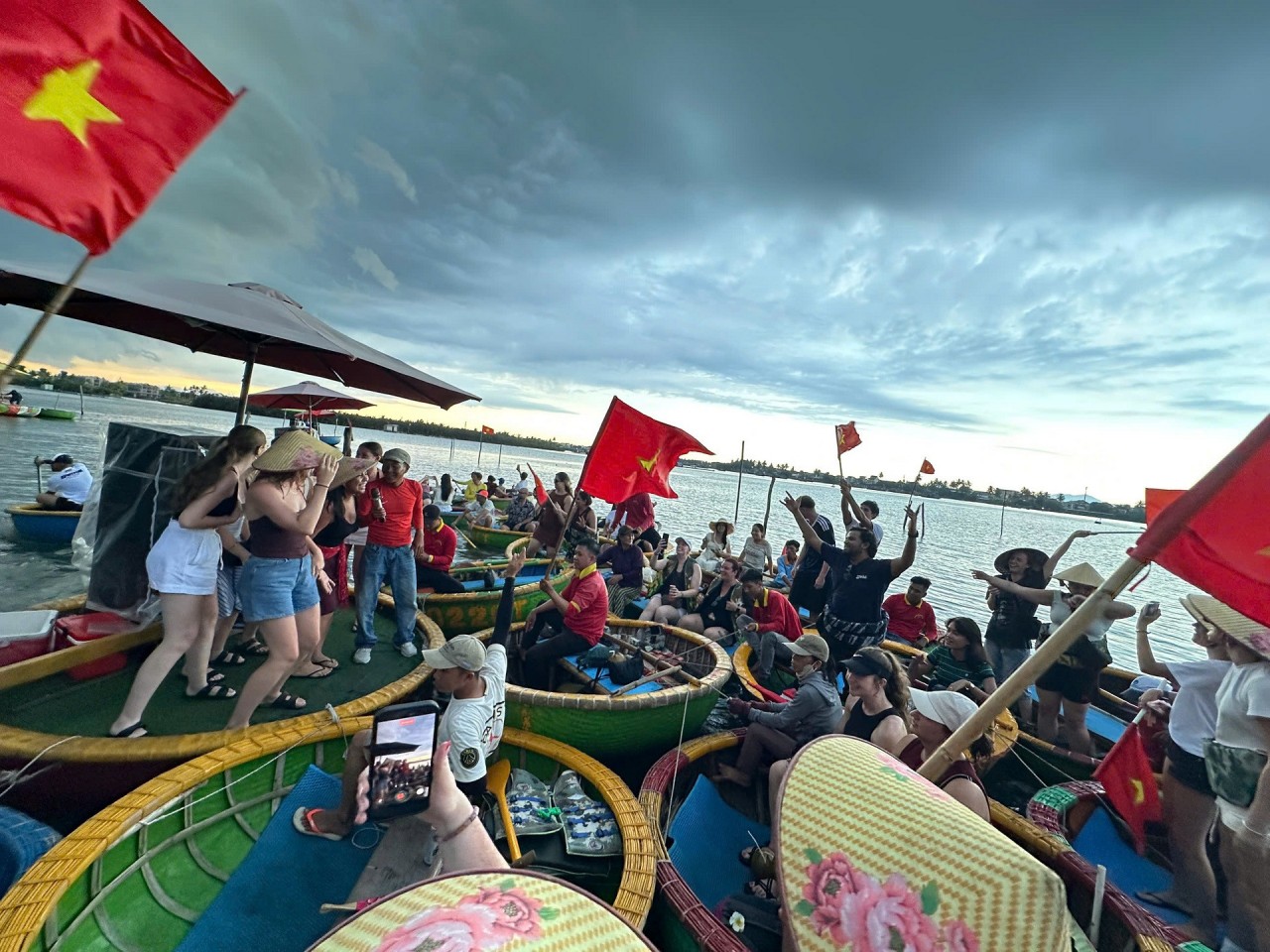
After a foreign tourist accidentally dropped a cellphone into the river while visiting the Bay Mau Coconut Forest in Hoi An, Da Nang, a 70-year-old basket boat operator immediately jumped into the water to retrieve it.
Practical examples have shown that digital transformation is not merely about technology. It is also driving more convenient travel experiences, higher-quality services, and more attractive destinations.
According to tourism industry statistics, Vietnam welcomed 10.6 million international visitors in the first five months of 2026, up 14.9% year-on-year and the highest figure ever recorded for the same period.
According to the Vietnam News Agency correspondent in France, the weekend edition of Le Parisien recently published an article introducing Vietnam as one of the most worthwhile countries to explore in Asia. Le Parisien considered Vietnam among the most attractive destinations in the world, with majestic natural landscapes, ancient cultural heritage, and amazing cuisine.
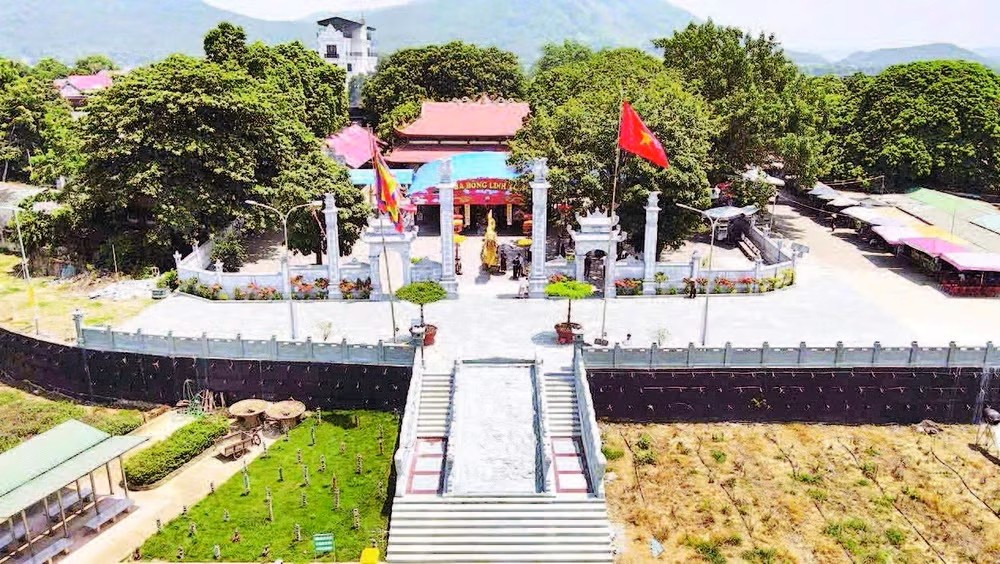
Amid the growing trend of combining heritage preservation with the development of cultural and spiritual tourism, Thanh Hoa has emerged as one of Vietnam’s notable destinations thanks to its rich network of temples and shrines associated with the UNESCO-recognized Intangible Cultural Heritage of Humanity, the Practices Related to the Beliefs in the Mother Goddesses of Three Realms of the Vietnamese People. Efforts to preserve the essence of this heritage while promoting tourism are opening up new development opportunities for the province.
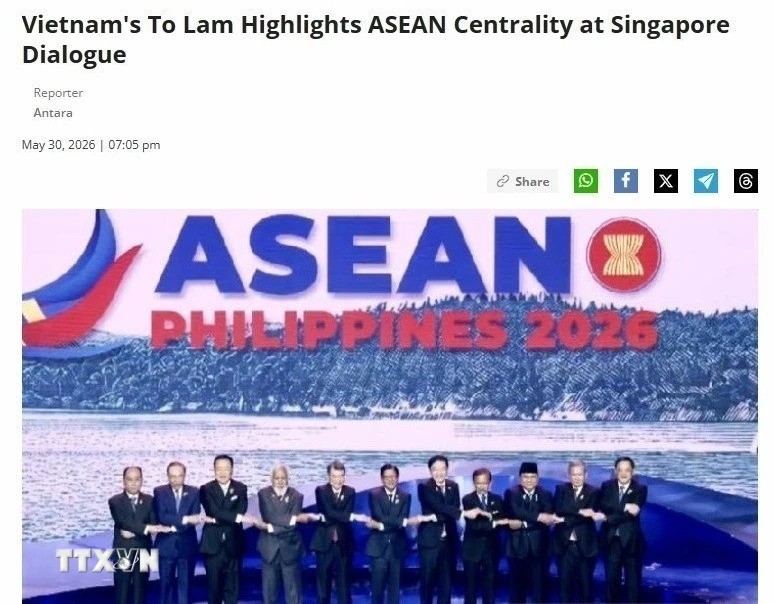
Indonesia’s Antara News Agency and Tempo newspaper on May 30 published articles on the keynote address delivered by General Secretary of the Communist Party of Vietnam and State President To Lam at the opening session of the 2026 Shangri-La Dialogue.


 National
 Travel
 Travel
 Travel
 Travel
 Travel
 Travel
 Travel
 Travel