
India-UAE Partnership and the Evolution of Strategic Autonomy
 |
India’s forces vision 2047 reflects a broader transformation in its concept of strategic autonomy. Traditionally associated with nonalignment and the preservation of decision-making independence, strategic autonomy is increasingly being reinterpreted through the lens of power projection and geopolitical influence.
In March 2026, Indian Defense Minister released a document, Defence Forces Vision 2047, outlining the futuristic objectives of the Indian Army. What makes this document different, from previous reform initiatives, is the recentering of Indian foreign policy. It indicates that strategic autonomy is not merely a defensive plan but becoming proactive and power projective. As the foreword notes, the objective is to build a ‘world-class military’ capable of securing India’s interests and asserting its place in the emerging global order. It transforms strategic autonomy from ‘autonomy through distance’ to ‘autonomy through capability and power’.
In India’s ‘Greater Indo-Pacific’ vision, the Middle East acts as a geostrategic hub accounting for trade corridors, energy security, and expatriate ties. Since 2014, Modi government has been engaged in multi-alignment, avoiding bloc politics. However, when the India-Middle East-Europe Economic Corridor (IMEC) was announced in 2023, New Delhi began considering the Middlew East as a connectivity Hub, geopolitical theatre, and a security environment ties to India’s rise, making the Middle East a part of India’s extended strategic space.
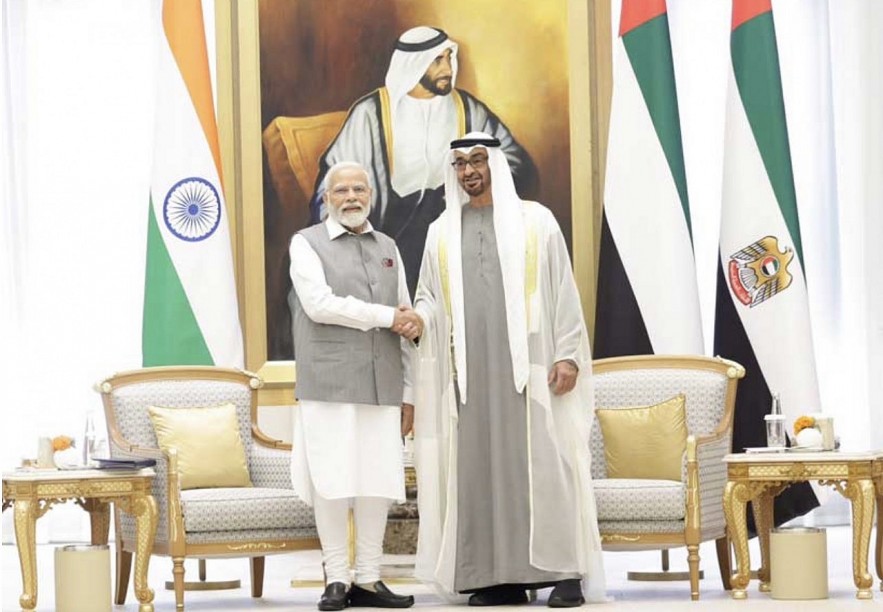
In May 2026, India and UAE signed a strategic defence partnership, which aims at deepening defence industrial collaboration. Both countries will cooperate on innovation, advance technology, training, maritime security, and information exchange. Defence cooperation will increase between UAE and India along with intelligence cooperation. Besides, defense diplomacy through joint exercises, military visits, and peacekeeping will enhance trust and cooperation between two countries.
The importance of India-UAE partnership extends beyond bilateral relations. It increasingly complements the broader strategic logic of the I2U2 framework, which links India, the UAE, Israel, and the US through cooperation in technology, connectivity, and logistics. Although I2U2 is not a formal pact, it highlights an emerging minilateral architecture that links economic integration with strategic coordination. As New Delhi deepens defence cooperation with the UAE while simultaneously advancing initiatives like IMEC, it is becoming embedded within the wider network of partnerships that seek to shape the future of regional order.
Another important aspect of this partnership is the strategic petroleum reserves, which will enable India to store its oil reserves in Fujairah, UAE. Fujairah is the largest oil refinery and a storing hub of the UAE, located outside the strait of Hormuz. As the Defense Vision 2047 highlights dealing with emerging conflict spectrum, New Delhi will inevitably protect those reserves, maritime routes and infrastructure.
In addition to it, this partnership represents a flexible alliance without treaty obligations. For instance, this agreement does not contain any. Likewise, trade relation between New Delhi and Riyad makes it unlikely for the latter to sign a formal defence deal with the UAE. While India’s exports to Saudi Arabia were to the tune of $12 billion in FY25, its imports, mainly comprising petroleum products, were more than $30 billion.
Although India and UAE partnership does not constitutea formal alliance, it contributes to the emergence of competing alignment networks in the Middle East. As India expands its security role through defence cooperation, intelligence sharing and maritime security initiatives. Other regional and extra-regional actors may respond by strengthening alternative security partnerships, reinforcing bloc-like alignments and intensifying strategic competition across the Middle East.
To sum up, India is not abandoning the strategic autonomy, it is redefining it for an era of competitive multipolarity. Through economic and strategic initiatives, such as I2U2, IMEC, and India-UAE, and the objectives outlined in the Defence Vision 2047, New Delhi is transforming strategic autonomy from a doctrine of non-alignment into one of proactive engagement and power projection. Under this framework, limited security partnerships suit India’s interests because they preserve flexibility in strategic alignments while expanding its influence beyond South Asia.
The India-UAE partnership illustrates this evolution by enabling New Delhi to remain free from binding alliance commitments while simultaneously becoming a stakeholder in the security architecture of the Middle East.



Most read

More Than VND 3.74 Billion Supports Da Nang Residents' Recovery After Typhoons Fengshen and Kalmaegi
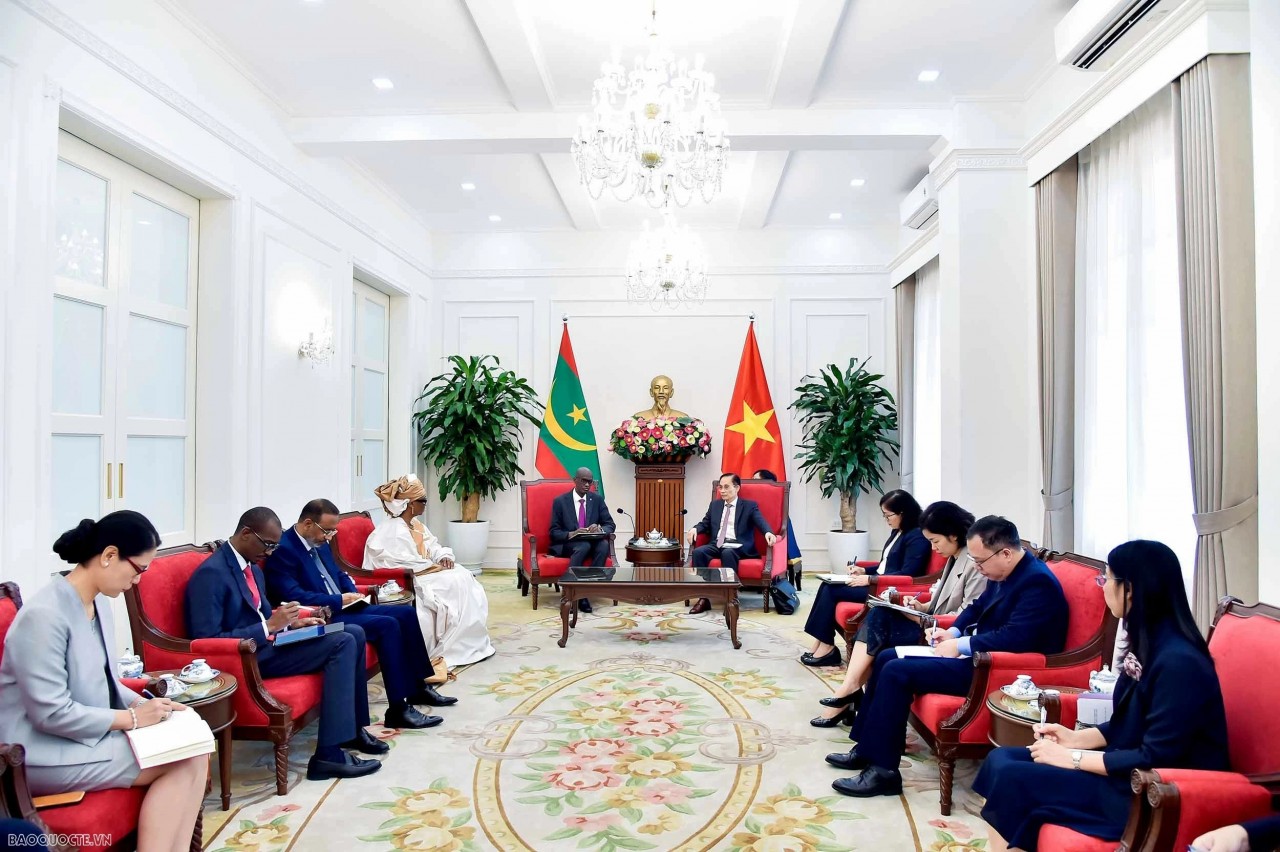
Vietnam, Mauritania Seek Stronger Cooperation in Agriculture, Telecommunications, and Mining
Recommended
 World
World
Vietnam Calls for Accelerated Global Cooperation to Achieve Sustainable Development Goals
 World
World
Thailand Updates Visa-free Rules
 World
World
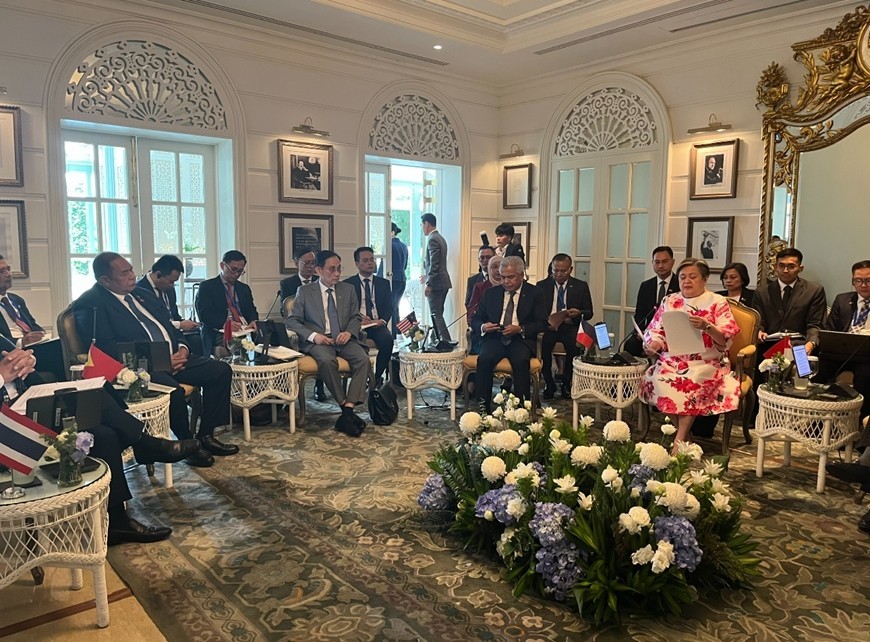
Vietnam Reaffirms Support for Effective Implementation of ASEAN's Five-Point Consensus
 World
World
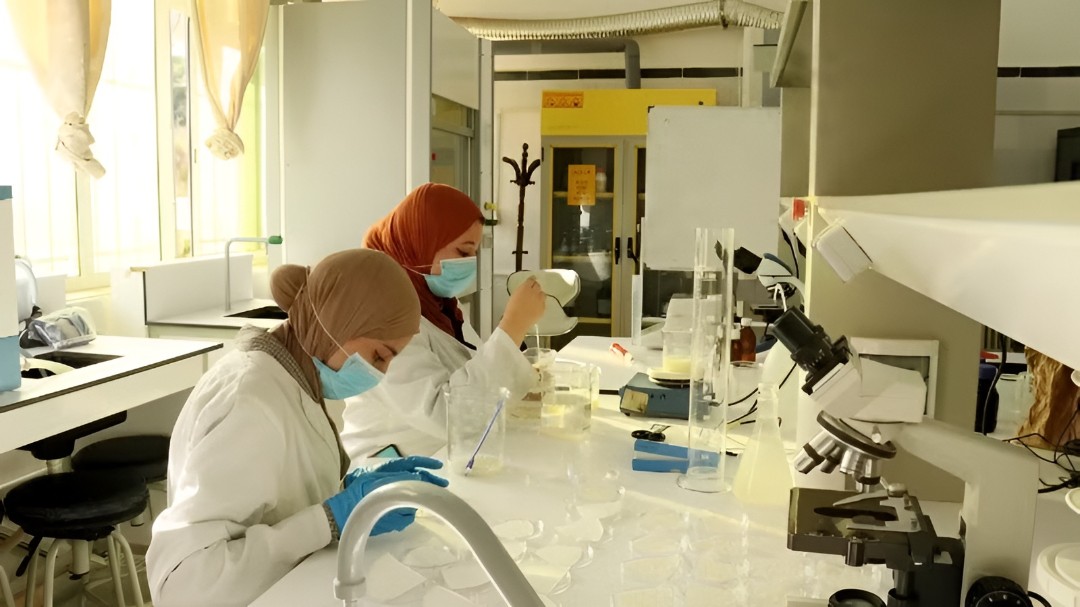
Algeria Shares Healthcare Expertise to Advance Africa's Pharmaceutical Self-Reliance
Popular article
 World
World
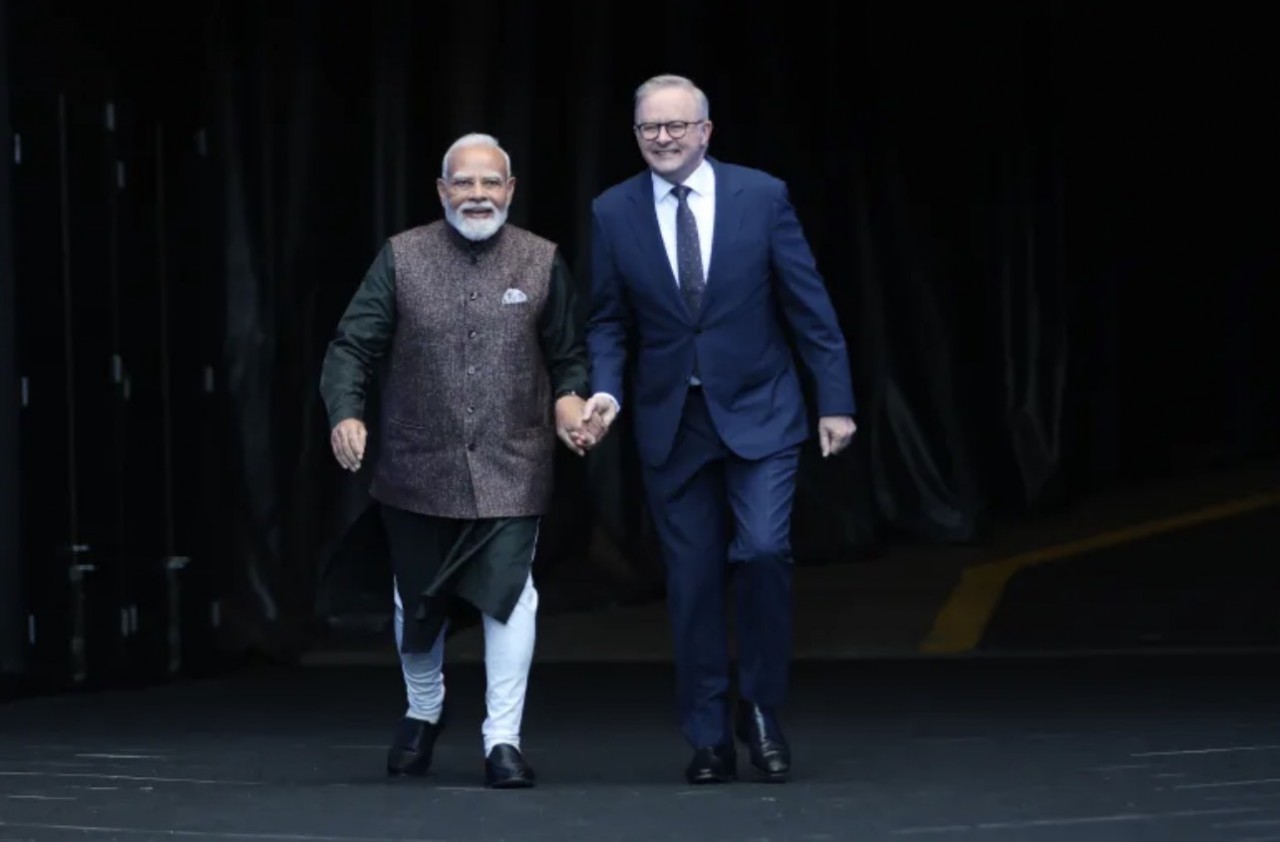
Modi's Asia-Pacific tour highlights India's regional engagement
 World
World
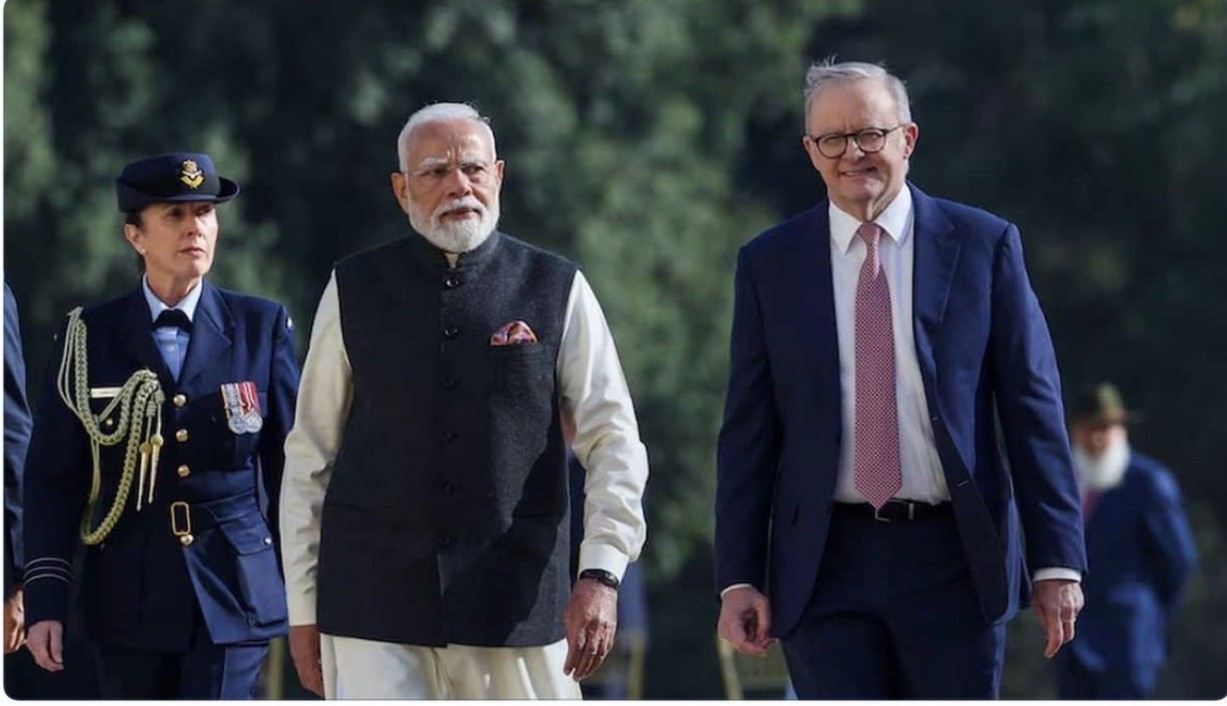
Australia-India Partnership on Cyber, Critical Technologies and Supply Chains
 World
World
Venezuela Declares Seven Days of National Mourning for Earthquake Victims
 World
World