
Innovating Religious and Belief Affairs to Strengthen the Great National Unity Bloc
 | Overseas Vietnamese in Thailand, Singapore and the Philippines Bridge Ties |
| Party and State Leader Meets Vietnamese Community in Philippines |
Joining hands to foster the great national unity bloc
After 10 years of implementing Conclusion No. 02/KL-ĐCT dated December 29, 2015, the VFF’s work on religious and belief affairs has achieved many positive results, contributing to greater solidarity among religious communities within the great national unity bloc. The VFF has continued to affirm its role as a bridge between the Party, the State, religious organizations, and all sectors of society; representing, caring for, and protecting the lawful and legitimate rights and interests of religious followers.
Most VFF committees at all levels have actively participated in the formulation and social critique of policies and guidelines on religious and belief affairs; strengthened oversight of the implementation of policies and laws related to religion and belief; promoted the positive cultural and moral values and resources of religions through patriotic emulation movements and campaigns; developed and enhanced the role of dignitaries, religious functionaries, and key movement leaders; and contributed to national construction and defense.
Entering the period from now until 2030, with a vision to 2045, the religious and belief affairs work of the Front and socio-political organizations faces new requirements. Efforts to mobilize, unite, and bring together religious organizations and believers within the great national unity bloc will build on past achievements while requiring continued innovation in both content and methods of operation to meet the demands of the country’s new development phase. Therefore, on June 5, 2026, the Presidium of the Central Committee of the VFF issued Conclusion No. 02/KL-MTTW-ĐCT on renewing the content and methods of operation of the VFF and socio-political organizations in religious and belief affairs during the new period.
A central theme running throughout the Conclusion is the requirement to “place the people, including religious followers, at the center, as the subjects, objectives, and driving force of innovation.” This means that all activities must stem from the needs, aspirations, and lawful and legitimate interests of religious communities.
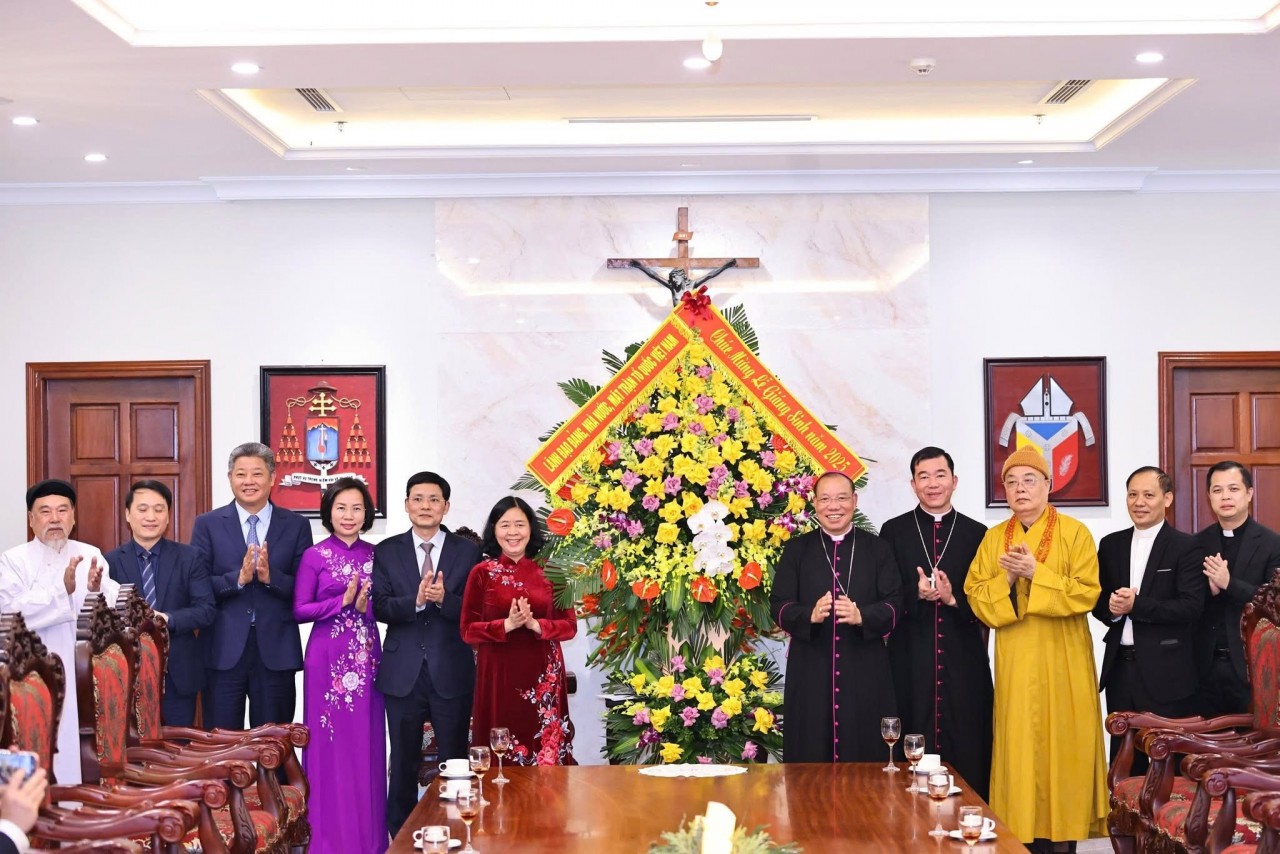 |
| Politburo Member, Secretary of the Party Central Committee, and President of the Central Committee of the Vietnam Fatherland Front Bui Thi Minh Hoai visits and extends Christmas greetings to the Archdiocese of Hanoi and Vu Van Thien, Vice President of the Catholic Bishops’ Conference of Vietnam, on December 19, 2025. (Photo: Vietnam Fatherland Front) |
Religious and belief affairs cannot be limited to disseminating policies and guidelines or addressing emerging issues through a purely administrative approach. Respecting legitimate needs and creating conditions for religious followers to participate more actively in social life are fundamental requirements of the innovation process.
A presentation by the Ho Chi Minh City VFF at the 11th National Congress of the VFF emphasized the principle of placing people’s well-being at the foundation of building and strengthening the great national unity bloc. In religious and belief affairs, this means ensuring that religious followers are heard, respected, and given opportunities to participate in matters of common concern to the community.
The Conclusion also calls for better promotion of the role of religious dignitaries, functionaries, clergy, and respected figures within religious communities. These individuals exert direct influence on the spiritual lives of believers and serve as important bridges between the Front and religious followers, helping to disseminate positive values and strengthen community cohesion.
Innovation must go hand in hand with the principle of “clear responsibilities, clear tasks, and clear accountability.” This requires clearly defining responsibilities in monitoring situations, conducting dialogue, receiving recommendations, following up on outcomes, and promptly reflecting the lawful and legitimate aspirations of religious followers. Religious and belief affairs can only achieve substantive results when responsibilities are assigned specifically and implementation is regularly monitored and supervised.
Renewing communication and outreach in the digital era
One of the most notable new elements of Conclusion No. 02/KL-MTTW-ĐCT is the requirement to “renew information dissemination, communication, and mobilization efforts, adapting to digital transformation in religious and belief affairs” as a key task. As social life and the media environment change rapidly, communication and outreach must move beyond a one-way transmission of information toward greater interaction, listening, and engagement with religious communities.
The Conclusion calls for “diversifying forms of communication, mobilization, engagement, dialogue, and the collection of opinions and aspirations of people with religious beliefs,” while emphasizing the application of information technology in gathering, consolidating, and reflecting public opinions through the “Digital Front Portal,” which receives recommendations 24/7. These requirements aim to expand channels for information reception and enable religious communities to express their concerns and aspirations more conveniently and promptly.
Digital transformation does not replace the Front’s direct presence at the grassroots level. The Conclusion requires the regular organization of visits, meetings, encouragement activities, and efforts to understand the concerns and aspirations of religious dignitaries, functionaries, and clergy during major religious festivals, national holidays, and significant religious and belief events. At the same time, periodic meetings and dialogues must be held with religious dignitaries, functionaries, leaders of religious organizations and affiliated entities, and managers of belief establishments to listen to the aspirations of religious followers; participate in resolving issues or recommend that competent authorities and relevant agencies promptly address proposals and recommendations from religious and belief organizations in accordance with the law.
Understanding the concerns and aspirations of religious communities must be linked to the responsibility to monitor, report, and recommend solutions, ensuring that lawful and legitimate proposals and recommendations are received and handled promptly in accordance with legal regulations.
The Conclusion devotes considerable attention to the task of developing official communication channels of the Front in religious and belief affairs. Accordingly, the Front and socio-political organizations are required to “establish and effectively operate official information and communication channels”; “promote communication on social media platforms”; and “provide timely, accurate, and transparent information on the Party’s and State’s policies related to religion and belief, as well as on the social activities of religious and belief organizations.” It also calls for enhancing the capacity of Front officials at all levels in applying information technology, digital tools, and artificial intelligence (AI).
As cyberspace increasingly influences social life, the Conclusion requires the timely detection and rebuttal of false and distorted information related to religion and belief, as well as schemes and activities that exploit religion and belief for personal gain, subversion, or the division of the great national unity bloc. It also calls for participation in guiding public opinion, contributing to the protection of the Party’s ideological foundation and maintaining socio-political stability for sustainable national development.
Proactively providing comprehensive, accurate, and transparent information, while objectively reflecting religious and belief life, is also a way to narrow information gaps - an environment often exploited by misinformation to spread. Therefore, countering distorted information cannot be separated from the tasks of official communication, listening to, and addressing the legitimate aspirations of religious communities.
Promoting the positive values and resources of religions for national development
Conclusion No. 02/KL-MTTW-ĐCT emphasizes the task of promoting the positive cultural and moral values and resources of religions; encouraging and creating favorable conditions for religious organizations and individuals to participate in campaigns, patriotic emulation movements, social welfare activities, humanitarian and charitable work, environmental protection, climate change response, and the building of new-style rural areas and civilized urban communities. This is a consistent theme reflecting the Front’s steadfast approach to mobilizing and harnessing the strength of religious communities within the great national unity bloc.
The Political Report presented to the 11th National Congress of the VFF states that Vietnam currently has more than 27 million religious followers, accounting for approximately 26.97 percent of the country’s population. Religious communities have consistently accompanied the nation, living by the principle of “serving both faith and society,” while actively participating in campaigns, patriotic emulation movements, social welfare initiatives, charitable and humanitarian activities.
This spirit was also reflected in numerous presentations delivered at the 11th National Congress of the Vietnam Fatherland Front. The Vietnam Buddhist Sangha reaffirmed its tradition of “protecting the nation and serving the people,” promoting a spirit of active engagement in society and accompanying the nation in the new context. Representatives of the Vietnam Committee for Solidarity of Catholics shared experiences in encouraging Catholics to live good secular and religious lives, respond to patriotic emulation movements, participate in building cultural life in residential communities, support social welfare efforts, and implement the Front’s action programs. These practical experiences demonstrate that mobilizing religious resources is always closely linked to community interests and national development.
The Conclusion also calls for the identification, commendation, and replication of exemplary models, innovative approaches, and outstanding individuals within religious communities. Recognizing and promoting effective practices and exemplary role models helps foster the positive values of religions, creates momentum for patriotic emulation movements, and further strengthens the great national unity bloc.
Strengthening social consensus and contributing to the protection of the Party’s ideological foundation
Against the backdrop of the rapid expansion of cyberspace, the swift spread of information, and increasing efforts by hostile forces to exploit ethnic and religious issues for distortion and subversive purposes, Conclusion No. 02/KL-MTTW-ĐCT calls for enhancing the effectiveness of public opinion monitoring and proactively identifying and addressing emerging issues related to religion and belief.
Notably, the Conclusion requires the timely detection and rebuttal of false and distorted information concerning religion and belief, as well as schemes and activities that exploit religion and belief for personal gain, subversion, or the division of the great national unity bloc. It also calls for participation in guiding public opinion, thereby contributing to the protection of the Party’s ideological foundation and the maintenance of socio-political stability.
Efforts to counter misinformation must go hand in hand with the proactive provision of accurate information and the timely listening to and resolution of the legitimate aspirations of religious followers. When lawful recommendations are received and addressed, and when the positive contributions of religious communities are recognized and widely promoted, social consensus can be strengthened from the grassroots level, enhancing society’s resilience against distorted narratives.
This serves as a foundation for consolidating the great national unity bloc, strengthening social consensus, and contributing to the protection of the Party’s ideological foundation during the country’s new stage of development.
| Six tasks and solutions for renewing the content and methods of operation of the Vietnam Fatherland Front and socio-political organizations in religious and belief affairs during the new period (According to Conclusion No. 02/KL-MTTW-ĐCT dated June 5, 2026) Renew information dissemination, communication, and mobilization efforts, adapting to digital transformation in religious and belief affairs. Renew the content and methods of operation of the Vietnam Fatherland Front and socio-political organizations, with a stronger focus on grassroots engagement, staying close to the people, and serving the people. Effectively supervise the implementation of guidelines, policies, and laws on religion and belief, and conduct social critique of draft guidelines, policies, laws, programs, schemes, and socio-economic development projects related to religion and belief. Enhance the capacity of personnel of the Vietnam Fatherland Front and socio-political organizations at all levels engaged in religious and belief affairs. Strengthen coordinated and unified action between the Front, socio-political organizations, and member organizations, while improving coordination with Party and State agencies; mobilize and coordinate efforts to promote the role of religious organizations and their affiliated entities in religious and belief affairs. Expand exchanges of experience and international cooperation in the field of religion and belief, broaden people-to-people diplomacy through religious channels, contribute to enhancing Vietnam’s standing and positive image among international friends, and support the cause of national construction and defense. |
 | Vietnam’s Religious Freedom in Practice: Law, Participation, and Living Faith The increase of more than 10 million followers of various religions over the past 20 years is clear evidence that the Party and the State ... |
 | “Few Countries Have Religious Solidarity Models Like Those in Vietnam” Training sessions held inside mosques with the participation of Buddhist dignitaries; community kitchens supporting people during the COVID-19 pandemic; and coordinated activities to care for ... |


Related Stories
 National
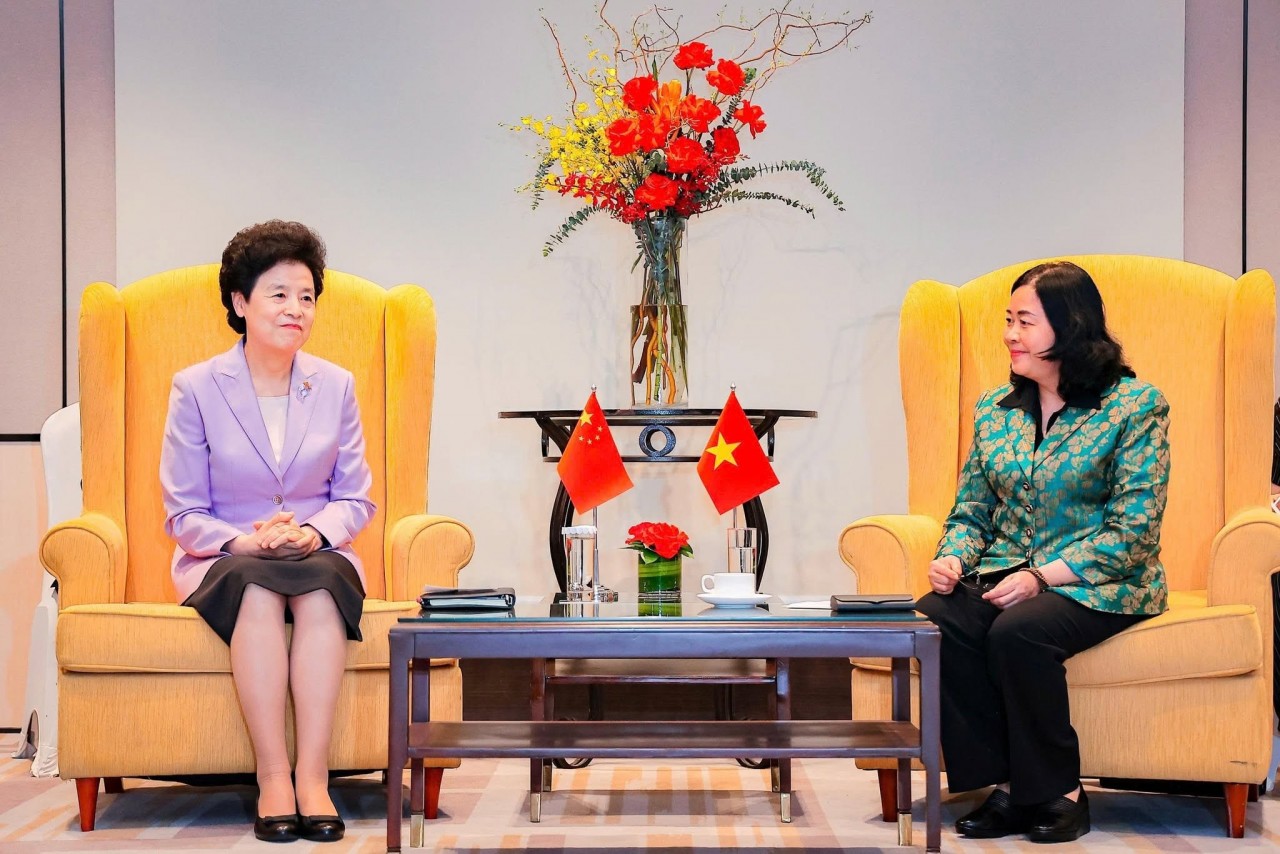
Vietnam Fatherland Front and Chinese People's Political Consultative Conference Promote Cooperation and People-to-People Exchanges
 Viet's Home
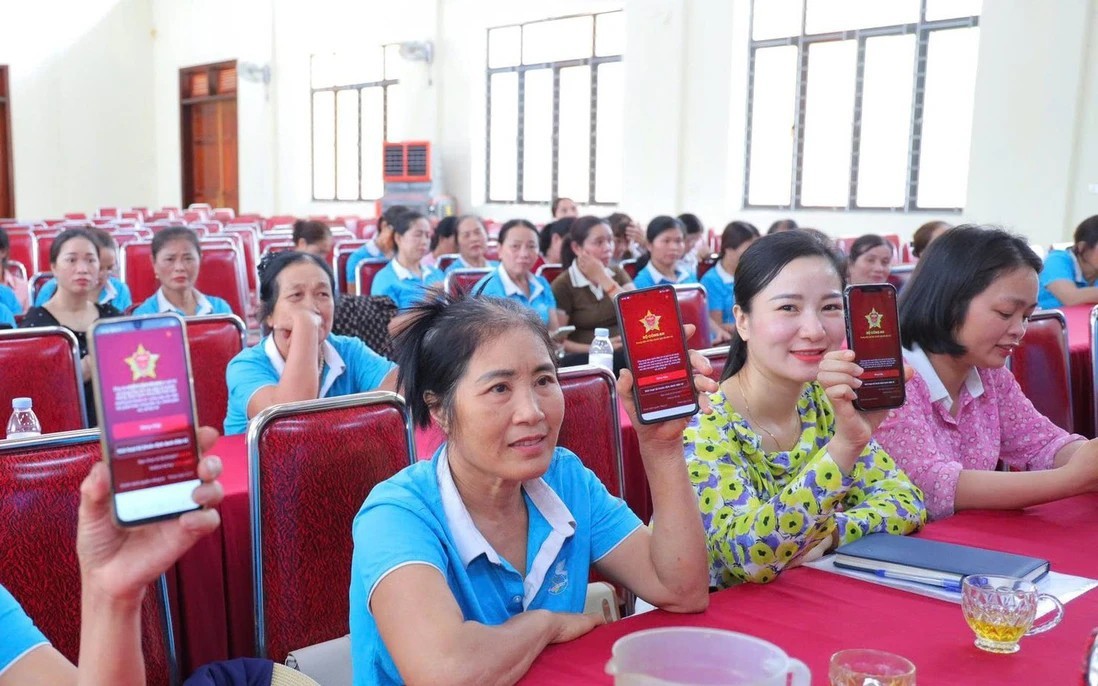
Placing People's Satisfaction at Center of Vietnam Father Front Activities
 National
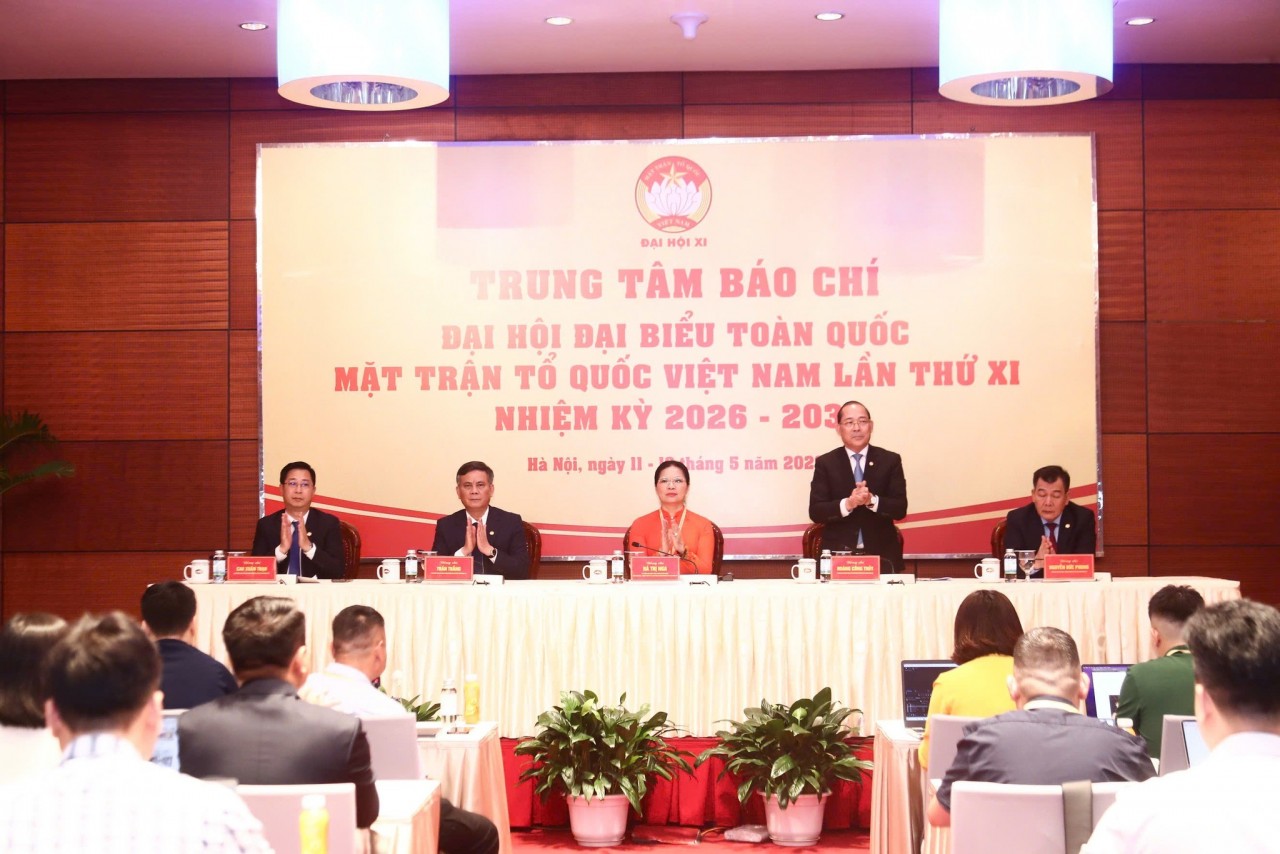
Vietnam Fatherland Front Launches “Month for Listening to the People” and “Digital Villages”
 Viet's Home
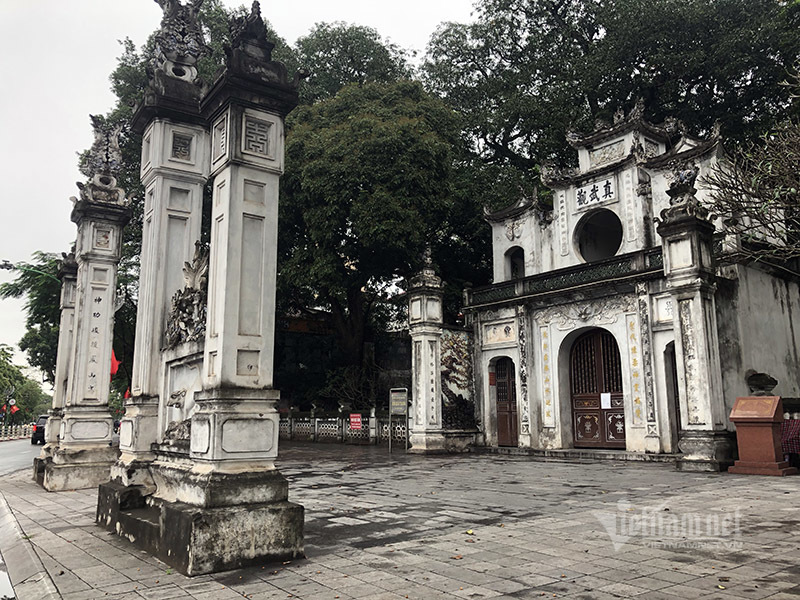
Pictures of worship places on first day of social distancing easing
Recommended
 National
Preparing for APEC 2027: Accelerating Completion of Media Infrastructure to Support International Press
 National
Vietnam News Today (July 5): Vietnam Supports Global Efforts for Energy Efficiency at IEA Conference
 National
Vietnam News Today (July 4): International Tourist Arrivals to Vietnam Rise Nearly 15% in First Half of 2026
 National
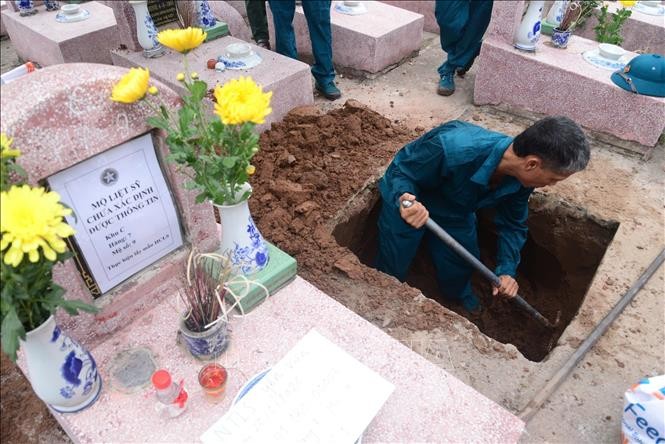
500-Day Campaign: Hope of Reunion Through DNA Evidence
Popular article
 National
Ho Chi Minh City Marks 50 Years with 3D Mapping Light Show
 National
Full Remarks by General Secretary, President To Lam at 50th Anniversary of Sai Gon-Gia Dinh Named After President Ho Chi Minh
 National
New Advances in DNA Technology for Identifying Fallen Soldiers
 National