
Integrating Local Cultural Values Into Tourism Activities
 | New Boarding Facility Opens for Students in Lai Chau |
| Journey to a Brighter Future for Students in Remote Muong Nhe |
During this process, the locals become more aware of their own cultural identity, considering it the foundation for forming distinctive experiences and creating the unique appeal of each destination.
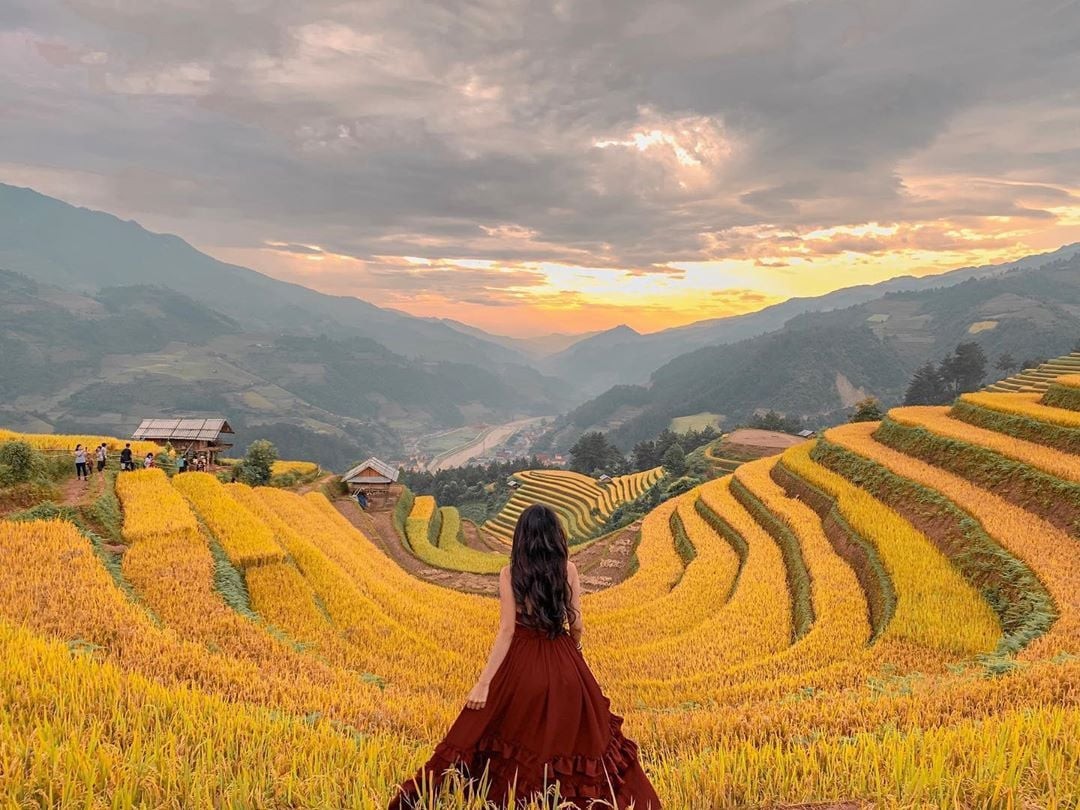
In Mu Cang Chai commune (Lao Cai province), cultural values are spread through symbols associated with the landscape and the life of the H'Mong people. At the end of 2017, Giang A De and his wife founded Hello Mu Cang Chai homestay. The characteristic terraced rice fields, along with experiences related to community life and stories shared by local people, has turned it into a popular tourist spot.
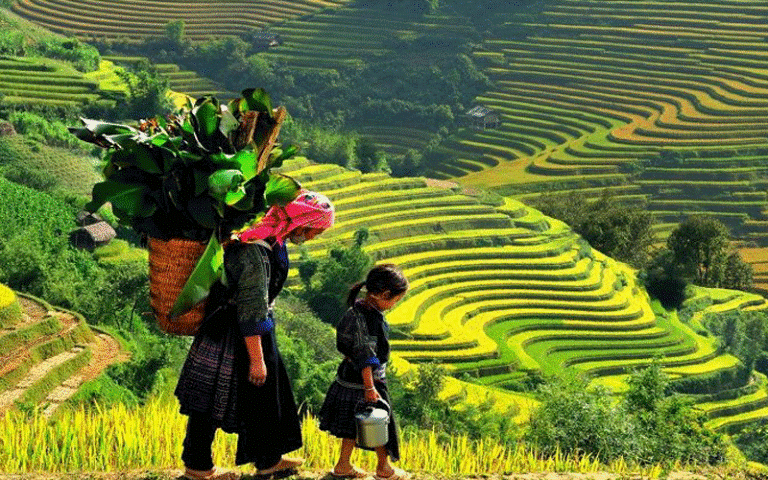 |
| Daily beauty in the life of the H'mong people in the highlands of Mu Cang Chai (Source: Yen Bai Portal). |
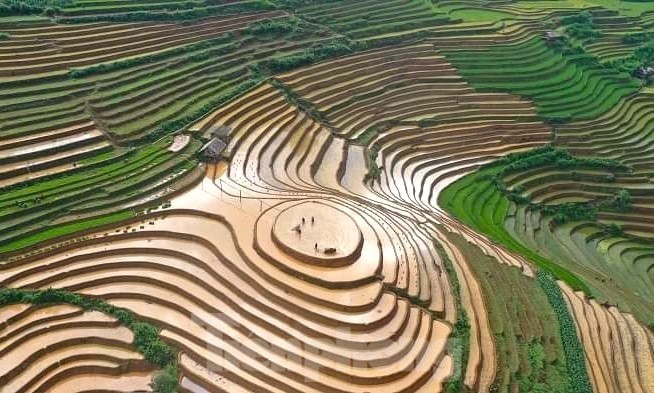
Giang A De said that the terraced rice fields are the result of labor created and nurtured over many generations, with the "Doi Mam Xoi" being a symbol of Mu Cang Chai. During the rice harvest season, this landscape evokes the image of a full plate of sticky rice on a dinner table, representing abundance and happiness. During the rainy season, when the sunlight reflects on the terraced fields, it marks the beginning of a new harvest season, expressing the aspiration for growth and development.
Tourists can learn this to better understand the farming practices, agricultural production cycles, and how the H'Mong people adapt to natural conditions to create these magnificent terraced rice fields.
Through understanding the values passed down through generations, the locals are gradually transforming their cultural identity into tourism products and experiences linked to unique characteristics. A deep understanding of traditional culture also empowers the community to confidently take on the role of key players in tourism development and promoting the image of their homeland.
Ta Van village, located in the Muong Hoa valley, about 10 km from the center of Sa Pa ward (Lao Cai province), is home to the H'Mong, Giay, and Dao ethnic groups. The terraced rice fields and the diverse living spaces create a unique charm for this destination.
Phan Thi Hen, a Giay ethnic woman from Ta Van village and owner of the local souvenir store specializing in brocade and handicrafts shared that many tourists come to Sa Pa to see the daily life of the local people. Therefore, tourism products must be formed from the community's cultural activities.
"Accommodation, clothing, cuisine, and hospitality all reflect the local culture," she said.
With the increasing number of domestic and international tourists visiting Sa Pa, the brocade products of the Giay people have become an attractive tourist item. Phan Thi Hen as well as other villagers have expanded their weaving and indigo dyeing skills, incorporating patterns and motifs into modern fashion items. The meaning of each pattern and motif, and each souvenir has become a bridge connecting local people and their community life with tourists.
In Da Bac commune (Phu Tho province), indigenous knowledge is incorporated into tourism through experiences linked to daily life. Many homestays and farmstays are built in traditional architectural styles, using natural materials to preserve the original, rustic atmosphere. Tourists staying here can directly participate in indigo dyeing, making Do paper, embroidering scarves, cooking with the locals, and learning about local customs.
For nearly 10 years, Ly Thi Nhat in Sung village has developed Lieu Farmstay, closely linked to the cultural values of the Dao Tien people, in her community-based tourism business. She explains that indigenous knowledge is the foundation for the development of community tourism products.
"Traditional techniques such as indigo dyeing, beeswax painting, and pattern making are applied to handicrafts and experiential activities. We both preserve traditional crafts and share our cultural life, helping tourists gain a deeper understanding of the local culture," said Nhat.
With a growing awareness that indigenous knowledge, customs, and cultural values are unique assets that create advantages for destinations, ethnic communities in the northern mountainous regions are gradually shifting from participating in service provision to becoming creators, directly designing experiential tourism products and confidently telling the cultural stories of their people.
Integrating local cultural values into tourism activities is opening up many opportunities for local economic development. This process also helps people improve their service skills, foreign language proficiency, and service organization capabilities, gradually building a professional and sustainable tourism model based on local culture.
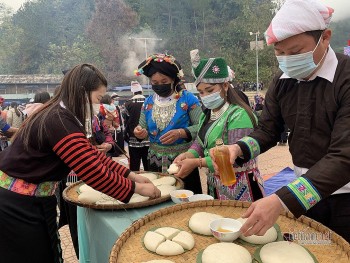 | Exquisite Banh Day Pounding Festival in Mu Cang Chai Banh Day is a traditional H'Mong delicacy that symbolizes gratitude to gods and ancestors. |
 | The Beauty of Mu Cang Chai from Above Mu Cang Chai district (Yen Bai) usually welcomes thousands of domestic and foreign tourists from the beginning of September to the end of October every ... |

Most read

Related Stories
 Viet's Home
Defining Vietnam: The Need for a Modern, Methodical Communication Strategy
 Travel
Mu Cang Chai - Breathtaking Beauty of Northern Vietnam
 Travel
Admire The Alluring Scenic View Of Mu Cang Chai In Rainy Season
 National
Vietnam News Today (May 31): Vietnam Hits Peak Time for Domestic Tourism
Recommended
Viet's Home
Integrating Local Cultural Values Into Tourism Activities
Popular article
 Viet's Home
Champasak Proposes Expanded Cooperation with Can Tho Across Multiple Sectors
 Viet's Home
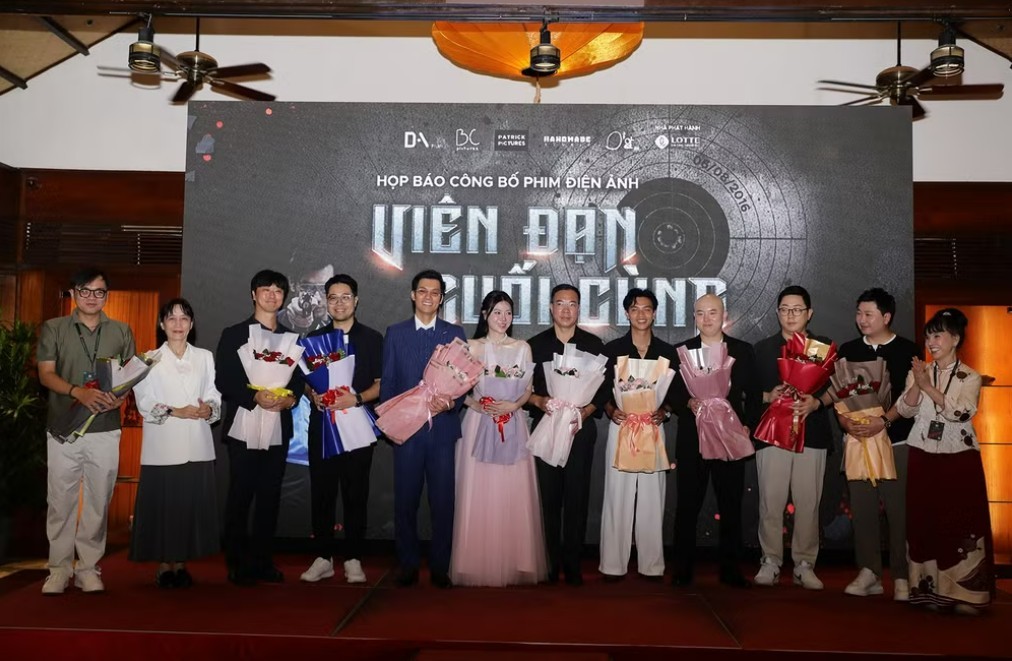
Olympic Champion Shooter Hoang Xuan Vinh Aspires New Viet-RoK Film Project
 Viet's Home
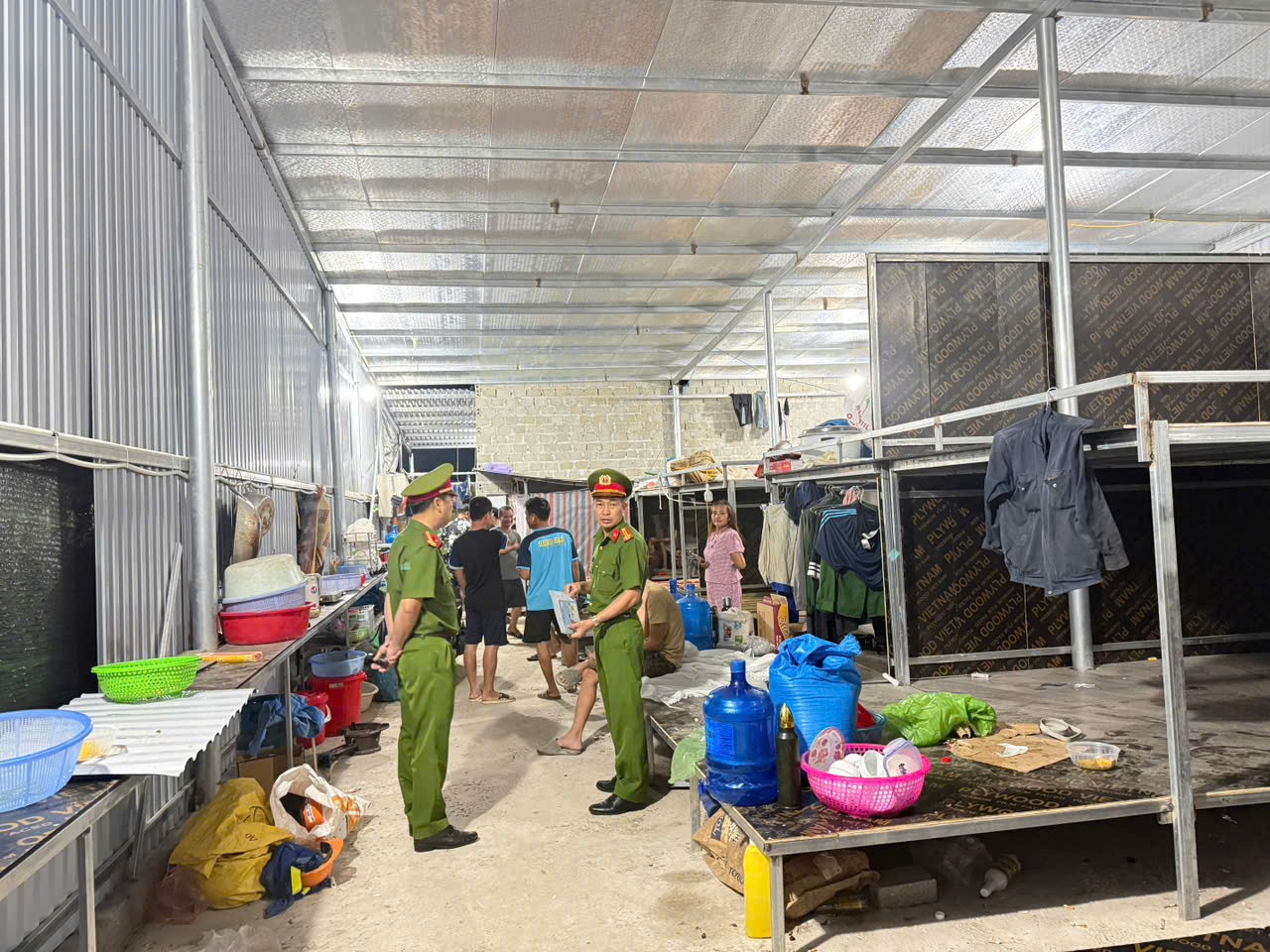
Vietnam Intensifies Monitoring Drug Use Crimes at Private Rental Accommodations
 Viet's Home