
Malaysian Expert: Vietnam Contributes to ASEAN’s Peace, Stability, and Development
 | 14th National Party Congress: Vietnam – A "pillar" of diplomacy in ASEAN |
| Strengthening Business Connectivity, Promoting ASEAN-China Investment |
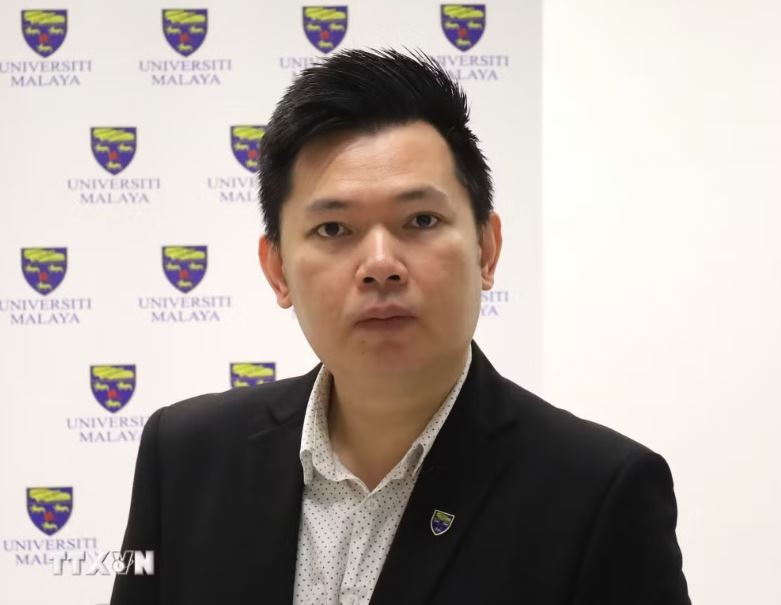 |
| Foreign affairs, security, and strategic analyst Collins Chong Yew Keat of the University of Malaya. (Photo: Vien Luyen/VNA) |
According to Collins Chong Yew Keat, General Secretary and State President To Lam’s official visit to Thailand coincided with the 50th anniversary of diplomatic relations between Vietnam and Thailand and took place after the two countries elevated their ties to a Comprehensive Strategic Partnership in 2025. As two of ASEAN’s largest economies, the visit generated tangible momentum at the business level. The Vietnam-Thailand Business Forum reportedly attracted nearly 700 enterprises from both countries. Therefore, the most significant outcome was not merely the number of agreements signed, but also the strategic message conveyed: Vietnam and Thailand are working to build a more integrated ASEAN economic space by strengthening cooperation in tourism, logistics, food security, energy, green growth, and private investment. The analyst noted that such efforts also help reduce the risk of ASEAN’s mainland economies becoming overly dependent on external sources for growth.
Regarding the visit to Singapore, Collins Chong Yew Keat noted that General Secretary and State President To Lam’s keynote address at the 23rd Shangri-La Dialogue also attracted considerable international attention. The visit took place after Vietnam and Singapore upgraded their relationship to a Comprehensive Strategic Partnership in March 2025. During the visit, the two sides signed cooperation documents in areas including technology, supply chain resilience, education, judicial cooperation, public administration, and political relations.
The analyst observed that this development indicates Singapore is no longer merely an investor in Vietnam but is increasingly becoming a model and partner for Vietnam’s next stage of development in such areas as digital governance, advanced manufacturing, finance, clean energy, innovation ecosystems, and supply chain upgrading. During the visit, the Vietnamese leader met with executives of major Singaporean corporations and organizations, while Vietnamese officials studied Singapore’s technology and innovation models.
At the Shangri-La Dialogue, Collins Chong Yew Keat stated that General Secretary and State President To Lam’s message extended beyond bilateral issues. He pointed to three interrelated crises currently unfolding simultaneously: a crisis of the international order, a crisis of development models, and a crisis of strategic trust. The Vietnamese leader also called for stronger international law, inclusive development, and dialogue. According to the analyst, such messages have helped elevate Vietnam’s diplomatic voice and standing. Through the keynote address, Vietnam reaffirmed its role as a proactive and responsible ASEAN member, ready to contribute perspectives on regional issues such as regional order, maritime security, and the role of major powers.
According to the analyst, the state visit to the Philippines produced the most notable outcomes in security cooperation. On this occasion, the leaders of the two countries issued a Joint Statement on the Enhanced Strategic Partnership between Vietnam and the Philippines. The analyst emphasized that this was a significant step forward, as Vietnam is currently the Philippines’ only strategic partner within ASEAN.
Both countries are littoral states of the East Sea, and the visit further strengthened the maritime security cooperation framework that is being developed. According to the analyst, the visit also sent a clear diplomatic message that Vietnam values the Philippines not only as a bilateral partner but also as an important link in ASEAN’s maritime cooperation and security architecture.
Overall, Collins Chong Yew Keat assessed that General Secretary and State President To Lam’s visits to Thailand, Singapore, and the Philippines have contributed to promoting ASEAN’s peace, stability, and development in multiple respects. First, the visits helped strengthen political trust and promote cooperation among ASEAN member states, thereby reinforcing ASEAN unity and centrality in regional affairs.
In addition, the high-level diplomatic activities reaffirmed Vietnam’s support for the principles of international law, respect for sovereignty, the peaceful settlement of disputes, and the maintenance of a stable environment conducive to development. According to the analyst, the messages conveyed during the Singapore visit reflected Vietnam’s consistent approach to promoting cooperation, dialogue, and confidence-building.
Collins Chong Yew Keat also noted that the visits opened up numerous opportunities for economic cooperation between Vietnam and its ASEAN partners in areas such as green growth, agriculture, energy, tourism, technology, innovation, finance, and supply chain connectivity. These areas of cooperation are expected to help create a more diversified ASEAN growth structure.
Furthermore, enhanced cooperation among countries bordering the East Sea, including Vietnam and the Philippines, is viewed as contributing to dialogue, confidence-building, and the expansion of practical maritime cooperation. According to the analyst, this will support efforts to maintain peace, stability, and cooperation in the region, in line with ASEAN’s common interests.
Finally, Collins Chong Yew Keat stressed that at a time when ASEAN is facing numerous geopolitical, security, and economic challenges, General Secretary and State President To Lam’s visits to Thailand, Singapore, and the Philippines carry significant importance for strengthening regional cooperation and connectivity. In his view, the message conveyed is that Vietnam seeks to continue playing a proactive, responsible, and constructive role in promoting peace, stability, and development in ASEAN.
 | India’s Engagement with ASEAN: Strengthening Mutual Trust The State of Southeast Asia 2026 Survey, releasedby ISEAS – Yusof Ishak Institute, reveals a paradoxical trust deficit towards India. While India’s overall trust rating ... |
 | Vietnam-Singapore Ties: A Cooperation Model in ASEAN The two sides agreed that, amid an increasingly complex and volatile global environment, Vietnam and Singapore should further strengthen coordination, for the development of each ... |
Related Stories
 Friendship
Vietnam Establishes First Honorary Consulate in Thailand
 Friendship
People-to-People Bridges Across 50 Years of Vietnam-Philippines Relations
Recommended
 Viet's Home
Indian Ambassador Thanks Vietnam for Swift Response to Phu Quoc Speedboat Capsizing
 Viet's Home
Portugal Crowned Champion of 2026 Da Nang International Fireworks Festival
 Viet's Home
Ca Mau Enhances Capacity of Officials to Effectively Mobilize International Aid
 Viet's Home
Over 50 Calls and Messages Help Search for Fallen Soldiers at Tan Son Nhat Airport
 Viet's Home
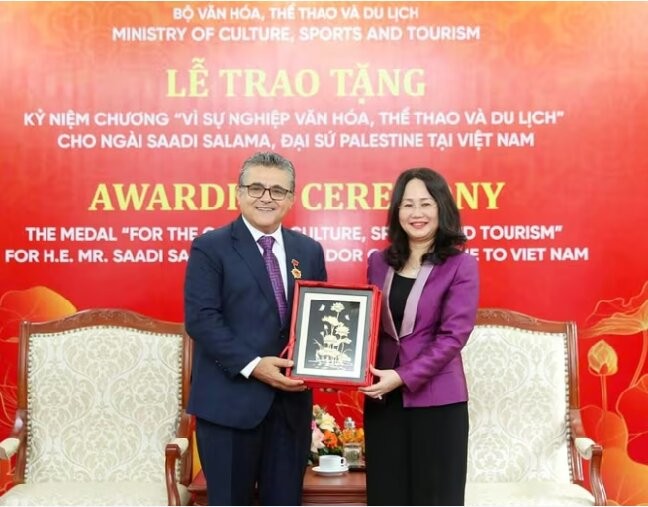
Palestinian Ambassador Saadi Salama Awarded "For the Cause of Culture, Sports and Tourism" Medal
 Viet's Home
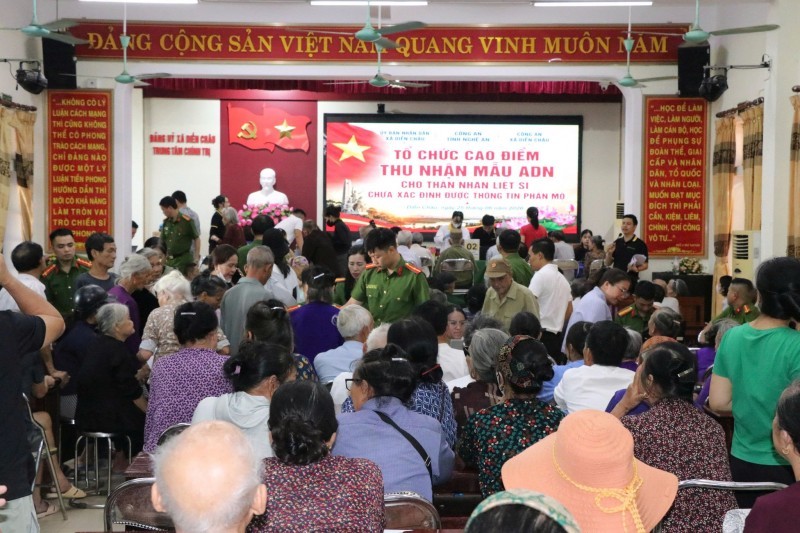
Nghe An's 500-Day and Night Campaign Collects 17,831 DNA Samples
 Viet's Home
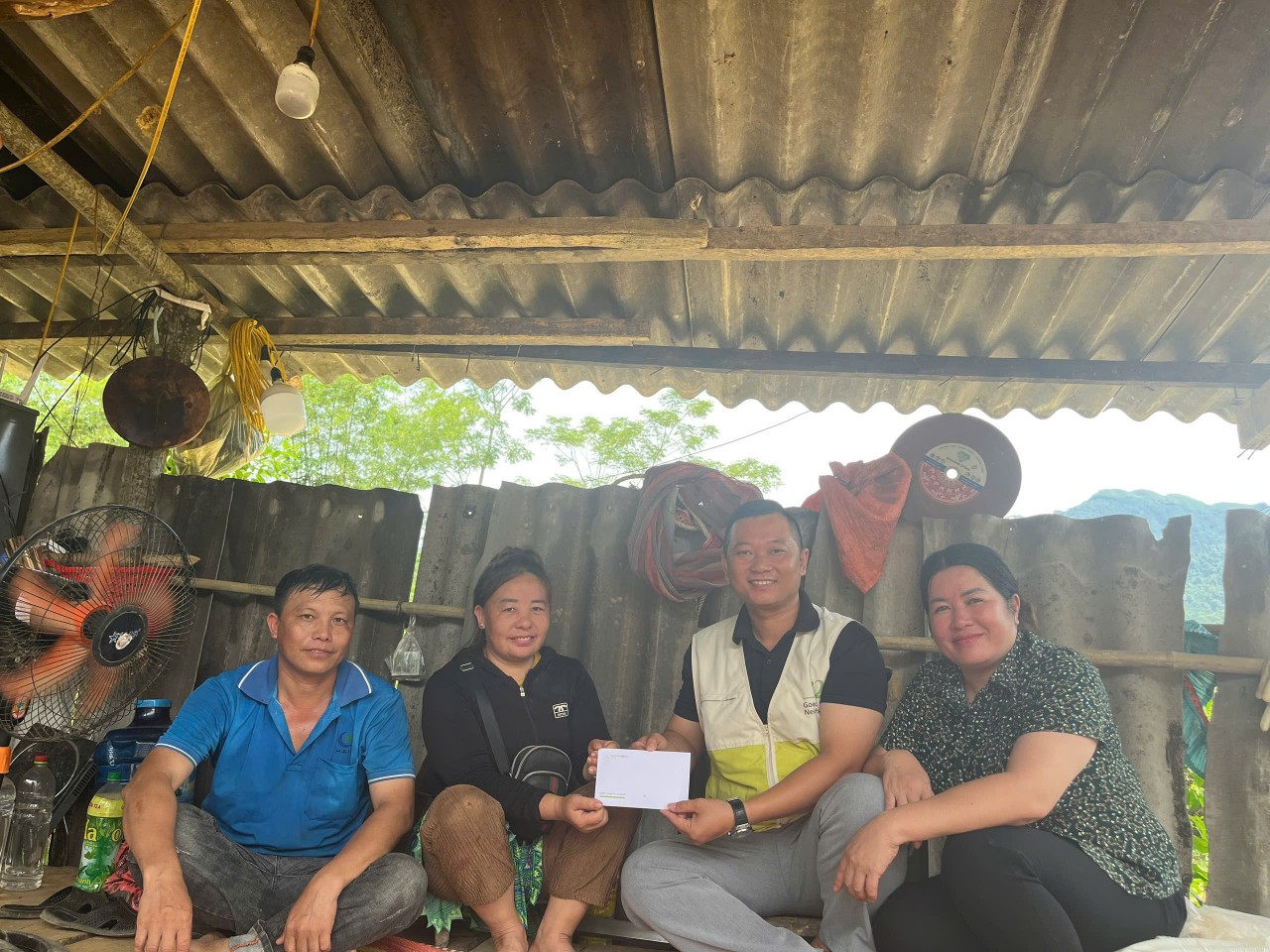
GNI Supports Housing Improvements for Five Sponsored Children in Tuyen Quang
 Viet's Home