
Oxfam to Continue Supporting Viet Nam in Achieving Its Development Goals Towards 2045
| Oxfam and VCCI-HCM Help Businesses Improve Management and Connect with Markets Three Priorities for Oxfam’s Engagement in Vietnam |
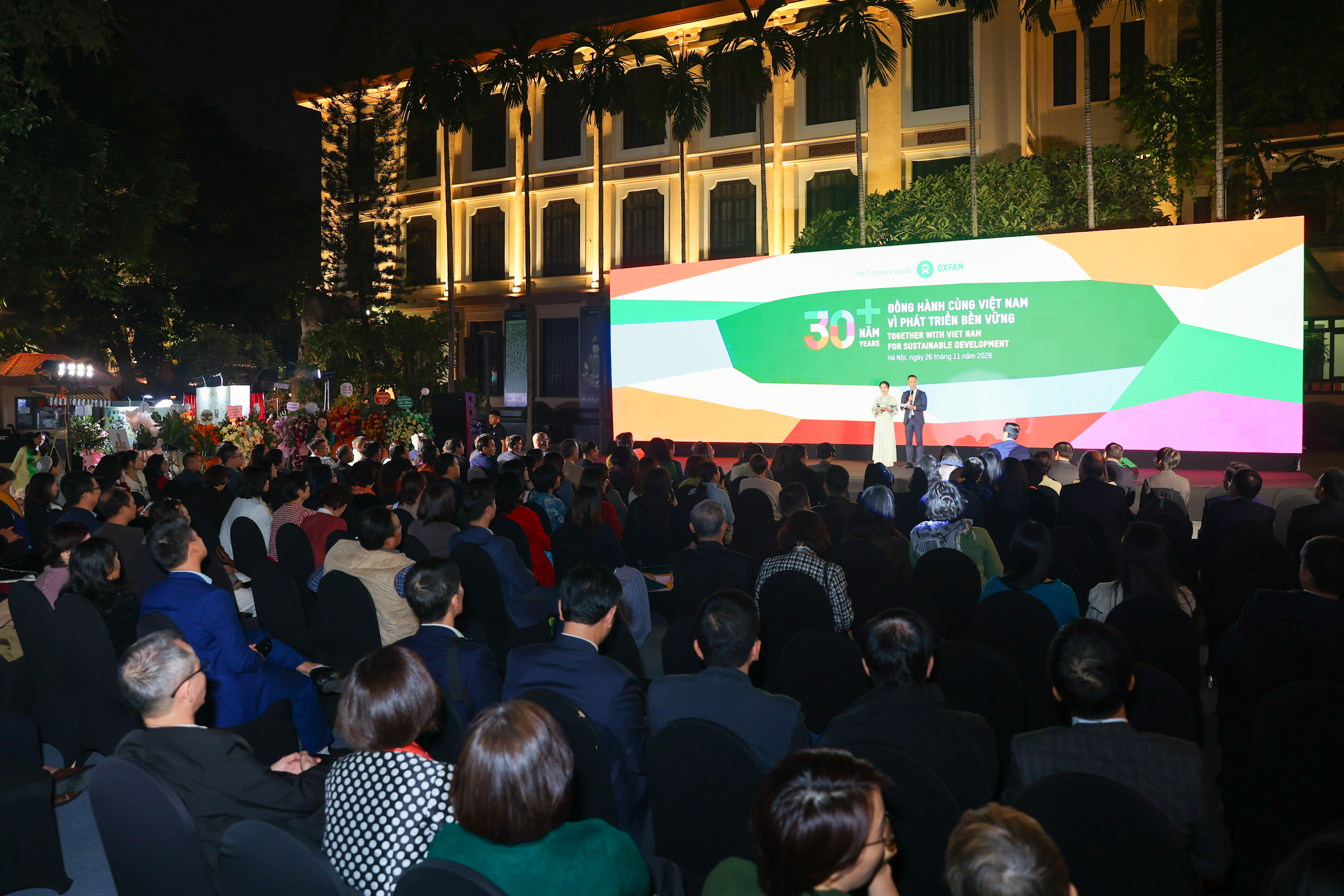 |
| The ceremony marking more than 30 years of Oxfam's partnership with Viet Nam. (Photo: Dinh Hoa) |
From humanitarian relief to sustainable development
On November 26 in Ha Noi, Oxfam held a ceremony marking more than 30 years of partnership with Viet Nam. The event provided an opportunity to reflect on the outcomes of cooperation between Oxfam, the Vietnamese Government, its partners and the Vietnamese people, while identifying new areas of cooperation in the country's next phase of development.
According to Oxfam, the organisation began providing support to Viet Nam in 1955, primarily through humanitarian relief activities. From the late 1980s, alongside Viet Nam's Doi Moi (Renewal) process, Oxfam expanded its activities to include development projects, focusing on hunger eradication and poverty reduction, the construction of water supply systems, dykes and irrigation works, the piloting of new farming models, and equipping local people with essential skills. From the 1990s onwards, Oxfam's member organisations successively established representative offices in Viet Nam.
One of the notable projects during its early years was support for the construction of a sea dyke in the former Ky Anh District, Ha Tinh Province. Between 1989 and 1995, Ha Tinh experienced nearly 20 severe storms, which had a serious impact on people's lives and livelihoods. Through coordination among local authorities, residents, technical teams, and Oxfam Great Britain and Ireland, the sea dyke helped protect more than 3,000 households and restore thousands of hectares of rice fields that had previously been flooded and affected by saltwater intrusion.
From the late 1990s, Oxfam shifted from implementing individual projects to comprehensive, long-term development programmes. These placed greater emphasis on strengthening the capacities of individuals, communities, social organisations and local partner organisations, with the aim of achieving sustainable changes led and owned by the people themselves.
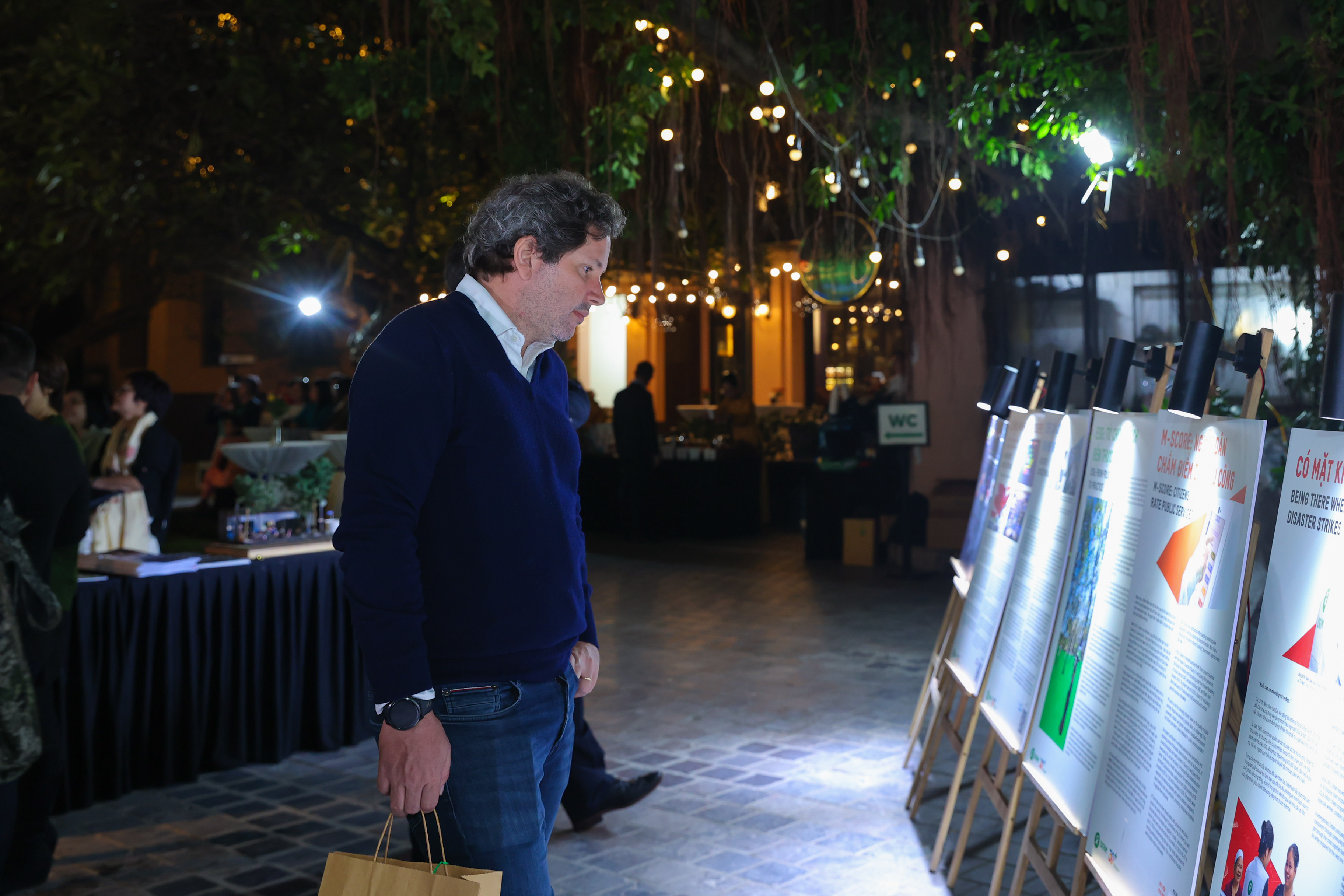 |
| Delegates visit the exhibition showcasing Oxfam's achievements in Viet Nam over the past 30 years. (Photo: Dinh Hoa) |
During the 2011-2016 period, seven Oxfam member organisations underwent a merger to improve the efficiency of management and operations. In April 2016, Oxfam in Viet Nam officially began operating as the representative office of Stichting Oxfam Novib in Viet Nam.
During the 2016-2025 period alone, Oxfam implemented 136 projects with a total budget of USD 115 million, directly benefiting nearly six million people. Its programmes and projects focused on three key areas: promoting gender equality and strengthening women's empowerment and leadership; enhancing accountability, public participation and people's role as active agents in the development process; and ensuring sustainable livelihoods while strengthening communities' resilience and adaptive capacity in the face of economic, social and climate-related changes.
Through projects on agricultural and rural development, livelihoods, climate change adaptation, business support, gender equality, and natural resource and environmental protection, Oxfam has built a network of partnerships with local communities, authorities, state agencies, businesses, research institutions, social organisations and international organisations. Its activities have placed particular emphasis on supporting poor people, women, ethnic minority groups and vulnerable communities, helping them gain opportunities to participate in and benefit from the country's development achievements.
Two strategic priorities
At the anniversary ceremony, Oxfam in Viet Nam unveiled its 2026-2031 strategy, with a vision extending to 2036 and two strategic priorities: strengthening people's capacities and ownership, and promoting inclusive economic development.
Vu Thi Quynh Hoa, Country Director of Oxfam in Viet Nam, said that Viet Nam was entering a new phase of development characterised by economic shifts, green transformation and digital transformation, opening up numerous opportunities to enhance productivity, efficiency, adaptability and shared prosperity. While the key question in previous development periods had been how to reduce poverty, the challenge in the new phase was how to ensure that prosperity benefited everyone.
This was also the guiding question throughout the year-long consultation and development of Oxfam in Viet Nam's new strategy. With a vision extending to 2036, Oxfam aims to contribute to building an equal, inclusive, prosperous and resilient Viet Nam, where no one is left behind, young people are equipped with the capacities to thrive amid rapid changes, and communities are able to withstand shocks.
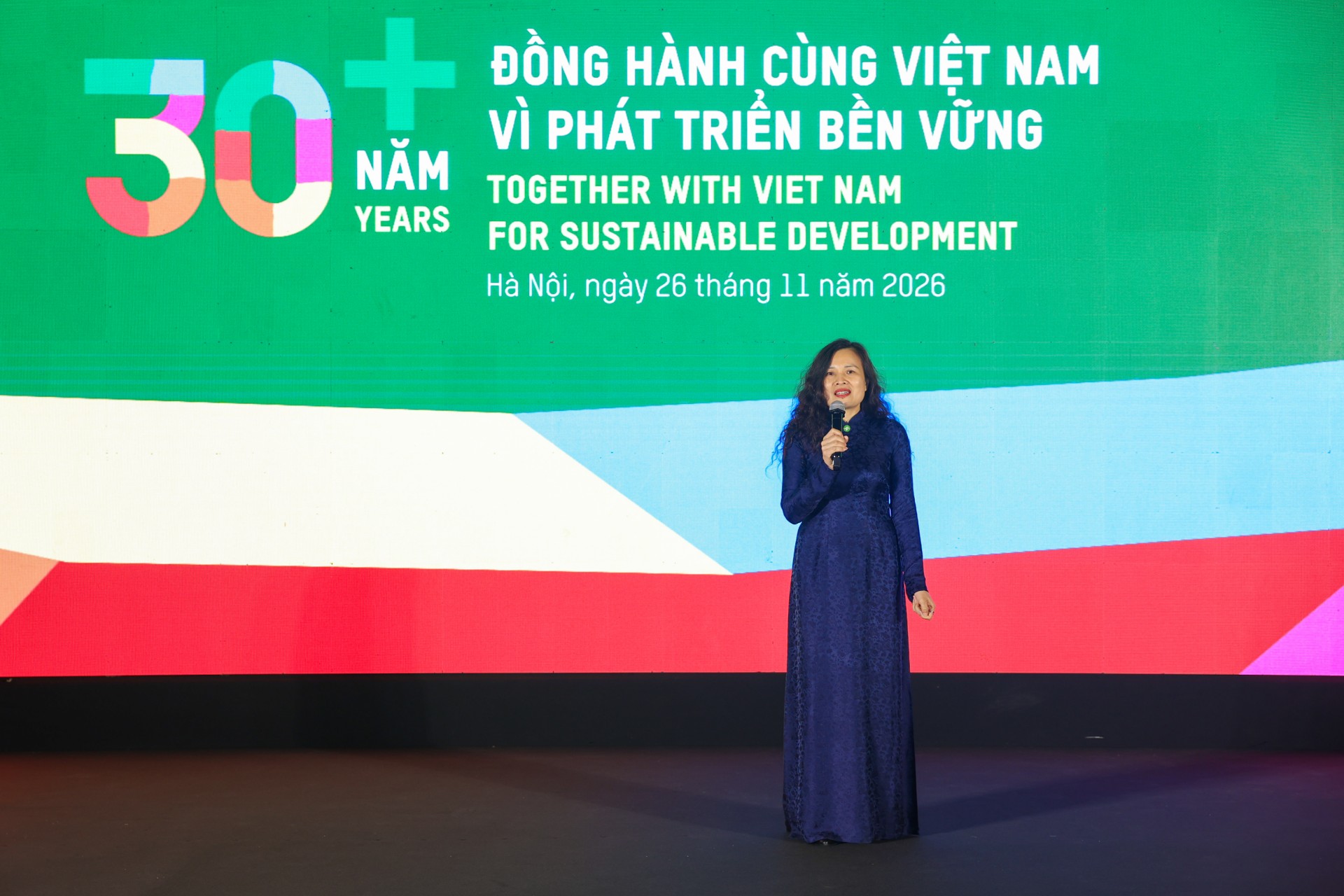 |
| Vu Thi Quynh Hoa, Country Director of Oxfam in Viet Nam. (Photo: Dinh Hoa) |
To realise this vision, Oxfam in Viet Nam has identified two strategic priorities. First, to develop people's and communities' capacities and skills, while strengthening their agency and ownership, particularly among young people, women and groups that continue to face barriers to development opportunities, in connection with Viet Nam's major transformation processes.
Second, to promote an inclusive economy through initiatives on climate change adaptation, the circular economy, responsible business, sustainable food systems, green transformation and inclusive digital transformation. Oxfam will also continue to fulfil its humanitarian mission by supporting people and communities in strengthening their capacity to respond and adapt to the impacts of the climate crisis and other shocks.
Vu Thi Quynh Hoa emphasised that Oxfam's achievements in Viet Nam over the past more than 30 years had been made possible by the trust, joint efforts and cooperation of many stakeholders. In the coming period, Oxfam hopes to continue working alongside its partners and contribute to shaping a new decade of development for Viet Nam, characterised by inclusive growth, shared prosperity and enhanced resilience for all.
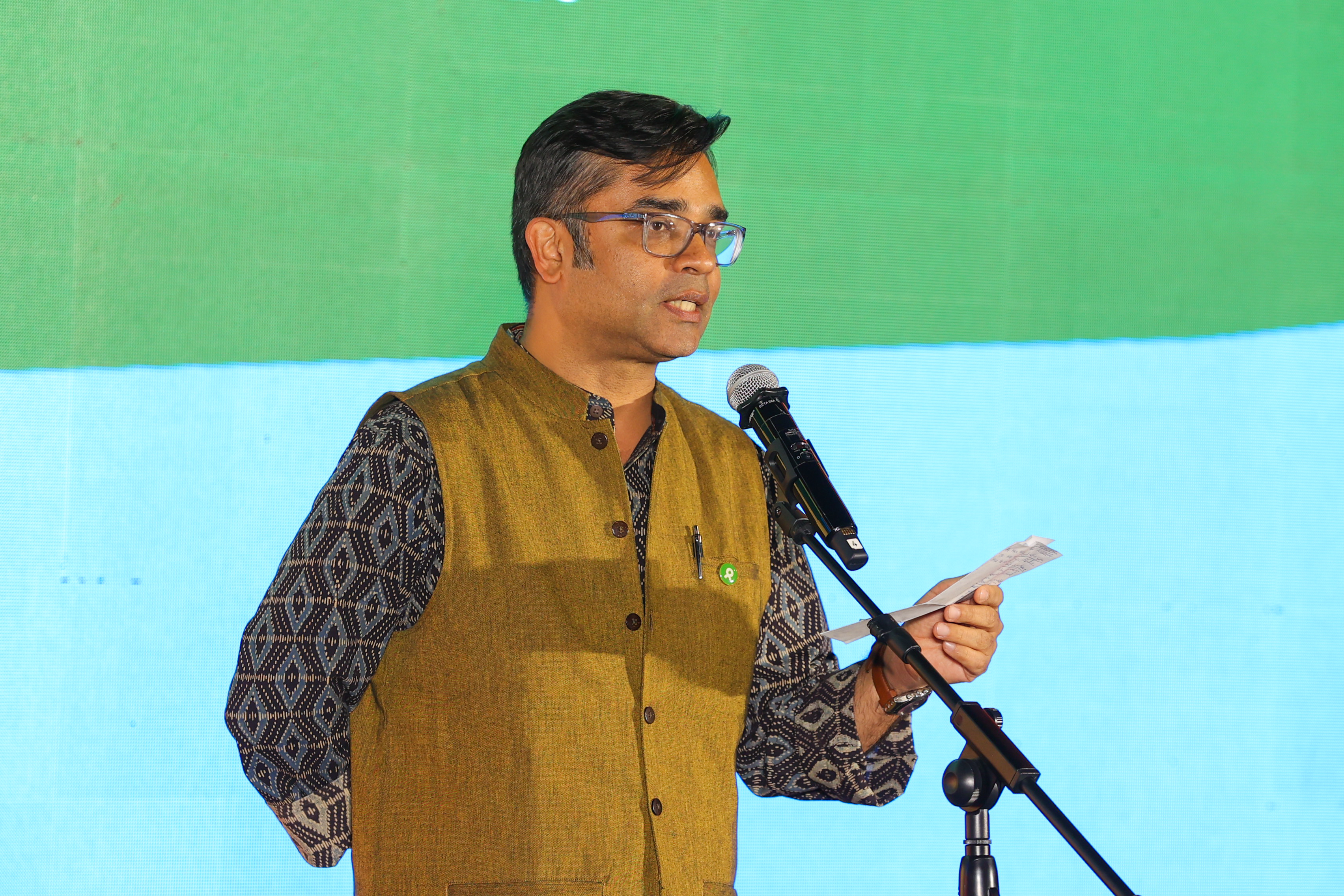 |
| Amitabh Behar, Executive Director of Oxfam International, speaks at the ceremony. (Photo: Dinh Hoa) |
Speaking at the ceremony, Amitabh Behar, Executive Director of Oxfam International, expressed his admiration for Viet Nam's development achievements, particularly the progress made in local communities. He spoke highly of the efforts made by the Government and the people, while expressing his appreciation for the support of partners and donors, which had enabled Oxfam to operate in Viet Nam for more than 30 years.
According to Amitabh Behar, Oxfam's overarching goal is to reach the most disadvantaged and vulnerable people, ensuring that they have a voice and can participate in the development process. He emphasised that the anniversary was an opportunity for Oxfam to reflect on its achievements, reaffirm its commitment and make greater efforts over the next 20 years for the benefit of the people of Viet Nam and people around the world.
Three priorities for cooperation in the new period
Nguyen Ngoc Hung, Vice President of the Viet Nam Union of Friendship Organisations and Vice Chairman of the Committee for Foreign Non-Governmental Organisation Affairs, said that when Oxfam expanded its development activities in Viet Nam during the early years of Doi Moi, poverty remained severe, persistent and widespread.
After 40 years of Doi Moi, Viet Nam has undergone profound changes. People's quality of life has improved significantly, the country's external relations have continued to expand, and Viet Nam has entered a new phase of development. Alongside the efforts of the Vietnamese people themselves, these achievements have also benefited from the meaningful contributions of foreign non-governmental organisations, including Oxfam.
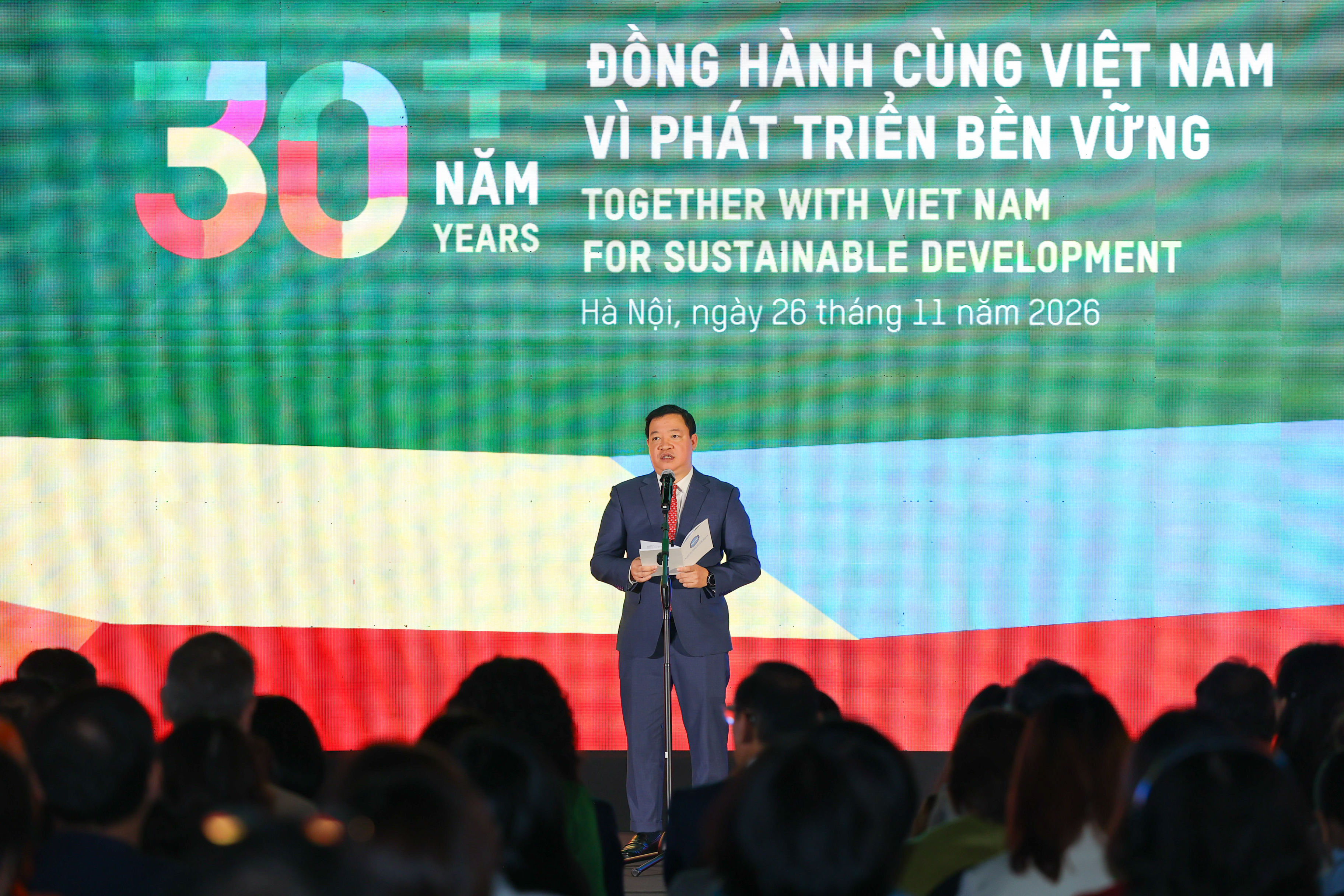 |
| Nguyen Ngoc Hung, Vice President of the Viet Nam Union of Friendship Organisations and Vice Chairman of the Committee for Foreign Non-Governmental Organisation Affairs. (Photo: Dinh Hoa) |
Nguyen Ngoc Hung commended Oxfam's contributions to strengthening communities' self-reliance, helping people adapt to changes, bringing community voices closer to policymakers, and developing models with potential for wider replication. Through these efforts, the spirit of international solidarity has been translated into the internal capacity of communities to achieve sustainable development.
Oxfam's contributions have also helped foster friendship between the people of Viet Nam and the Netherlands and strengthen the Comprehensive Partnership between the two countries, particularly in the areas of climate change adaptation, water resource management and sustainable agriculture. Within Viet Nam's comprehensive diplomatic framework, Oxfam has promoted the role of people-to-people diplomacy by connecting people, sharing international knowledge and building trust between the peoples of the two countries.
In the new phase of development, Nguyen Ngoc Hung said that Viet Nam continued to value and welcome contributions from foreign non-governmental organisations, encouraging cooperation activities that were aligned with the country's development orientations, laws and local realities.
Alongside maintaining humanitarian support and traditional aid activities, Nguyen Ngoc Hung proposed that cooperation with Oxfam gradually shift towards an equal partnership based on co-creation. This would involve combining international expertise, evidence-based policy research and the promotion of local ownership to develop long-term solutions.
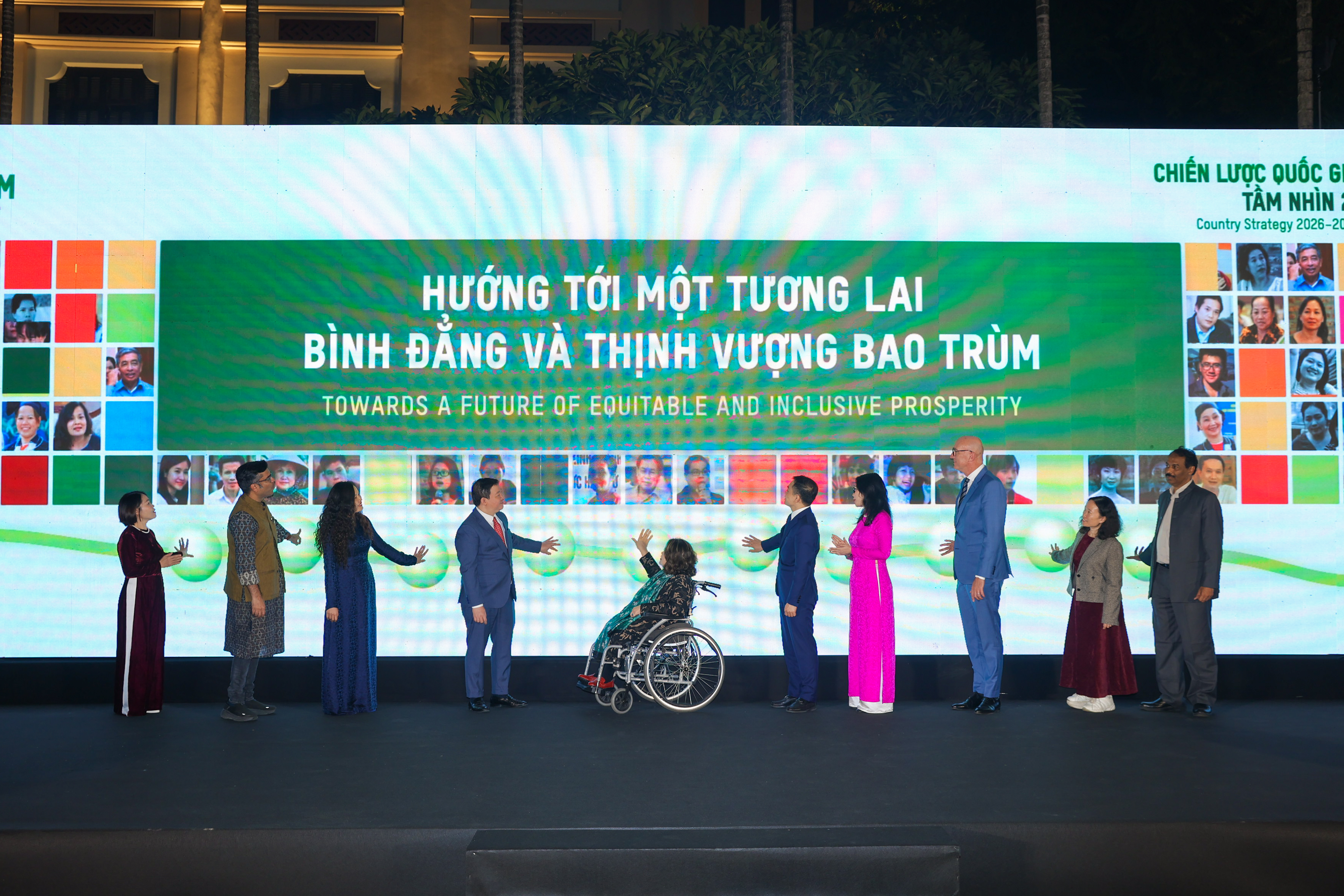 |
| Representatives launch the 2026-2031 Country Strategy, with a vision to 2036. (Photo: Dinh Hoa) |
On the occasion of Oxfam's announcement of its new country strategy in Viet Nam, Nguyen Ngoc Hung proposed three priority areas for cooperation:
First, green development and enhanced resilience through the promotion of agroecology, sustainable value chains, climate change adaptation and disaster risk reduction.
Second, inclusive growth and social equity, with a focus on strengthening women's economic empowerment, supporting ethnic minority groups and vulnerable populations, and narrowing development gaps between regions.
Third, strengthening dialogue and substantive cooperation with state agencies, local authorities, member organisations of the Viet Nam Fatherland Front, and domestic partners to develop solutions suited to Viet Nam's institutional framework and practical conditions.
Nguyen Ngoc Hung affirmed that the Viet Nam Union of Friendship Organisations and the Committee for Foreign Non-Governmental Organisation Affairs would continue to be trusted partners of Oxfam, ready to listen, coordinate transparently to address challenges, and connect Oxfam with agencies, organisations and communities in Viet Nam.
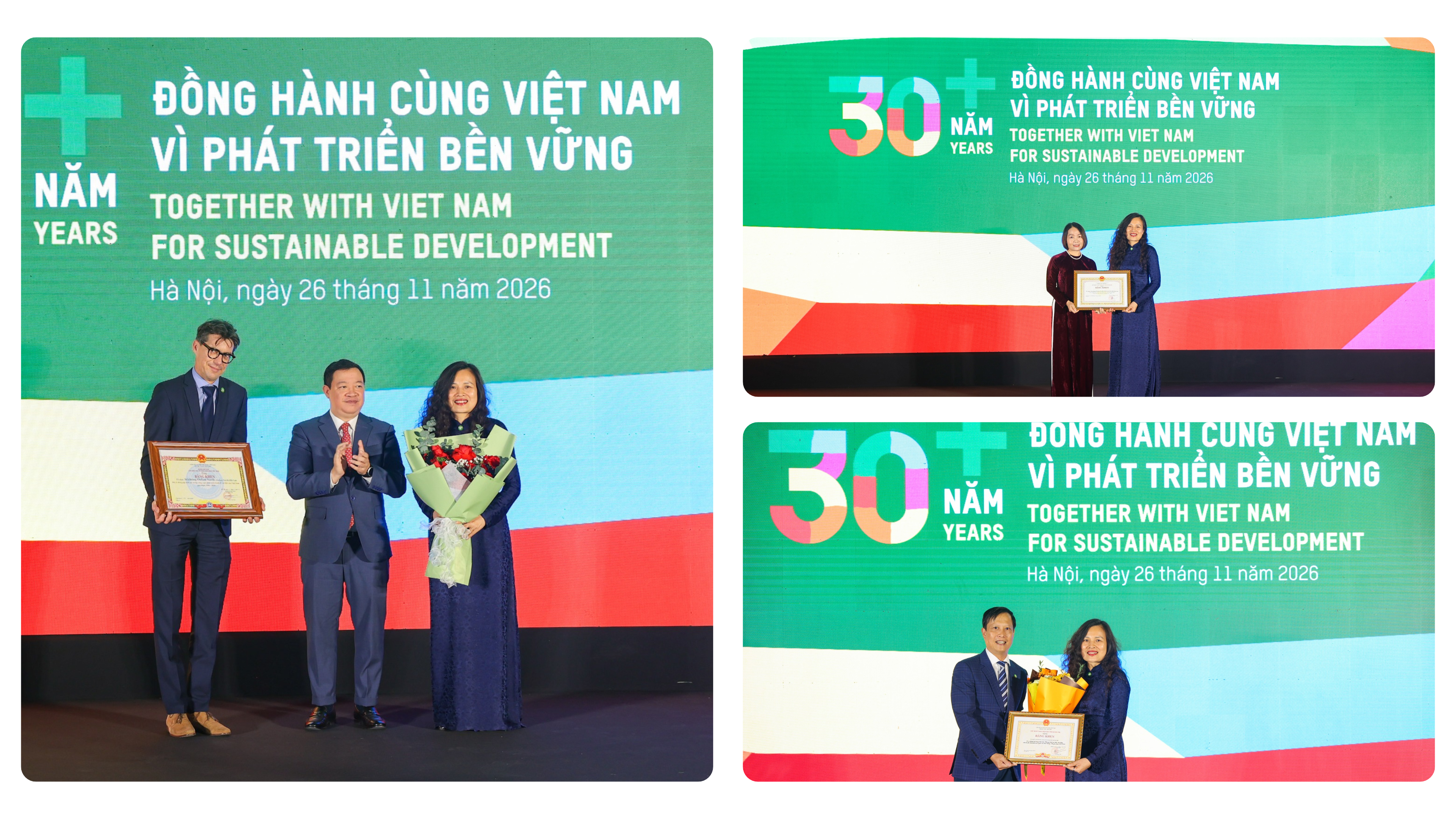
On this occasion, Nguyen Ngoc Hung presented Oxfam with a Certificate of Merit from the Presidium of the Viet Nam Union of Friendship Organisations in recognition of its active contributions to Viet Nam's socio-economic development during the 1996-2026 period. Oxfam also received a Certificate of Merit from the Chairman of the Quang Tri Provincial People's Committee in recognition of its achievements in implementing the province's Programme for promoting and mobilising foreign non-governmental aid for the 2020-2025 period; and a Certificate of Merit from the Chairman of the Hue City People's Committee for its outstanding achievements in foreign non-governmental organisation affairs in the city during the 2024-2026 period. |
 Oxfam Looks to New Directions for Cooperation in Viet Nam |
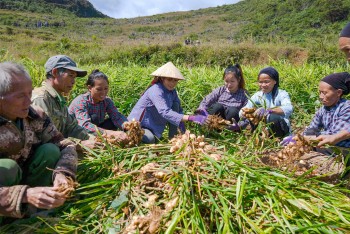 Oxfam: Three Decades of Partnership with the People of Viet Nam |

Most read


Related Stories
 Friendship
Oxfam Looks to New Directions for Cooperation in Viet Nam
 Friendship
Oxfam: Three Decades of Partnership with the People of Viet Nam
 Friendship
Three Priorities for Oxfam’s Engagement in Vietnam
 National
Proactively Identifying Development Needs to Expand Cooperation with Foreign NGOs
Recommended
 Friendship
Plan International’s Strategy Aligns with Viet Nam’s New Development Goals
Popular article
 Friendship
Viet Nam-Romania Friendship Opens New Avenues for Cooperation
 Focus
KOVECA (RoK) Promotes Cooperation with Vietnamese Partners in Promising Sectors
 Friendship
Romanians Pass Down Vietnamese Martial Arts Through Generations
 Friendship