
Plan for Organizing “Vietnam Culture Day” for 2026-2030 Period
 | Sharing Values of Van Mieu - Quoc Tu Giam and Vietnam’s Cultural Heritage at UNESCO Headquarters |
| Young Vietnamese in Czech Share Stories of Growing Up Between Two Cultures |
In implementing the Resolution of the 14th National Congress of the Communist Party of Vietnam, guided by the principle that “developing culture and people serves as the foundation; harnessing the strength of culture and people as an endogenous resource and a powerful driving force for development,” and to concretize Politburo Resolution No. 80-NQ/TW dated January 7, 2026, on the development of Vietnamese culture (Resolution No. 80-NQ/TW), which designates November 24 each year as “Vietnam Culture Day,” while also contributing to the implementation of National Assembly Resolution No. 28/2026/QH16 dated April 24, 2026, on the development of Vietnamese culture, the Prime Minister has issued the Plan for organizing “Vietnam Culture Day” for the 2026-2030 period (the Plan).
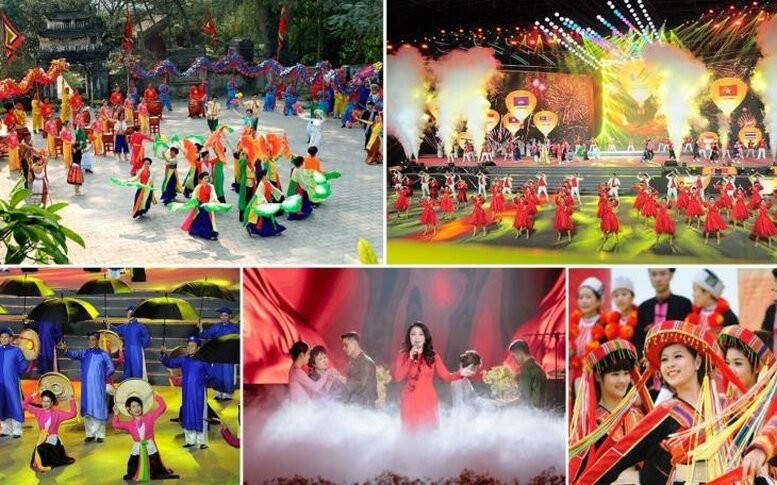 |
| Organizing multi-platform communication campaigns for “Vietnam Culture Day”. |
Honoring the nation’s traditional cultural values and heritage
The Plan aims to create a broad cultural and political movement throughout society; affirm the central role of the people as creators, preservers, and transmitters of cultural values; enhance public access to, participation in, and enjoyment of cultural activities; and inspire patriotism, national pride, civic responsibility, and aspirations to contribute to the country’s prosperity and happiness in the new era.
It also seeks to honor the nation’s valuable traditional cultural values and heritage; promote the distinctive characteristics of tangible and intangible cultural heritage, handicrafts, and traditional craft villages; contribute to preserving cultural identity in tandem with economic development; create sustainable livelihoods for local communities; promote tourism development; and elevate the brand of Vietnamese culture.
The Plan is intended to ensure consistency in leadership, direction, and implementation from the central to the grassroots level, serving as a basis for Party committees, ministries, sectors, central agencies, and People’s Committees of provinces and centrally governed cities to formulate plans, assign responsibilities, and allocate resources for implementation.
Developing inclusive digital cultural spaces and platforms
According to the Plan, the Ministry of Culture, Sports and Tourism; Vietnam Television; Voice of Vietnam; Vietnam News Agency; central and local media agencies, in coordination with the Party Central Committee’s Commission for Information, Education and Mass Mobilization; ministries and sectors; and People’s Committees of provinces and centrally governed cities, will develop a system of communication products for “Vietnam Culture Day” featuring diverse content and formats suitable to the cultural characteristics and practical conditions of each region and locality. These include branding and visual identity systems, digital and multi-platform communication products, radio and television programs, press publications, visual promotional materials, and communication resources tailored to grassroots communities.
Efforts will be strengthened to produce and broadcast radio and television programs, public service messages, documentaries, in-depth reports, and digital cultural products, with particular emphasis on content related to national cultural heritage and Vietnam’s distinctive cultural products. Social media platforms will be effectively utilized, and the role of celebrities, influencers, and respected community figures will be promoted to widely disseminate knowledge of the nation’s cultural history, national value systems, cultural values, family values, and standards of Vietnamese people in the new era.
The Plan also calls for the development of inclusive digital cultural spaces and platforms and the accelerated application of technology in cultural institutions such as museums, libraries, theaters, exhibition centers, and cultural centers to expand access and narrow disparities in cultural enjoyment among people across regions and localities.
Public communication and visual promotion activities will be strengthened. Common communication themes and messages will be developed and disseminated, along with guidance on the use of visual identity systems, standardized billboards, and posters for nationwide implementation. Decorations and banners will be displayed at government offices, schools, residential areas, and public spaces.
Multi-platform communication campaigns on “Vietnam Culture Day” will be organized to establish a distinctive Vietnamese cultural presence in cyberspace. Special attention will be paid to safeguarding cultural security in the online environment and protecting digital cultural sovereignty. Copyright protection will be strictly enforced. Authorities will proactively and promptly prevent and counter false, hostile, distorted viewpoints and inappropriate foreign influences in the fields of culture and ideology. Greater emphasis will be placed on forecasting, assessing the impacts and influence of communication activities, and preparing timely responses to emerging communication crises.
Implementing a series of large-scale cultural, artistic, and sports events
The Ministry of Culture, Sports and Tourism and the People’s Committees of provinces and centrally governed cities, in coordination with relevant agencies and organizations, will organize exhibitions showcasing documents, photographs, and outstanding achievements in cultural development, the building of cultural industries, and the promotion of Vietnamese cultural heritage values.
A series of large-scale cultural, artistic, and sports events will be implemented. Priority will be given to harmoniously combining traditional and contemporary elements and encouraging the application of modern performance technologies to maximize outreach and attract broad participation from artists, artisans, and the public.
The Plan also provides for commissioning creative works and creating favorable conditions and spaces for intellectuals, cultural scholars, artists, and artisans to fully realize their creative potential. Specialized creative campaigns, in-depth exhibitions, and major performance series combining traditional and contemporary elements will be organized through professional literary and arts associations.
Cultural diplomacy events will be organized at Vietnamese cultural centers abroad and Vietnamese representative missions overseas to promote the values of “Vietnam Culture Day” among overseas Vietnamese communities and the international community.
Experiential tourism routes will be developed within heritage sites, craft villages, and indigenous communities. Traditional festivals will be revived to create sustainable livelihoods while ensuring a close linkage between heritage preservation and economic development.
Supporting the development of community cultural spaces
Investment will be made to improve the effectiveness of grassroots cultural institutions, while supporting the establishment of community cultural spaces. Efforts will integrate the development of culturally rich, bright, green, clean, and beautiful communities, with residential areas serving as the nucleus of the cultural environment and local people acting as both the central actors and beneficiaries in building grassroots cultural environments and community cultural life.
Reading culture will be strongly promoted with readers placed at the center. Models such as reading spaces, open libraries, and innovative and smart learning environments linked to community activities will be expanded. Nationwide reading campaigns will be intensified to foster sustainable reading habits and skills among the public.
Programs and thematic activities will be organized to introduce the tangible and intangible cultural heritage of ethnic minority communities, along with traditional costumes, folk games, cuisine, and the finest handicraft traditions.
Models for preserving and promoting the values of tangible and intangible cultural heritage and the traditional cultures of ethnic minority communities in connection with tourism development will be established and replicated. The direct and leading role of local communities in heritage preservation and sustainable tourism development will be strengthened to create stable livelihoods that are consistent with cultural identities and traditional customs.
 | Hanoi Issues Plan to Organize the First “World Culture Day” On September 25, the Hanoi People’s Committee issued Plan No. 260/KH-UBND on the coordination and organization of the first “World Culture Day in Hanoi.” This ... |
 | Proposed Cultural Boost: 2% Budget Floor and New National Holiday The draft Resolution on the development of Vietnamese culture introduces a range of breakthrough mechanisms, including ensuring a minimum allocation of 2% of the state ... |
Related Stories
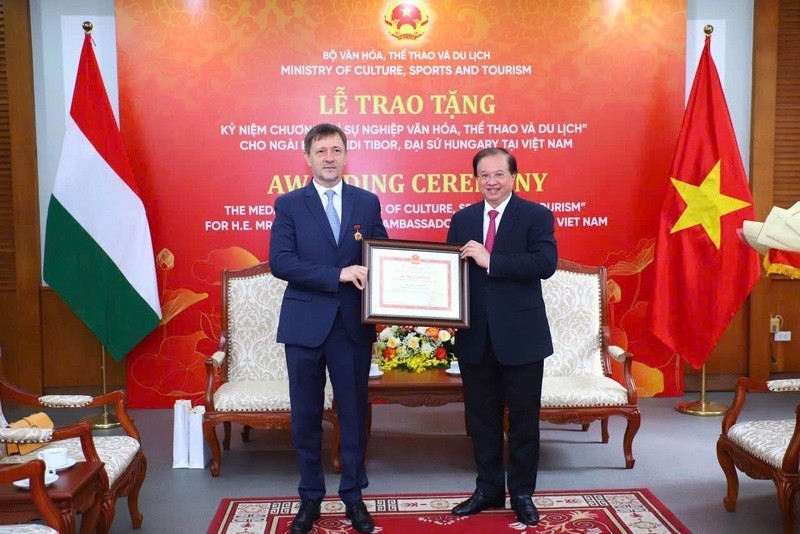 Friendship
Hungarian Ambassador to Vietnam Awarded “For the Cause of Culture, Sports and Tourism” Medal
 Handbook
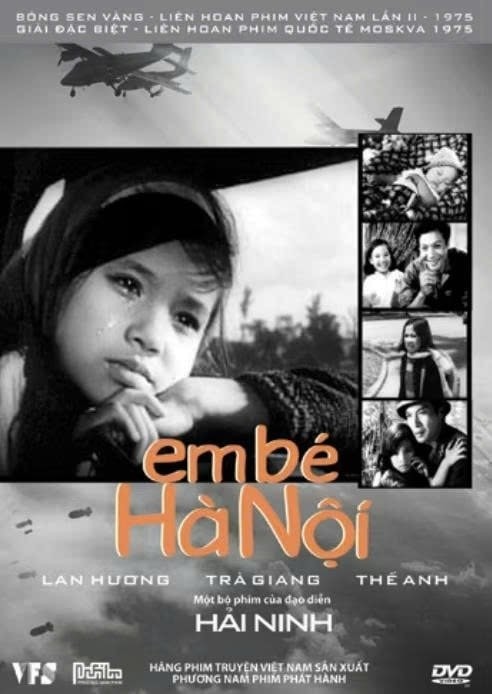
10 Vietnamese Films Set For Screening In US To Mark 30 Years Of Diplomatic Ties
Recommended
 Handbook
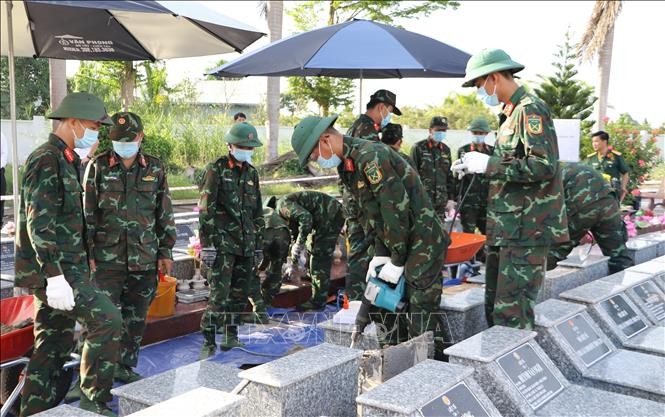
Conclusion No. 57-KL/TW: Highest Priority to the Search, Recovery, and Identification of Fallen Soldiers' Remains
 Handbook
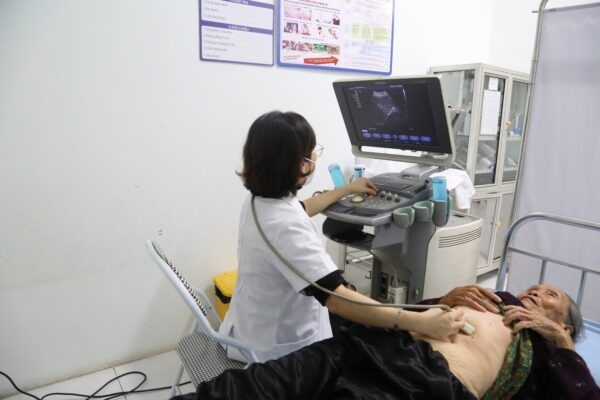
Elderly to Receive Free Annual Health Check-ups at Least Once a Year In Vietnam
 Handbook
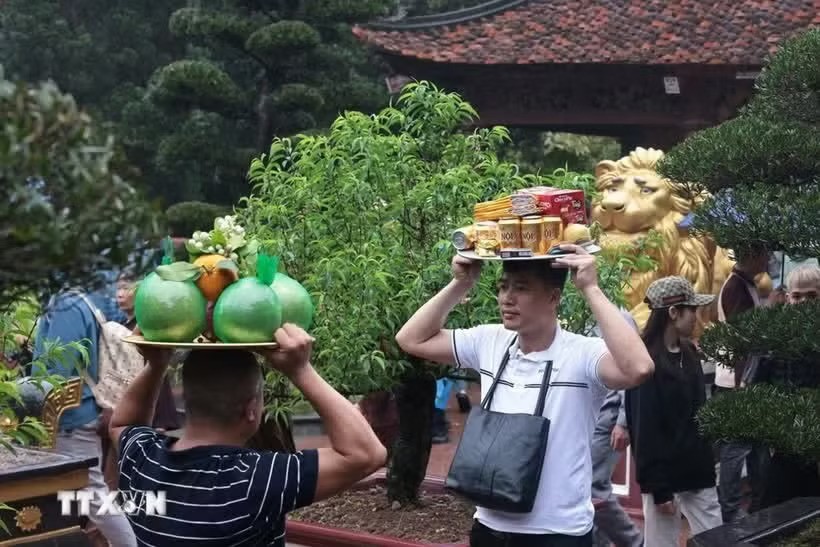
Hanoi Recognizes Additional Historical and Scenic Sites
Handbook
Plan for Organizing “Vietnam Culture Day” for 2026-2030 Period
 Handbook
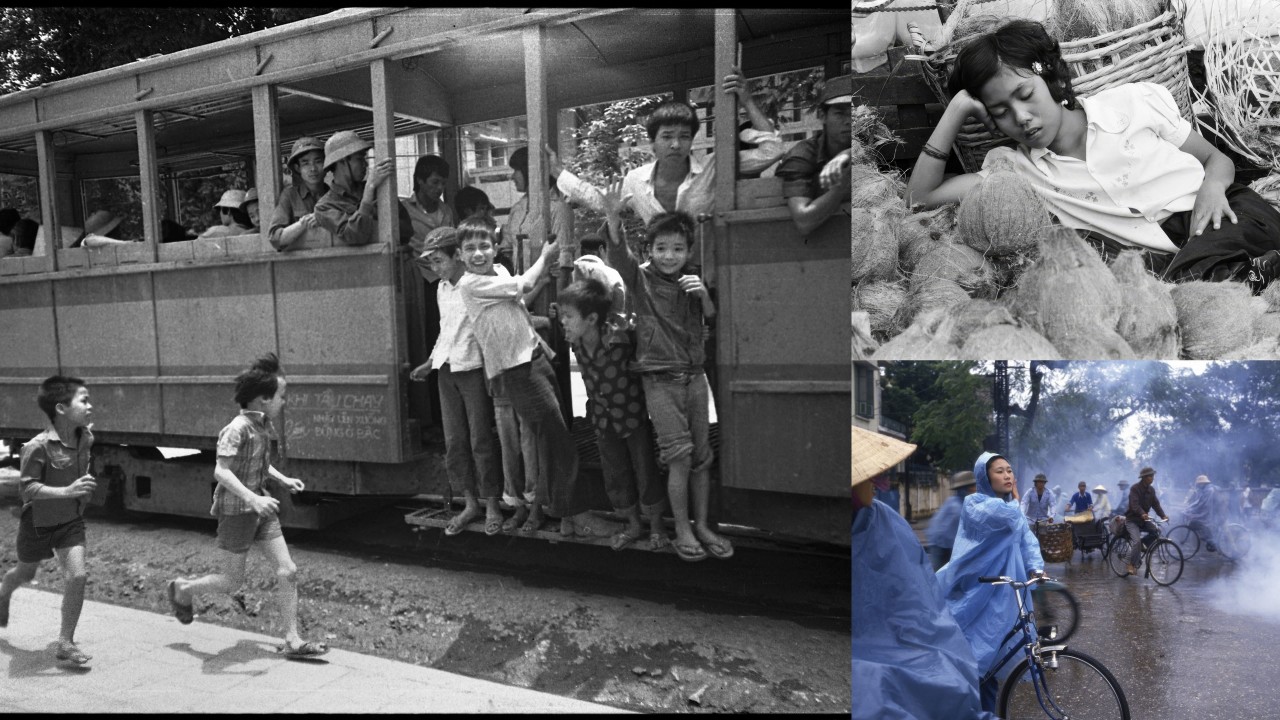
Photo Exhibition by Three French Photographers on Vietnam
 Handbook
Free Film Week for International Children's Day Held Nationwide
 Handbook
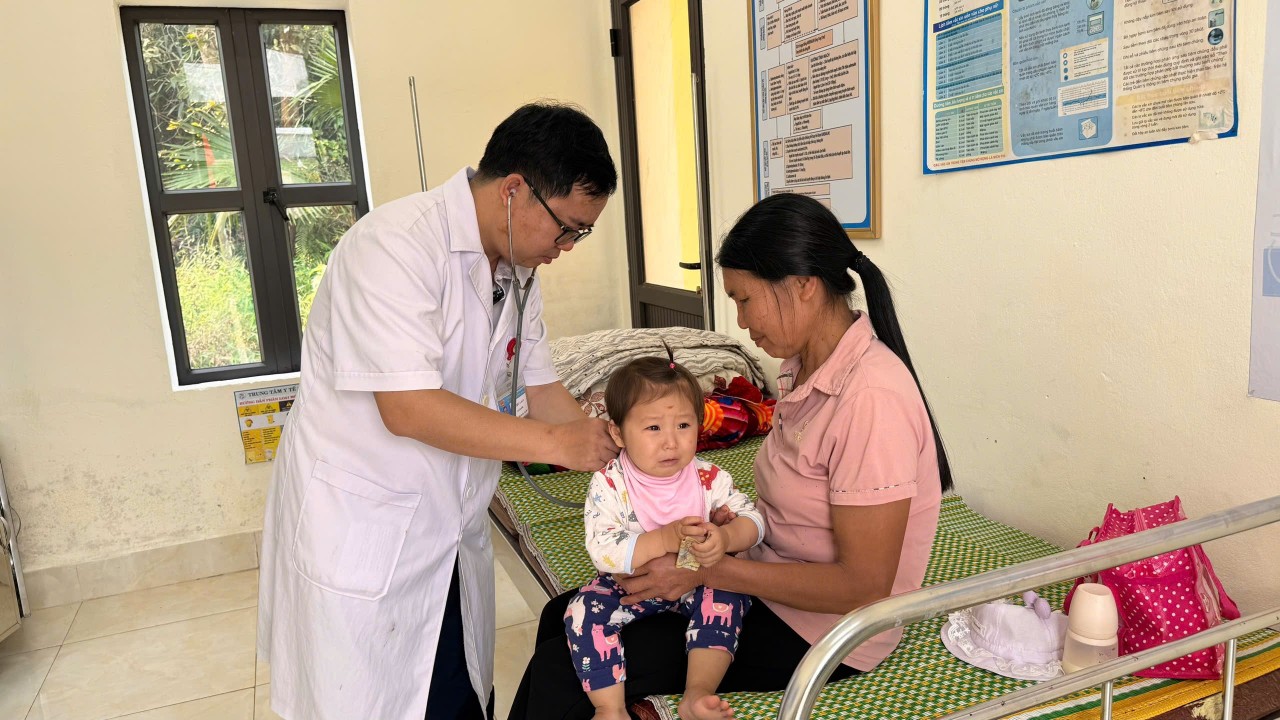
Children Under 6 to Receive Annual Health Checkups
 Handbook