
Quang Tri: Where War Memory Grows into Peace
| Relentless Search to Bring the Fallen Home Quang Tri Receives Three Aid Packages Worth Nearly USD 38 Million from NPA and MAG |
More than half a century after the end of the war, the land once divided by the 17th parallel is embracing a new mission: transforming memories of war into the foundation of a culture of peace and becoming a gathering place for people who cherish peace.
Few places in Viet Nam carry such a heavy burden of war memories as the stretch of land from Ngang Pass to the former imperial capital of Hue. Since July 2025, following the merger of Quang Binh and Quang Tri provinces, many sites associated with the “fire line” of the past have become part of the newly expanded Quang Tri Province.
Following the 1954 Geneva Accords, the Ben Hai River and Hien Luong Bridge became the provisional demarcation line. North of the line, residents of Vinh Linh dug the Vinh Moc Tunnels to live and work under a barrage of bombs. To the west were Khe Sanh and Route 9, where battles took place that many Western newspapers in 1968 described as a “second Dien Bien Phu.” In the summer of 1972, the Quang Tri Ancient Citadel endured 81 days and nights of fierce fighting; many soldiers were killed inside the citadel and in the Thach Han River. Farther north, the former Quang Binh region served as a gateway to the strategic supply route to southern Viet Nam, with Route 20 Quyet Thang, Gianh Ferry and Long Dai Ferry, as well as numerous “fire coordinates.”
During the war, Dong Hoi town was almost completely flattened. On the Nhat Le River, Mother Nguyen Thi Suot rowed boats carrying troops, weapons and wounded soldiers across the river under bombardment until she was killed in 1968. Together with the Quang Tri Ancient Citadel, Truong Son National Martyrs Cemetery, Route 9 National Martyrs Cemetery and many other sites, the image of Mother Suot has become an inseparable part of the collective memory of this land.
The war has not entirely receded into the past. Unexploded bombs, mines and other explosive remnants of war continued to affect the lives of local people for decades after 1975.
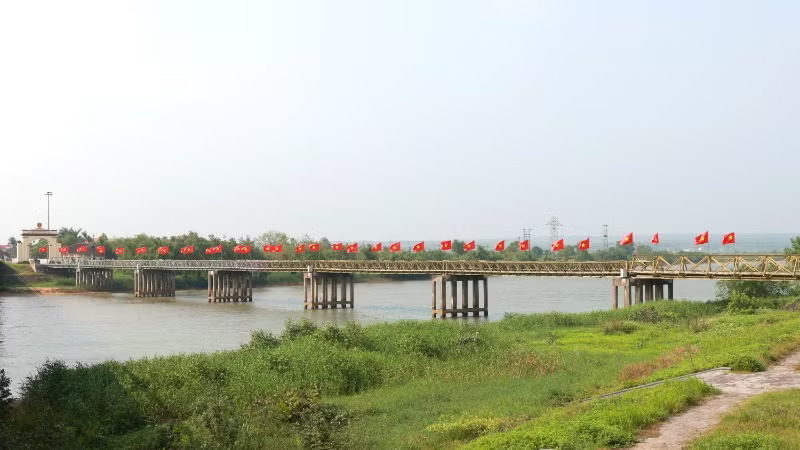 |
| The peaceful landscape along the Hien Luong-Ben Hai Banks. |
From bomb craters to groves of peace
What sets Quang Tri apart is not only the scale of destruction, but also the way this land has moved beyond it.
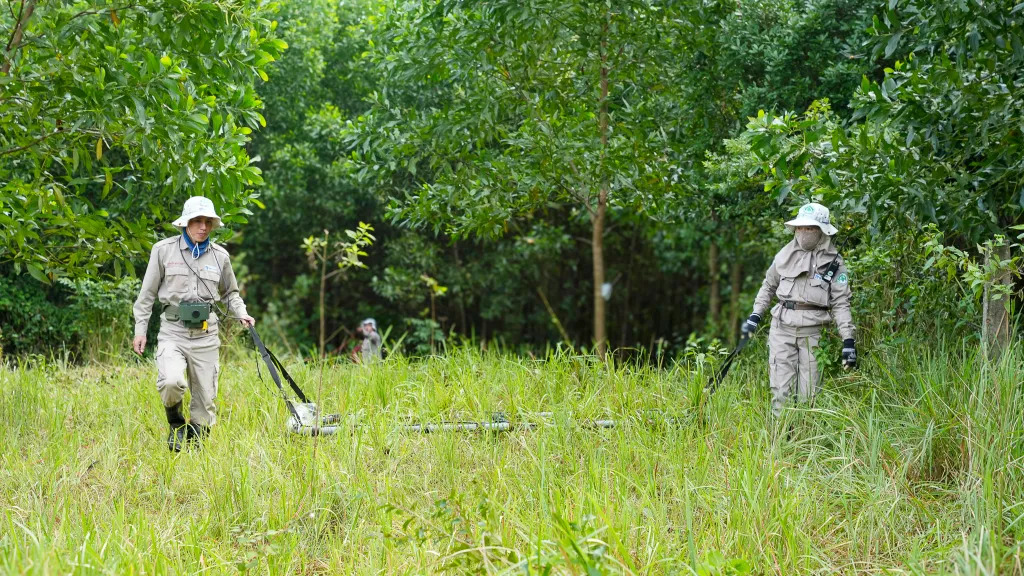 |
| RENEW clearance team members use a large-loop detector to search for signals of explosive remnants of war at a site in Quang Tri. (Photo: RENEW) |
In 1992, former US serviceman Chuck Searcy, who served in Viet Nam in 1967-1968, returned to Quang Tri. Witnessing the consequences of war that remained visible even in peacetime, he and his Vietnamese partners established Project RENEW to clear landmines and unexploded ordnance, provide explosive ordnance risk education and support survivors. At the September 25 symposium, he said that peace must be nurtured every day, and that he had learned this from the Vietnamese people themselves.
The same journey has been shared by PeaceTrees Viet Nam, co-founded by Jerilyn Brusseau, whose brother was a US pilot killed in Quang Tri in 1969. Over the past three decades, the organization has worked alongside Quang Tri in landmine clearance, planting trees on land cleared of explosive remnants, building schools and libraries, and supporting local communities. Areas once scarred by bomb craters and remnants of war have gradually gained more trees and new classrooms.
From the initial humanitarian efforts, cooperation to address the consequences of war has gradually become an important area of Viet Nam-US relations. In August 2026, after beginning her term in Viet Nam, US Ambassador Jennifer Wicks chose Quang Tri as the first locality she visited, paying tribute at the Quang Tri Ancient Citadel and discussing continued cooperation in mine clearance, support for war victims and the search for missing US service members. Quang Tri was also selected to host the Pacific Partnership program for two consecutive years, in 2025 and 2026.
These activities have contributed to healing the consequences of war, building trust and expanding cooperation among people who were once on opposite sides.
Following the first For Peace Festival, held in 2024, the second edition in 2026 carried the theme “From memory to the future - Quang Tri for peace.” The province is also working toward developing Quang Tri into “a cultural space and destination for peace,” alongside plans to build the “Memories of war and aspiration for peace” Museum and raise the profile of the For Peace Festival.
The international symposium “From memory to the future: The value of peace” on September 25 was part of this broader effort. In his opening remarks, former Minister of Justice Ha Hung Cuong, President of the Viet Nam Peace and Development Council, said that memory is not meant to rekindle hatred but to understand and cherish peace; nor is it meant to divide nations, but to foster empathy and mutual understanding. When approached from a humanitarian perspective, memory can become a foundation for reconciliation and cooperation.
In a message to the symposium, former Vice President Nguyen Thi Binh, the first President of the Viet Nam Peace and Development Council, who participated in the Paris negotiations and signed the Paris Peace Accords in 1973, recalled that “a nation that has suffered great losses from war understands the value of peace all the more deeply; looking back on the past is to understand what has been lost and appreciate the present, not to nurture hatred.”
From a cultural perspective, Prof. Dr. Vu Minh Giang believes that peace is not merely the absence of war or armed conflict, but also a cultural state in which people respect one another and resolve disagreements through dialogue. To ensure that history remains a lesson without obstructing the journey toward the future, he said, it is necessary to “neither fill in the gap nor widen it, but build a bridge across it.”
According to Dong Huy Cuong, Vice President of the Viet Nam Union of Friendship Organizations, building peace cannot be achieved through words alone, but requires concrete, sustained action every day.
Jonathan Baker, UNESCO Representative to Viet Nam, emphasized that healing the wounds of war is not only about rebuilding infrastructure, but also about restoring social trust. He said that peace education and intercultural learning help young people develop the ability to listen, empathize, engage in dialogue and resolve differences through peaceful means.
At the conclusion of the symposium, delegates signed a panel conveying a wish for peace for every person, every family and every country, with the message: “We are here, joining hands in the hope: May peace come to everyone, every family and every country! No war against anyone, anywhere or for any reason!” The message was presented in the six official languages of the United Nations, together with Vietnamese, and will be sent to the UN Secretary-General through diplomatic channels.
Cities turning memories of war into the values of peace
Quang Tri is not the first place in the world to seek to transform the sacrifices and devastation left by war into symbols of peace and cooperation. The experience of cities that have taken this path shows that they have gone beyond commemoration. They have established institutions such as museums, research institutes, educational programs, sister-city networks and regular forums.
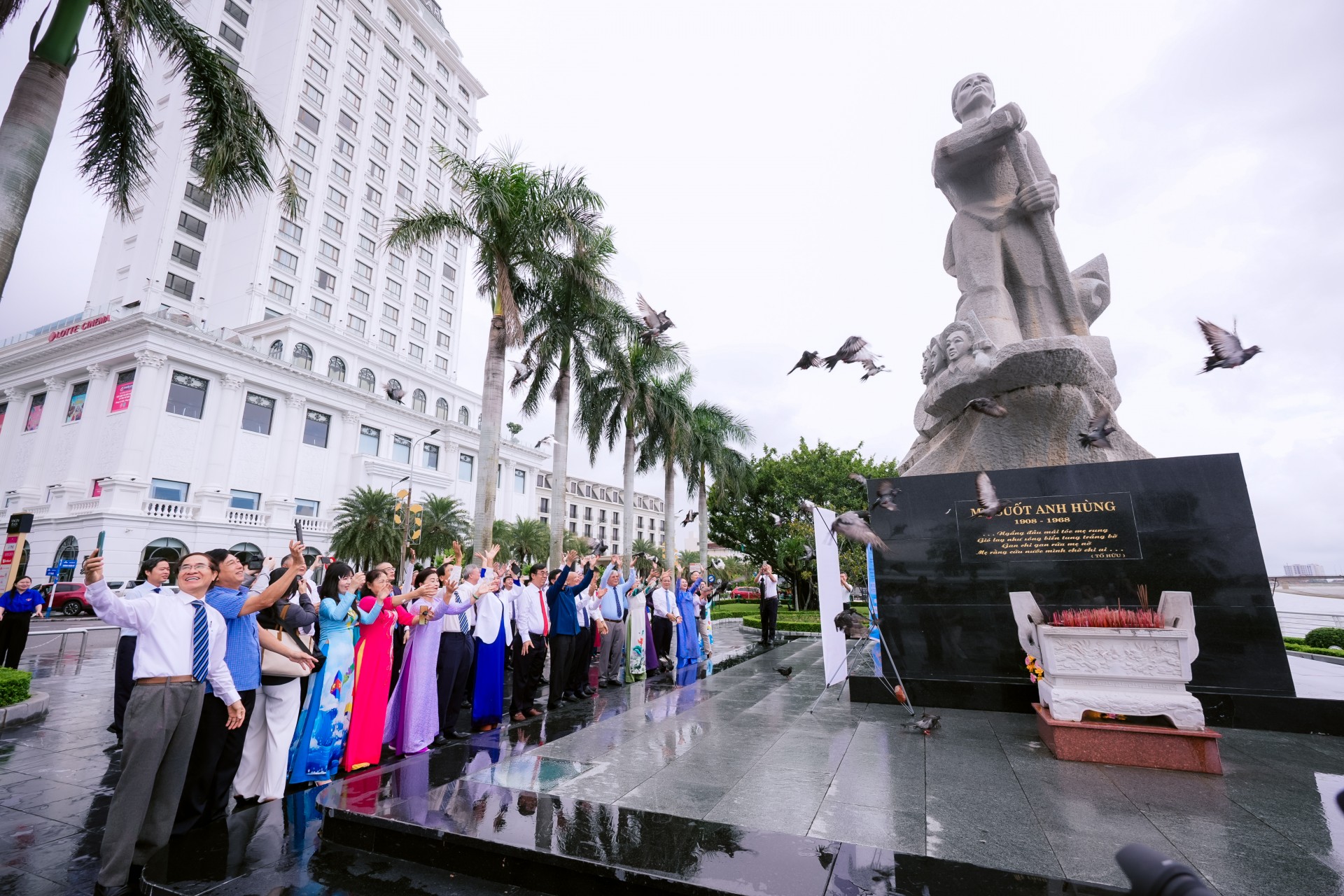 |
| The pigeon-release ceremony at the Mother Suot Monument on the banks of the Nhat Le River. (Photo: Bao Ngoc) |
Hiroshima is a notable example. In 1949, Japan enacted legislation to develop Hiroshima into a City of Peace Memorial. The Hiroshima Peace Memorial Park, the Atomic Bomb Dome and the annual August 6 commemoration have transformed the city into a “spiritual capital” of the nuclear disarmament movement. Hiroshima also initiated the Mayors for Peace network, which brings together thousands of member cities around the world.
In Europe, Coventry in the United Kingdom was heavily devastated by German air raids beginning in 1940. Its residents preserved the ruins of the old cathedral alongside the new cathedral and took the initiative in establishing sister-city ties first with Stalingrad and later with Dresden, a German city that had been devastated by British air raids. Coventry has positioned itself as a “city of peace and reconciliation,” with a reconciliation community network extending across many countries.
In France, the Caen Memorial in Normandy was established as a “History centre for peace,” while Verdun, the site of one of the bloodiest battles of World War I, is also home to the World Centre for Peace.
In Viet Nam, UNESCO awarded Hanoi the title “City for peace” in 1999. The recognition reflects not only historical memory but also equality within the community, urban development, environmental protection, and cultural and educational development for younger generations. A city of peace, therefore, can also be understood through the quality of people’s everyday lives.
Making peace part of Quang Tri’s identity
Compared with these cities, Quang Tri has its own advantages: a dense system of historical sites stretching from Ngang Pass to Route 9, as well as substantive stories of reconciliation with people who were once on the other side. Nevertheless, much remains to be done before peace can truly become part of the identity of this land.
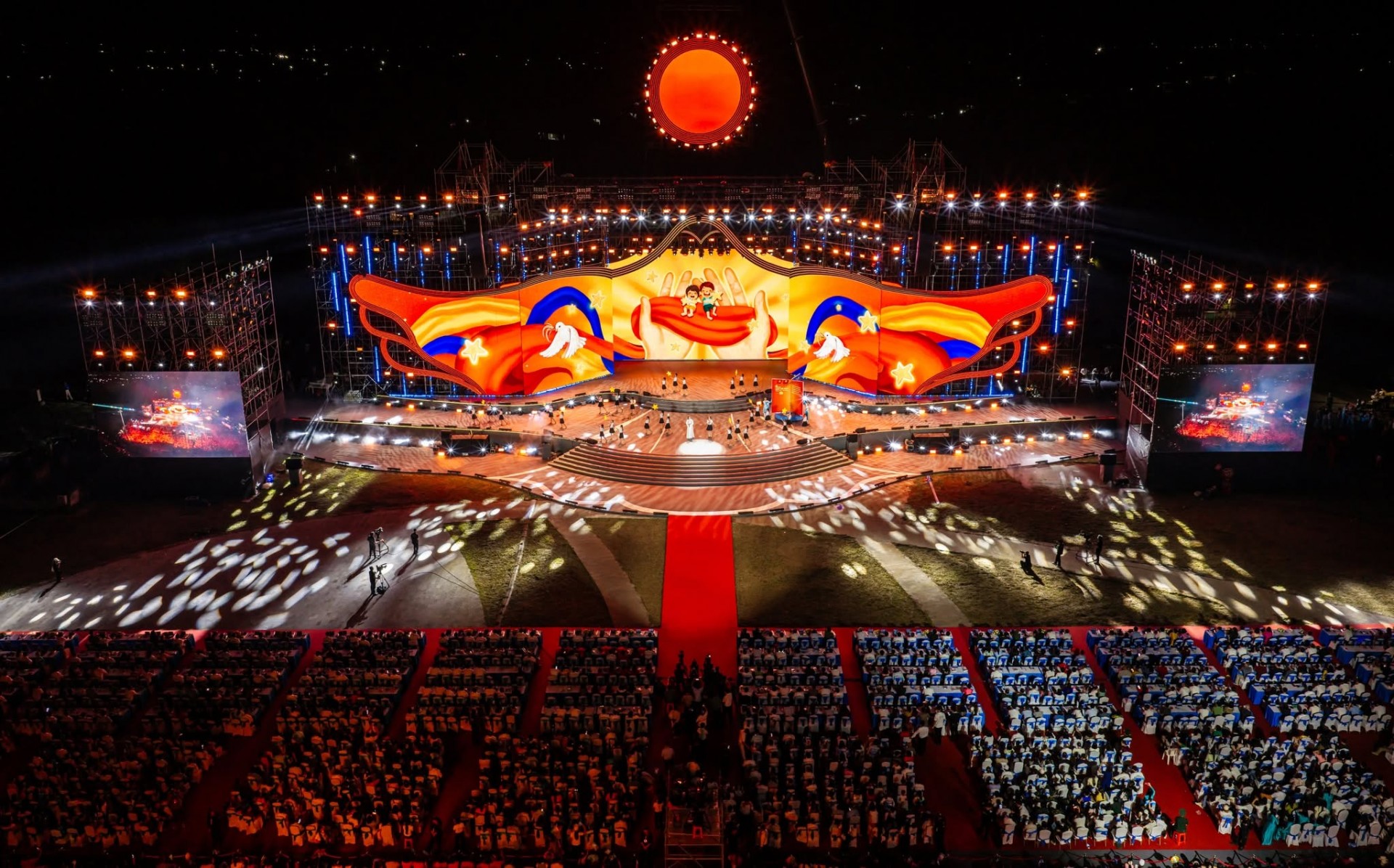 |
| Opening art program of the 2026 For Peace Festival in Quang Tri. |
First is the continued clearance of contaminated land. It is impossible to speak fully of peace while landmines and unexploded ordnance can still threaten people’s lives. Mine clearance, support for Agent Orange victims and people with disabilities must remain top priorities. The experience Quang Tri has accumulated through this process can also be shared with other post-conflict regions around the world.
Second is the development of knowledge institutions. A national museum is necessary, but not sufficient. Quang Tri needs a center or research institute dedicated to peace and reconciliation, linked with universities at home and abroad. International symposiums could also become regular forums where researchers, peace activists and people directly involved in reconciliation processes can meet and exchange ideas.
Third is to bring peace education into schools. The Quang Tri Ancient Citadel, Vinh Moc Tunnels, Hien Luong and other historical sites could become “outdoor classrooms,” where younger generations not only hear about war but also understand its human cost and their responsibility to preserve peace.
Fourth is the development of responsible memory tourism. Connecting war sites with the natural heritage of Phong Nha-Ke Bang, Nhat Le Beach, Cua Tung, Cua Viet and the East-West Economic Corridor could create journeys with both historical and cultural depth while providing livelihoods for local people. Yet memories of war should not be treated merely as a commercial product.
Fifth is to make local people the subjects of this process. Peace does not exist only in festivals, museums or signatures on a panel. It must be reflected in a livable city, social equity, a clean environment and other aspects, consistent with the criteria UNESCO used to assess Hanoi nearly three decades ago.
Finally, there must be perseverance. Japan’s Hiroshima took decades to attain the status it has today. Coventry in the United Kingdom spent more than half a century shaping its identity and image. A UNESCO designation may come after several years of advocacy, but a genuine culture of peace must be nurtured across generations.
Years ago, Mother Suot rowed across the Nhat Le River amid bombardment to ferry soldiers across the river. Today, beneath her monument, flocks of doves rise into the sky, carrying the lofty wishes of Vietnamese people and international friends alike.
Quang Tri has chosen neither to forget its past nor to remain forever confined by it. The land has chosen to preserve its memories as lessons and, from there, continue concrete efforts to address the consequences of war, promote reconciliation and pursue cooperation and development. This is also how Quang Tri gives its message of peace lasting vitality.
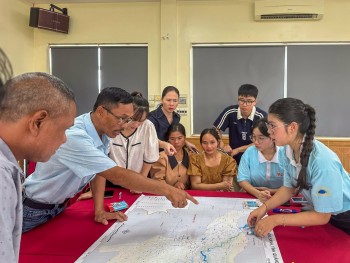 Young People Contribute to Disaster Preparedness in Quang Tri Young People Contribute to Disaster Preparedness in Quang Tri Young people in Khe Sanh have participated in training, community consultations and field surveys to support efforts to identify flash flood and landslide risks in their communities. |
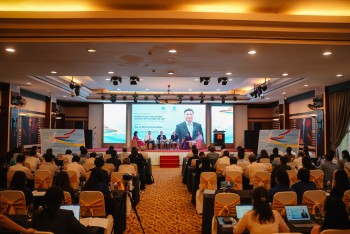 From Memory to the Future: Nurturing Peace, Friendship and Cooperation From Memory to the Future: Nurturing Peace, Friendship and Cooperation On September 25, in Dong Hoi Ward, Quang Tri Province, the Viet Nam Peace and Development Council, in coordination with the Quang Tri Union of Friendship Organizations, held an international seminar titled “From memory to the future: The value of peace.” |
Most read

ZTE Launches M8000 Intelligent Computing Micro-Module Data Center, New-Gen AIDC IT POD Solution for Global Deployment

Mountains and Seas Unite for a New Chapter: "Sojourn in Guizhou" International Promotion Conference Held in Macao


Related Stories
 Friendship
Friends of Project RENEW Continues Supporting War Consequence Remediation Efforts in Viet Nam
 Vietnamese Culture
Hue City to Raise Awareness on Mine Accident Prevention
 Vietnamese Culture
Ambassador Marc E. Knapper: US Continues to Support Quang Tri in War Consequences Remediation
 Friendship
US-Funded Mine Clearance Training Ground Handed Over to Vietnam
Recommended
 Friendship
65 Years of the Agent Orange Disaster: Dialogue to Spur Action
 Friendship
Aris Alip: The Filipino Friend Who Helped Build the TYM Fund
 Friendship
Viet Nam Union of Friendship Organizations Wins Seven Awards in Party Ideological Foundation Protection Contest
 Friendship
Spreading Responsibility for Safeguarding Party’s Ideological Foundation from Viet Nam to International Community
Popular article
 Friendship
DAFO Launches Activities to Promote Responsible Business Practices
 Friendship
Seoul (Republic of Korea) Expands Employment Support for Vietnamese International Students
 Friendship
NA President Meets with Chinese Friendship Figures in Beijing
 Friendship