
Stepping Up Efforts to Address EC Recommendations on Combating IUU Fishing
 | Vietnam maintains constructive cooperation with EU in combating IUU fishing: PM |
| Deputy PM works with EC's inspection delegation on IUU fishing combat |
According to the Vietnam News Agency (VNA), the Deputy Prime Minister stressed the need for decisive and constructive action to resolve outstanding shortcomings while reviewing and addressing newly emerging issues in practice.
He highlighted that fishing vessels measuring from 12 to under 15 meters in length are not yet fully managed, posing significant risks of violations. The Ministry of Agriculture and Environment was tasked with studying and proposing the expansion of Vessel Monitoring System (VMS) installation to cover all vessels of 12 meters and above.
Regarding the installation and use of VMS devices, the Deputy Prime Minister requested the prompt issuance of specific regulations and guidelines, particularly for cases where vessels are equipped with two devices simultaneously, to prevent abuse and concealment of violations. In the absence of such guidelines, responsibility lies with the relevant sectoral management authorities. Technical agencies were instructed to coordinate in developing standards, operational procedures, and registration and usage protocols to ensure consistency and synchronization.
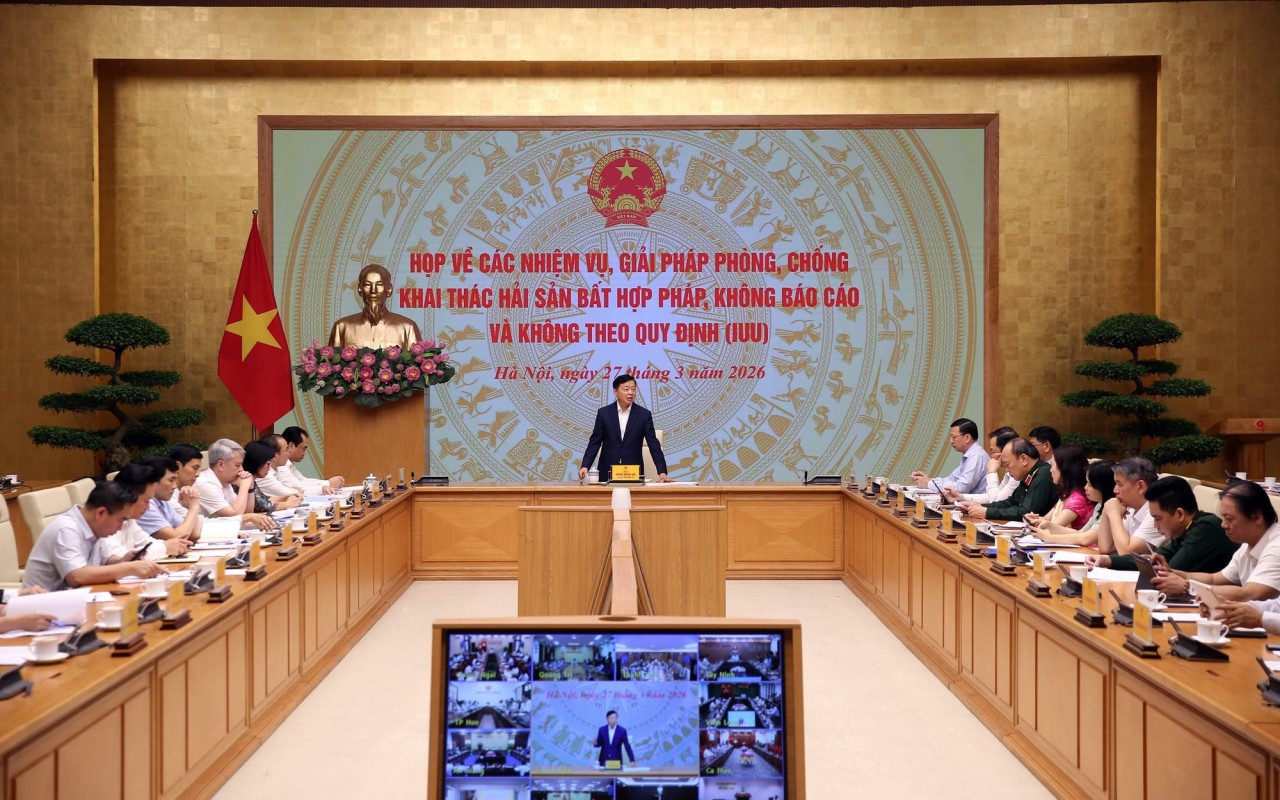 |
| Deputy Prime Minister Tran Hong Ha presides over a meeting on solutions to tackle IUU fishing. (Photo: Government News) |
On fleet management, he called for a review and supplementation of regulations defining “ineligible vessels,” clearly specifying the responsibilities of vessel owners, authorized persons, and operators. Stricter control is also required for vessel transactions, ownership transfers, and changes in management jurisdictions. All fishing vessels must be registered with clearly identified owners, and any sale or transfer must comply with re-registration and licensing procedures. Serious violations, such as the use of fake registration numbers, should face stringent penalties, including consideration of criminal prosecution rather than mere administrative sanctions.
In terms of inspection and monitoring at sea, the Deputy Prime Minister emphasized a shift from passive response to proactive prevention. Fishing vessels detected via VMS crossing into foreign waters must be immediately identified as violations, with timely notification, documentation, and handling based on available data, regardless of whether the vessels have been detained. Repeat or serious violations should be considered for criminal proceedings. The Ministry of National Defence was assigned to coordinate enforcement forces at sea to prevent violations early and from afar.
Relevant ministries and agencies were also urged to urgently improve coordination mechanisms, clearly define responsibilities, and make effective use of existing data to enhance monitoring capacity, early detection, and prevention of IUU fishing.
The Deputy Prime Minister called for the completion of fisheries databases to ensure they are “accurate, sufficient, clean, and live,” with timely and synchronized updates across agencies. Systems such as VN Fishbase, eCDT, VNeID, and related databases must operate in a unified manner with clear regulations on data updating, utilization, and accountability of each agency, unit, and enterprise.
He also directed stricter enforcement of seafood traceability processes, assigning relevant ministries to refine regulations on the responsibilities of exporting and importing enterprises. Strict action must be taken against goods that do not match documentation in accordance with legal provisions and international practices.
For implementation, the Ministry of Agriculture and Environment was tasked with establishing an inter-agency task force and issuing model regulations to guide localities in consistent implementation. It will also develop a detailed action plan through 2026, with a strong focus on fulfilling EC inspection recommendations. Localities are required to establish their own inter-agency task forces, issue operational regulations, and clearly assign responsibilities among relevant forces, including inspectors, police, agriculture authorities, justice agencies, and customs.
The Deputy Prime Minister requested ministries, sectors, and localities to urgently develop implementation plans for EC recommendations, clearly defining short, medium, and long-term tasks with specific and feasible timelines. He emphasized the need to maximize responsibility, strengthen coordination, and ensure effective implementation of solutions, to soon lift the EC’s “yellow card” warning.
| Four Key EC Recommendations on Combating IUU Fishing Citing the Government News, Deputy Minister of Agriculture and Environment Phung Duc Tien said the European Commission (EC)’s IUU inspection team has issued preliminary assessments and recommendations on Vietnam’s efforts to combat illegal, unreported, and unregulated (IUU) fishing across four main areas. On improving the legal framework, the EC inspectors recommended introducing additional penalties such as suspension of fishing licenses and confiscation of vessels for serious violations. Acts such as tampering with seals, removing or disabling Vessel Monitoring System (VMS) devices, or transferring them improperly should be classified as serious violations. The inspectors also called for the strictest possible penalties to ensure deterrence. Regarding monitoring, control and surveillance (MCS), the EC recommended that all registered fishing vessels engaged in fishing activities must display registration numbers and be properly marked in accordance with regulations, including vessels docked ashore and not currently operating. It also urged stronger inter-agency coordination in inspecting and controlling vessels entering and leaving ports, as well as operating at sea, to prevent and strictly handle IUU violations. On seafood traceability, the EC inspection team recommended tighter control over both domestically caught and imported seafood products from ports to enterprises and through to export, with particular attention to containerized shipments. It also called for enhanced inspections at enterprises to detect and address the use of illegally sourced seafood materials. In law enforcement and handling of violations, the EC recommended accelerating the processing of violating fishing vessels, prioritizing administrative sanctions for IUU fishing offenses to ensure deterrence and legal strictness. It also emphasized the need to standardize and synchronize data on IUU violations among ministries, sectors and localities, and to establish mechanisms to monitor, supervise and address delays in law enforcement at the local level. |
 | Nghe An Border Guard Steps Up Fight Against IUU Fishing Fishing activities by fishermen in the waters of Nghe An province have become increasingly vibrant, contributing to local economic development. However, alongside these positive signs, ... |
 | Mock Trial Raises Awareness on IUU Fishing for Lam Dong Fishermen Fisheries Surveillance Team No. 4 under Coast Guard Region 3 Command, the Provincial Party Committee’s Commission for Information and Mass Mobilization, the People’s Court of ... |
Related Stories
 Seas and islands
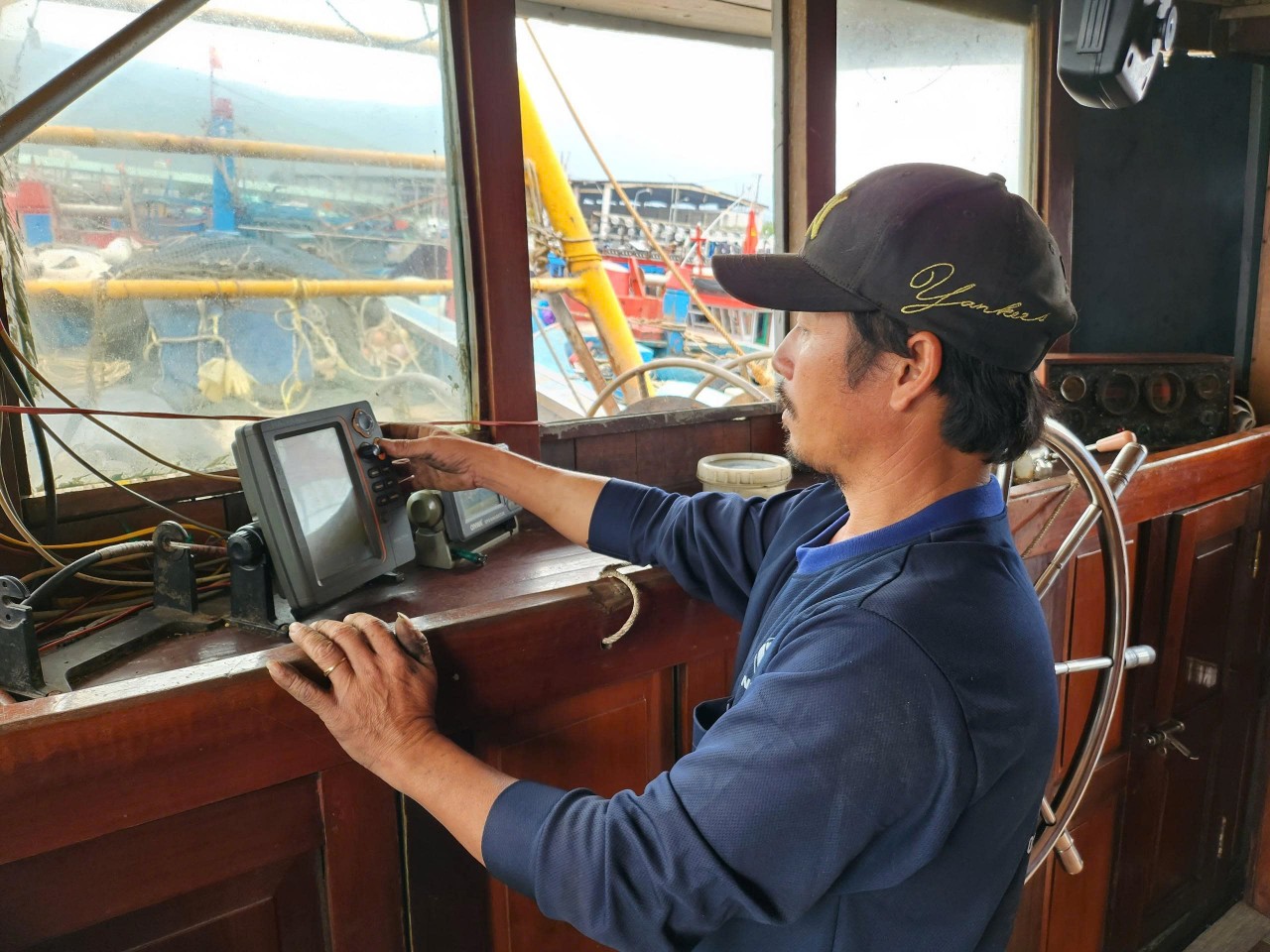
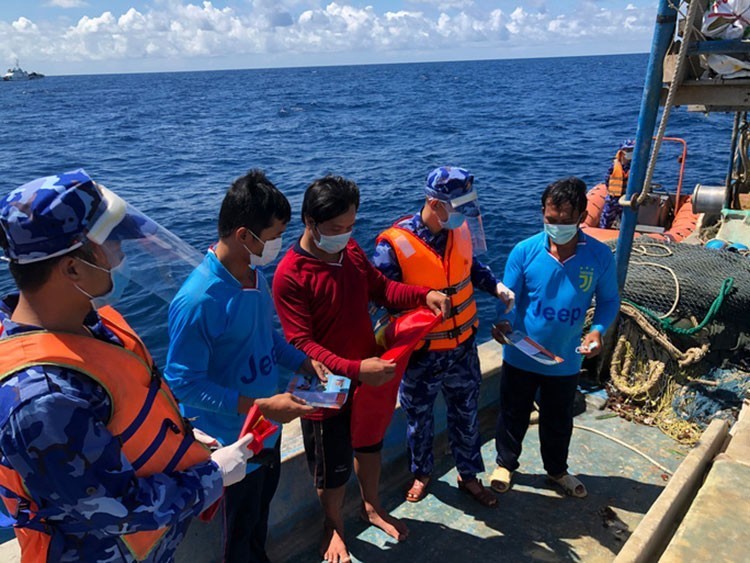
Modern Technology Implemented in Crackdown on IUU Fishing
 Seas and islands
National Steering Committee Strengthened for IUU Fight and Sustainable Fisheries
Recommended
 Seas and islands
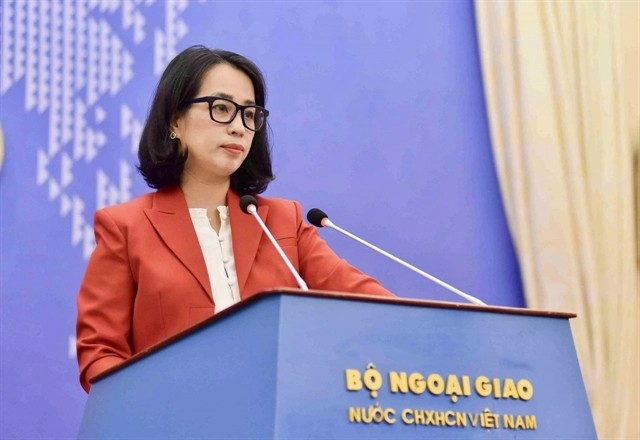
Vietnam Reaffirms Goodwill in Adhering to 1982 UNCLOS
 Seas and islands
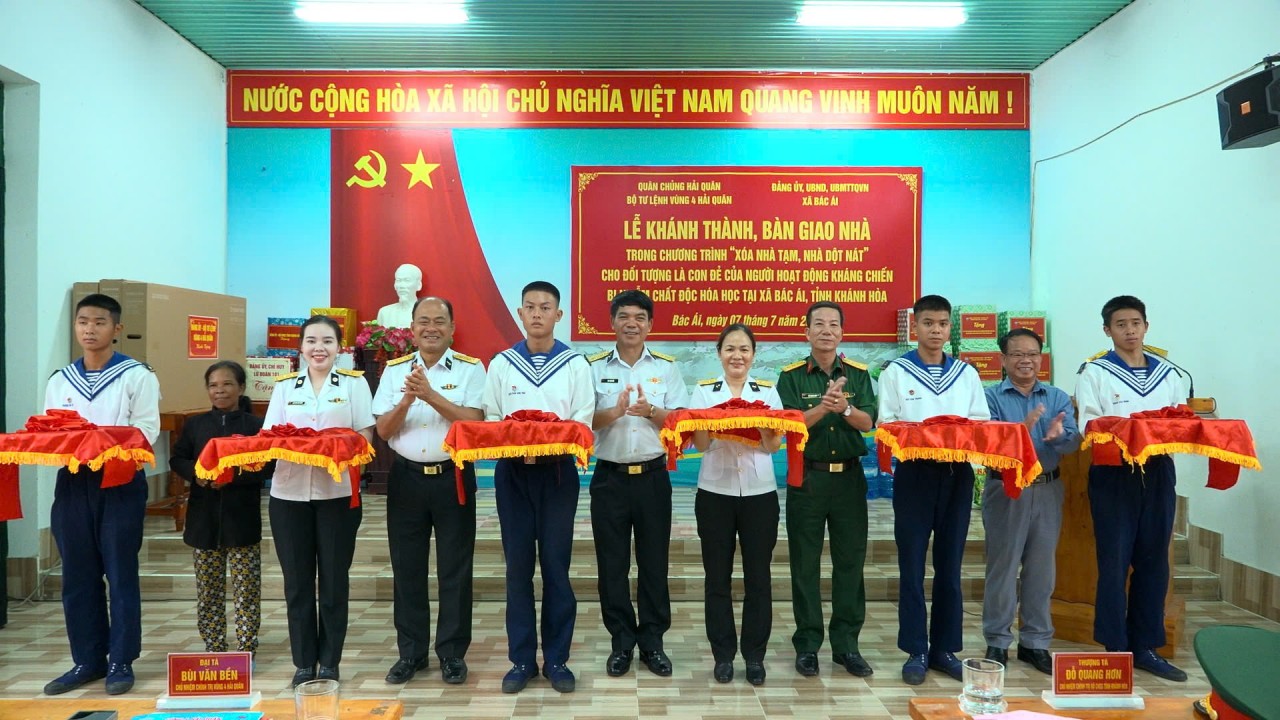
Naval Region 4 Handed Over Four Houses to Policy Beneficiary Families
 Seas and islands
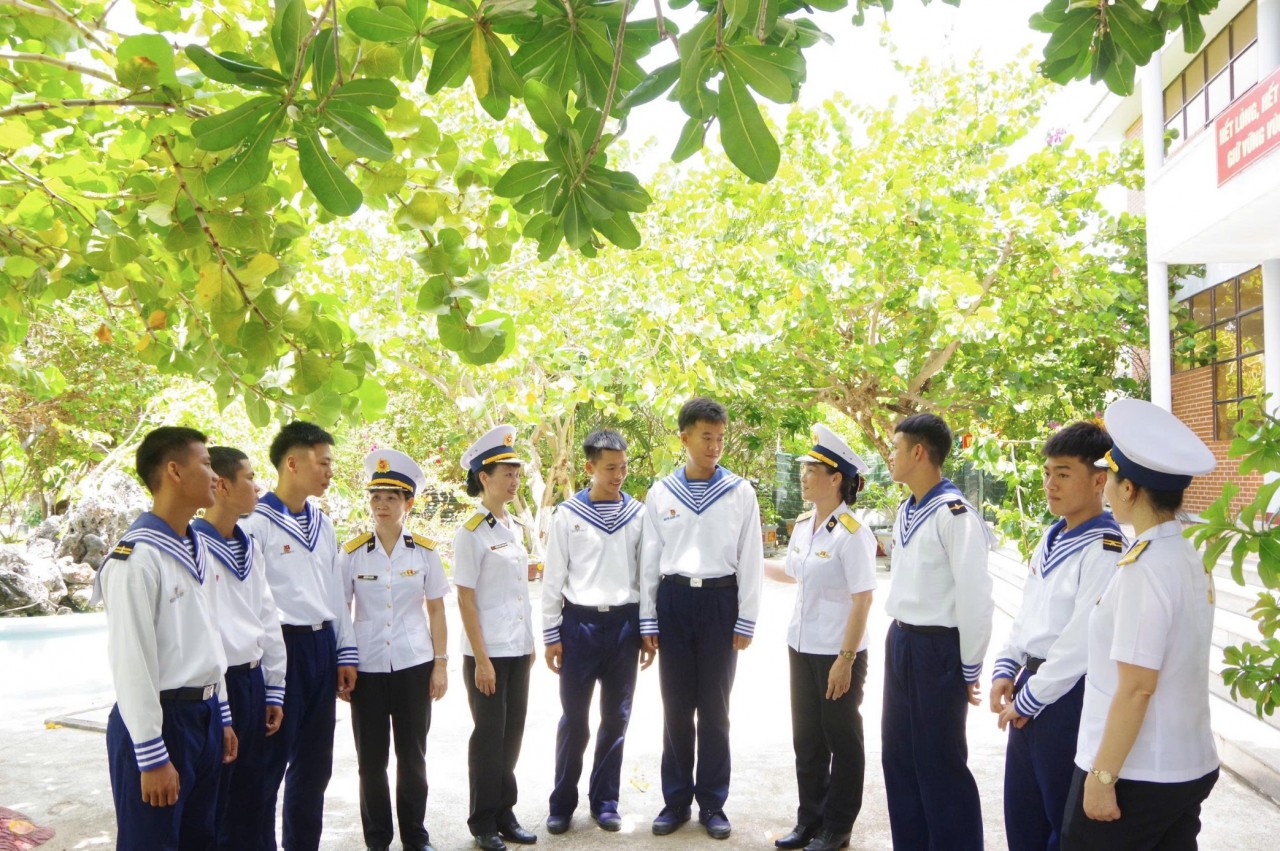
Truong Sa: Every Family a “Living Landmark” on the Frontline of the Sea
 Seas and islands
Dream of Soldiers on a Remote Island
 Seas and islands
Vietnam Chairs Opening Session of the 36th Meeting of States Parties to UNCLOS
 Seas and islands
Promoting Love for Vietnam’s Seas and Islands in Dak Lak
 Seas and islands
Khanh Hoa Fishermen Bring Cameras Underwater
 Seas and islands