
Stunninng beauty of red silk cotton flowers in March
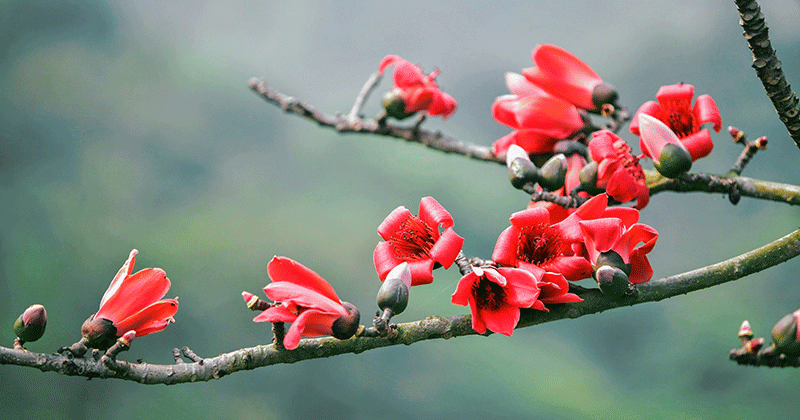 |
| Red silk cotton flowers bloom at the end of spring, which is also the season of birds mating. Photo: Thoi Bao Ngan Hang |
Red silk cotton flower is also known as "Moc Mien", while in the Central Highlands, it is also known as "Po-lang". In the early days of March, when you walk along Thu Bon River from Phuong Ranh pass (Nong Son district) to Hon Kem - Da Stop (bordering Nong Son and Hiep Duc district), it is not difficult to see the red silk cotton flowers in full red blossom brightening up the sky in Quang Nam, cited by Baomoi.
Unlike the kind of flower in the North, Quang Nam's one grows alone. Up to now, the existing flower trees have a quite large age. The flowers bloom only once at the end of spring, which also marks the end of winter. Therefore, there is the phrase "It is not until March when the red silk cotton flower falls, the weather becomes warmer".
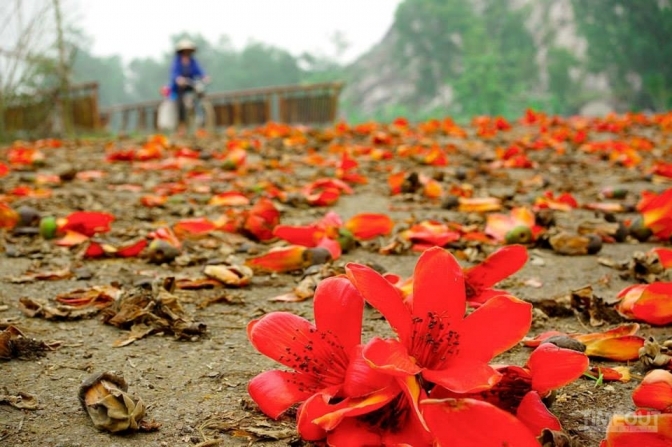 |
| Not as garish as other kinds of flowers, red silk cotton flowers own a rustic beauty. Photo: Timeout Vietnam |
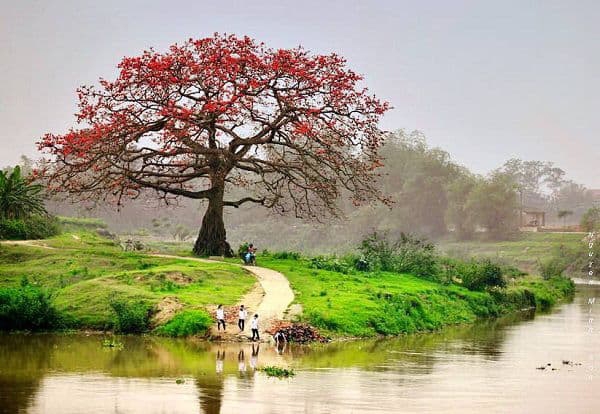 |
| Despite the harsh weather of the central region, the tree is still waiting for the blooming season. Photo: Thiet Ke San Vuon Dep |
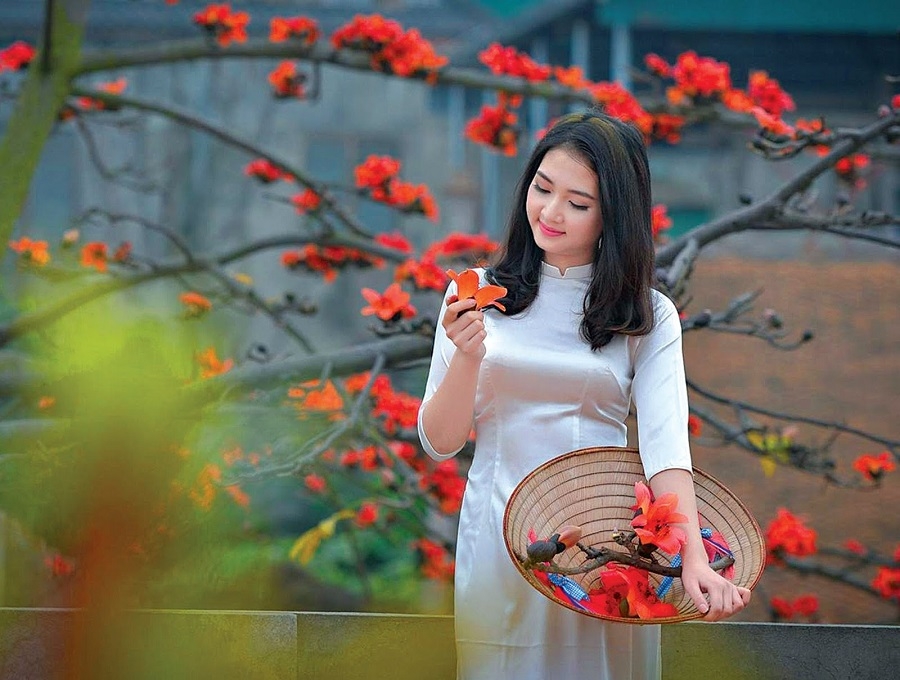 |
| It attracts a lot of people to come and take photos. Photo: Top Ten Travel |
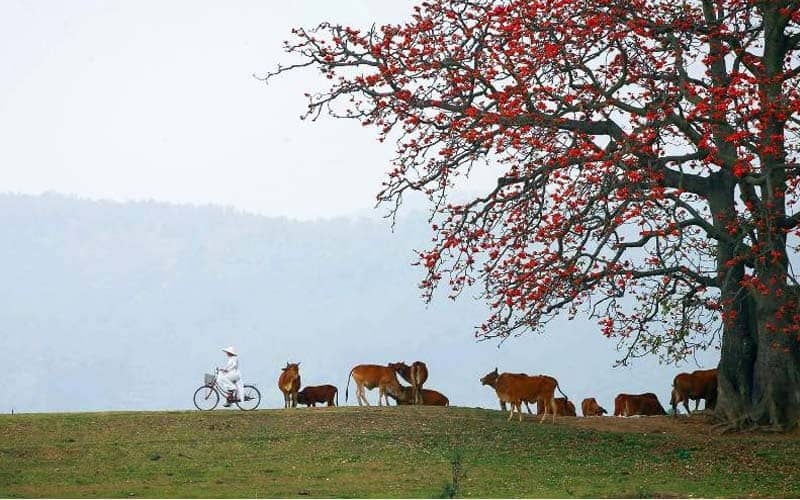 |
| In many rural areas, the red silk cotton flower has become a part of children's childhood. Photo: VnTrip |
Apart from the banyan tree or the water station, which is reminiscent of an agonizing nostalgia for the countryside, the blooming red flower also brings people back to memories with games of groping, blindfold goat, scare ghosts ... around the trees.
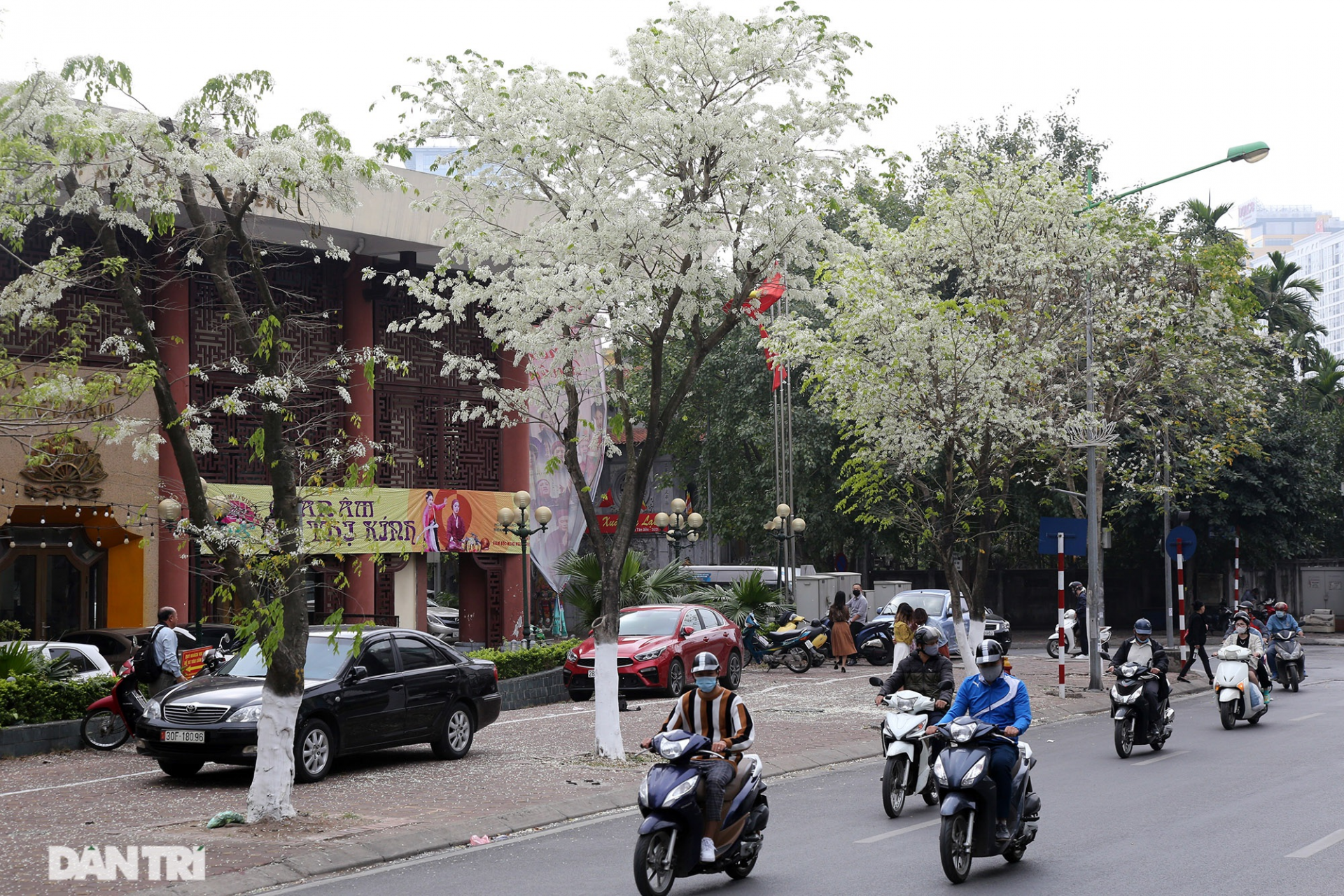 | The stunning and dreamy beauty of Sua Flowers blooming in Hanoi Sua Flower is blooming at this time of the year in Hanoi, covering the streets with the pure white colour, and attracting many locals and ... |
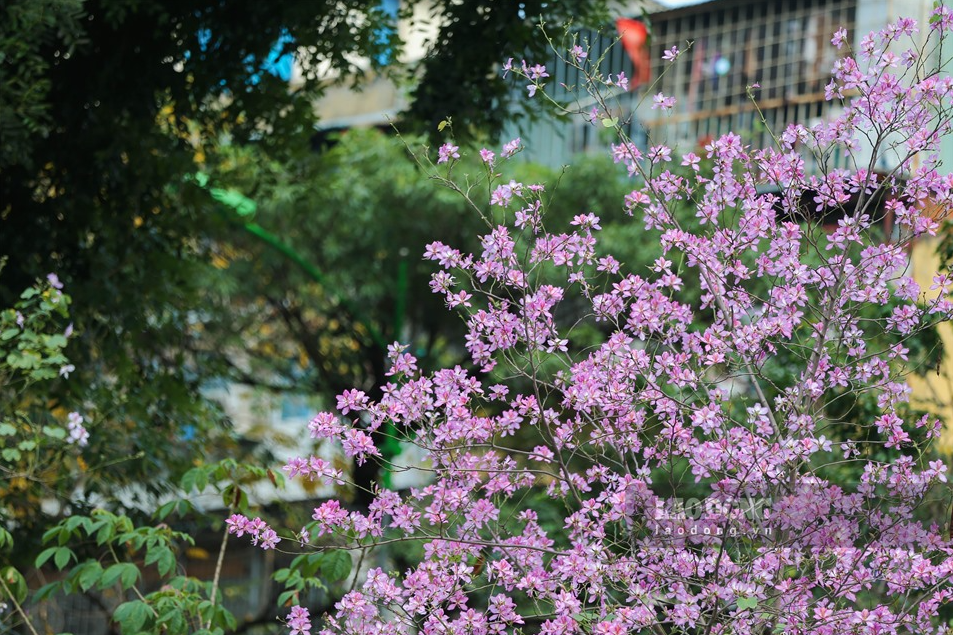 | Northwest mountain ebony bloom briliantly in Hanoi Mountain ebony - the flower carrying the breath of the Northwestern mountains seems to dispel the gray of Hanoi's cold weather, create a dreamy beauty ... |
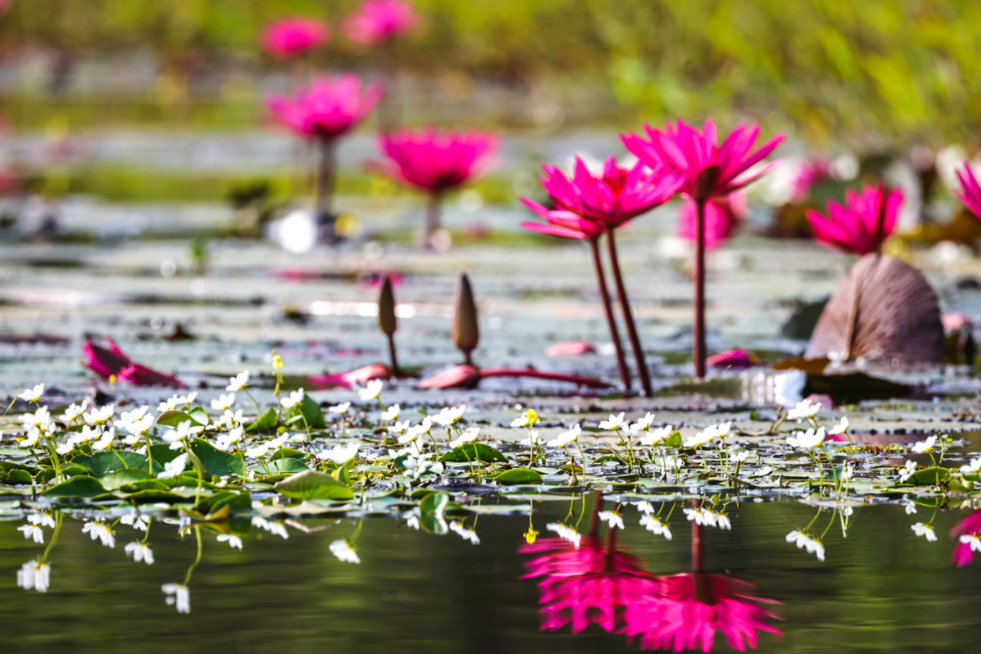 | Tram Chim (Dong Thap) in the season of birds and flowers As the spring knocks on the door of Dong Thap, visitors can see many species of flowers blooming brilliantly and countless birds nest built on ... |
Related Stories
 Travel
Na Hang: The Wild Beauty of the Northeast
 Travel
The Beauty of Mu Cang Chai from Above
Recommended
 Travel
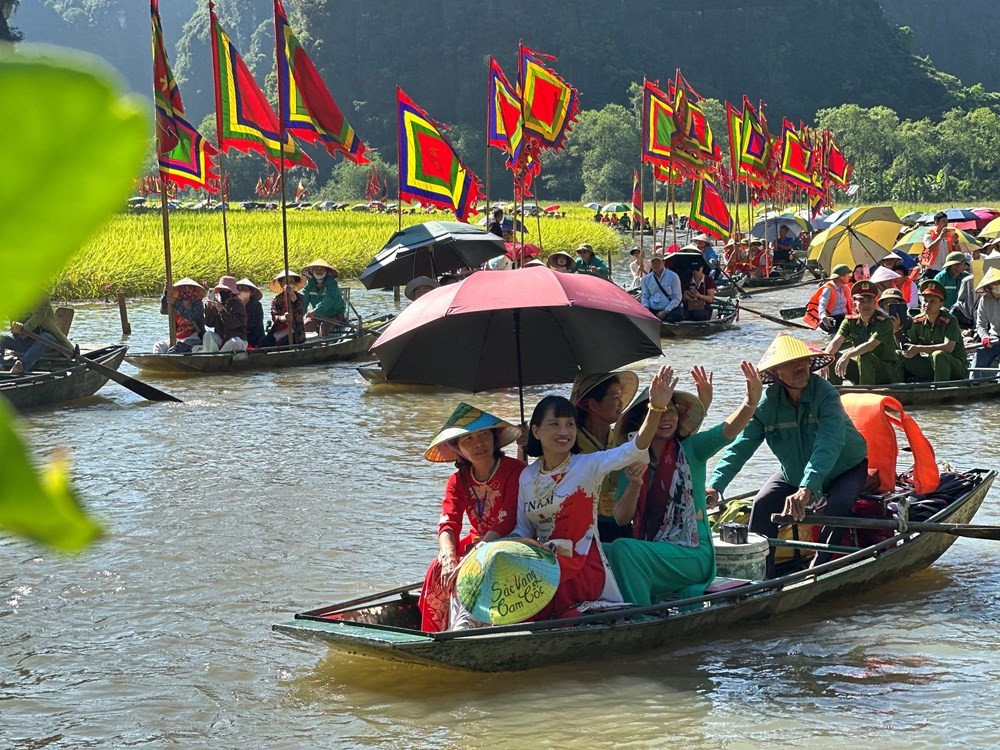
Ninh Binh: Traditional Festivals as Powerful Tourism Draw
 Travel
Vietnam Accelerates Tourism Digitalization with AI and Data Technologies
 Travel
American Tourist Delighted by Act of Kindness from Boatman in Hoi An
 Travel
Vietnam Accelerates Digital Transformation in Tourism Development
 Travel
Vietnam Welcomes Record Number of International Tourists
 Travel
Vietnam’s Endless Charm Attracts International Tourists
 Travel
Heritage-Based Tourism Unlocks New Development Resources
 Travel