The profession of salt producing in the South of Vietnam
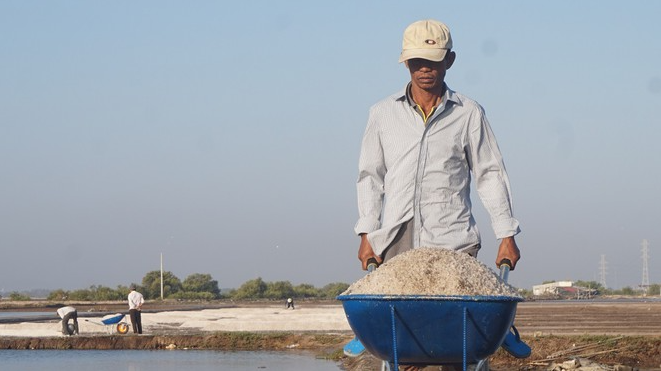
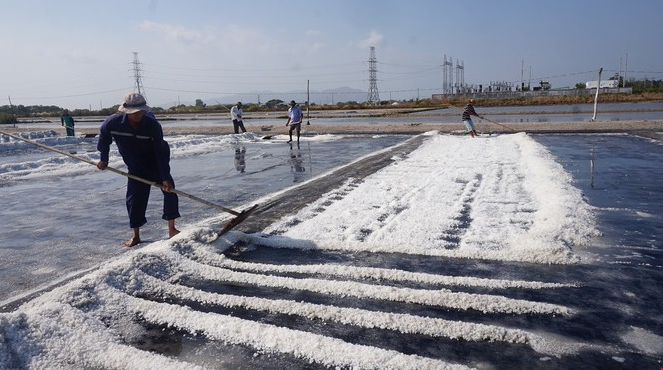
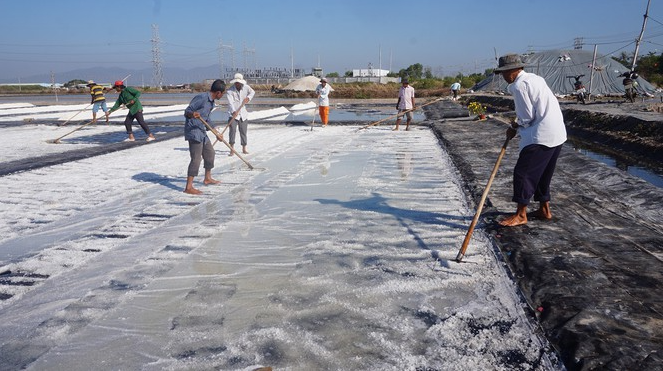
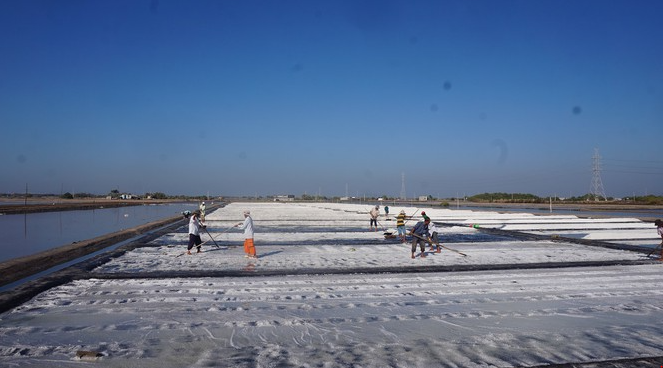
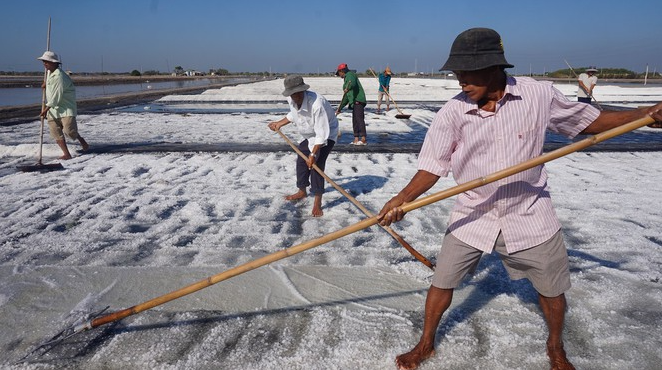
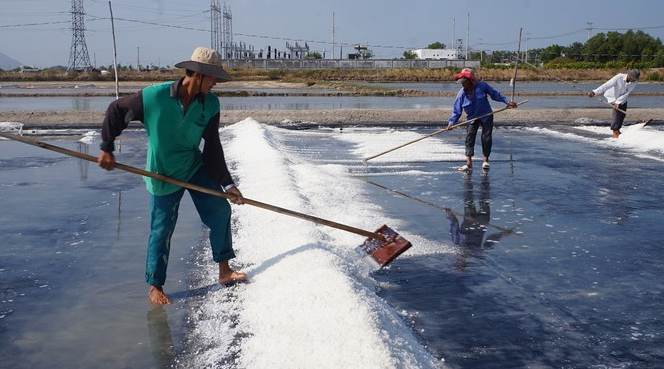
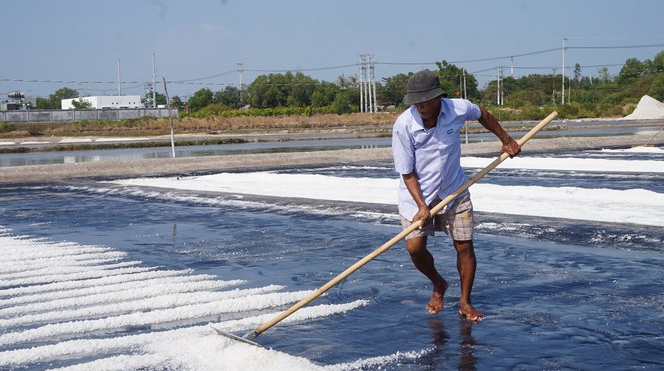
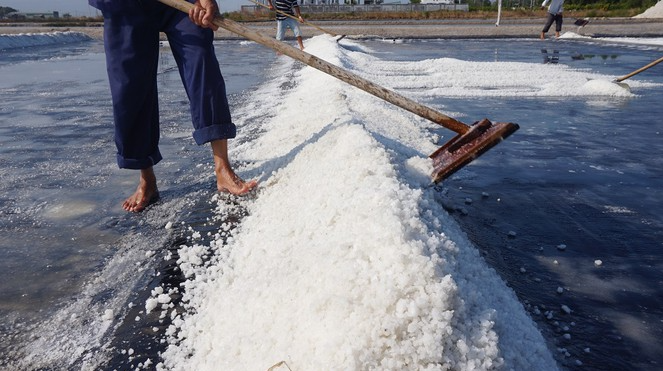
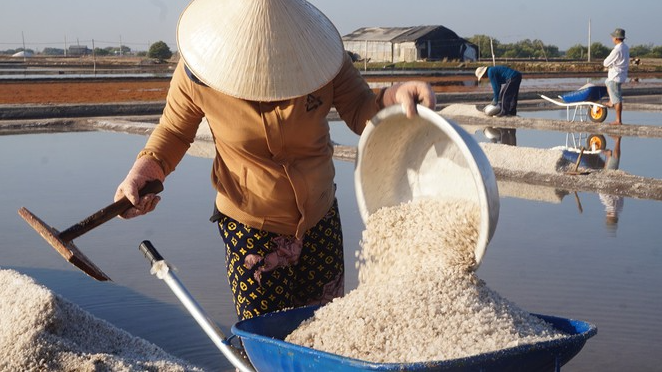
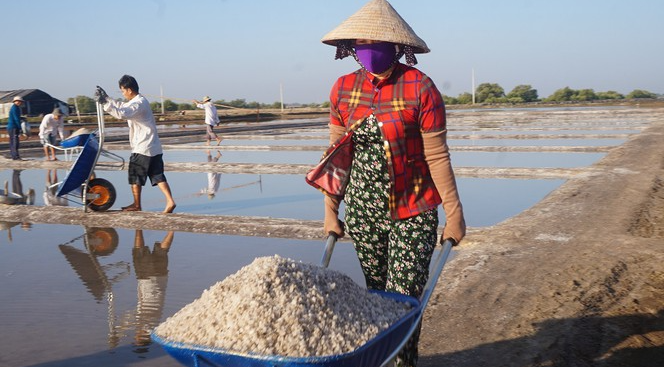
In the new year's season of salt-producing, each farmer in Vung Tau is busy doing their own work: some rake the salt, some scoop the salt into the carts. Due to the high amount of rain, the amount of salt this year drops. Unluckily, the price drops too.
January is the beginning of the salt season when salt farmers on An Ngai salt field (Long Dien district, Ba Ria - Vung Tau province) take the whole family to the field to level the ground, build the banks, leave seawater to dry in the sun, which helps fine white salt particles formed.
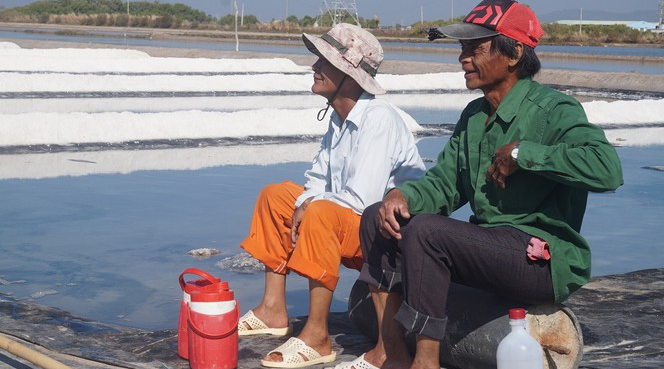
Mr. Le Duc Tung, a salt farmer in An Ngai, Long Dien district, said that at this time last year, he had harvested 2 salt crops but this year he only had 1 crop, so I produced less salt. In previous years, the price of salt fluctuated around 1 million / ton, now it is only 700,000 VND / ton. “People often say that the salt industry is devalued. This year we both lost our crops due to the weather and could not sell at a good price," said Mr. Tung.
Talking about the reason for sticking with the profession for 18 years, Mr. Pham Van Hung (58 years old) said that he chose to follow his father's career with the desire to develop the traditional profession passed down from many generations. At the end of the crop, the salt farmers become self-employed. They find other jobs to make a living from farmers, workers,...“There are some salt farmers who have sold land, sold their fields, and switched to other jobs. At present, the younger generation in the salt-making family mostly chooses other professions. Most of them go to the city to find jobs”, Mr. Hung confided.
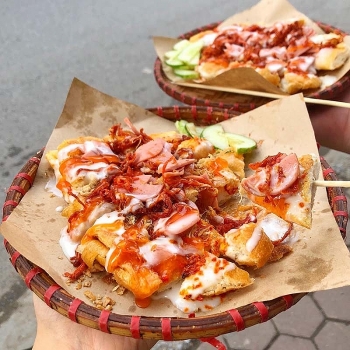
Boasting a uniquely delectable flavor, the Vietnamese bread grilled with salt and chili in a stall in Chua Lang street, Hanoi is sold like hotcakes. ...
Ninh Thuan in Vietnam’s South Central Coast is renowned for its magnificent beauty ranging from immense wind farm, nomadic village to peaceful sheep farm.
The Minister of Finance has issued Circular No. 84/2026/TT-BTC stipulating value-added tax (VAT) refunds for goods purchased in Vietnam by foreigners and overseas Vietnamese and carried with them upon exit.
On behalf of the Secretariat, Tran Cam Tu, Politburo Member and Standing Member of the Secretariat, signed and promulgated Conclusion No. 57-KL/TW, dated June 24, 2026, on the organization of activities in preparation for the 80th Anniversary of War Invalids and Martyrs Day (July 27, 1947 - July 27, 2027).
Deputy Prime Minister Pham Thi Thanh Tra has signed Decision No. 1116/QĐ-TTg dated June 22, 2026, issued by the Prime Minister, which amends and supplements Decision No. 1579/QĐ-TTg dated October 13, 2020, approving the Program on Elderly Care to 2030.
Twelve historical-cultural relics and scenic sites located in Chuong My Ward, Phuc Loc Commune, Ung Hoa Commune, and Vat Lai Commune have been officially recognized. This marks the second time this year that new heritage sites in the capital have been granted official status.
Deputy Prime Minister Pham Thi Thanh Tra signed Decision No. 1111/QD-TTg dated June 19, 2026, issued by the Prime Minister, promulgating the Plan for Organizing “Vietnam Culture Day” for the 2026-2030 period.
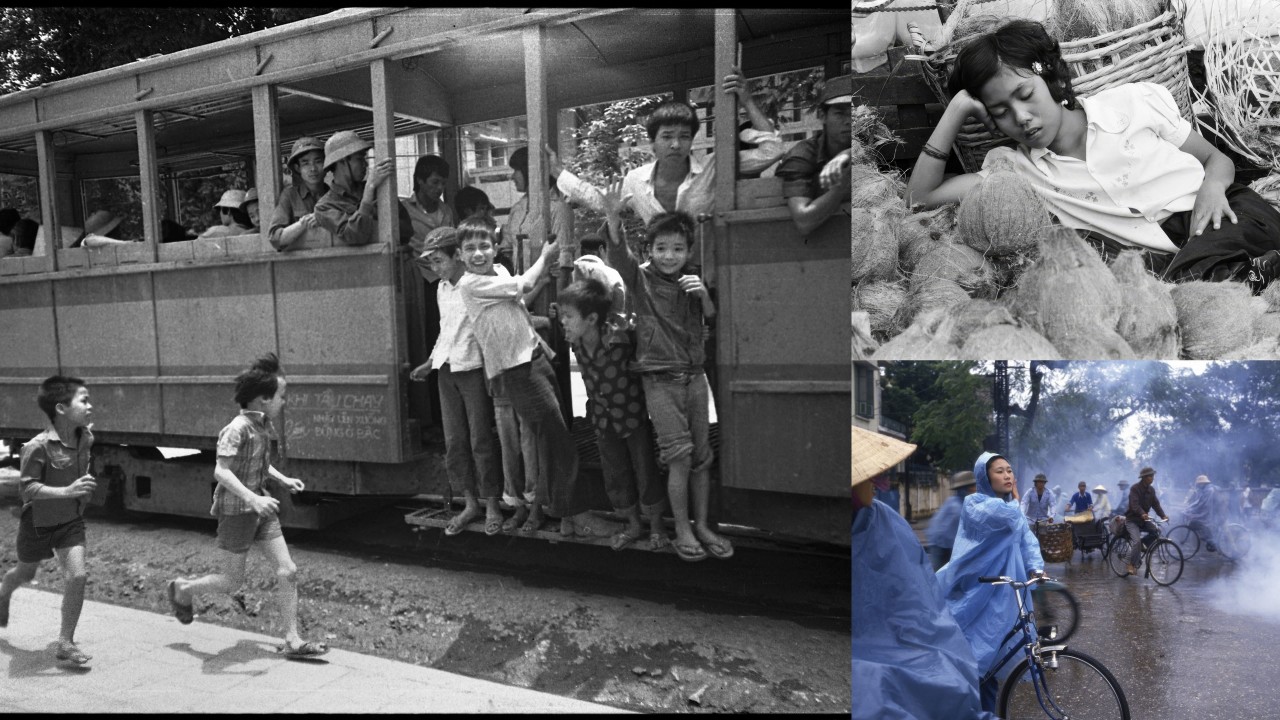
As part of the Hue Festival, three French photographers - Daniel Roussel, Gilbert Bertrand, and Lily Franey - will present a photo exhibition on Vietnam and its people entitled Vietnam Crossroads at the wall surrounding the University of Education, Hue University (32-36 Le Loi Street, Hue).
A free film week celebrating International Children's Day 2026 is being held nationwide from May 31 to June 7, featuring a wide range of animated and live-action films for young audiences.
Vietnam’s Ministry of Health has issued new “Guidelines on Professional Content for Periodic Health Checkups for Children Under 6 Years Old,” stipulating that children in this age group will receive health examinations at least once a year across multiple medical specialties to help detect physical, mental, and developmental issues early.





 Handbook
 Handbook
 Handbook
 Handbook
 Handbook
 Handbook
 Handbook
 Handbook