Unspoiled beauty in coastal 'Fallen church', northen Vietnam
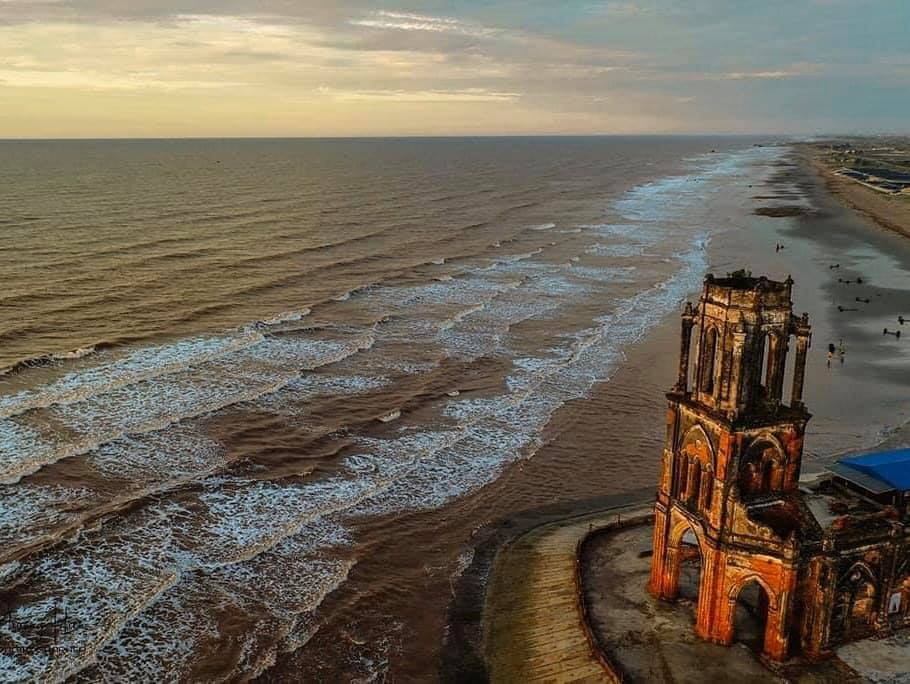
With unique architecture and pristine beauty, the Fallen church, in Nam Dinh province is a must-see destination in northern Vietnam. Given its close proximity to the sea, the Fallen church will surely offer churchgoers an unforgettable experience.
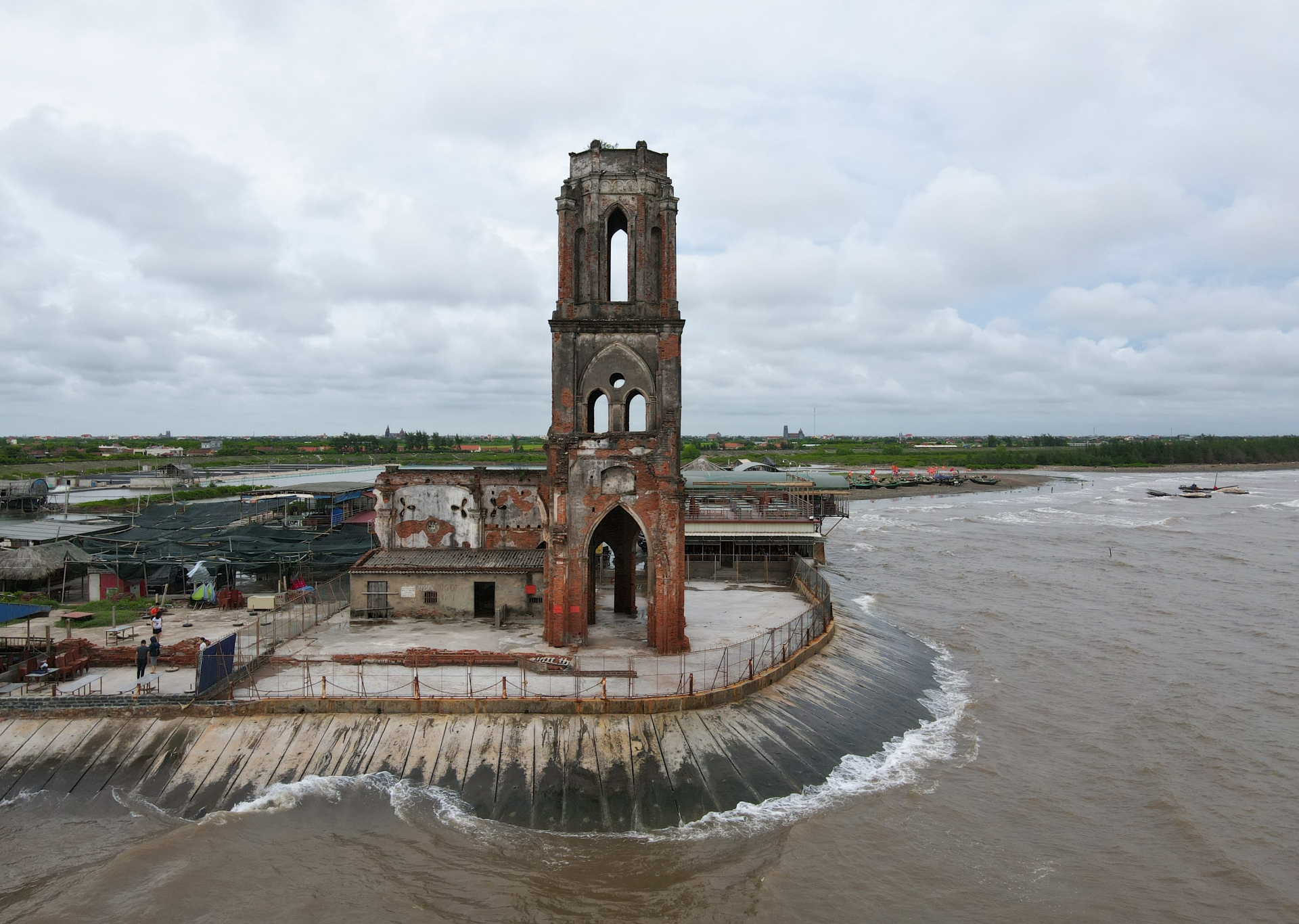
The Fallen church, known as "Nhà thờ đổ Hải Lý" in Vietnamese, is also called the "Heart church". It was built in 1943 and designed by a French architect.
(Photo: Thoi Dai)
In 1966, the sea began to encroach on land for more than 1km. Following the invasion, the village that stretched along Xuong Dien beach disappeared.
(Photo: Thoi Dai)
(Photo: Thoi Dai)
(Photo: Thoi Dai)
(Photo: Thoi Dai)
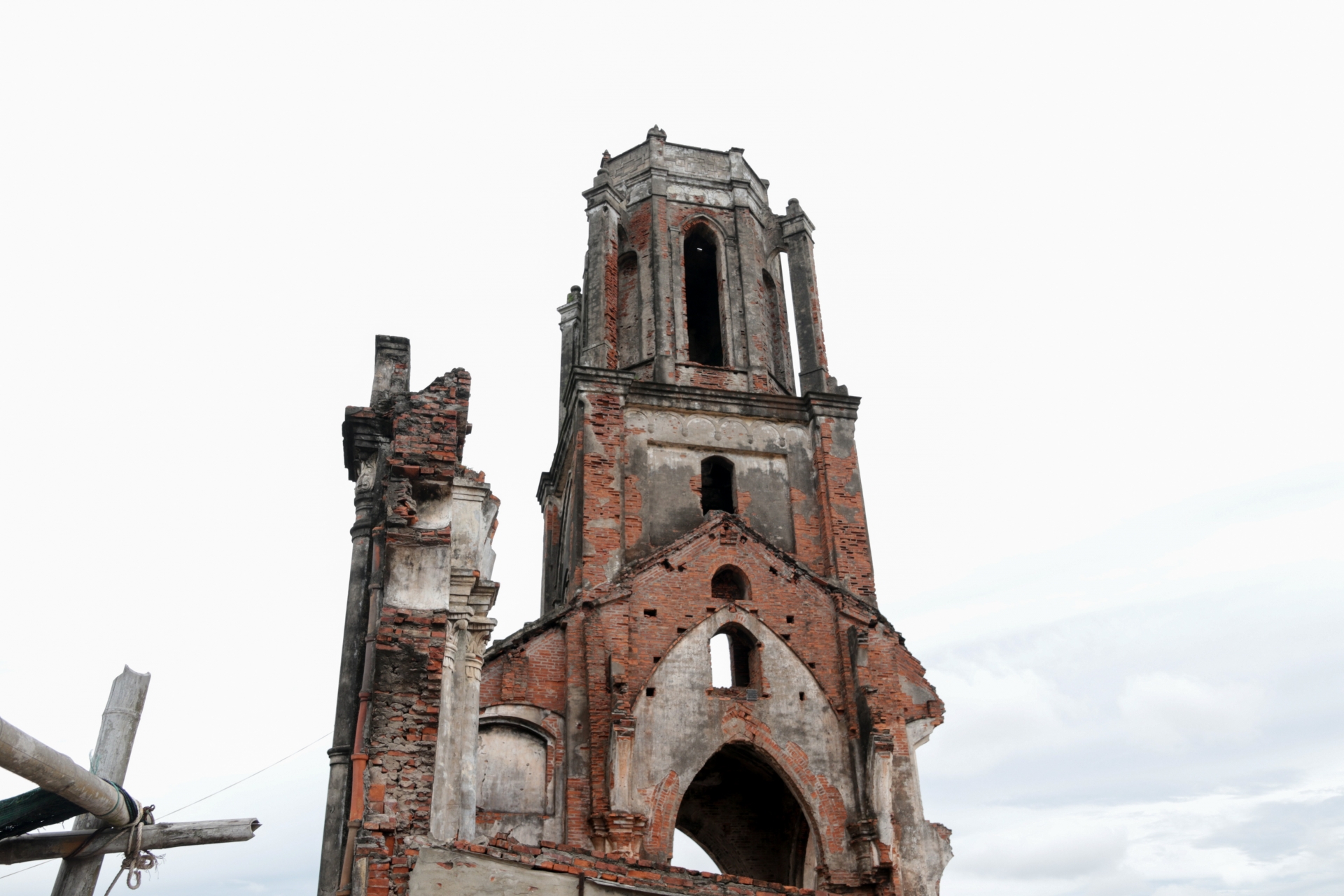
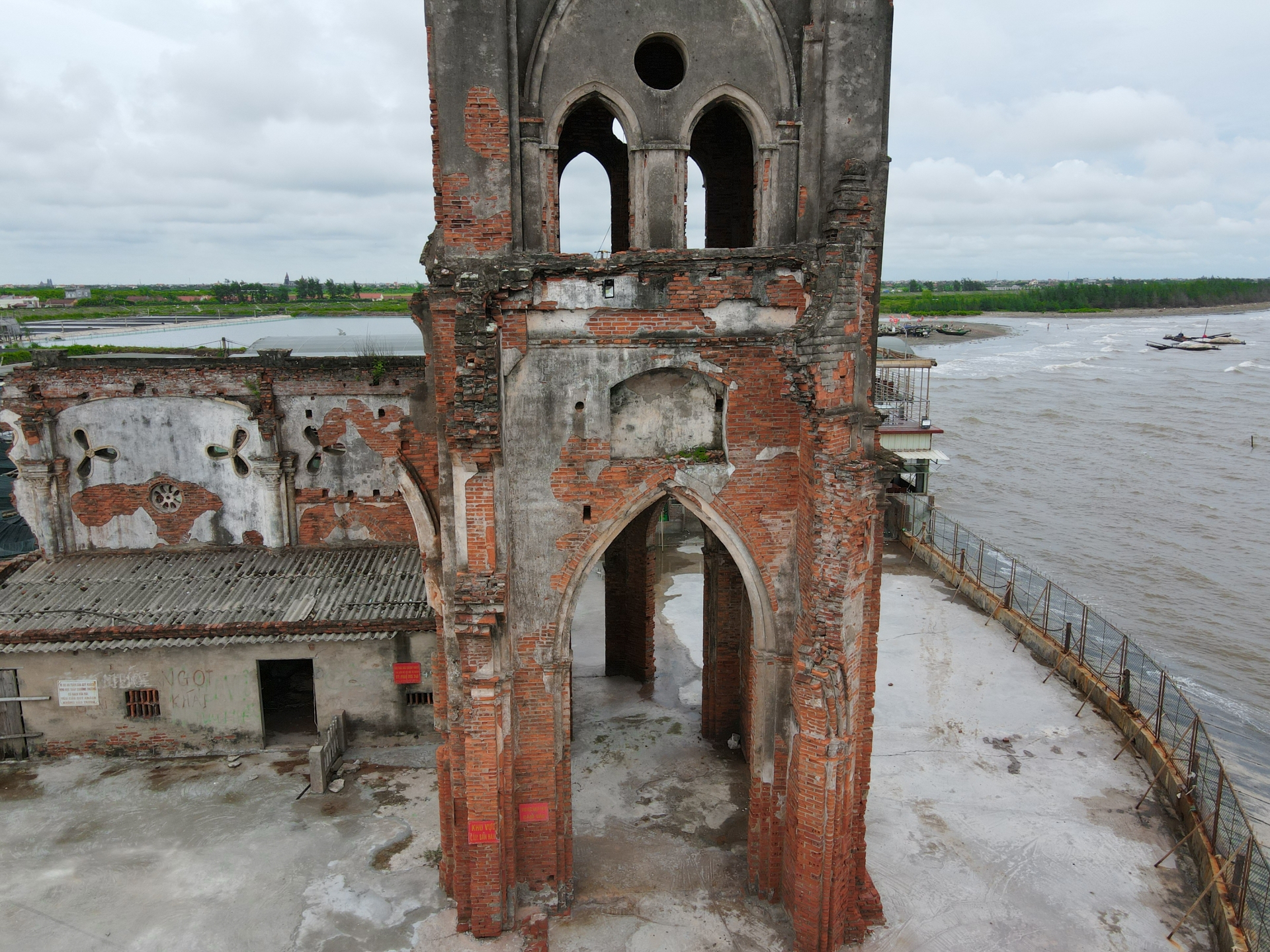
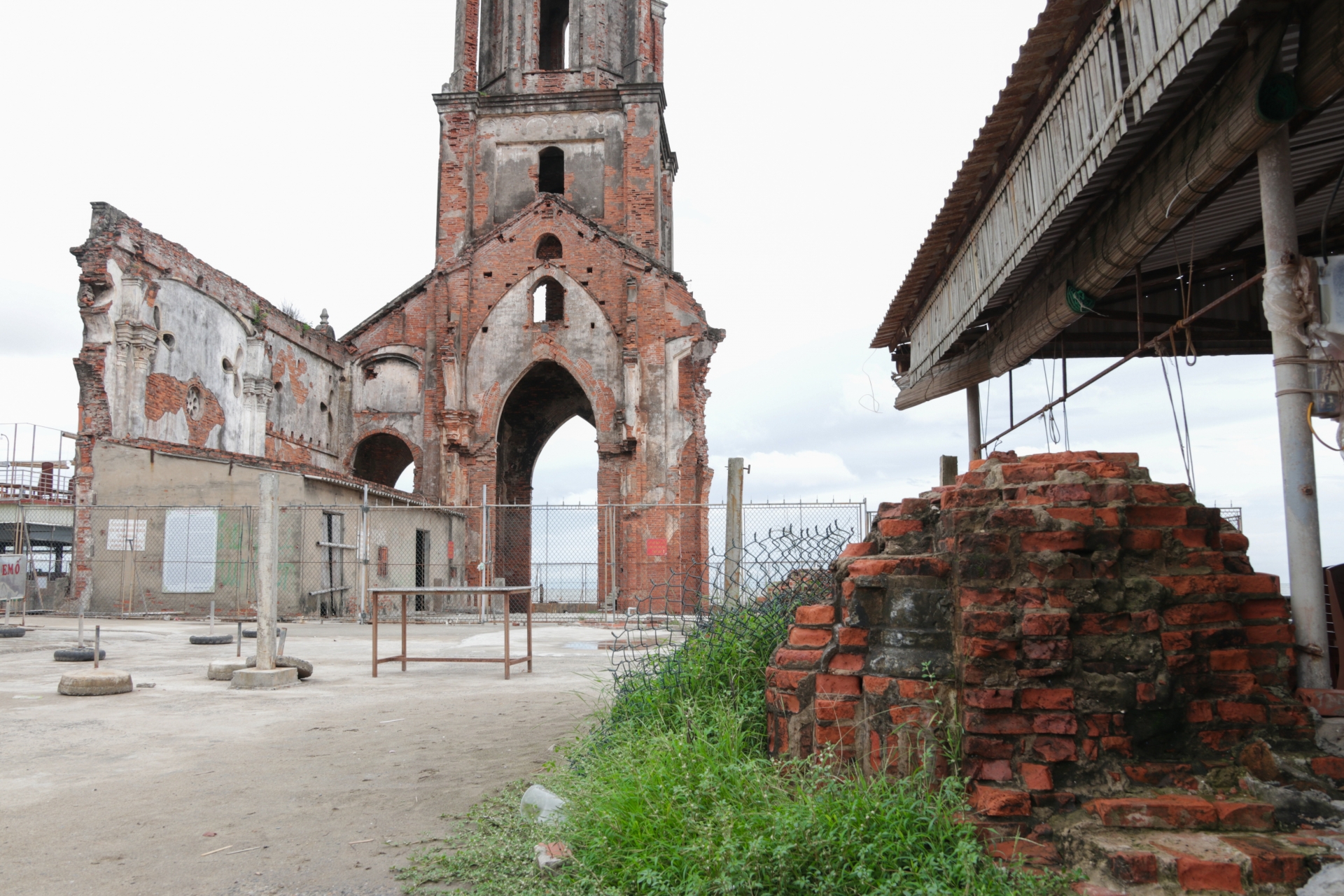
Some outstanding constructions with intricate architectures had been "swallowed" by the sea waves through times. Only the Fallen Church, which is dedicated to St. Maria Madalena is still standing there. However, the construction is not as intact as it used to be.
(Photo: Thoi Dai)
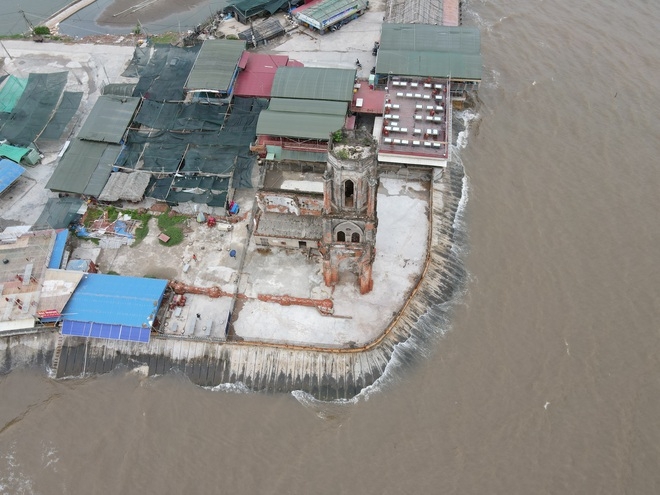
The church's stereobate has been invaded by seawater, which ruined the original architect.
(Photo: Thoi Dai)
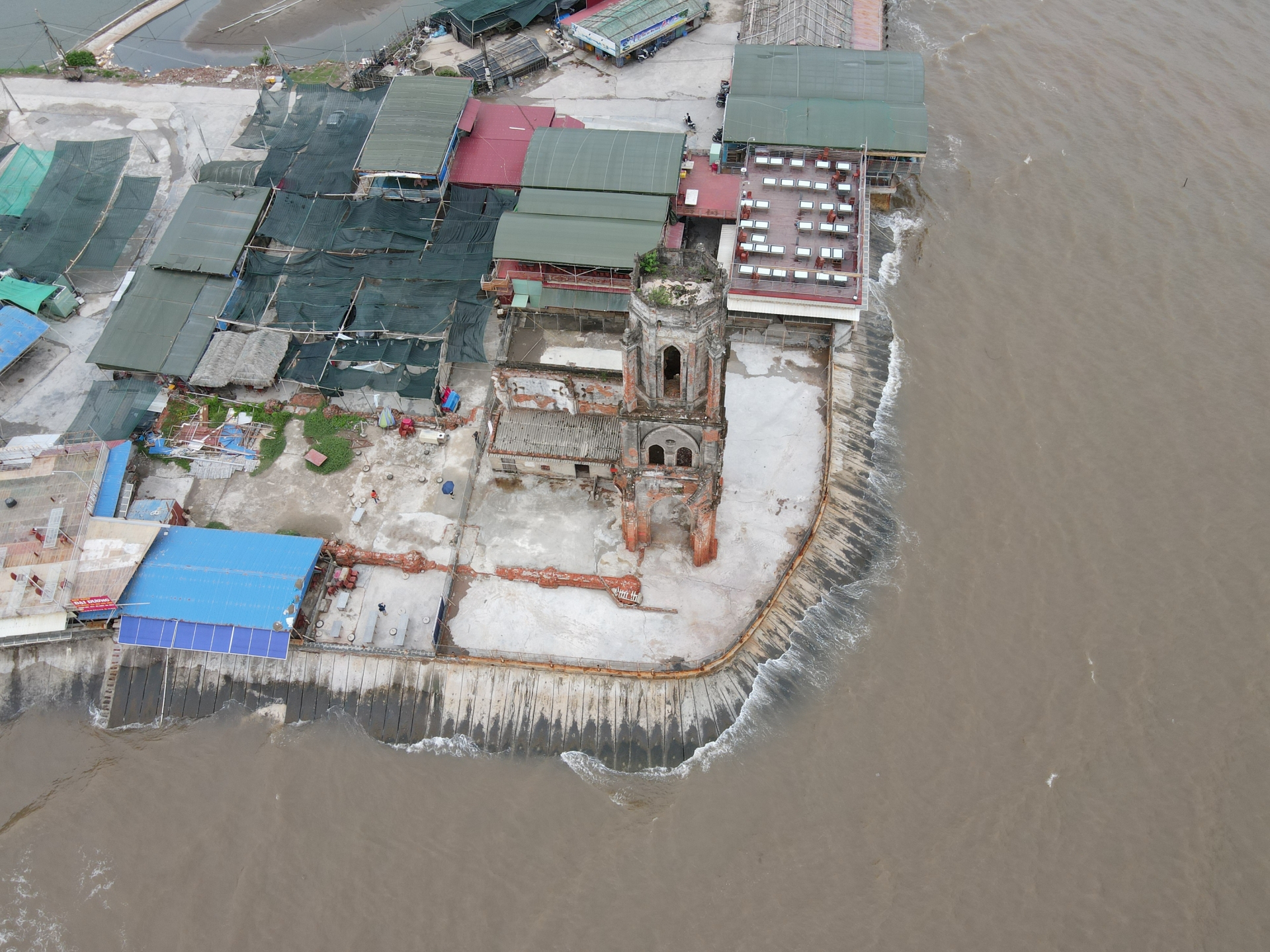
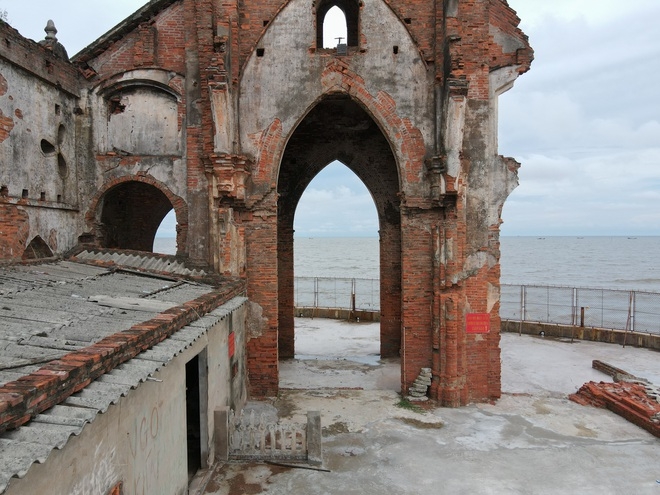
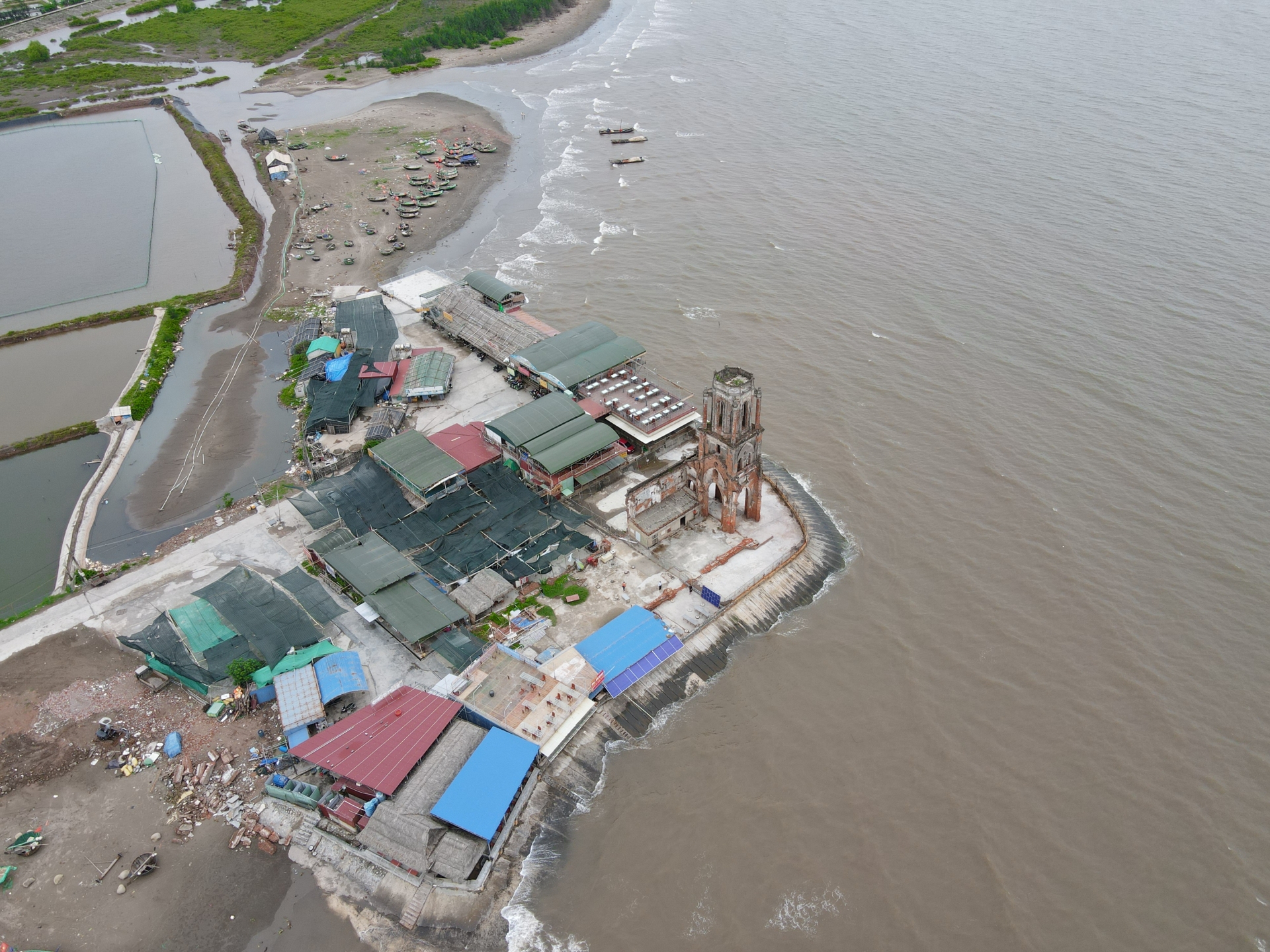
Local authorities and residents have built embankments around Fallen church in a bid to conserve the culture-rich construction. The church is now a hot check-in place for visitors and locals alike.
(Photo: Thoi Dai)
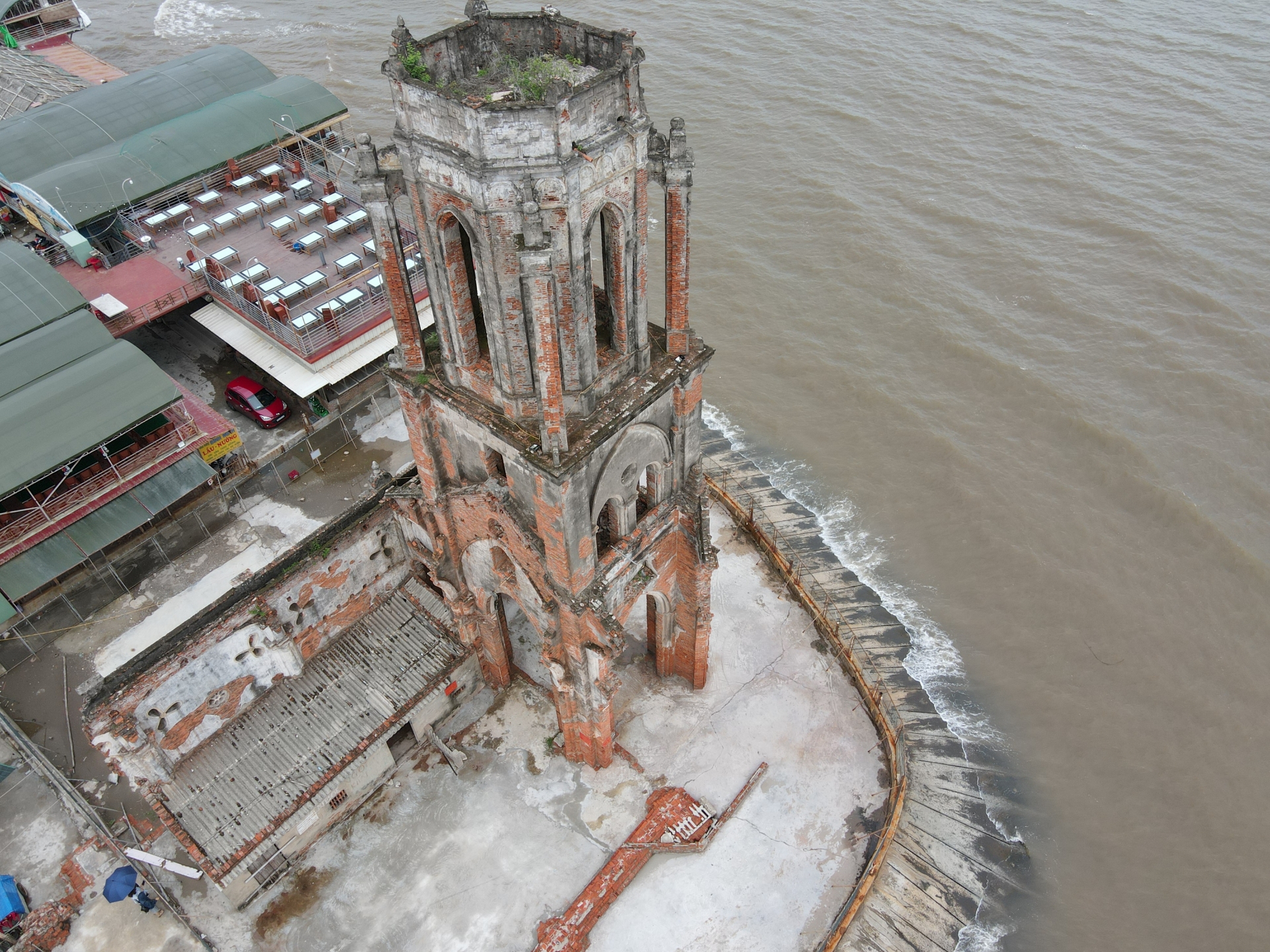
However, as the church has deteriorated and partly collapsed, the entire area is now surrounded by fences, preventing visitors from approaching.
(Photo: Thoi Dai)
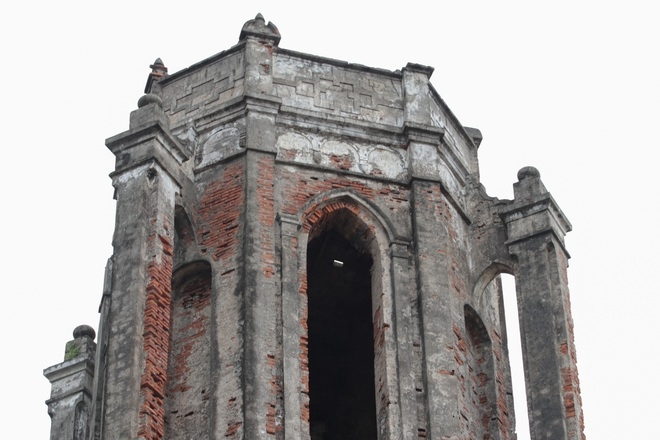
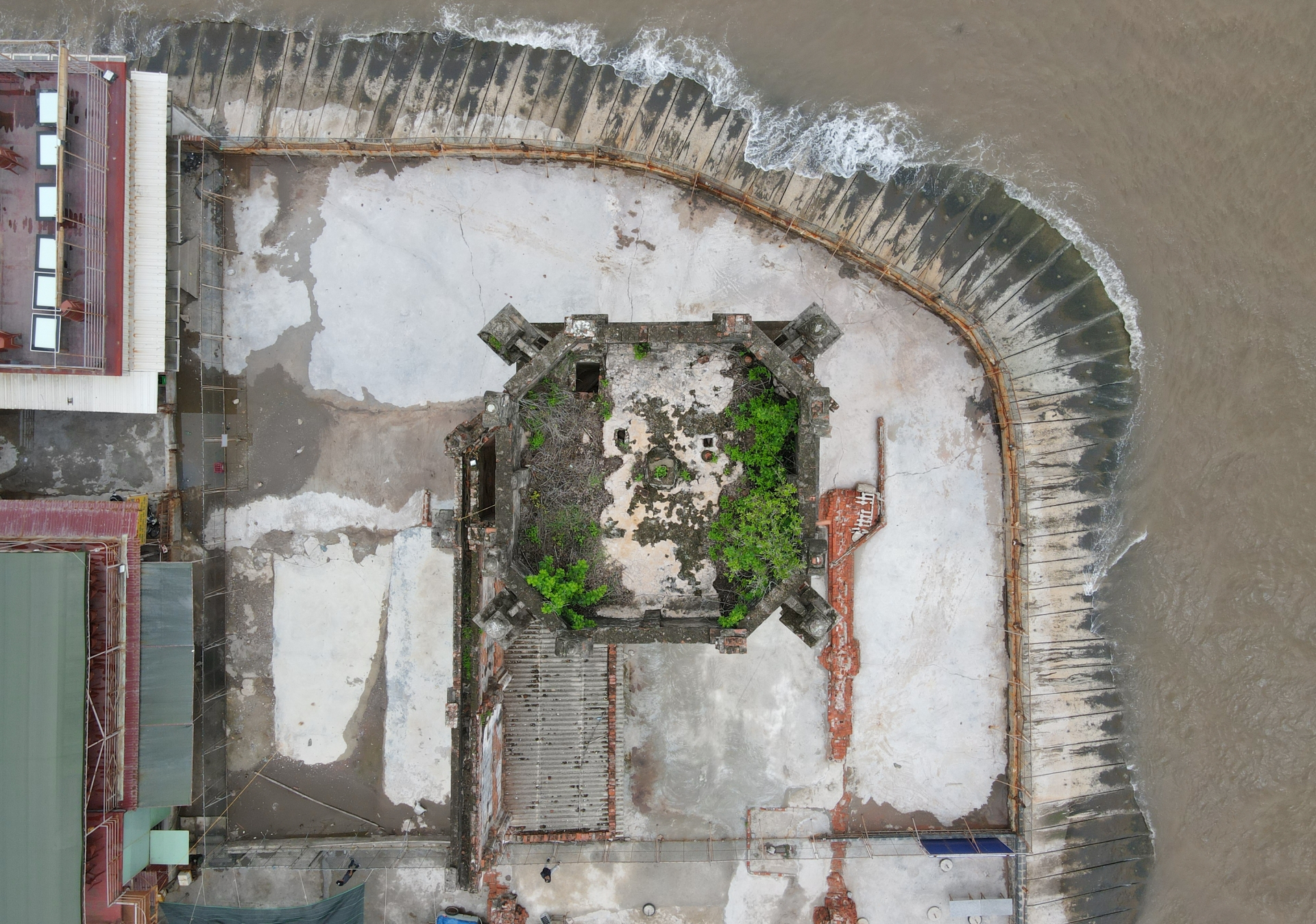
The roof of the remaining church bell tower viewed from above.
(Photo: Thoi Dai)
(Photo: Thoi Dai)
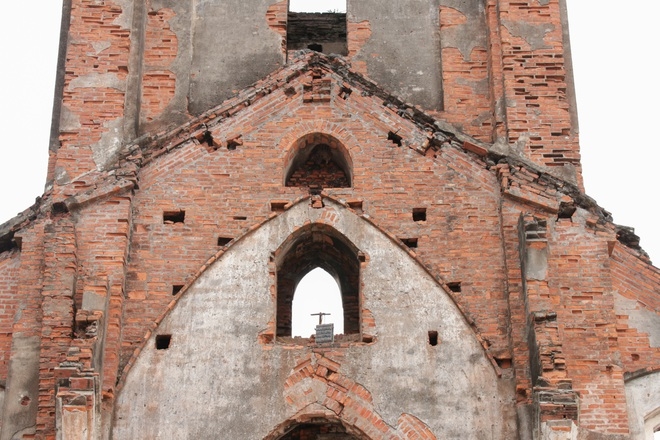
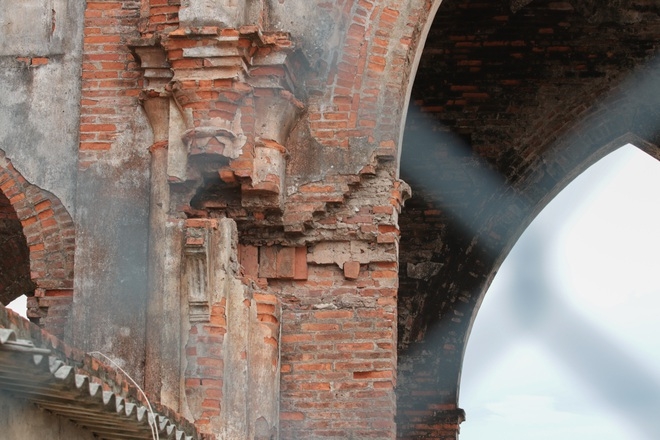
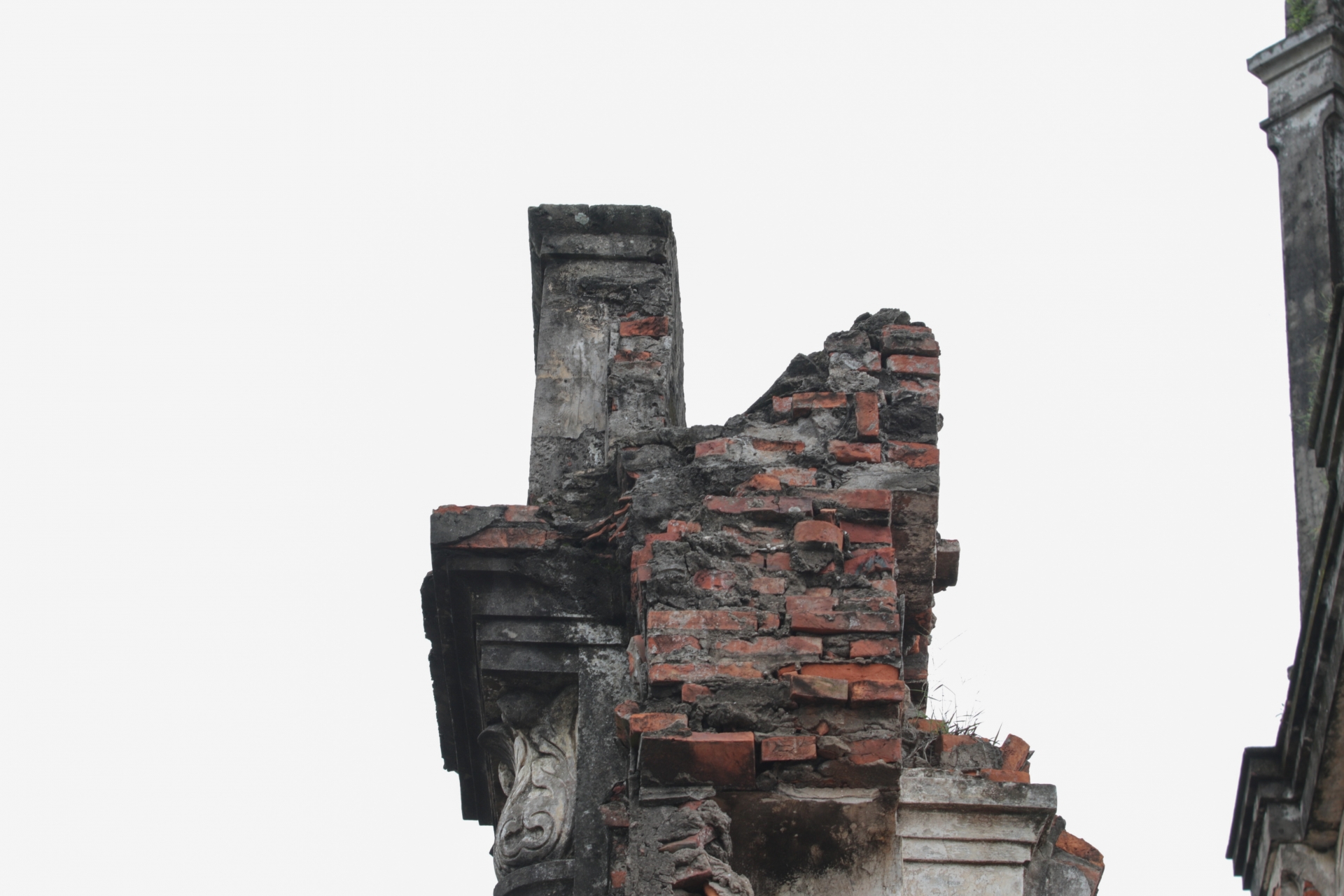
Architectural patterns inside the church have been worn away. The bricks are exposed through time.
(Photo: Thoi Dai)
There have been many eateries sprouting these days to serve tourists' needs.
(Photo: Thoi Dai)
(Photo: Thoi Dai)
The fence enveloping Fallen Church is pretty high.
The vestiges of the once magnificent and splendid church still remain.
PM Nguyen Xuan Phuc agreed to keep the nation’s border closed to foreign holidaymakers citing the complicated development of the COVID-19 pandemic in Vietnam.
Vietnam and Japan have mutually agreed to implement an expedited arrival procedure, allowing certain groups from one country to enter another without undergoing mandatory 14-day ...
The northern city of Nam Dinh is known as the home to many beauitful Roman Catholic churches. However, there is an abandoned Church in Nam Dinh province, being swallowed by the sea, yet still attracted many tourists.
With a Vietnamese tourism promotion page, Moscow is demonstrating its growing interest in the Vietnamese market to create a more comfortable, accessible, and personalised destination experience.
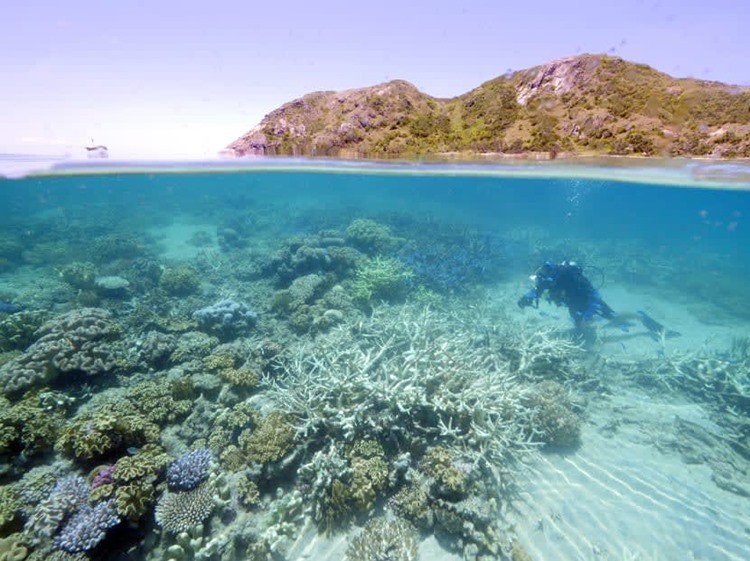
Viet Nam's long coastline and thousands of offshore islands have created ideal conditions for thriving coral reef ecosystems. As summer travel peaks in 2026, destinations including Hon Mun, Cu Lao Cham, Phu Quoc, Vinh Hy, and Con Dao are expected to attract travelers eager to explore vibrant underwater landscapes through snorkeling and scuba diving.
On July 13, the Vietnam Institute of Culture, Arts, Sports and Tourism under the Ministry of Culture, Sports and Tourism held a seminar titled “Cuisine and the development of Vietnam’s tourism”. The seminar gathered managers, experts, researchers, and businesses to recommend solutions to bringing cuisine values into play as a cultural resource, contributing to enhancing competitiveness and creating Vietnam’s tourism brand in the context of international integration.
Ho Chi Minh City orientates tourism development linked to urban economy, night-time economy, culture industry and experience economy, changing from event organizing model to developing event economy model.
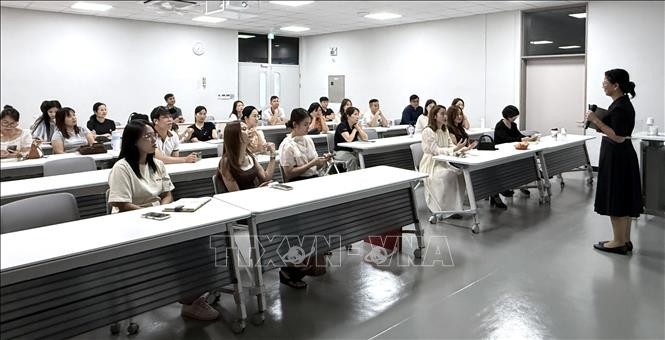
According to a report released by Statistics Korea on July 9, Vietnam ranked first in the number of foreign nationals entering the RoK for long-term stays in 2025, with approximately 98,000 people. Vietnamese citizens accounted for the largest share among foreigners staying in the country for more than 90 days.
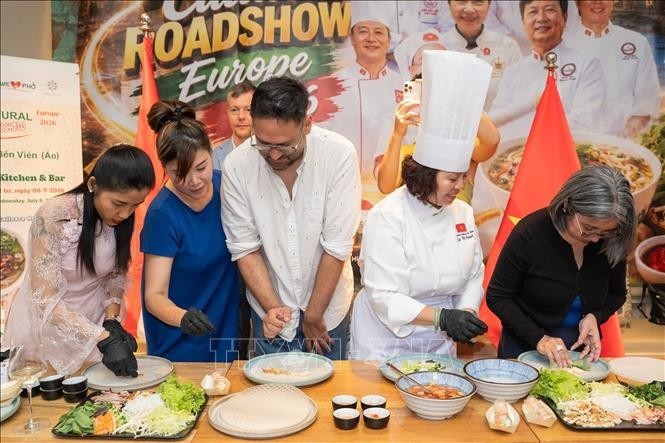
On the evening of July 8, at Pho Saigon Restaurant in Vienna, Austria, the Vietnamese Embassy in Austria, in coordination with the We Love Pho Association, the Ninh Binh Culinary Culture Association, and Vietnamese culinary artisans and experts, organized a program titled “Pho and Culinary Culture: Bringing Vietnamese Identity Closer to Europe and the World.”The event was one of the stops on the Journey of Pho and Vietnamese Culinary Culture Across Europe, contributing to the promotion of Vietnam’s image, people, and cultural values to international friends.
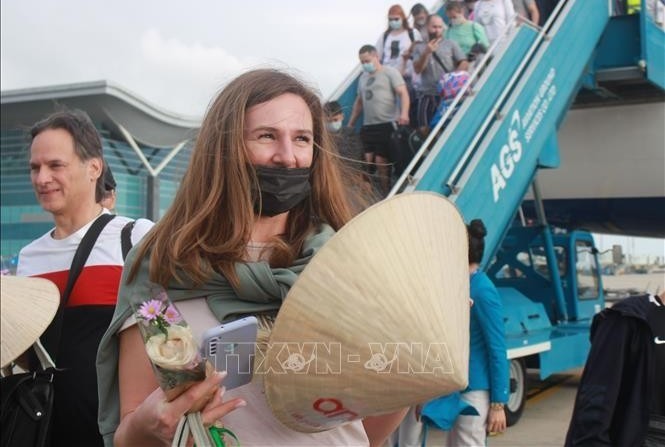
In the first six months of 2026, Vietnam welcomed more than 742,000 Russian visitors, 2.8 times higher than in the same period last year. This strong recovery has made Russia the third-largest source market for Vietnam's tourism industry, behind only China and the Republic of Korea.
In early July, French magazine Biba Magazine published an article stating that Vietnam attracts French travelers not only with its landscapes but also with its diverse and refined cuisine. The magazine introduced a range of dishes and culinary experiences that it considers unmissable when visiting the S-shaped country.


 Multimedia
 Travel
 Travel
 Travel
 Travel
 Travel
 Travel
 Travel
 Travel
 Travel