
Van Long's beauty in the most romantic season of the year
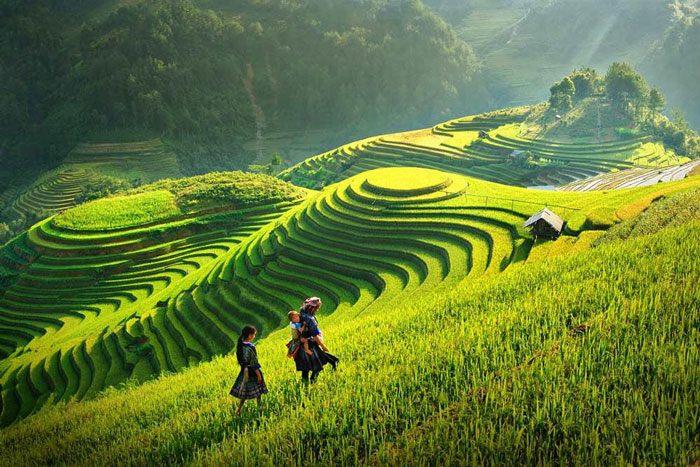
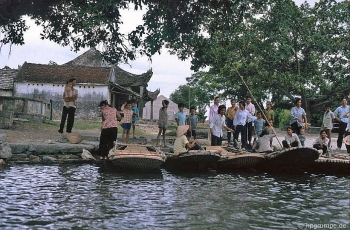
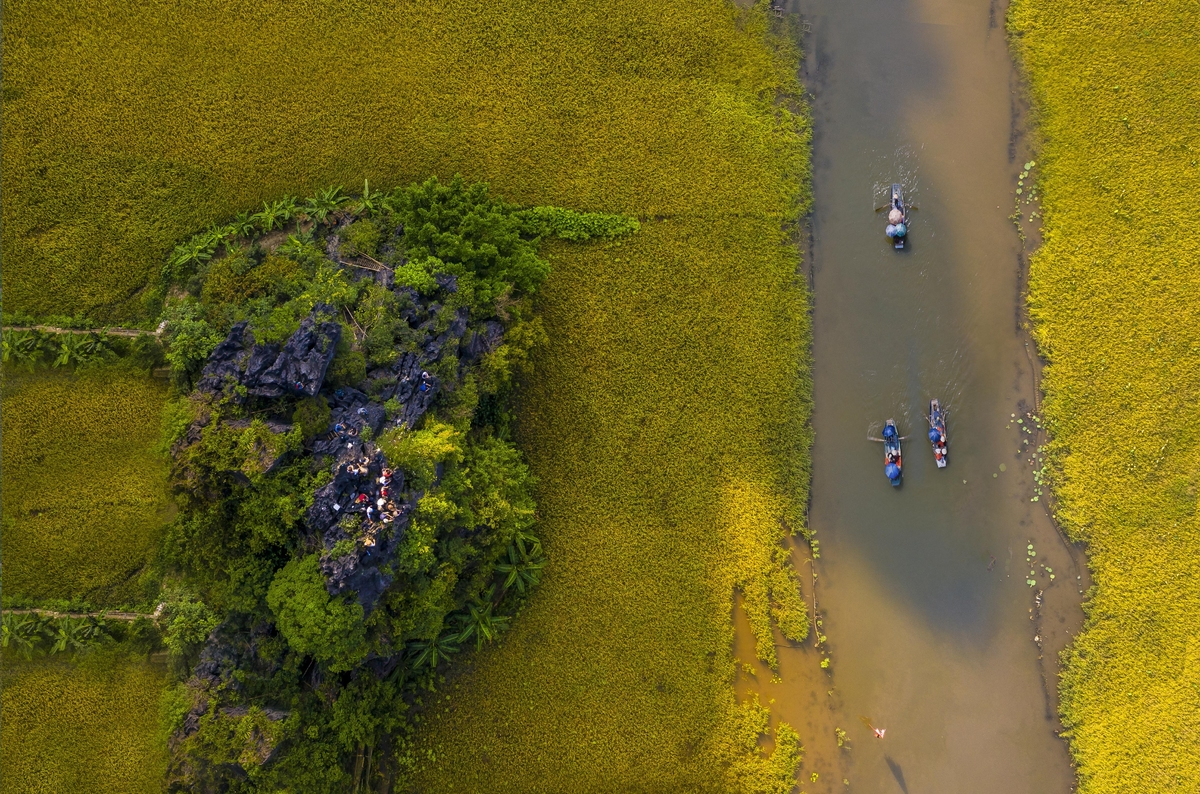
Van Long (Ninh Binh) is the first place in Vietnam and the first reservation in Southeast Asia to be included in the IUCN Green List - a list of best nature reserves worldwide. Van Long is the 50th site in the world to be included on this list.
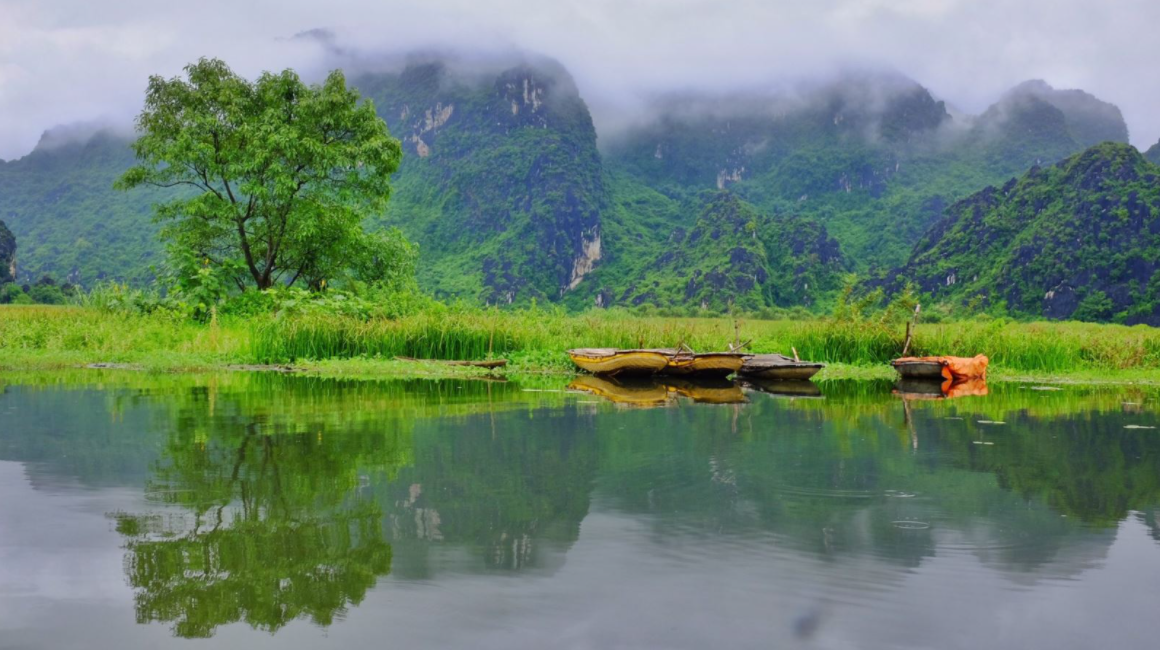
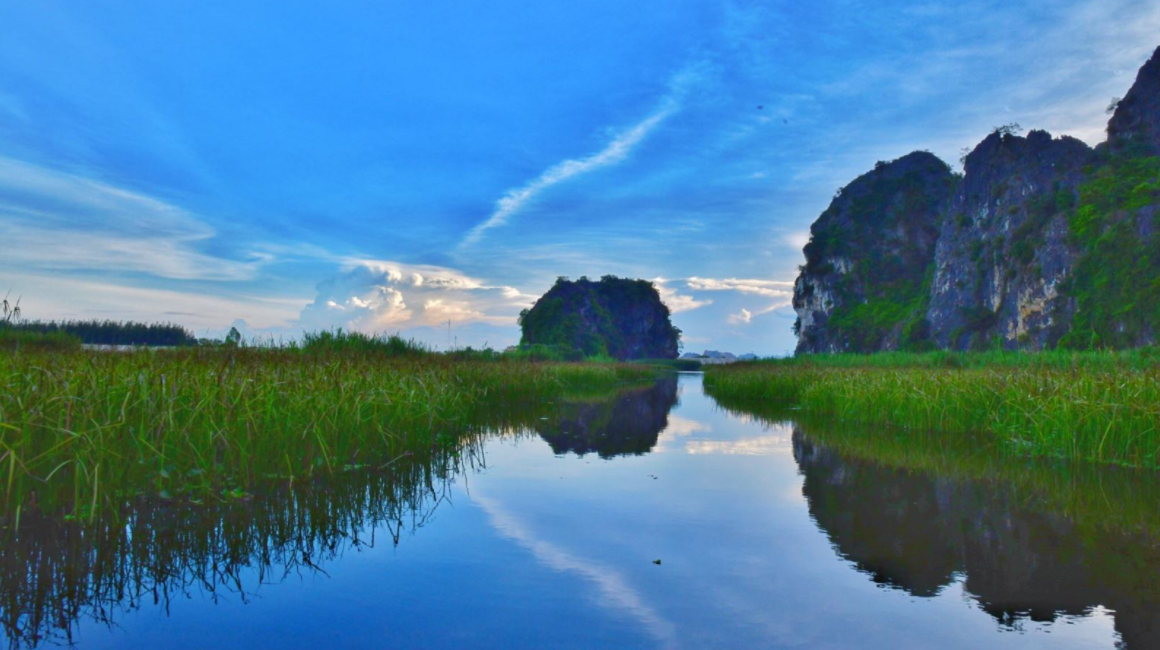
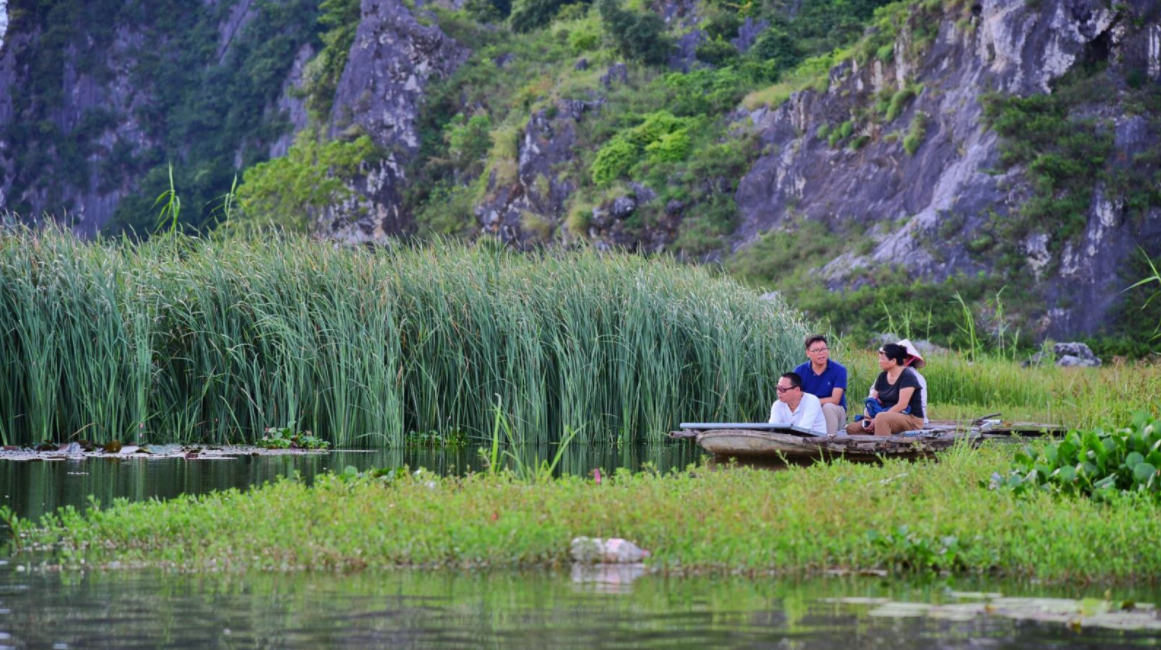
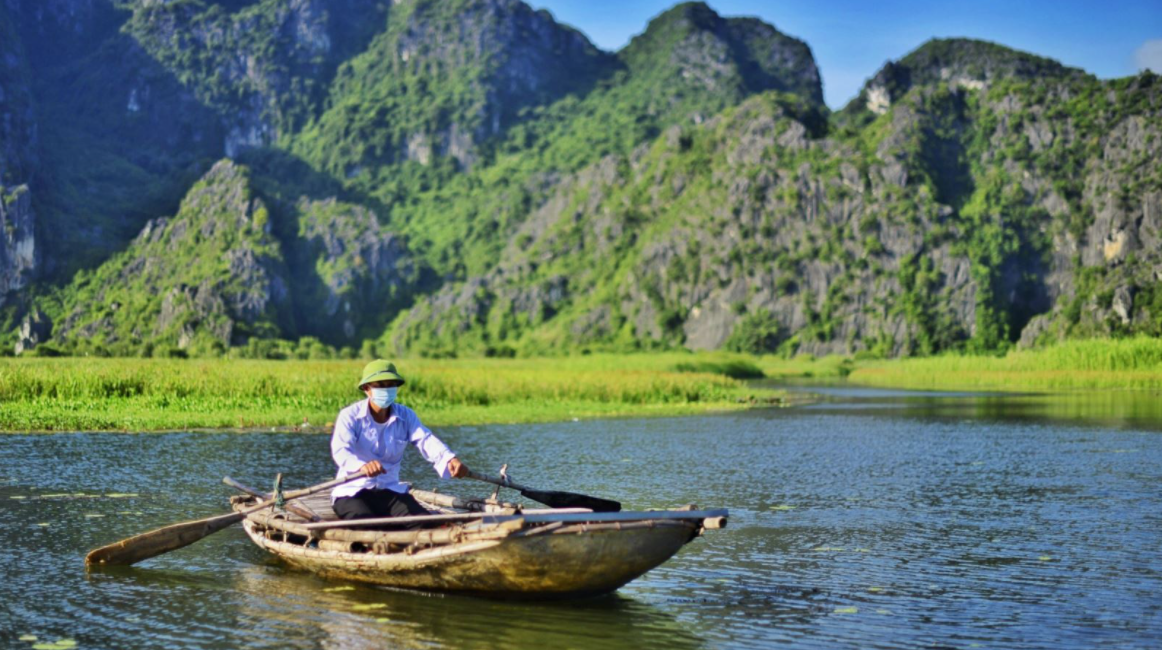
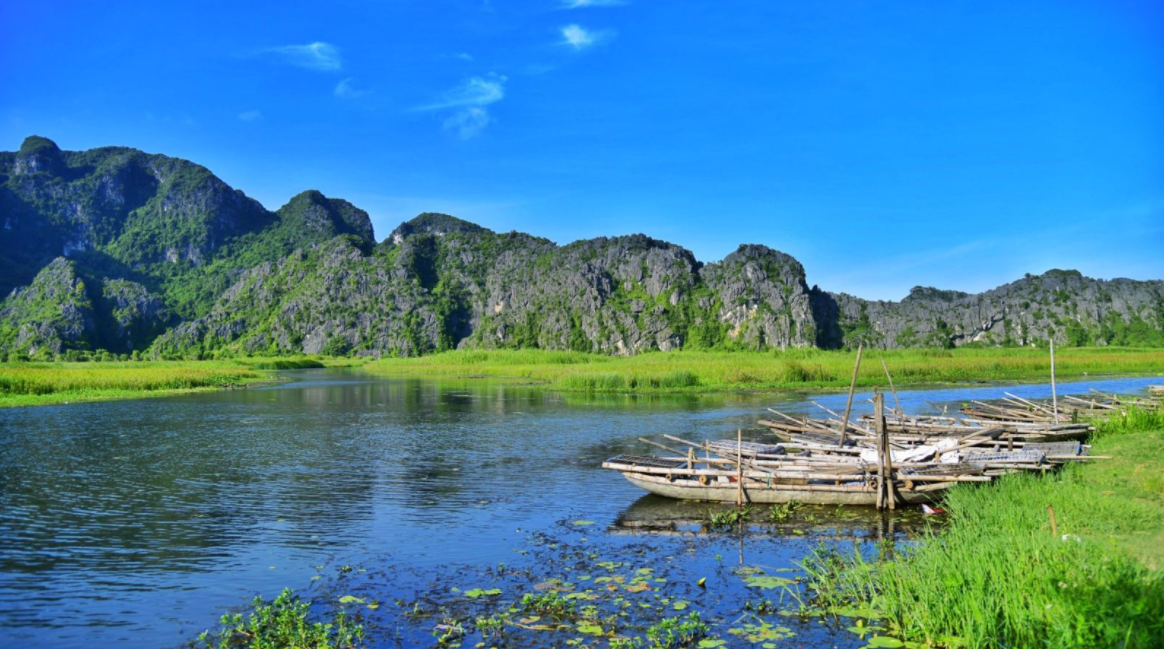
The Van Long reserve, the largest wetland in northern Vietnam, is a place of immense natural beauty, with limestone karst outcrops up to 400m high overlooking a wetland area of lakes, rivers, streams, sinkholes, and caves.
Van Long contains rich biodiversity with more than 735 species of both terrestrial and aquatic plants (14 listed as threatened), and an astonishing range of fauna from amphibians, reptiles, fish, invertebrates, 100 species of birds, and 39 species of mammal (26 are listed are threatened). The highlight of Van Long is the largest global population of the endemic Delacour’s langur which despite its rising population to about 140 from just over 50 in the last two decades, remains critically endangered according to the IUCN Red List of species.
 |
| Photo: Vietnam Tourism Newspaper |
 |
| Photo: Vietnam Tourism Newspaper |
 |
| Photo: Vietnam Tourism Newspaper |
 |
| Photo: Vietnam Tourism Newspaper |
 |
| Photo: Vietnam Tourism Newspaper |
 |
| Photo: Vietnam Tourism Newspaper |
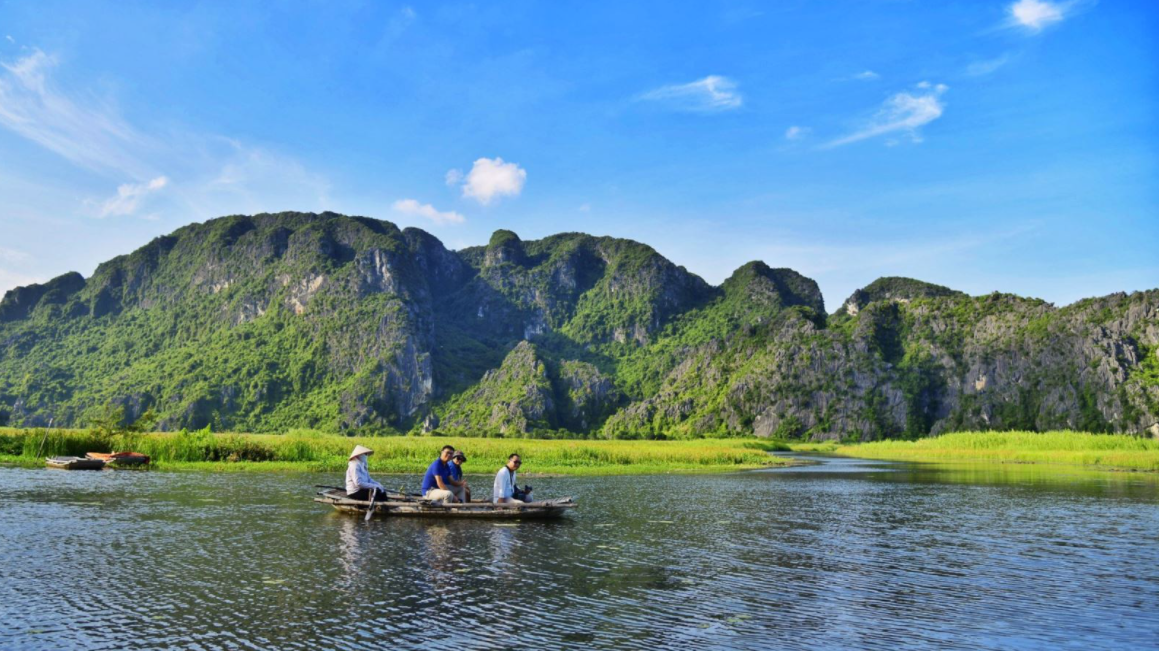 |
| Photo: Vietnam Tourism Newspaper |
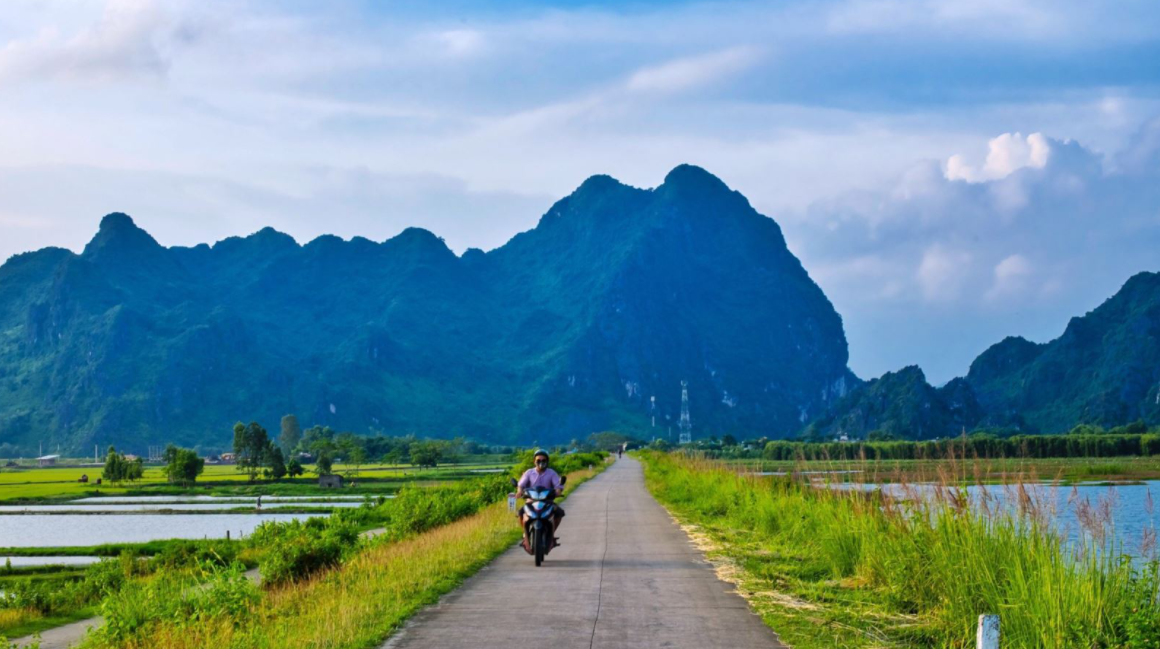 |
| Photo: Vietnam Tourism Newspaper |
 | Lotus brings charm to the northen province of Ninh Binh Every year when summer comes, Ninh Binh province is endowed with an irresistible beauty thanks to the lotus flower carpet, which garners a lot of ... |
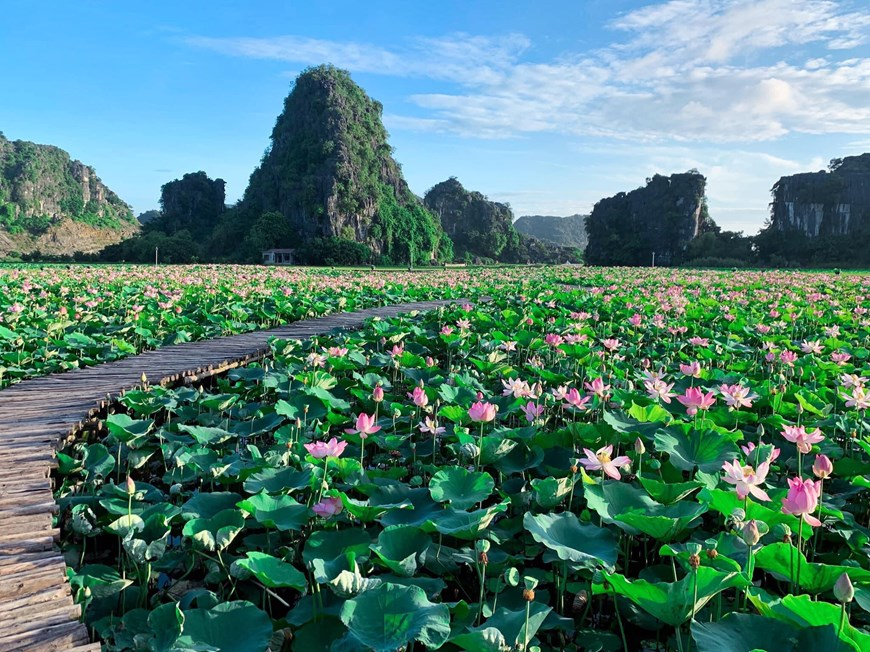 | Northern Vietnam’s marvelous lotus lagoon suddenly blooms amidst autumn The lotus lagoon at Hang Mua (Mua Cave) in Ninh Binh Province, Northern Vietnam bursts into full bloom amidst autumn capturing the attention among nature-lovers. |
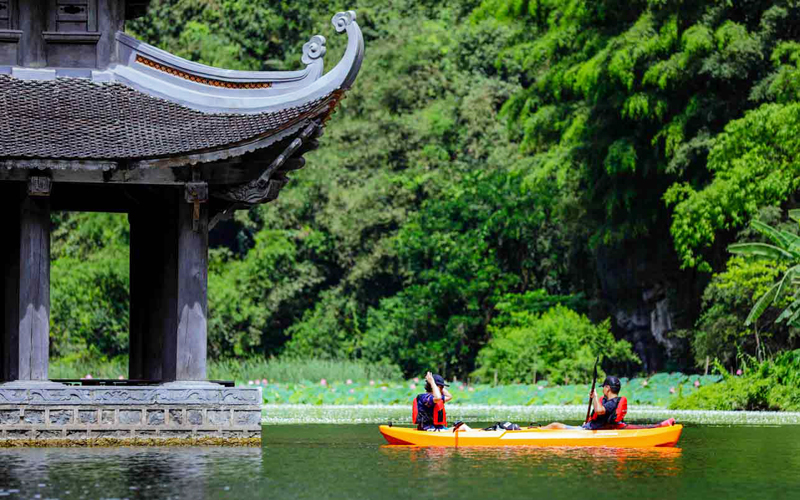 | Kayaking on one of Vietnam's most picturesque landscape river Trang An scenic landscape complex in Ninh Binh now can be explored by kayaking from August 7, in addition to traditional boats before |

Most read

Related Stories
 Travel
Top Coral Reef Diving Destinations in Viet Nam for Summer 2026
 National
Vietnam News Today (July 12): Vietnam Ready to Share Digital Transformation Experience with Timor-Leste
 National
Vietnam News Today (July 10): Third Vietnam-Laos Border Defense Friendship Exchange Gets Underway
 Travel
French Magazine Highlights Must-Try Dishes of Vietnam Cuisine
Recommended
 Travel
Leveraging Cuisine to Elevate Vietnam's Tourism Brand
 Travel
Ho Chi Minh City Boosts Tourism Revenue Through High-Value Visitor Strategy
 Travel
Vietnam Ranks First in Number of Foreigners with Long-Term Stays in RoK
 Travel
Bringing Essence of Vietnamese Cuisine Closer to Europe and the World
Popular article
 Travel
Russian Arrivals to Vietnam Nearly Triple in First Half of 2026
 Travel
Can Tho Diversifies Tourism Products to Attract More Visitors
 Travel
Developing Phong Nha-Ke Bang into a World-Class Tourist Destination
 Travel