
Vietnam's New Competitive Advantage in Tourism
 | Nearly 4,200 Cruise Passengers “First-Foot” Da Nang During the Lunar New Year of Binh Ngo 2026 |
| Vietnam’s Tourism Sector Kicks Off 2026 with 14 Million Tet Holiday Arrivals |
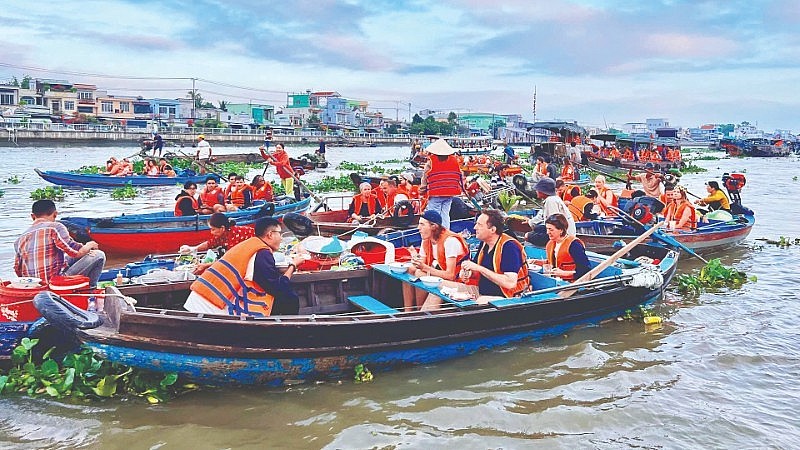 |
| Cuisine experience at Cai Rang floating market (Can Tho) attracts domestic and international tourists. |
Shaping Tourism Products
According to the World Food Travel Association (WFTA), more than 80% of international tourists consider experiencing local cuisine the primary goal of their trip, with food expenses accounting for around 30% of their total travel budget. This highlights that cuisine not only enriches the travel experience but also serves as a powerful driver for attracting visitors.
In recent years, Vietnamese cuisine has consistently been recognized at prestigious awards. The World Culinary Awards honored Vietnam as the “Best Culinary Destination in Asia 2025”. Hanoi was awarded the title of “Best Emerging Culinary City in Asia 2025”. Ho Chi Minh City was ranked 4th in Time Out magazine's (UK) list of the 20 best food cities in the world.
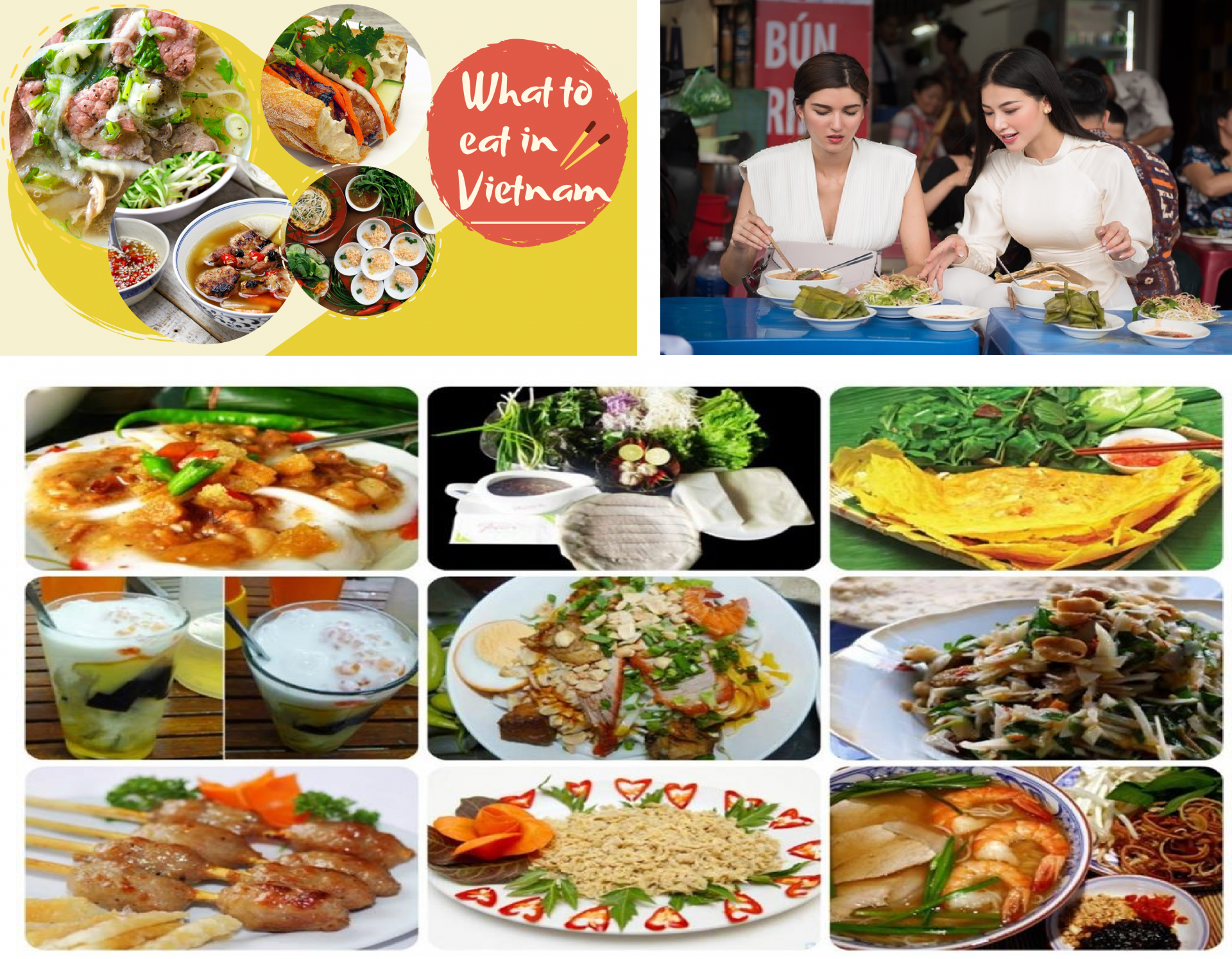
In 2025, banh mi, nem ran (fried spring rolls), bun bo Hue (Hue-style beef noodle), Vietnamese coffee were successively featured among the world’s most attractive foods in rankings published by leading travel and culinary platforms, including Taste Atlas, CNN Travel, and Condé Nast Traveller.
Representatives from many travel businesses believe that cuisine is a distinctive competitive advantage of Vietnamese tourism. Food tours are increasingly designed as independent products, with each dish linked to a cultural story and presented through a “multi-layered” approach. Dishes are not simply introduced by their ingredients or cooking techniques, but also by the ways they are enjoyed and the community memories they carry. In this way, cuisine not only satisfies the taste buds but also opens the door to exploring local history, customs, and knowledge.
ishes such as beef pho, bun cha, nem ran, and banh xeo have moved beyond everyday meals to become cultural symbols. Many politicians and international celebrities have publicly expressed their fondness for Vietnamese cuisine. However, experts emphasize that the key issue is not whether Vietnamese cuisine is unique, but how Vietnam has transformed it into a national tourism product, and whether a clear standardization strategy and sufficient investment have been implemented.
Some localities have proactively leveraged this advantage. Since 2022, the Hai Phong Department of Tourism has launched the Hai Phong Foodtour Map on a digital platform and distributed it free of charge at train stations, bus terminals, and public places, offering tourists detailed suggestions on dishes, locations, and times to enjoy them.
In Quang Ninh, cuisine has been integrated into public spaces and linked with cultural and sporting events to stimulate tourism. Notably, many regular and increasingly large-scale culinary events across the country attract large numbers of visitors, such as the Hanoi Culinary Culture Festival, the Hue Vegetarian Food Festival, the Nam Dinh Pho Festival, and the Southern Traditional Cake Festival. These models demonstrate that when cuisine is strategically placed within tourism development, it can become a genuine “reason to travel” rather than merely an accompanying service.
Foundation for Integration
If rich culinary traditions are a resource, then people are the core element determining quality and competitiveness. Recognizing this, the Vietnam Tourism Association (VITA) has long pursued a strategy of standardizing the culinary workforce. The year 2025 marks a significant milestone, as the Association intensifies efforts to position Vietnamese cuisine as a distinctive tourism product.
A series of national-level events, such as the “Vietnam Bread Festival 2025” and the “1st Vietnam Rice Noodle Festival - Delicious Dishes from Noodles,” have attracted large numbers of visitors and strengthened the international brand recognition of Vietnamese cuisine. Notably, Vietnamese chefs competing in international contests in 2025 won numerous gold, silver, and team medals, further establishing Vietnam’s presence on the global culinary map.
While countries such as Japan, France, and South Korea have long developed systems of titles to standardize the culinary profession, Vietnam is now taking its first but fundamental steps. VITA has introduced a system for awarding titles to Master Chefs in Culinary Arts, Pastry Making, Beverage Mixing, and Fruit and Vegetable Carving.
According to Association Chairman Vu The Binh, the title of “Artisan” carries a dual mission: preserving culinary heritage while standardizing the craft to international benchmarks. “Each candidate is a keeper of the flame, not only possessing refined skills but also contributing to preserving and transforming the value of traditional cuisine. This is the foundation for building cuisine as a unique tourism product with cultural depth,” he emphasized. The awarding regulations are aligned with international standards, giving the the title equivalent value to globally recognized certifications. The criteria assess not only culinary skills but also knowledge of culinary culture and history, ingredients, and food safety and hygiene.
From a business perspective, a representative from Vietravel suggested that elevating culinary tourism requires improved mechanisms and policies, the development of identification criteria, and stronger public–private cooperation. Human resource training should follow a model that connects schools, businesses, and artisans. Having worked in Da Nang’s tourism industry for many years, Le Quoc Viet, Chairman of the Quang Nam Destination Club, noted that culinary tourism in the central coastal region has recently become very popular among both domestic and international visitors. He believes Vietnamese cuisine has the potential. Therefore, a decisive, long-term, and consistent investment strategy is needed so that each meal leaves a lasting impression, fostering deeper appreciation and encouraging tourists to return to Vietnam.
Given the increasingly dominance of experiential tourism, cuisine serves as a “travel memory” with lasting vitality, directly touching the emotions of visitors. To build a national culinary brand, Vietnam need to synchronize three pillars: heritage and tradition; the F&B service industry; and institutionalized, standardized artisan practices. When these pillars work in harmony, the goals of participating deeply in international food festivals, expanding presence on prestigious rankings, and establishing Vietnamese cuisine as a tourism icon will become achievable.
 | New Year’s Day 2026: Vietnam’s Tourism Makes Impressive Start with 3.5 Million Visitors During the New Year’s Day holiday of 2026 (from January 1 to January 4), Vietnam’s tourism sector is estimated to have welcomed and served approximately ... |
 | International Arrivals to Vietnam Hit New Record in 2025, up Over 20% The year 2025 marked an impressive growth milestone for Vietnam’s tourism sector, as the number of international visitors to Vietnam reached an all-time high, increasing ... |

Most read

Related Stories
 Travel
Vietnam Ranks First in Number of Foreigners with Long-Term Stays in RoK
 Travel
Russian Arrivals to Vietnam Nearly Triple in First Half of 2026
 National
Vietnam News Today (July 11): Vietnam and Laos Agree to Enhance Defense Cooperation
 Travel
Vietnam Accelerates Tourism Digitalization with AI and Data Technologies
Recommended
 Travel
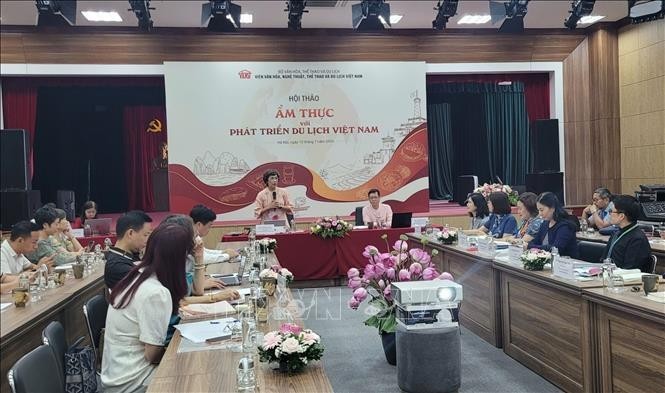
Leveraging Cuisine to Elevate Vietnam's Tourism Brand
 Travel
Ho Chi Minh City Boosts Tourism Revenue Through High-Value Visitor Strategy
 Travel
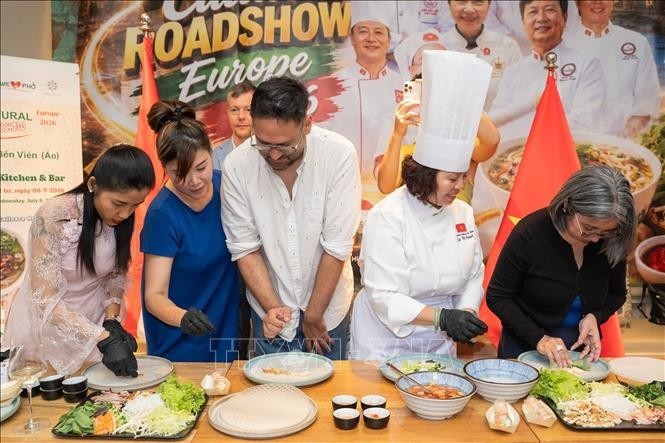
Bringing Essence of Vietnamese Cuisine Closer to Europe and the World
 Travel
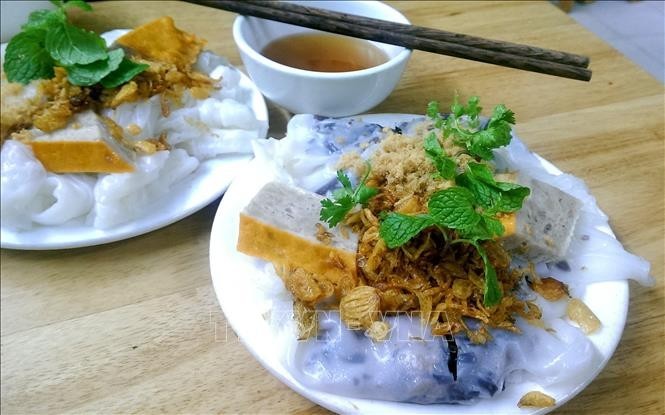
French Magazine Highlights Must-Try Dishes of Vietnam Cuisine
Popular article
 Travel
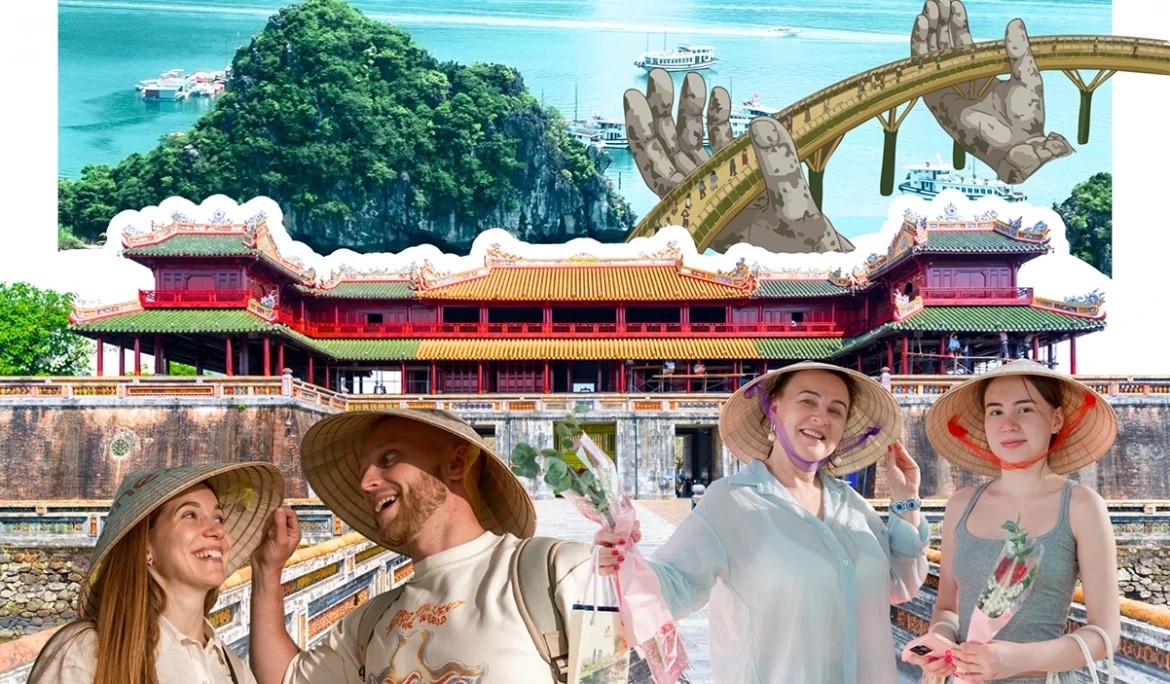
Vietnam Gains Growing Appeal on the Regional Tourism Map
 Travel
Can Tho Diversifies Tourism Products to Attract More Visitors
 Travel
Developing Phong Nha-Ke Bang into a World-Class Tourist Destination
 Travel