
Vietnam as Regional Model for Education Reform
 | Deputy Foreign Minister meets int’l journalists covering 14th National Party Congress |
| Deputy FM hosts non-resident ambassadors attending 14th National Party Congress |
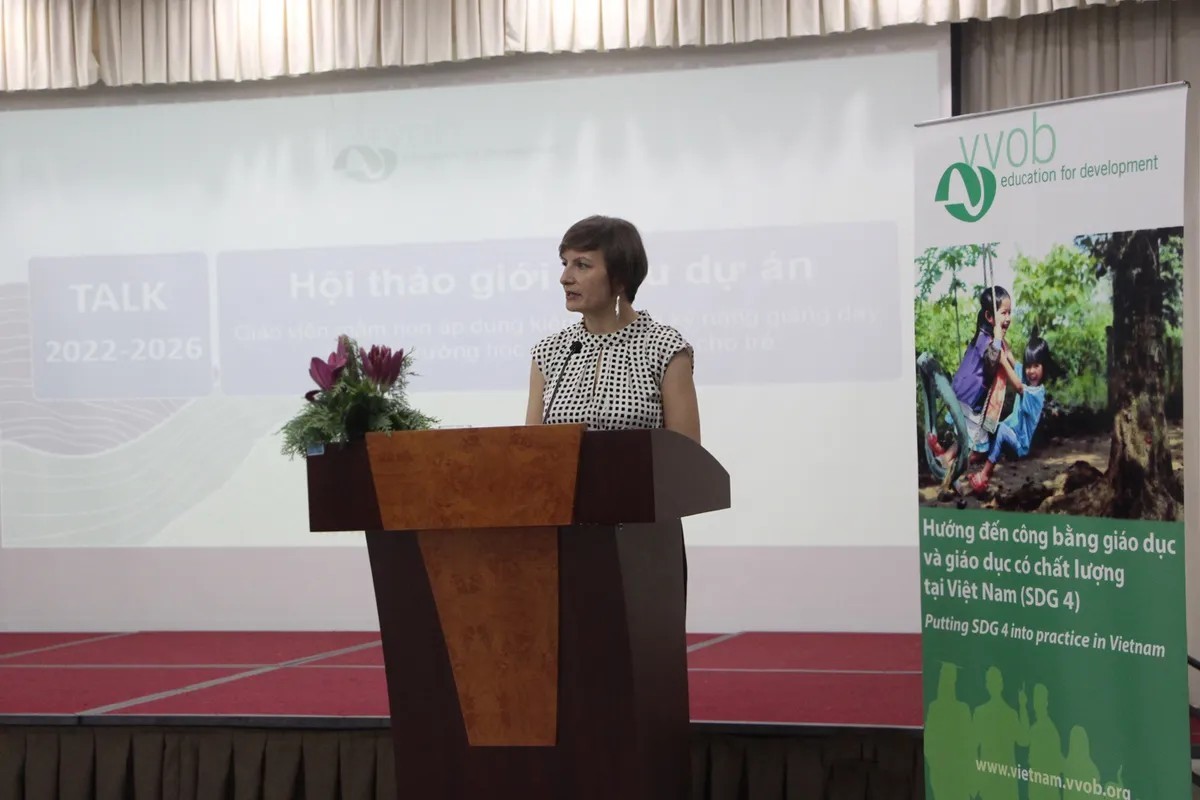 |
| Karolina Rutkowska, Country Programme Director of VVOB (Kingdom of Belgium) in Vietnam. |
Karolina Rutkowska believes that Vietnam’s general education system has built its own credibility through stable, high-quality learning outcomes that are highly comparable within the region. This success is the result of a clearly oriented reform process that has been systematically and persistently implemented over many years.
There are two key foundations underpinning the dynamism of Vietnam’s education sector. First is the Government’s focused investment in education reform, reflected in the 2018 General Education Curriculum oriented toward developing students’ competencies and qualities; reforms in early childhood education; the promotion of digital transformation; and the gradual professionalization of support systems for students with special needs. Second is the strong and enduring social value placed on education - a deeply rooted cultural factor that fosters consensus and mobilizes resources from across society for learning.
On this basis, Vietnam can assume a dual role in the region: both as a model of reference and as a constructive “critical voice” in the field of education. Sharing reform experiences, especially as many Southeast Asian countries strive to achieve Sustainable Development Goal 4 on education, enables Vietnam to make substantive contributions to regional and global agendas. At the international level, Vietnam’s voice in education dialogues is becoming increasingly prominent, reflected in progressive initiatives, including the promotion of the International Day of Play (June 11) to emphasize the role of play in children’s holistic development.
The factors underpinning Vietnam’s educational achievements are also the source of its growing international appeal and credibility. The long-term vision set out in the Education Development Strategy for 2021-2030, together with multi-year implementation plans, demonstrates that education reform in Vietnam is neither short-term nor campaign-driven, but is approached in a systematic and institutional manner. This creates confidence among development partners and international investors engaging in long-term cooperation with Vietnam.
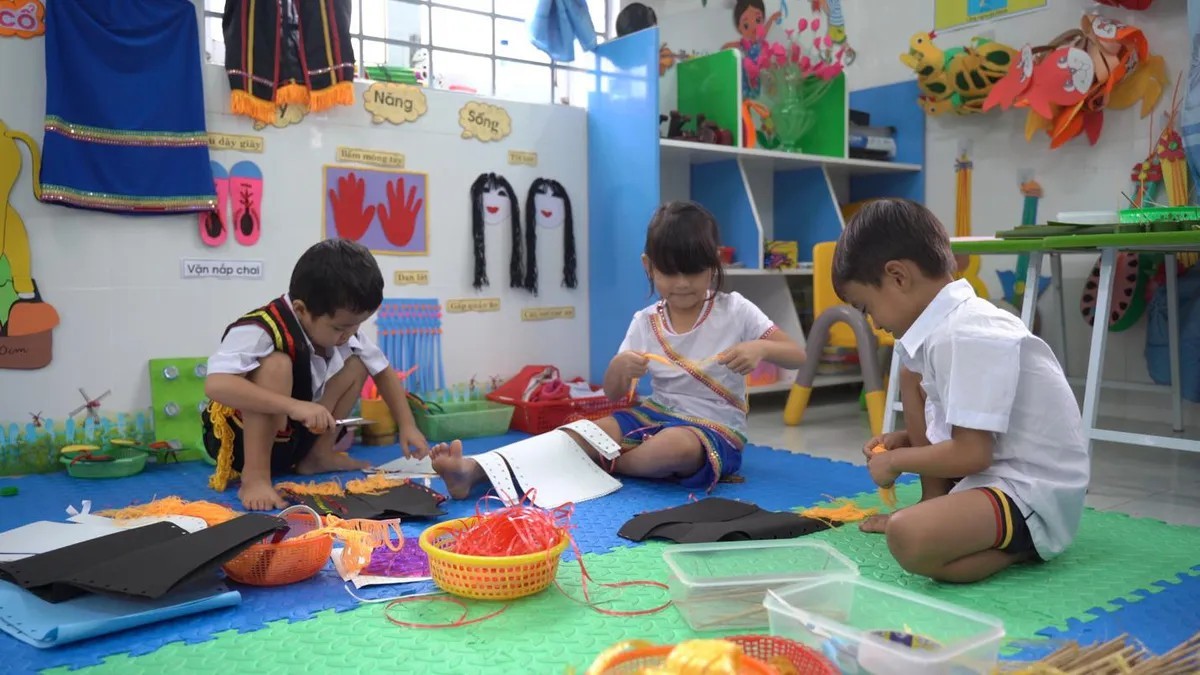 |
| Preschool children take ownership of classroom activities while participating in the TALK Project implemented by VVOB. |
Karolina Rutkowska highly appreciates Vietnam’s openness in acknowledging challenges and placing education equity at the heart of its reform process. Vulnerable groups such as children with special needs, children in remote and disadvantaged areas, and children from ethnic minority groups are not treated as “peripheral issues,” but have become a clear policy focus within the national strategy. This willingness to confront complex and sometimes sensitive challenges has built trust and paved the way for substantive, long-term cooperation models between Vietnam and international development organizations.
Commenting on the orientation of placing people’s welfare and well-being at the center of the draft documents for the 14th National Party Congress, Karolina Rutkowska considers this a profound development choice in a world marked by volatility. An approach that views human well-being as a measure of development helps create a sustainable balance between economic objectives and social values.
Karolina Rutkowska believes that the greatest potential for cooperation between Vietnam and international partners lies in continuing to narrow gaps and enhance quality and equity in education. As Vietnam moves toward its goal of becoming a high-income country by 2045, the principle of “leaving no one behind” will become increasingly practical and urgent. In this context, international partners can make effective contributions to Vietnam’s priorities by supporting education innovation, particularly in training and professional development for teachers and school administrators, promoting inclusive education, and strengthening pedagogical leadership capacity.
An education system that ensures quality while upholding equity will be a crucial foundation for Vietnam to enhance its national capacity and maintain long-term attractiveness to the international community.
 | Chinese Journalist Commented on Party Policy and Vietnam-China Ties Journalist Wei Wei, Head of the Vietnamese-language Department of China Central Radio and Television, believes that China’s reform and opening-up as well as Vietnam’s Doi ... |
 | RoK Expert: The 14th National Party Congress to Pave Way for Groundbreaking Decisions on Vietnam’s Future Ha Dong Hwan of the Vietnam-Indonesia Department at Cyber Hankuk University of Foreign Studies stated that Vietnam’s strategic attractiveness is driven by a combination of ... |
Related Stories
 Viet's Home
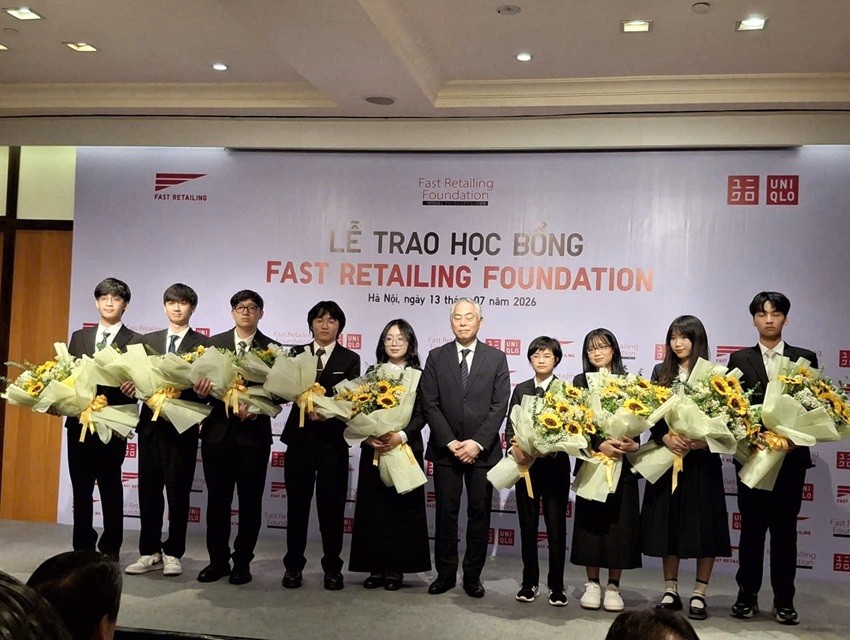
9 Vietnamese Students Receive Full Scholarships from Fast Retailing Foundation in Japan
 Overseas Vietnamese
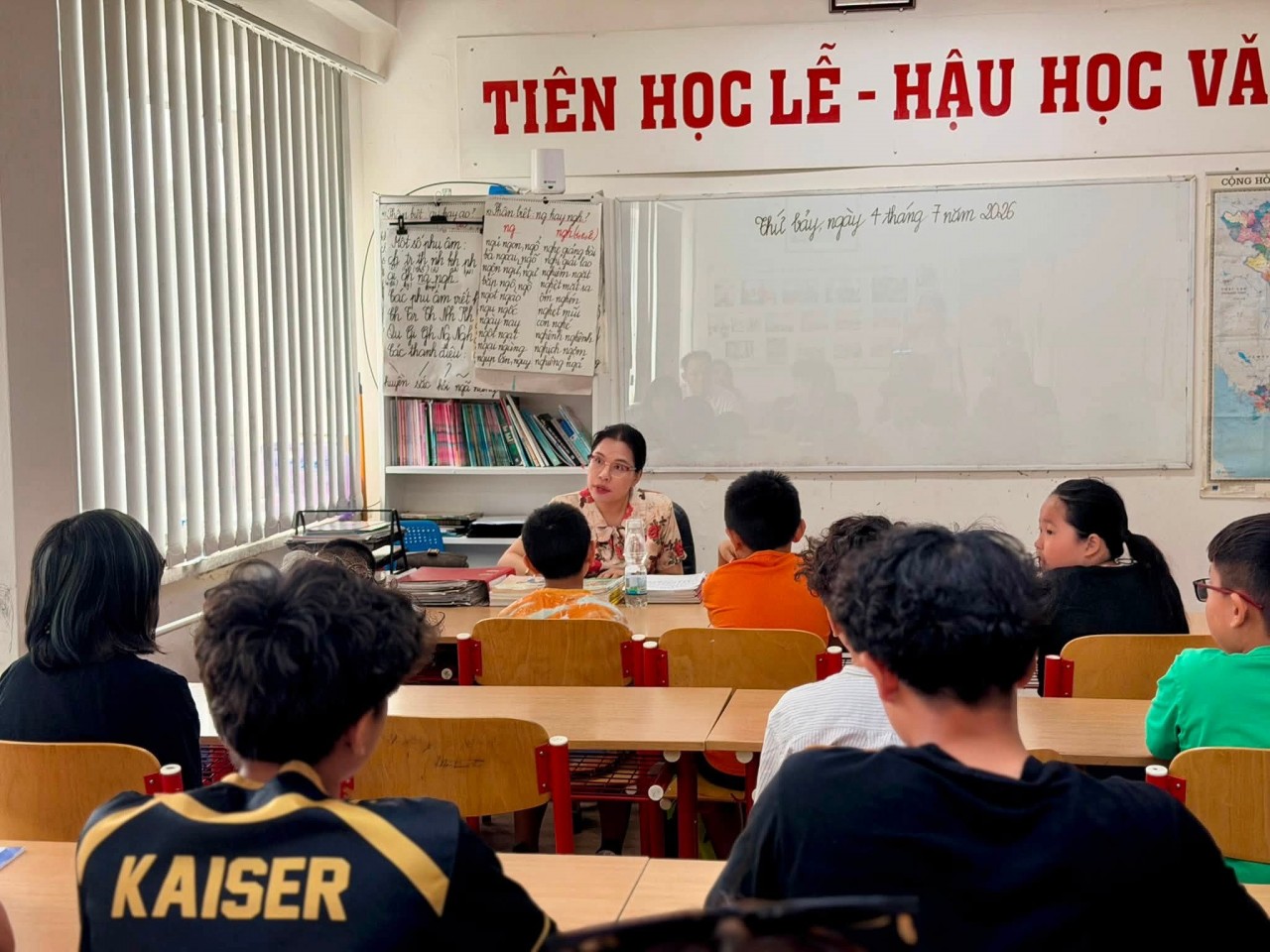
Vietnamese Summer Language Class 2026 Opens in the Czech Republic
 National
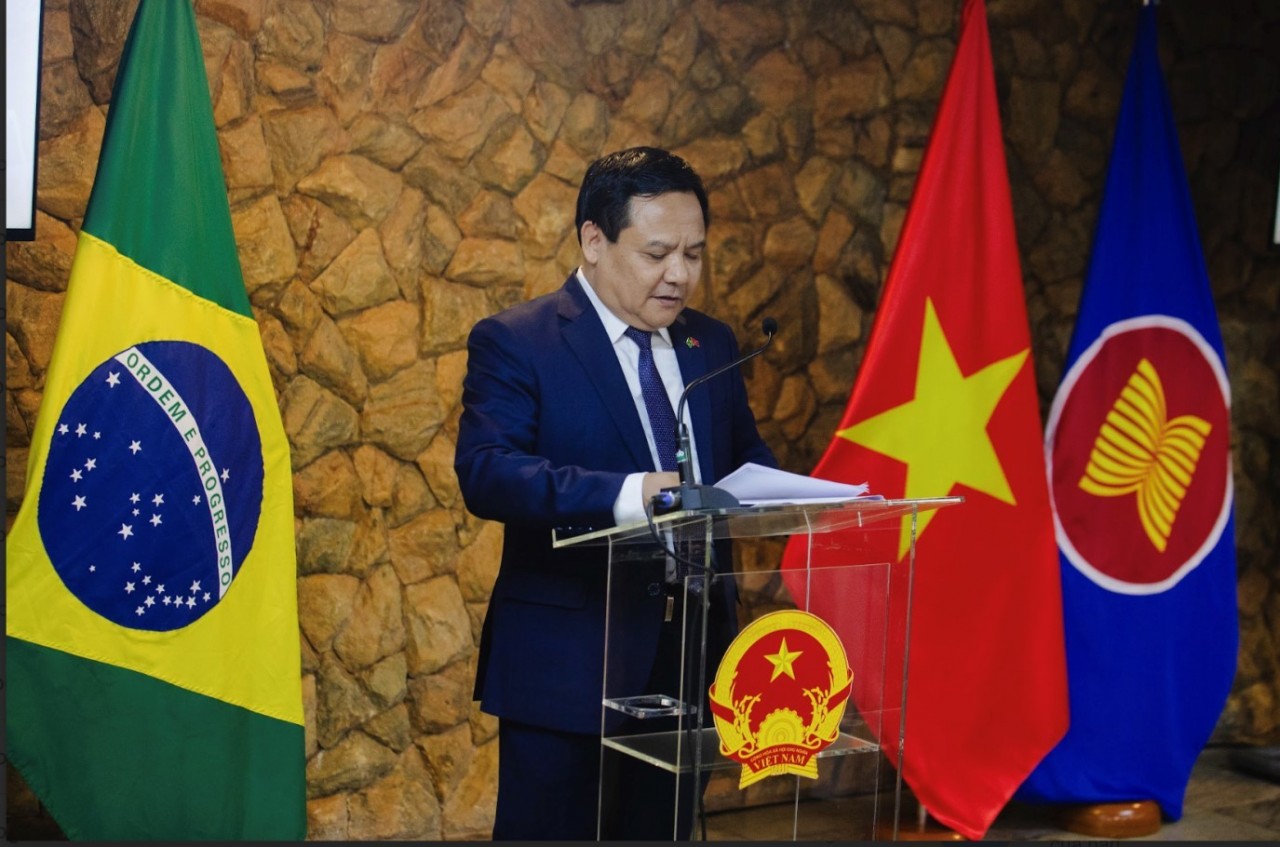
Brazilian Politicians and Scholars Honor the Historical Role of the Communist Party of Vietnam
 National
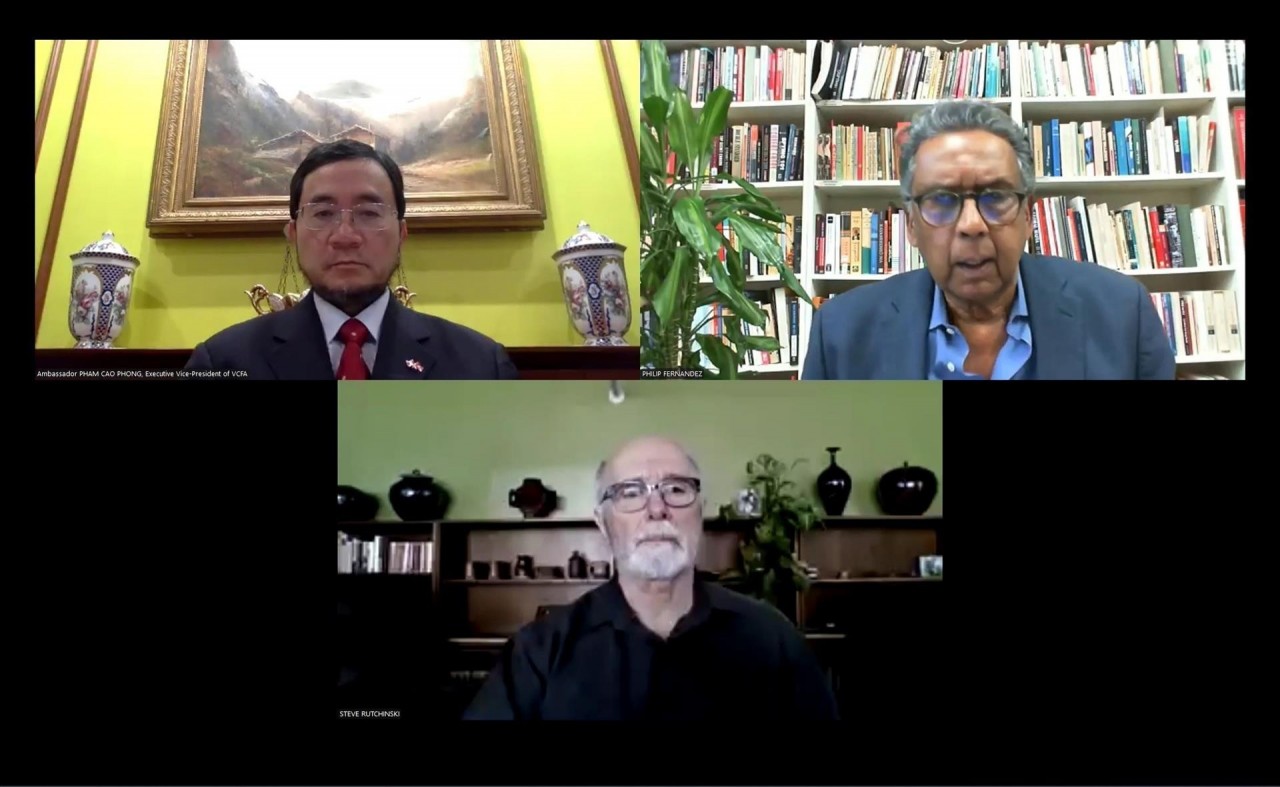
Canadian Friends Highlight Significance of 14th National Congress of Communist Party of Vietnam
Recommended
 Viet's Home
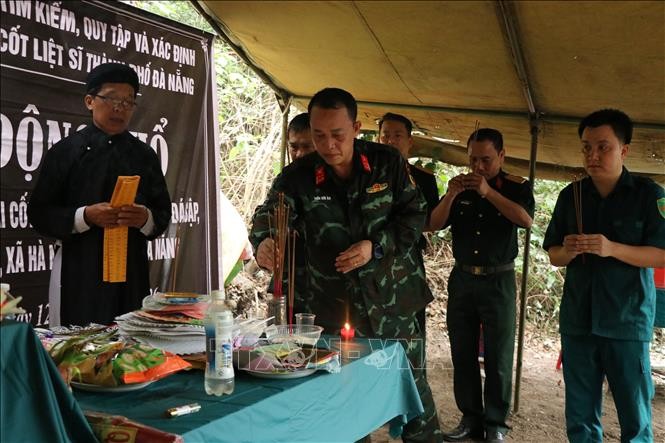
Many Fallen Soldiers' Remains Recovered in Da Nang and Cao Bang
 Viet's Home
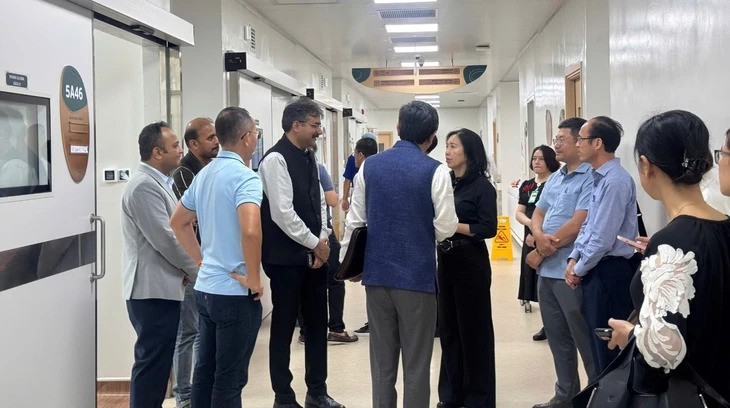
Indian Ambassador Thanks Vietnam for Swift Response to Phu Quoc Speedboat Capsizing
 Viet's Home
Portugal Crowned Champion of 2026 Da Nang International Fireworks Festival
 Viet's Home
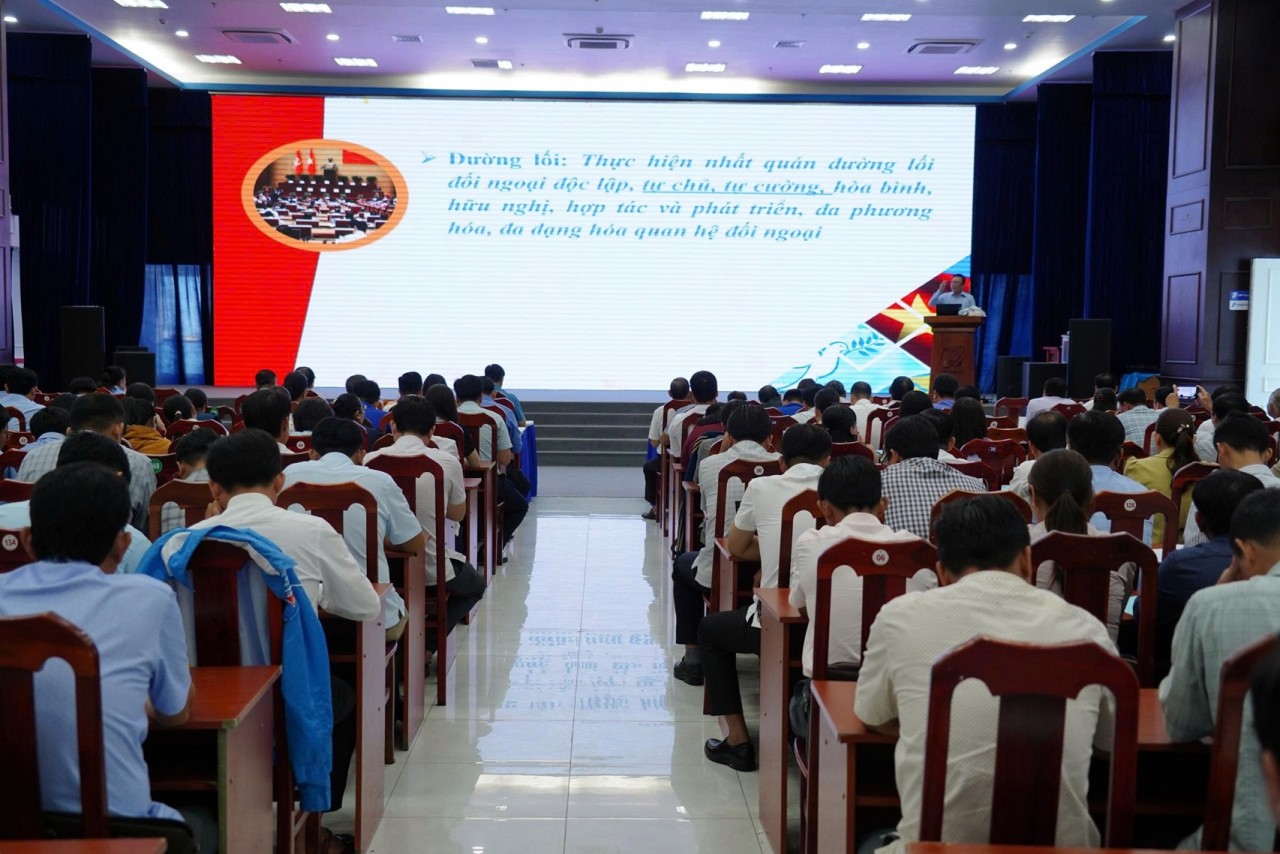
Ca Mau Enhances Capacity of Officials to Effectively Mobilize International Aid
 Viet's Home
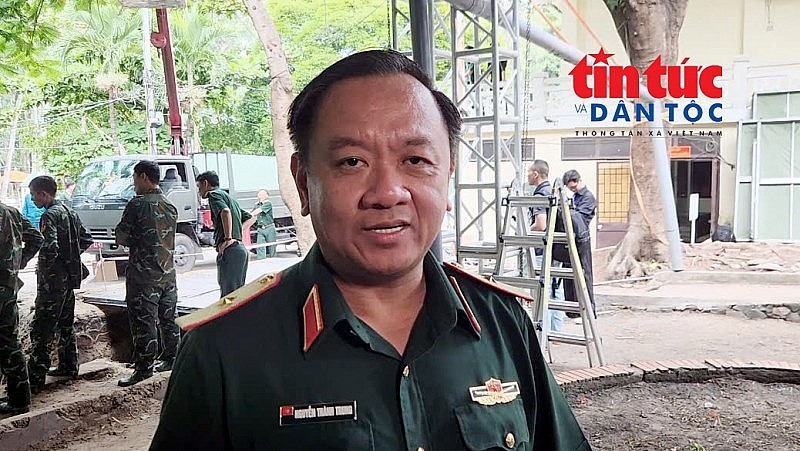
Over 50 Calls and Messages Help Search for Fallen Soldiers at Tan Son Nhat Airport
 Viet's Home
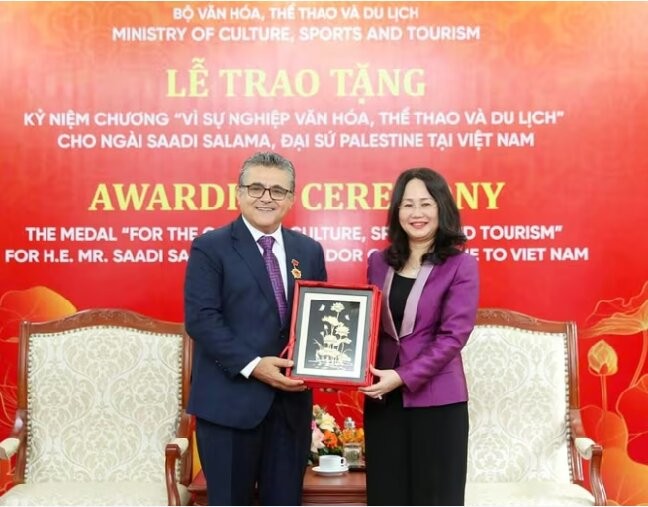
Palestinian Ambassador Saadi Salama Awarded "For the Cause of Culture, Sports and Tourism" Medal
 Viet's Home
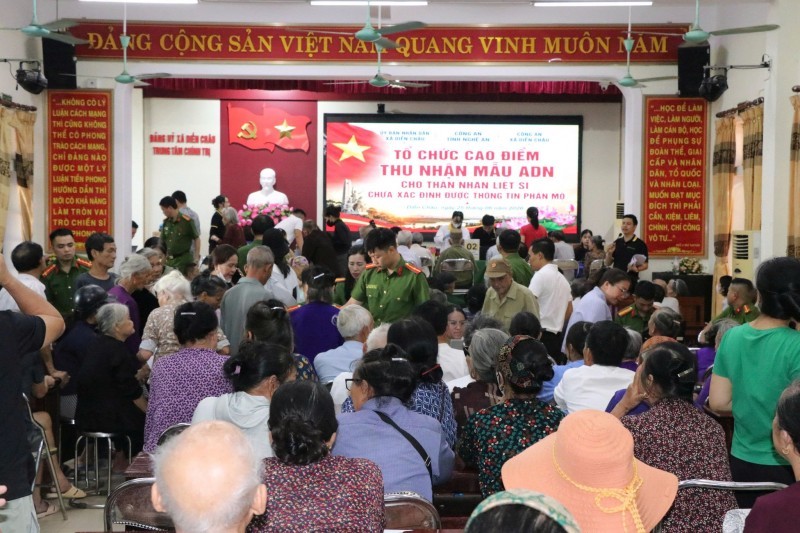
Nghe An's 500-Day and Night Campaign Collects 17,831 DNA Samples
 Viet's Home