
Vietnam counts five plastic smart cities' commitments
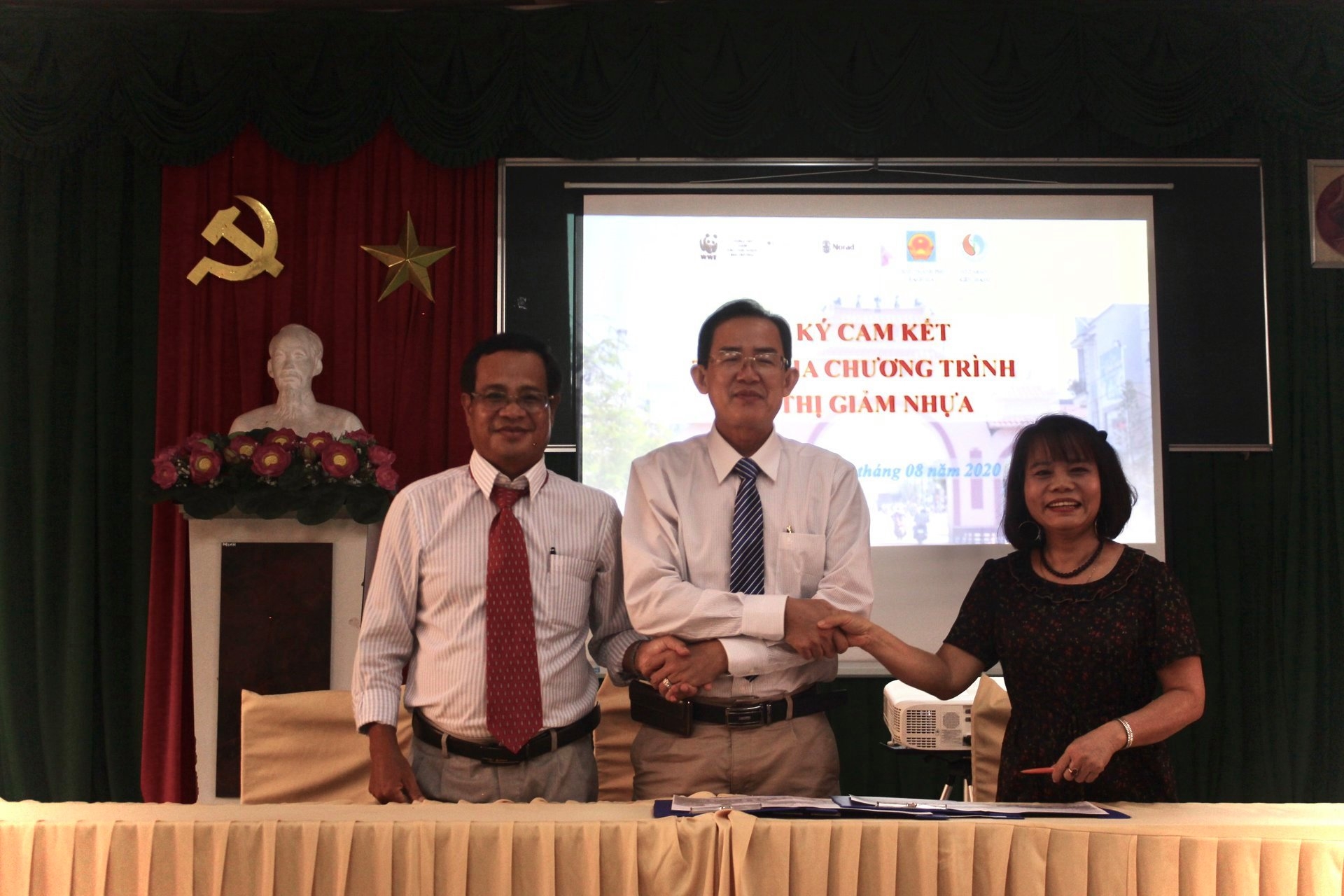 |
| At the signing ceremony. Photo: WWF Vietnam |
As the others with WWF-Vietnam's support, Rach Gia city aims to reduce 30% of plastic leakage into the environment after two years and have no more plastics in nature by 2030.
An estimated 60% of plastic marine debris derives from urban centers, often carried to the ocean by rivers. While cities will rapidly increase their populace to account for two-thirds of the global population by 2050, they must urgently adopt smart solutions that reduce the collective impact of their prospering communities. This means preventing, minimizing and managing plastic. Many good examples and initiatives are already underway; WWF seeks to accelerate these existing efforts by empowering cities around the world to become Plastic Smart.
Being on the frontline in the fight against plastic pollution, Rach Gia and other coastal cities are currently suffering serious impacts from ineffective waste management systems.
Cities like Da Nang, Tuy Hoa in Phu Yen province and Rach Gia in Kien Giang province hat are strategically located along major waterways, play an increasingly important role in preventing plastic pollution from entering the ocean ecosystem.
At Responsible Business Forum Singapore 2019, Chairman of the People’s committee of Phu Quoc District (Vietnam) Mai Van Huynh, Advisor to Mayor of Patong Municipality (Thailand) Kumnung Sing-Eaim and Mayor of Donsol (Philippines) Hon. Josephine Alcantara joins have signed Declaration of Intent into WWF’s Plastic Smart Cities program on behalf of their cities.
Plastic Smart Cities is a WWF initiative bringing together cities and tourism destinations to commit to fight plastic pollution.
Through Plastic Smart Cities, WWF is building cities’ capacity to eliminate plastic pollution by 2030.
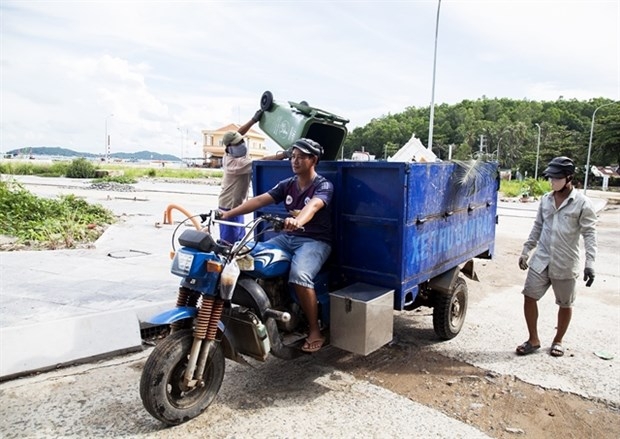 |
| Collecting waste in Ha Tien city in Kien Giang province. Photo: VNA |
WWF is calling on Asian cities to sign-up and to start sharing best practices through www.plasticsmartcities.org. This is the beginning of a long-term campaign to reduce plastic globally through sharing innovative, tried and tested solutions for those on the front line in the fight against plastic pollution.
WWF was one of the first International non-government organizations working in Vietnam. In 1985, WWF began working on a national conservation strategy and since then has worked closely with the Vietnamese Government on a diverse range of environment issues and implemented field activities across the country./.
 | Norway, Vietnam and UNDP join hands to tackle waste and plastic pollution On the occasion of World Oceans Day, the Norwegian Ministry of Foreign Affairs, the Norwegian Agency for Development Cooperation (Norad), the United Nations Development Programme ... |
 | Five best recycling practices from around the world Several countries have managed to increase their recycling rates in recent years by investing in technology, and awareness campaigns and introducing policies aimed at encouraging ... |
 | Vietnamese grass is greener in battle against plastic straws A Vietnamese entrepreneur is promoting an environmentally friendly way to sip drinks by using grass stems to make reusable, biodegradable straws. |



Most read
Related Stories
 Travel
Kien Giang In Top 10 Friendliest Destinations In The World
 Friendship
Kien Giang's Friendship Association To Promote Vietnam-Germany Friendship
 Friendship
Kien Giang: Numerous Initiatives in People-to-People Diplomacy
 Friendship
Kien Giang Businesses and Philippine Partners to Promote Cooperation for Development
Recommended
 Viet's Home
Two US Veterans on Mission to Bring Vietnam’s Fallen Soldiers Home
 Viet's Home
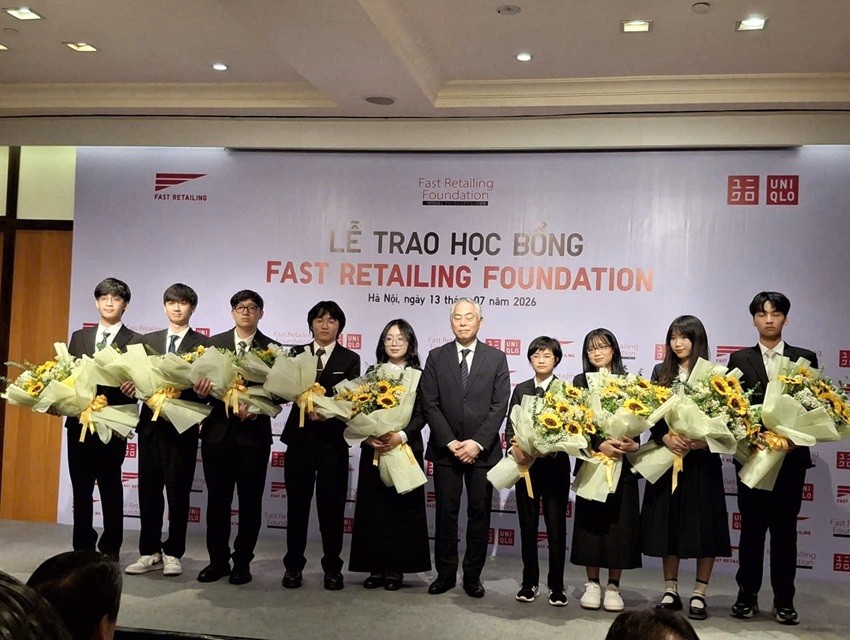
9 Vietnamese Students Receive Full Scholarships from Fast Retailing Foundation in Japan
 Viet's Home
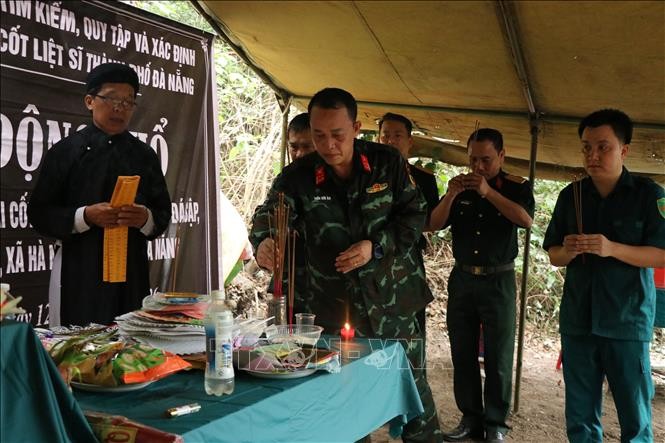
Many Fallen Soldiers' Remains Recovered in Da Nang and Cao Bang
 Viet's Home
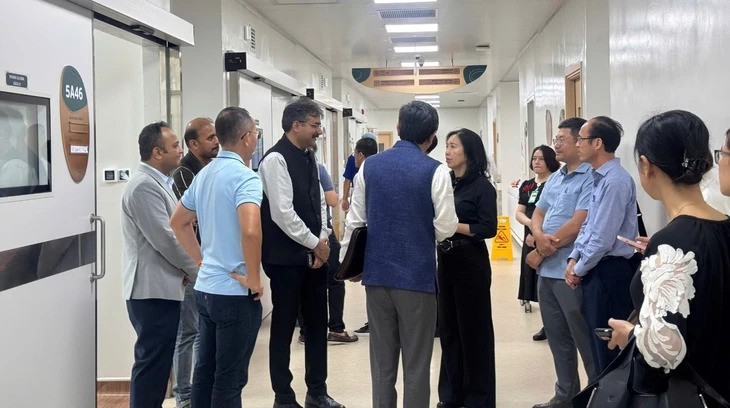
Indian Ambassador Thanks Vietnam for Swift Response to Phu Quoc Speedboat Capsizing
Popular article
 Viet's Home
Portugal Crowned Champion of 2026 Da Nang International Fireworks Festival
 Viet's Home
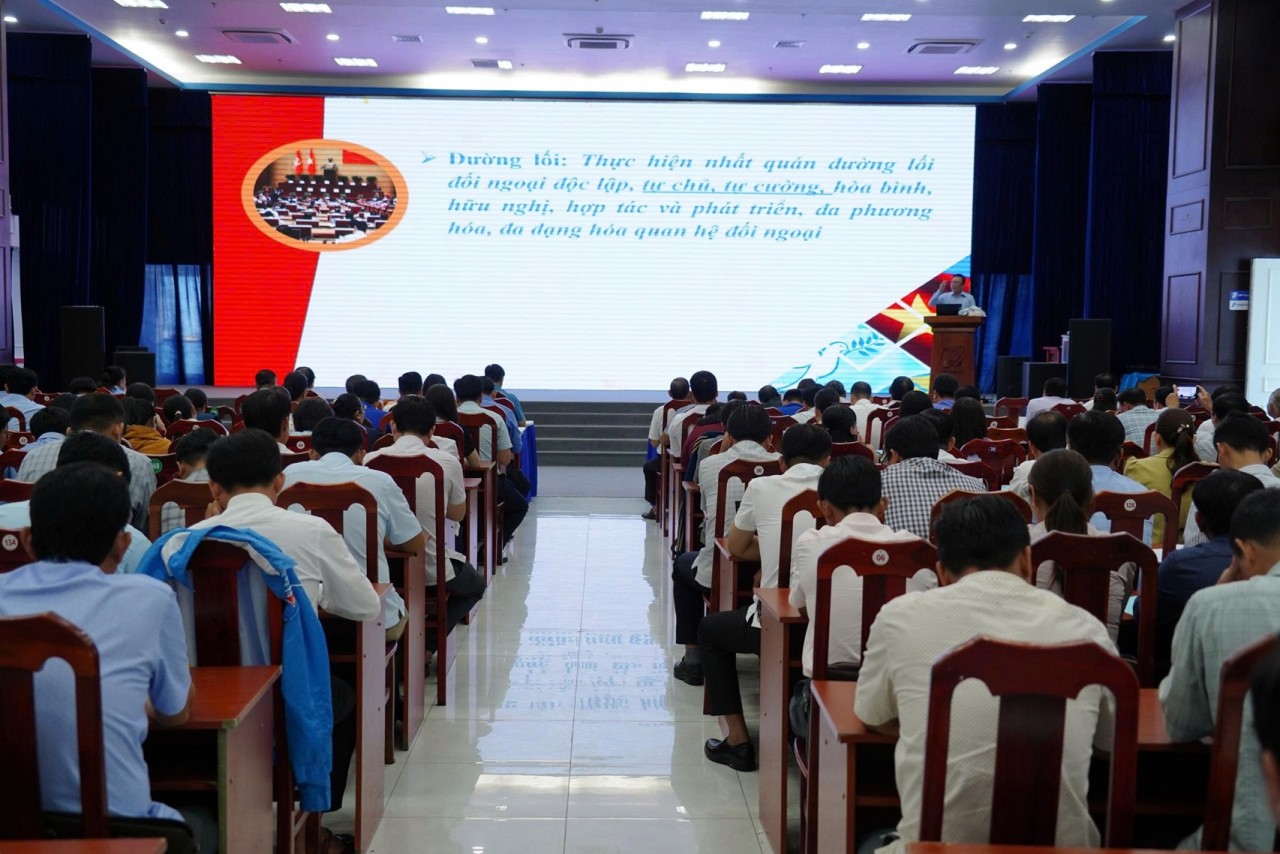
Ca Mau Enhances Capacity of Officials to Effectively Mobilize International Aid
 Viet's Home
Over 50 Calls and Messages Help Search for Fallen Soldiers at Tan Son Nhat Airport
 Viet's Home