
Vietnam Intensifies Monitoring Drug Use Crimes at Private Rental Accommodations
 | Vietnam, Thailand Cooperate in Combating Drug Trafficking |
| Vietnam Launches Nationwide Campaign to Build Drug-Free Communes, Wards, and Special Zones |
Exploiting of the recreational needs of some people, especially youth, and loopholes and shortcomings in management at some accommodation establishments, offenders have dealed with establishment owners, managers, and service staff to organize activities involving the illegal use of drugs. Commonly used drugs include ketamine, MDMA (ecstasy), methamphetamine (crystal meth), and many new synthetic drugs disguised as beverages and food items such as "happy water," "sea water," "candy," and "stamp” to conceal criminal activities and elude inspection by law enforcement.
The exploitation of online bookings through apps, social media platforms, or e-commerce websites offering accommodation services is used to conceal identity and the purpose of room usage. In many cases, the renter and the property owner do not meet in person, check-in is done through self-check-in, using electronic key codes or receiving keys from staff without full verification of identification documents. Offenders often use fake accounts, disposable SIM cards, inaccurate personal information, or hire others to make bookings under their names. These create difficulty for the authorities to manage and verify information. This method of operation take advantage of the loopholes in accommodation management and the digitalization in accommodation services.
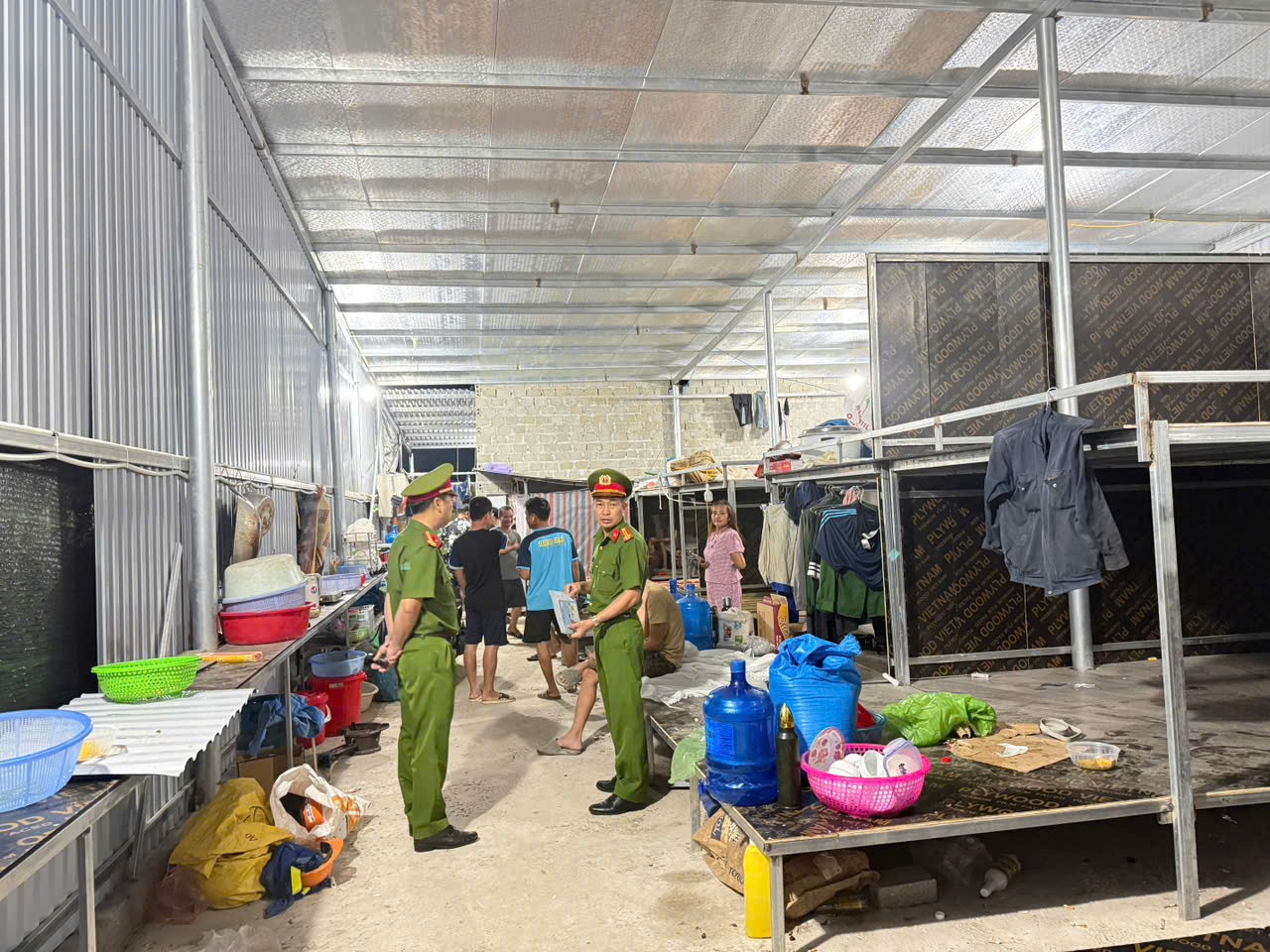 |
| Commonly used drugs include ketamine, MDMA (ecstasy), methamphetamine (crystal meth), and many new synthetic drugs disguised as beverages and food items such as "happy water," "sea water," "candy," and "stamp” to conceal criminal activities and elude inspection by law enforcement (Photo:VGP). |
The illegal use of drugs in accommodation establishments not only disrupts security and order but also leads to many particularly serious consequences for society. This is a cause of many other crimes and legal violations such as intentional injury, murder, robbery, public disorder, prostitution, and other illegal acts. In many cases, drug users fall into a state of psychosis, lose control of their behavior, endanger themselves and those around them, and directly affect the safe and healthy living environment of the community.
As stated in the law, if the owner, manager, or staff of an accommodation facility are aware of the illegal use of narcotics but conceal, abet, assist, or directly participate in it, depending on the nature and severity of the violation, they may be prosecuted for criminal offenses under the Law amending and supplementing certain articles of the Penal Code of 2025 (No. 86/2025/QH15), such as: Organizing the illegal use of narcotics under Article 255; Harboring the illegal use of narcotics under Article 256; Concealing a crime under Article 389; Failing to report a crime under Article 390; and other related offenses. In cases where the offense does not warrant criminal prosecution but involves irresponsible conduct, lax management, or failure to fully comply with regulations on ensuring security and order, administrative penalties will be imposed in accordance with Decree 282/2025/ND-CP dated October 30, 2025, of the Government, which stipulates administrative penalties for violations in the fields of security, order, social safety; prevention and control of social crimes; and prevention and control of domestic violence.
To proactively prevent and deter drug-related violations at accommodation establishments, owners, managers, and staff must strictly adhere to the following:
- Strictly adhere to accommodation registration and management regulations; thoroughly check and verify guests' identification documents; notify the police immediately upon guest check-in as required. For online bookings, accommodation establishments must strictly verify guest identity before check-in; cross-check the information on the booking system with actual identification documents; and refuse service if guests provides unclear information, suspected use of forged documents, or failure to complete the required check-in procedures.
- Strengthen inspection and supervision of guests' activities during their stay; regularly monitor the security camera system, especially for cases of short-term room rentals, renting multiple rooms at the same time, or booking rooms for multiple people but only one person is named on the transaction. Pay particular attention to nighttime activities to promptly detect any unusual signs such as large gatherings, frequent movement between rooms, loud music, or suspicious behavior related to drugs.
- Be aware of large groups carrying little or no luggage; carrying high-powered portable speakers, handheld laser pointers, strobe lights, or other devices that could be used for drug use or partying. For guests requesting soundproof rooms, sealed windows, limited access, or other unusual requests that raise suspicion of illegal drug uses, immediately report to the police.
- After check-out, a thorough inspection of the premises is necessary. If any suspicious items are found, such as empty nitrous oxide canisters, used straws, ceramic plates, plastic cards, rolled-up banknotes, plastic bags containing white crystals or powder, multicolored tablets, or other items related to drug use, the nearest police station must be notified immediately.
- Regularly organize training sessions for staff on identifying different types of drugs and signs of organized illegal drug use; strictly prohibit assisting, concealing, or participating in any illegal activities related to drugs.
Upon detecting suspicious signs of crime and drug-related offenses, citizens and accommodation establishments should promptly notify the nearest police station or contact the hotline for reporting crime and drug-related offenses of the Drug Crime Investigation Department: 0769.04.04.04 to have their reports received and processed according to regulations.
Combatting drug-related crime relies heavily on the proactive vigilance of both citizens and accommodation providers. By actively preventing and detecting illicit activities, local communities can secure a safe, civilized hospitality sector, maintain public order, and realize the strategic objective of establishing entirely drug-free communes, wards, and special zones.
 | Vietnam Welcomes Record Number of International Tourists According to tourism industry statistics, Vietnam welcomed 10.6 million international visitors in the first five months of 2026, up 14.9% year-on-year and the highest figure ... |
 | Plan for Organizing “Vietnam Culture Day” for 2026-2030 Period Deputy Prime Minister Pham Thi Thanh Tra signed Decision No. 1111/QD-TTg dated June 19, 2026, issued by the Prime Minister, promulgating the Plan for Organizing ... |
Related Stories
 World
World
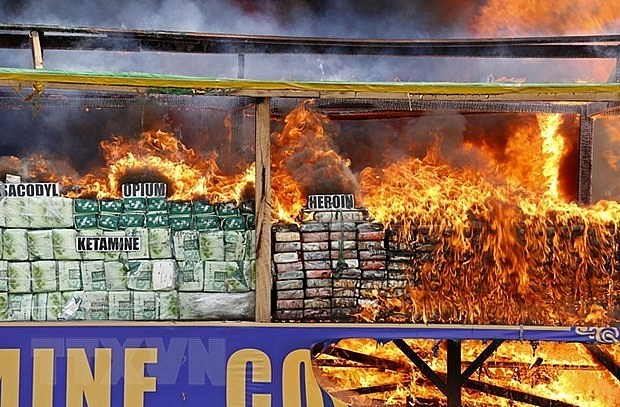
Myanmar Destroys Over 50 Tons of Drugs on International Anti-Drug Day
 Viet's Home
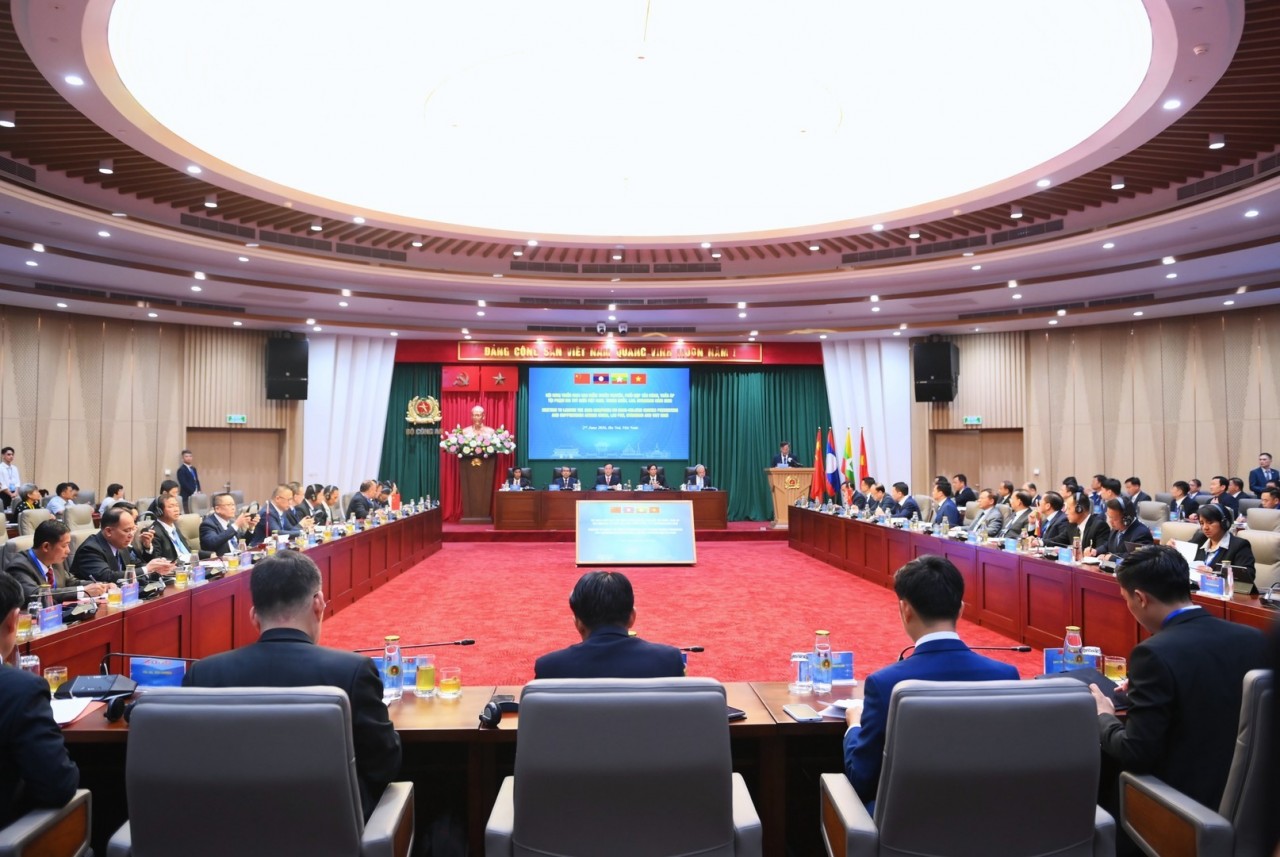
Vietnam, China, Laos, and Myanmar Launch Joint Anti-Drug Crime Crackdown
Recommended
 Viet's Home
Vietnam Allocates VND 50 Billion to Lai Chau for Post-Flood Recovery
 Viet's Home
Da Nang Contributes VND 1 Billion to Quang Tri's Gratitude Fund
 Viet's Home
Vietnamese Intellect Showcased at International Economics Olympiad 2026
 Viet's Home
Hanoi Steps Up Care for People with Meritorious Service
 Viet's Home
Lai Chau Calls for Support to Help Residents Recover from Flood Damage
 Viet's Home
Vietnam to Host Its First International Olympiad in AI
 Viet's Home
Dak Lak, Mondulkiri Sign Memorandum of Understanding for Cooperation
 Viet's Home