VSIP projects highlight growing Vietnam–Singapore Partnership
The Vietnam–Singapore Industrial Park (VSIP) projcts have emerged as one of the most visible symbols of the steadily expanding partnership between Vietnam and Singapore.
Over nearly three decades, the VSIP model has evolved far beyond a traditional industrial park network, becoming a strategic platform that reflects the deepening economic connectivity, political trust, and long-term development vision shared by the two Southeast Asian nations.
First launched in 1996 in Binh Duong province (now part of Ho Chi Minh City) with strong backing from the governments of both countries, VSIP has continuously expanded across Vietnam. From an initial industrial cooperation project, the network has developed into one of the most successful foreign-invested industrial park models in the country.
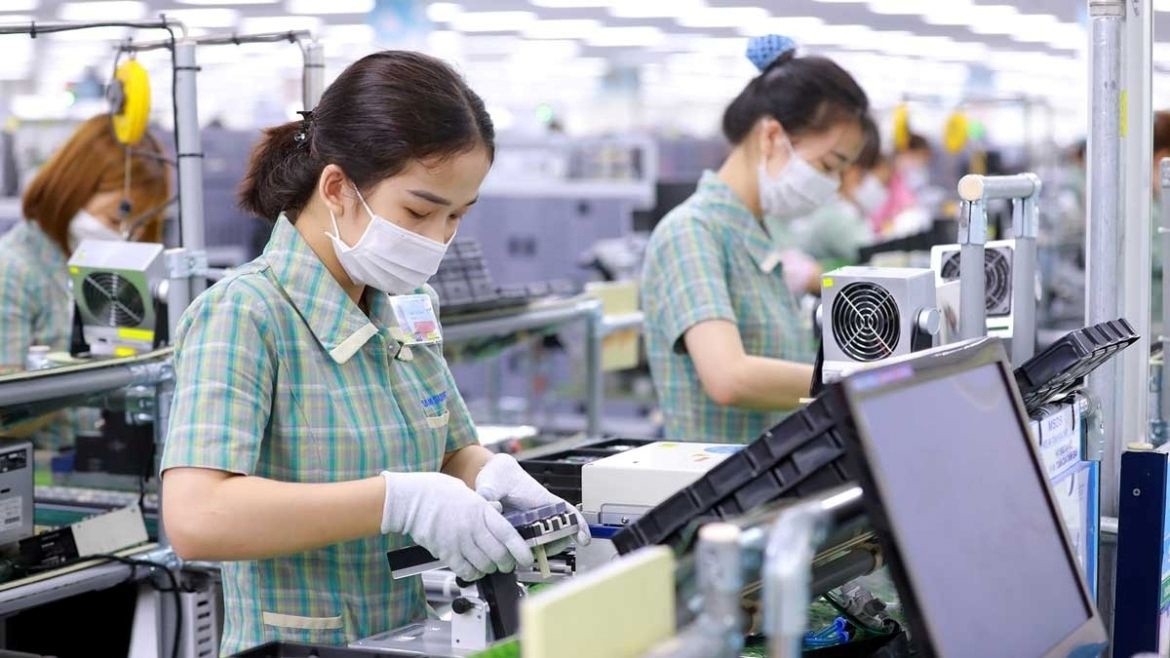
Today, VSIP projects are operating in various provinces and cities throughout Vietnam, attracting more than 1,000 investors from various countries and territories, including numerous multinational corporations and globally recognised brands.
The industrial parks have generated hundreds of thousands of jobs while contributing significantly to Vietnam’s industrialisation and modernisation process through the development of modern, environmentally friendly, and highly integrated manufacturing zones.
Vietnamese and Singaporean leaders have repeatedly described the VSIP as a “beacon” of bilateral relations and a vivid example of effective economic cooperation between ASEAN member states, VOV reported.
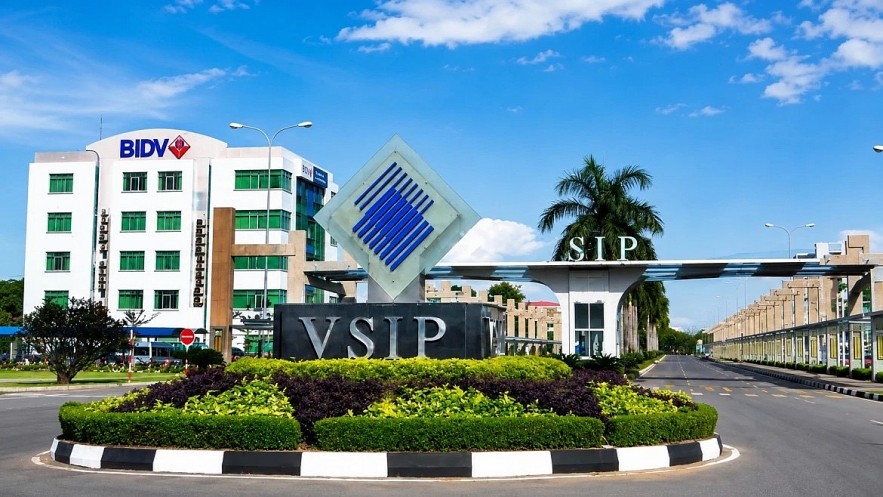 |
| VSIP, a success story in Vietnam-Singapore economic cooperation. |
The success of the VSIP also reflects the increasingly close economic ties between Vietnam and Singapore. Singapore has consistently remained among the largest foreign investors in Vietnam, with investments spanning manufacturing, logistics, urban development, infrastructure, finance, and high technology.
In recent years, the two countries have sought to elevate the VSIP model to a new stage of development. Rather than focusing solely on industrial production, next-generation VSIPs are expected to integrate advanced technology, services, smart infrastructure, and eco-urban development. The shift aligns with both countries’ broader priorities in green growth, digital transformation, and sustainable supply chain development.
During a recent phone conversation with Singaporean Prime Minister Lawrence Wong, Vietnamese Prime Minister Le Minh Hung proposed that Singapore continue expanding and upgrading the network of next-generation VSIPs associated with high-tech transfer and innovation cooperation.
Expressing strong support for the proposal, PM Lawrence said Singapore hopes to increase the total number of VSIP projects to 30 by 2026, coinciding with the 30th anniversary of the first VSIP project in Vietnam.
The continued expansion of VSIP projects comes as Vietnam and Singapore deepen their broader strategic partnership. The two countries established diplomatic relations in 1973 and upgraded ties to a Strategic Partnership in 2013. In 2023, both sides launched the Green Economy–Digital Economy Partnership (GE-DEP), focusing on emerging sectors such as renewable energy, digital transformation, artificial intelligence, and sustainable development.
A major milestone was reached in 2025 when Vietnam and Singapore elevated their relationship to a Comprehensive Strategic Partnership, opening a new chapter in bilateral cooperation.
Beyond economic cooperation, Vietnam and Singapore have also strengthened ties in science and technology, education, defence, human resource development, and people-to-people exchanges.
Singapore is widely recognised as one of Asia’s leading innovation-driven economies, while Vietnam offers a rapidly growing market, abundant human resources, and strong long-term growth potential. These complementary strengths continue to create favourable conditions for deeper cooperation in strategic sectors.
Education and workforce training have also become important pillars of bilateral relations. Thousands of Vietnamese officials, students, and professionals have participated in training and exchange programs under the Singapore Cooperation Program over the past three decades.
As regional and global uncertainties continue to evolve, Vietnam and Singapore are increasingly positioning their partnership around innovation, resilience, and sustainable growth.
Amid that broader relationship, the VSIP network remains one of the clearest and most enduring symbols of bilateral cooperation - a model that not only reflects the achievements of the past three decades but also points toward the future direction of Vietnam–Singapore relations.
Ho Chi Minh City boosts tourism appeal through culinary, cultural experiences
An increasing number of travel and tourism businesses in Ho Chi Minh City are launching new products that combine culinary experiences with Vietnam’s rich ethnic cultural heritage, in response to evolving traveller preferences and efforts to stimulate tourism demand.
According to Vu Ngoc Lam, Country Director of Agoda Vietnam, travellers are becoming more selective when choosing accommodation, prioritising properties with strong reviews, quality amenities and distinctive dining options. This trend reflects a growing emphasis on the overall travel experience, alongside peer-based quality assurance.
New tourism offerings in Ho Chi Minh City are helping strengthen the city's destination brand by drawing on a diverse range of local cultural characteristics.
Tran Minh Hoang, a sales director of the local company Dau An Show, said the firm’s Chao Show combines traditional Vietnamese music, regional cuisine and modern lighting technology. At the heart of the performance is a collection of 30 indigenous musical instruments gathered, restored and crafted by artisans from across the country, forming one of Vietnam’s most comprehensive and distinctive collections of traditional instruments.
Alongside the musical performances, Chao Show offers signature dishes representing Vietnam’s three regions, he added. The program has attracted both international visitors and domestic audiences, creating promising opportunities for preserving and promoting the nation’s cultural heritage.
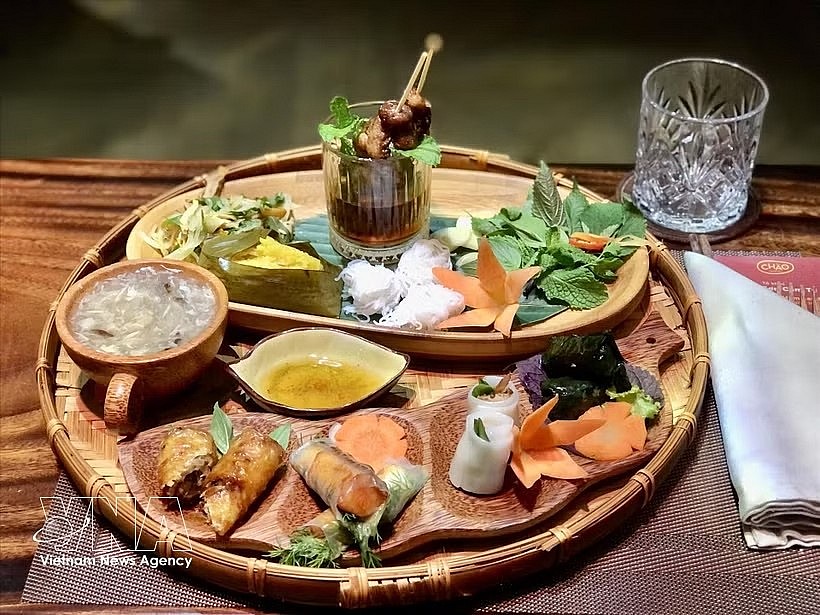 |
| The Chao Show by the Ho Chi Minh City-based the company Dau An Show presents the flavours of Vietnam’s three regions through nine signature Vietnamese dishes. (Photo: VNA) |
Beyond introducing new products, tourism operators are also refreshing existing attractions. The Suoi Tien theme park in Tang Nhon Phu ward has announced its 22nd southern fruit festival, which is set to feature several new attractions, including a fruit buffet, a miniature floating market, illuminated night-time performances, traditional Mekong Delta hammocks and countryside cuisine. A culinary highlight will be a series of beef dishes paired with 26 different fruits, which the organisers hope will set a new Vietnamese record.
Meanwhile, a southern flavors food festival, organised by PhuThoTourist at its Dam Sen cultural park in Binh Thoi ward this May, showcases the culinary traditions of the Kinh, Hoa, Khmer and Cham communities through hundreds of regional specialties, cited VNA.
From a management perspective, Nguyen Cam Tu, Director of the Ho Chi Minh City Tourism Promotion Center, said that while building on previous achievements, the municipal tourism sector is pursuing a more innovative approach, focused on product development, destination enhancement, promotional renewal and stronger tourism branding.
As part of these efforts, the center is implementing its summer impressions program during the second quarter of 2026, working with tourism businesses to develop new travel experiences and enrich existing tour offerings.
Particular attention is being placed on the development of the night-time economy through pilot public-private partnership models in the cultural and sports sectors, including museum tours, artistic performances and other evening attractions.
Vietnam issues heatwave warnings as temperatures exceed 39C
Hanoi temperatures climbed close to 40C as northern Vietnam entered the peak of a dangerous early-summer heatwave.
On the third day of an intense heatwave, temperatures in Hanoi climbed close to 40 degrees Celsius, turning outdoor conditions into what residents described as a “furnace.” Forecasters say the severe heat across northern Vietnam will persist for another two days, while central regions could endure extreme temperatures for three more days.
Hanoi approaches 40C
According to the National Center for Hydro-Meteorological Forecasting, widespread severe heat covered northern and central Vietnam on May 25, with some areas experiencing exceptionally dangerous temperatures.
Measurements taken at 1pm showed temperatures across multiple regions ranging from 37C to 39C, with several locations surpassing 39C.
In Hanoi, the Lang meteorological station recorded a peak temperature of 39.7C.
Other localities also reported extremely high temperatures, including Vinh Yen in Phu Tho Province at 39.5C, Do Luong in Nghe An Province at 39.6C, Bac Ninh at 39.3C, and Huong Khe in Ha Tinh Province at 39.2C.
The heatwave has been accompanied by low humidity levels during midday hours, commonly dropping to just 45-50%, creating oppressive and uncomfortably dry conditions.
Northern Vietnam remains a “heat furnace” for two more days
Meteorologists forecast that the peak of the current heatwave will continue over the next 24 to 48 hours.
Across the northern plains, including Hanoi, Phu Tho Province, and areas stretching from Thanh Hoa to Hue City, severe and exceptionally severe heat is expected to persist on May 26 and 27.
Maximum temperatures in these areas are forecast to range between 38C and 40C, with isolated locations potentially exceeding 40C.
Authorities noted that the most intense heat during the day would likely last from 9am to 7pm, while minimum relative humidity could fall to just 40-45%, VNN reported.
In other northern areas - excluding Dien Bien and Lai Chau provinces - as well as Da Nang and eastern parts of provinces from Quang Ngai to Lam Dong, temperatures are also expected to remain dangerously high.
Those regions could see highs of 36C to 38C, with some locations topping 40C. Humidity levels are forecast to remain between 45-50%, while heat conditions may persist from 9am to 6pm.
Weather authorities emphasized that official temperatures are measured in meteorological shelters. In reality, outdoor temperatures may feel 2C to 4C hotter, especially in dense urban areas with large amounts of concrete and asphalt.
Hoang Phuc Lam, Deputy Director of the National Center for Hydro-Meteorological Forecasting, said this was the second major heatwave of May 2026 and already more intense than the previous episode recorded between May 13 and 16.
“If the heat continues for another two to three days, temperatures in some regions could exceed 40C, while certain areas may even reach 41C to 42C,” Lam warned.
He added that the heatwave is expected to last through May 27 in northern Vietnam and until May 28 in central regions.
High fire risk and health warnings
Meteorological authorities also warned that prolonged extreme heat combined with very low humidity significantly increases the risk of fires and explosions in residential areas, as well as forest fires.
Residents have been advised to stay hydrated, limit outdoor activity during peak heat hours, and take precautions to protect their health - particularly elderly people, children, and outdoor workers exposed directly to sunlight.
 | Vietnam News Today (May 22): Vietnam Expands Role in Global Manufacturing Hub Vietnam News Today (May 22): Vietnam, Cambodia strengthen strategic connectivity amid regional uncertainty; Vietnam to actively contribute to success of ASEAN–Russia Commemorative Summit; Vietnam expands ... |
 | Vietnam News Today (May 23): Top leader pledges favorable conditions for US tech firms to invest in Vietnam; India, Vietnam expand exchanges through new cultural ... |