Vietnam, Japan strengthen cooperation in leadership training
Stressing that Vietnam is entering a new stage of development with increasingly high demands on the quality of human resources, particularly strategic-level leaders and managers, Politburo member and Director of the Ho Chi Minh National Academy of Politics (HCMA) Assoc. Prof. Dr. Doan Minh Huan suggested that the two sides continue to deepen, upgrade and renew their training cooperation programs.
Politburo member and Director of the Ho Chi Minh National Academy of Politics (HCMA) Assoc. Prof. Dr. Doan Minh Huan on May 7 held a working session with Chief Representative of the Japan International Cooperation Agency (JICA) in Vietnam Kobayashi Yosuke to discuss orientations for promoting cooperation in developing leadership and management human resources in Vietnam to meet the requirements of a new development era.
Stressing that Vietnam is entering a new stage of development with increasingly high demands on the quality of human resources, particularly strategic-level leaders and managers, Huan suggested that the two sides continue to deepen, upgrade and renew their training cooperation programs.
The HCMA director said orientations and designs for future cooperation programs would serve as practical steps to concretise and further deepen political commitments as well as key cooperation agreements reached during the recent official visit to Vietnam by Japanese Prime Minister Takaichi Sanae.
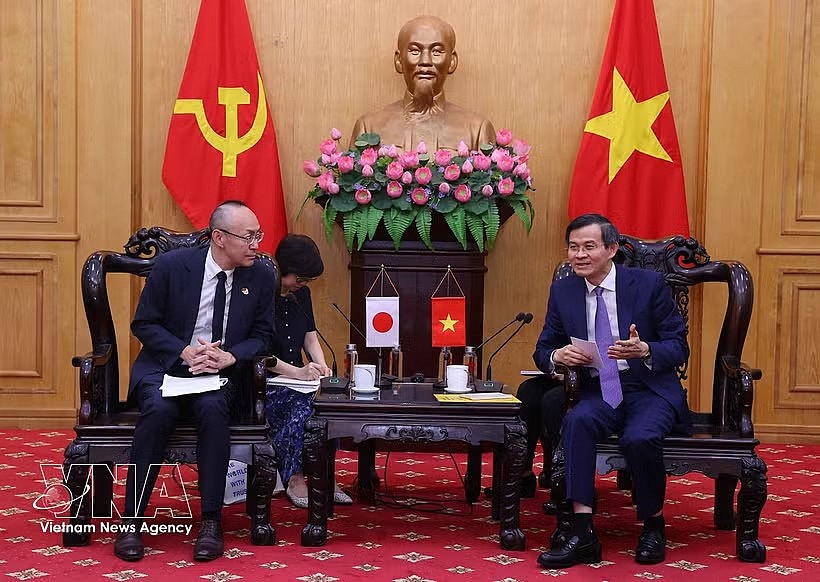 |
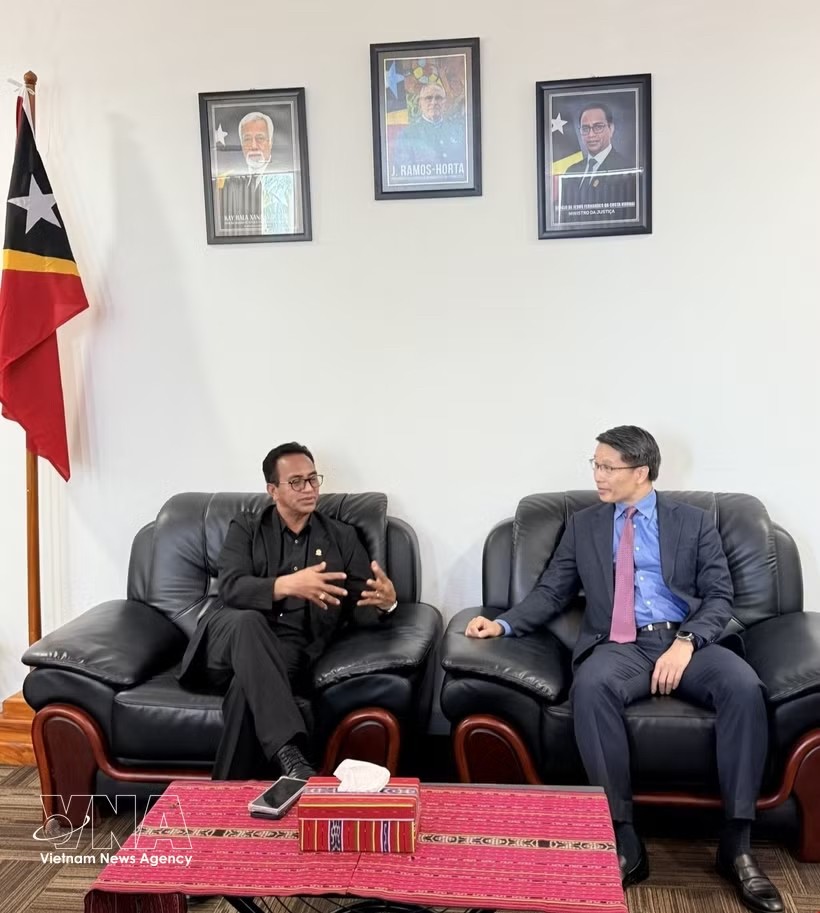
| Politburo member and Director of the Ho Chi Minh National Academy of Politics (HCMA) Assoc. Prof. Dr. Doan Minh Huan (right) and Chief Representative of the Japan International Cooperation Agency (JICA) in Vietnam Kobayashi Yosuke at their meeting on May 7. (Photo: VNA) |
In addition to maintaining existing refresher courses for officials studying advanced political theory in the full-time system, the academy hopes that JICA will coordinate in designing specialised training programs for local leaders.
Accordingly, human resources training programs should focus on priority areas and practical issues discussed by leaders of the two countries, including innovation, urban governance, management amid digital transformation, green transition, climate change adaptation, and the application of artificial intelligence (AI), he said.
Through this approach, local leaders would gain a better understanding of next-generation foreign direct investment (FDI) ecosystems, thereby improving their capacity to connect with international businesses and strengthen local governance after completing the courses, he added.
Congratulating Huan on his election to the Politburo and appointment as HCMA director, Kobayashi highly valued the partnership between the two sides in enhancing officials’ capacity since 2004.The JICA representative expressed his delight that many former participants in study and research programs in Japan are now holding senior leadership and management positions in Vietnam, cited VNA.
Agreeing with the cooperation orientations proposed by Huan, Kobayashi affirmed that JICA stands ready to cooperate and share Japan’s development experience. He also pledged support for stronger connections between Japanese enterprises and Vietnam's local leaders.
Vietnam remains attractive destination for investors: foreign media
International media outlets and analysts say Vietnam continues to attract massive inflows of foreign investment, manufacturing projects and global supply chains, reinforcing its position as one of Asia’s most attractive investment destinations.
In recent months, the quality of foreign direct investment (FDI) flowing into Vietnam has continued to improve, with the country drawing more high-value projects aligned with its strategy of selective FDI attraction, particularly in advanced technology, high value-added manufacturing and sectors capable of generating stronger spillover effects for domestic enterprises.
According to Hong Kong-based Vietnam Briefing, Vietnam’s FDI landscape in the early months of 2026 reflects both resilience and a structural shift in capital flows. The publication noted that newly registered capital rose strongly while disbursement was stable, as investors continued focusing on manufacturing, energy and high-technology industries.
Beyond traditional sectors, Vietnam is increasingly emerging as a strategic destination in the global expansion plans of international corporations. US-based publications Entrepreneur and Weiss Ratings observed that a growing number of ambitious companies now view Vietnam as a key link in their long-term growth strategies.
One of Vietnam’s most significant advantages, analysts pointed out, lies in its young, skilled and tech-savvy workforce, which has shown strong adaptability to emerging technological trends, VOV reported.
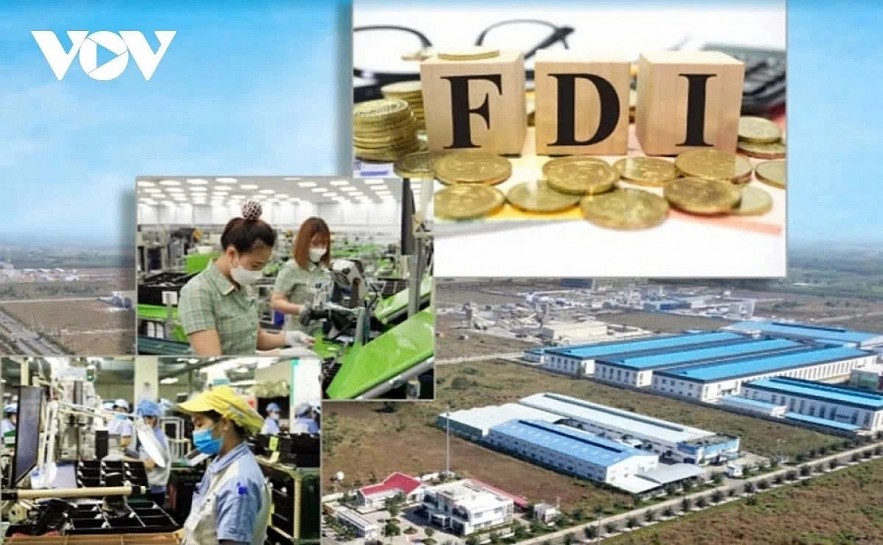 |
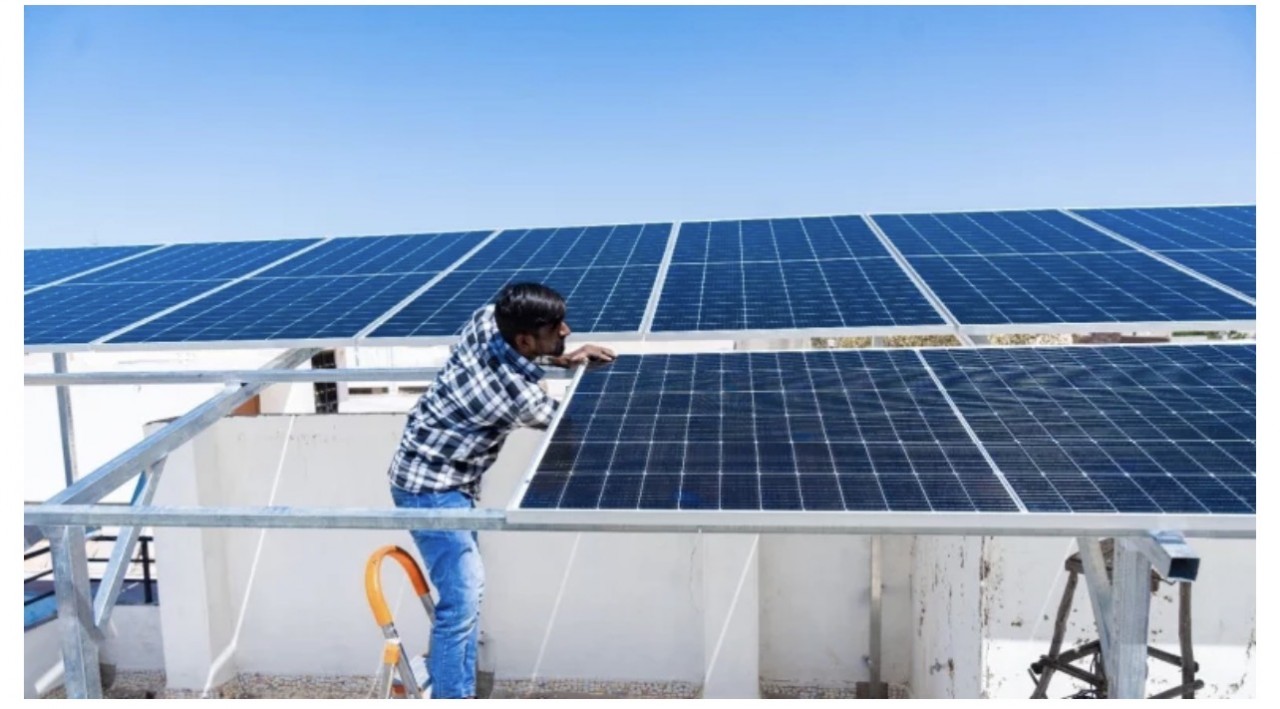
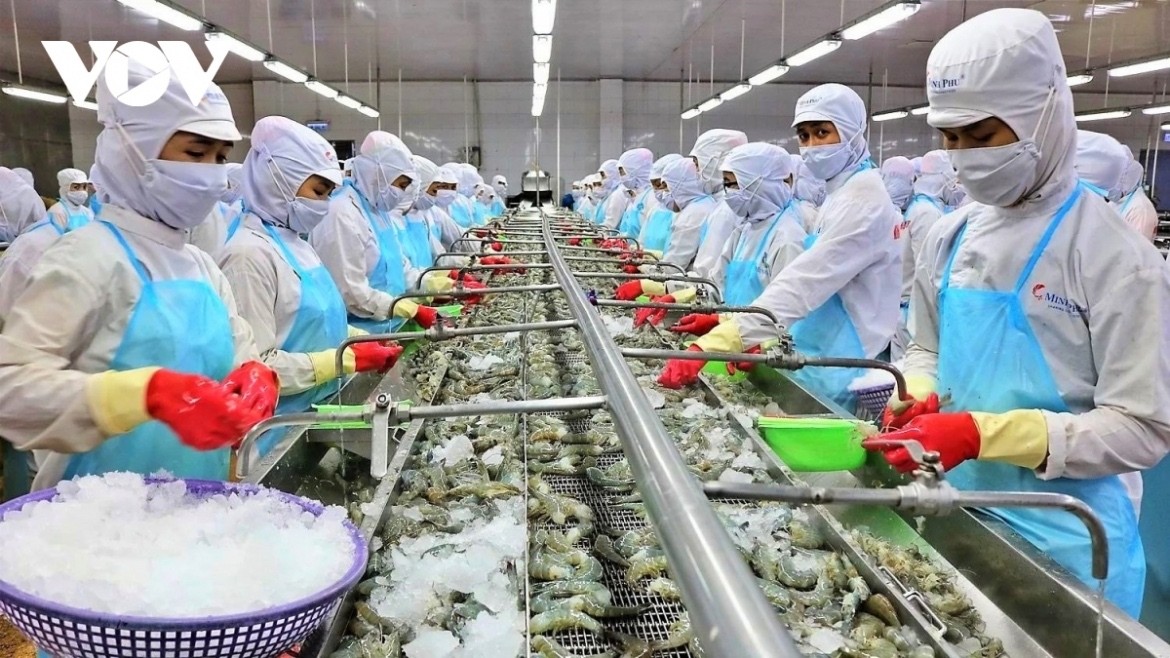
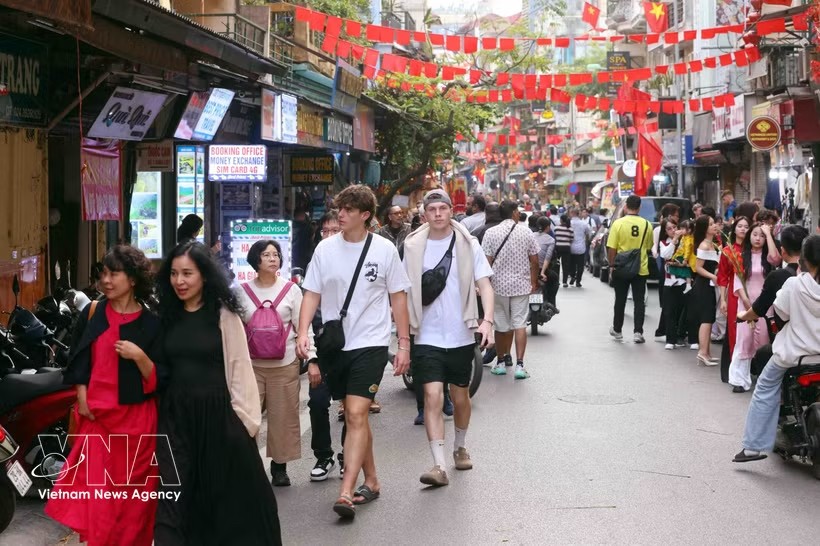
| International analysts say Vietnam continues attracting strong FDI inflows, high-tech manufacturing and global supply chains thanks to its skilled workforce, strategic location and open economic policies. (Illustrative image) |
Shantanu Chakraborty, country director of the Asian Development Bank in Vietnam, commented that the country still holds considerable opportunities in 2026.
He noted Vietnam’s young and technologically capable workforce is creating favorable conditions for the growth of digital services, fintech, e-commerce and smart logistics. According to him, Vietnam possesses a clear competitive advantage thanks to its abundant human resources and increasing focus on high value-added industries.
He suggested that Vietnam should continue improving workforce skills while fostering innovation ecosystems to support knowledge-based growth.
In addition to its labor advantages, Vietnam is also highly regarded for its strategic geopolitical location and deepening international economic integration. Analysts saw these factors as key foundations enabling Vietnam to become an important hub in regional and global supply chains.
The country’s outward-looking policies and stable investment environment are also considered major drivers behind the country’s growing appeal to foreign investors.
Watcharas Leelawath, former executive director of the Mekong Institute, said Vietnam’s open economic framework has made the country highly attractive to international businesses.
He highlighted Vietnam’s active participation in numerous free trade agreements (FTAs), which has helped transform the country into an export-oriented economy. By offering tariff advantages through these agreements, Vietnam has strengthened its ability to attract foreign direct investment, while also generating employment opportunities and positioning itself as a regional manufacturing hub.
Indian financial outlet Livemint commented that strong FDI inflows have become a major driver behind Vietnam’s export growth, particularly as multinational corporations continue relocating production activities to the country.
The continued rise in disbursed FDI indicates that existing projects are being implemented steadily despite fluctuations in the global investment environment. This has enabled the FDI sector to maintain an important role in supporting Vietnam’s manufacturing output and export performance.
Meanwhile, the sharp increase in newly registered investment suggests that Vietnam is an attractive destination in the supply-chain diversification strategies of global corporations.
Dien Bien Phu Victory – valuable lesson for Laos’ revolutionary cause
The article published on the official Facebook page of the Commission for Propaganda and Training of the Lao People’s Revolutionary Party (LPRP) Central Committee said the valuable lessons of Vietnam's Dien Bien Phu Victory not only contributed to advancing national liberation movement and the establishment of the Lao People’s Democratic Republic, but also provided the country with important practical and theoretical lessons.
The official Facebook page of the Commission for Propaganda and Training of the Lao People’s Revolutionary Party (LPRP) Central Committee on May 7 published an article affirming that Vietnam’s Dien Bien Phu Victory 72 years ago (May 7, 1954) has enabled the Vietnamese people to achieve comprehensive development and major accomplishments.
According to the article, politically, Vietnam has maintained stability, while the leadership role and governing capacity of the Communist Party of Vietnam have continued to strengthen. The state management system has become more robust and enjoys broad public trust.
Economically, Vietnam has achieved sustained and stable growth, lifted its people out of poverty, and overcome its status as a less-developed nation. Living standards have improved markedly, while the country’s overall national strength has been enhanced.
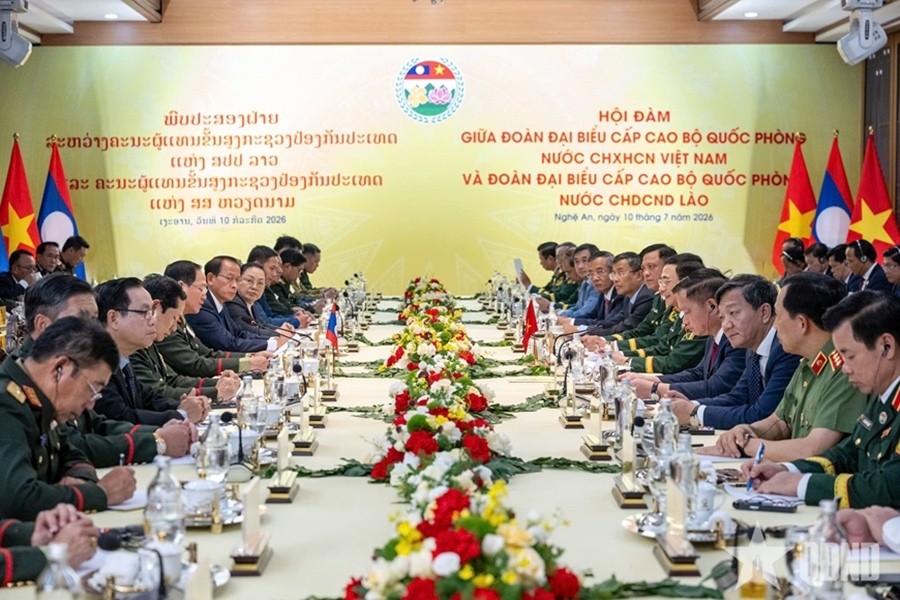
In terms of social development, Vietnam has recorded significant progress, particularly in developing a highly qualified workforce. In defense and security, the country has firmly safeguarded its national independence, sovereignty, unity and territorial integrity, including its seas, airspace and islands, as well as its socialist regime, VNA reported.
 |
| Visitors tour Dien Bien Phu Victory Museum in Dien Bien province of Vietnam. (Photo: VNA) |
Diplomatically, Vietnam has expanded its international relations and enhanced its position, role and prestige both regionally and globally.
The article stressed that the valuable lessons of the Dien Bien Phu Victory not only contributed to advancing national liberation movement and the establishment of the Lao People’s Democratic Republic, but also provided the country with important practical and theoretical lessons.
These include fostering patriotism, resilience, courage and a determination to achieve victory; promoting independence, self-reliance and creativity in shaping revolutionary policies and military strategies; strengthening great national unity under the Party’s leadership; and combining national strength with international solidarity and support from neighbouring countries and the international community.
The article concluded that these lessons have become guiding principles and vivid practical experiences creatively applied throughout Laos’ revolutionary cause, as demonstrated by the establishment and development of the Lao People’s Democratic Republic.
 | Vietnam News Today (May 4): Vietnam Trade Deficit Reaches US$7.11bln as Imports Surge in Early 2026 Vietnam News Today (May 4): Vietnam–India ties poised for new strategic breakthrough; FDI inflows and disbursement in January-April reach five-year high; Vietnam trade deficit reaches ... |
 | Vietnam News Today (May 5): Prime Minister Le Minh Hung to participate in 48th ASEAN Summit in Philippines; General Secretary, President To Lam to pay ... |