
Vietnam News Today (Sep. 27): Viet Nam, US Step Up Investment, Financial Cooperation
Vietnam News Today (Sep. 27): Viet Nam, US step up investment, financial cooperation; Viet Nam demonstrates spirit of independence, self-reliance at UN forum; Viet Nam, India push tourism and aviation cooperation at Uttar Pradesh forum; Viet Nam, Canada poised for US$14-15 billion trade target by 2030.
| Vietnam News Today (Sep. 24): Viet Nam, US Step Up Cooperation in War Legacy Remediation Vietnam News Today (Sep. 25): Experts Highlight Viet Nam’s Proactive Role in Shaping Global Affairs |
| Viet Nam News Today (Sep. 27) notable headlines Viet Nam, US step up investment, financial cooperation Viet Nam demonstrates spirit of independence, self-reliance at UN forum: Chinese expert Viet Nam, India push tourism and aviation cooperation at Uttar Pradesh forum Viet Nam, Canada poised for US$14-15 billion trade target by 2030 Viet Nam overtakes Singapore to lead ASEAN-6 auto market growth Mid-Autumn festival highlights Vietnam-Russia cultural exchange Vietnam leaves strong imprint at major trade show in India Vietnam jumps seven positions in global Travel & Tourism Development Index Vietnam, EU convene 7th Joint Committee meeting to accelerate PCA implementation |
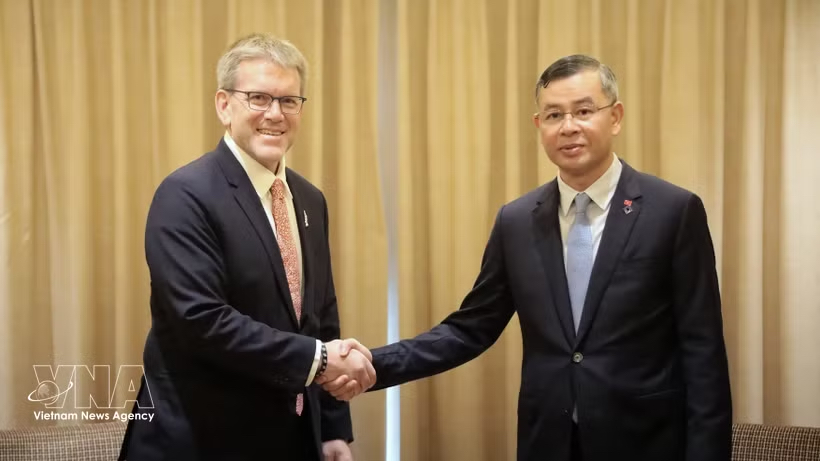 |
| Finance Minister Ngo Van Tuan (R) and Dean Thompson, Senior Director for Global Policy and Sustainability at The Coca-Cola Company. (Photo: VNA) |
Viet Nam, US step up investment, financial cooperation
Viet Nam hopes US companies, including Coca-Cola, will continue expanding their long-term investment while promoting innovation, supply chains, green transition and greater value creation in Viet Nam.
Minister of Finance Ngo Van Tuan held working sessions with major corporations and financial institutions during his trip to the US.
The meetings took place as part of General Secretary of the Communist Party of Viet Nam Central Committee and President To Lam’s attendance at the high-level General Debate of the 81st session of the UN General Assembly and his bilateral activities in the US, as well as his state visit to Canada from September 20 to 25.
During a meeting with a delegation from Coca-Cola led by Dean Thompson, Senior Director for Global Policy and Sustainability at The Coca-Cola Company, the two sides discussed the company’s operations in Viet Nam, future cooperation and issues related to the investment and business environment and sustainable development.
Tuan noted that Coca-Cola has operated in Viet Nam for more than 30 years, with total investment exceeding 1 billion USD. He appreciated the company’s contributions to production, job creation, State budget revenues, supply chain development and community programs.
He said economic, trade and investment cooperation is an important driver of the Viet Nam-US Comprehensive Strategic Partnership. Viet Nam hopes US companies, including Coca-Cola, will continue expanding their long-term investment while promoting innovation, supply chains, green transition and greater value creation in Viet Nam.
For his part, Thompson said Viet Nam remains an important market for Coca-Cola and expressed the company’s wish to expand cooperation. He said the company would continue linking its operations in Viet Nam with sustainable development, product innovation, resource efficiency, sustainable packaging, collection and recycling, and community programs.
At a meeting with Standard Chartered leaders, the two sides discussed international capital markets, Vietnam’s prospects for raising funds internationally, sovereign credit ratings and ways to broaden and diversify the country’s international investor base, cited VNA.
Tuan highlighted Standard Chartered’s cooperation with Viet Nam, particularly in connecting international investors, supporting sovereign credit rating activities and sharing experience in capital markets, green finance and sustainable finance.
Standard Chartered spoke highly of Vietnam’s macroeconomic foundations, long-term growth prospects and efforts to improve the investment environment, market transparency and international financial integration. It affirmed that Viet Nam remains an important market and pledged to continue cooperation in banking, finance, capital markets, credit ratings, sustainable finance and international investor connections.
The two sides agreed to maintain close exchanges and promote specific cooperation, helping strengthen Vietnam’s links with international financial markets and mobilise resources for development.
Viet Nam demonstrates spirit of independence, self-reliance at UN forum: Chinese expert
Vietnam’s message at the high-level general debate of the 81st session of the United Nations General Assembly reflects the increasingly proactive role of a developing country in the Global South in addressing international issues, according to Professor Qu Qiang of Minzu University of China and commentator for China Global Television Network (CGTN).
Speaking to a Viet Nam News Agency (VNA) correspondent in Beijing, Qu said the speech by General Secretary of the Communist Party of Viet Nam (CPV) Central Committee and President To Lam came as the international order faces major changes, growing competition among major powers, and challenges related to the economy, technology, climate change and global governance.
He highlighted Vietnam’s emphasis on restoring trust, promoting equitable development, governing technologies and strengthening multilateralism.
According to the expert, General Secretary and President Lam’s call for competition not to turn into confrontation and for technological progress not to create new divides shows Vietnam’s direct interest in emerging issues of global governance. It also reflects concerns shared by many developing countries, including the need for more equal participation in the formulation and implementation of international rules.
Qu said Vietnam’s role in multilateral forums is also evolving. The participation of the Party and State leader in the UN General Assembly demonstrates the importance Viet Nam attaches to multilateral diplomacy, he noted.
Viet Nam is gradually moving from mainly participating in international mechanisms to proactively putting forward initiatives and contributing to agenda-setting, he said, citing Vietnam’s hosting of the signing ceremony for the UN Convention against Cybercrime and preparations to host APEC 2027.
Assessing Vietnam’s foreign policy approach, Qu said the speech demonstrated a combination of principle and flexibility. Viet Nam stressed the peaceful settlement of disputes in accordance with international law, including the 1982 UN Convention on the Law of the Sea (UNCLOS), while expressing its positions on issues concerning Palestine and Cuba, according to VNA.
He said this approach underscores Vietnam’s commitment to sovereignty, international law and peaceful settlement of disputes, while maintaining an independent and non-confrontational stance. In his view, this is consistent with Vietnam’s growing international integration and could offer a reference for other ASEAN countries seeking to maintain strategic space and promote cooperation.
Qu also noted that Viet Nam has linked its long-term development goals to innovation, productivity growth, digital transformation and new development models. This helps the international community better understand the country’s development orientation while reflecting its desire to attract resources, technology and investment and participate more deeply in global value chains.
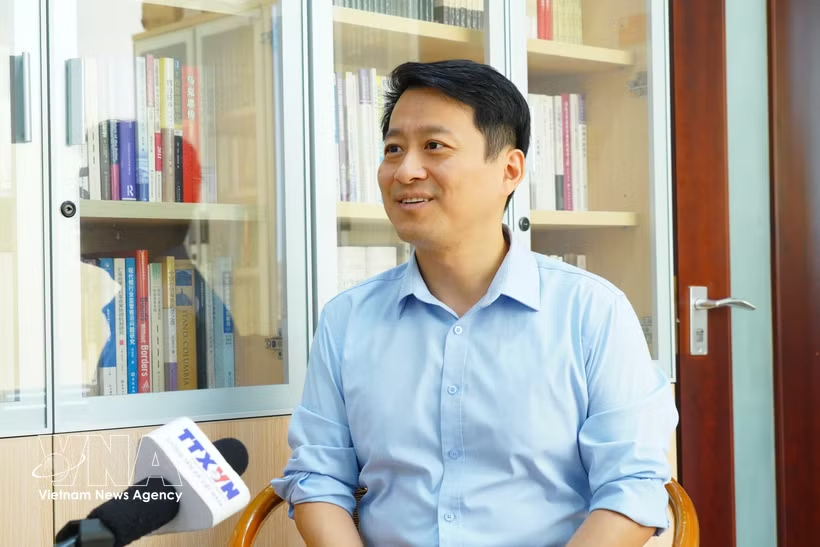 |
| Professor Qu Qiang of Minzu University of China speaks to a Viet Nam News Agency correspondent in Beijing. (Photo: VNA) |
Regarding Vietnam’s message to the Global South, Qu said issues such as development gaps, access to technology, development financing, climate change and reform of multilateral institutions are shared concerns among developing countries.
He said Vietnam’s emphasis on multilateralism, dialogue, equal cooperation and leaving no one behind shows its effort to connect national development goals with broader concerns of the Global South.
Looking ahead, Qu said Vietnam’s continued participation in ASEAN, APEC, the UN and other multilateral mechanisms would provide further opportunities for the country to contribute to regional and global issues. He noted, however, that efforts to restore trust, promote development and strengthen multilateral cooperation face challenges including major-power competition, geopolitical conflicts, global market fragmentation, financing needs for the energy transition and issues arising from the rapid development of artificial intelligence.
The speech, Qu concluded, reflects Vietnam’s desire to maintain a stable international environment, promote dialogue over confrontation and strengthen developing countries’ participation in shaping global rules and governance mechanisms.
Viet Nam, India push tourism and aviation cooperation at Uttar Pradesh forum
Delegates from Viet Nam and India gathered on September 25 at the India Expo Centre & Mart in Greater Noida to boost bilateral cooperation in tourism and aviation, held under the theme “Mapping Journeys, Multiply Joy” within the framework of the Uttar Pradesh International Trade Show 2026 (UPITS 2026).
The forum, co-hosted by the Vietnamese Embassy in India and the Administration of Uttar Pradesh, brought together representatives from the Uttar Pradesh government, Invest UP, Noida International Airport, airlines, travel agencies, and tourism service providers from both countries.
Discussions focused on strengthening aviation connectivity, boosting two-way tourist flows, developing targeted travel products, and expanding investment in hospitality, resorts, aviation, and auxiliary services.
Opening the event, Trade Counselor and Head of the Viet Nam Trade Office in India Bui Trung Thuong said that tourism and aviation serve as practical pillars for enhancing people-to-people exchanges and economic ties between Viet Nam and India.
Hosting the forum in Uttar Pradesh, India's most populous state, renowned for its rich historical, cultural, and spiritual landmarks, creates opportunities to link localities, carriers, and businesses, elevating tourism cooperation into a core pillar of the comprehensive strategic partnership.
Counselor Tran Cao Son presented an overview of recent aviation and tourism cooperation. He noted that deep historical and cultural ties, anchored by Buddhism, provide a strong foundation for bilateral tourism.
The rapid expansion of direct air routes in recent years has spurred visitor growth, trade, investment, and cultural exchanges. He recommended that both sides enhance joint destination marketing, expand route networks, bundle travel services, and improve accessibility regarding information, dining, and guiding services.
Indian delegates identified Viet Nam as a high-potential tourism market for Uttar Pradesh, particularly in cultural, spiritual, and Buddhist pilgrimage tourism. Vijay Kiran Anand, an Indian Administrative Service (IAS) officer and CEO of Invest UP, outlined the state’s investment environment and policies, inviting Vietnamese businesses and investors to develop hotels, resorts, restaurants, and international facilities near Buddhist holy sites.
Ashish Kumar, an IAS officer and Managing Director of the Uttar Pradesh State Tourism Development Corporation (UPSTDC), highlighted the untapped bilateral potential, proposing the launch of bilateral destination promotion campaigns to widely introduce Vietnamese scenic spots and tourism products to the people of Uttar Pradesh, and vice versa.
Kumar stressed the role of travel agencies in developing infrastructure, hotel chains, adventure tourism, and cruises to drive economic ties. He noted that the state is heavily investing in upgrading major Buddhist pilgrimage sites, including Sarnath, Kushinagar, Siddharthnagar, Kaushambi, Sankisa, and Shravasti, expressing hope for increased Vietnamese tourist arrivals, VOV reported.
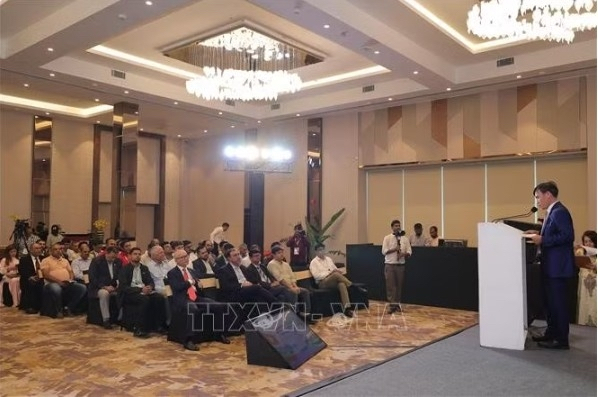 |
| Trade Counselor and Head of the Viet Nam Trade Office in India Bui Trung Thuong speaks at the forum (Photo: VNA) |
Another focal point was cooperation with Noida International Airport in Jewar, a key aviation infrastructure project in the National Capital Region. Surabhi Rana, Head of Aviation Commerce at Noida International Airport, expressed eagerness to cooperate with Vietnamese carriers on market demand, route development, ground services, and joint promotion. She noted that the airport can serve as a new gateway connecting Indian travelers to Hanoi, Ho Chi Minh City, Da Nang, and Phu Quoc.
Nguyen Thanh Tung, Sales Manager for Viet Nam Airlines, reported surging travel demand across leisure, corporate, MICE, and visiting-friends-and-relatives (VFR) segments. He said that the airline aims to work with tourism authorities, airports, and tour operators in Uttar Pradesh to research markets, develop interline products, and enhance destination connectivity.
Viepul Verma, Vietjet Air’s Sales Manager in India, underscored the role of low-cost aviation in market expansion, proposing joint promotional campaigns and bundled packages combining flights with hotel stays and sightseeing tours.
Hoang Dai Ngai, Director of Vietravel South Asia, argued that aviation connectivity must be paired with competitive, market-driven tour packages. Vietravel proposed developing two-way itineraries, such as Buddhist pilgrimage tours in Uttar Pradesh for Vietnamese travelers and cultural-culinary tours in Viet Nam for Indian visitors, alongside familiarization trips and B2B matchmaking.
Concluding the forum, delegates agreed to step up information exchange, enhance airline and airport connectivity, develop two-way travel packages, and organize familiarization trips in both Uttar Pradesh and Viet Nam.
The Viet Nam Trade Office in India pledged to continue coordinating with Invest UP, Uttar Pradesh tourism authorities, Noida International Airport, and businesses from both sides to follow up on cooperation proposals, facilitate partnerships, promote hospitality investment projects at Buddhist destinations, and explore the expansion of aviation links in the near future.
Viet Nam and Canada could aim for two-way trade of US$14-15 billion by 2030 in a balanced, sustainable manner with higher added value.
General Secretary of the Communist Party of Viet Nam Central Committee and President To Lam made the statement while attending the Viet Nam-Canada Business Roundtable in Ottawa on September 25, as part of his state visit to the North American nation.
The event was jointly organised by the Vietnamese Ministry of Finance and Global Affairs Canada, drawing the participation of Canadian Minister of International Trade Maninder Sidhu, Vietnamese officials, and businesses from both countries.
In his welcoming remarks, Minister Sidhu said that agreements signed by both countries and cooperation among their businesses have created a strong foundation for trade and investment ties, opening up fresh opportunities for bilateral cooperation.
He highlighted Canada’s potential in clean and renewable energy and stated that Canadian companies have maintained long-standing links with Viet Nam. He encouraged more Vietnamese businesses to invest and establish a presence in Canada, noting ample room for mutually beneficial development, particularly through high technology and more efficient production.
Representatives of business associations and companies discussed opportunities and proposals in finance, energy, infrastructure, transport and high technology. They agreed that Viet Nam-Canada economic ties have a solid foundation but should enter a new phase featuring deeper investment, stronger value-chain linkages and more substantive results.
In his address, Party General Secretary and President Lam hailed the sound friendship between Viet Nam and Canada, built on trust, mutual respect and win-win cooperation. The Comprehensive Partnership established in 2017 has provided a favourable framework for expanding bilateral cooperation across a variety of fields.
He noted that the significance of Viet Nam-Canada relations now extends beyond the bilateral framework. Viet Nam, with a market of more than 100 million people and extensive free trade agreements, is increasingly connected with ASEAN and the Asia-Pacific region, while Canada possesses capital, technology, knowledge, management capacity and business and financial networks deeply integrated with North America and the global economy. The Comprehensive and Progressive Agreement for Trans-Pacific Partnership (CPTPP) provides an important institutional foundation for connecting these strengths.
Given the strong growth in bilateral trade, the top Vietnamese leader said the two economies could target two-way trade of US$14-15 billion by 2030 in a balanced, sustainable manner with higher added value.
He said that bilateral trade has been developing faster than investment. Although Canada currently has more than 300 investment projects in Viet Nam with total registered capital of around US$5 billion, investment has not grown commensurately in recent years, while cooperation in processing and manufacturing and the development of joint production chains remains limited.
This gap represents the greatest room for development that both sides should focus on narrowing in the coming period, he stressed.
To Lam urged businesses from both sides to focus on stronger investment ties, particularly by connecting Canada’s long-term capital with high-quality projects in Viet Nam. He said Viet Nam has substantial demand for resources for infrastructure, energy, logistics, digital infrastructure, innovation, enterprise development and green transformation, and called for closer cooperation in developing projects, financing plans, promoting risk management and creating long-term value.
Both sides need to jointly develop infrastructure, energy, technology and the foundations for a new growth model. Viet Nam has significant demand for transport infrastructure, seaports, airports, logistics, power grids, energy, digital infrastructure, data centres and modern industrial parks. Canada has strengths in civil engineering, project management, infrastructure finance, clean energy, LNG, environmental technology, public-private partnership (PPP) models and sustainable development standards, he went on to say.
The two countries are also expanding cooperation in strategic areas such as clean energy, LNG, energy technology, critical minerals, transport and logistics, science, technology and innovation, reported VOV.
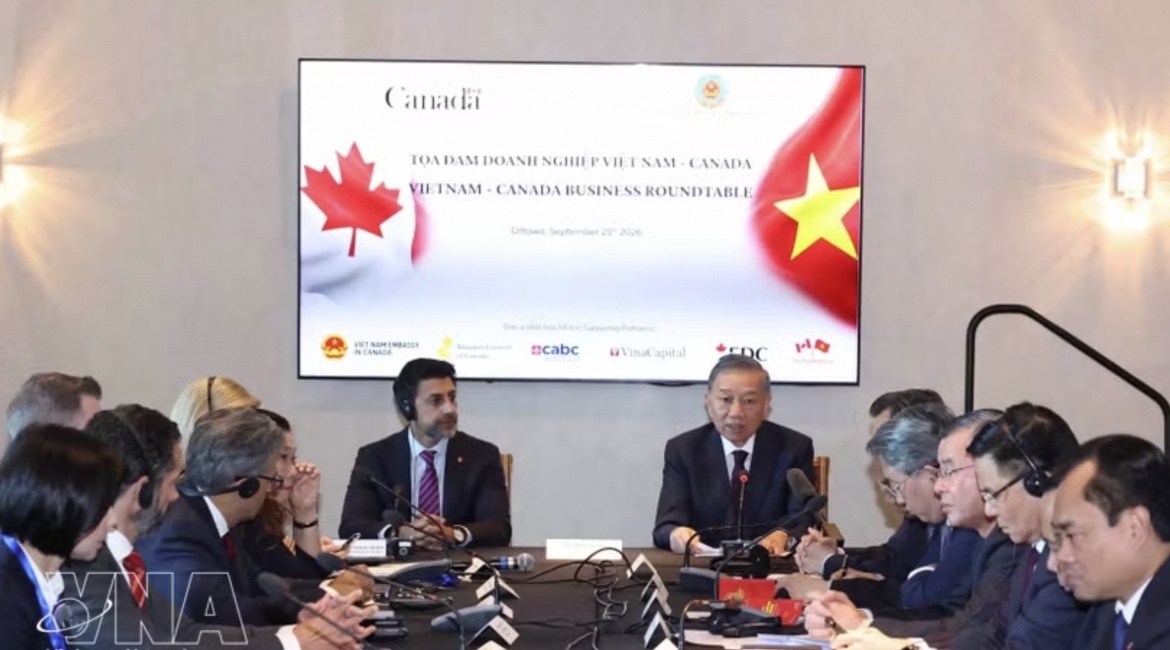 |
| General Secretary of the Communist Party of Viet Nam Central Committee and President To Lam speaks at the event (Photo: VNA) |
Viet Nam encourages Canadian businesses to invest in physical assets alongside technology, research and development, data, digital solutions, clean technology, and industries capable of improving the productivity of the economy. The ultimate goal is not simply to build another facility or factory, but to create new development capacity for Viet Nam.
The two sides should capitalize on the Comprehensive and Progressive Agreement for Trans-Pacific Partnership (CPTPP), taking cooperation beyond conventional trade in goods towards deeper linkages in capital, technology, businesses, supply chains and human resources. The training of high-quality human resources, along with knowledge and skills transfer, should be regarded as an integral component of every major investment project. Each major project should bring opportunities to train engineers, experts, managers and skilled workers. Knowledge must be transformed into skills; skills into productivity; and productivity into competitiveness.
To turn these orientations into reality, General Secretary and President Lam laid stress on the need for strong commitments. Viet Nam will continue building a stable, transparent, competitive and predictable investment and business environment; protecting the legitimate rights and interests of investors; improving the quality of project preparation and transparency of information; and completing the necessary conditions to enable investors to assess, mobilise capital for and implement long-term projects.
For legitimate difficulties and obstacles faced by businesses, ministries, sectors and localities must resolve them with clear focal points, responsibilities, timelines and outcomes, while ensuring an appropriate allocation of risks between the State and investors on the basis of harmonised interests and compliance with the law.
The top leader called on relevant ministries, sectors and the business communities of both nations to urgently select highly feasible projects and initiatives for inclusion in the 2026-2028 action plan of the Viet Nam-Canada joint economic committee. The plan should clearly identify which projects can be carried out first, what sources of capital can be mobilised, which mechanisms need to be completed, which businesses can take the lead, and which agencies will be responsible for monitoring implementation.
He expressed his hope that the quality of cooperation in the coming period would be measured not merely by memoranda of understanding signed, but by projects that have actually received investment, capital that has been disbursed and new value that has genuinely been created. Vietnamese and Canadian businesses should participate more deeply in each other’s value chains, while engineers, experts and managers from both countries work together to create new value. This, he emphasized, would be the most substantive measure of the quality of the Viet Nam-Canada comprehensive partnership.
Vietjet and CAE Inc. signed a memorandum of understanding (MoU) on strategic cooperation in training pilots, cabin crew, and technicians, alongside simulation technology and digital learning deployments.
Vietjet and InteliSys Aviation Systems also signed an MoU on long-term strategic cooperation to modernize core technology systems and advance digital transformation, artificial intelligence, data analytics, and next-generation aviation platforms, supporting the carrier's growth strategy and international expansion.
Viet Nam overtakes Singapore to lead ASEAN-6 auto market growth
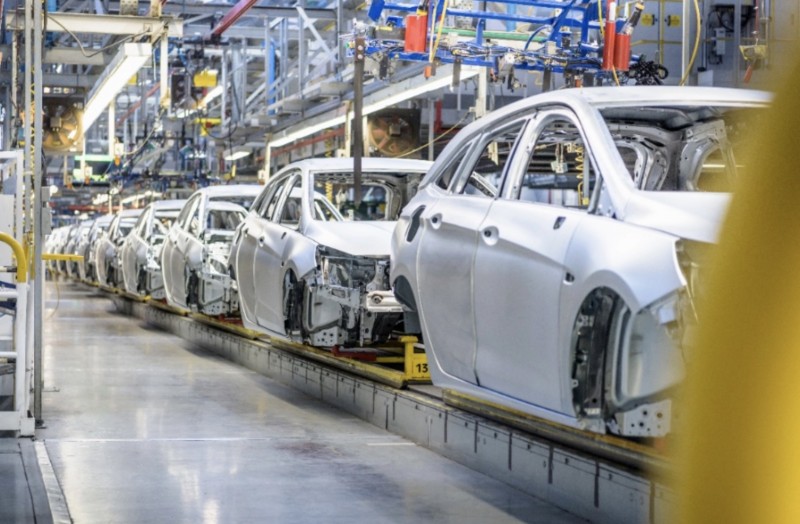
Viet Nam became the fastest-growing auto market among six major Southeast Asian economies in the first half of 2026, with sales up 31.1% as electric and hybrid vehicles gained ground.
PwC’s recently released sixth ASEAN-6 Automotive Market Overview shows a striking shift in growth across Viet Nam, Indonesia, Thailand, Malaysia, the Philippines and Singapore.
The six markets sold about 1.755 million vehicles in the first half of 2026, up 11.1% year on year.
Viet Nam unexpectedly overtook Singapore to record the fastest sales growth in the group, rising 31.1% to around 291,000 vehicles. That growth rate was nearly three times the ASEAN-6 average.
Among the other markets, Indonesia grew 15.9%, Thailand 15.1%, Singapore 6.9% and Malaysia 2.6%. The Philippines was the only market to record a decline, with sales falling 6.1%.
In PwC’s previous reports, Singapore had ranked first for two consecutive years, in 2024 and 2025, while Viet Nam came second with annual vehicle sales growth of more than 20%.
Despite selling 291,000 vehicles, however, Vietnam’s auto market remains smaller than those of several neighboring countries.
Viet Nam currently ranks fourth by sales volume. Thailand and Malaysia each recorded around 385,000 vehicles, while Viet Nam remained ahead of the Philippines at 226,000 and Singapore at 31,000. Indonesia is the largest ASEAN-6 market, with sales of around 437,000 vehicles, cited VNN.
 |
| Competition in Southeast Asia’s auto market is changing rapidly. Photo: PwC |
Survey data shows that the competitive landscape is shifting alongside the electrification of transportation.
In the ASEAN-6 electrified vehicle segment, VinFast and Chinese brands have surpassed traditional automakers from Japan, the US, Europe and South Korea in sales.
Chinese brands accounted for 47% of electrified vehicle sales across the region, while VinFast ranked first among individual brands, followed by BYD and Toyota.
Electrification is also reshaping competition in Vietnam’s auto market.
The country’s strong growth was driven by three main factors: high demand from transportation companies switching from gasoline-powered vehicles to EVs, rapidly increasing demand for hybrid vehicles, and the growing availability of more affordable models.
PwC identified electrified vehicles as the most prominent growth driver.
Viet Nam sold about 127,000 electric and hybrid vehicles in the first half of 2026, compared with around 118,000 internal combustion engine vehicles.
EVs and hybrids accounted for about 52% of passenger vehicle sales, up from 41% in the same period a year earlier.
VinFast was the largest contributor, selling 115,916 battery-electric vehicles in the first half of the year. That was equivalent to 91% of electrified vehicle sales and nearly 40% of Vietnam’s overall auto sales, according to PwC’s dataset.
Alongside fully electric vehicles, hybrid sales jumped 83% year on year.
Consumers now have an expanding range of hybrid options from brands including Toyota, Honda, Hyundai, Kia, Suzuki and BYD.
The trend highlights the role of hybrids as a practical transitional option for consumers seeking to save fuel and reduce operating costs but who are not yet in a position to switch fully to an EV.
Mohammad Mudasser, Deputy General Director of Deals and Transformation Consulting at PwC Viet Nam, said Vietnam’s auto market was not only growing quickly but also entering a more mature stage.
“A few years ago, electric vehicles were still a pioneering choice. Today, EVs have become a practical option for consumers,” he said.
“In the next stage, market leadership will not be determined solely by the number of vehicles sold, but also by the ability to build charging infrastructure, develop financing solutions and establish trust through after-sales services. This is a more difficult challenge, but it will also be decisive for sustainable growth,” Mudasser said.
PwC forecasts that Viet Nam will sell around 585,000 vehicles for the full year 2026, an increase of about 8% from 542,000 in 2025.
The total is expected to include 492,000 passenger vehicles and 93,000 commercial vehicles.
By 2030, Vietnam’s market is forecast to reach around 735,000 vehicles annually, about 26% higher than the projection for 2026.
Overall, Viet Nam is emerging as a bright spot in the ASEAN-6 auto market, with rapidly increasing demand and growing adoption of electric and hybrid vehicles, even though its market remains significantly smaller than the region’s largest.
Vehicle ownership per 1,000 people also remains low, leaving substantial room for further growth.
That presents opportunities for automakers to broaden their product ranges and invest further in manufacturing and infrastructure serving vehicle owners.
In Viet Nam, VinFast is the top-selling auto brand, followed by Toyota with 35,410 vehicles, Hyundai with 25,069, Mitsubishi with 21,653 and Ford with 21,232.
Across the ASEAN-6 markets, Toyota ranks first in vehicle sales, followed by Perodua, VinFast, Mitsubishi and Honda.
 Vietnam News Today (Sep. 21): Ample Room For Viet Nam, US to Deepen Cooperation Vietnam News Today (Sep. 21): Ample Room For Viet Nam, US to Deepen Cooperation |
 Vietnam News Today (Sep. 22): Vietnam Sees US As Strategic Partner, Looks to Broader Cooperation Vietnam News Today (Sep. 22): Vietnam Sees US As Strategic Partner, Looks to Broader Cooperation |

Most read


Related Stories
 National
Viet Nam News Today (Oct. 17): Vietnam-EU Ties Set For New Heights With Concrete, Practical Outcomes
Viet Nam News Today (Oct. 17): Vietnam-Russia trade at structural turning point; Vietnam-EU ties set for new heights with concrete, practical outcomes; Vietnam-Denmark ties poised for new momentum after 55 years; European businesses remain upbeat about Viet Nam’s economic outlook
October 17, 2026 | 07:00
 National
Viet Nam News Today (Oct. 16): Vietnam, Australia Work to Turn Momentum Into Substantive Cooperation
Viet Nam News Today (Oct. 16): General Secretary and President To Lam to visit Denmark, EU, Belgium; Vietnam, Australia work to turn momentum into substantive cooperation; Liechtenstein Prime Minister Brigitte Haas to pay official visit to Viet Nam; Vietnamese role highlighted at ICIT 2026 in RoK.
October 16, 2026 | 08:57
 National
Viet Nam News Today (Oct. 15): Viet Nam, US Seek to Deepen Economic Ties, Promote High-Tech Investment
Viet Nam News Today (Oct. 15): Viet Nam gives top priority to relations with Laos; PM calls for stronger cooperation with Hamburg in ports, logistics, green energy; Viet Nam, US seek to deepen economic ties, promote high-tech investment; Timor-Leste and Viet Nam to increase parliamentary cooperation.
October 15, 2026 | 08:37
In topics
National
Viet Nam News Today (Oct. 17): Vietnam-EU Ties Set For New Heights With Concrete, Practical Outcomes
Viet Nam News Today (Oct. 17): Vietnam-Russia trade at structural turning point; Vietnam-EU ties set for new heights with concrete, practical outcomes; Vietnam-Denmark ties poised for new momentum after 55 years; European businesses remain upbeat about Viet Nam’s economic outlook
October 17, 2026 | 07:00
National
Viet Nam News Today (Oct. 16): Vietnam, Australia Work to Turn Momentum Into Substantive Cooperation
Viet Nam News Today (Oct. 16): General Secretary and President To Lam to visit Denmark, EU, Belgium; Vietnam, Australia work to turn momentum into substantive cooperation; Liechtenstein Prime Minister Brigitte Haas to pay official visit to Viet Nam; Vietnamese role highlighted at ICIT 2026 in RoK.
October 16, 2026 | 08:57
National
Viet Nam News Today (Oct. 15): Viet Nam, US Seek to Deepen Economic Ties, Promote High-Tech Investment
Viet Nam News Today (Oct. 15): Viet Nam gives top priority to relations with Laos; PM calls for stronger cooperation with Hamburg in ports, logistics, green energy; Viet Nam, US seek to deepen economic ties, promote high-tech investment; Timor-Leste and Viet Nam to increase parliamentary cooperation.
October 15, 2026 | 08:37
 National
Viet Nam News Today (Oct. 14): Vietnam, Cambodia Sign Defense Cooperation Plan for 2027
Viet Nam News Today (Oct. 14): Defense, security cooperation is an important pillar of Vietnam–Laos ties; Vietnam, Cambodia sign defense cooperation plan for 2027; HCM City expands economic cooperation with Eastern Europe; Russia grants Vietnamese citizens visa-free entry for stays of up to 30 days.
October 14, 2026 | 08:43
Recommended
 National
DNA Collection Offers Hope to Families of Fallen Soldiers
Implementing Plan No. 551/KH-CATP-P.QLHC dated 8 October 2026 issued by the Da Nang City Police on collecting DNA samples from relatives of fallen soldiers whose identities remain unknown in the city, on the morning of 15 October, Quang Phu Ward Police, in coordination with Da Nang City Police and relevant units, organized DNA sample collection for relatives of unidentified fallen soldiers at Hall No. 1 of the Quang Phu Ward Police headquarters.
October 17, 2026 | 15:16
 National
An Giang Collects DNA Samples to Identify Fallen Soldiers
As part of the 500-day campaign to search for and recover the remains of fallen soldiers, DNA sample collection from their relatives plays a vital role in identifying those who sacrificed their lives for the Fatherland. From 15 to 17 October 2026, An Giang Provincial Police will continue the second phase of DNA sample collection for 2026, targeting more than 1,000 samples at nine collection sites covering 92 communes, wards and special administrative zones across the province.
October 17, 2026 | 15:10
 National
Viet Nam News Today (Oct. 13): EU-Vietnam Partnership Set for Deeper Cooperation and Tangible Results
Viet Nam News Today (Oct. 13): EU-Vietnam Partnership set for deeper cooperation and tangible results; Vietnam and China step up parliamentary cooperation to deepen bilateral ties; Vietnam, Australia step up digital technology, AI cooperation; Vietnam’s economic transformation opens up major cooperation opportunities with EU.
October 13, 2026 | 08:28
 National
Lao Media Highlight Significance of Prime Minister Le Minh Hung’s Visit to Laos
On October 10, several Lao media outlets published articles praising the results of Vietnamese Prime Minister Le Minh Hung’s official visit to Laos, highlighting its significance in consolidating the great friendship, special solidarity, comprehensive cooperation and strategic cohesion between Viet Nam and Laos.
October 12, 2026 | 11:05
Popular article
National
Viet Nam News Today (Oct. 14): Vietnam, Cambodia Sign Defense Cooperation Plan for 2027
Viet Nam News Today (Oct. 14): Defense, security cooperation is an important pillar of Vietnam–Laos ties; Vietnam, Cambodia sign defense cooperation plan for 2027; HCM City expands economic cooperation with Eastern Europe; Russia grants Vietnamese citizens visa-free entry for stays of up to 30 days.
October 14, 2026 | 08:43
 National
Viet Nam Welcomes EU Decision to Remove It from Tax Non-Cooperative List
On October 10, Spokesperson of the Ministry of Foreign Affairs Pham Thu Hang said that Viet Nam welcomed the European Union’s (EU) decision to remove Viet Nam from its list of non-cooperative jurisdictions for tax purposes, describing it as recognition of the country’s reform efforts in recent years.
October 12, 2026 | 09:51
 National
Viet Nam News Today (Oct. 12): Viet Nam Pledges to Advance Rule of Law at Home, Uphold Law-based Global Order at UN
Viet Nam News Today (Oct. 12): Top Vietnamese legislator's China visit: Messages on parliamentary cooperation; Viet Nam pledges to advance rule of law at home, uphold law-based global order at UN; Viet Nam-Canada strategic partnership leverages strengths to consolidate positions; German-Vietnamese friendship association marks 50 years of nurturing people-to-people ties.
October 12, 2026 | 08:12
 National
Viet Nam News Today (Oct. 11): Viet Nam, Laos Strengthen Cooperation in Combating Transnational Crime
Viet Nam News Today (Oct. 11): PM calls Angkormilk project proof of Vietnamese businesses’ success in Cambodia; Viet Nam, Laos strengthen cooperation in combating transnational crime; Viet Nam welcomes EU removal from tax non-cooperative list; Viet Nam, Timor-Leste seek broader cooperation in rice, coffee and fisheries.
October 11, 2026 | 09:39