
Vietnam’s Practical Step in Implementing the Convention against Torture
 | Convention Against Torture Implemented in Vietnam |
| Vietnam Proactively, Actively Implements Convention Against Torture |
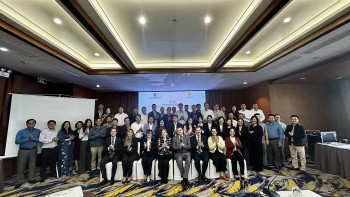
The workshop took place in the context of Vietnam’s continued efforts to deepen international integration and reaffirm its consistent commitment to respecting, protecting, and promoting human rights, particularly the full implementation of obligations under the United Nations Convention against Torture (UNCAT), to which Vietnam has been a State Party since 2015.
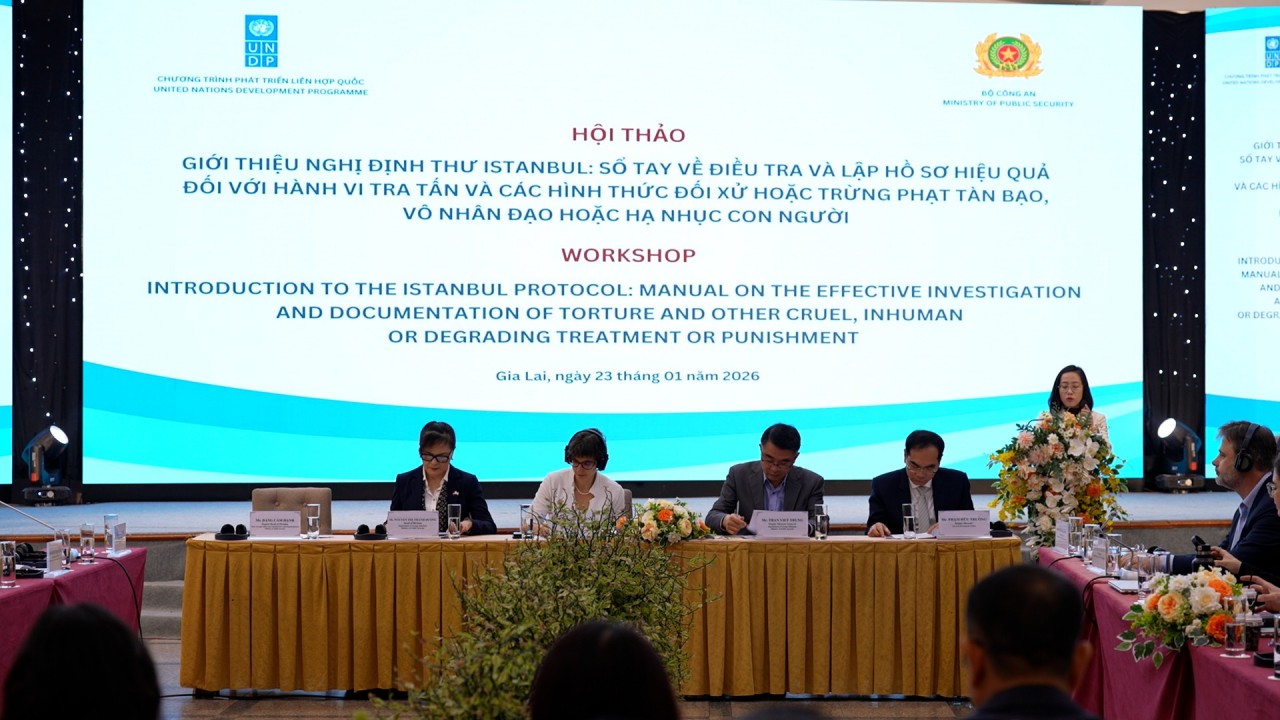 |
| The international workshop “Introducing the Istanbul Protocol: Manual on the Effective Investigation and Documentation of Torture and Other Cruel, Inhuman or Degrading Treatment or Punishment.” (Photo: KT) |
In his opening remarks, Colonel Tran Viet Trung, Deputy Director of the Department of Foreign Relations of the Ministry of Public Security, stated that Vietnam has been a party to the Convention against Torture since 2015 and, for more than a decade, has continuously made efforts to effectively implement measures ensuring the right not to be subjected to torture.
The workshop aimed to introduce the content of the Istanbul Protocol - a manual on the effective investigation and documentation of torture - with the support of international experts. It provided Vietnam with an opportunity to gain additional information and experience, clarify related issues and contents, and thereby better understand the Istanbul Protocol, enabling accurate comprehension of its spirit, objectives, and guiding requirements. On that basis, appropriate proposals could be made for application in line with Vietnam’s specific conditions and circumstances, achieving high effectiveness and making a practical contribution to the effective implementation of the Convention against Torture and the recommendations of the Committee against Torture.
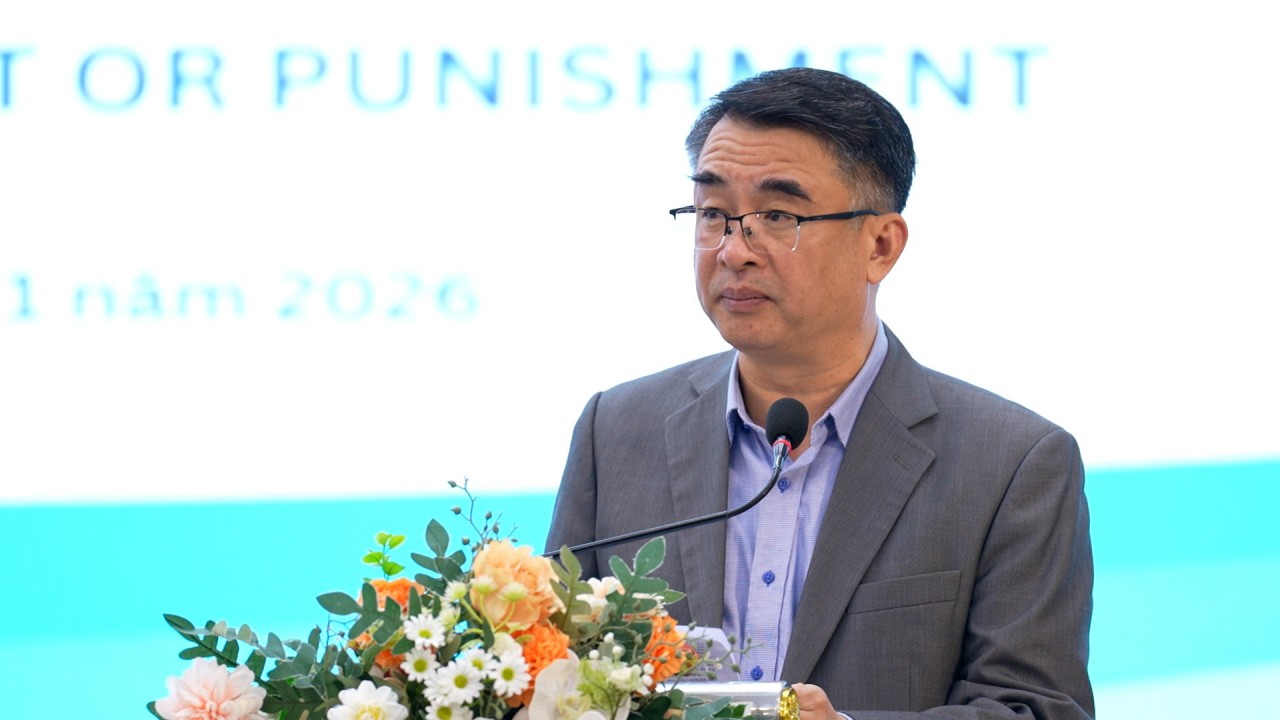 |
| Colonel Tran Viet Trung, Deputy Director of the Department of Foreign Relations, Ministry of Public Security, delivering the opening speech at the workshop. (Photo: KT) |
According to Federica Dispenza, Deputy Resident Representative of UNDP, access to the Istanbul Protocol not only contributes to improving the quality, transparency, and reliability of investigative activities, but also enhances the protection of detainees and persons held in custody, while establishing clear legal safeguards for law enforcement officers themselves. This is regarded as an important foundation for strengthening public trust in the judicial system and law enforcement agencies.
Federica Dispenza emphasized that the workshop forms part of broader efforts to ensure that Vietnam’s institutions are increasingly well equipped, both technically and strategically, to engage effectively in human rights diplomacy and implementation, in line with national priorities, implementation roadmaps, and Vietnam’s specific context.
The Istanbul Protocol serves a practical purpose by setting out professional standards for the effective investigation and documentation of torture and other forms of cruel treatment or punishment, integrating legal and medical expertise to ensure that collected evidence is reliable, consistent, and usable within lawful judicial proceedings.
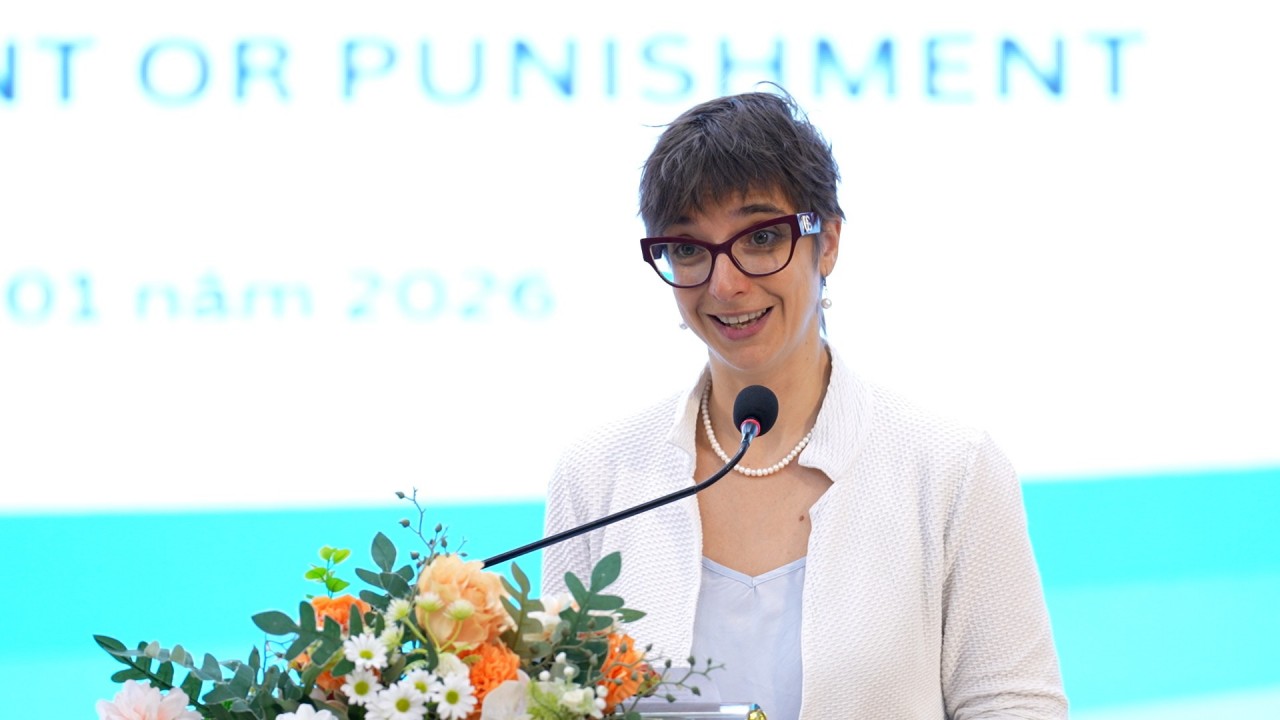 |
| Federica Dispenza noted that the workshop demonstrated a positive and constructive step in Vietnam’s process of engagement and integration with the international human rights system. (Photo: KT) |
According to the Istanbul Protocol, the prevention of and response to torture is not the responsibility of a single agency or actor alone. It requires a whole-of-system and whole-of-society approach, with the participation of investigators, detention management authorities, medical personnel, forensic services, prosecutors, defense lawyers, and the court system, each playing its role within a coordinated and unified framework.
Federica Dispenza emphasized: “It is precisely in this regard that the Istanbul Protocol aligns closely with Vietnam’s national priorities, including the objective of strengthening and safeguarding the rule of law.”
The discussion sessions at the workshop focused on clarifying the background of the Protocol’s development, its structure and core principles; the roles of different stakeholder groups in the prevention of and response to torture; as well as international and regional experiences in applying the Protocol’s standards.
The workshop served as an open forum for exchanges on opportunities, challenges, and appropriate approaches for Vietnam in the coming period. It helped relevant authorities, particularly law enforcement, judicial, and medical sectors—gain a clearer understanding of the spirit, objectives, and core requirements of the document, thereby facilitating consideration of how it may be applied in a manner consistent with Vietnam’s practical conditions and legal framework.
This also represents Vietnam’s effort to implement the Convention against Torture in line with United Nations standards and to narrow the gaps between the Convention and domestic law.
The Istanbul Protocol and the Méndez Principles on Effective Interviewing for Investigations and Information Gathering are two key instruments for better implementation of the Convention against Torture at the national level. Previously, UNDP supported the Ministry of Public Security in successfully organizing a workshop introducing the Méndez Principles in Quảng Ninh, which yielded practical results.
Federica Dispenza assessed that the series of workshops on the Istanbul Protocol and the Méndez Principles reflects Vietnam’s proactive and serious efforts to engage actively with the international human rights system, linking the implementation of international commitments with national priorities on building a rule-of-law state and ensuring human rights and citizens’ rights.
In his closing remarks, Dao Anh Toi, Deputy Director of the Department of Legal Affairs and Administrative and Judicial Reform of the Ministry of Public Security, affirmed that the professional opinions and international experiences gained would serve as important references for Vietnam to continue its research, identify a roadmap, and propose appropriate and effective application of the Istanbul Protocol. This would contribute to better fulfillment of obligations under the Convention against Torture and the recommendations of United Nations human rights mechanisms.
| The Istanbul Protocol, published by the United Nations in 1999, is an important international guidance document on the investigation, collection, and documentation of allegations of torture and other forms of cruel treatment. It sets out scientific, legal, and ethical standards, integrating legal and medical expertise to ensure that evidence is collected independently, objectively, reliably, and in a manner admissible in judicial proceedings. Although not legally binding, the Istanbul Protocol has been applied in more than 100 countries and is regarded as a practical tool that directly supports the implementation of Article 12 of the Convention against Torture, which requires States to conduct prompt, effective, and impartial investigations into all allegations of torture. |
 | Vietnam's Responsibility and Efforts in Implementing UN Convention Against Torture On November 28, in Ho Chi Minh City, the Ministry of Public Security coordinated with the United Nations Development Program (UNDP) in Vietnam to organize ... |
 | Promoting Implementation of Convention against Torture through Introduction of Méndez Principles in Investigation and Information Gathering On December 11 in Quang Ninh, the Ministry of Public Security, in coordination with the United Nations Development Programme (UNDP) in Viet Nam, organized a ... |

Most read

Related Stories
 National
New Advances in DNA Technology for Identifying Fallen Soldiers
 Friendship
Vietnam Rescue Team Reaches Site Where 15 Remain Trapped in Venezuela
 National
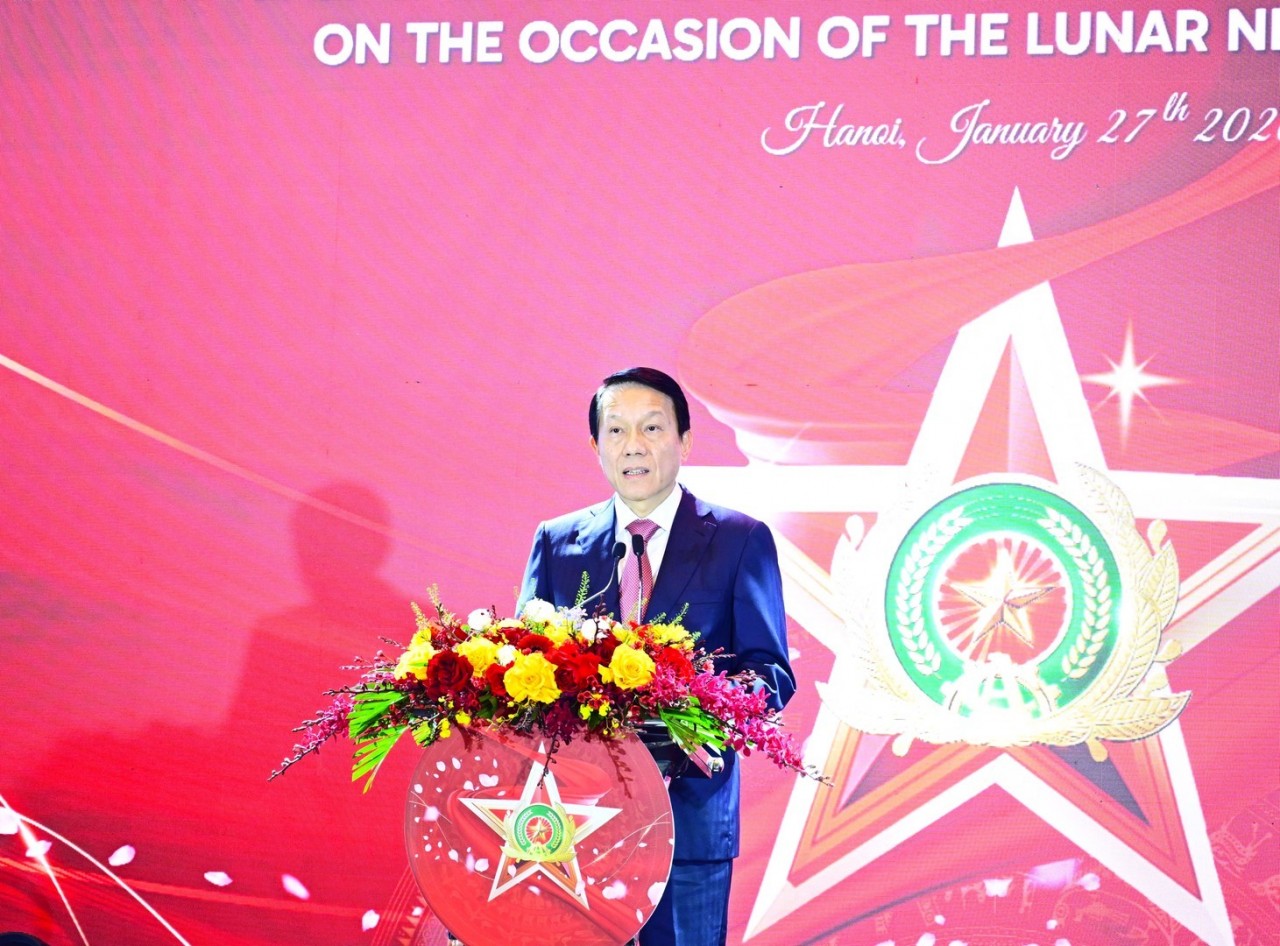
Vietnam’s Ministry of Public Security Commits to Standing with International Community for Peace, Stability, and Common Security
 Overseas Vietnamese
Promoting Connecting Role of Vietnam’s Overseas Representative Agencies
Recommended
 Viet's Home
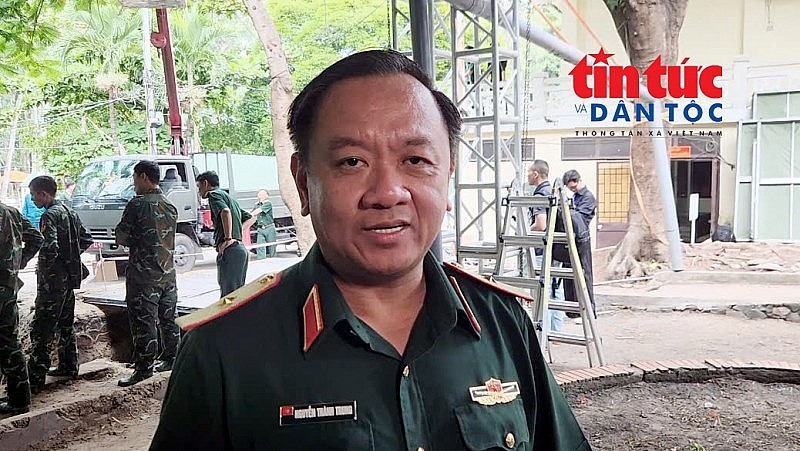
Over 50 Calls and Messages Help Search for Fallen Soldiers at Tan Son Nhat Airport
 Viet's Home
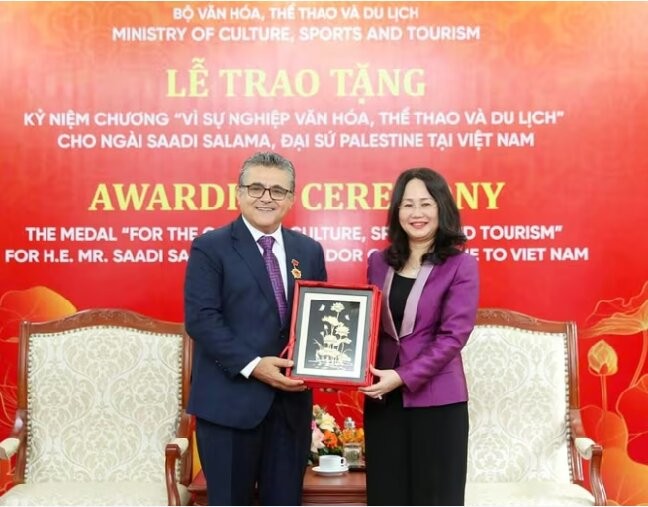
Palestinian Ambassador Saadi Salama Awarded "For the Cause of Culture, Sports and Tourism" Medal
 Viet's Home
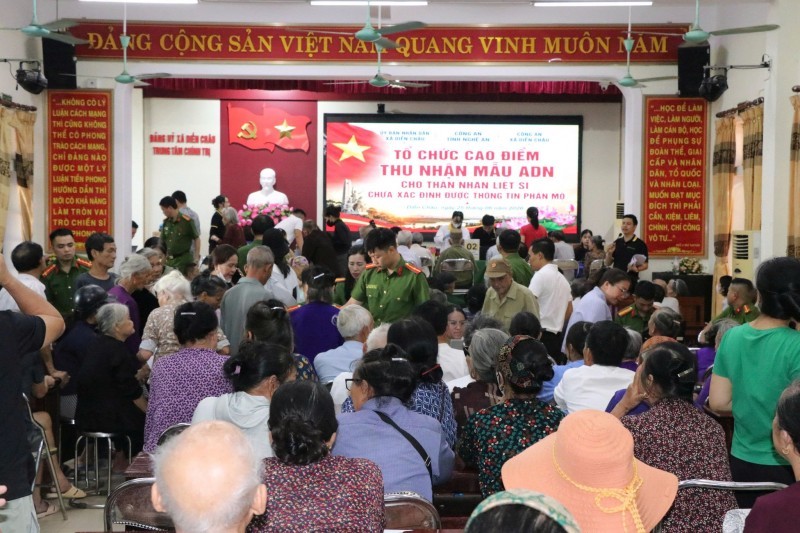
Nghe An's 500-Day and Night Campaign Collects 17,831 DNA Samples
 Viet's Home
GNI Supports Housing Improvements for Five Sponsored Children in Tuyen Quang
Popular article
 Viet's Home
More than 1,300 Fallen Soldiers' Remains Recovered After 111 Days of Campaign
 Viet's Home
Integrating Local Cultural Values Into Tourism Activities
 Viet's Home
Champasak Proposes Expanded Cooperation with Can Tho Across Multiple Sectors
 Viet's Home