40 Years of Doi Moi (Renewal): Journey from Poverty to Aspiration of National Strength
| Overseas Vietnamese and Their Confidence and Expectations for 14th National Party Congress | |
| International Friends Congratulate 14th Congress of Communist Party of Viet Nam |
The year 1986 marked a historic turning point. At that time, Vietnam was mired in a severe socio-economic crisis. The consequences of decades of war, combined with a centralized, bureaucratic, subsidy-based planned economy, had revealed profound limitations, plunging the country into stagnation. The lives of tens of millions of people were extremely difficult, marked by widespread deprivation. The international context was also fraught with complex turbulence, posing existential challenges to the revolutionary cause.
In that context, the Communist Party of Vietnam courageously chose to “look straight at the truth, correctly assess the truth, and clearly state the truth.” The 6th National Congress of the Party, convened in December 1986, launched a comprehensive Doi Moi line for national renewal. This was not merely a policy adjustment, but a revolution in thinking, a decision of historic magnitude, transforming the economy from a centralized model to the development of a multi-sector commodity economy operating under market mechanisms with State management, oriented toward socialism. Doi Moi unleashed productive forces, awakened the immense creative potential of the people, and opened a glorious new chapter in the nation’s history.
![]() |
| President Ho Chi Minh and Comrades Le Duan and Truong Chinh at the 3rd National Congress of the Party, held in Hanoi from September 5 to 10, 1960. (Archival photo) |
A dramatic transformation in people’s lives
The most striking and tangible achievement of nearly 40 years of Doi Moi is the dramatic improvement in people’s living standards. From one of the poorest countries in the world, Vietnam has written an inspiring success story of poverty reduction and improved quality of life.
According to the State Audit Office of Vietnam, the national poverty rate declined from 58% in 1993 to 1.9% in 2024 under the multidimensional poverty standard. Vietnam achieved many of the United Nations Millennium Development Goals ahead of schedule and has been recognized by the international community as a bright spot. Behind these figures are the lives of tens of millions of people who have escaped hunger and deprivation, rising to build more prosperous and secure lives.
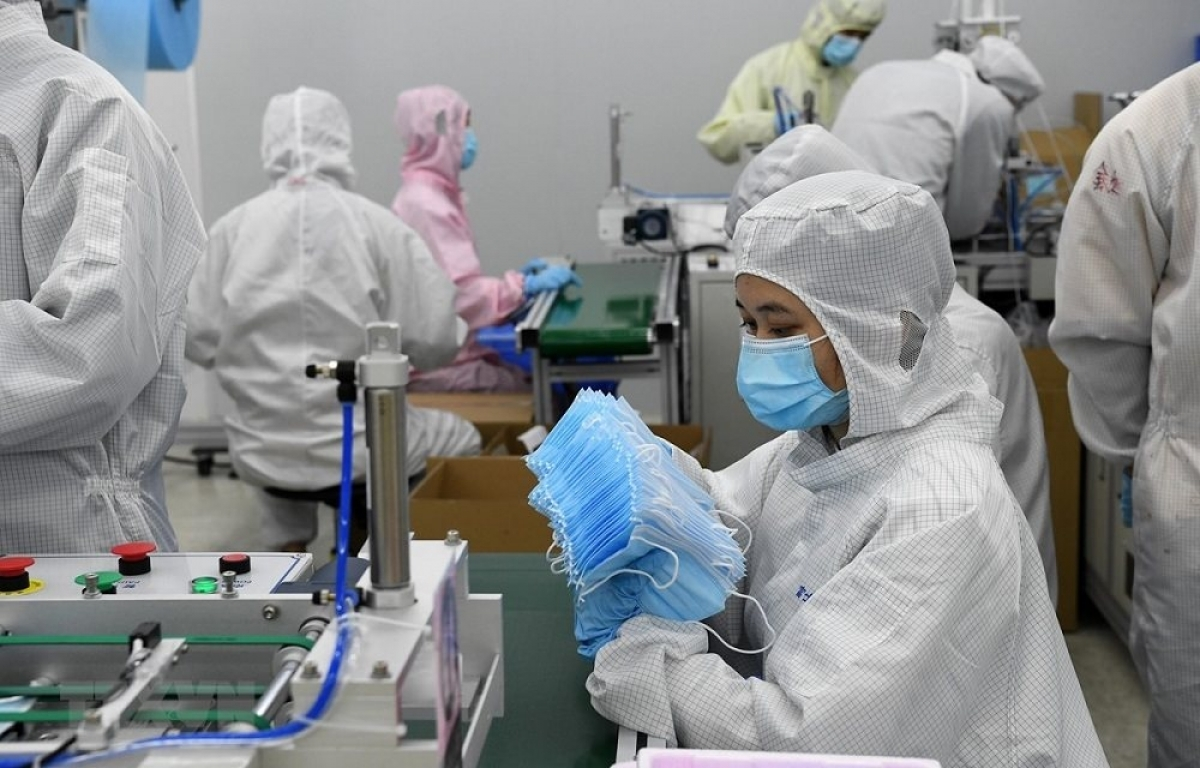
If in 1989 Vietnam’s GDP stood at only USD 6.3 billion, by 2025 the country’s economic scale has officially surpassed the USD 500 billion mark (VND 12,847.6 trillion). GDP per capita increased from around USD 100 in 1986 to nearly USD 5,000 in 2025, placing Vietnam among the group of upper-middle-income countries. According to a report by the Ministry of Finance, Vietnam’s socio-economic situation in 2025 is estimated to have achieved the overall objectives and many important results, fulfilling and exceeding all 15 of the 15 key targets. Notably, GDP growth in each subsequent quarter was higher than in the previous one, with full-year growth in 2025 estimated at 8.02%.
![]() |
| Illustrative photo |
Prosperity is not limited to economic indicators. One of the major theoretical achievements of the Communist Party of Vietnam during the renewal process, as analyzed by Professor Dr. Ta Ngoc Tan, Standing Vice Chairman of the Central Theoretical Council, is the establishment of the goals and humanistic value system of socialism, in which “development is truly for human beings.” This is clearly reflected in strong investment in social welfare. Vietnam’s Human Development Index (HDI) has steadily improved, from 0.499 in 1990 to 0.766 in 2025, placing the country among those with high human development. Average life expectancy has risen to 74.5 years. The healthcare and education systems have made significant strides. To date, more than 94% of the population is covered by health insurance. Vietnam is also among the few countries that have mastered advanced medical techniques such as multi-organ transplantation and minimally invasive surgery.
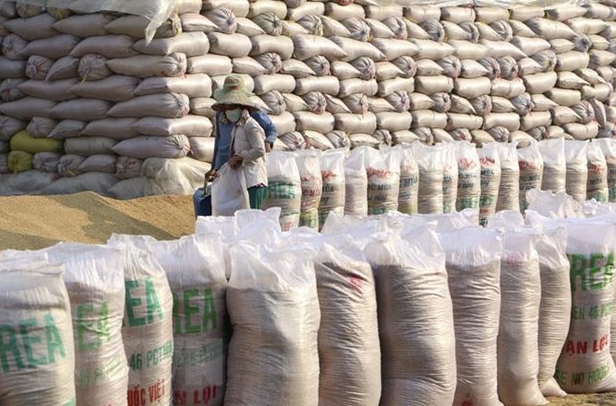
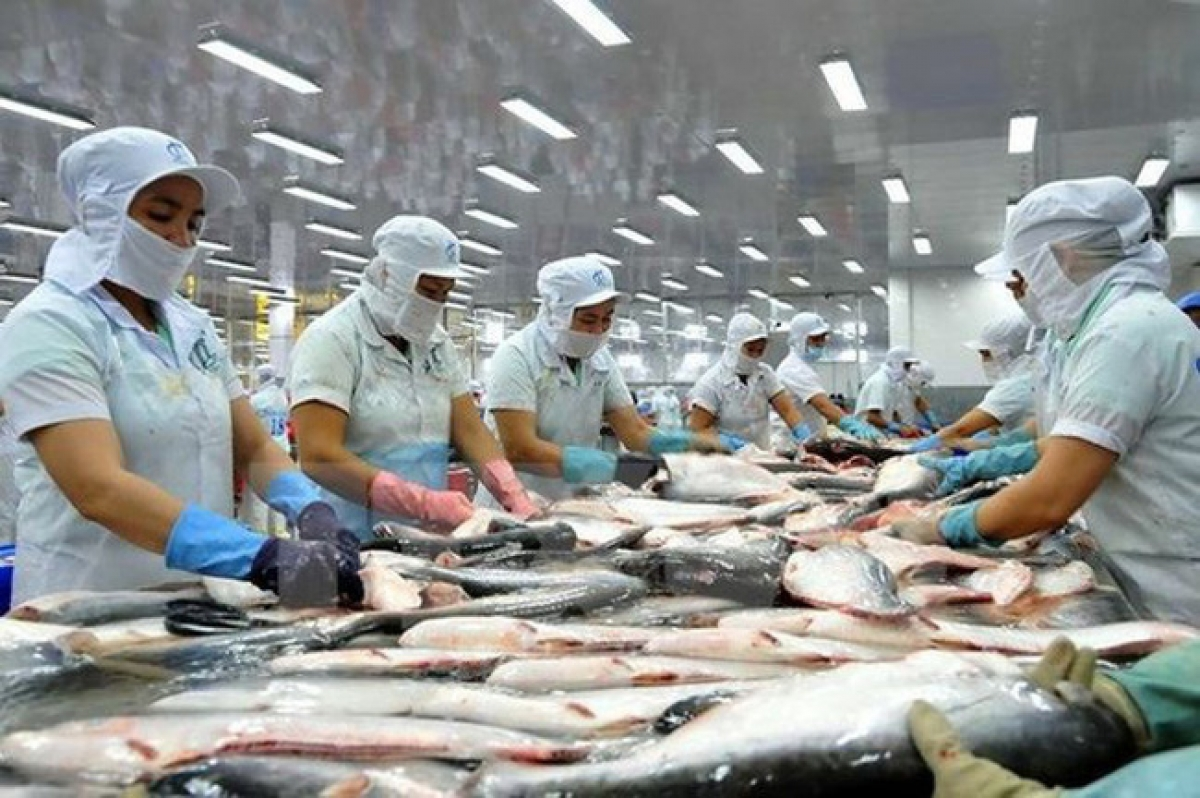
The country’s landscape has been completely transformed. From urban centers to rural areas, expressways, modern bridges, bustling industrial zones, and smart cities have emerged, becoming symbols of new vitality. From a nation once reliant on food imports, Vietnam has become a major agricultural exporter, not only ensuring domestic food security but also contributing to global food security. Golden rice fields, lush fruit orchards, and high-tech shrimp farms testify to the diligence and creativity of Vietnamese farmers once productive forces were unleashed. As Claudio De Negri, former Ambassador of Chile to Vietnam, emphasized, Vietnam’s transformation stems from placing the people at the center, where every citizen takes pride in being a stakeholder and participating in every step of the country’s progress.
Affirming position and enhancing standing on the international stage
Alongside its domestic socio-economic achievements, nearly 40 years of Doi Moi has also marked a period of deep and successful international integration, transforming Vietnam from a country that was once isolated, encircled, and under embargo into a trusted partner and an active, responsible member of the international community.
A turning point in foreign policy thinking was marked by the orientation of “multilateralization and diversification” of international relations, guided by the spirit that “Vietnam wants to be a friend to all countries.” This process has delivered outstanding results. To date, Vietnam has established diplomatic relations with 194 countries and built a network of Comprehensive Strategic Partnerships, Strategic Partnerships, and Comprehensive Partnerships with 30 countries, including all major powers and the world’s most important centers of influence. This has created an unprecedentedly peaceful, stable, and favorable external environment for focusing on national development.
![]() |
| Vietnam pursues a foreign policy of “multilateralization and diversification” of international relations, guided by the spirit of being “a friend to all countries.” |
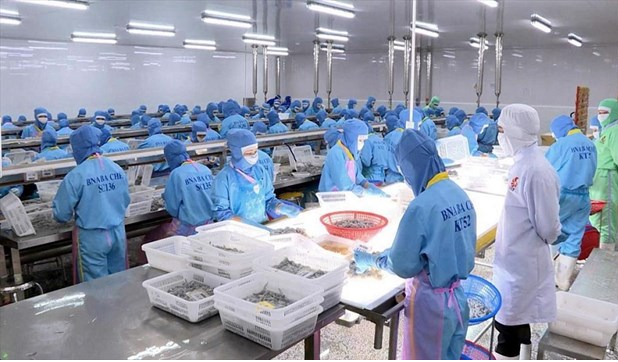
International economic integration stands out as a major highlight. Vietnam’s accession to the World Trade Organization (WTO) in 2007 opened the door to a vast global playing field. Subsequently, the country has actively participated in and signed 17 free trade agreements (FTAs), including new-generation, high-standard agreements such as the Comprehensive and Progressive Agreement for Trans-Pacific Partnership (CPTPP) and the Vietnam-EU Free Trade Agreement (EVFTA). As a result, markets for Vietnamese goods have continued to expand, import-export turnover has grown strongly, and Vietnam has risen into the group of the world’s top 20 economies in terms of trade.
![]() |
| The Vietnam Red Cross Society Central Committee recently coordinated with relevant agencies to organize a fundraising campaign in support of the Cuban people under the theme “65 Years of Vietnam-Cuba Solidarity.” (Photo: thuonghieucongluan.com) |
Beyond economic integration, Vietnam has also acted proactively and responsibly in addressing common regional and global issues. The country has successfully undertaken many important international responsibilities, such as serving as a non-permanent member of the United Nations Security Council, holding the rotating Chairmanship of ASEAN, and actively participating in United Nations peacekeeping operations... These contributions have been recognized and highly appreciated by the international community, significantly enhancing Vietnam’s position and prestige on the global stage. According to Dr. Carolus Wimmer, President of the Venezuela-Vietnam Friendship House, with the achievements it has attained, Vietnam has become an important link in the regional and global economy.
| 95 Years of Communist Party of Vietnam: Guiding Flag through Every Stage of Nation’s Journey Over 95 years of building and growth, the Communist Party of Vietnam has led the nation through every challenge, achieving significant accomplishments and laying a ... |
| Enhancing National Standing: Strength Drawn from Independent, Self-reliant, and Distinctive Foreign Policy From a country once subject to blockade and embargo, Vietnam has risen strongly to become a trusted partner and a responsible member of the international ... |
Overseas Vietnamese
Mobilizing Overseas Vietnamese Talent for Vietnam’s Future
Friendship
Researcher Kyril Whittaker: Vietnam Chooses People-Centered Development Approach
Recommended
National
40 Years of Doi Moi (Renewal): Journey from Poverty to Aspiration of National Strength
National
Vietnam News Today (Jan. 15): Vietnam, Laos Foster Strategic Connectivity in New Context
National
Enhancing National Standing: Strength Drawn from Independent, Self-reliant, and Distinctive Foreign Policy
National
95 Years of Communist Party of Vietnam: Guiding Flag through Every Stage of Nation’s Journey
National