| Vietnam News Today (Mar. 18) notable headlines PM calls for stronger Vietnam–US cooperation in education, human resource development PM urges Qatar to step up energy cooperation with Vietnam Vietnam, China agree to strengthen cooperation, better manage differences RoK eases visa requirements for Vietnamese tourists Vietnam named among world’s 28 most beautiful countries by Condé Nast Traveler Vietnam, Switzerland push to advance Vietnam – EFTA FTA talks Vietnam, US promote technology, innovation cooperation Hung Kings Temple Festival to feature Muong culture for first time NA Chairman calls for stronger coordination with Vietnam Fatherland Front in law-making |
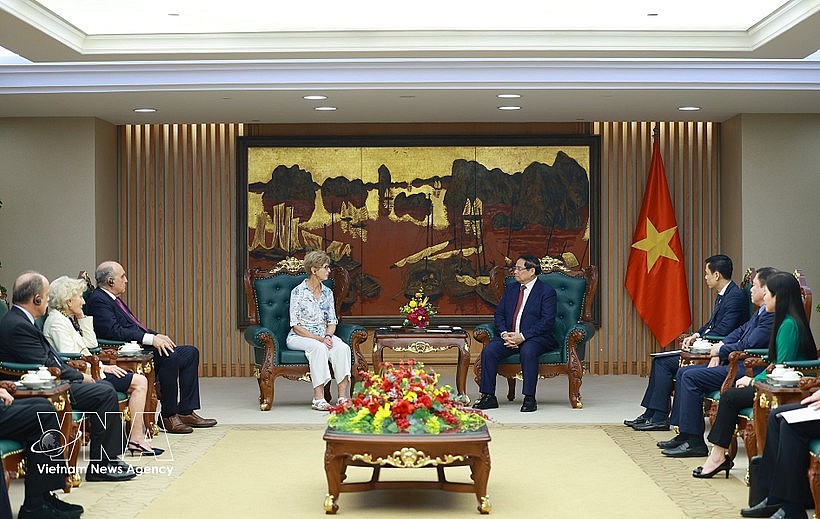 |
| An overview of the meeting between Prime Minister Pham Minh Chinh (right) and visiting delegation from the Eisenhower Fellowships (Photo: VNA) |
PM calls for stronger Vietnam–US cooperation in education, human resource development
Prime Minister Pham Minh Chinh on March 17 received a visiting delegation from the Eisenhower Fellowships, during which he called for closer and more effective cooperation between Vietnam and the US in education and training through new and breakthrough approaches, contributing to the development of high-quality human resources in various sectors, particularly emerging fields.
The PM spoke highly of the contributions by the Eisenhower Fellowships to Vietnam over the years, as well as the support provided by the US in education and training through prestigious scholarship programs such as the Eisenhower Fellowships.
He suggested the organization voice its further support for relations with Vietnam for the benefit of the two peoples and for peace, stability and development in the region and the world. He also proposed that the US side soon remove Vietnam from the strategic export control list (D1–D3) and recognize its market economy status.
The PM also called on the Eisenhower Fellowships to provide policy advice and support Vietnam in ensuring equal access to education for residents in remote and disadvantaged areas, including the construction of schools for victims of Agent Orange and communities heavily affected by war.
In addition, he suggested expanding cooperation between the Eisenhower Fellowships and Vietnam, increasing the number of scholarships for Vietnamese candidates and promoting exchanges among educational institutions, universities, research institutes and expert networks. He also encouraged the organization of training programs and academic exchanges in Vietnam.
Vietnam is ready to coordinate with the Eisenhower Fellowships and relevant partners to strengthen such activities, he noted, expressing his belief that with its extensive network and international reputation, the organization will continue contributing to the Vietnam–US relations, cited VNA.
The government leader emphasized that Vietnam hopes to further develop its Comprehensive Strategic Partnership with the US in a more substantive and in-depth manner, based on respect for each other’s independence, sovereignty, territorial integrity and political institutions.
He emphasized that Vietnam–US relations have continued to grow strongly and comprehensively in recent years, with cooperation in science, technology, education and training serving as crucial pillars.
PM Chinh also reaffirmed that Vietnam considers people as the center, the driving force and the key resource for development, while education-training, together with science and technology, is regarded as top national policies. Developing high-quality human resources is therefore a crucial foundation and driver for the country’s development breakthroughs, he added.
Christine Todd Whitman, who led the delegation, spoke highly of Vietnam’s development achievements, as well as its increasingly important role and influence in the region.
She said that through the Eisenhower Fellowships, many Vietnamese participants have had opportunities to engage in professional exchanges, expand partnerships and strengthen networks, thereby enhancing mutual understanding and trust between leaders, scholars and experts of the two countries.
Members of the delegation said that during their three-day visit they had productive working sessions and successfully organised the Asia Rising conference in Ho Chi Minh City, which facilitated discussions on development trends in Vietnam and Southeast Asia, as well as new cooperation opportunities. They affirmed that they will continue promoting cooperation with Vietnam, particularly in the areas highlighted by the PM.
PM urges Qatar to step up energy cooperation with Vietnam
Prime Minister Pham Minh Chinh has called on Qatar to strengthen energy cooperation with Vietnam, particularly in liquefied natural gas (LNG) supply, during a reception for Qatari Ambassador Khalid Ali Abdullah Abel in Hanoi on March 17.
Expressing concern over escalating tensions in the Middle East, the PM highlighted the human toll, damage to civilian infrastructure and broader impacts on global economic and energy markets. Drawing on Vietnam’s own history, he underscored the importance of peaceful conflict resolution through dialogue and negotiation in line with international law and the United Nations Charter.
Vietnam, he said, stands ready to work with Qatar and contribute to broader efforts to promote peace and stability, stressing the principles of solidarity to build strength, cooperation to mobilise resources and dialogue to foster trust.
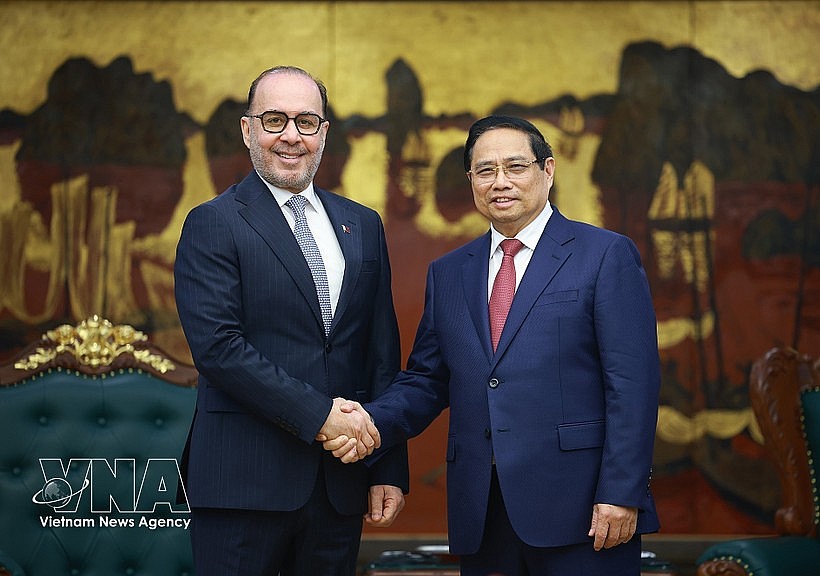 |
| Prime Minister Pham Minh Chinh receives Qatari Ambassador Khalid Ali Abdullah Abel on March 17. (Photo: VNA) |
On bilateral ties, the Prime Minister urged close coordination to implement outcomes of his March 9 phone talks with Qatari Prime Minister and Foreign Minister Sheikh Mohammed bin Abdulrahman bin Jasim Al-Thani. Key priorities include ensuring LNG supply to Vietnam when conditions allow, facilitating access to Qatar’s overseas oil and gas reserves, and exploring the development of regional energy storage facilities in Vietnam, according to VNA.
He also called for expanded cooperation across politics, trade, education, culture, labor and tourism, with a focus on accelerating negotiations for a free trade agreement between Vietnam and the Gulf Cooperation Council (GCC), enhancing market access, and encouraging Qatari investment in Vietnam, particularly in the international financial center in Ho Chi Minh City and Da Nang.
Vietnam is also seeking Qatar’s support in developing its Halal industry, including mutual recognition of Halal certification.
Ambassador Khalid Ali Abdullah Abel welcomed Vietnam’s constructive stance and reaffirmed his commitment to advancing bilateral cooperation. He noted that both sides should look to deepen collaboration with a fresh approach once regional tensions ease, including putting forth future development plans.
Vietnam, China agree to strengthen cooperation, better manage differences
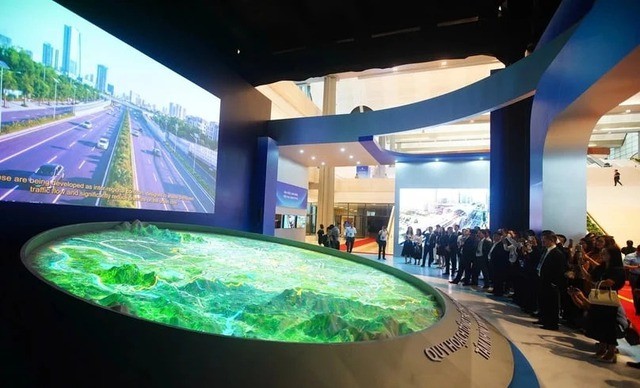
Deputy Prime Minister Bui Thanh Son and Wang Yi, member of the Political Bureau of the Communist Party of China (CPC) Central Committee, and Foreign Minister of China, co-chaired the 17th meeting of the Vietnam-China Steering Committee for Bilateral Cooperation in Hanoi on March 17.
The meeting was attended by representatives of ministries, agencies, border localities and several provinces and cities of both countries.
In a candid, friendly, open and substantive atmosphere, both sides expressed satisfaction with the positive development of relations between the two Parties and the two countries since the 16th meeting in December 2024. They exchanged views in depth and agreed on a number of measures to effectively realize common perceptions reached by senior leaders, with a view to bringing bilateral ties into a new phase of more effective and substantive development.
The two sides congratulated each other on their respective development achievements and reaffirmed the importance and priority of bilateral relations in each country’s foreign policy. They noted that ties have recorded positive results, including close high-level exchanges and strategic exchanges, more developed cooperation mechanisms, and stronger cooperation across Party, legislative and consultative channels, as well as between ministries and sectors.
Economic, trade, investment and tourism cooperation has grown strongly, with China remaining Vietnam’s largest trading partner, while Vietnam is China’s fourth-largest trading partner, with a wide range of high-value agricultural products.
Strategic connectivity, particularly in railways, has made progress, while local-level cooperation and people-to-people exchanges have continued, alongside closer coordination at multilateral forums.
The two sides also candidly noted shortcomings in cooperation that require further joint efforts to match the potential and strengths of both sides.
On priorities for the time ahead, they consented to continue strengthening strategic trust, increasing exchanges at all levels, boosting the coordinating role of the steering committee, making cooperation more effective in practice, expanding locality-to-locality cooperation and people-to-people exchanges, and boost coordination at multilateral forums.
Deputy Prime Minister Bui Thanh Son proposed that both sides accelerate the establishment of intergovernmental working groups in key areas and give high priority to railway cooperation, including early completion of three standard-gauge railway projects connecting the two countries, alongside concessional loans for Vietnam, technology transfer and human resource training in the railway sector.
He also suggested allowing Vietnam to open additional trade promotion offices in China, further market access for Vietnamese agricultural and aquatic products such as wild-caught seafood and pomelos, early resumption of imports of Vietnamese spiny lobster, and stronger cooperation on standards.
The Deputy PM expressed hope that both sides would increase high-quality and high-tech investment from China into Vietnam, speed up the handling of obstacles in certain aid projects, and bolster cooperation in energy infrastructure and border gates, including increasing electricity imports from China, while ensuring fuel supply, expanding smart border gate models and developing cross-border economic cooperation zones.
He also called for stronger cooperation in agriculture, environment protection, finance and banking, science and technology, healthcare and people-to-people exchanges, including early agreement on and implementation of activities for the Vietnam-China Tourism Cooperation Year 2026-2027 and increased scholarships for Vietnamese students in China, reported VOV.
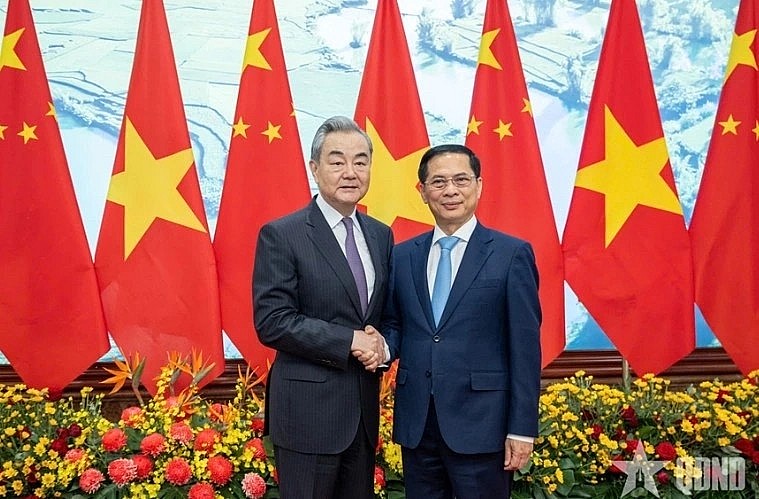 |
| Deputy Prime Minister Bui Thanh Son and Chinese Foreign Minister Wang Yi (Photo: qdnd.vn) |
Agreeing with these proposals, Wang Yi said China attaches importance to mutually beneficial cooperation with Vietnam, is ready to share development opportunities, and supports Vietnam in building an independent and self-reliant economy.
He said China is willing to expand imports of high-quality goods, especially agricultural products, and work towards more balanced trade.
Wang Yi also said China would push forward the three railway projects and expand cooperation in financing, technology and training, while encouraging Chinese enterprises to increase investment in Vietnam.
He proposed stronger cooperation in emerging areas such as high technology, innovation and clean energy, and expressed hope for expanded people-to-people exchanges and cooperation in culture, healthcare and education. He added that China would provide more scholarships for Vietnamese students in diverse forms.
The two sides held frank discussions on maritime issues and concurred to continue seriously implementing high-level common perceptions, better managing and resolving differences, and maintaining peace and stability in the East Sea.
Deputy PM Bui Thanh Son called on both sides to respect each other’s legitimate rights and interests in accordance with international law, particularly the 1982 United Nations Convention on the Law of the Sea (UNCLOS), continue to enhance the role of maritime negotiation mechanisms, and step up efforts to achieve an effective and substantive Code of Conduct in the East Sea (COC).
RoK eases visa requirements for Vietnamese tourists
The Republic of Korea will introduce new measures to ease visa requirements for travelers from 11 countries, including Vietnam, as part of efforts to attract more international visitors.
The RoK government has unveiled a strategy titled “A major transformation in national tourism and a leap forward for regional tourism,” which includes relaxed visa rules for China and 10 Southeast Asian countries, along with expanded international air routes at domestic airports. The plan aims to attract 30 million foreign visitors, compared with 19 million recorded last year, according to the Chosun Daily.
Under the new policy, travellers from the 11 countries who have previously visited the Republic of Korea will be eligible for five-year multiple-entry visas.
In addition, residents of 14 Chinese cities, including Beijing and Shanghai, and three Vietnamese cities, including Hanoi, will see the validity of multiple-entry visas extended from five to up to 10 years. Details on the full list of cities and implementation timeline have not been announced, cited VOV.
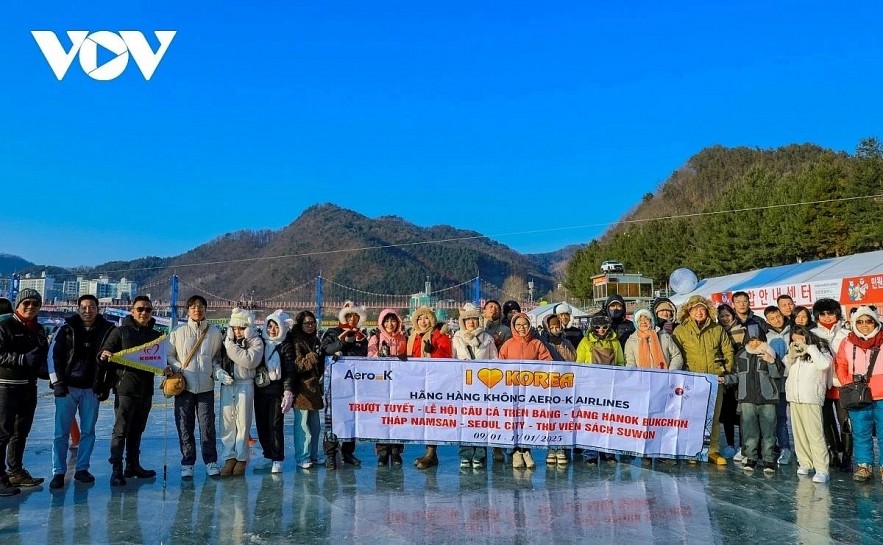 |
| The Republic of Korea is seen as a popular destination for Vietnamese travelers. |
For Indonesia, a pilot visa waiver program will apply to groups of three or more travellers. The decision is based on relatively low visitor numbers from Indonesia compared with its population, despite strong growth in outbound tourism.
To tackle the imbalance, with 81.7% of international visitors staying in Seoul, the government also plans to support regional tourism.
International flights to regional airports will be expanded, while domestic connections will increased to facilitate travel from Incheon International Airport to other destinations across the country.
Vietnam named among world’s 28 most beautiful countries by Condé Nast Traveler
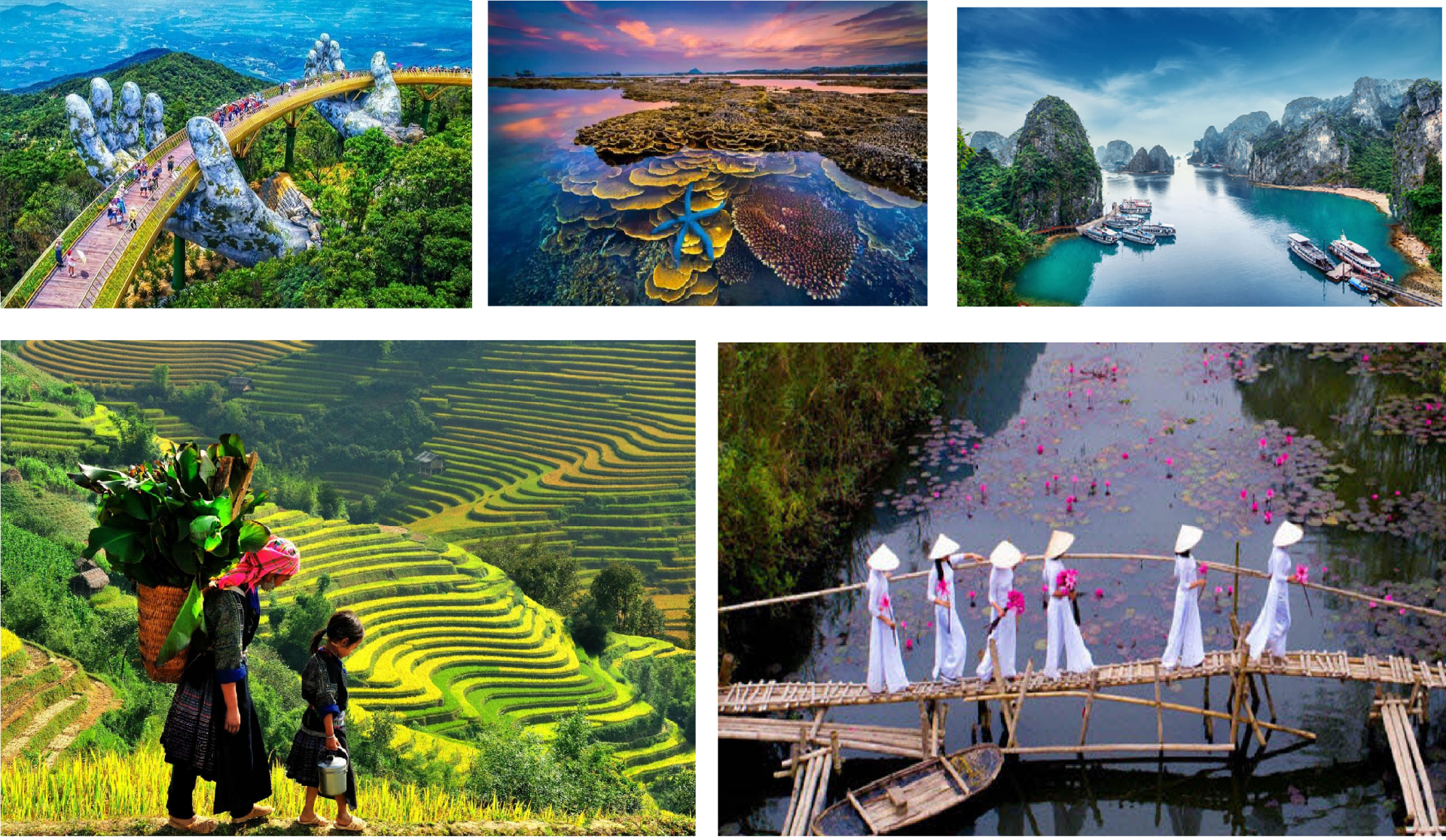
Vietnam has been ranked 17th among the world’s 28 most beautiful countries by the prestigious U.S. travel magazine Condé Nast Traveler (CN Traveler), asserting its position in the international tourism.
In its article, CN Traveler wrote that cities like Ha Noi and Ho Chi Minh City draw tons of tourists every year, but Vietnam is also a haven for outdoor enthusiasts (or anyone who simply enjoys a pretty landscape).
Ha Long Bay, located in northeast Vietnam, is beloved for its blue waters and spread of limestone islands—all occupied by tropical trees and wildlife. In the northeast, Ha Giang has breathtaking mountain scenery criss-crossed with steep rice terraces and hiking trails, the magazine highlighted.
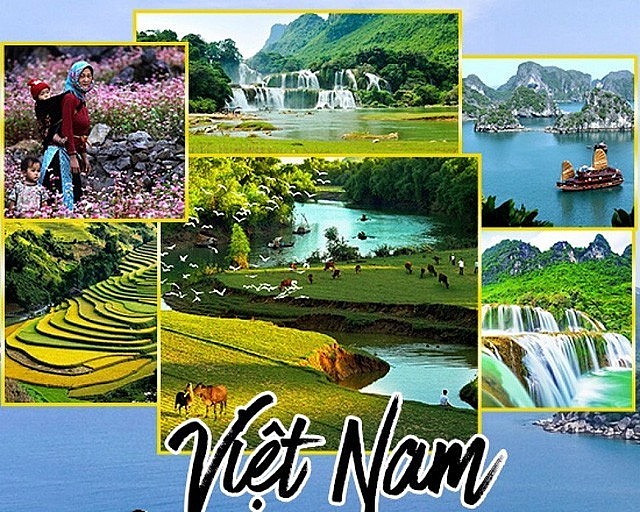 |
| Photo: VGP |
"On the southern coast, Ninh Van Bay has great snorkeling and diving. And you can always hop on a quick flight and spend a few days on Phu Quoc, a jungle-draped island off Vietnam's southwestern coast", it suggested.
Vietnam's rise on the global tourism map is not only thanks to its natural beauty, but also reflects the effectiveness of its sustainable development policies and its ability to attract international investment.
The Southeast Asian nation received nearly 4.7 million international visitors in the first two months of 2026, up 18.1 percent year on year, according to the National Statistics Office (NSO) under the Ministry of Finance.
The tourism sector aims to welcome 25 million international visitors and 150 million domestic travelers in 2026 and generate total revenue of VND1.125 quadrillion (US$42.9 billion).
 | Vietnam News Today (Mar. 14): NA Chairman Calls on Voters to Wisely Choose Deputies Representing People's Will, Aspirations Vietnam News Today (Mar. 14): NA Chairman calls on voters to wisely choose deputies representing people's will, aspirations; PM Pham Minh Chinh receives Thai Ambassador ... |
 | Vietnam News Today (Mar. 15): Vietnam Ensures Highest Level of Democracy in Elections Vietnam News Today (Mar. 13): Vietnam ensures highest level of democracy in elections; Hanoi’s 100-year master plan must put people at centre: PM; Vietnam steps ... |