
DNA Technology Brings Hope to Thousands of Martyrs’ Families
 | Australian Veteran’s Son Returns Diary of Vietnamese Martyr |
| 500-Day Campaign: 28 Martyrs’ Remains Repatriated from Two Lao Provinces |
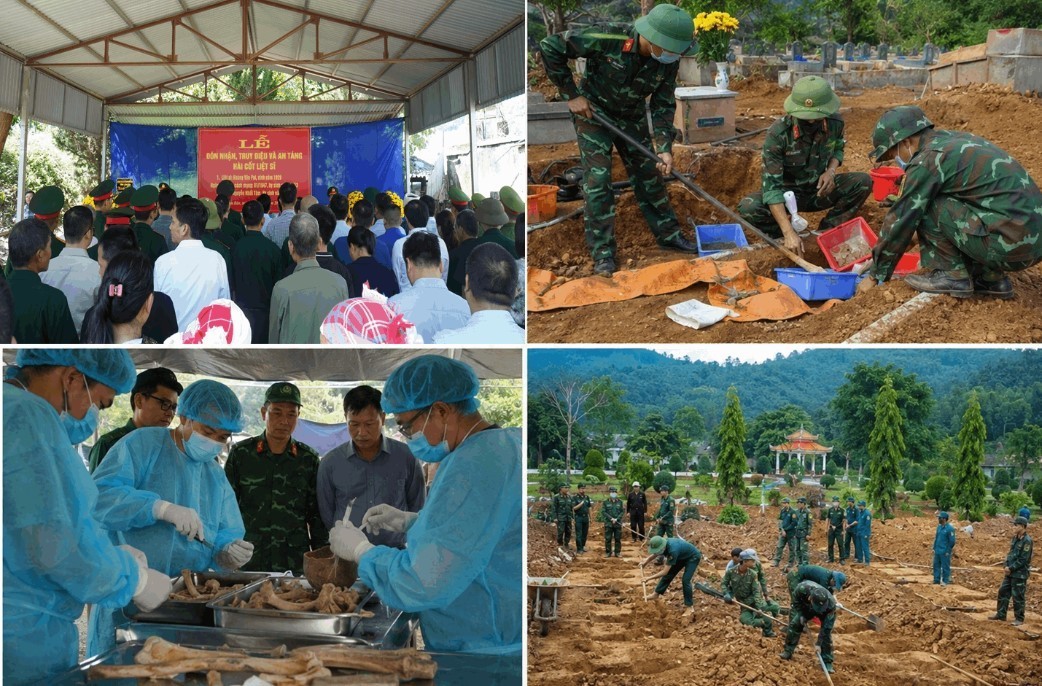 |
| The inter-agency task force established by the Steering Committee for the Search, Collection, and Identification of the Remains of Martyrs in Lao Cai Province is responsible for directing, inspecting, and coordinating the DNA sampling and testing activities for the graves of martyrs whose information has not yet been identified (Photo: Lao Cai Provincial Information Portal). |
According to relevant authorities, approximately 175,000 sets of martyrs’ remains across the country have yet to be found, while more than 300,000 martyrs’ graves remain unidentified. Much of the information regarding the burial sites of fallen soldiers is no longer complete due to the passage of time, changes on the battlefield, and the process of relocation and consolidation conducted over multiple periods.
On May 6, the Government issued Resolution No. 26/2026/NQ-CP on special mechanisms and policies aimed at removing difficulties in the collection of samples, forensic examination, and identification of martyrs’ remains lacking information through DNA analysis. The Resolution specifically stipulates spending levels, implementation procedures, and coordination mechanisms among ministries and sectors in order to address obstacles in the DNA identification of martyrs’ remains.
According to the new regulations, the support level for DNA testing of remains of fallen soldiers can reach up to VND 14,102,000/sample; the support level for samples from relatives of fallen soldiers is VND 3,480,331/sample. The government also allows for the processing of samples that have been received but not yet tested or for which payment has not been made in the past.
According to Nhan Dan Newspaper, during the period 2021-2025, the whole country received nearly 13,500 samples of remains and relatives of martyrs; the identities of more than 100 martyrs were determined using DNA testing and more than 2,500 martyrs using empirical methods. Nearly 60,000 biological samples from relatives of martyrs were also collected to serve in building a gene bank and matching DNA data.
Along with improving the mechanisms, many localities are stepping up the collection of remains of fallen soldiers and gathering biological samples from relatives for DNA testing.
According to the Lao Cai Provincial Electronic Information Portal, the locality has established an inter-agency task force and teams to collect samples of martyrs' remains for DNA testing. The sampling of 1,241 unidentified graves at 16 martyrs' cemeteries will be completed before July 27, 2027.
Meanwhile, the Thanh Hoa police force is carrying out numerous campaigns to collect DNA samples from relatives of fallen soldiers whose identities have not been determined. Mobile task forces are organized to go to the homes of mothers of fallen soldiers, elderly relatives, or those with mobility difficulties to collect samples.
In Cao Bang, the local authorities are also collecting DNA samples from relatives of unidentified martyrs to help build a gene bank and connect data for identifying the remains of martyrs.
According to the plan of the National Steering Committee 515, in 2026 the focus will be on resolving the verification of approximately 10,000 out of a total of 17,000 remaining samples of martyrs' remains and biological samples from relatives at DNA testing facilities.
For DNA testing to be effective, training a team of laboratory technicians plays a crucial role.
On May 25th, the Military Medical Department (General Department of Logistics and Technology) officially launched a training course to enhance the professional capacity of DNA testing technicians for identifying the remains of fallen soldiers at the Military Forensic Institute, with the participation of many military medical units throughout the army.
Trainees receive training in various areas such as sample grinding, DNA extraction, cross-contamination control, laboratory equipment operation, and biosafety in the laboratory. These are crucial steps that determine the accuracy of DNA identification results for the remains of fallen soldiers.
Many remains of fallen soldiers have been buried for decades, and their DNA has deteriorated significantly because of time and environmental conditions. The sample processing procedure must be carried out rigorously to minimize the risk of cross-contamination or data inaccuracies.
In the effort to search for and identify the remains of fallen soldiers, DNA technology is bringing new hope to thousands of families. The establishment of a gene bank for relatives of fallen soldiers, the connection of DNA data, and the digitization of information are gradually expanding the ability to match and identify the remains of those buried in unknown graves.
 | Naval Region 5 Offers Free Medical Care to Policy Beneficiary Families The Naval Region 5 Command, in coordination with the Ministry of Health, organized free medical examinations and medicine distribution for policy beneficiary families under the ... |
 | Top Leader Meets Families of Vietnam-China Friendship Contributors in Beijing General Secretary of the Communist Party of Vietnam Central Committee and State President To Lam affirmed that Vietnam always treasures and remembers the great and ... |
Related Stories
 National
More Than 50 Records Provide New Leads for Identifying Fallen Soldiers
 Viet's Home
Nghe An's 500-Day and Night Campaign Collects 17,831 DNA Samples
Recommended
 Viet's Home
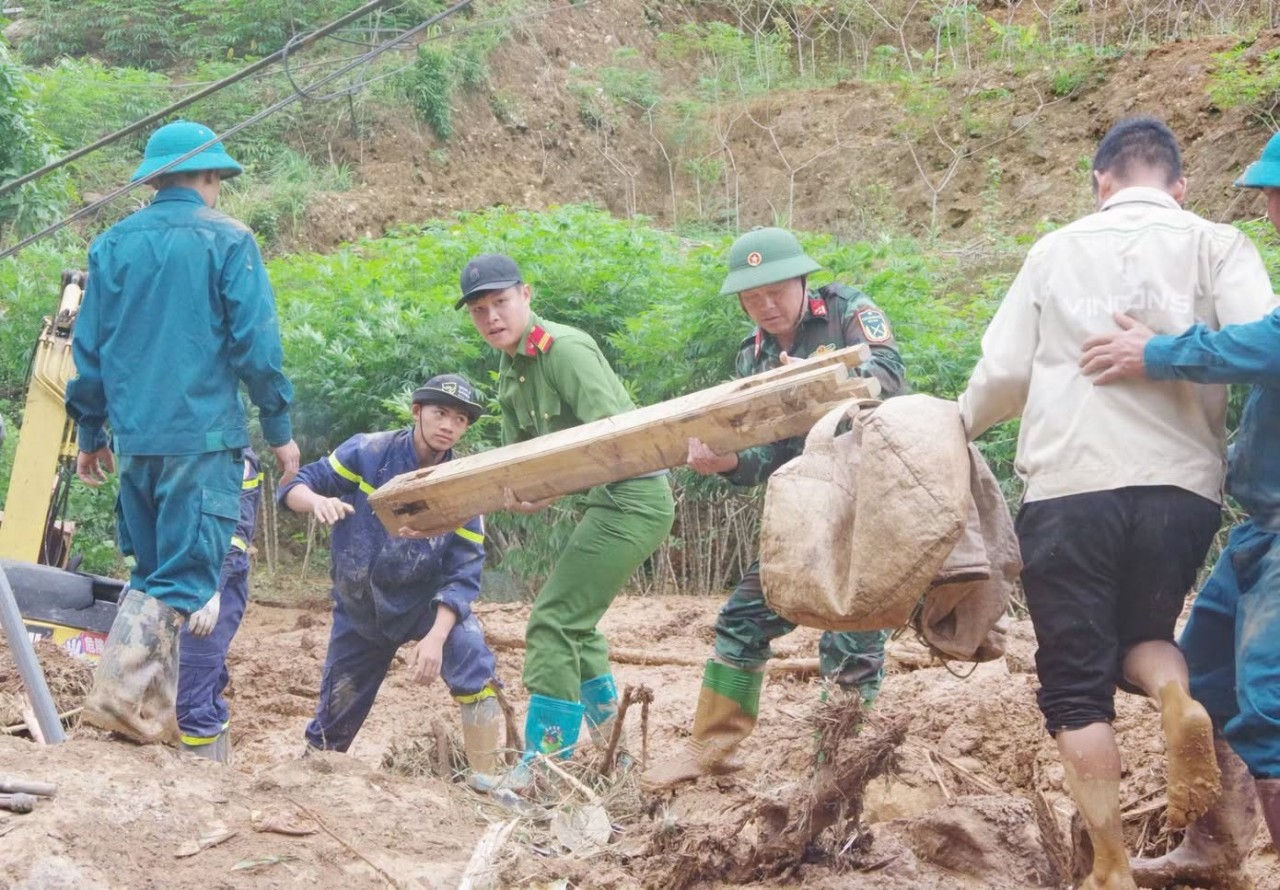
Vietnam Allocates VND 50 Billion to Lai Chau for Post-Flood Recovery
 Viet's Home
Da Nang Contributes VND 1 Billion to Quang Tri's Gratitude Fund
 Viet's Home
Vietnamese Intellect Showcased at International Economics Olympiad 2026
 Viet's Home
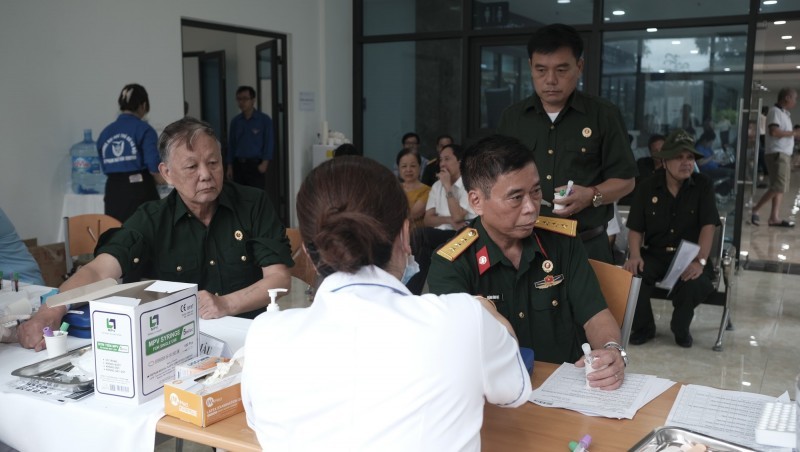
Hanoi Steps Up Care for People with Meritorious Service
 Viet's Home
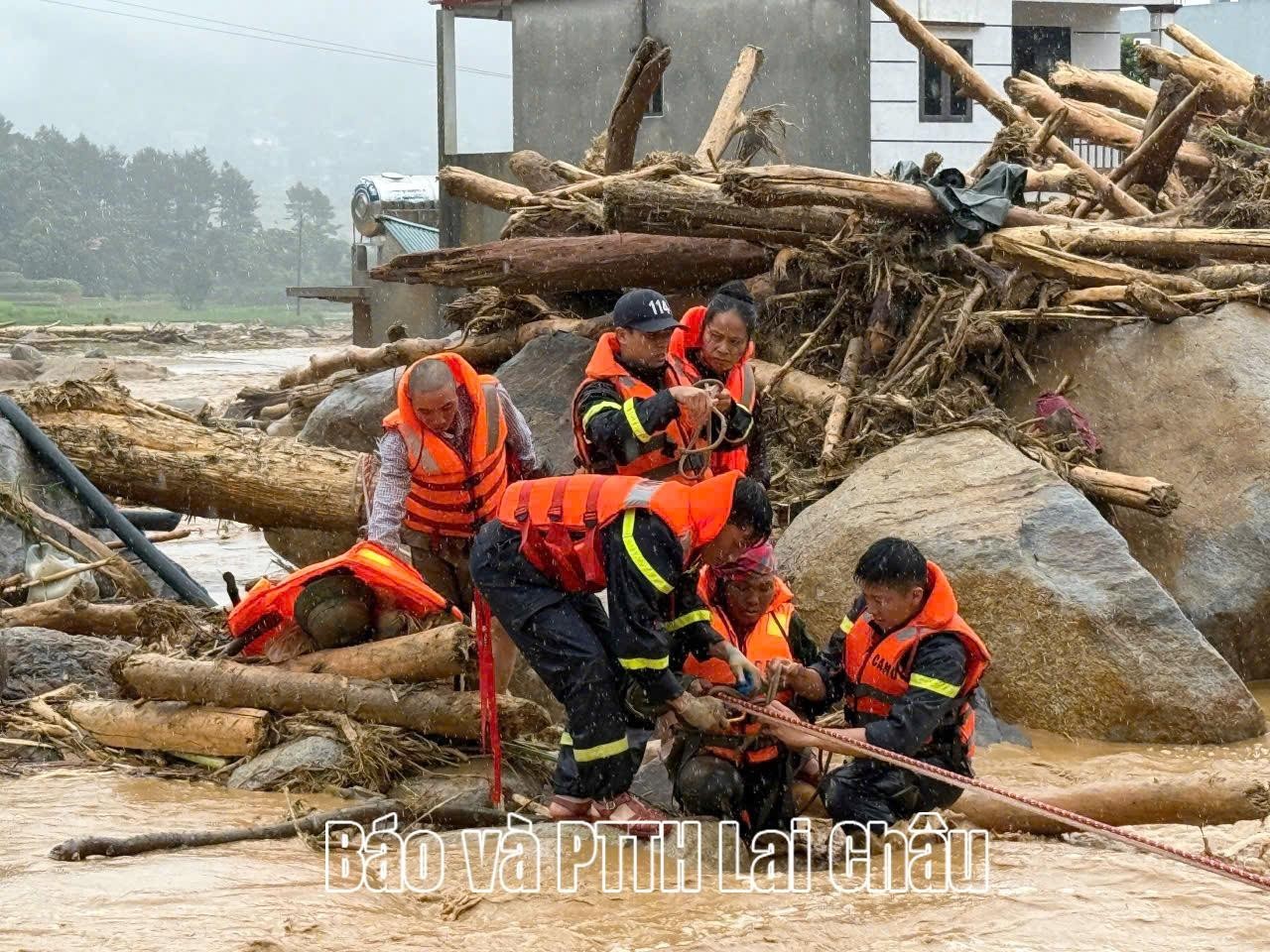
Lai Chau Calls for Support to Help Residents Recover from Flood Damage
 Viet's Home
Vietnam to Host Its First International Olympiad in AI
 Viet's Home
Dak Lak, Mondulkiri Sign Memorandum of Understanding for Cooperation
 Viet's Home