
Electronic Fishing Logbooks Drive Modernization in Ho Chi Minh City
 | Nam Cam Ranh Commune Steps Up Fight Against IUU Fishing |
| Dak Lak Strengthens Measures to Combat Illegal, Unreported Fishing |
According to the Ho Chi Minh City Department of Agriculture and Environment, the city currently has 4,445 fishing vessels, of which 80 offshore vessels have been equipped with pilot electronic logbook systems. This is considered an important step in the digital transformation of the fisheries sector toward sustainable management.
At Loc An Port in Phuoc Hai commune, where dozens of fishing vessels arrive and depart daily, operations remain bustling. In addition to seafood handling activities, the port serves as a hub to support fishermen in accessing new technologies. Many fishermen actively seek guidance from officials to install and use the electronic logbook application before heading out to sea.
Huynh Van Thin, a fisherman from Phuoc Hai commune, said that at first, using a smartphone for record-keeping was unfamiliar. However, with detailed guidance, he has now become proficient and finds the method more convenient than traditional manual recording.
Similarly, fisherman Le Minh Nhat shared that although many fishermen are older and have limited technological skills, with hands-on support from local officials and port staff, using electronic logbooks has become simple and quick. Fishermen can report fishing activities anytime, anywhere through the mobile application.
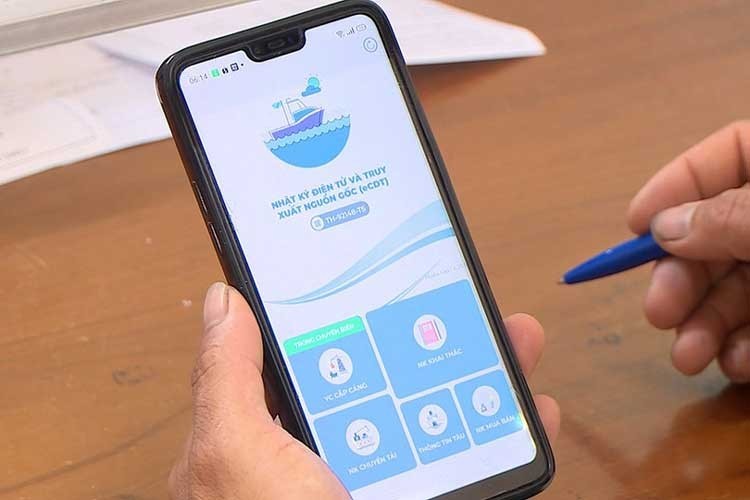 |
| Electronic Fishing Logbooks: A Step Forward in Modernizing Fisheries in Ho Chi Minh City. (Illustrative photo: KT) |
Since 2023, several fishing vessels over 15 meters in length in Binh Chau commune have been selected for piloting the electronic logbook system. When vessels dock, data is extracted directly from the device or software, enabling authorities to quickly capture catch volumes for verification of seafood origin and reporting.
Nguyen Truong Chin, a fisherman in Binh Chau commune, noted that the software is not as complicated as initially thought. Instead of daily manual entries, all data can now be recorded on a smartphone, stored fully, and easily retrieved when needed.
In practice, the system has significantly reduced time and errors in record-keeping. According to Nguyen Van Huy, a staff member at Loc An Port, data entry involves simple steps such as logging net deployment, retrieval, and catch updates. When vessels arrive at port, the system automatically compiles and prints the logbook for fishermen to sign.
From a management perspective, Cu Duy Cao Vy, representing the Ben Loi–Binh Chau Storm Shelter Anchorage Management Board, said that electronic logbooks help ensure traceability of seafood origins while enabling authorities to more effectively monitor catch volumes and fishing activities.
The electronic logbook software is designed to function stably even without mobile network coverage. Fishermen can continue recording data while at sea, and once the vessel enters an area with signal, the information is automatically synchronized to the system, ensuring continuity and accuracy.
According to the implementation roadmap, electronic logbooks will become mandatory for vessels measuring 24 meters or longer starting July 1, 2026; for vessels from 15 to under 24 meters starting September 1, 2026; and for vessels from 12 to under 15 meters starting January 1, 2027.
Pham Thi Na, Deputy Director of the Ho Chi Minh City Department of Agriculture and Environment, affirmed that the application of electronic logbook technology plays a crucial role in building a seafood traceability system, covering stages from fishing and landing to processing and export, especially for demanding markets such as the European Union. This contributes to enhancing the value and transparency of Vietnam’s seafood products.
Alongside this, the coordinated implementation of solutions such as vessel monitoring systems (VMS), electronic logbooks, and catch control at ports is expected to help Vietnam soon remove the IUU “yellow card” warning, thereby facilitating market expansion and boosting seafood exports.
However, the rollout still faces challenges, as some fishermen have limited technological skills and the cost of equipment remains high. In response, authorities are stepping up communication efforts, organizing training sessions, and providing installation support and user guidance to ensure effective and synchronized implementation in the coming period.
 | Dong Thap Intensifies Inspections to Combat IUU Fishing In a concerted effort to help the country lift the European Commission’s “yellow card” warning on seafood, Dong Thap Province is stepping up inspections and ... |
 | Ninh Binh Tightens Management of Fishing Vessels, Prepares for the Fifth EC Inspection Mission The People’s Committee of Ninh Binh province has requested relevant departments, agencies, and local authorities to strengthen the review and rectification of fishing vessel management, ... |
Related Stories
 Seas and islands
Modern Technology Implemented in Crackdown on IUU Fishing
 Seas and islands
National Steering Committee Strengthened for IUU Fight and Sustainable Fisheries
Recommended
 Seas and islands
Vietnam Reaffirms Goodwill in Adhering to 1982 UNCLOS
 Seas and islands
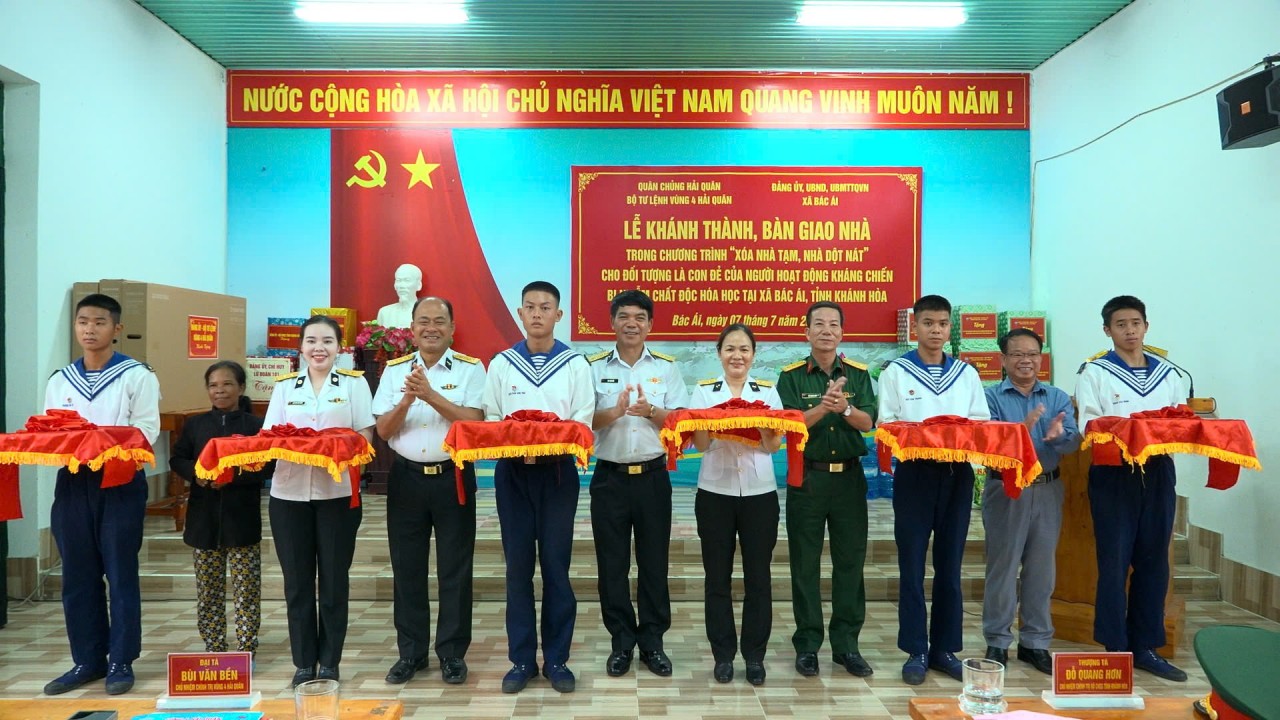
Naval Region 4 Handed Over Four Houses to Policy Beneficiary Families
 Seas and islands
Truong Sa: Every Family a “Living Landmark” on the Frontline of the Sea
 Seas and islands
Dream of Soldiers on a Remote Island
 Seas and islands
Vietnam Chairs Opening Session of the 36th Meeting of States Parties to UNCLOS
 Seas and islands
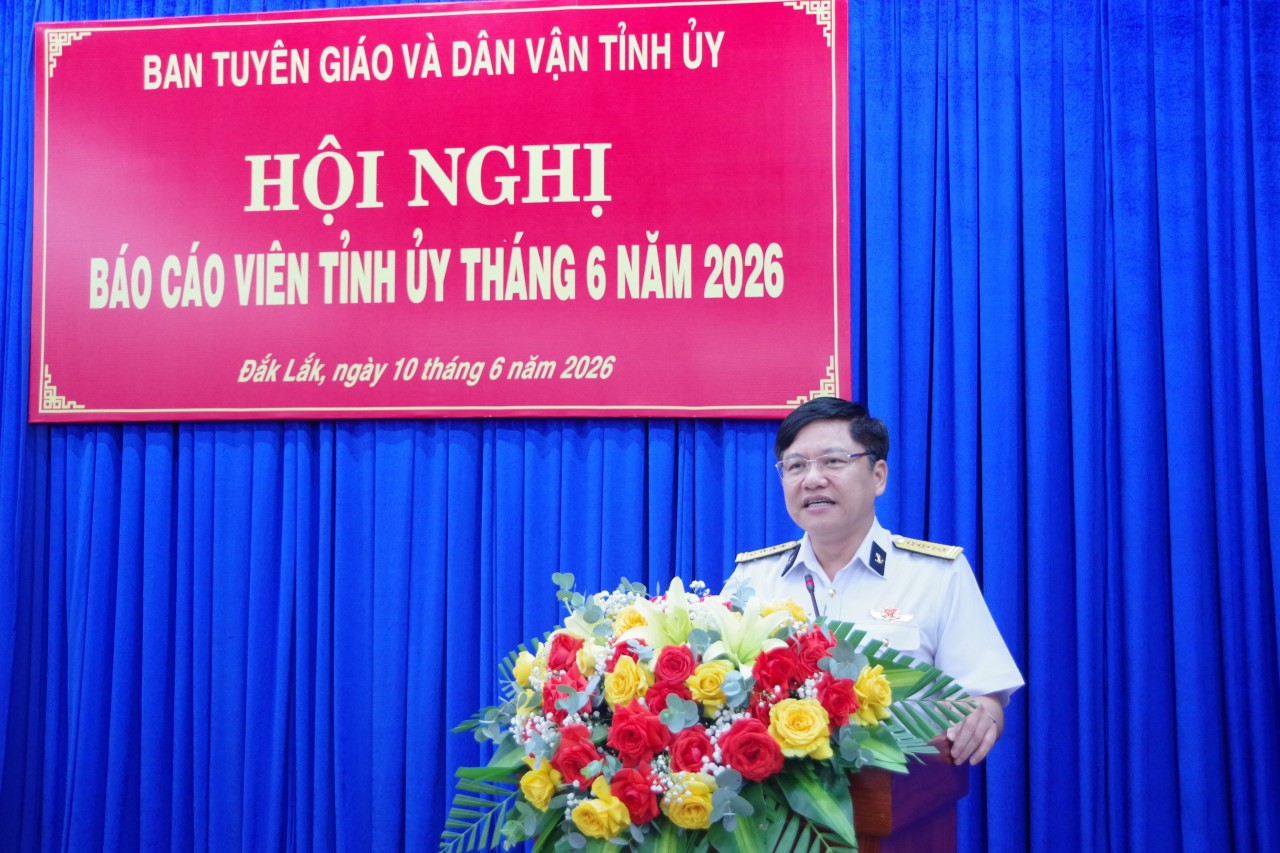
Promoting Love for Vietnam’s Seas and Islands in Dak Lak
 Seas and islands
Khanh Hoa Fishermen Bring Cameras Underwater
 Seas and islands