Hanukkah 2020: What do you know about its history and meaning?
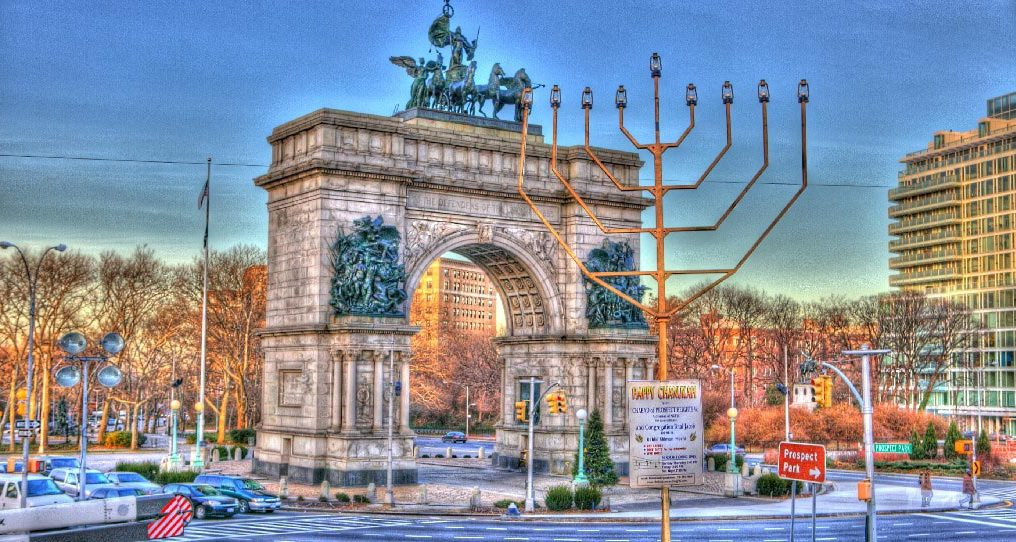
The eight-day Jewish celebration known as Hanukkah or Chanukah commemorates the rededication during the second century B.C. of the Second Temple in Jerusalem, where according to legend Jews had risen up against their Greek-Syrian oppressors in the Maccabean Revolt.
Hanukkah, which means “dedication” in Hebrew, begins on the 25th of Kislev on the Hebrew calendar and usually falls in November or December. Often called the Festival of Lights, the holiday is celebrated with the lighting of the menorah, traditional foods, games and gifts.
History of Hanukkah
The events that inspired the Hanukkah holiday took place during a particularly turbulent phase of Jewish history. Around 200 B.C., Judea—also known as the Land of Israel—came under the control of Antiochus III, the Seleucid king of Syria, who allowed the Jews who lived there to continue practicing their religion. His son, Antiochus IV Epiphanes, proved less benevolent: Ancient sources recount that he outlawed the Jewish religion and ordered the Jews to worship Greek gods. In 168 B.C., his soldiers descended upon Jerusalem, massacring thousands of people and desecrating the city’s holy Second Temple by erecting an altar to Zeus and sacrificing pigs within its sacred walls.
We all know that the best thing to do during Hanukkah is to celebrate with family and friends. It’s a time to appreciate your loved ones and honor an amazing, deep-seated tradition.
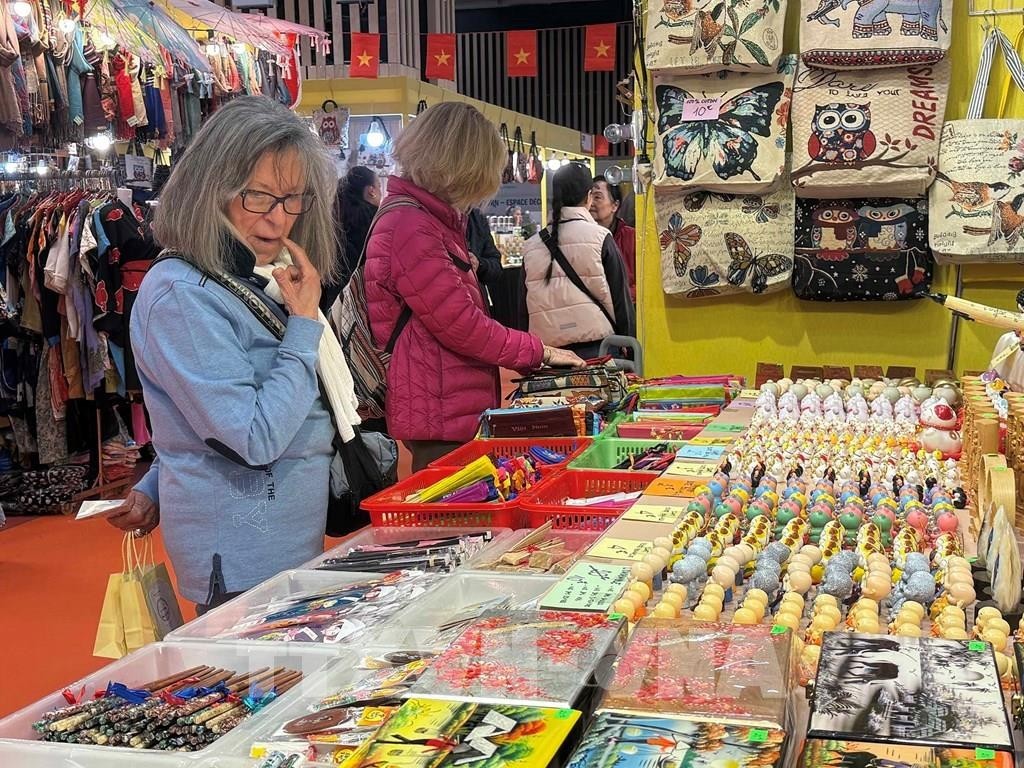
Participating in the Paris International Fair (Foire de Paris), which opened on April 30, Vietnamese enterprises not only showcased distinctive handicrafts and cuisine but also contributed to promoting Vietnam’s cultural image to international friends, attracting significant attention from European visitors.
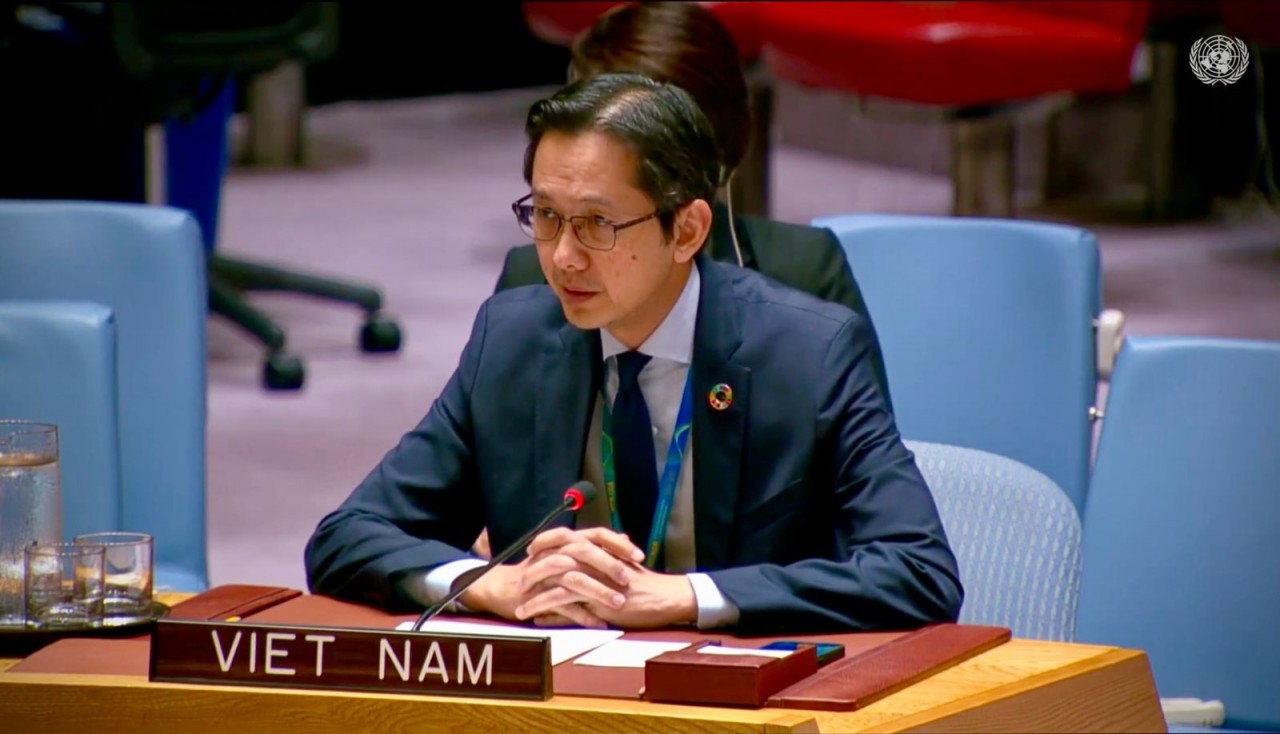
On the eve of the 11th Review Conference of the Treaty on the Non-Proliferation of Nuclear Weapons (NPT), Ambassador Do Hung Viet, Head of the Permanent Mission of Vietnam to the United Nations and President-designate of the Conference, spoke with international media in New York, emphasizing the need to advance substantive measures, enhance transparency, and build trust amid a challenging global security environment.
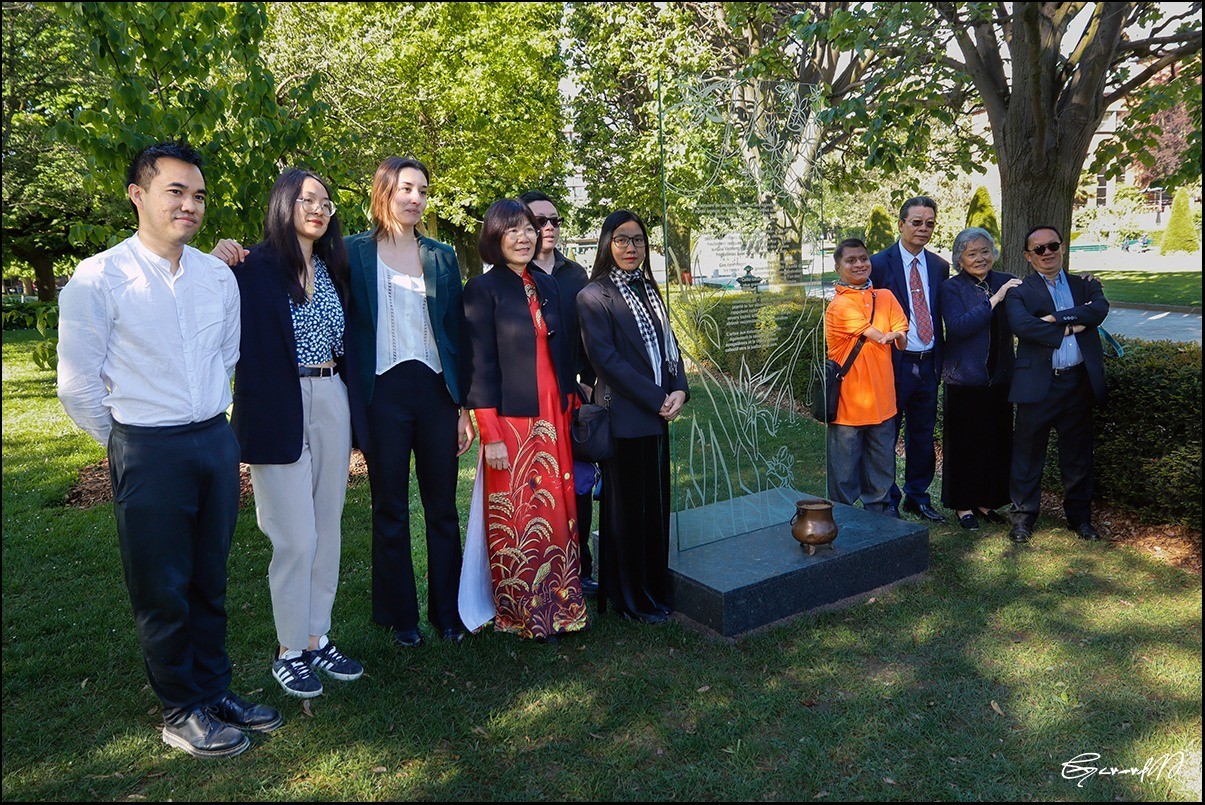
The authorities of the 13th arrondissement of Paris (France), in coordination with the Vietnam Association for Victims of Agent Orange/Dioxin (Collectif Vietnam-Dioxin), the Committee Supporting Tran To Nga’s lawsuit, along with various associations and the Vietnamese community, recently held a ceremony to inaugurate a memorial plaque dedicated to victims of Agent Orange/dioxin at Choisy Park.
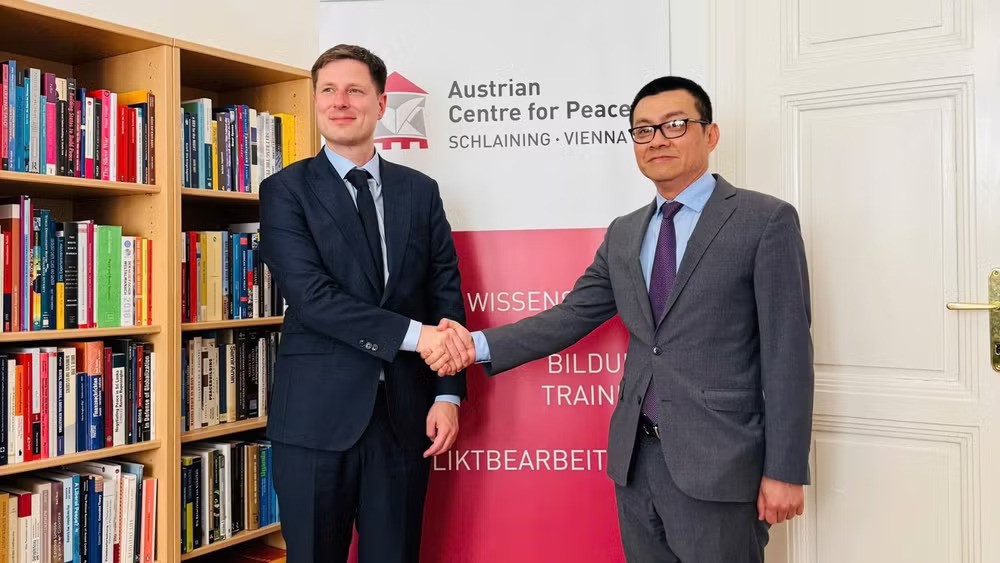
On April 23 in Vienna, Vietnamese Ambassador to the Republic of Austria Vu Le Thai Hoang held a working session with Tobias Lang, Director of the Austrian Centre for Peace, to strengthen Vietnam-Austria cooperation in training and capacity-building for personnel participating in United Nations peacekeeping operations.
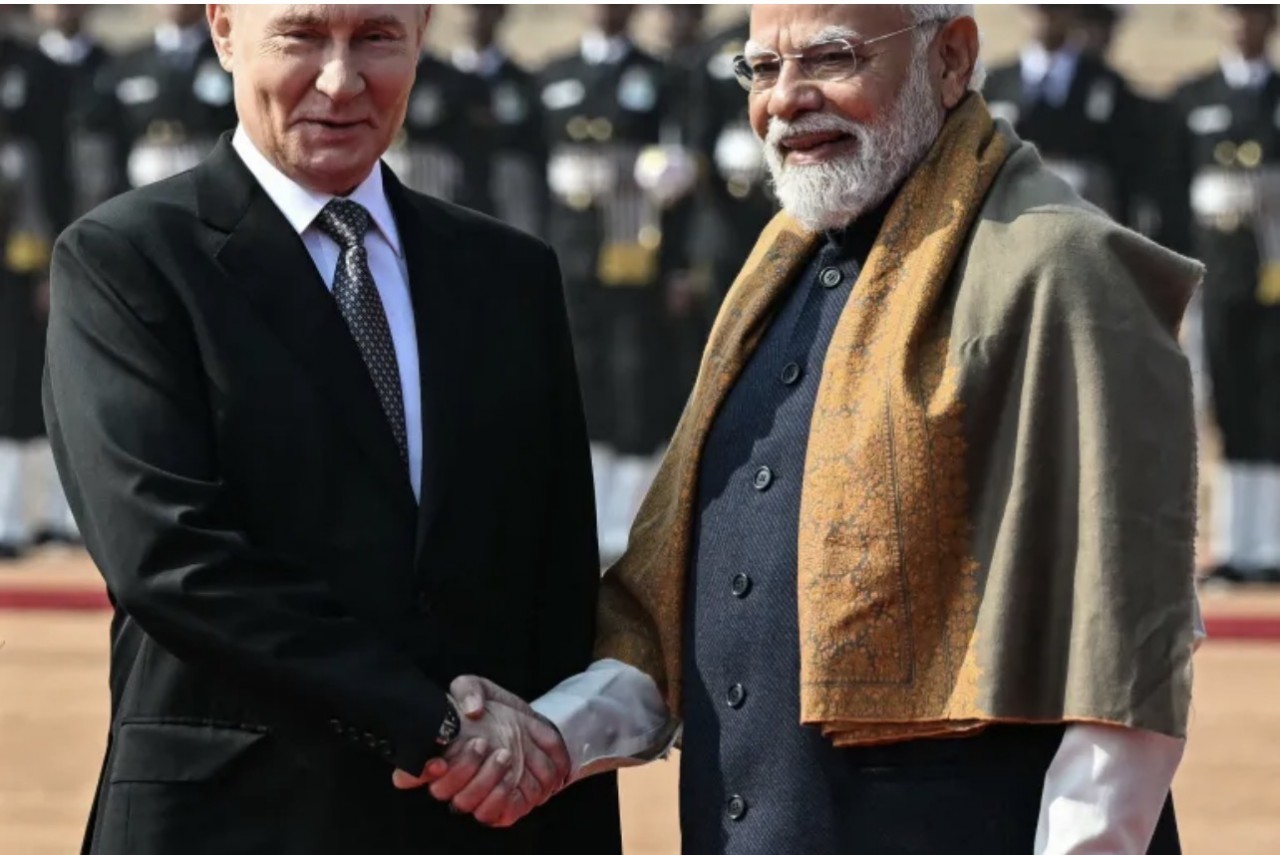
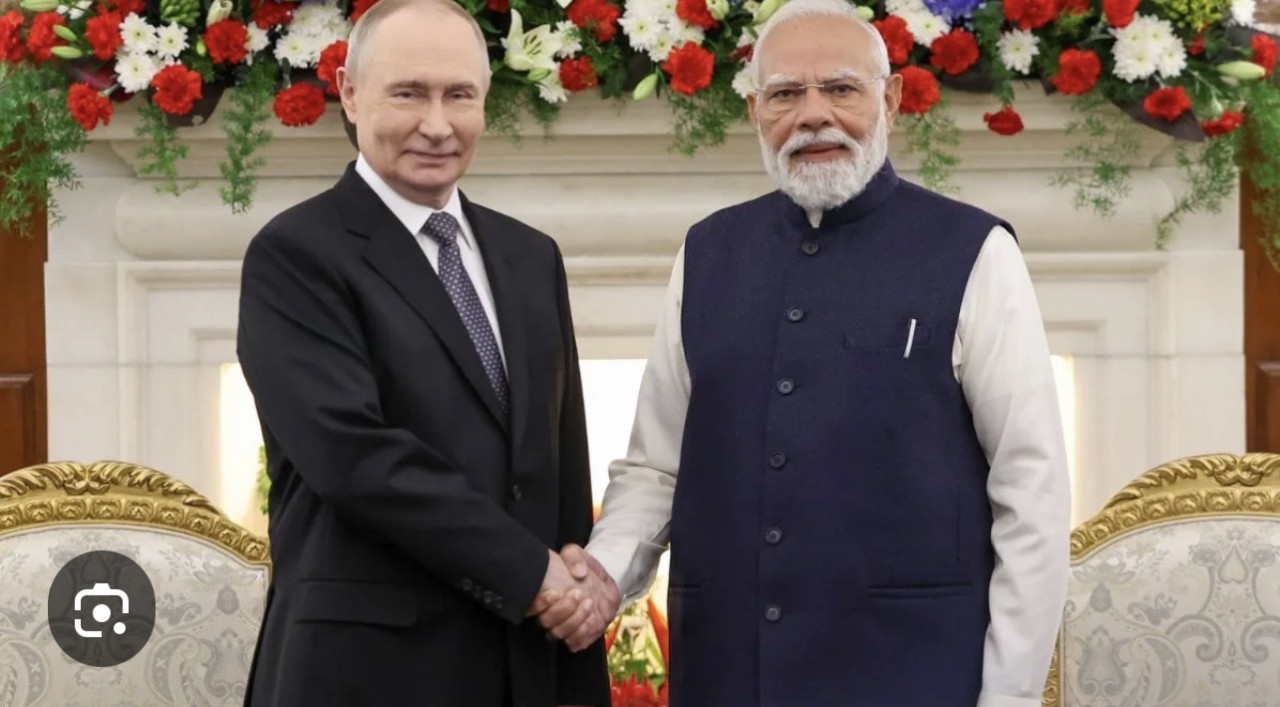
The Indo-Russian Reciprocal Exchange of Logistics Agreement (RELOS), signed in 2025, has been reported to have come into force, enabling reciprocal access to facilities such as bases, ports, and airfields primarily for logistical support, supplies, and operational needs.
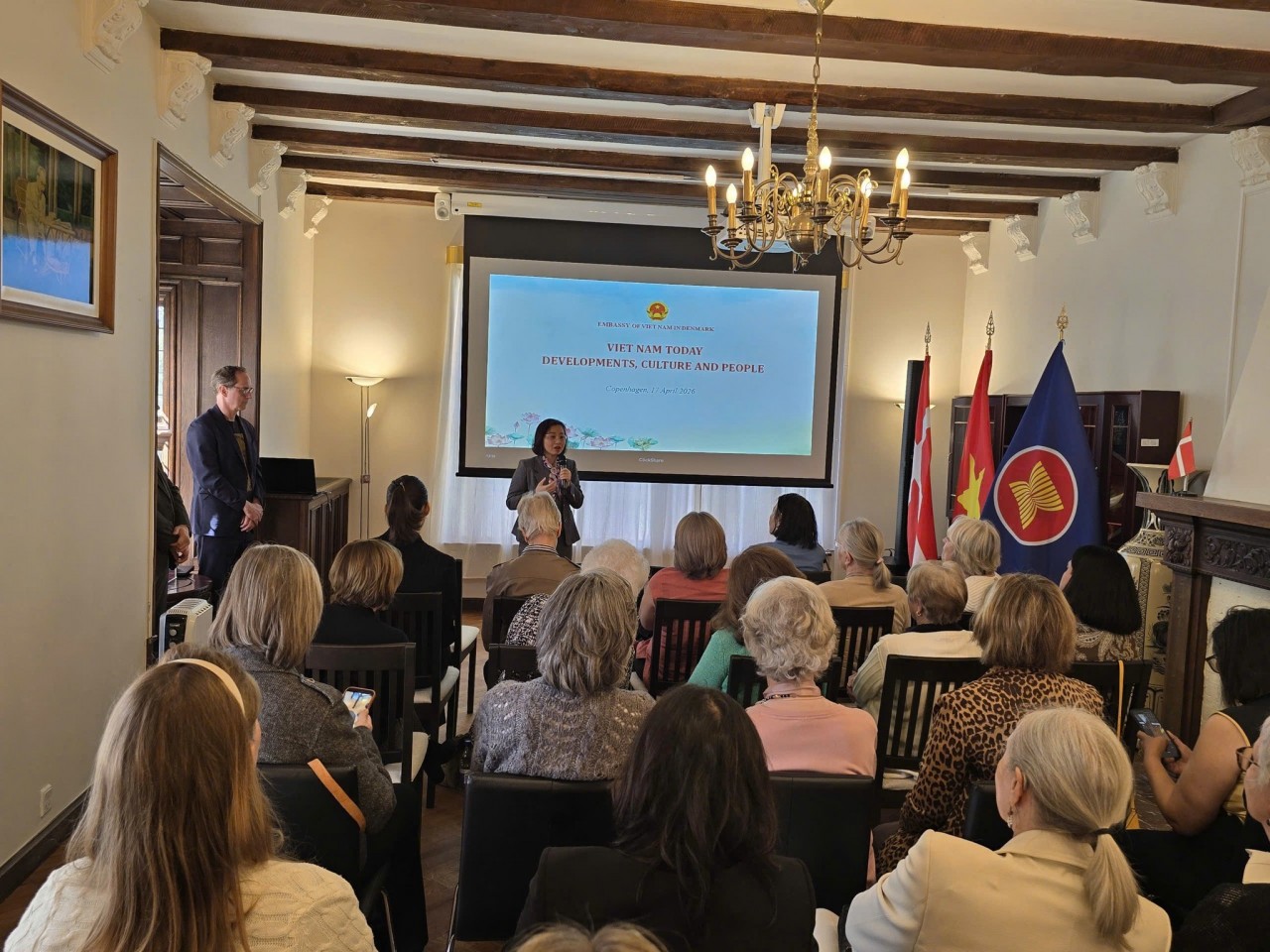
On April 17, the Embassy of Vietnam in Denmark hosted an event titled “Vietnam Today: Milestones in Development, Culture and People,” aimed at showcasing the country’s image, culture, and people to Danish and international friends, while also announcing a series of activities to mark the 55th anniversary of diplomatic relations between Vietnam and Denmark in 2026.



 World
World
 World
World
 World
World
 World
World
 World
World
 World
World
 World
World
 World
World
 World
World